 YardMate

Fuchsia x hybrida
Fuchsia x hybrida
Medium · Some experienceAbout Fuchsia x hybrida
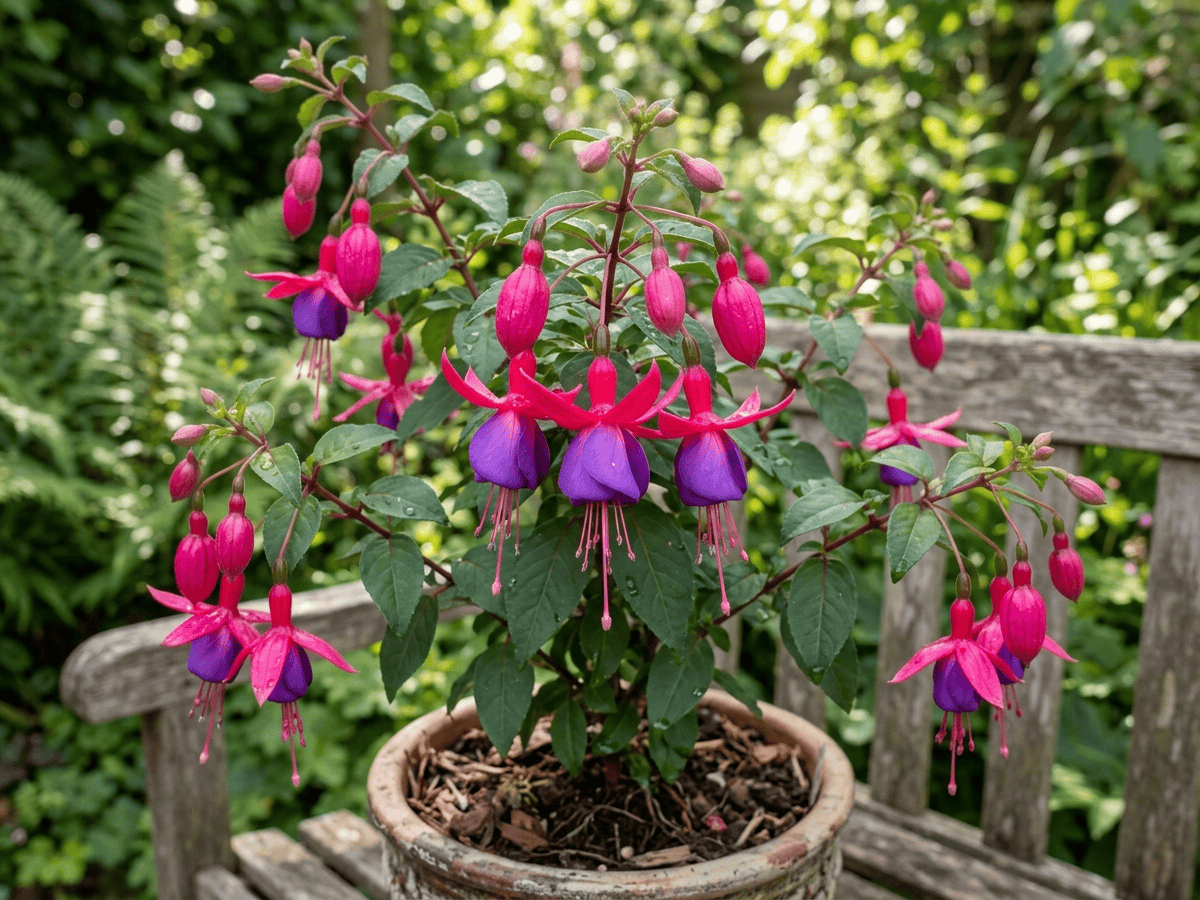
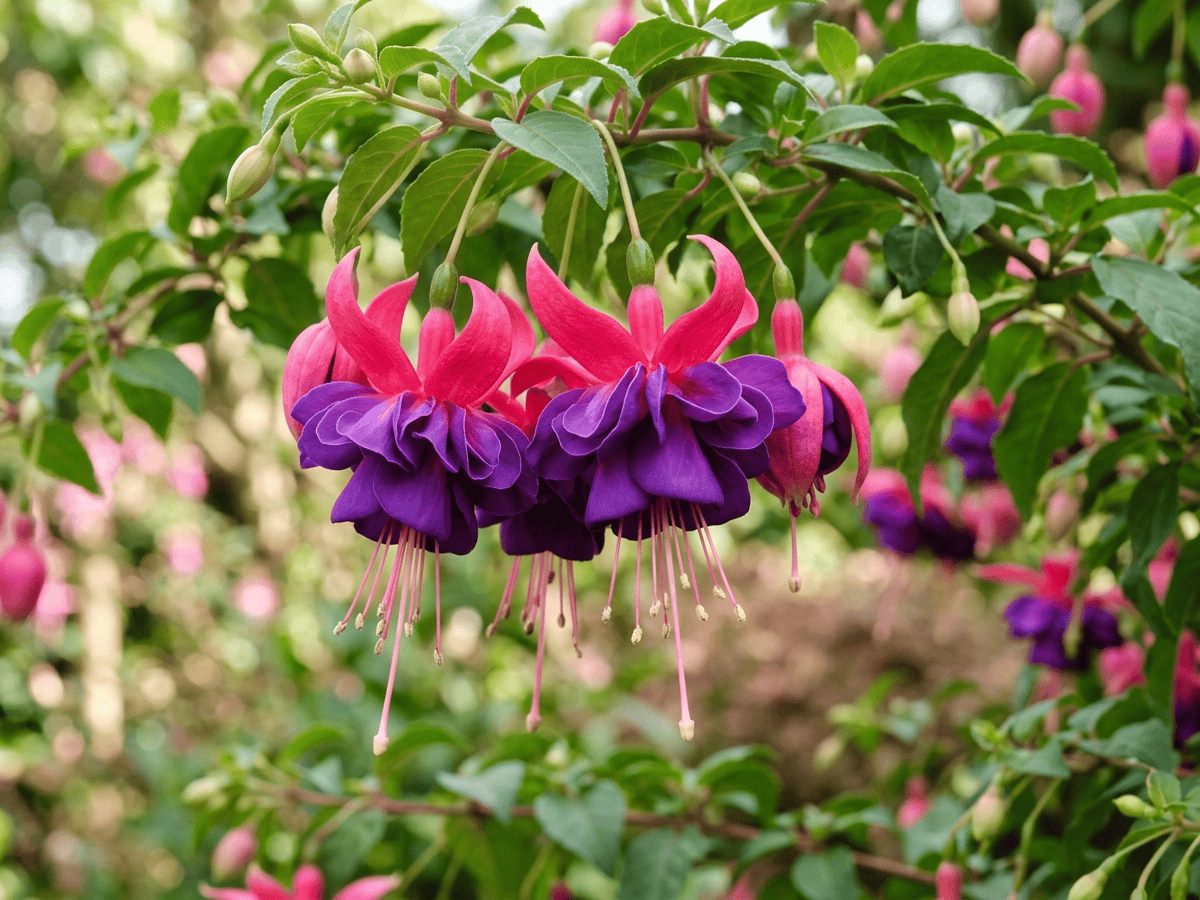
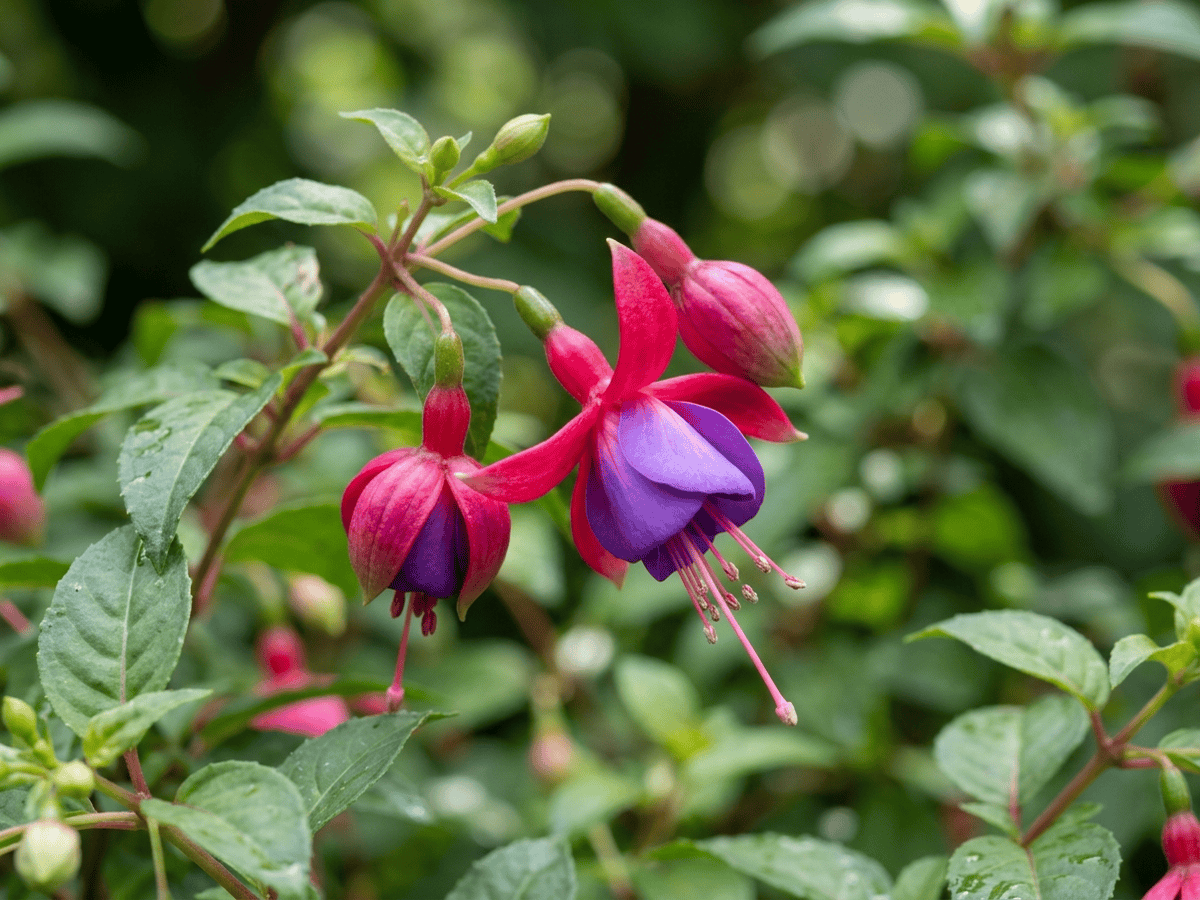
Hybrid Fuchsia is the classic hanging basket fuchsia, a complex hybrid of South American species producing the iconic pendant ballerina-like flowers in every combination of red, purple, pink, and white. Growing 12 to 36 inches trailing or upright, with single or double flowers from spring through frost. A signature cool-summer plant of American Pacific Northwest and coastal California gardens, beloved for hummingbird attraction.
- Shade-tolerant
- Trailing
- Long-blooming
- Pollinator-friendly
How to care for Fuchsia x hybrida
Watering
- Springevery 3 days
- Summerevery 2 days
- Fallevery 5 days
- Winterevery 7 days
Soil · Well-draining
- Top dressingPine bark mulch10%
- Main mixPotting soil + perlite 2:170%
- DrainageLECA / gravel20%
Never skip the drainage layer — standing water is the top cause of root rot.
FERTILIZER
Balanced Feed 14-14-14
An even feed covers all three needs at once, keeping leaves, roots and blooms moving together with nothing pushed out of balance.
- Nitrogen · Leaves
- Phosphorus · Roots + Blooms
- Potassium · Strength
- Springevery 14 days
- Summerevery 14 days
- Fallevery 30 days
At a Glance
- NativeSouth America, Central America
- Height1–3 ft (0.3–0.9 m)
- Spread1–3 ft (0.3–0.9 m)
- Flower colorRed, Pink, Purple, White
- Foliage colorGreen, Bronze
- Fruit colorPurple, Black
- SoilMoisture-retentive, Loamy, Rich
- LocationsBalcony · Yard
Bloom time
BLOOM CYCLE
Peak bloom
Mar–Nov
Pendant ballerina flowers spring to frost in cool coastal areas
Toxicity
Pets Safe
None reported
Not reported
EXPOSURE No exposure route is reported.
EFFECT No toxic effect is reported.
NOTE No human toxicity is reported in this catalog; avoid eating ornamental plants unless confirmed edible.
Safe
EXPOSURE No exposure route is reported.
EFFECT No toxic effect is reported.
NOTE Listed as non-toxic for dogs; avoid eating ornamental plants unless confirmed edible.
Safe
EXPOSURE No exposure route is reported.
EFFECT No toxic effect is reported.
NOTE Listed as non-toxic for cats; avoid eating ornamental plants unless confirmed edible.
Educational information, not medical or veterinary advice. If exposure is suspected, contact a doctor or veterinarian.
DISTRIBUTION

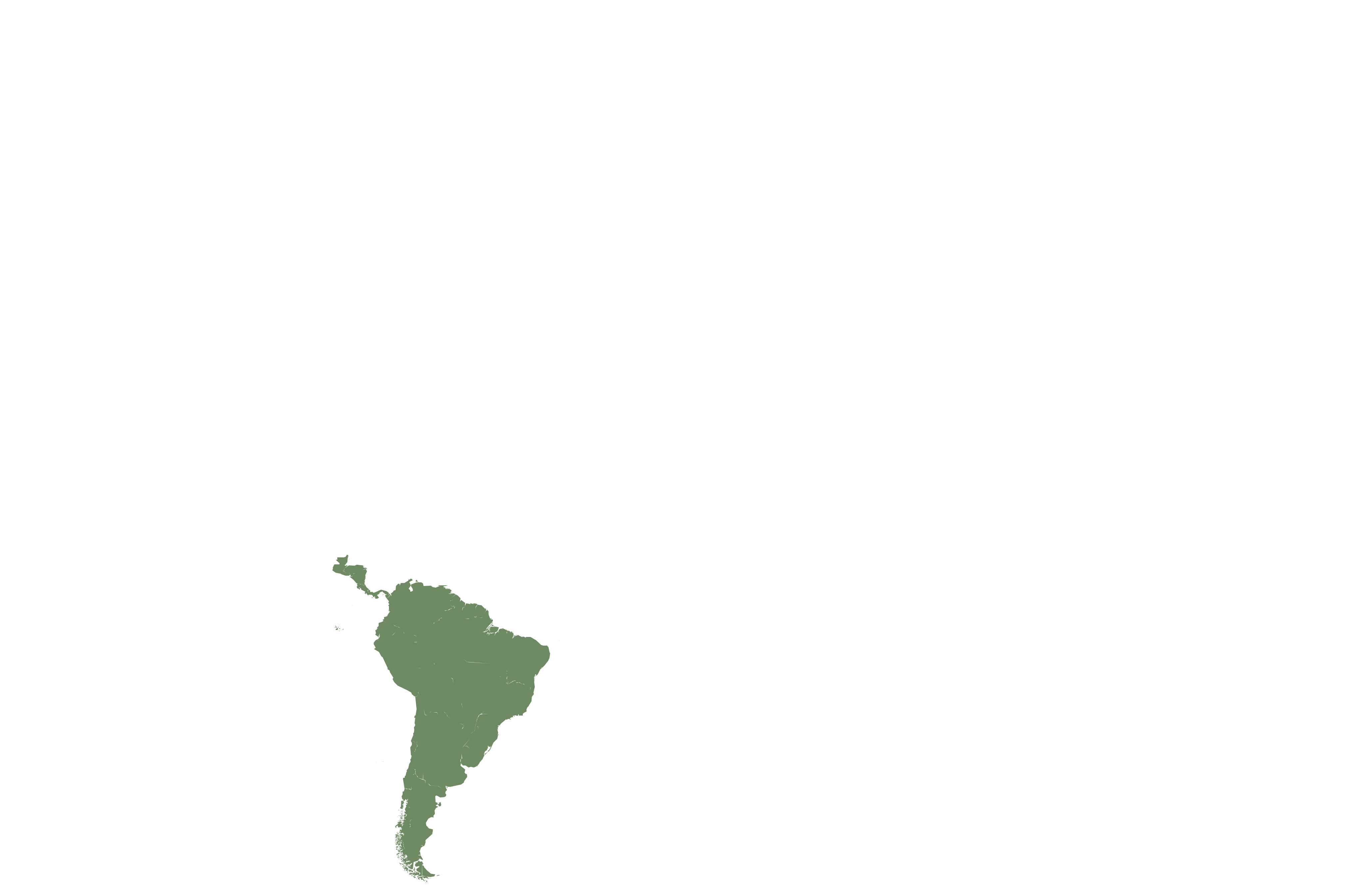
- Native
- South America
- Central America
History

Fuchsia x hybrida is the horticultural designation for the many hybrid fuchsia cultivars raised since the 1830s, derived chiefly from crosses between South American species including Fuchsia magellanica, F. fulgens, F. triphylla, F. coccinea, and F. splendens. English nurseryman James Lye, French breeder Victor Lemoine, and Swiss gardener Auguste Cornelissen produced foundational cultivars in the mid-19th century, igniting a Victorian fuchsia craze. The American Fuchsia Society, founded in 1929 at Berkeley, popularized fuchsia further across the US West Coast.
Today, groups including upright bush, cascading basket, triphylla, and hardy fuchsias encompass thousands of named clones. The classic dancing ballerina silhouette of paired sepals and tube attracts hummingbirds, and breeders continue releasing new colors every year.
Fuchsia hybridization began in Europe in the 1840s, creating the modern pendant hanging-basket types. The iconic Victorian fuchsia craze reached America by 1860. Coastal California and Pacific Northwest remain the heart of American fuchsia culture, where cool summers allow year-round bloom.
Symbolism & meaning
What It Symbolizes
Fuchsia x hybrida holds Confiding love in the Victorian language of flowers — a trusting, tender affection offered openly. Each pendant blossom is a small Ballerina grace, twin tutus of sepal and petal poised mid-leap. To hang a basket of fuchsia is to fill a porch with quiet, unguarded romance.
- Ballerina grace — pendant flowers resemble tiny dancers
- Confiding love — trusting beauty, Victorian flower language
Where the Name Comes From
'Fuchsia' honors 16th-century German herbalist Leonhart Fuchs (1501-1566); 'x hybrida' denotes complex hybrid origin.
Uses & Fun Facts
- Pendant bell flowers dangle through summer in shade
- Classic hanging-basket plant for porches and patios
- Tubular blooms are reliable hummingbird favorites
Related plants
More Fuchsia plants
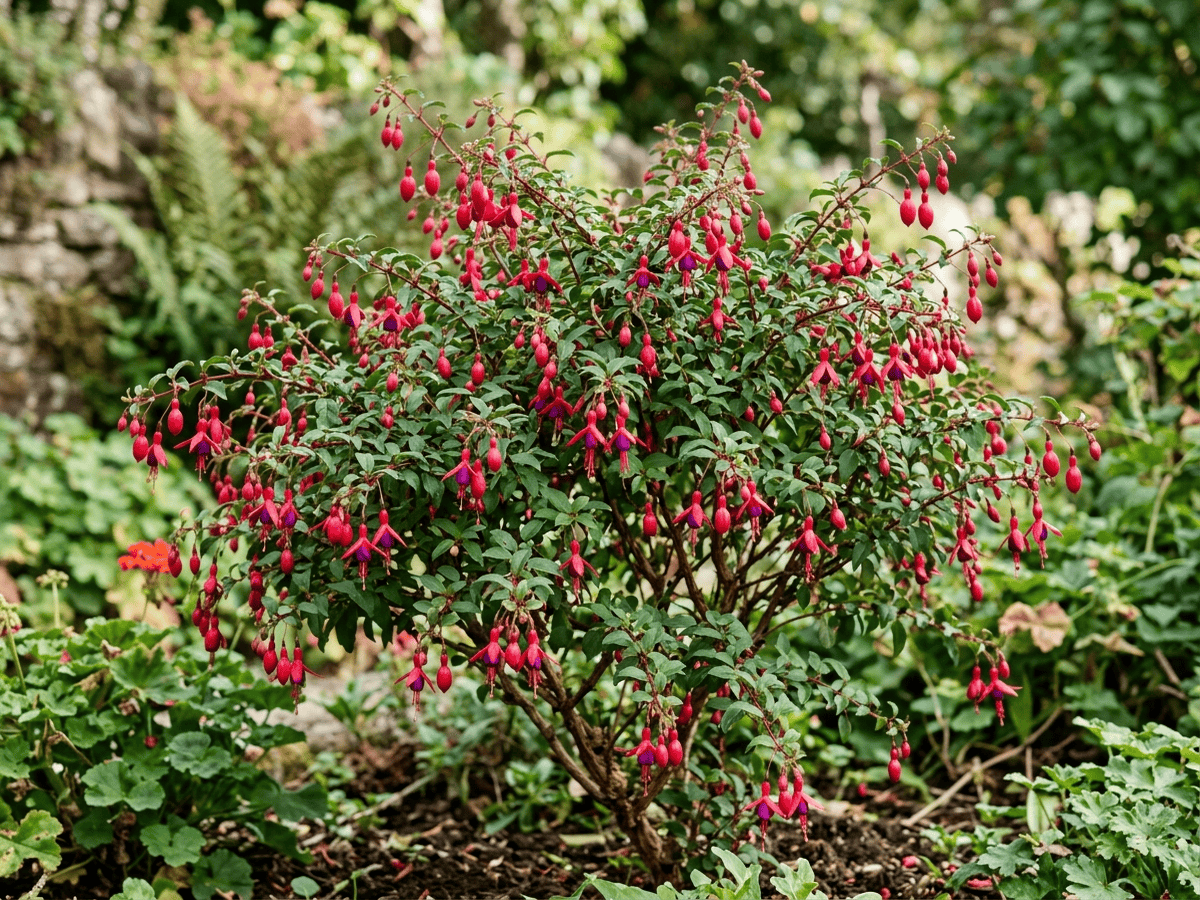
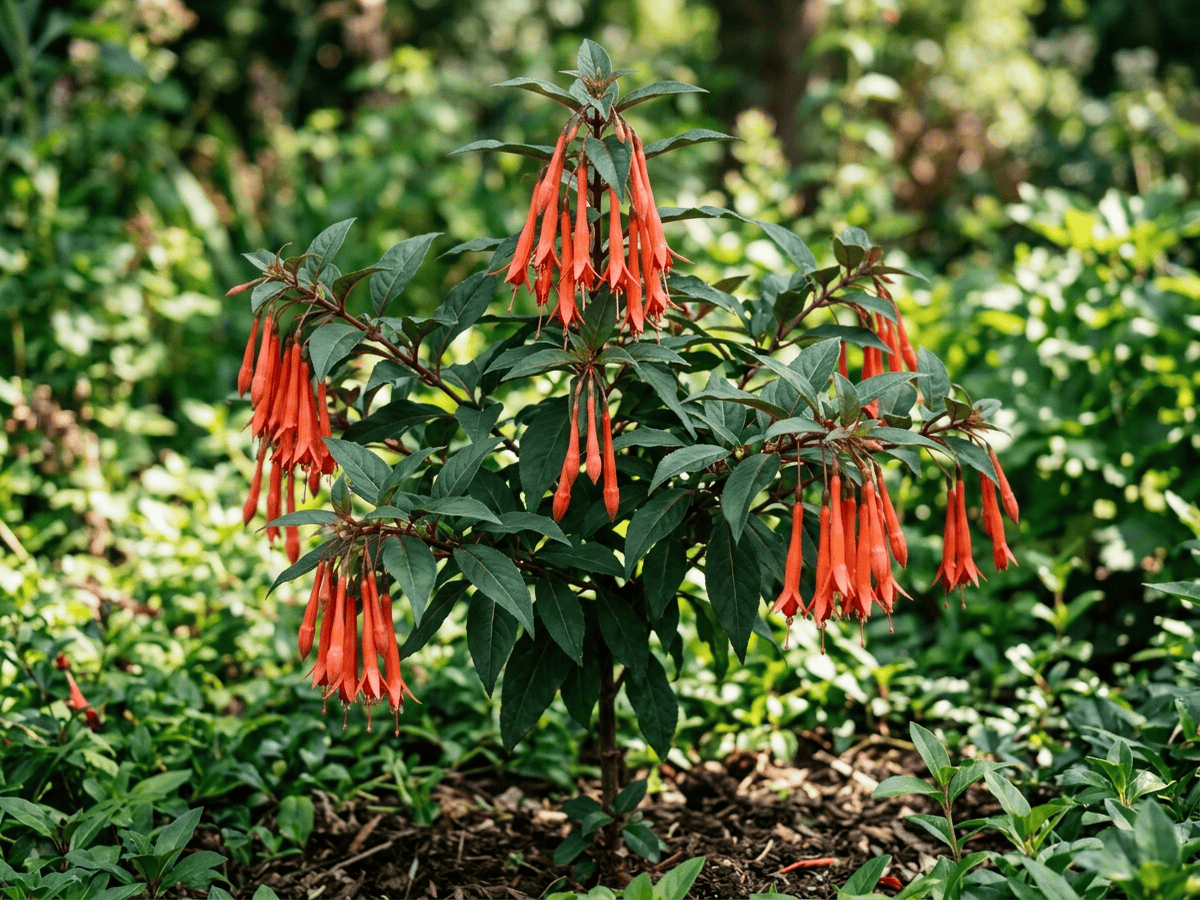
Plants with similar care
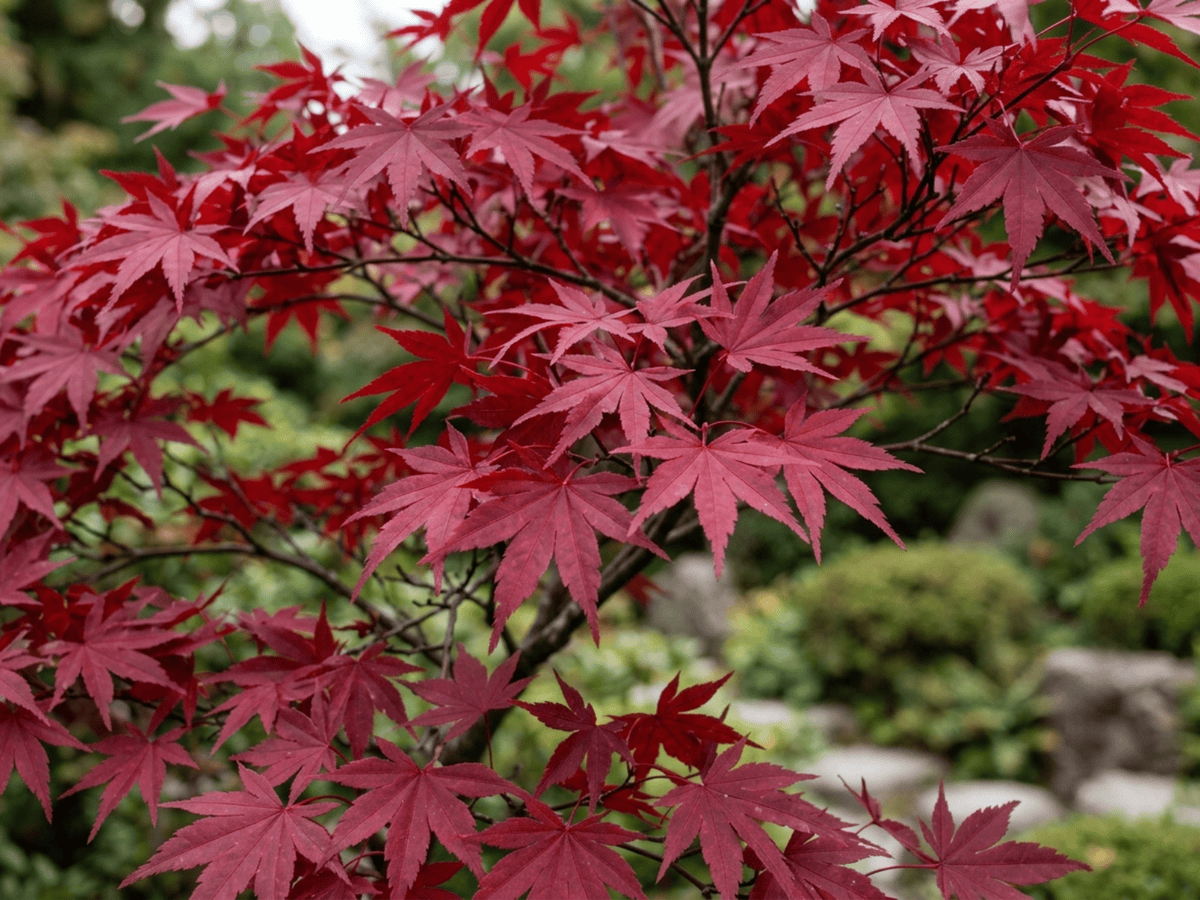 Japanese MapleAcer palmatum
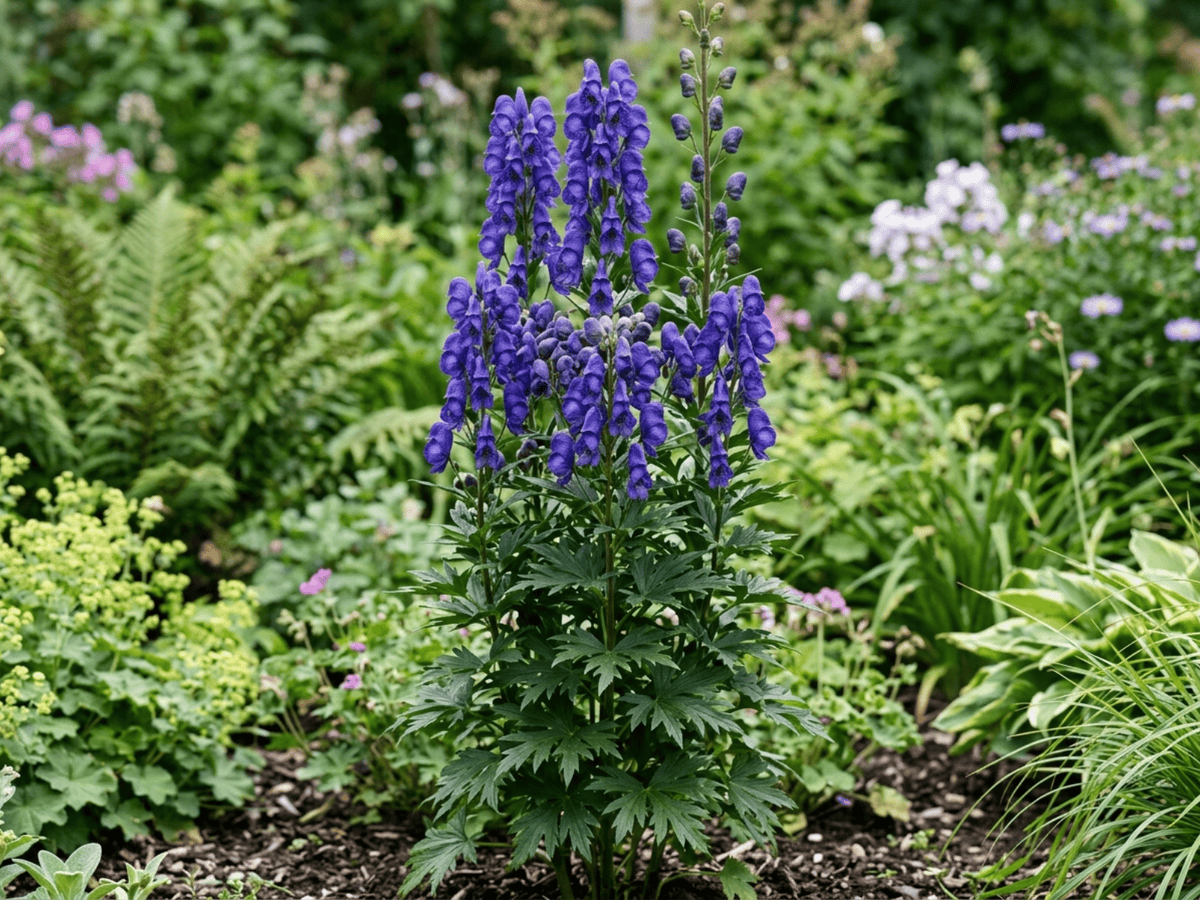 Azure MonkshoodAconitum carmichaelii
 Florida HobblebushAgarista populifolia
 Shell GingerAlpinia zerumbet
Frequently asked questions
How often should I water Fuchsia x hybrida?
In summer, water about every 2 days; in winter, about every 7 days. Adjust for heat, pot size and drainage.
How much light does Fuchsia x hybrida need?
Part shade: 2–4 hrs direct. Watch the leaves — scorching or stretching means the light needs adjusting.
Is Fuchsia x hybrida toxic to cats or dogs?
Pets Safe (Dogs Safe · Cats Safe) Educational information, not medical or veterinary advice. If exposure is suspected, contact a doctor or veterinarian.
Is Fuchsia x hybrida easy to grow?
It is moderately demanding: a good choice once you have a little experience.
When does Fuchsia x hybrida bloom?
It typically blooms Mar–Nov in the Northern Hemisphere.
YardMate
Identify any plant in seconds
Snap a photo — YardMate names the plant, diagnoses problems, and reminds you when to water.
Download on the App Store