 YardMate
Terracotta Gazania
Gazania krebsiana
Easy · Beginner friendlyAbout Terracotta Gazania
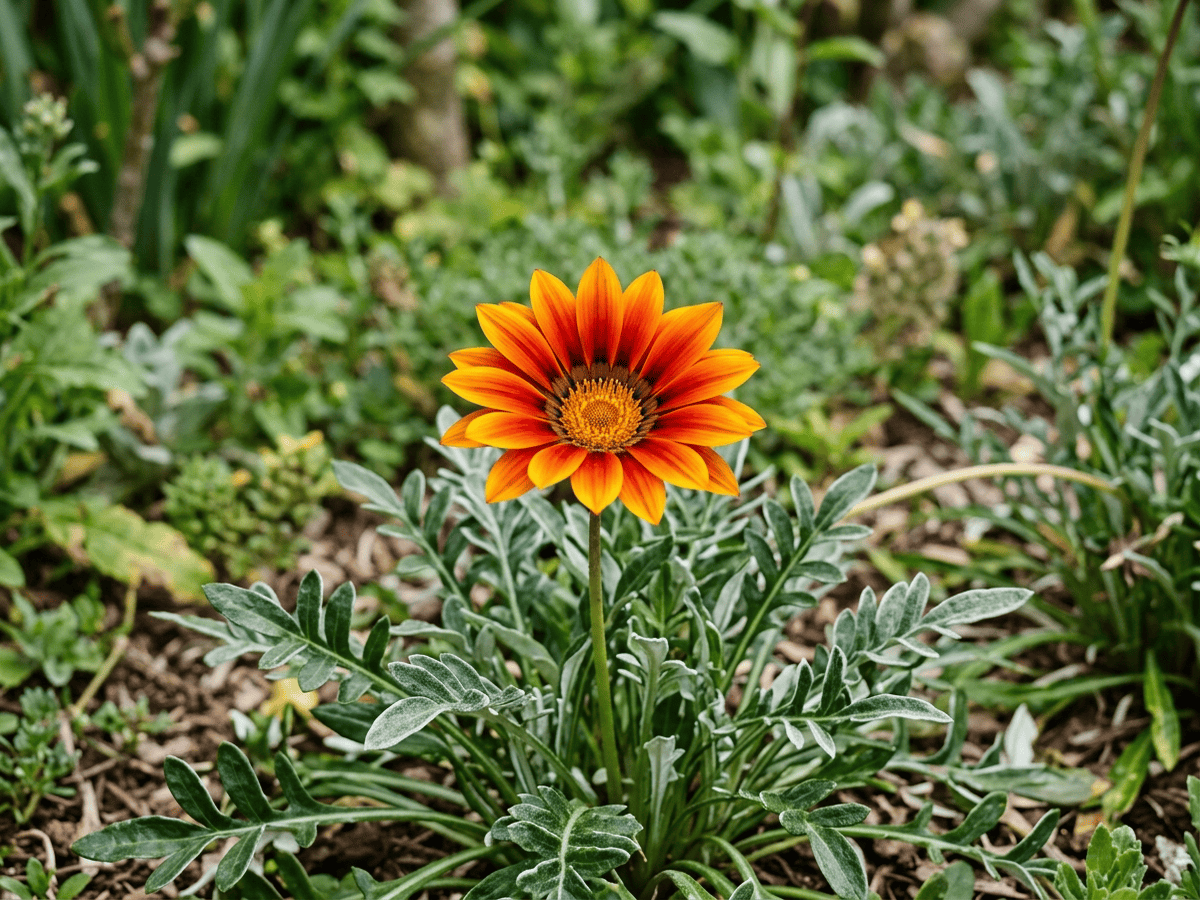
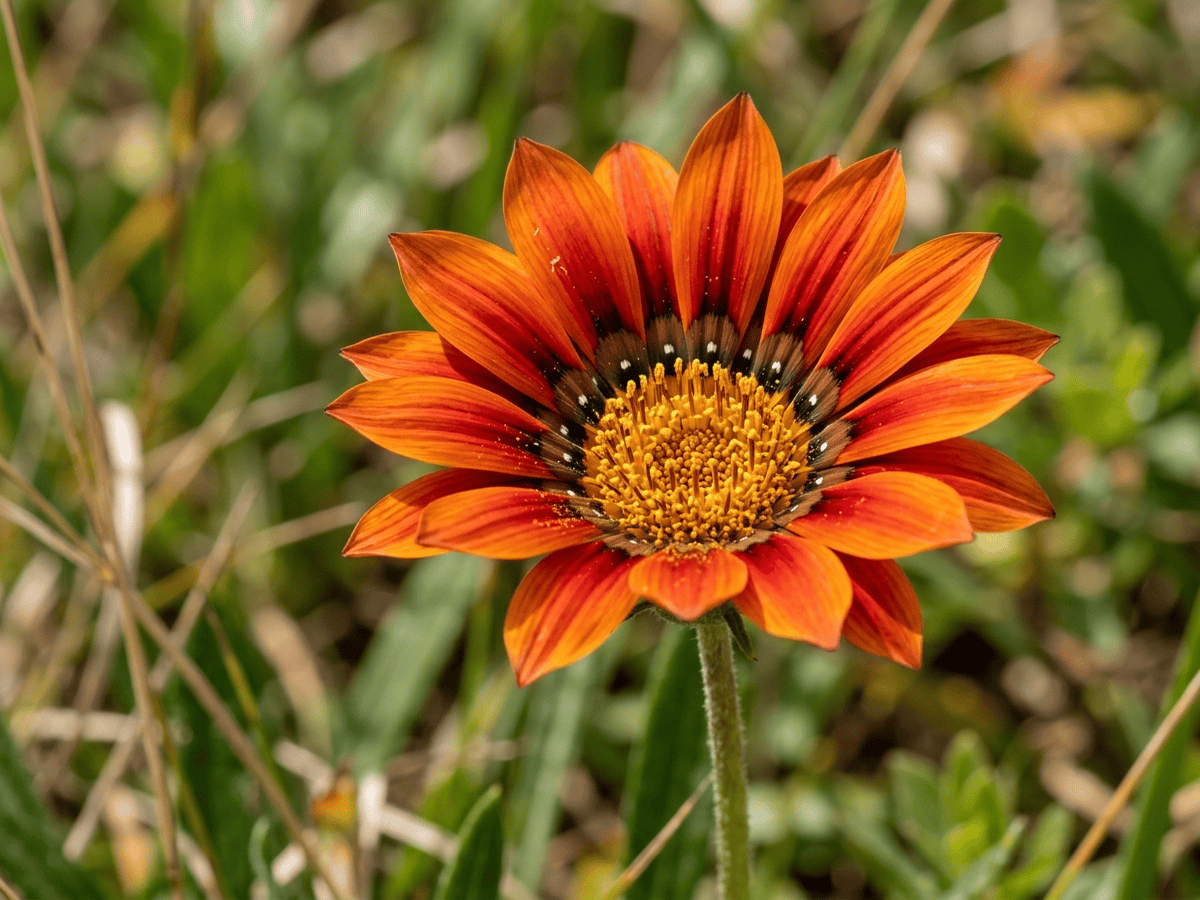
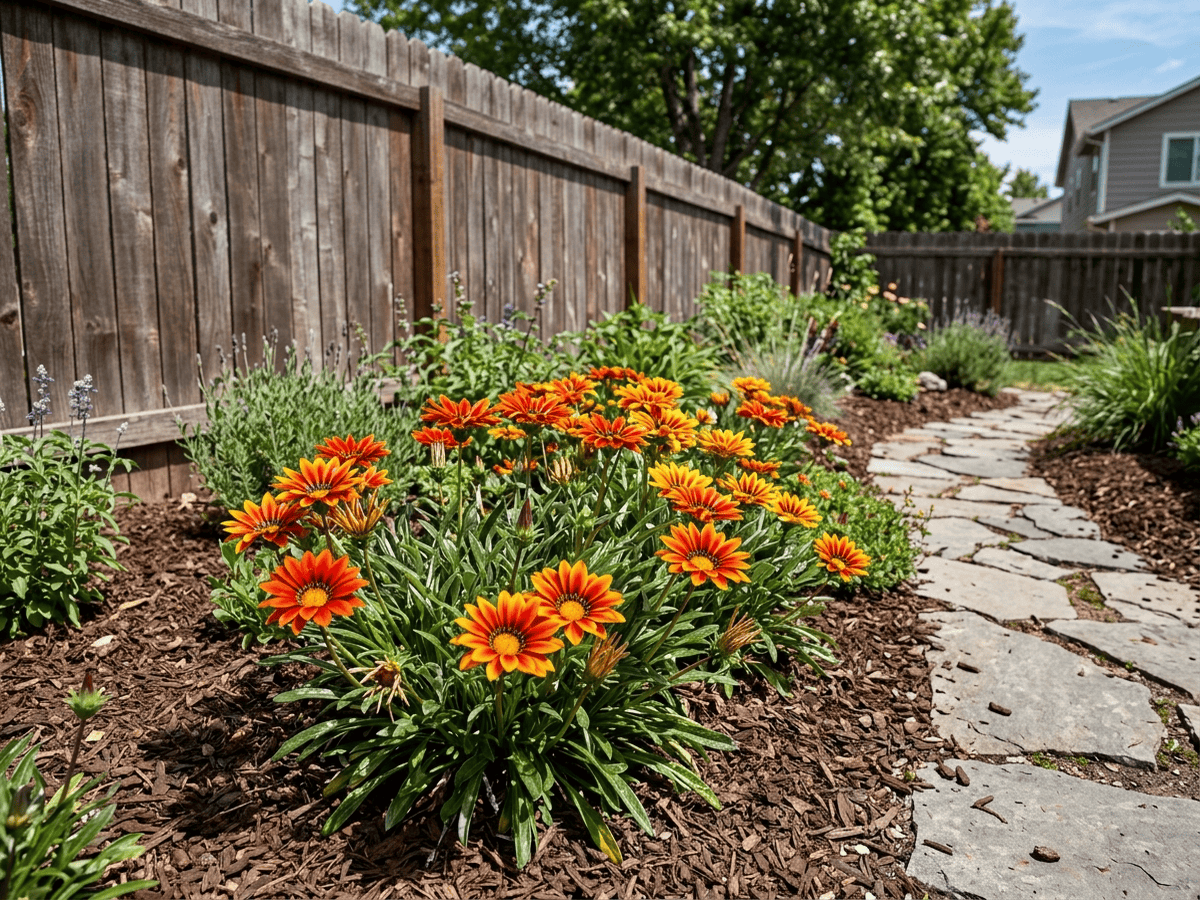
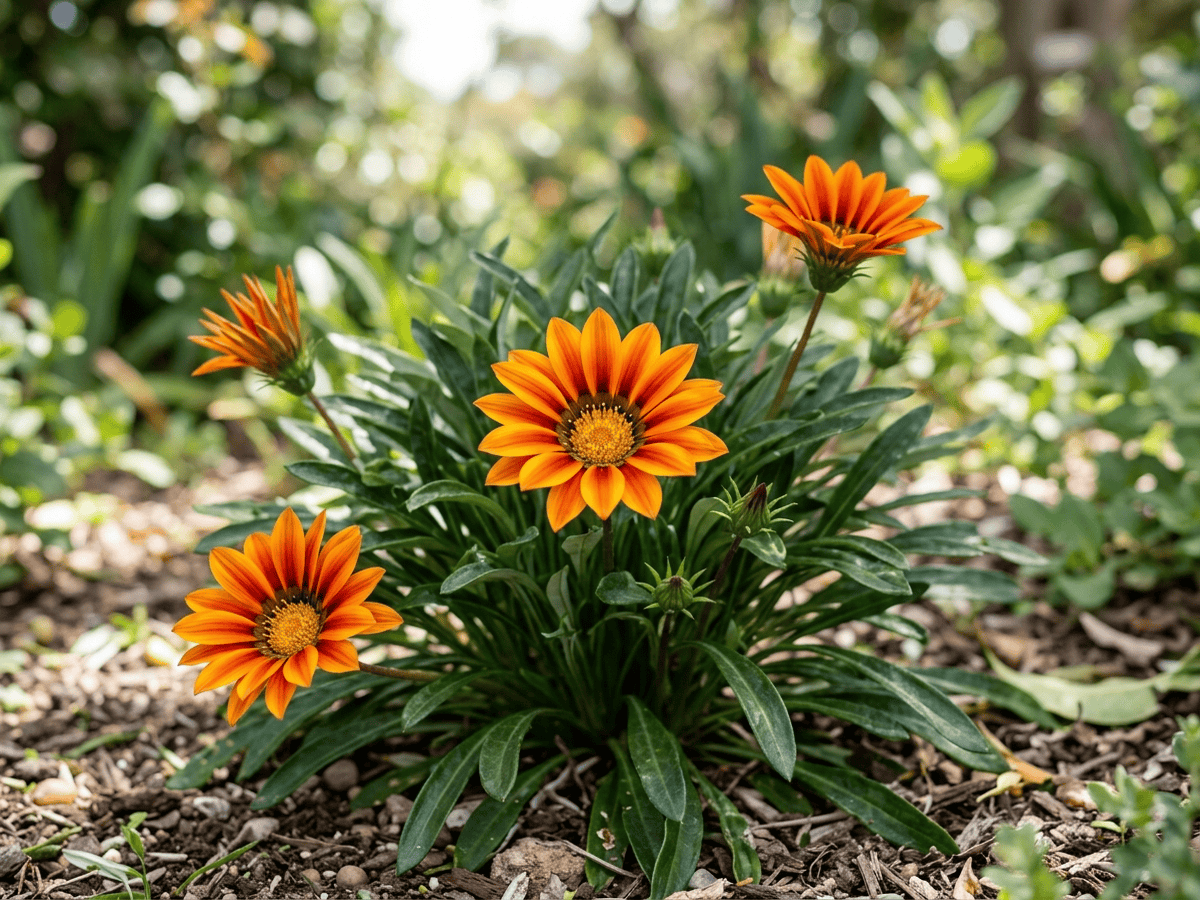
Terracotta Treasure Flower is a South African native perennial reaching 6-10 inches tall with silvery lance-shaped leaves and large daisy flowers in warm tones of orange, terracotta, and bronze with distinctive dark eye markings. Blooms open in sun and close at dusk. Adapted superbly to Mediterranean climates of California and the Southwest US, thriving in hot sun and poor soils as a drought-tolerant groundcover.
- Drought-tolerant
- Groundcover
- Long-blooming
How to care for Terracotta Gazania
Watering
- Springevery 14 days
- Summerevery 21 days
- Fallevery 21 days
- Winterevery 30 days
Soil · Well-draining
- Top dressingPine bark mulch10%
- Main mixPotting soil + perlite 2:170%
- DrainageLECA / gravel20%
Never skip the drainage layer — standing water is the top cause of root rot.
FERTILIZER
- Springevery 60 days
At a Glance
- NativeAfrica
- Height0.5–1 ft (0.2–0.3 m)
- Spread1–1.5 ft (0.3–0.5 m)
- Flower colorOrange, Red, Yellow, Cream
- Foliage colorGreen, Silver
- SoilSandy, Well-drained
- LocationsYard
Bloom time
BLOOM CYCLE
Peak bloom
Apr–Oct
Orange-bronze daisy flowers April to October
Toxicity
No toxicity has been reported for this plant. Still, it is wise to keep pets from chewing on any houseplant.
Educational information, not medical or veterinary advice. If exposure is suspected, contact a doctor or veterinarian.
DISTRIBUTION


- Native
- Africa
History
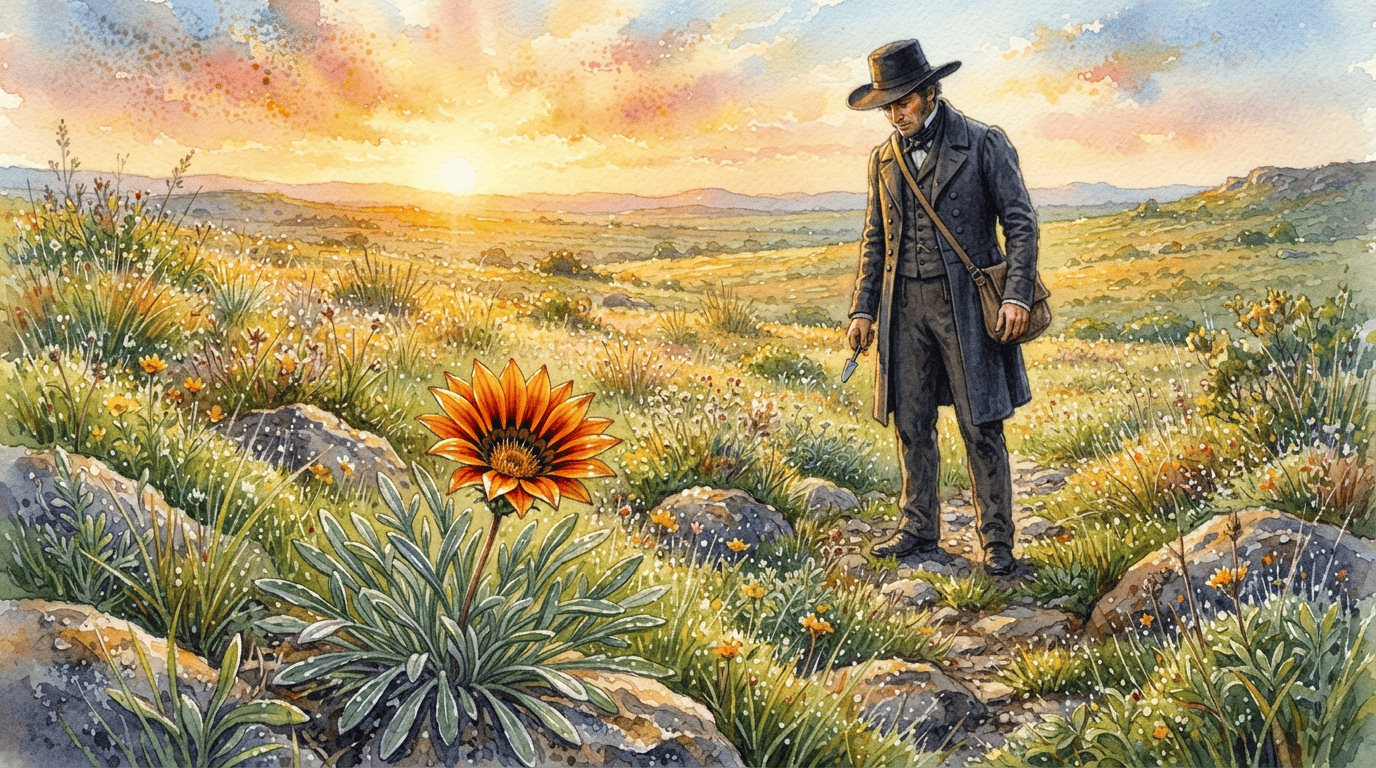
Gazania krebsiana is a low-growing perennial in the aster family (Asteraceae) native to a wide range in southern and eastern Africa from South Africa, Lesotho, and Swaziland north through Zimbabwe, Zambia, Tanzania, and Ethiopia. German botanist Christian Friedrich Lessing described the species in 1832 and named it for the collector Georg Ludwig Engelhard Krebs, a German apothecary who collected extensively in the Cape region in the 1820s. The plant forms 10-15 cm tufts of linear gray-green leaves that are usually white-tomentose beneath, with 5-8 cm solitary daisy-like flower heads on 15-25 cm stems.
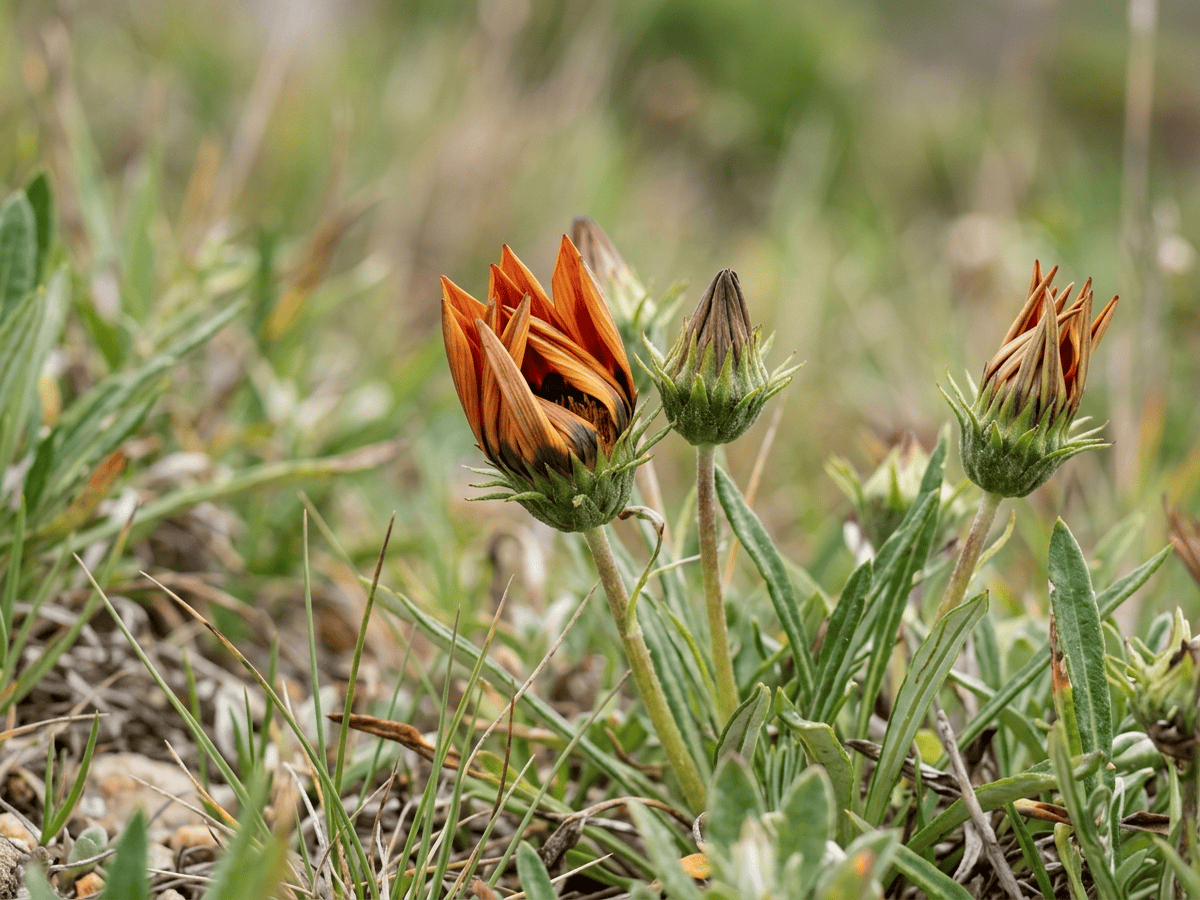
The rays come in spectacular fiery combinations of orange, red, bronze, yellow, and cream, often with a distinctive dark or contrasting-colored basal spot. Flowers close at night and on cloudy days. Along with G. rigens, it is one of the principal parents of the modern cultivated gazania hybrids, now grown worldwide as drought-tolerant sunny perennials or annual bedding plants.
Native to South African grasslands. Introduced to California in the early 20th century and extensively hybridized to produce garden strains in warm colors. A signature plant of low-water Southern California and Arizona landscape design.
Symbolism & meaning
What It Symbolizes
Terracotta Gazania holds the warmth of earth in its petals — burnt-orange and rust tones evoking sun-baked South African soils. As a true sunseeker, its flowers track the arc of light and close as evening falls, a daily small worship of the sky. Its meaning is the simple devotion of plants that follow the sun, painting their loyalty in the colors of the ground beneath them.
- Warmth of earth — terracotta tones evoke sun-baked soils
- Sunseeker — flowers track and worship the sun
Where the Name Comes From
Genus honors 18th-century Italian scholar Theodore Gaza; 'krebsiana' honors South African botanist Georg Krebs.
Uses & Fun Facts
- Daisy mats cover dry slopes in Mediterranean climates
- Brilliant orange daisies open wide in full sun
Related plants
More Gazania plants

Plants with similar care
 Chinese AbeliaAbelia chinensis
 Fragrant AbeliaAbelia mosanensis
 Large-Flowered AbeliaAbelia uniflora
 Glossy AbeliaAbelia x grandiflora
Frequently asked questions
How often should I water Terracotta Gazania?
In summer, water about every 21 days; in winter, about every 30 days. Adjust for heat, pot size and drainage.
How much light does Terracotta Gazania need?
Full sun: 6+ hrs direct. Watch the leaves — scorching or stretching means the light needs adjusting.
Is Terracotta Gazania toxic to cats or dogs?
No toxicity has been reported for this plant. Still, it is wise to keep pets from chewing on any houseplant. Educational information, not medical or veterinary advice. If exposure is suspected, contact a doctor or veterinarian.
Is Terracotta Gazania easy to grow?
Yes — it is considered an easy, beginner-friendly plant.
When does Terracotta Gazania bloom?
It typically blooms Apr–Oct in the Northern Hemisphere.
YardMate
Identify any plant in seconds
Snap a photo — YardMate names the plant, diagnoses problems, and reminds you when to water.
Download on the App Store