 YardMate


Wedding Treasureflower
Gazania linearis
Easy · Beginner friendlyAbout Wedding Treasureflower
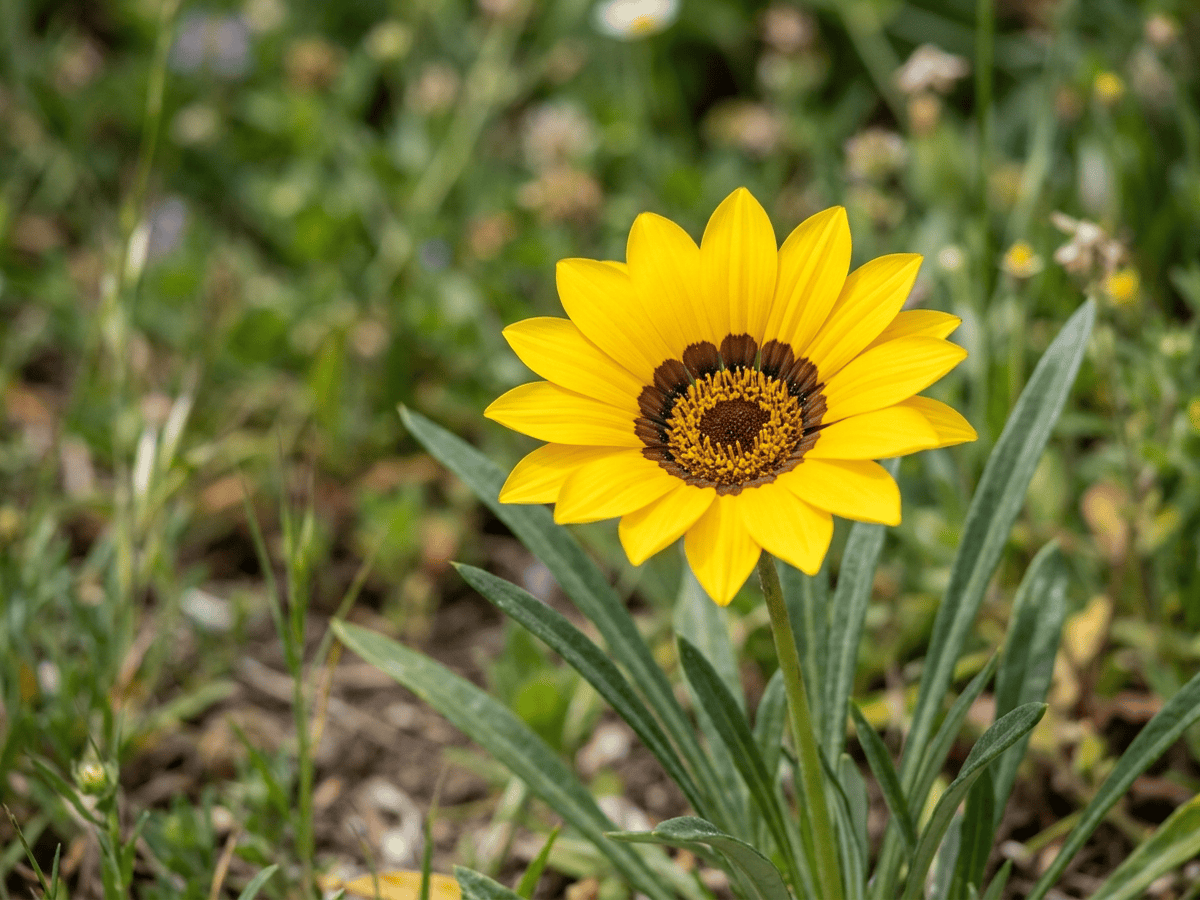
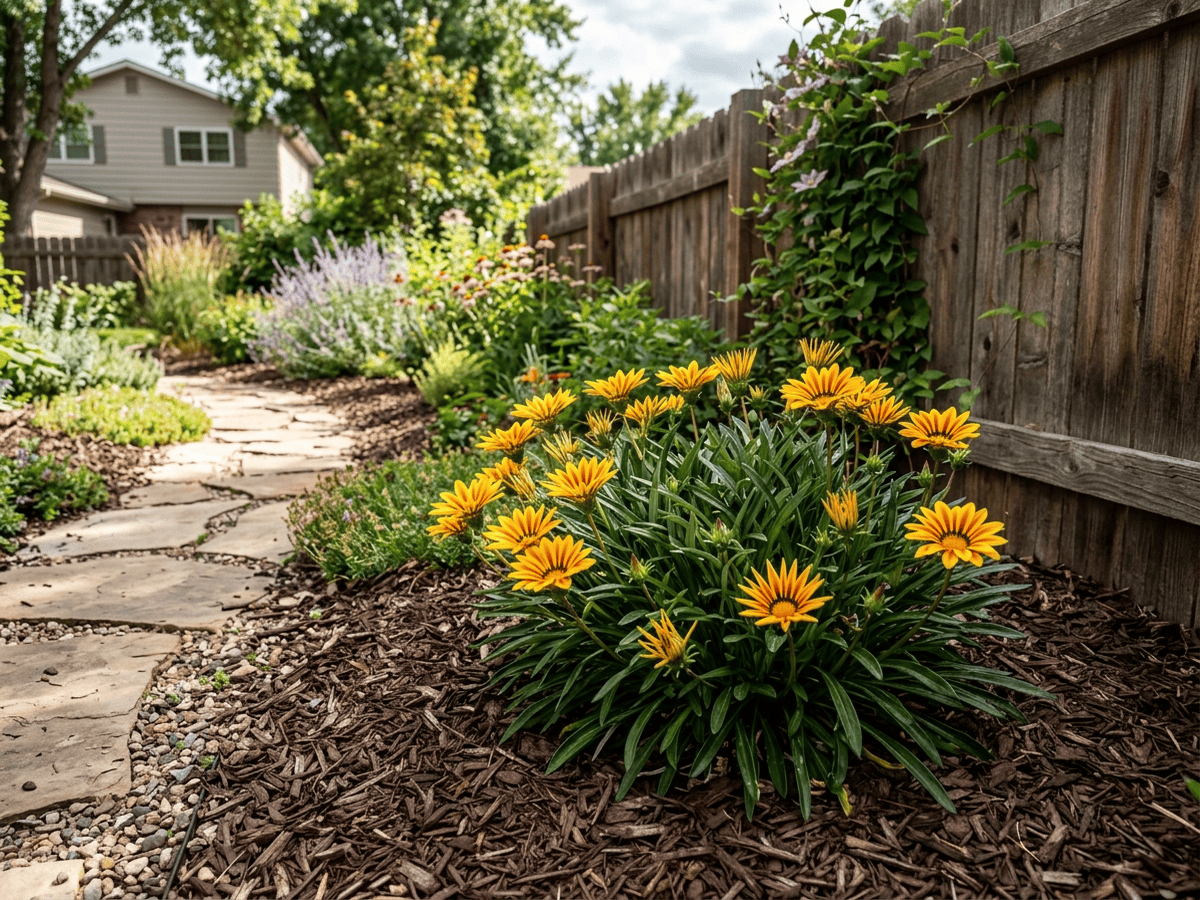
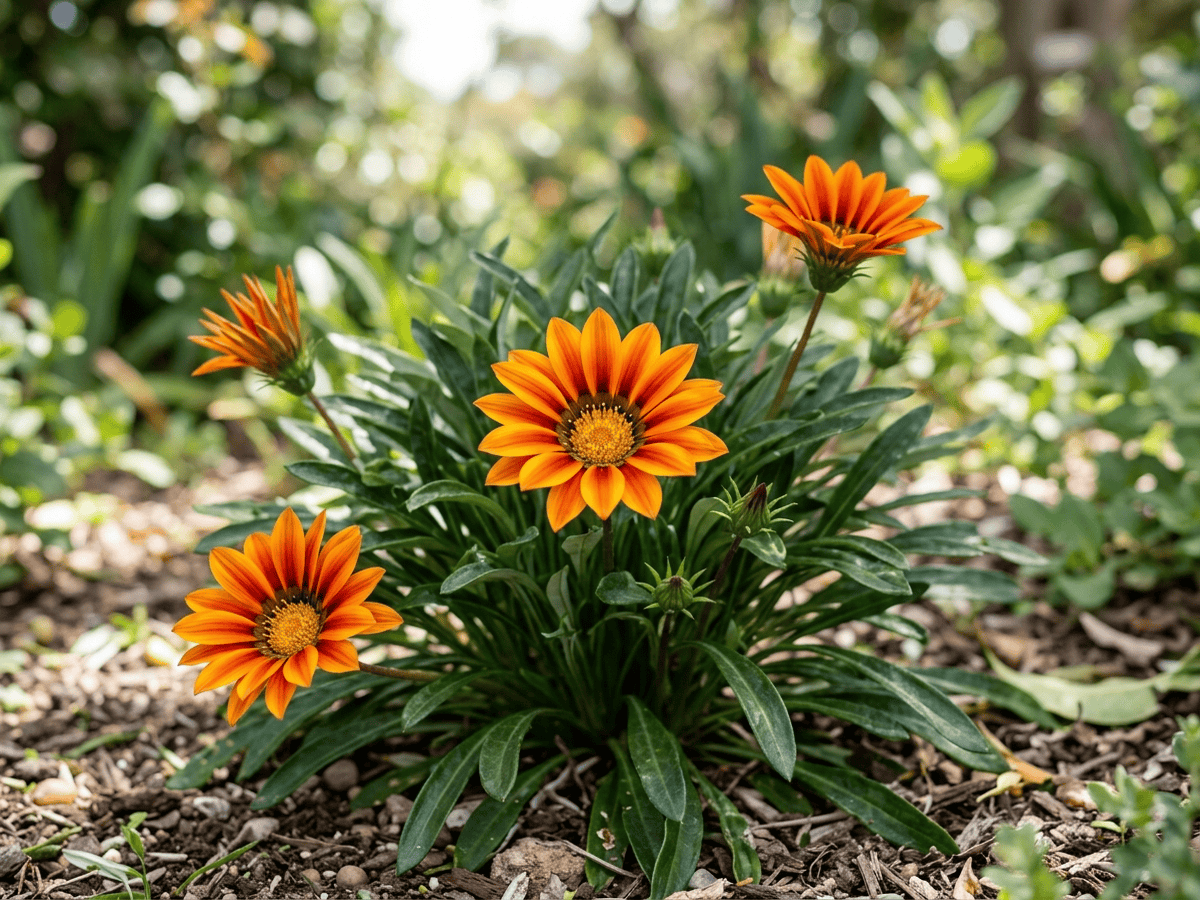
Narrow-leaved Gazania is a hardier South African perennial treasure flower producing bright yellow-orange daisies above narrow grass-like gray-green foliage. Growing 6 to 10 inches tall in spreading mats, it tolerates colder winters than Gazania rigens (zone 7 vs zone 9) and has naturalized in California and Arizona. 'Colorado Gold' is the iconic Rocky Mountain cold-hardy cultivar.
- Drought-tolerant
- Cold-hardy
- Deer-resistant
- Groundcover
How to care for Wedding Treasureflower
Watering
- Springevery 7 days
- Summerevery 10 days
- Fallevery 14 days
- Winterevery 21 days
Soil · Well-draining
- Top dressingPine bark mulch10%
- Main mixPotting soil + perlite 2:170%
- DrainageLECA / gravel20%
Never skip the drainage layer — standing water is the top cause of root rot.
FERTILIZER
- Springevery 60 days
- Fallevery 60 days
At a Glance
- NativeAfrica
- Height0.5–1 ft (0.2–0.3 m)
- Spread1–1.5 ft (0.3–0.5 m)
- Flower colorYellow, Orange
- Foliage colorGreen
- SoilSandy, Well-drained
- LocationsYard
Bloom time
BLOOM CYCLE
Peak bloom
May–Nov
Bright yellow-orange daisies May to frost
Toxicity
Toxicity unknown
None reported
Unknown
EXPOSURE Unspecified plant material.
EFFECT Toxic effects are not specified.
NOTE Toxicity for humans is not well documented; use caution until verified.
Unknown
EXPOSURE Unspecified plant material.
EFFECT Toxic effects are not specified.
NOTE Toxicity for dogs is not well documented; use caution until verified.
Unknown
EXPOSURE Unspecified plant material.
EFFECT Toxic effects are not specified.
NOTE Toxicity for cats is not well documented; use caution until verified.
Educational information, not medical or veterinary advice. If exposure is suspected, contact a doctor or veterinarian.
DISTRIBUTION


- Native
- Introduced
- Africa
History
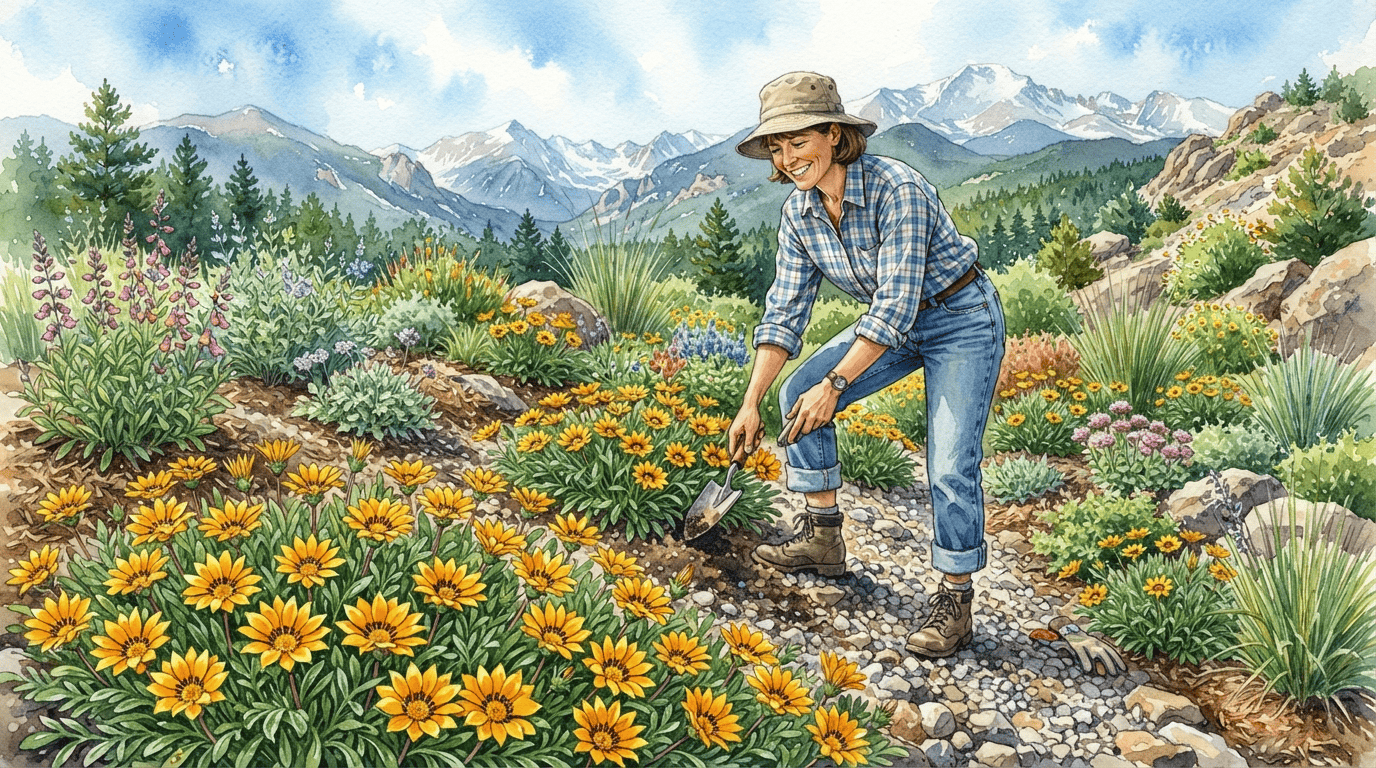
Gazania linearis, the strap-leaved gazania, is native to grasslands and rocky slopes of eastern South Africa and Lesotho, including cold mountain habitats that made it hardier than many coastal gazanias. William Aiton named the species in 1789. Its narrow leaves form low evergreen clumps, while yellow to orange daisies with darker banded centers bloom over a long season.
Gardeners in dry western climates adopted it because it tolerates heat, drought, and poor soil, but cold-hardy selections made the real breakthrough. 'Colorado Gold', released through the Plant Select program in 1996, proved that a gazania could survive Rocky Mountain winters with sharp drainage, launching the species as a useful xeric groundcover. The same toughness has caused problems elsewhere: escaped plants have become invasive in parts of South Australia, New Zealand, and highland South America.
Symbolism & meaning
What It Symbolizes
Wedding Treasureflower is mountain gold — a cold-hardy gazania from South African highlands that brings sunshine yellow to elevations and seasons its tender cousins cannot survive. Its resilient sun blooms shrug off light frost and summer heat alike, opening cheerfully whenever the sky brightens. It is the daisy that carries its own sunshine into colder country.
- Mountain gold — cold-hardy version for high elevations
- Resilient sun — blooms through frost and heat
Where the Name Comes From
'linearis' from Latin means linear or narrow, for the strap-like leaves.
Uses & Fun Facts
- Spreading mats cover xeric parking strips and gravel beds
- Bright yellow-orange daisies above silver foliage in dry beds
Related plants
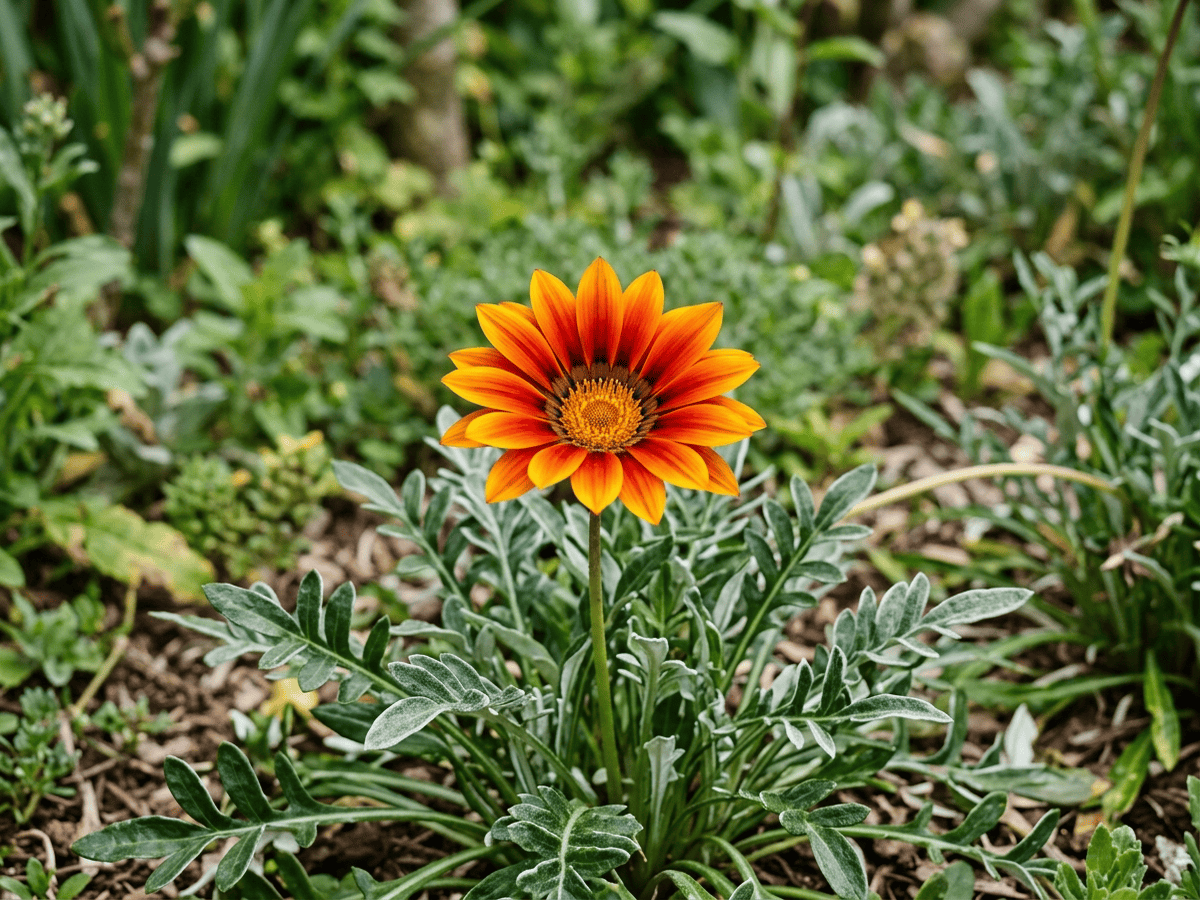
More Gazania plants
Plants with similar care
 Chinese AbeliaAbelia chinensis
 Fragrant AbeliaAbelia mosanensis
 Large-Flowered AbeliaAbelia uniflora
 Glossy AbeliaAbelia x grandiflora
Frequently asked questions
How often should I water Wedding Treasureflower?
In summer, water about every 10 days; in winter, about every 21 days. Adjust for heat, pot size and drainage.
How much light does Wedding Treasureflower need?
Full sun: 6+ hrs direct. Watch the leaves — scorching or stretching means the light needs adjusting.
Is Wedding Treasureflower toxic to cats or dogs?
Pets Unknown (Dogs Unknown · Cats Unknown) Educational information, not medical or veterinary advice. If exposure is suspected, contact a doctor or veterinarian.
Is Wedding Treasureflower easy to grow?
Yes — it is considered an easy, beginner-friendly plant.
When does Wedding Treasureflower bloom?
It typically blooms May–Nov in the Northern Hemisphere.
YardMate
Identify any plant in seconds
Snap a photo — YardMate names the plant, diagnoses problems, and reminds you when to water.
Download on the App Store