 YardMate

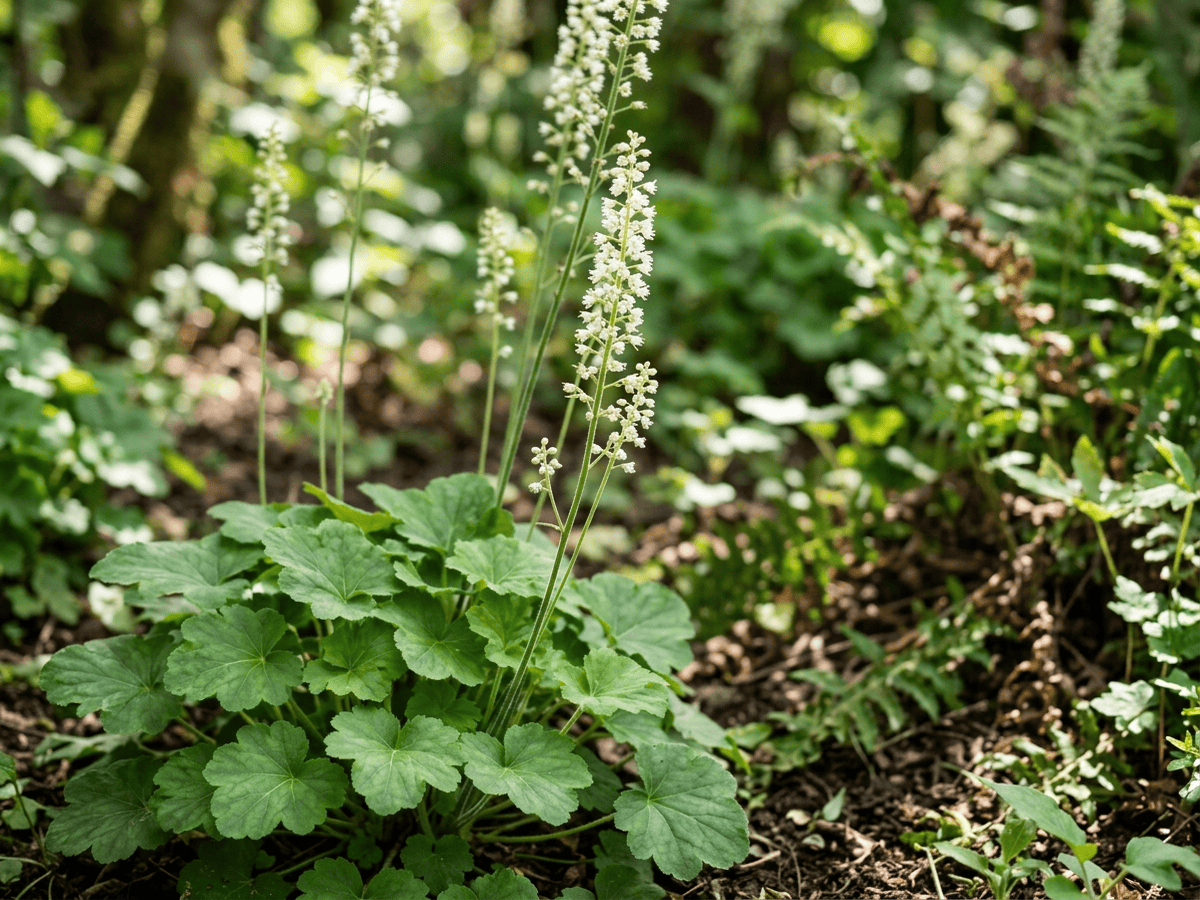

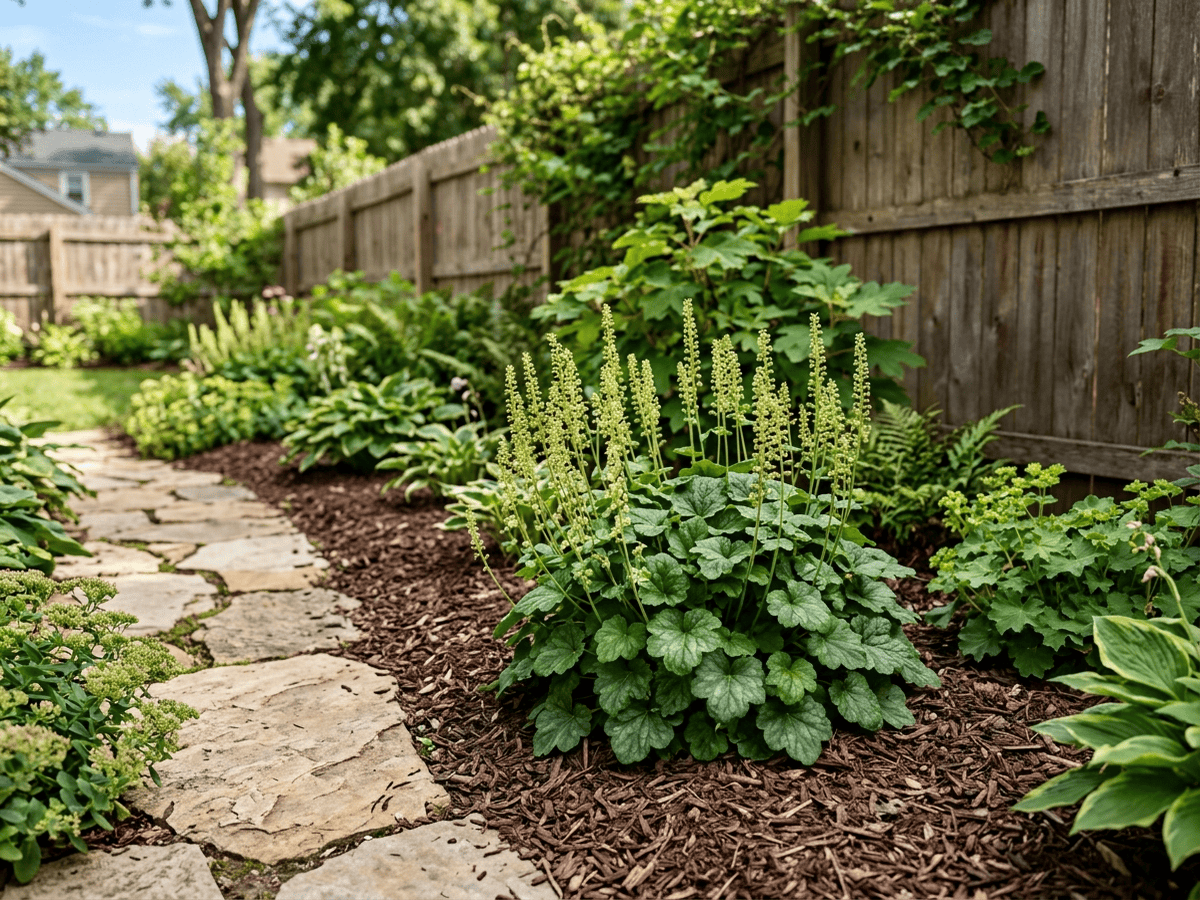
Roundleaf Alumroot
Heuchera cylindrica
Easy · Beginner friendlyAbout Roundleaf Alumroot
Roundleaf Alumroot is a western North American native perennial with rounded evergreen leaves forming tight basal clumps and distinctive spikes of cream, green, or pink bell-shaped flowers. Growing 12 to 24 inches tall in flower, it blooms in early summer on wiry stems above heart-shaped leaves. A heritage native shrubby perennial of the Rocky Mountains and Pacific Northwest, now popular in American native plant gardens.
- Drought-tolerant
- Deer-resistant
- Evergreen
- Native
How to care for Roundleaf Alumroot
Watering
- Springevery 7 days
- Summerevery 5 days
- Fallevery 10 days
- Winterevery 14 days
Soil · Well-draining
- Top dressingPine bark mulch10%
- Main mixPotting soil + perlite 2:170%
- DrainageLECA / gravel20%
Never skip the drainage layer — standing water is the top cause of root rot.
FERTILIZER
Balanced Feed 14-14-14
An even feed covers all three needs at once, keeping leaves, roots and blooms moving together with nothing pushed out of balance.
- Nitrogen · Leaves
- Phosphorus · Roots + Blooms
- Potassium · Strength
- Springevery 60 days
At a Glance
- NativeNorth America
- Height1–2 ft (0.3–0.6 m)
- Spread1–1.5 ft (0.3–0.5 m)
- Flower colorWhite, Cream, Green
- Foliage colorGreen
- SoilLoamy, Well-drained
- LocationsYard
Bloom time
BLOOM CYCLE
Peak bloom
May–Aug
Cream bell-shaped flowers on spikes early summer
Toxicity
Humans Slight
tannins
Slight
- Root
- Ingestion
EXPOSURE Eating roots.
EFFECT Tannin-rich roots cause astringent reaction if consumed in quantity.
NOTE Documented concern for humans: Tannin-rich roots cause astringent reaction if consumed in quantity.
Unknown
EXPOSURE Unspecified plant material.
EFFECT Toxic effects are not specified.
NOTE Toxicity for dogs is not well documented; use caution until verified.
Unknown
EXPOSURE Unspecified plant material.
EFFECT Toxic effects are not specified.
NOTE Toxicity for cats is not well documented; use caution until verified.
Educational information, not medical or veterinary advice. If exposure is suspected, contact a doctor or veterinarian.
DISTRIBUTION


- Native
- North America
History

Heuchera cylindrica, the roundleaf alumroot or poker alumroot, is a rhizomatous herbaceous perennial native to the Pacific Northwest and northern Rockies from British Columbia and Alberta south through Washington, Oregon, Idaho, Montana, and northern California. American botanist William Hooker described the species in 1829. The plant produces tight rosettes of rounded scalloped leaves and narrow cylindrical spikes of small pale green to cream bell-shaped flowers on 50 to 80 centimeter stems.
Indigenous peoples of the Salish and other Interior tribes used root decoctions as astringent treatment for cuts and sores, from which the common name alumroot derives. Heuchera cylindrica has contributed genetics to modern hybrids through crosses by American breeders, including Dan Heims of Terra Nova Nurseries. Popular cultivars include Greenfinch and Hyperion.
Native to the Rocky Mountains, Cascades, and northern Great Basin. Traditional medicinal plant of Indigenous peoples who used the astringent roots for wounds and mouth sores. An important parent in modern Heuchera breeding programs crossing with H. americana and H. villosa.
Symbolism & meaning
What It Symbolizes
The Roundleaf Alumroot makes visible quiet constancy, holding its evergreen leaves through the long western winters when most natives have retreated. A wildflower of the Rocky Mountain heights, it carries the dignified mountain heritage of stony ledges and thin alpine soils. To plant this heuchera is to bring a small piece of high country into the garden — steadfast, modest, and beautifully unbothered by the cold.
- Quiet constancy — evergreen native through western winters
- Mountain heritage — Rocky Mountain wildflower
Where the Name Comes From
The name Roundleaf Alumroot describes its rounded leaves. 'Heuchera' honors German physician Johann Heinrich von Heucher (1677-1746); 'cylindrica' for the cylindrical flower spikes.
Uses & Fun Facts
- Roundleaf Alumroot perennial used in cottage and naturalistic borders
Related plants
More Heuchera plants
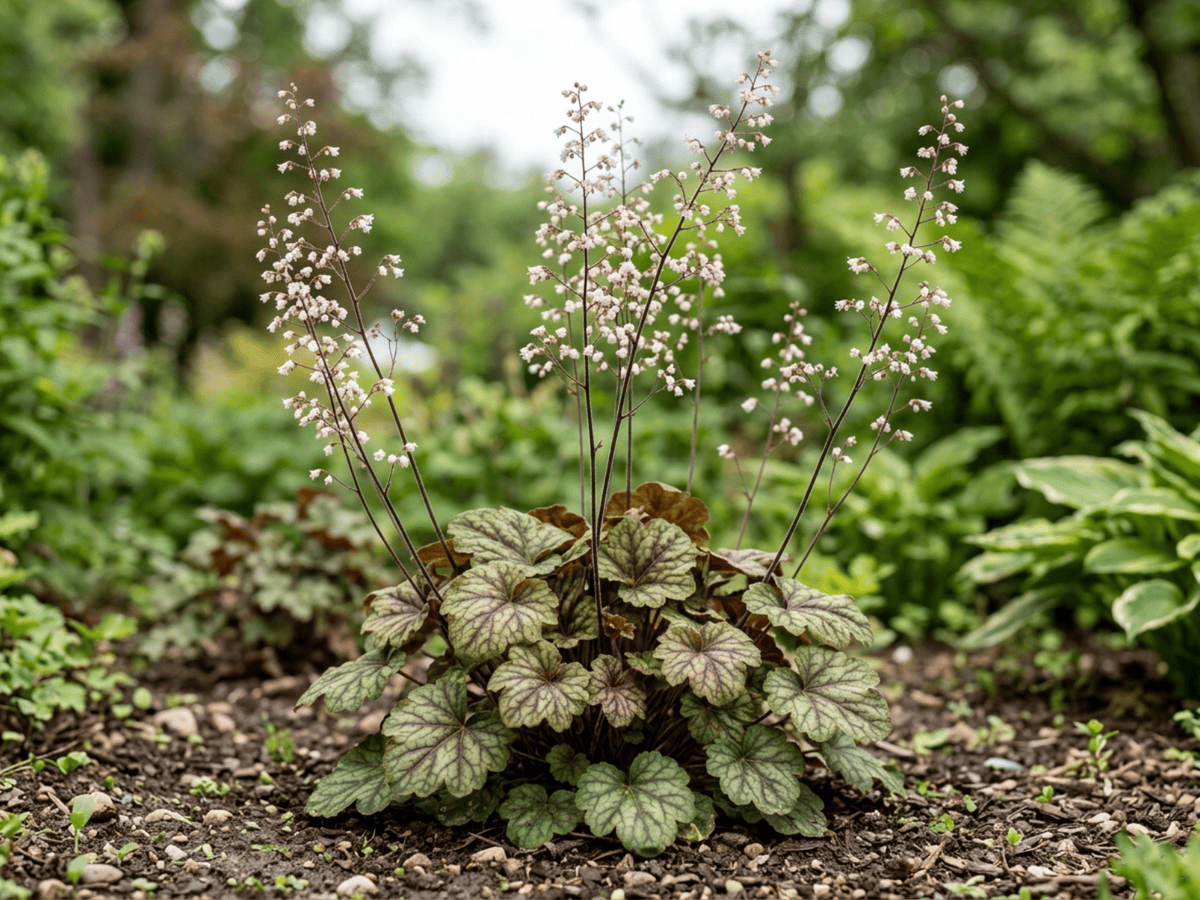 American AlumrootHeuchera americana
 Gooseberry-Leaf AlumrootHeuchera grossulariifolia
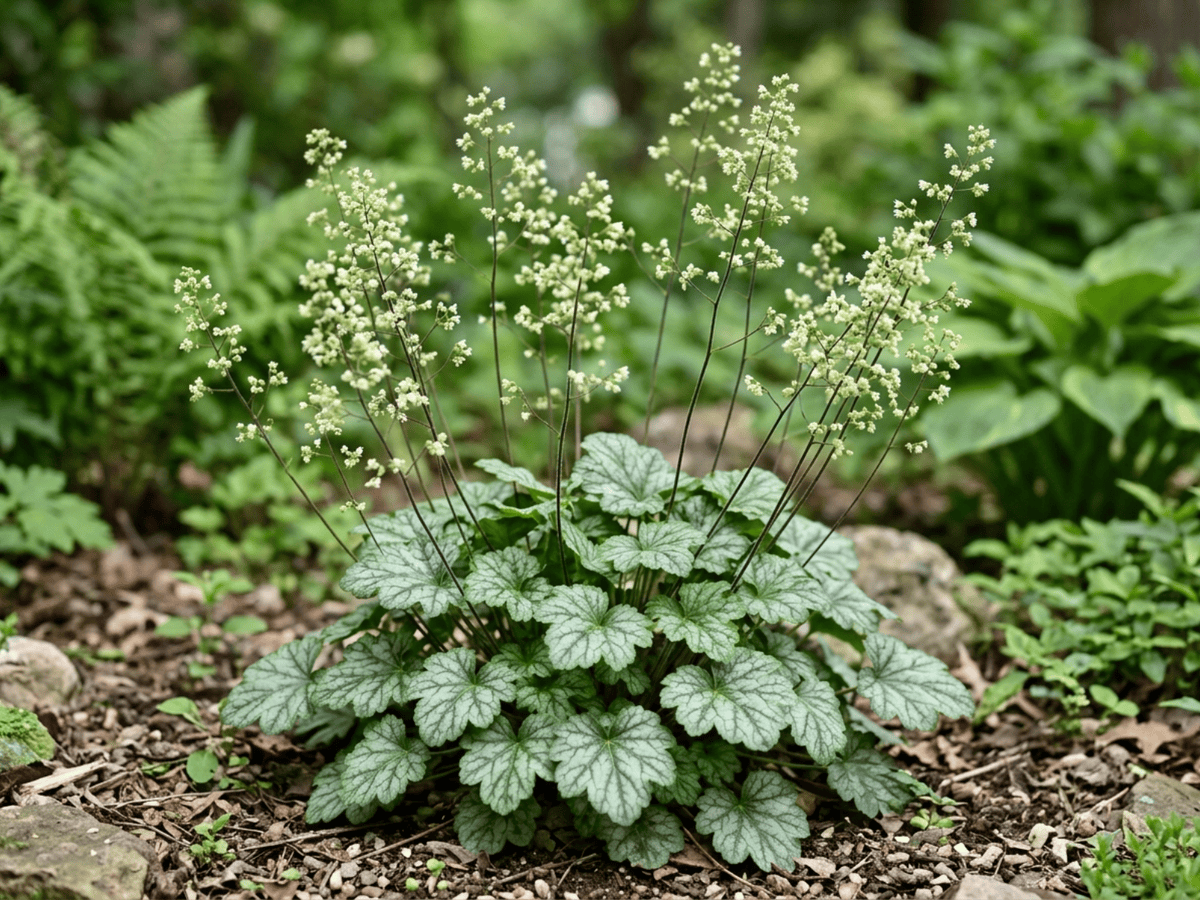 Crevice AlumrootHeuchera micrantha
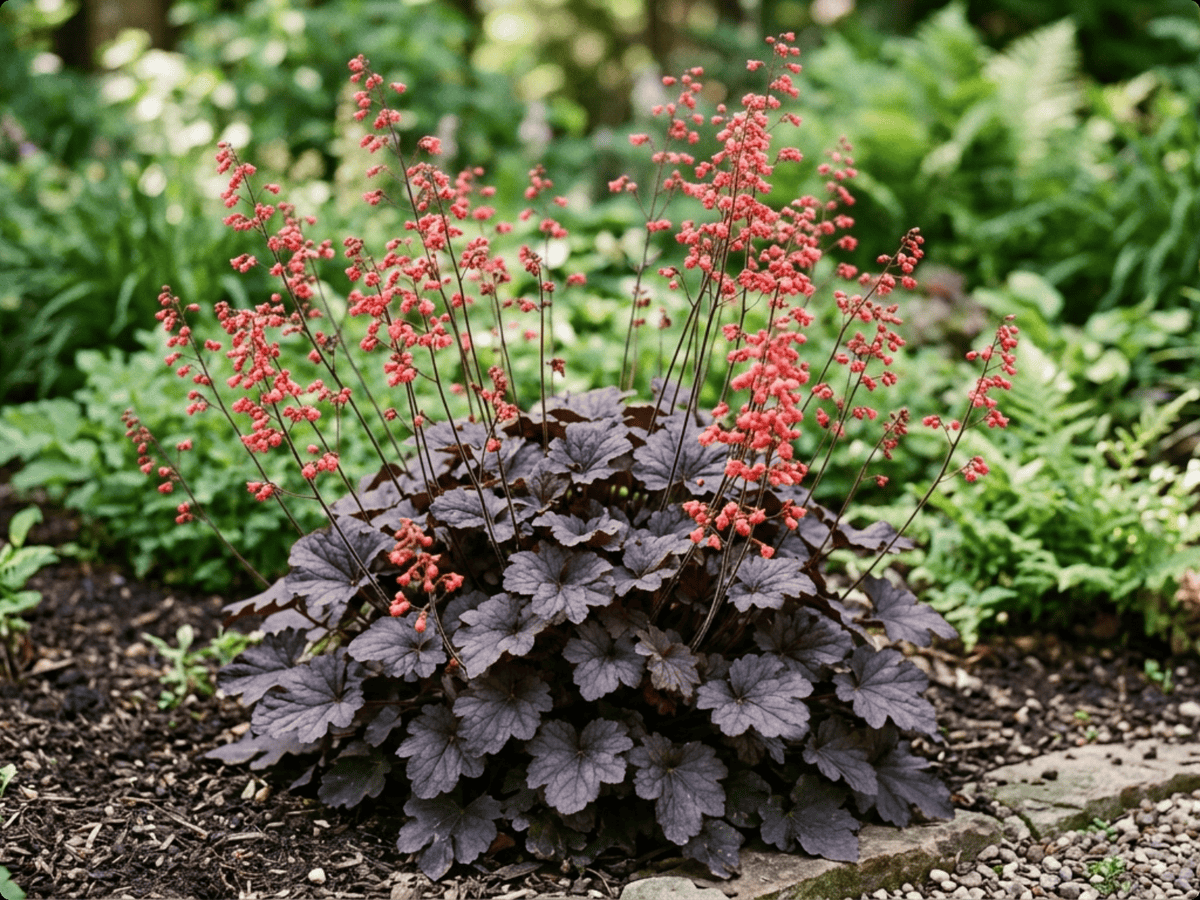 CoralbellsHeuchera sanguinea
Plants with similar care
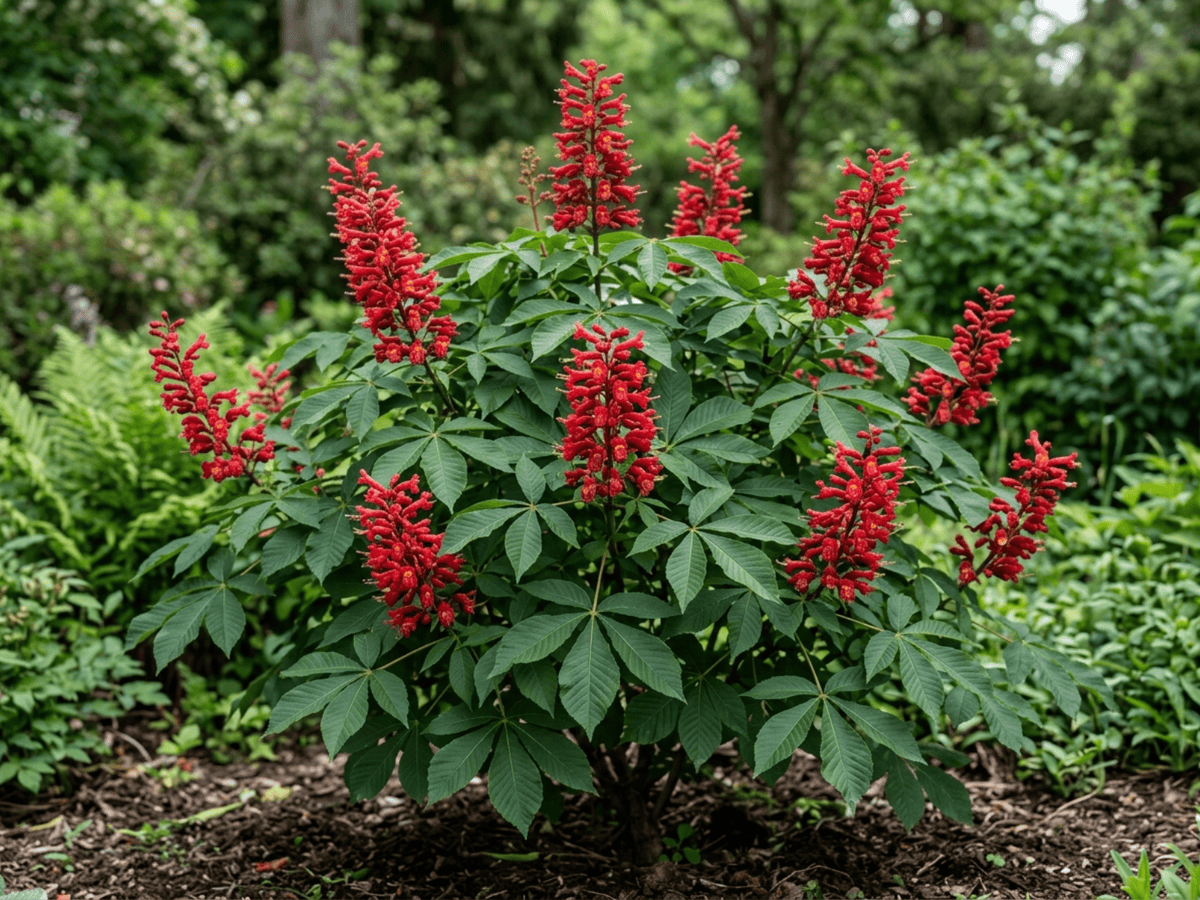 Red BuckeyeAesculus pavia
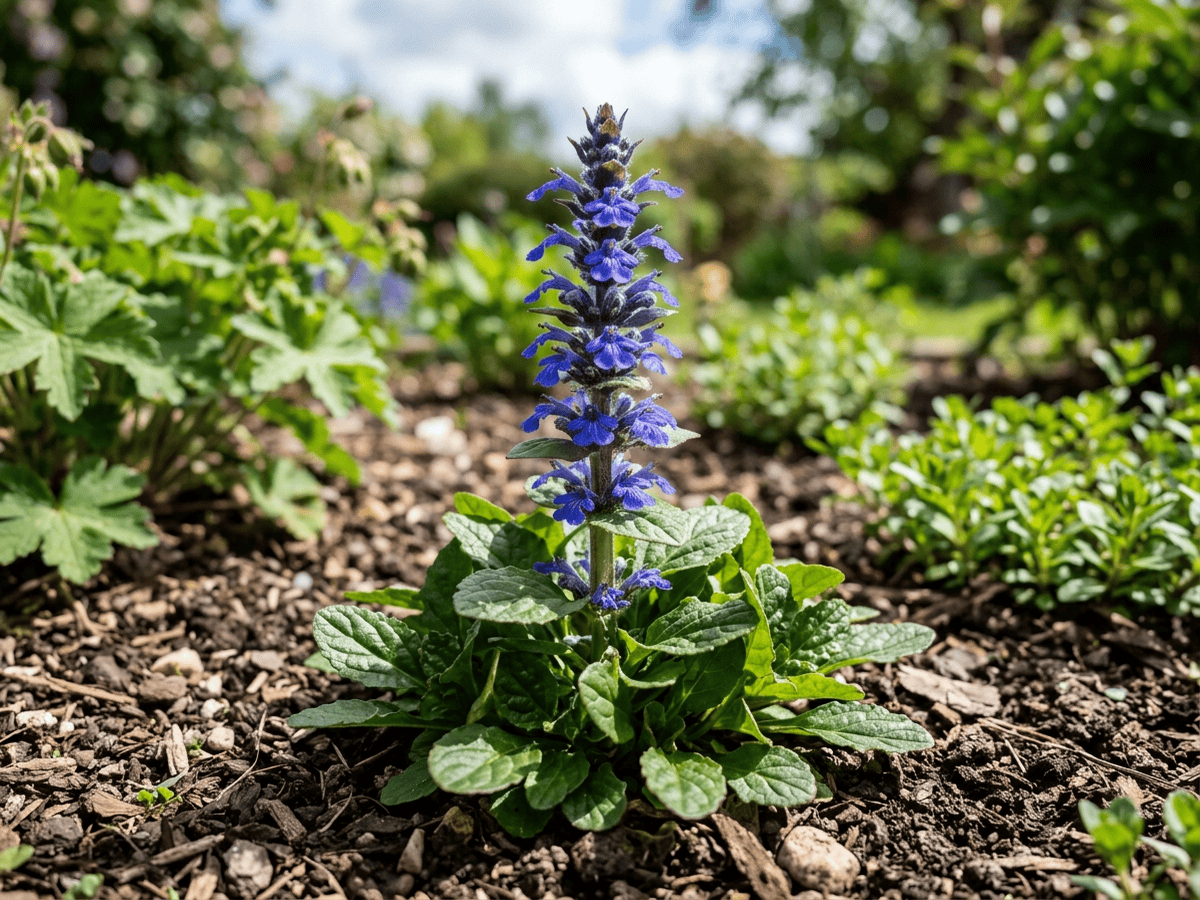 Blue BugleAjuga genevensis
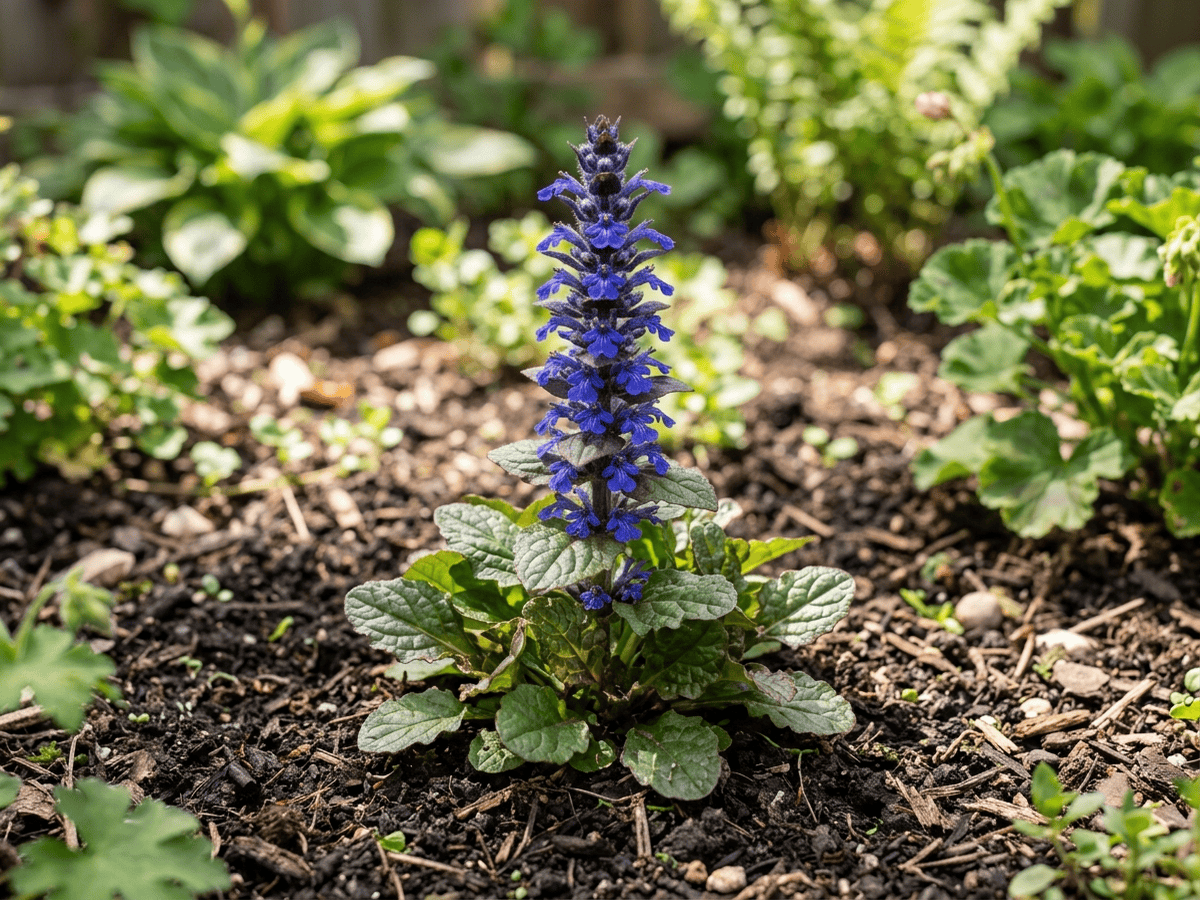 Pyramidal BugleAjuga pyramidalis
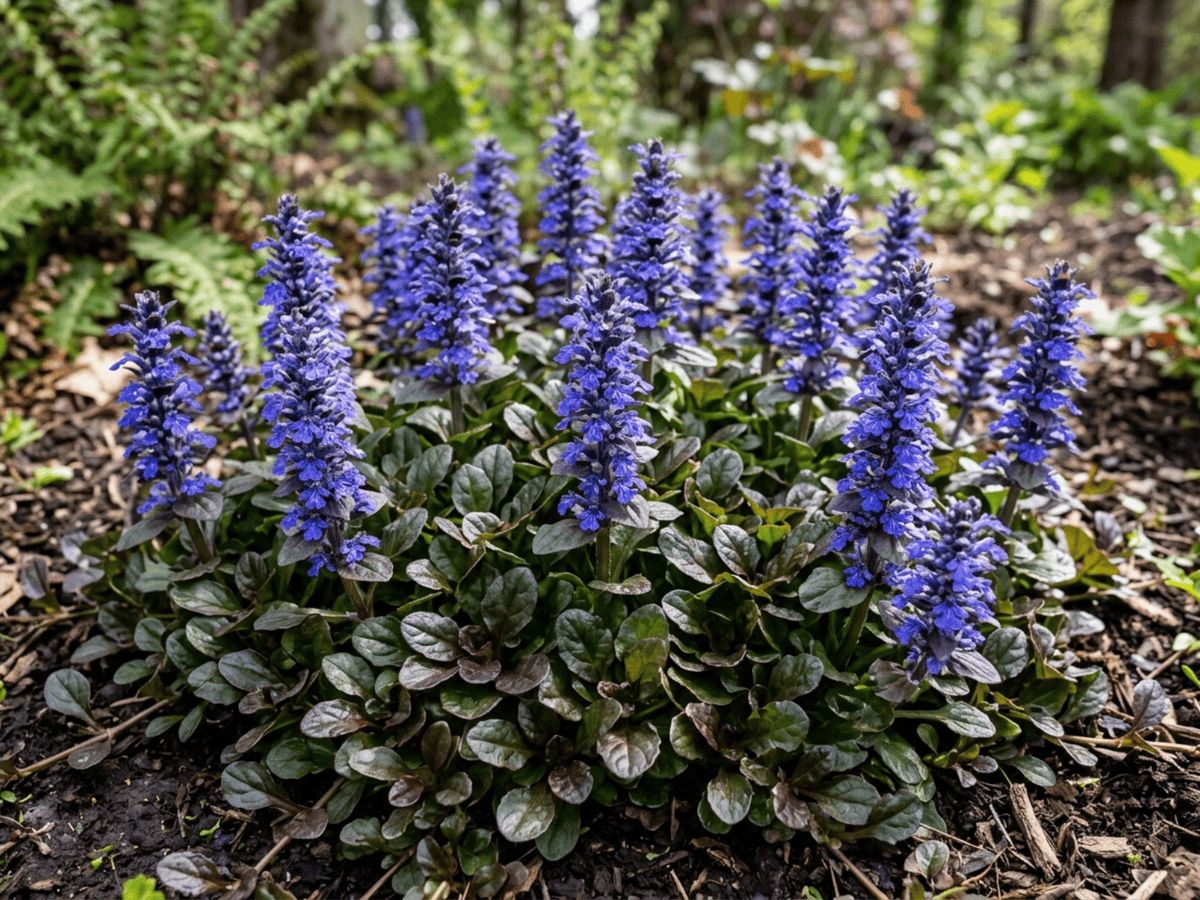 Carpet BugleAjuga reptans
Frequently asked questions
How often should I water Roundleaf Alumroot?
In summer, water about every 5 days; in winter, about every 14 days. Adjust for heat, pot size and drainage.
How much light does Roundleaf Alumroot need?
Part shade: 2–4 hrs direct. Watch the leaves — scorching or stretching means the light needs adjusting.
Is Roundleaf Alumroot toxic to cats or dogs?
Pets Unknown (Dogs Unknown · Cats Unknown) Educational information, not medical or veterinary advice. If exposure is suspected, contact a doctor or veterinarian.
Is Roundleaf Alumroot easy to grow?
Yes — it is considered an easy, beginner-friendly plant.
When does Roundleaf Alumroot bloom?
It typically blooms May–Aug in the Northern Hemisphere.
YardMate
Identify any plant in seconds
Snap a photo — YardMate names the plant, diagnoses problems, and reminds you when to water.
Download on the App Store