 YardMate
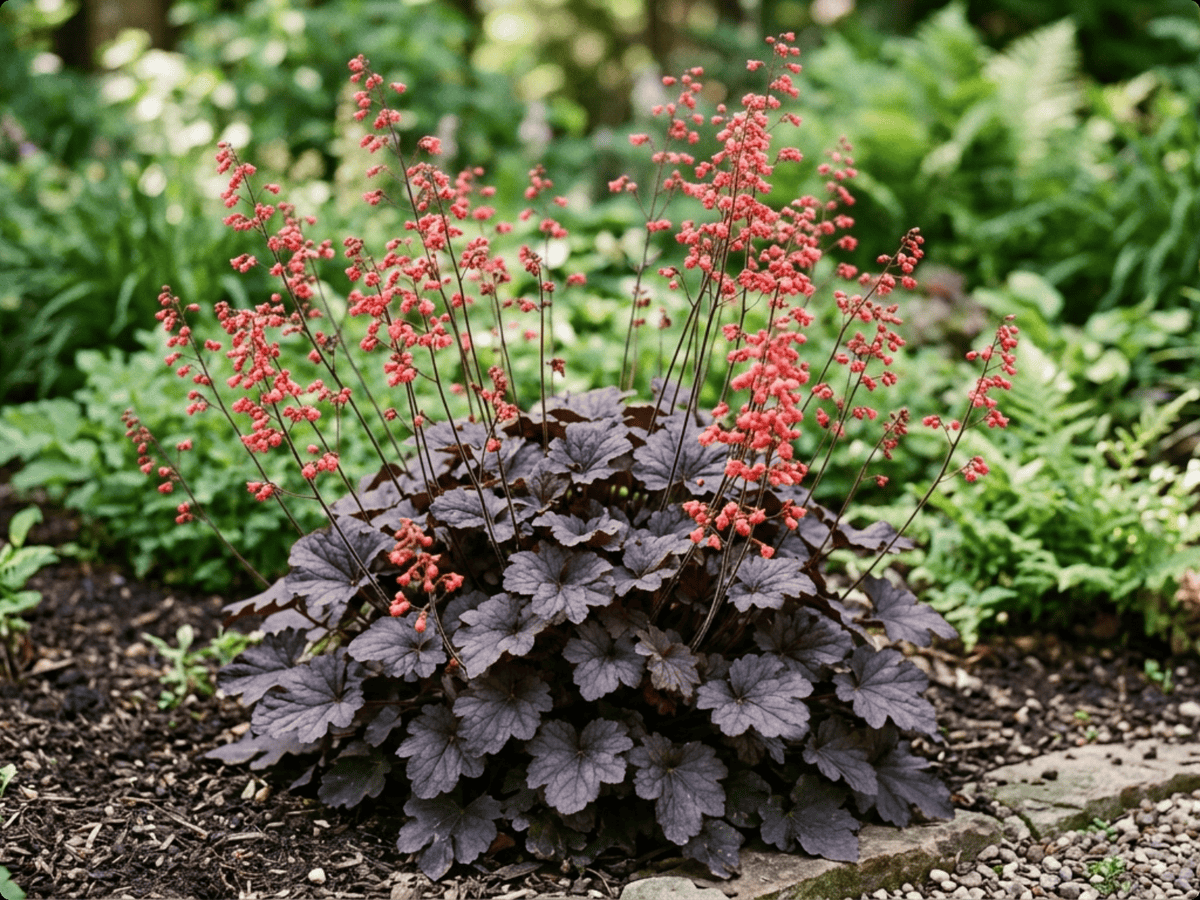


Coralbells
Heuchera sanguinea
Easy · Beginner friendlyAbout Coralbells
Heuchera sanguinea, the coral bells, is a native North American perennial valued for both its delicate sprays of tiny bell-shaped coral-red flowers and its ornamental evergreen foliage. Modern hybrids have exploded the leaf color palette — purple, silver, lime, caramel, orange, and nearly black cultivars are now available. The low mounds of scalloped leaves (20–30 cm) provide year-round interest, while airy flower stems rise 30–60 cm above. It thrives in partial shade with good drainage. The Terra Nova Nursery has introduced over 100 cultivars, transforming Heuchera into a foliage-first plant.
- Shade-tolerant
- Evergreen
How to care for Coralbells
Watering
- Springevery 7 days
- Summerevery 5 days
- Fallevery 10 days
- Winterevery 21 days
Soil · Well-draining
- Top dressingPine bark mulch10%
- Main mixPotting soil + perlite 2:170%
- DrainageLECA / gravel20%
Never skip the drainage layer — standing water is the top cause of root rot.
FERTILIZER
Balanced Feed 14-14-14
An even feed covers all three needs at once, keeping leaves, roots and blooms moving together with nothing pushed out of balance.
- Nitrogen · Leaves
- Phosphorus · Roots + Blooms
- Potassium · Strength
- Springevery 30 days
- Summerevery 30 days
At a Glance
- NativeNorth America
- Height1–1.5 ft (0.3–0.5 m)
- Spread1–1.5 ft (0.3–0.5 m)
- Flower colorRed, Pink, Coral, White
- Foliage colorGreen, Purple, Bronze, Red
- SoilLoamy, Well-drained, Moisture-retentive
- LocationsYard · Balcony
Bloom time
BLOOM CYCLE
Peak bloom
Jun–Aug
Tiny bell flowers on airy stems; grown mainly for colorful foliage; remove flower stems if desired
Fragrance
NO FRAGRANCE
No notable fragrance.
Toxicity
Humans Safe · Pets Safe
tannins
Safe
EXPOSURE No exposure route is reported.
EFFECT No significant toxicity and astringent root historically used medicinally by Indigenous peoples.
NOTE Listed as non-toxic for humans; avoid eating ornamental plants unless confirmed edible.
Safe
EXPOSURE No exposure route is reported.
EFFECT Not listed as toxic.
NOTE Listed as non-toxic for dogs; avoid eating ornamental plants unless confirmed edible.
Safe
EXPOSURE No exposure route is reported.
EFFECT Not listed as toxic.
NOTE Listed as non-toxic for cats; avoid eating ornamental plants unless confirmed edible.
Educational information, not medical or veterinary advice. If exposure is suspected, contact a doctor or veterinarian.
DISTRIBUTION


- Native
- Introduced
- North America
History
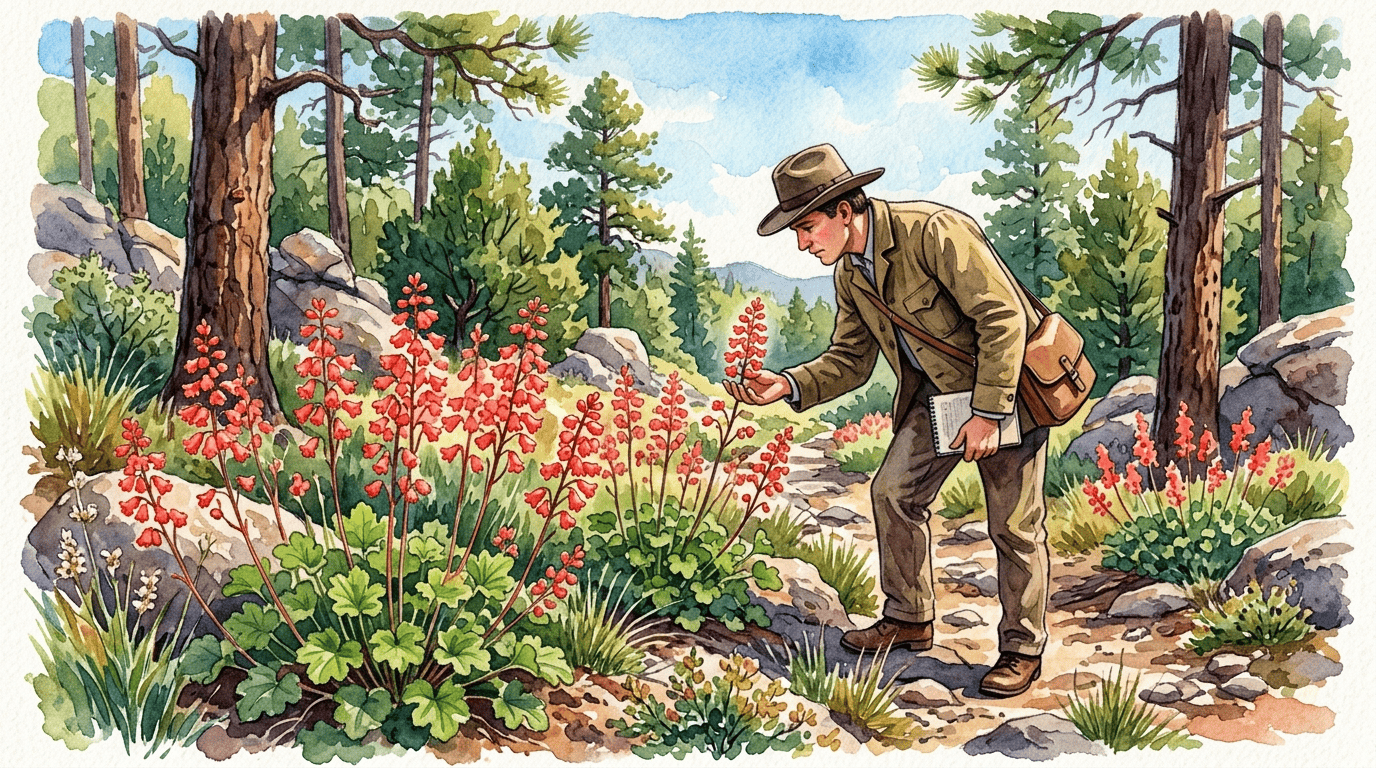
Heuchera sanguinea grows wild in rocky canyons and pine woods from northern Mexico to southern Arizona and New Mexico. It was introduced to European cultivation around 1882 and used throughout the late 19th and early 20th centuries for its coral-red flower sprays. British breeder Alan Bloom produced the influential "Bressingham" strains mid-century.
The modern revolution began in the 1980s-90s when Dan Heims of Terra Nova Nurseries in Oregon started large-scale hybridization crossing H. sanguinea with H. americana, H. villosa, and H. micrantha, producing the colored-foliage "Palace Purple," "Caramel," "Lime Rickey," and hundreds of other selections that transformed Heuchera from flower-focused plant to foliage-focused plant. It is now among the most-bred perennial genera in North American horticulture. Heuchera was named by Linnaeus after Johann Heinrich von Heucher, an 18th-century German physician and botanist.
The genus was a minor rock garden plant until Oregon's Terra Nova Nursery, led by Dan Heims, began an aggressive breeding program in the 1990s. Through interspecific crossing (particularly with the purple-leaved H. micrantha 'Palace Purple'), Terra Nova introduced revolutionary cultivars like 'Plum Pudding,' 'Caramel,' and 'Obsidian' that transformed Heuchera from a flower into a foliage plant. The 'Dolce' series from Proven Winners further popularized them. Heuchera is now one of the top-selling perennials in North America.
Symbolism & meaning
What It Symbolizes
Coralbells carries admiration, its ever-changing foliage shifting through coppers, plums, and silvered greens as the seasons move. Each visit to the garden invites a fresh appreciation of subtle beauty — color stories told slowly, in leaves rather than petals. A plant for gardeners who like to be quietly surprised by the same pot week after week.
- Admiration — Its ever-changing foliage through the seasons inspires appreciation of subtle beauty
Where the Name Comes From
The name Coralbells describes its bell-shaped flowers. Heuchera honors Johann Heinrich von Heucher (1677–1747), German botanist. Sanguinea means 'blood-red,' for the flower color.
Uses & Fun Facts
- Coral bell sprays favored by hummingbirds and bumblebees
- Mounded foliage grown in patio pots and shade containers
- Evergreen rosettes anchor woodland-edge perennial borders
Related plants
More Heuchera plants
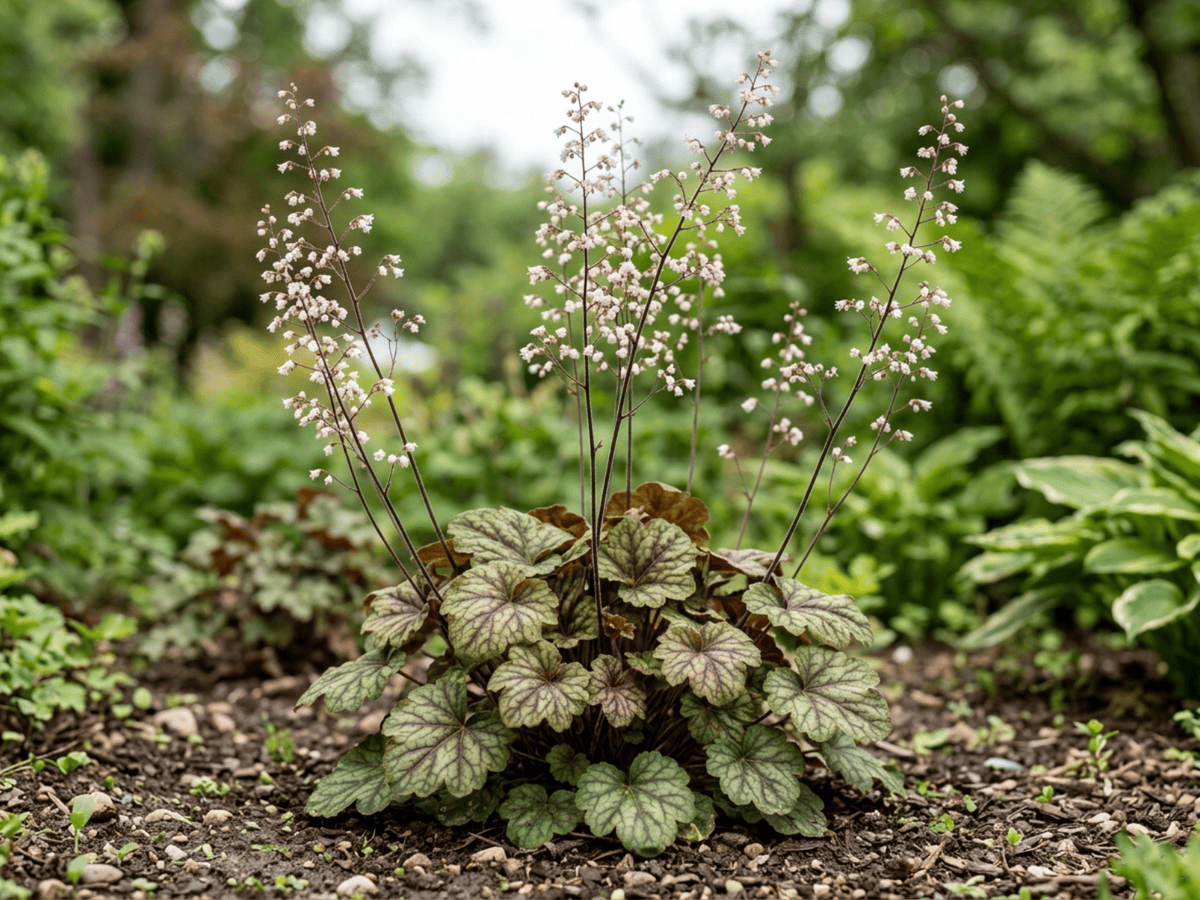 American AlumrootHeuchera americana
 Roundleaf AlumrootHeuchera cylindrica
 Gooseberry-Leaf AlumrootHeuchera grossulariifolia
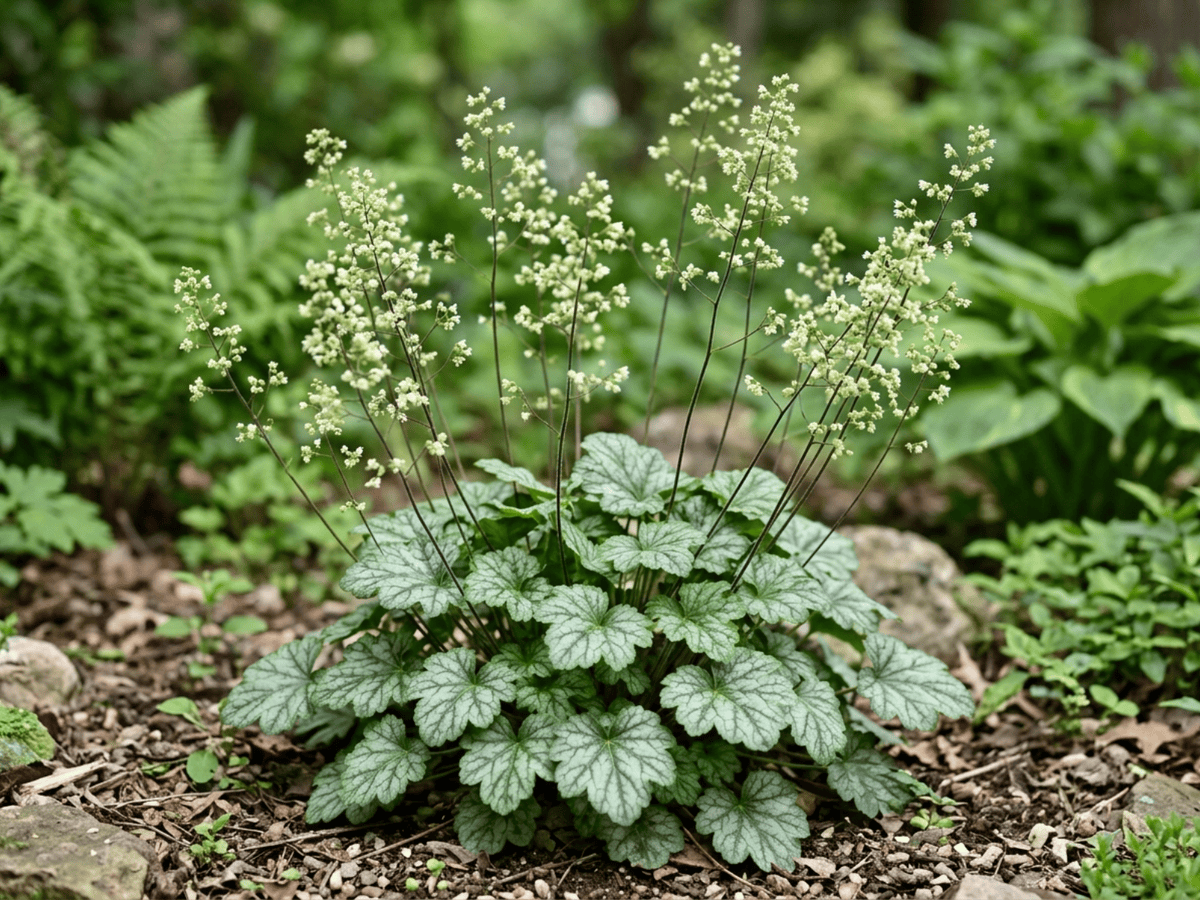 Crevice AlumrootHeuchera micrantha
Plants with similar care
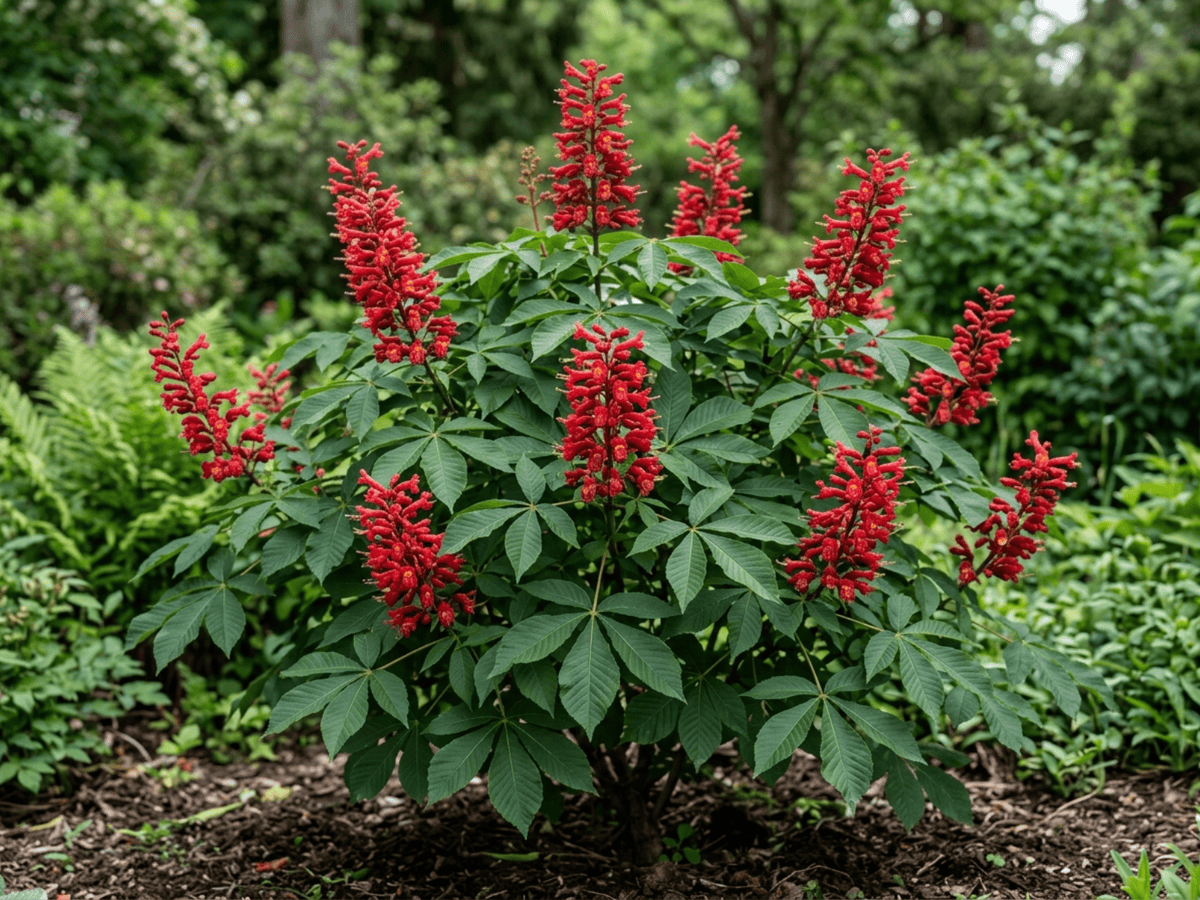 Red BuckeyeAesculus pavia
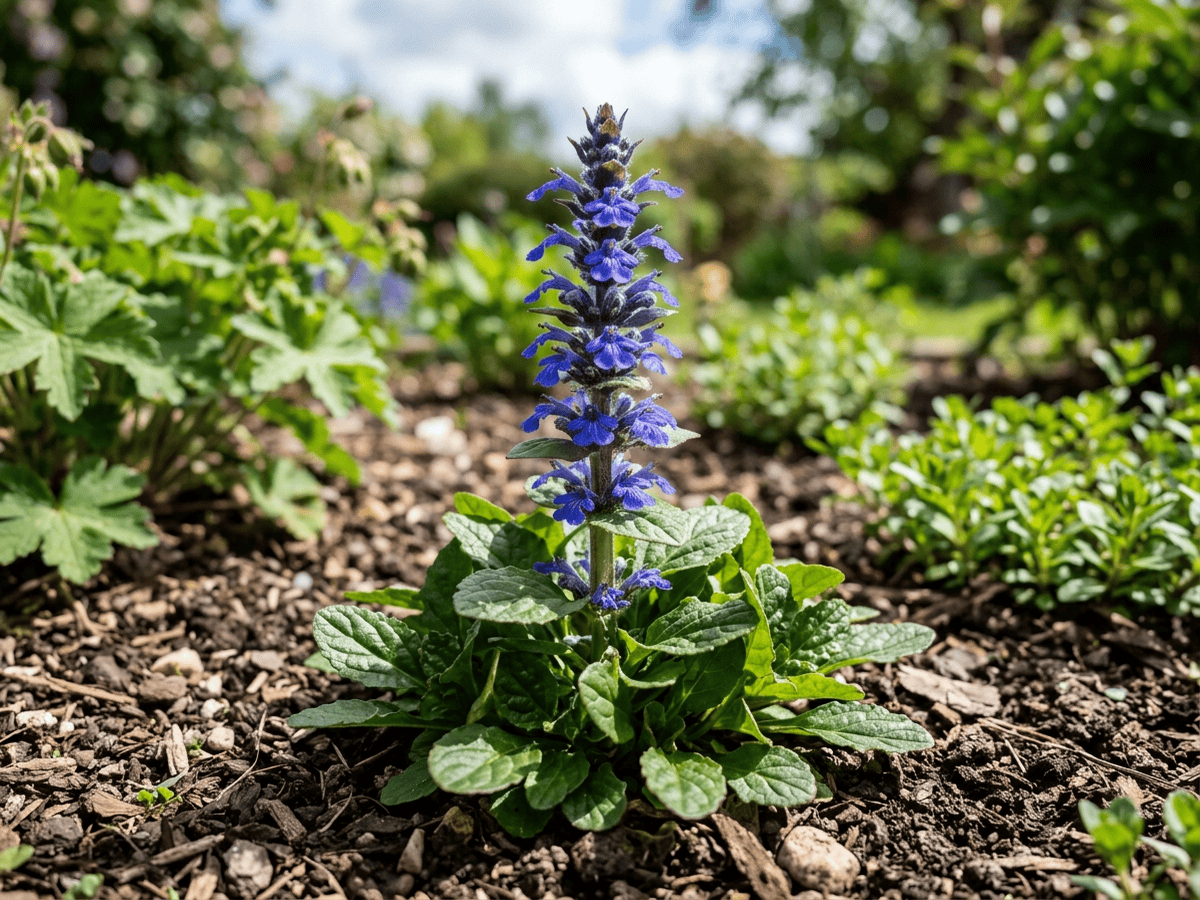 Blue BugleAjuga genevensis
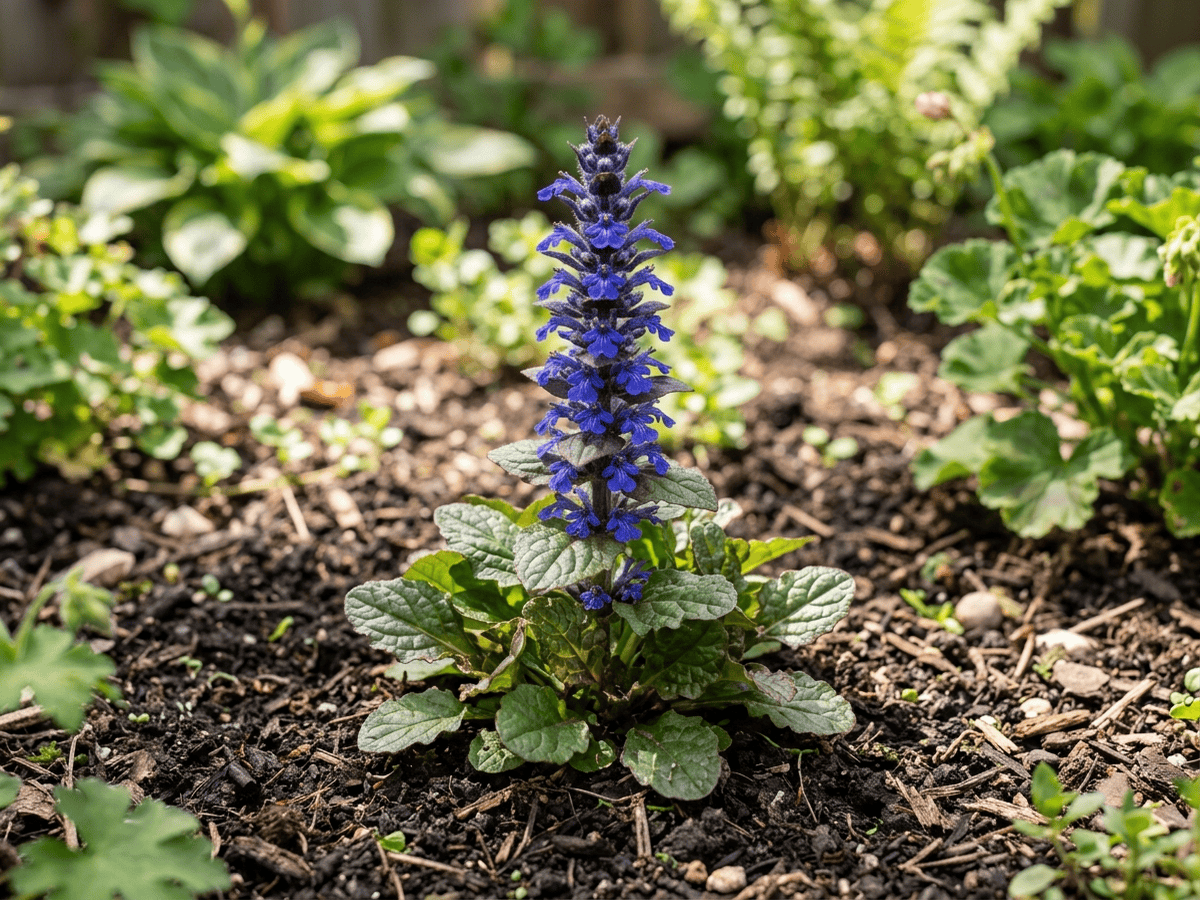 Pyramidal BugleAjuga pyramidalis
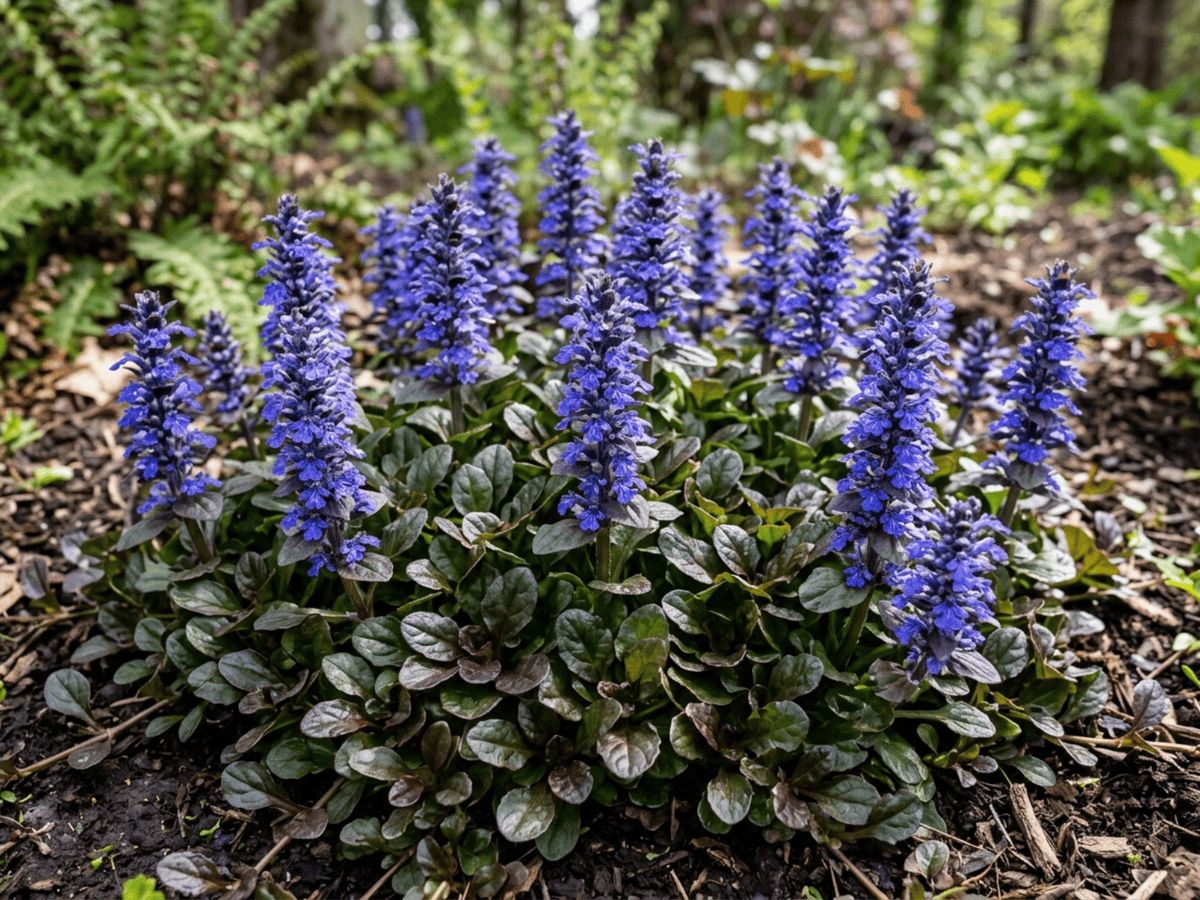 Carpet BugleAjuga reptans
Frequently asked questions
How often should I water Coralbells?
In summer, water about every 5 days; in winter, about every 21 days. Adjust for heat, pot size and drainage.
How much light does Coralbells need?
Part shade: 2–4 hrs direct. Watch the leaves — scorching or stretching means the light needs adjusting.
Is Coralbells toxic to cats or dogs?
Pets Safe (Dogs Safe · Cats Safe) Educational information, not medical or veterinary advice. If exposure is suspected, contact a doctor or veterinarian.
Is Coralbells easy to grow?
Yes — it is considered an easy, beginner-friendly plant.
When does Coralbells bloom?
It typically blooms Jun–Aug in the Northern Hemisphere.
YardMate
Identify any plant in seconds
Snap a photo — YardMate names the plant, diagnoses problems, and reminds you when to water.
Download on the App Store