 YardMate
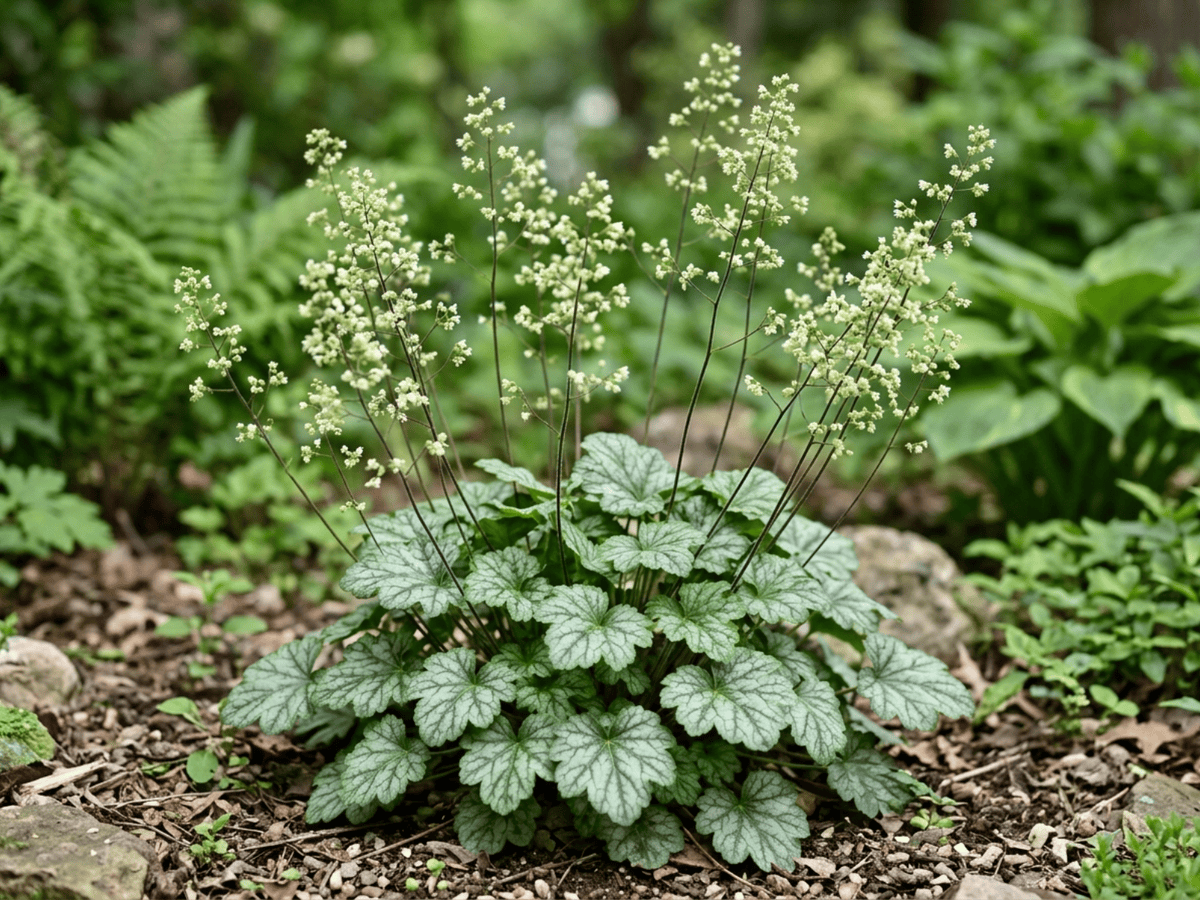


Crevice Alumroot
Heuchera micrantha
Easy · Beginner friendlyAbout Crevice Alumroot
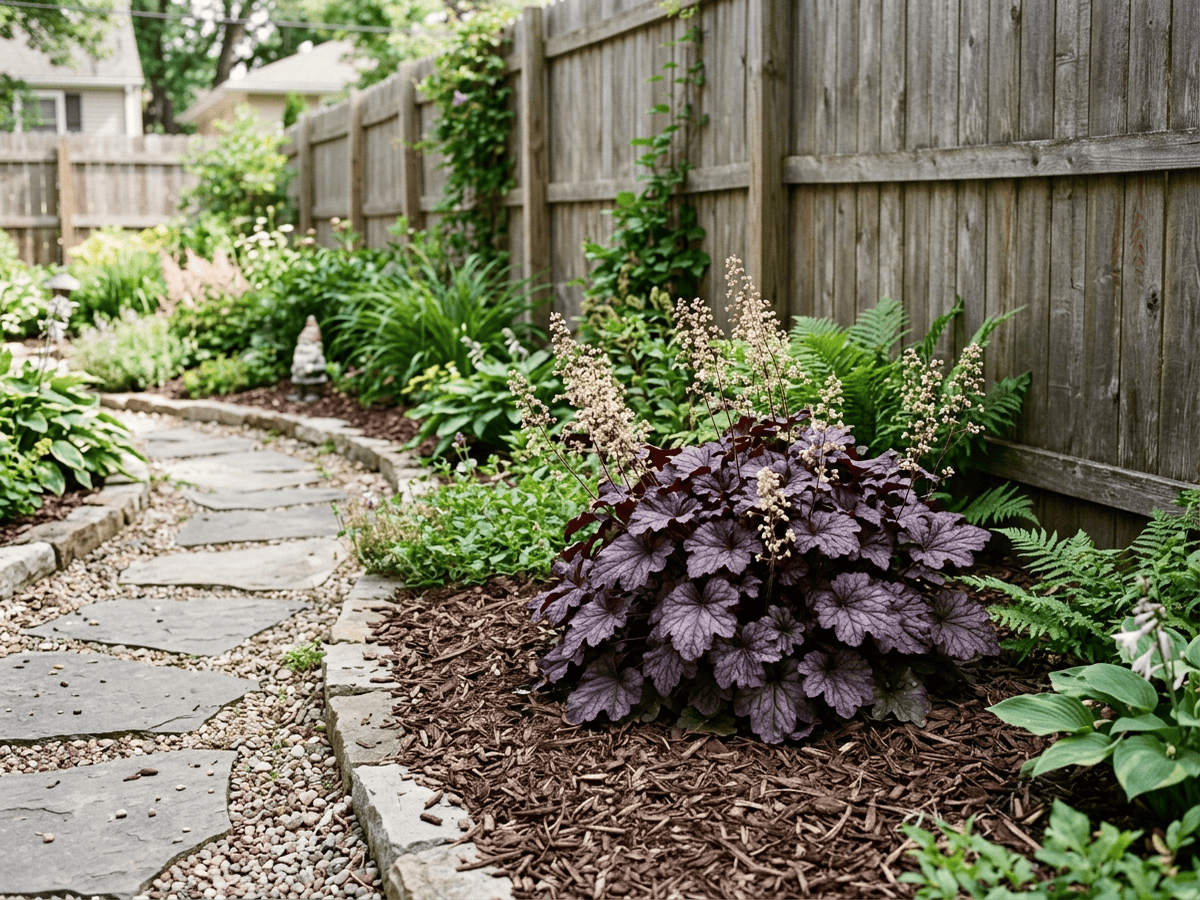
Crevice Alumroot is a native perennial of the western US, from British Columbia to central California, forming 12–18 inch mounds of lobed green leaves with airy sprays of tiny cream or pink flowers in late spring. The bronze-leaved cultivar 'Palace Purple', introduced in the 1980s, revolutionized American coral-bell breeding and was Perennial Plant of the Year in 1991. Parent of countless modern colored-foliage Heuchera hybrids.
- Deer-resistant
- Native
- Pollinator-friendly
How to care for Crevice Alumroot
Watering
- Springevery 5 days
- Summerevery 4 days
- Fallevery 7 days
- Winterpause watering
Soil · Well-draining
- Top dressingPine bark mulch10%
- Main mixPotting soil + perlite 2:170%
- DrainageLECA / gravel20%
Never skip the drainage layer — standing water is the top cause of root rot.
FERTILIZER
Balanced Feed 14-14-14
An even feed covers all three needs at once, keeping leaves, roots and blooms moving together with nothing pushed out of balance.
- Nitrogen · Leaves
- Phosphorus · Roots + Blooms
- Potassium · Strength
- Springevery 30 days
- Summerevery 30 days
At a Glance
- NativeNorth America
- Height1–2 ft (0.3–0.6 m)
- Spread1–2 ft (0.3–0.6 m)
- Flower colorWhite, Pink
- Foliage colorGreen, Purple, Bronze
- SoilLoamy, Well-drained, Rich
- LocationsYard
Bloom time
BLOOM CYCLE
Peak bloom
Mar–May
Airy cream flower sprays late spring
Toxicity
No toxicity has been reported for this plant. Still, it is wise to keep pets from chewing on any houseplant.
Educational information, not medical or veterinary advice. If exposure is suspected, contact a doctor or veterinarian.
DISTRIBUTION


- Native
- Introduced
- North America
History

Heuchera micrantha occurs in rocky crevices and stream banks from coastal British Columbia south through the Pacific Northwest to central California. Scottish botanist David Douglas collected specimens during his 1820s expeditions for the Royal Horticultural Society. The species remained a minor rock garden plant until Brian Halliwell at Kew Gardens distributed seedlings showing purple-bronze foliage in the 1970s.
One selection, named 'Palace Purple' in 1980, won the Perennial Plant Association's Plant of the Year in 1991 and triggered the explosive modern Heuchera breeding industry. Thousands of cultivars since have descended from this parentage, transforming Heuchera from modest woodland ground cover to among the most popular foliage perennials in American and European gardens.
Symbolism & meaning
What It Symbolizes
Crevice Alumroot embodies resilience, clinging to cliff faces and rocky outcrops where soil is barely a memory and most plants would refuse to root. Its adaptability has made it the parent of countless American garden hybrids, the wild ancestor of every burgundy, lime, and silver heuchera in the modern border. It is often read as a flower of foundational toughness, the species whose hidden grit underwrites a whole spectrum of refined cultivars.
- Resilience — clings to cliffs and rocky places
- Adaptability — parent of countless American garden hybrids
Where the Name Comes From
Genus honors Johann Heinrich von Heucher, German botanist; 'micrantha' means 'small-flowered'.
Uses & Fun Facts
- Bronze-leaved cultivars revolutionized American shade plantings
- Mounded perennial works in shaded containers
- Airy flower sprays attract hummingbirds and small bees
Related plants
More Heuchera plants
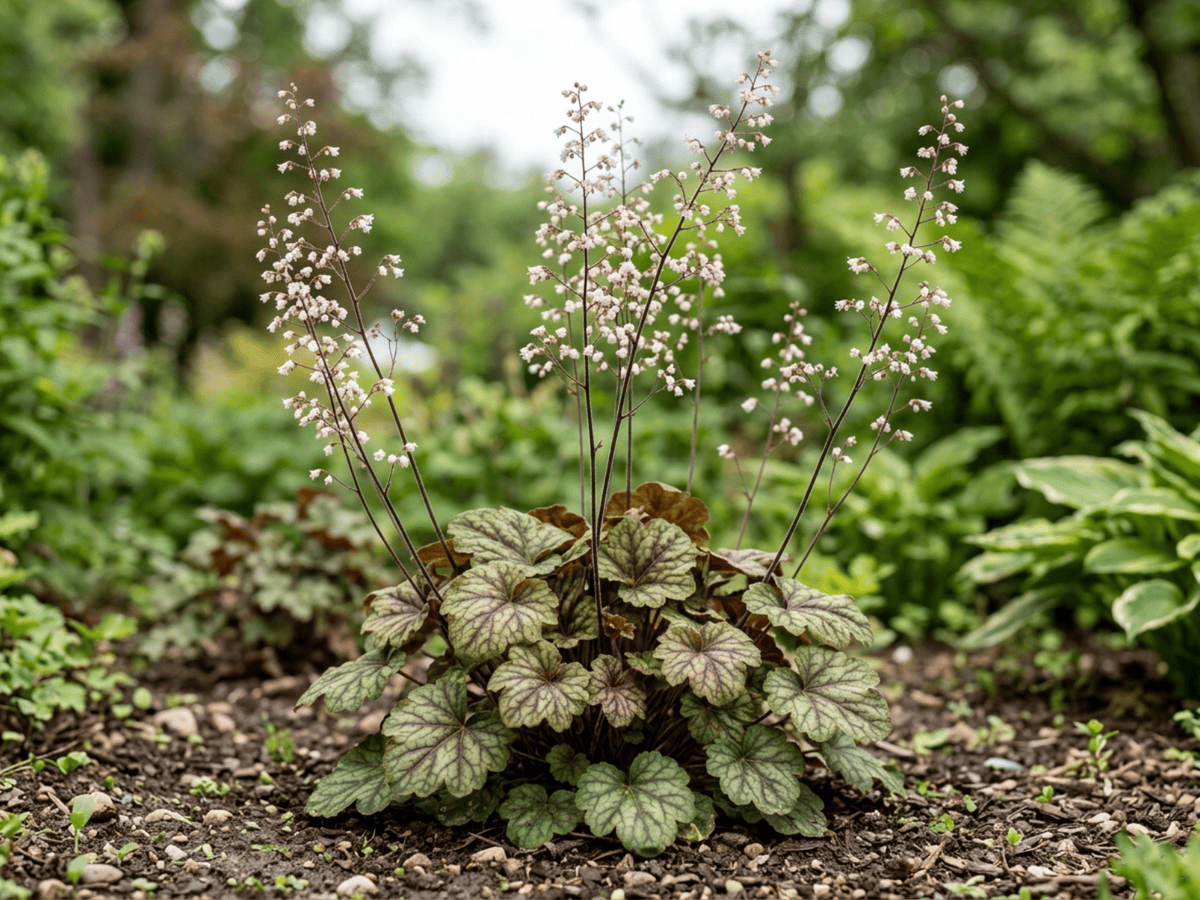 American AlumrootHeuchera americana
 Roundleaf AlumrootHeuchera cylindrica
 Gooseberry-Leaf AlumrootHeuchera grossulariifolia
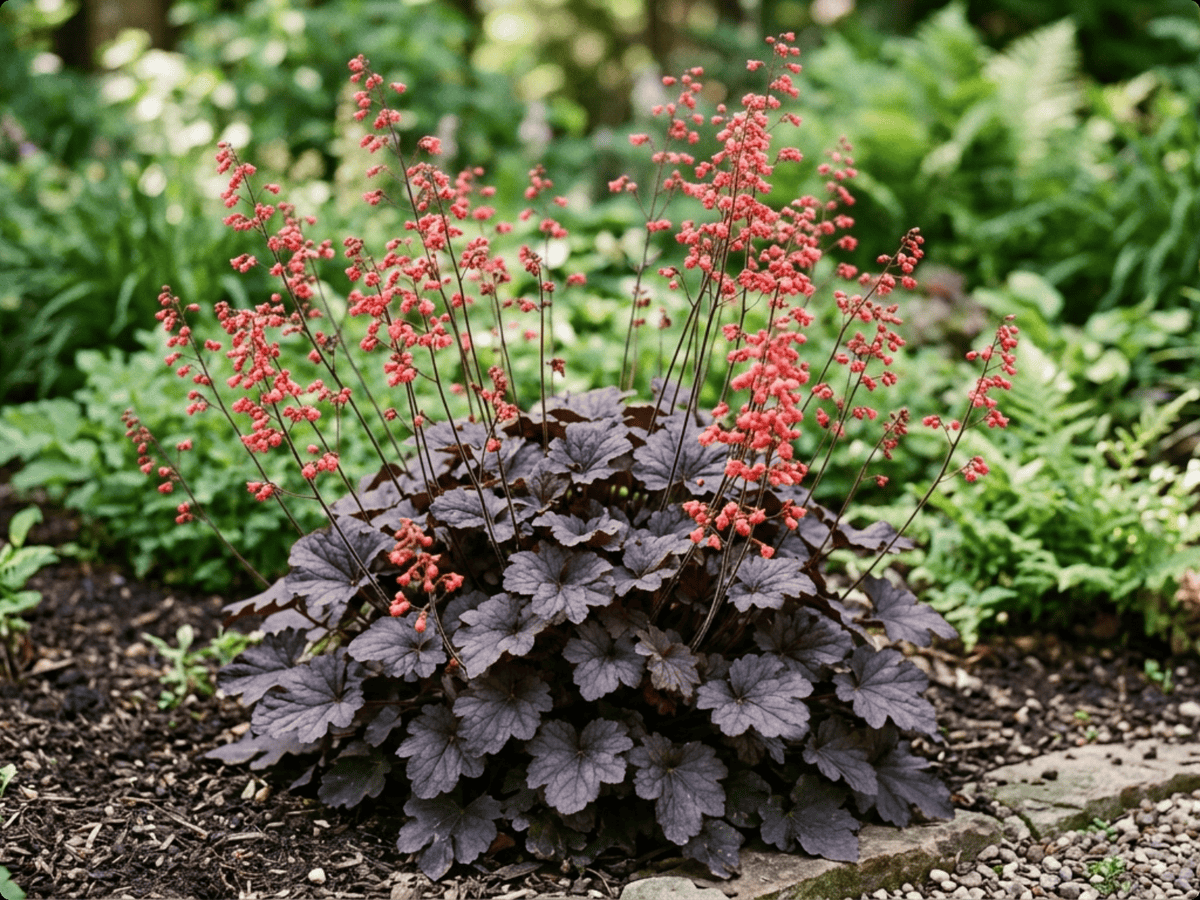 CoralbellsHeuchera sanguinea
Plants with similar care
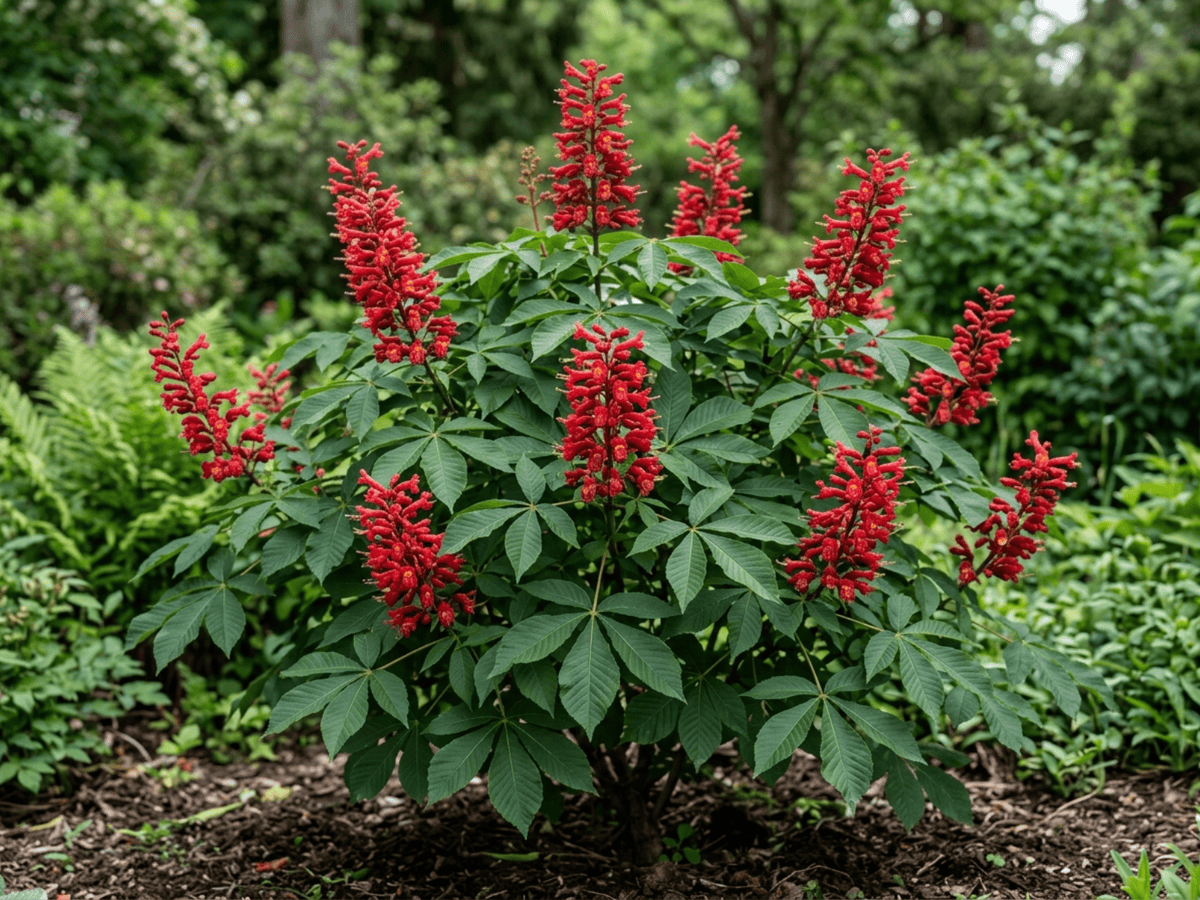 Red BuckeyeAesculus pavia
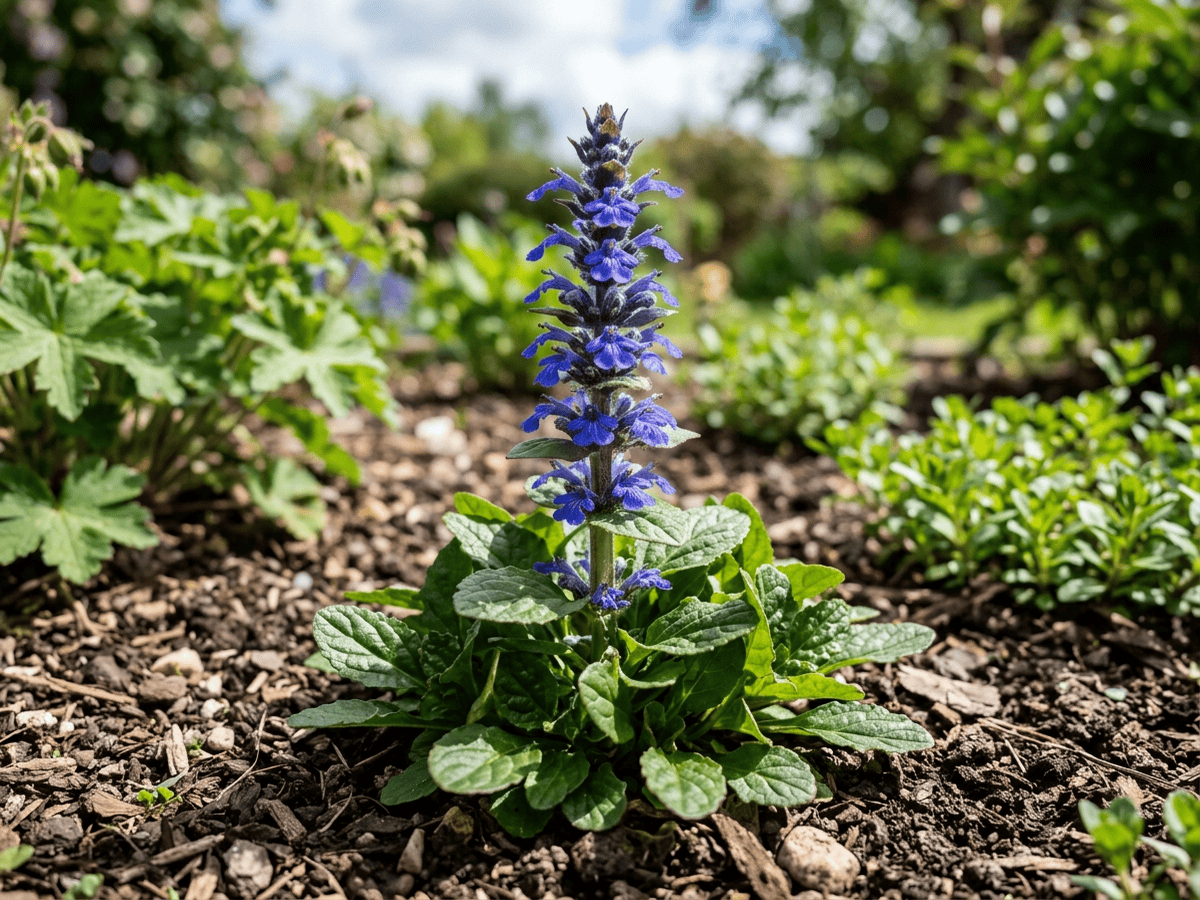 Blue BugleAjuga genevensis
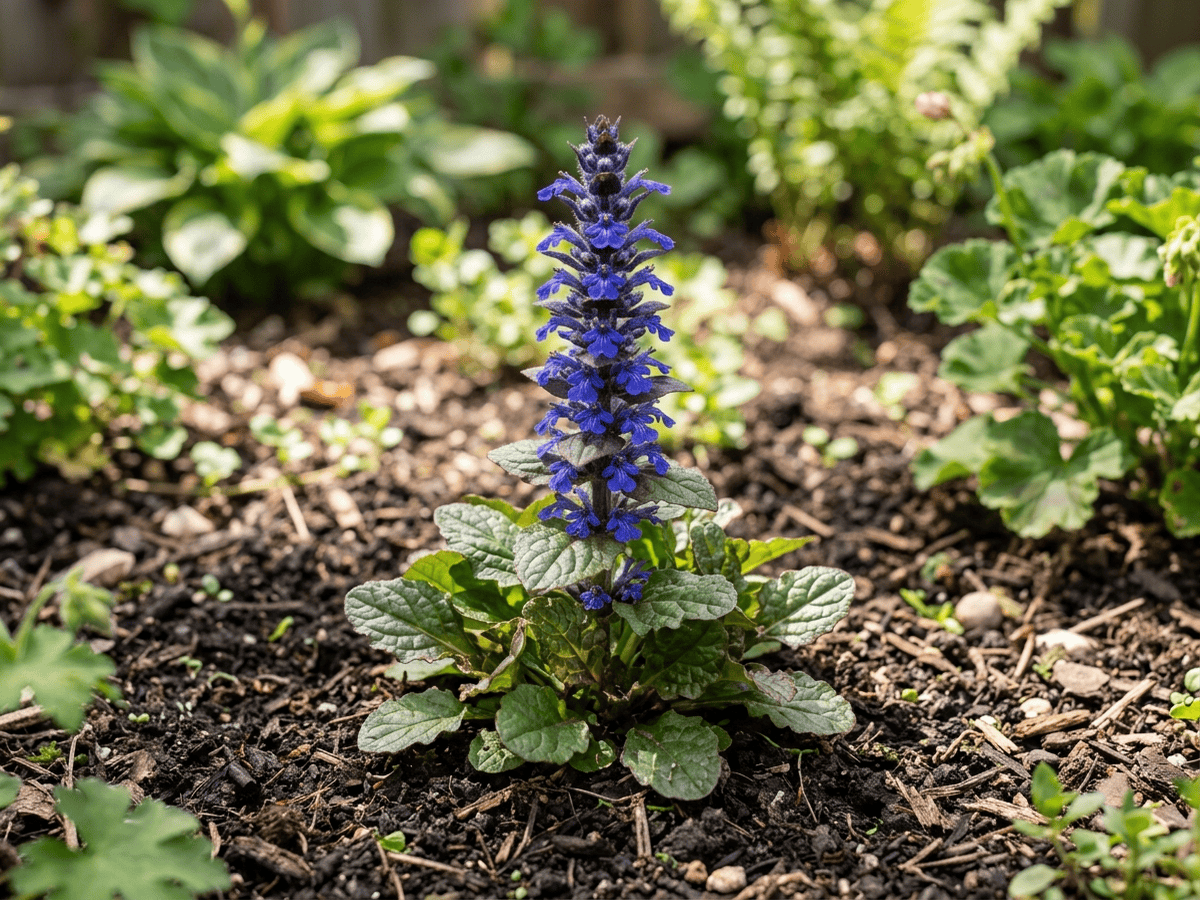 Pyramidal BugleAjuga pyramidalis
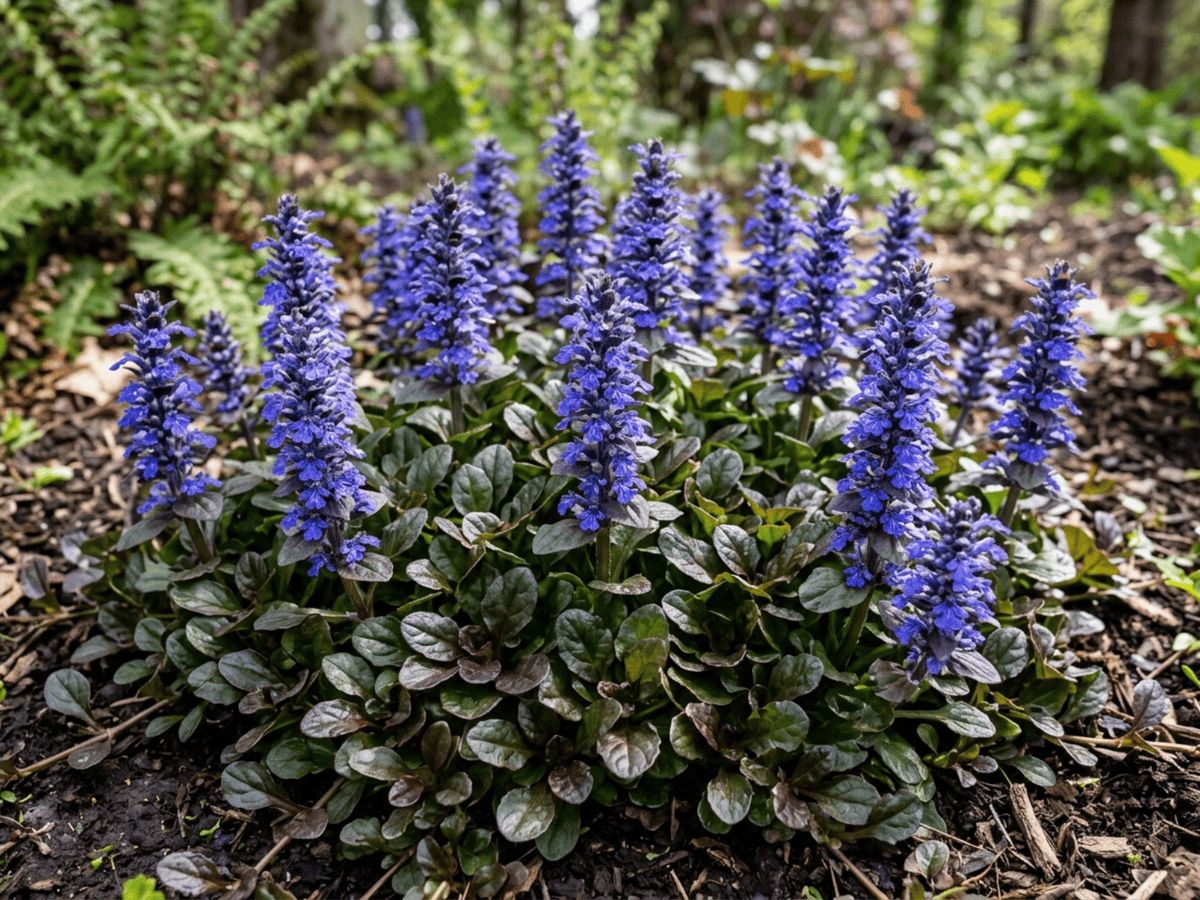 Carpet BugleAjuga reptans
Frequently asked questions
How often should I water Crevice Alumroot?
Water about every 5 days during the growing season, and always let excess water drain away.
How much light does Crevice Alumroot need?
Part shade: 2–4 hrs direct. Watch the leaves — scorching or stretching means the light needs adjusting.
Is Crevice Alumroot toxic to cats or dogs?
No toxicity has been reported for this plant. Still, it is wise to keep pets from chewing on any houseplant. Educational information, not medical or veterinary advice. If exposure is suspected, contact a doctor or veterinarian.
Is Crevice Alumroot easy to grow?
Yes — it is considered an easy, beginner-friendly plant.
When does Crevice Alumroot bloom?
It typically blooms Mar–May in the Northern Hemisphere.
YardMate
Identify any plant in seconds
Snap a photo — YardMate names the plant, diagnoses problems, and reminds you when to water.
Download on the App Store