 YardMate

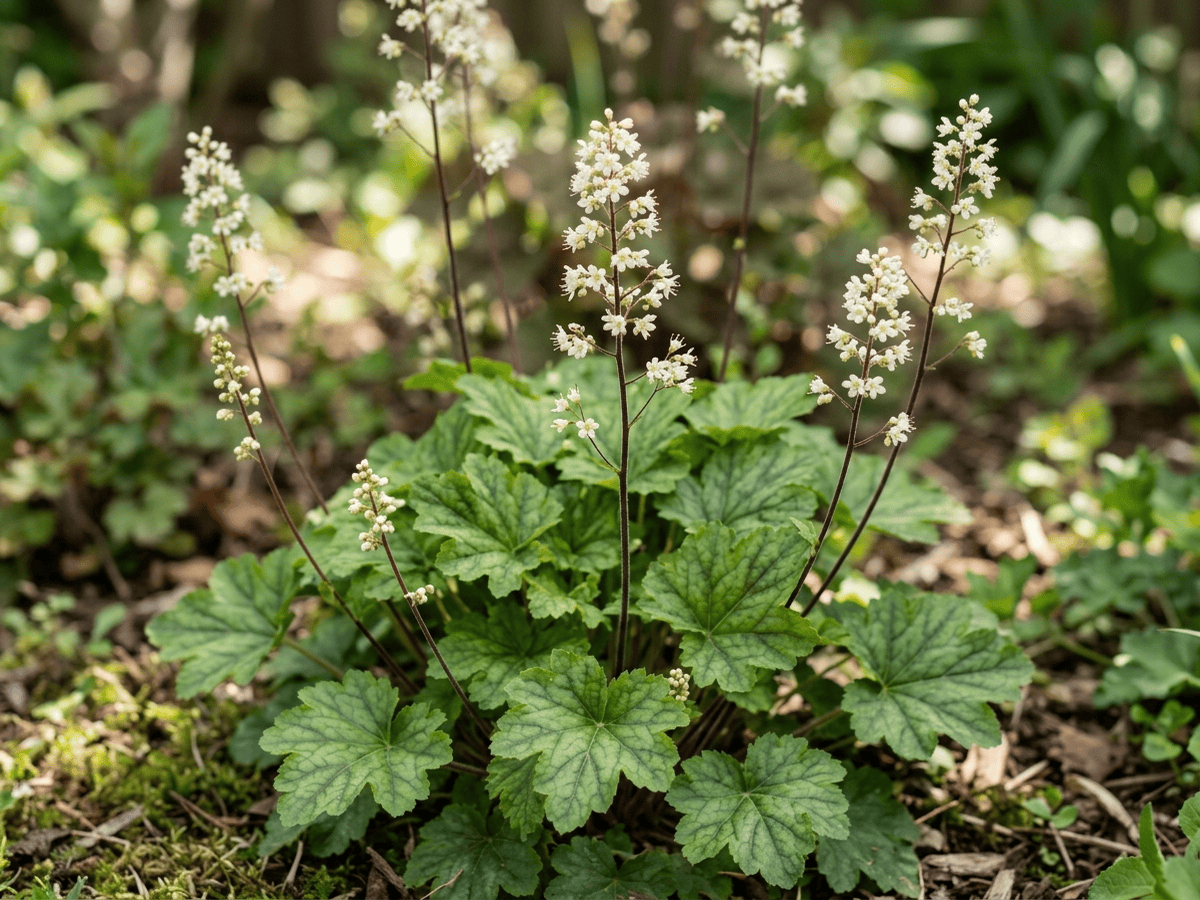


Gooseberry-Leaf Alumroot
Heuchera grossulariifolia
Medium · Some experienceAbout Gooseberry-Leaf Alumroot
Gooseberryleaf Alumroot is an Idaho and Montana native perennial with distinctive lobed gooseberry-like leaves and slender spikes of tiny cream flowers. Growing 8 to 18 inches tall in flower, it forms tight clumps of evergreen leaves on rocky slopes and canyon walls across the northern Rocky Mountains. A specialty native plant for heritage western gardens and increasingly used in Heuchera breeding for its unique leaf shape.
- Drought-tolerant
- Deer-resistant
- Evergreen
- Native
How to care for Gooseberry-Leaf Alumroot
Watering
- Springevery 7 days
- Summerevery 7 days
- Fallevery 10 days
- Winterevery 14 days
Soil · Well-draining
- Top dressingPine bark mulch10%
- Main mixPotting soil + perlite 2:170%
- DrainageLECA / gravel20%
Never skip the drainage layer — standing water is the top cause of root rot.
FERTILIZER
Balanced Feed 14-14-14
An even feed covers all three needs at once, keeping leaves, roots and blooms moving together with nothing pushed out of balance.
- Nitrogen · Leaves
- Phosphorus · Roots + Blooms
- Potassium · Strength
- Springevery 60 days
At a Glance
- NativeNorth America
- Height0.5–1 ft (0.2–0.3 m)
- Spread1–1.5 ft (0.3–0.5 m)
- Flower colorWhite, Cream
- Foliage colorGreen
- SoilLoamy, Well-drained
- LocationsYard
Bloom time
BLOOM CYCLE
Peak bloom
May–Aug
Cream flower spikes on wiry stems in early summer
Toxicity
Toxicity unknown
tannins
Unknown
EXPOSURE Unspecified plant material.
EFFECT Toxic effects are not specified.
NOTE Toxicity for humans is not well documented; use caution until verified.
Unknown
EXPOSURE Unspecified plant material.
EFFECT Toxic effects are not specified.
NOTE Toxicity for dogs is not well documented; use caution until verified.
Unknown
EXPOSURE Unspecified plant material.
EFFECT Toxic effects are not specified.
NOTE Toxicity for cats is not well documented; use caution until verified.
Educational information, not medical or veterinary advice. If exposure is suspected, contact a doctor or veterinarian.
DISTRIBUTION


- Native
- North America
History

Heuchera grossulariifolia, the gooseberryleaf alumroot, is a small perennial native to rocky outcrops and canyon walls of the northern Rocky Mountains and eastern Cascades, from British Columbia and Alberta south through Montana, Idaho, and northeastern Oregon. American botanists Per Axel Rydberg and John Merle Coulter described the species in 1903, the epithet grossulariifolia referring to its maple- or gooseberry-like foliage. The plant produces short compact panicles of small white bell-shaped flowers on 20 to 30 centimeter stems above tight rosettes of rounded green leaves.
Its mix of diploid and autotetraploid populations makes it a model system for studying polyploid speciation and plant-pollinator coevolution in evolutionary biology research by Justin Ramsey, Douglas Schemske, and colleagues. Scientifically interesting as a case study in pollinator-driven speciation, with diploid and tetraploid populations pollinated by different moth species.
It thrives in crevice gardens and alpine troughs.
Symbolism & meaning
What It Symbolizes
Gooseberry-Leaf Alumroot embodies rocky endurance, thriving on the harsh cliff faces of the northern Rockies where soil is barely a rumor. Paired with its unique form — gooseberry-like lobed leaves unlike any of its showier hybrid cousins — it offers a wild-toned alternative to the candy-colored heucheras. It is a plant for gardeners who prize stubborn, place-specific beauty.
- Rocky endurance — thrives on northern Rocky cliffs
- Unique form — gooseberry-like lobed leaves
Where the Name Comes From
'grossulariifolia' from Latin means with leaves like Grossularia (gooseberry), for the distinctive lobed leaves.
Uses & Fun Facts
- Lobed gooseberry-like leaves and creamy flower spikes for rock gardens
- Tiny white flowers feed specialist Greya moth pollinators
Related plants
More Heuchera plants
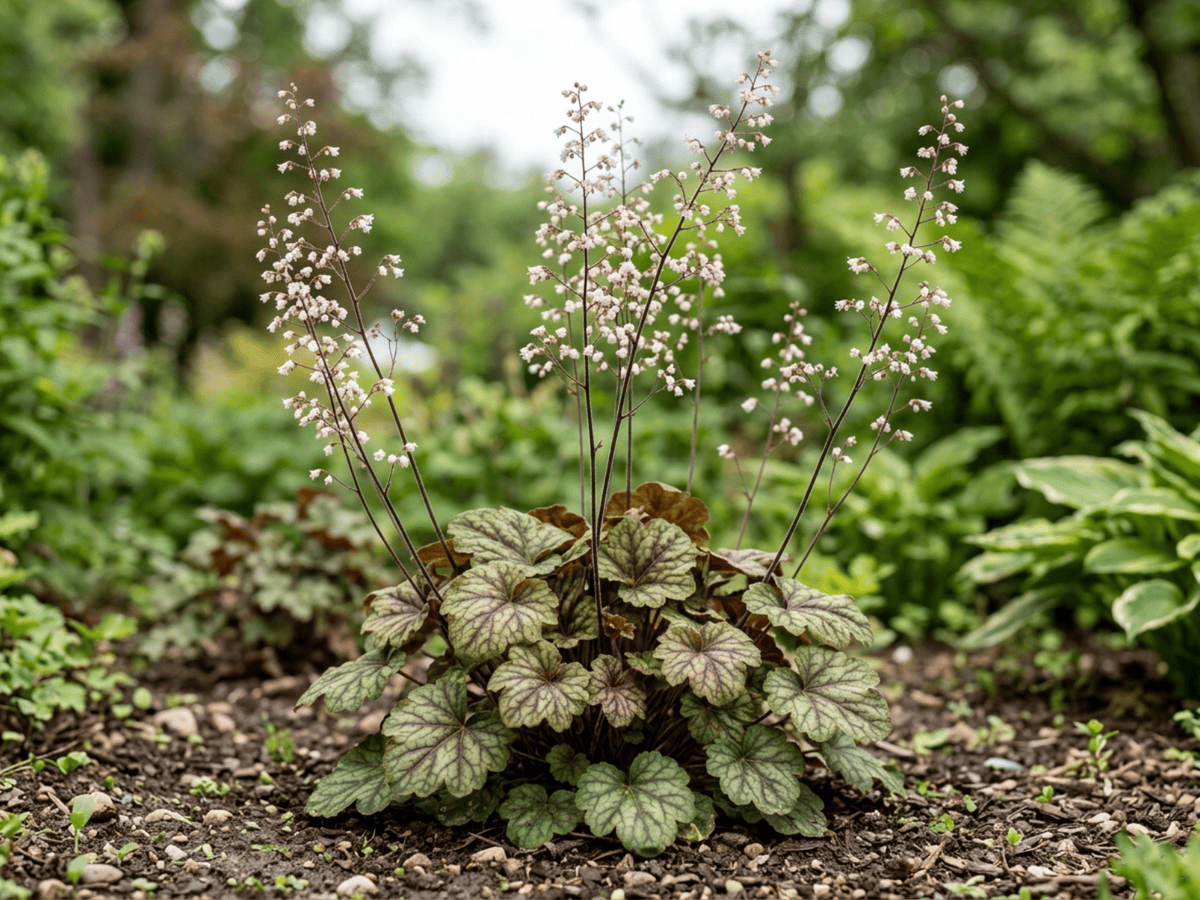 American AlumrootHeuchera americana
 Roundleaf AlumrootHeuchera cylindrica
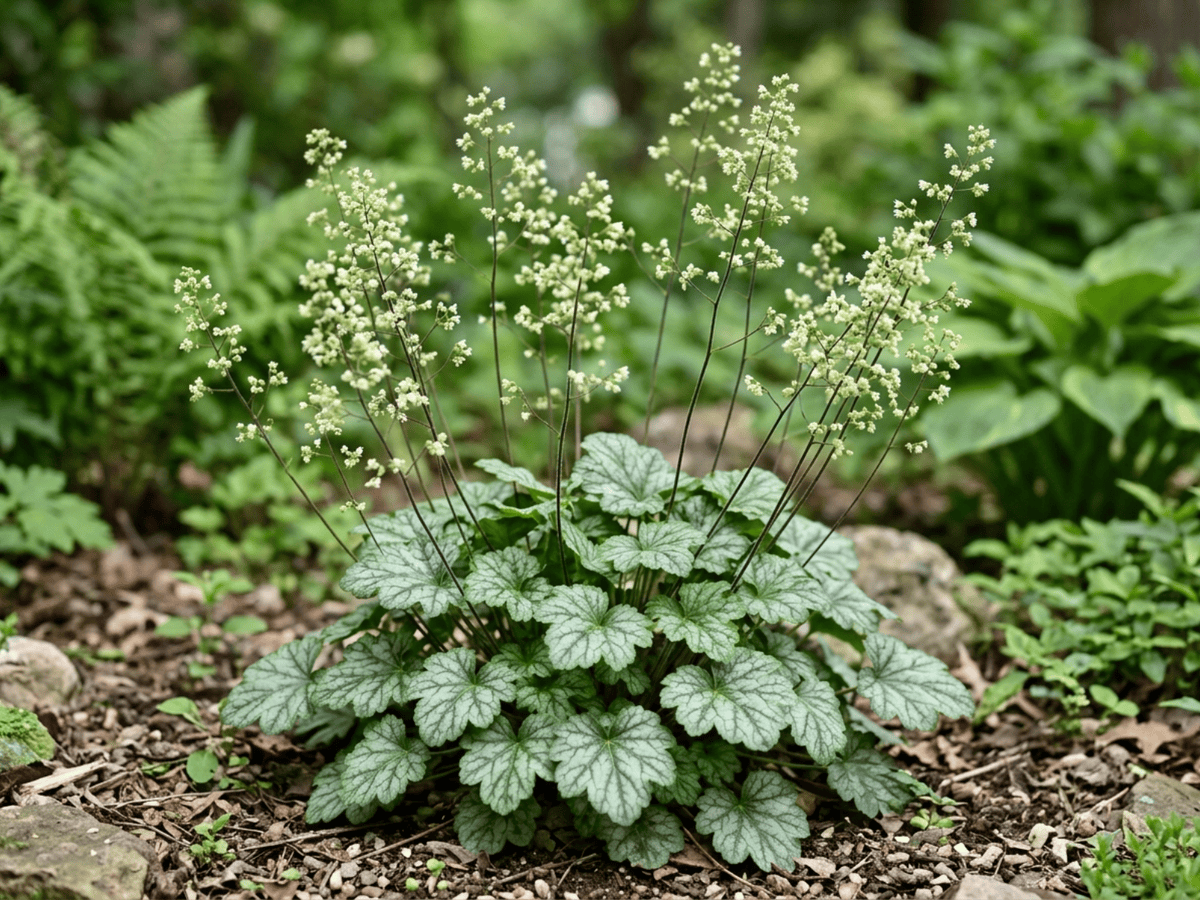 Crevice AlumrootHeuchera micrantha
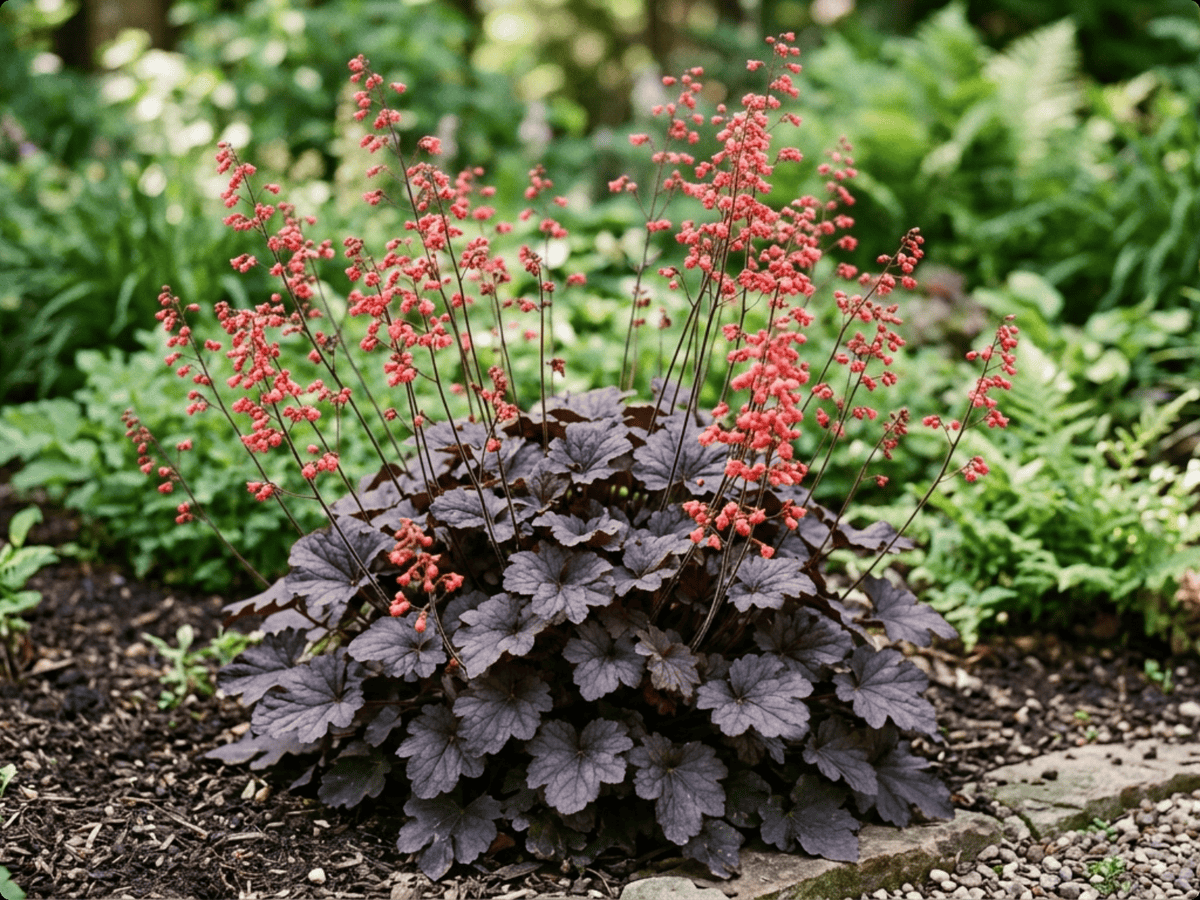 CoralbellsHeuchera sanguinea
Plants with similar care
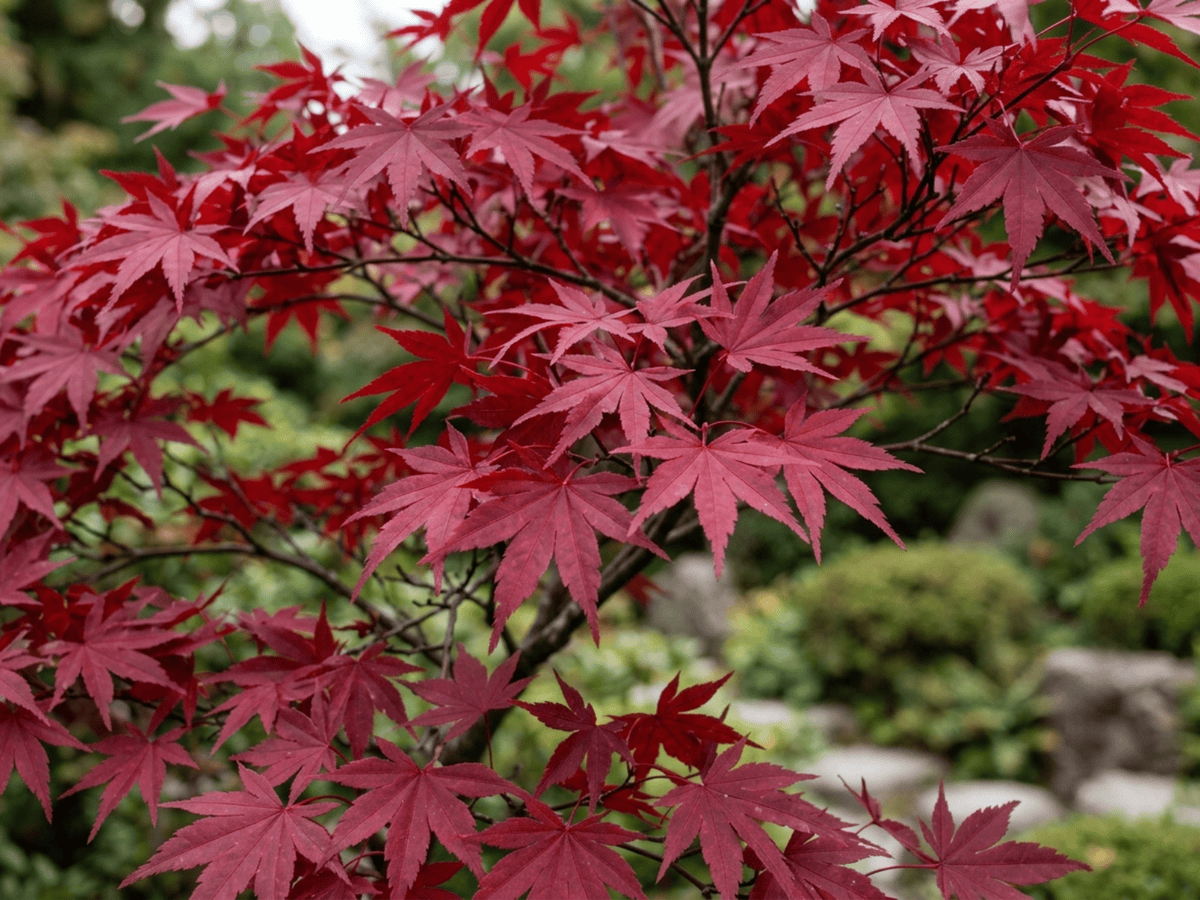 Japanese MapleAcer palmatum
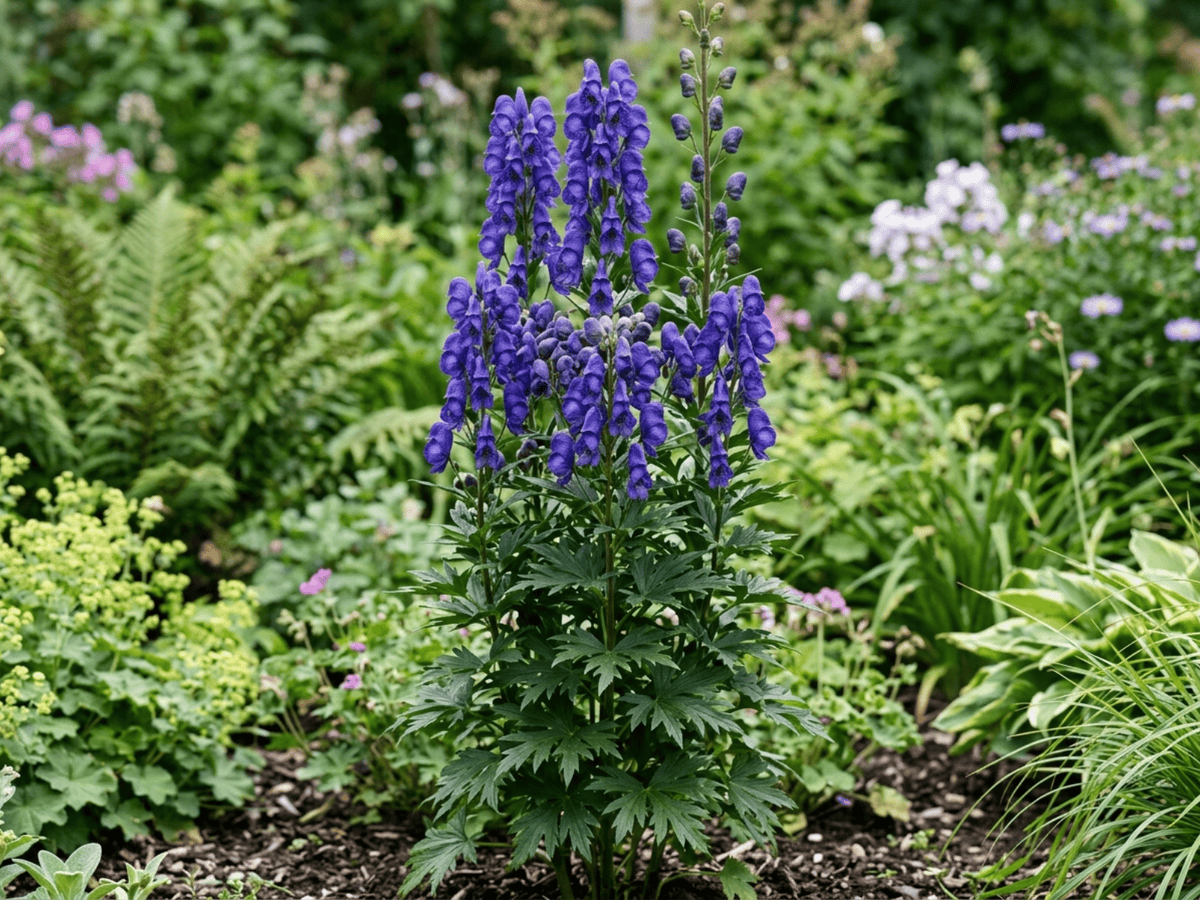 Azure MonkshoodAconitum carmichaelii
 Florida HobblebushAgarista populifolia
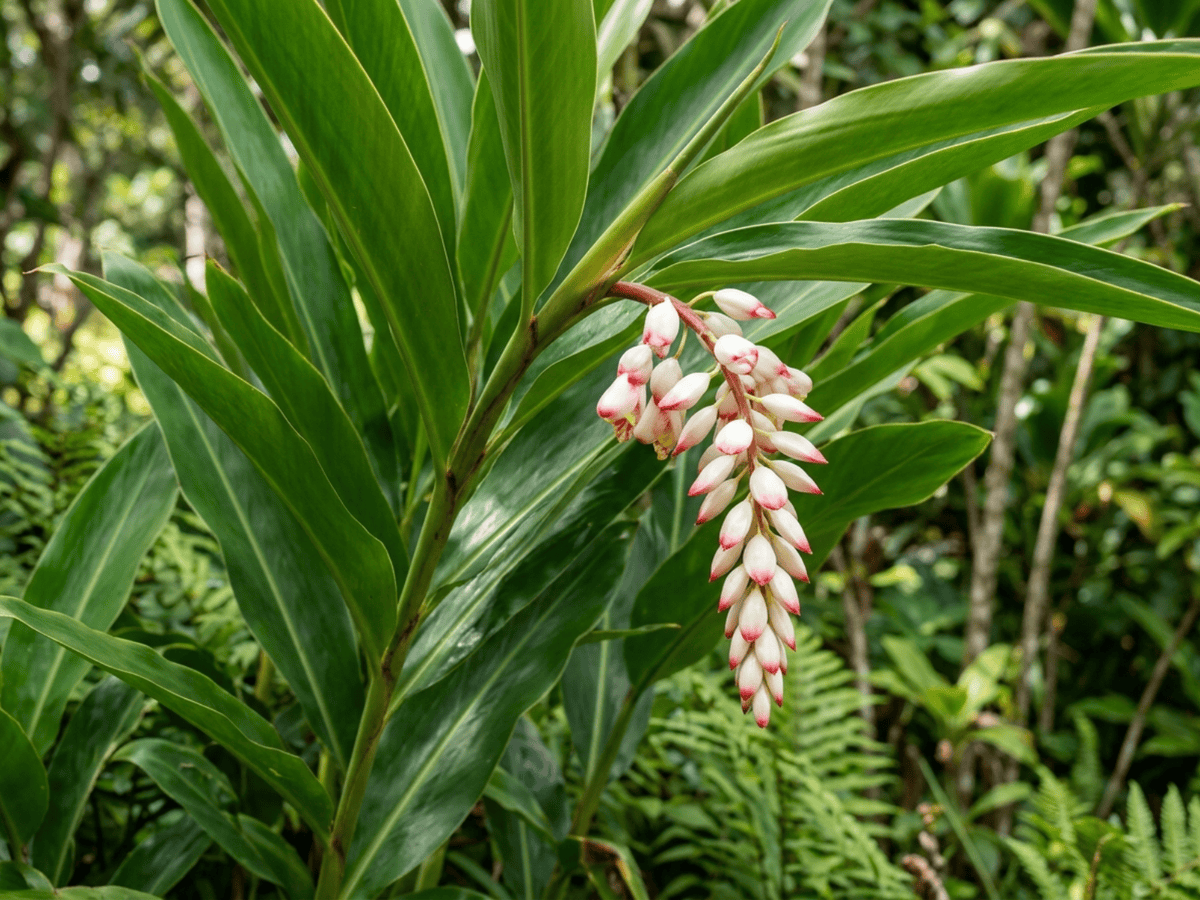 Shell GingerAlpinia zerumbet
Frequently asked questions
How often should I water Gooseberry-Leaf Alumroot?
In summer, water about every 7 days; in winter, about every 14 days. Adjust for heat, pot size and drainage.
How much light does Gooseberry-Leaf Alumroot need?
Part shade: 2–4 hrs direct. Watch the leaves — scorching or stretching means the light needs adjusting.
Is Gooseberry-Leaf Alumroot toxic to cats or dogs?
Pets Unknown (Dogs Unknown · Cats Unknown) Educational information, not medical or veterinary advice. If exposure is suspected, contact a doctor or veterinarian.
Is Gooseberry-Leaf Alumroot easy to grow?
It is moderately demanding: a good choice once you have a little experience.
When does Gooseberry-Leaf Alumroot bloom?
It typically blooms May–Aug in the Northern Hemisphere.
YardMate
Identify any plant in seconds
Snap a photo — YardMate names the plant, diagnoses problems, and reminds you when to water.
Download on the App Store