 YardMate


Coral Bells
Heuchera x brizoides
Easy · Beginner friendlyAbout Coral Bells
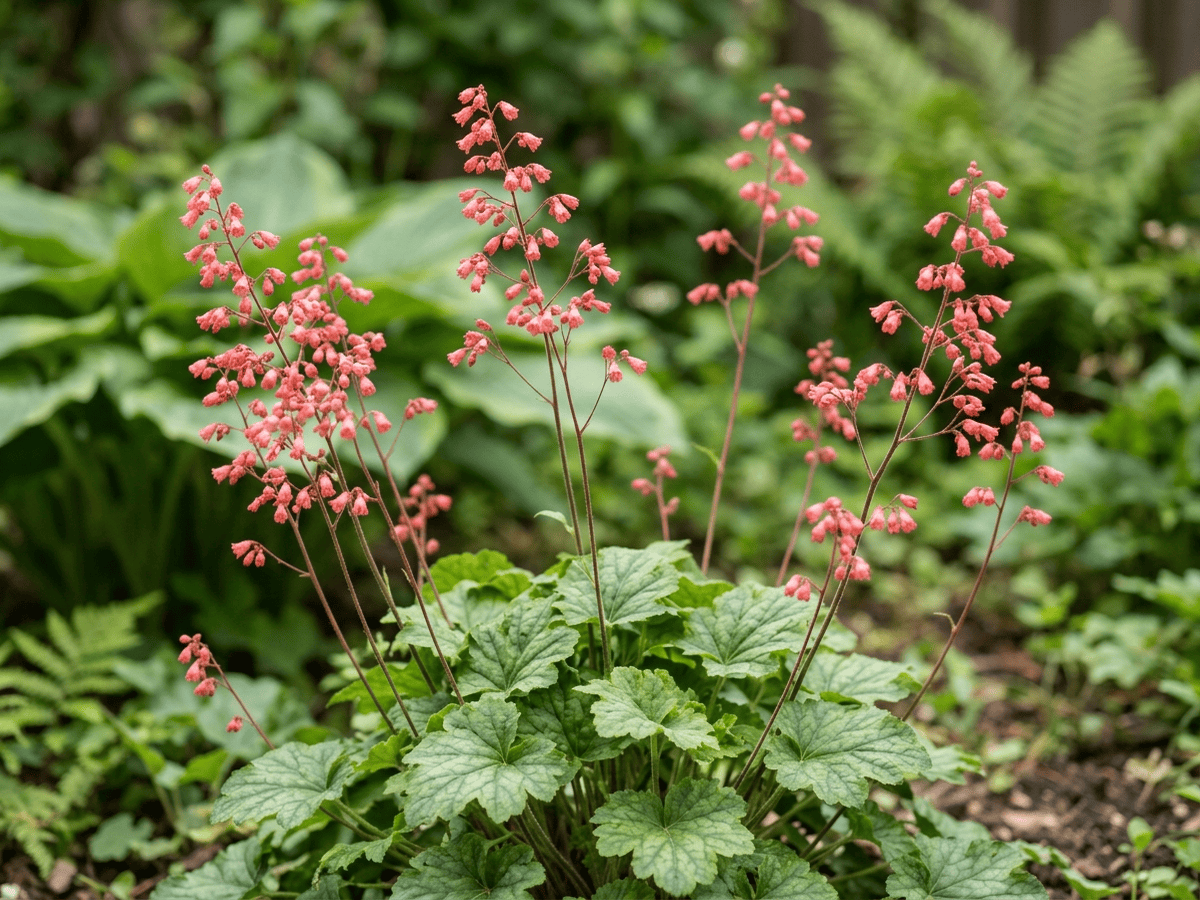
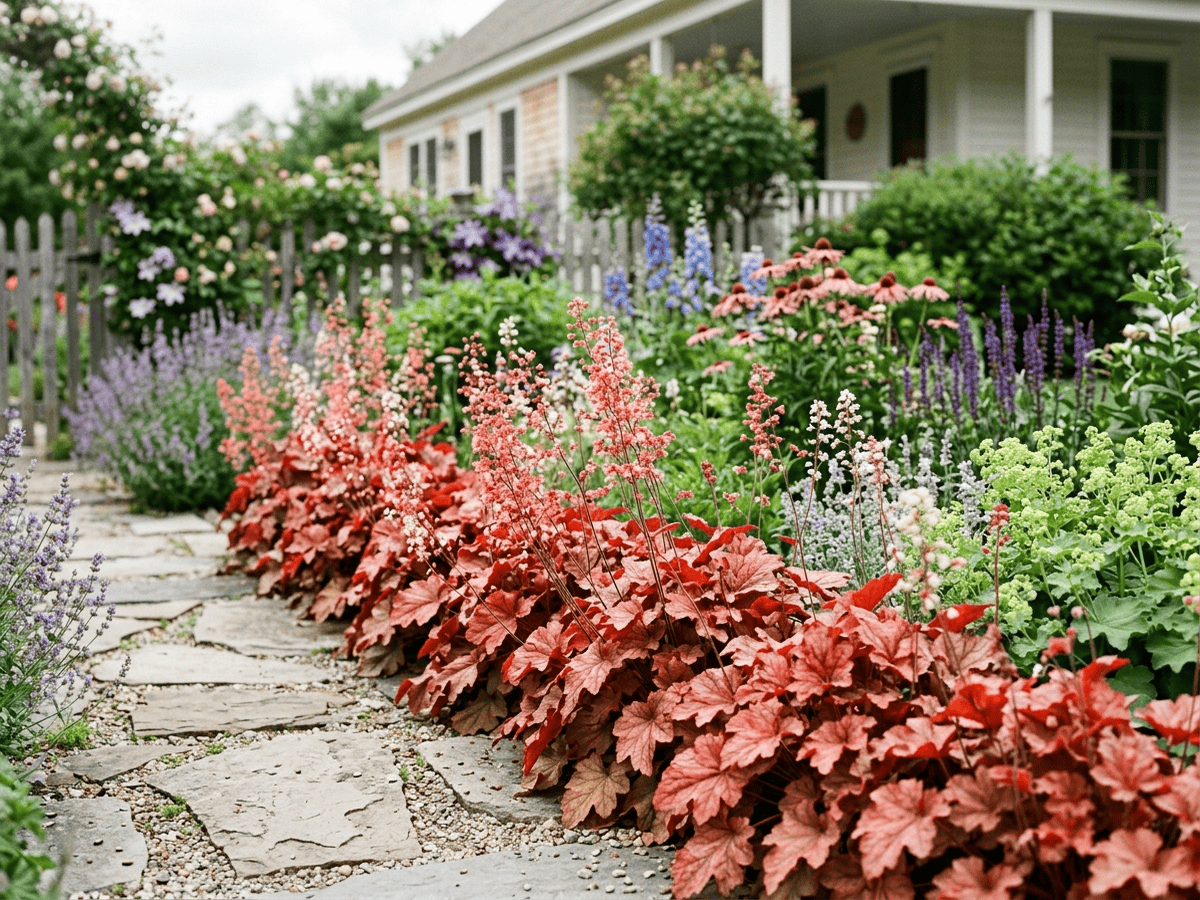
Coral Bells is the classic garden hybrid group of Heuchera, crossed from several species to create the beloved flowering perennial with evergreen rounded leaves and airy panicles of tiny pink, red, coral, or white flowers. Growing 12 to 24 inches tall in flower, it blooms from late spring through summer on wiry stems above compact mounds of foliage. A cottage garden classic across the US for over a century.
- Deer-resistant
- Cold-hardy
- Evergreen
- Long-blooming
How to care for Coral Bells
Watering
- Springevery 5 days
- Summerevery 4 days
- Fallevery 10 days
- Winterevery 14 days
Soil · Well-draining
- Top dressingPine bark mulch10%
- Main mixPotting soil + perlite 2:170%
- DrainageLECA / gravel20%
Never skip the drainage layer — standing water is the top cause of root rot.
FERTILIZER
Balanced Feed 14-14-14
An even feed covers all three needs at once, keeping leaves, roots and blooms moving together with nothing pushed out of balance.
- Nitrogen · Leaves
- Phosphorus · Roots + Blooms
- Potassium · Strength
- Springevery 60 days
At a Glance
- Height1–2 ft (0.3–0.6 m)
- Spread1–1.5 ft (0.3–0.5 m)
- Flower colorCoral, Pink, Red, White
- Foliage colorGreen, Bronze, Purple
- SoilLoamy, Well-drained, Moisture-retentive
- LocationsYard
Bloom time
BLOOM CYCLE
Peak bloom
May–Jul
Airy coral bell panicles May through July, rebloom with deadheading
Toxicity
No toxicity has been reported for this plant. Still, it is wise to keep pets from chewing on any houseplant.
Educational information, not medical or veterinary advice. If exposure is suspected, contact a doctor or veterinarian.
History
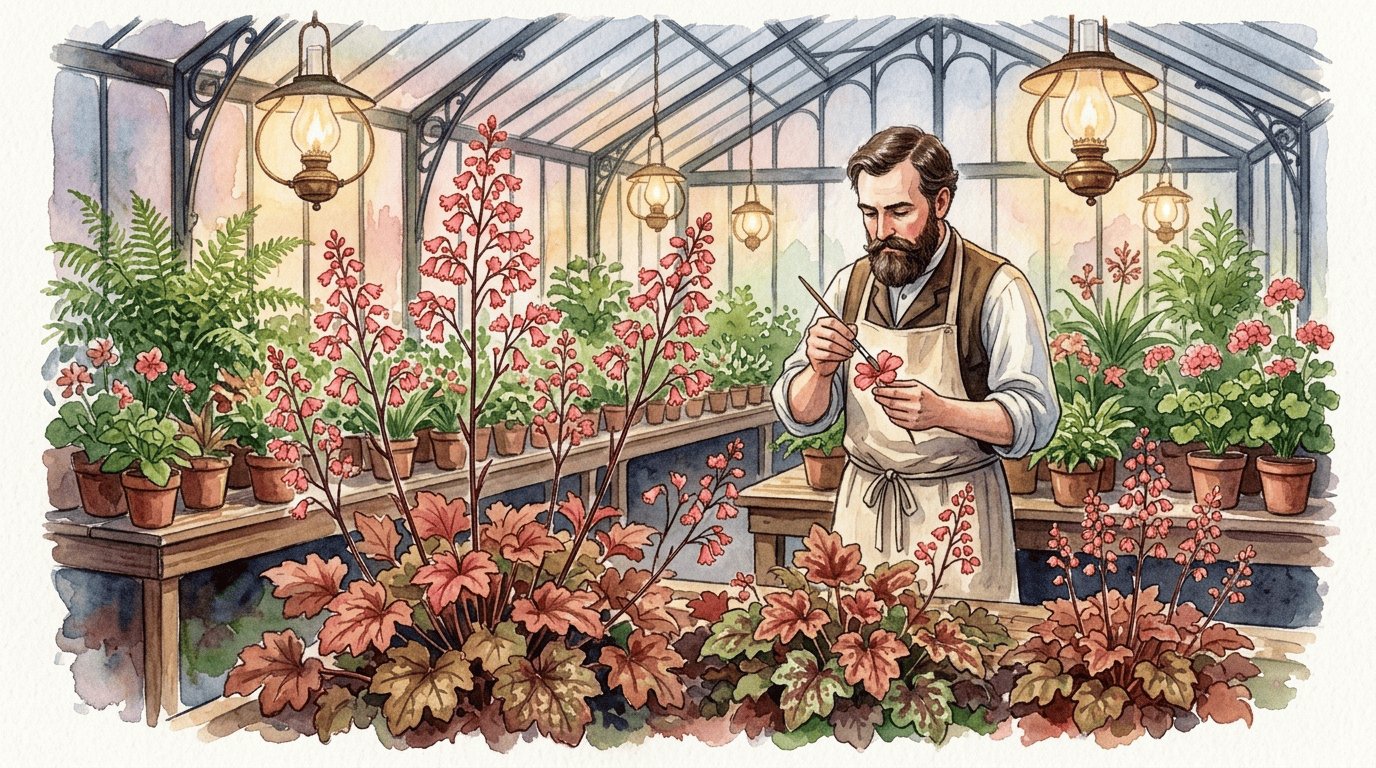
Heuchera x brizoides is the name applied to hybrid heucheras produced in late 19th and early 20th century Europe primarily by crossing the eastern US native Heuchera sanguinea with H. americana and H. micrantha. French breeder Victor Lemoine at Nancy was a pivotal figure, releasing popular named clones including Gracilis and Bressingham Hybrids. British horticulturist Alan Bloom continued the work mid-20th century.
The plant bears airy panicles of small coral-pink, red, or rose bell-shaped flowers on 45 to 60 centimeter stems above dark green or bronzed lobed foliage. Twentieth-century cultivars such as Firefly, June Bride, and Rain of Fire remained mainstays until the 1990s, when the American breeder Dan Heims pivoted breeding toward foliage color, producing the dramatic foliage heucheras that dominate today's horticulture.
A complex hybrid developed in European gardens in the early 1900s from crosses of American H. Dominated American cottage gardens through the mid-20th century as the standard flowering Heuchera before modern foliage hybrids took over.
Symbolism & meaning
What It Symbolizes
Coral Bells carry devoted appreciation in the language of flowers — a Victorian gift meaning sincere gratitude. Beyond its sentimental meaning it remains the top coral-bell nectar source for hummingbirds, who time their migrations to it airy red wands. It is at once a flower of human thanks and a flower of small fierce winged loyalty, its tiny bells ringing for both.
- Devoted appreciation — coral bells mean gratitude
- Hummingbird love — top coral-bell nectar source
Where the Name Comes From
'brizoides' means resembling Briza (quaking grass), for the delicate airy flower panicles that tremble in breezes.
Uses & Fun Facts
- Evergreen mounded foliage and airy flower panicles in shade beds
- Tiny coral bells feed hummingbirds and small native bees
- Compact rosettes thrive in patio pots and trough gardens
Related plants
More Heuchera plants
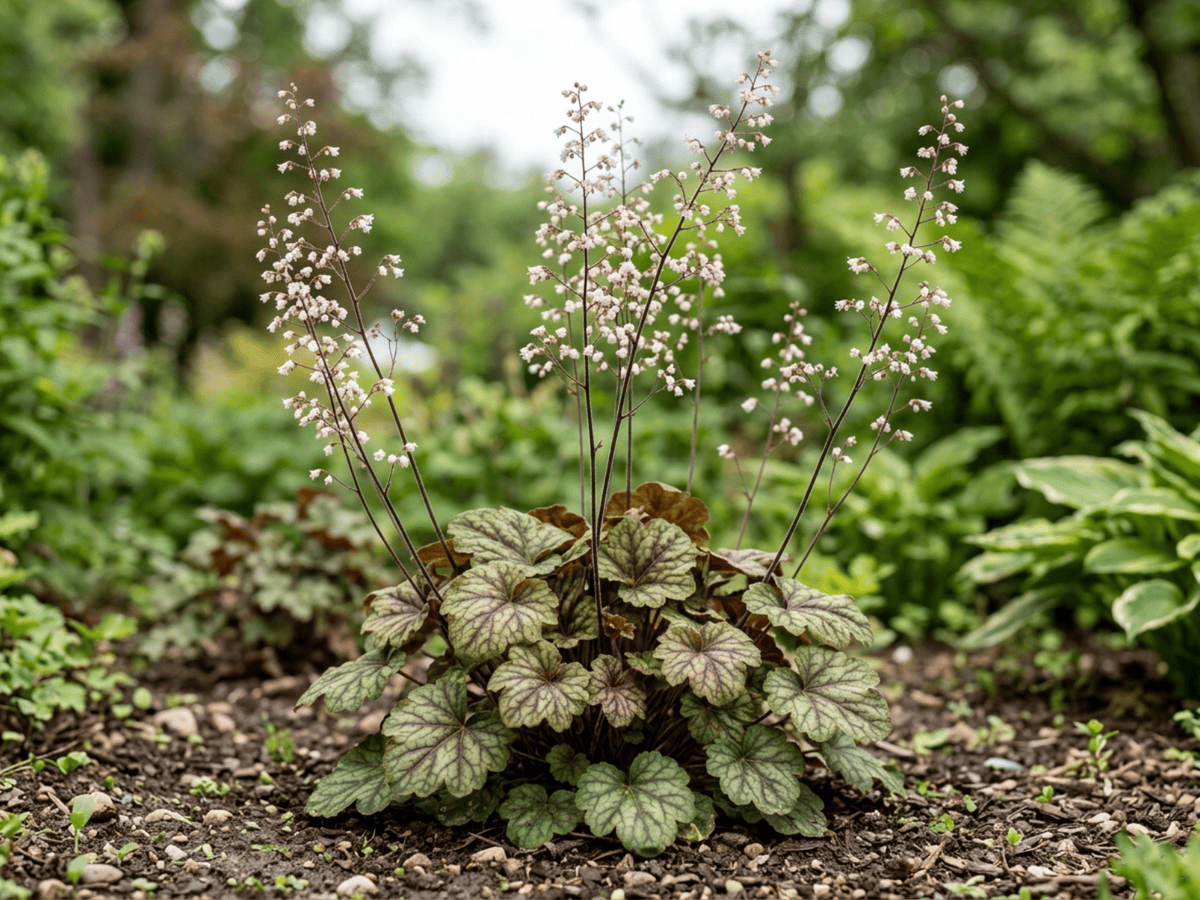 American AlumrootHeuchera americana
 Roundleaf AlumrootHeuchera cylindrica
 Gooseberry-Leaf AlumrootHeuchera grossulariifolia
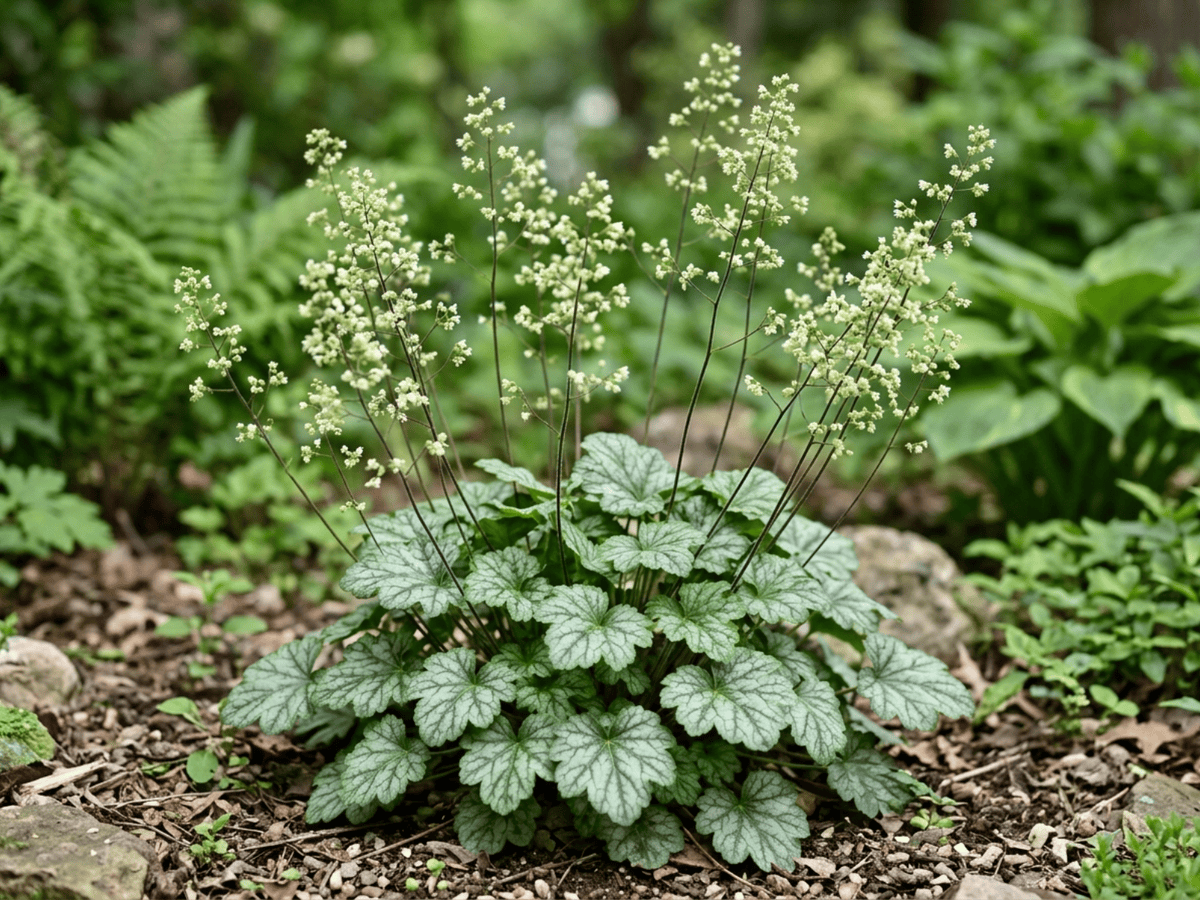 Crevice AlumrootHeuchera micrantha
Plants with similar care
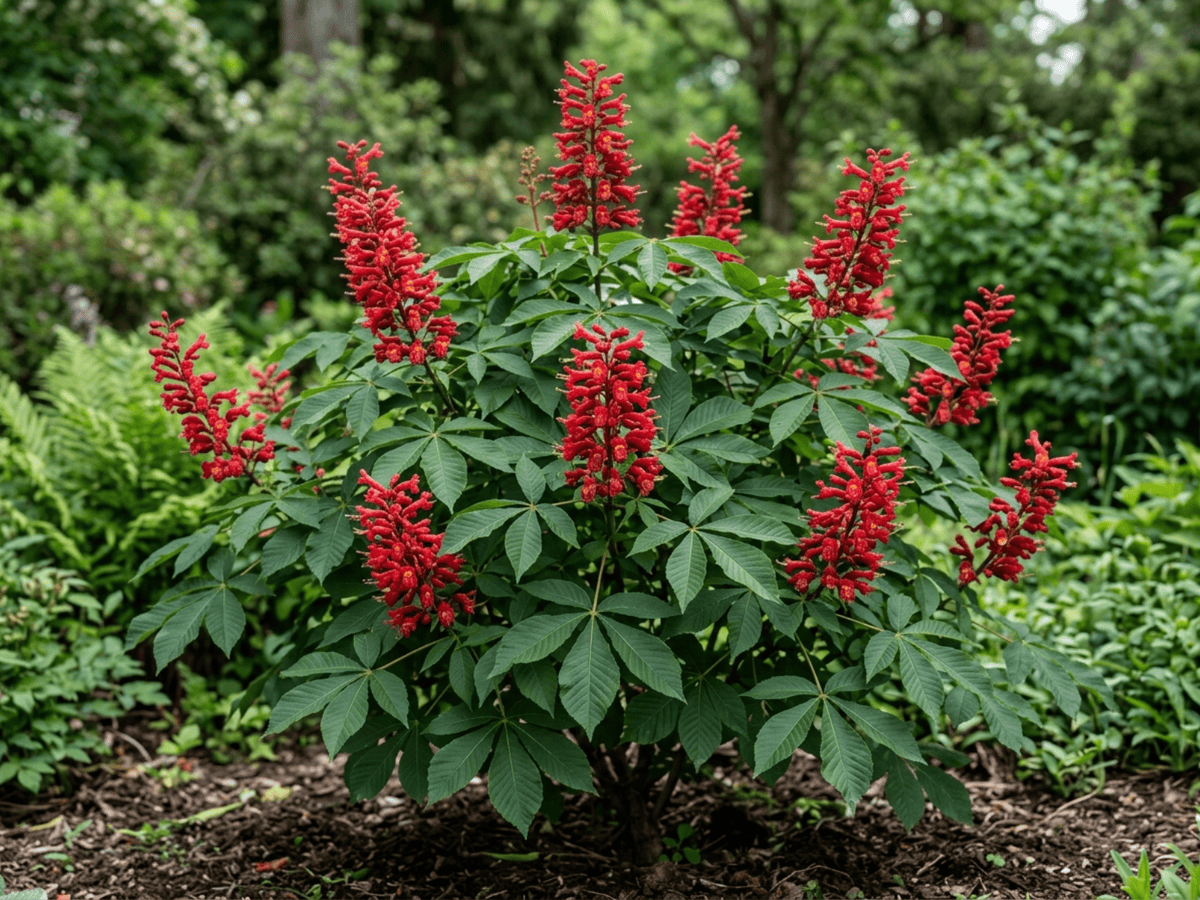 Red BuckeyeAesculus pavia
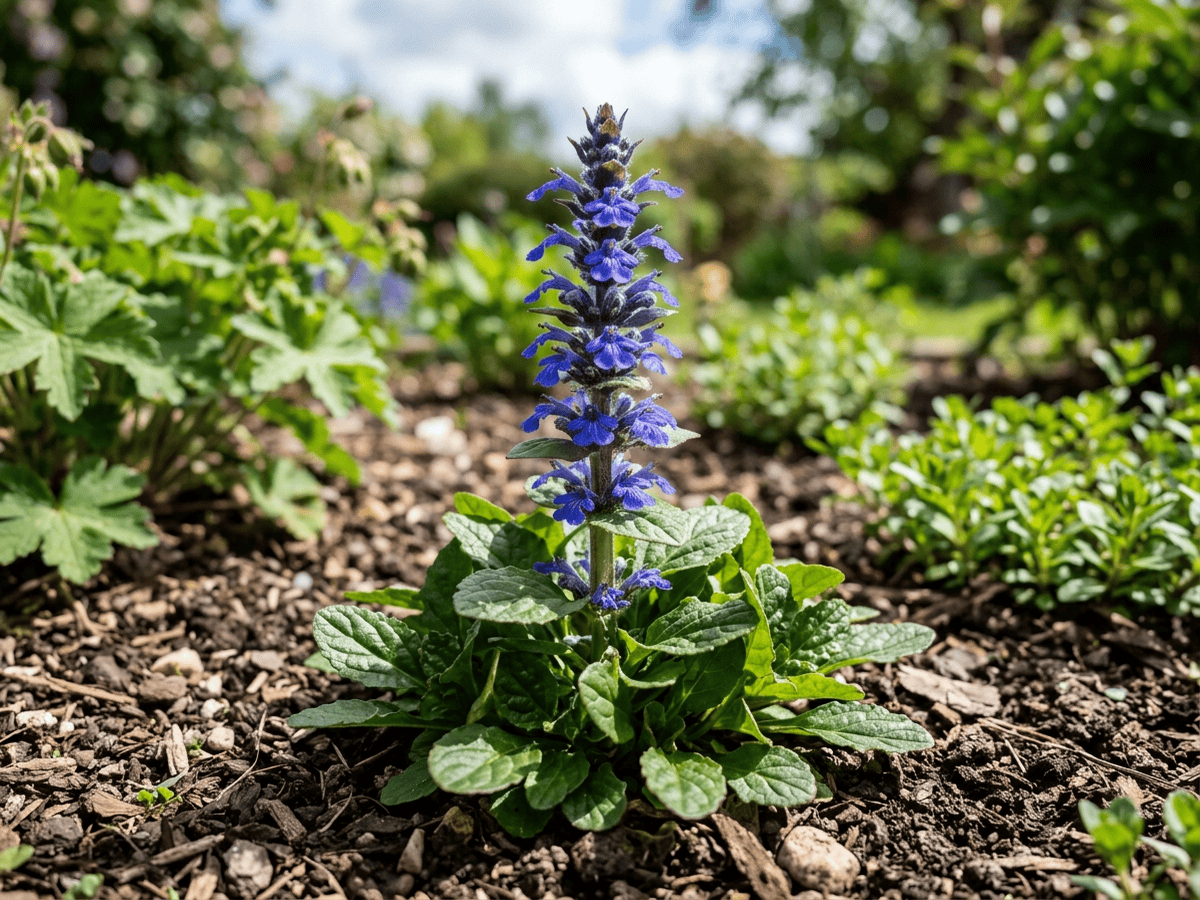 Blue BugleAjuga genevensis
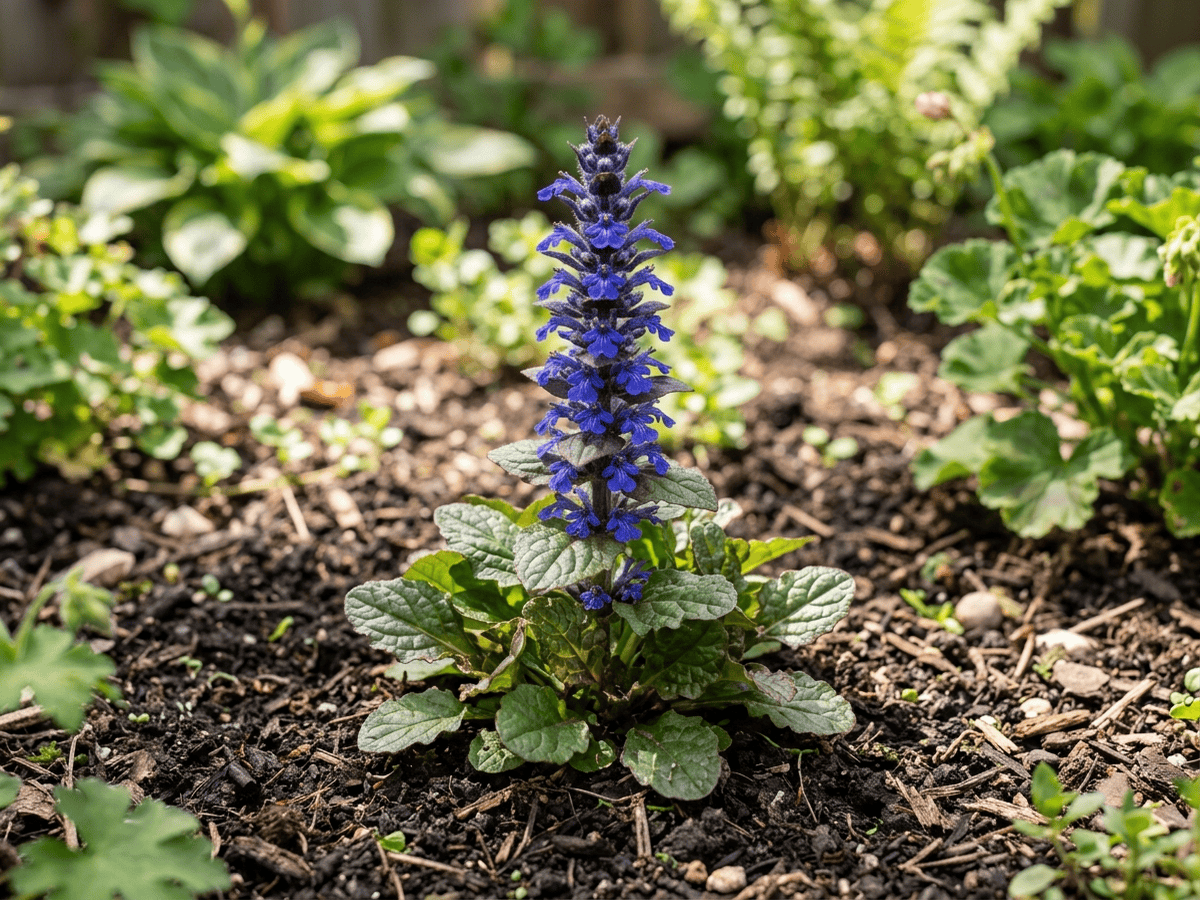 Pyramidal BugleAjuga pyramidalis
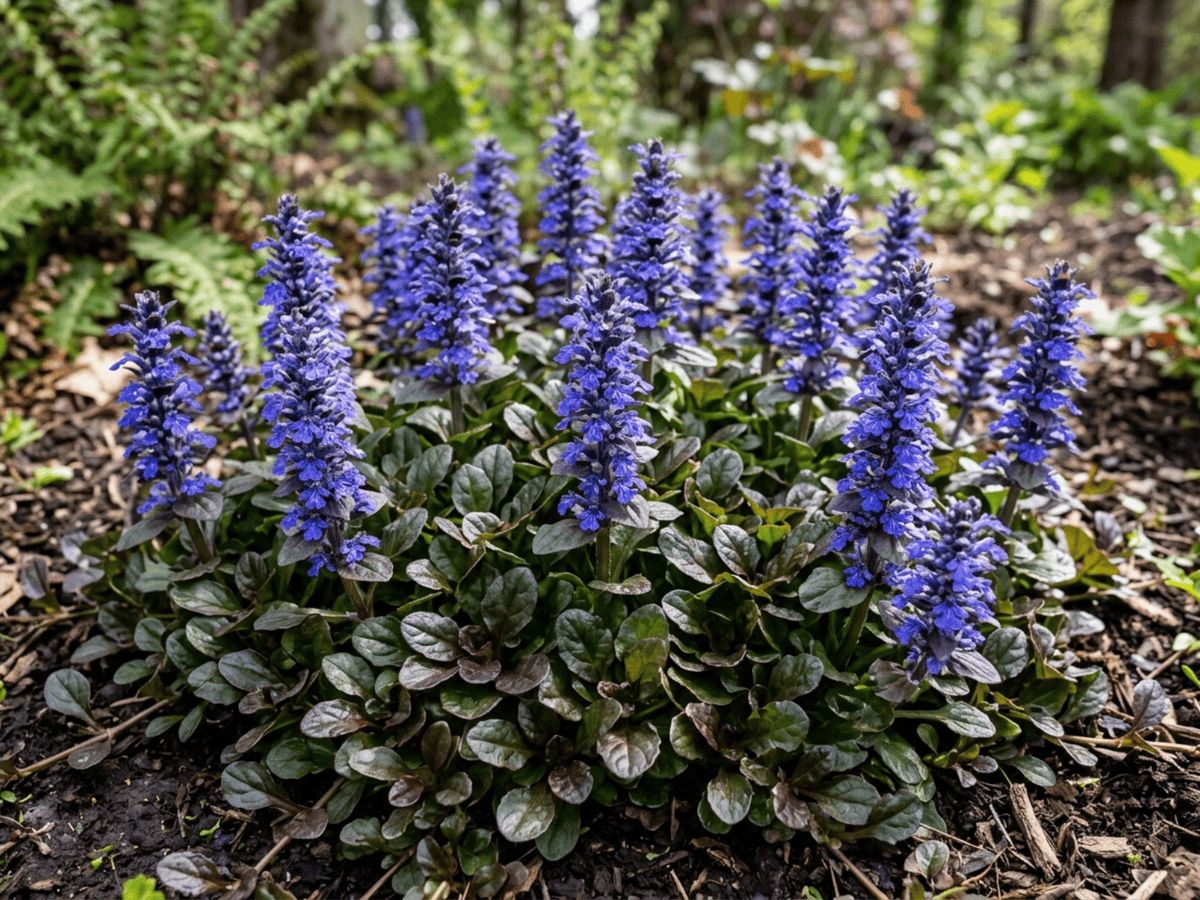 Carpet BugleAjuga reptans
Frequently asked questions
How often should I water Coral Bells?
In summer, water about every 4 days; in winter, about every 14 days. Adjust for heat, pot size and drainage.
How much light does Coral Bells need?
Part shade: 2–4 hrs direct. Watch the leaves — scorching or stretching means the light needs adjusting.
Is Coral Bells toxic to cats or dogs?
No toxicity has been reported for this plant. Still, it is wise to keep pets from chewing on any houseplant. Educational information, not medical or veterinary advice. If exposure is suspected, contact a doctor or veterinarian.
Is Coral Bells easy to grow?
Yes — it is considered an easy, beginner-friendly plant.
When does Coral Bells bloom?
It typically blooms May–Jul in the Northern Hemisphere.
YardMate
Identify any plant in seconds
Snap a photo — YardMate names the plant, diagnoses problems, and reminds you when to water.
Download on the App Store