 YardMate
Hawaiian Yellow Hibiscus
Hibiscus brackenridgei
Hard · Experienced growersAbout Hawaiian Yellow Hibiscus
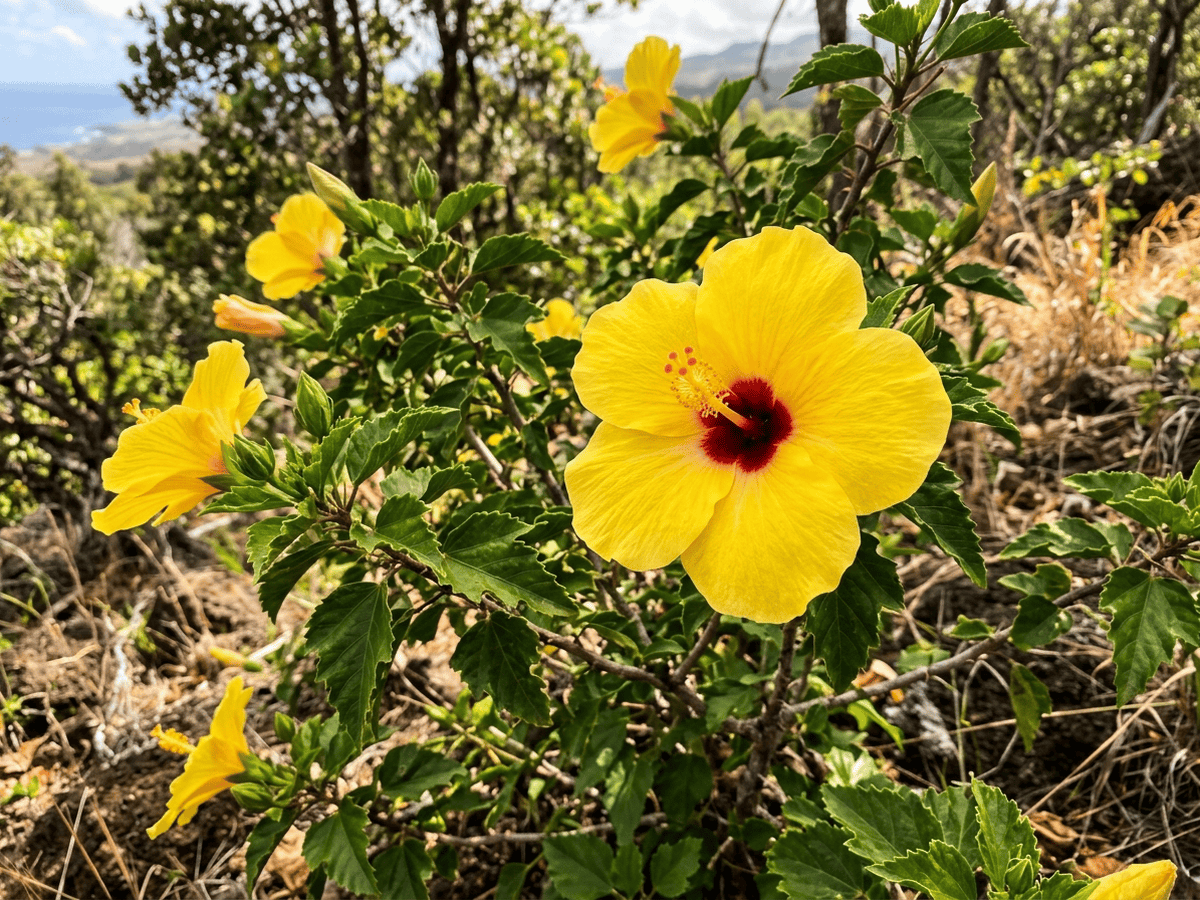
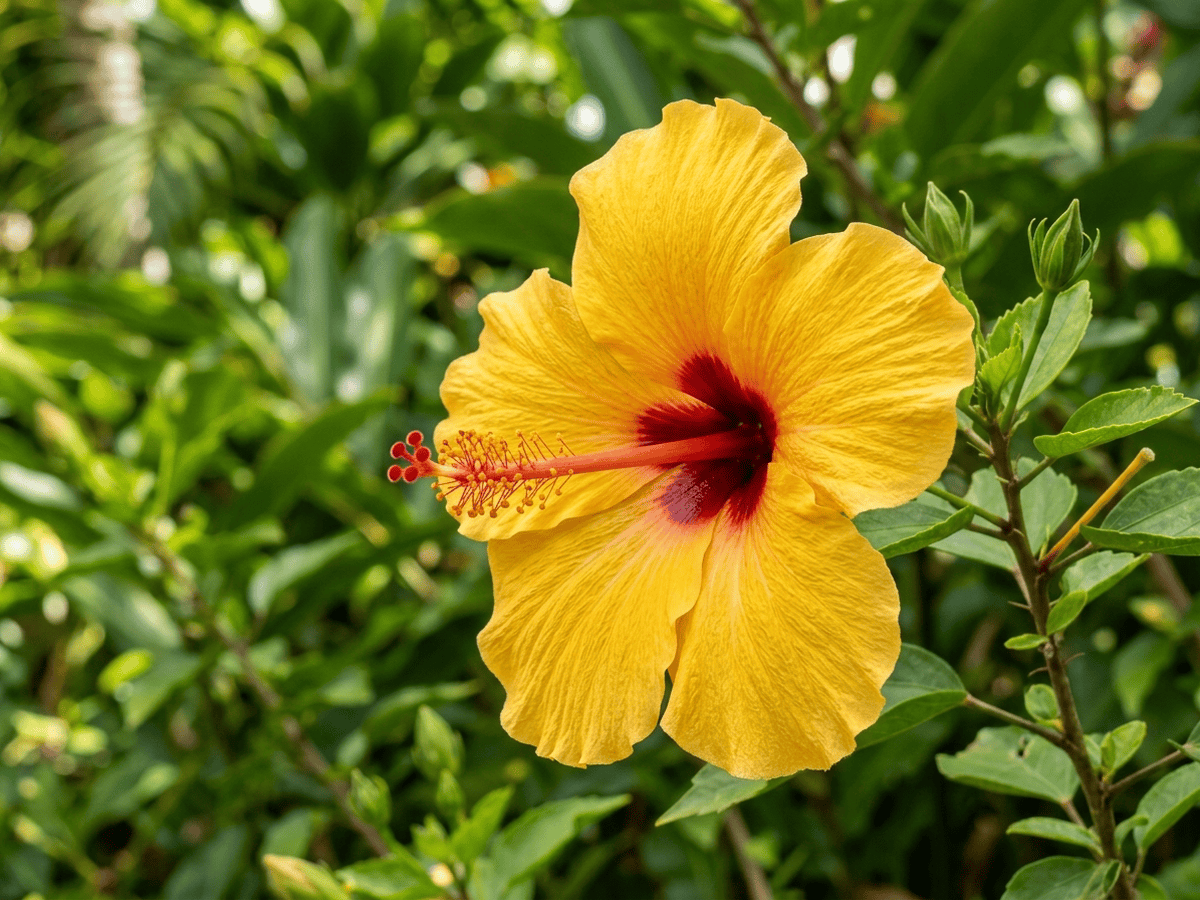
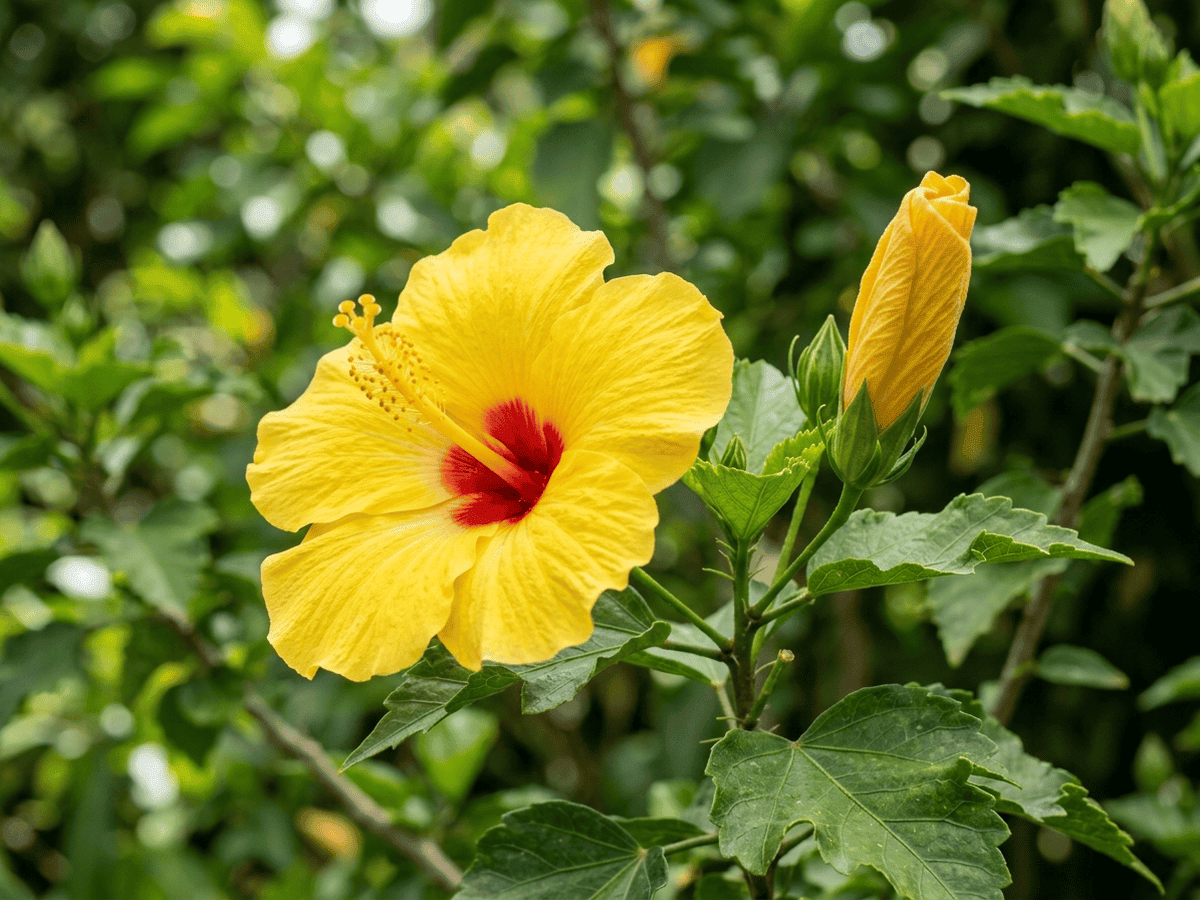
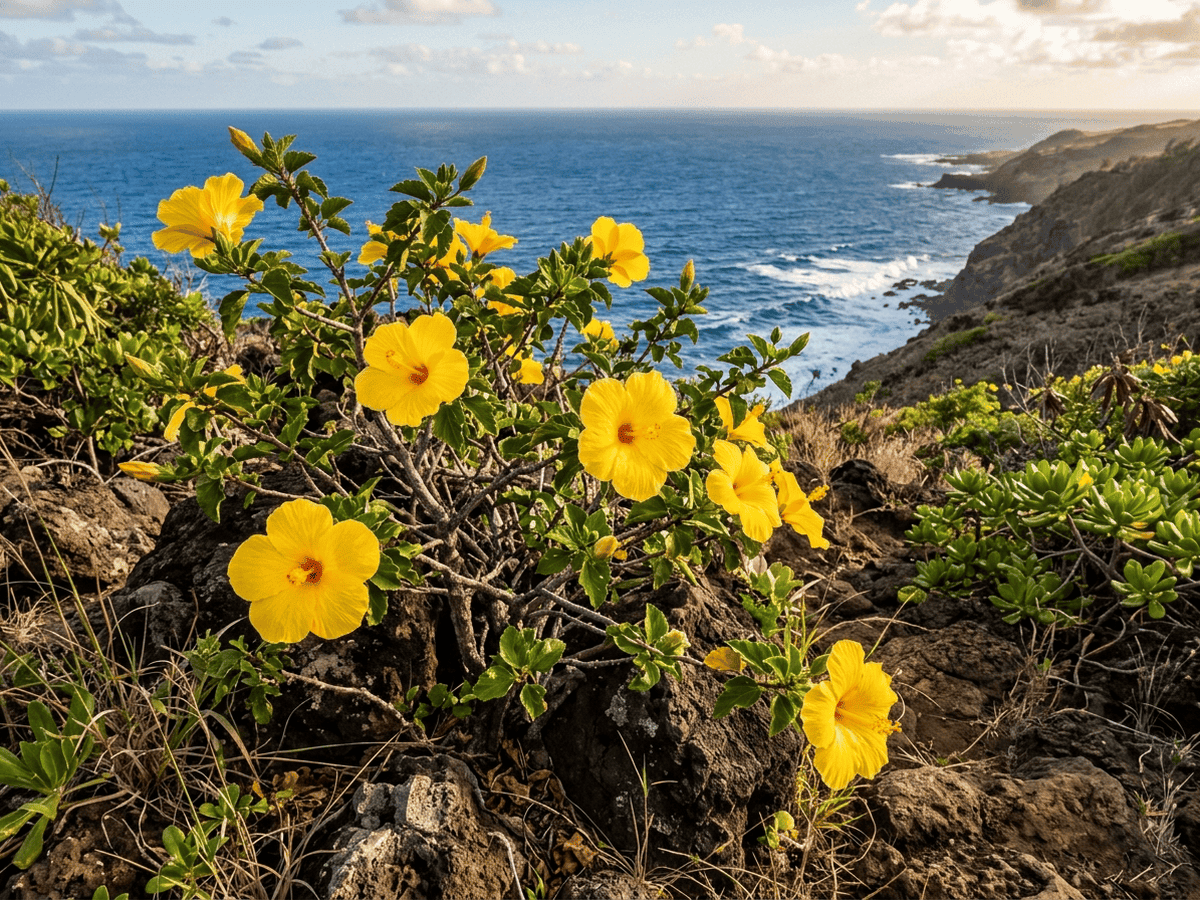
Hibiscus brackenridgei, the Hawaiian Yellow Hibiscus or pua aloalo, is Hawaii's endangered state flower, found on rocky slopes and dry coastal forests of several Hawaiian islands. Its large, brilliant yellow blooms—often six or more inches across with a dark crimson center—last only a single day but appear in succession throughout the year. A sprawling shrub or small tree reaching ten feet, it bears rough, lobed leaves on spiny branches. Critically endangered in the wild due to habitat loss, it is a conservation icon and prized ornamental in tropical gardens worldwide.
- Drought-tolerant
- Evergreen
- Fast-growing
- Pollinator-friendly
- Showy-fruit
How to care for Hawaiian Yellow Hibiscus
Watering
- Springevery 5 days
- Summerevery 3 days
- Fallevery 7 days
- Winterevery 14 days
Soil · Rich & loamy
- Top dressingBark mulch15%
- Main mixRich loam + compost 3:170%
- DrainageGravel15%
Use fully finished compost — fresh compost burns roots.
FERTILIZER
Bloom Booster 10-52-10
A phosphorus-forward feed fuels abundant blooms, with just enough nitrogen and potassium to keep foliage and roots steady.
- Nitrogen · Leaves
- Phosphorus · Roots + Blooms
- Potassium · Strength
- Springevery 30 days
- Summerevery 30 days
- Fallevery 30 days
- Winterevery 30 days
At a Glance
- NativePacific Islands
- Height6–10 ft (1.8–3 m)
- Spread3–6 ft (0.9–1.8 m)
- Flower colorYellow
- Foliage colorGreen
- SoilLoamy, Well-drained
- LocationsYard · Balcony
Toxicity
No toxicity has been reported for this plant. Still, it is wise to keep pets from chewing on any houseplant.
Educational information, not medical or veterinary advice. If exposure is suspected, contact a doctor or veterinarian.
DISTRIBUTION


- Native
- Pacific Islands
History
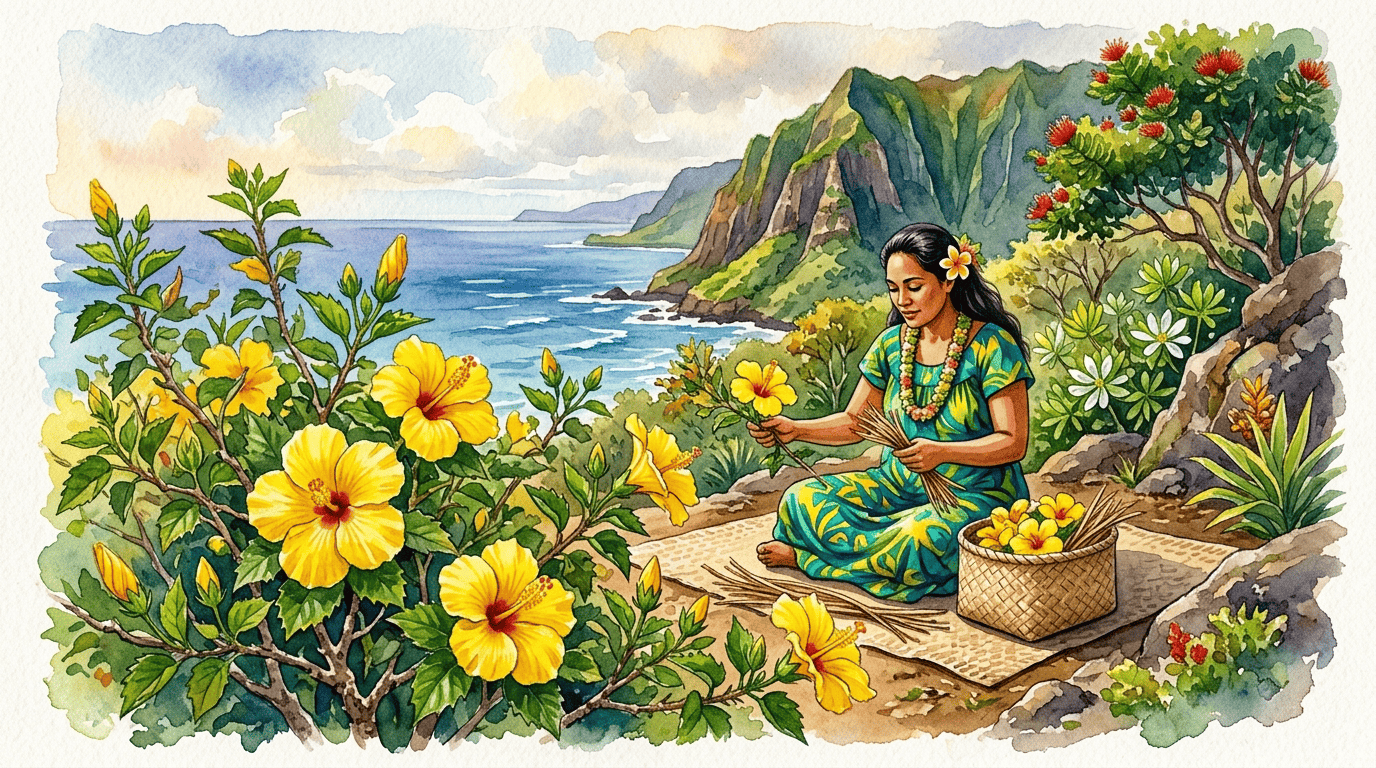
Hibiscus brackenridgei has deep roots in Hawaiian natural and cultural history. Long before European contact, Hawaiians knew the native yellow hibiscus as pua aloalo ('hibiscus flower') or ma'o hau hele ('traveling plant'). The flowers, leaves, and bark found uses in traditional Hawaiian medicine and the fibers of related native hibiscus species were used in weaving.
The plant was formally collected and described by botanist William Dunlop Brackenridge (1810–1893), a Scottish horticulturalist who participated in the United States Exploring Expedition of 1838–1842—one of the most ambitious scientific voyages of the 19th century, commanded by Lt. Charles Wilkes. The expedition surveyed the Pacific Ocean and collected thousands of botanical specimens, many of which are now in the United States National Herbarium.
For decades after botanical description, H. brackenridgei remained relatively obscure compared to the flashier introduced red and pink hibiscus varieties that filled Hawaiian gardens. However, when Hawaii's legislature voted in 1988 to designate the pua aloalo the official state flower—replacing the non-native Chinese hibiscus (H. rosa-sinensis)—conservation attention focused sharply on its endangered status.
Today Hibiscus brackenridgei is listed as federally endangered in the United States. The species survives in scattered populations on Maui, Molokai, Lanai, and Oahu, threatened by habitat loss, grazing, and introduced plants. Conservation programs at botanical gardens and the Hawaii Division of Forestry have worked to propagate and restore populations. As Hawaii's rarest and most emblematic flower, it has become a symbol of the broader struggle to preserve the islands' extraordinary native biodiversity.
Symbolism & meaning
What It Symbolizes
The pua aloalo is both Hawaii's pride and its most urgent plea—a state flower that is critically endangered in the wild. Each yellow bloom lasts only a single day, making the sight of one in flower on a remote Hawaiian hillside a rare and fleeting gift. To Hawaiians, its fragility mirrors the fragility of the islands' entire native ecosystem and calls for the same reverence that aloha teaches toward all living things.
- aloha spirit — As Hawaii's state flower, the pua aloalo embodies the welcoming spirit, grace, and natural beauty of the islands.
- fleeting beauty — Each bloom lasts only one day—a reminder to cherish the present moment, a value central to Hawaiian culture.
Where the Name Comes From
The genus Hibiscus derives from the Greek hibiskos, the ancient name for the marshmallow plant. The species epithet brackenridgei honors Scottish botanist William Dunlop Brackenridge (1810–1893), who collected specimens during the U.S. Exploring Expedition of 1838–1842.
Uses & Fun Facts
- Hawaii's state flower: enormous brilliant yellow blooms make it a tropical garden showpiece
- Large flowers attract native Hawaiian birds, bees, and insects
- Leaves and bark used in traditional Hawaiian herbal medicine
Related plants
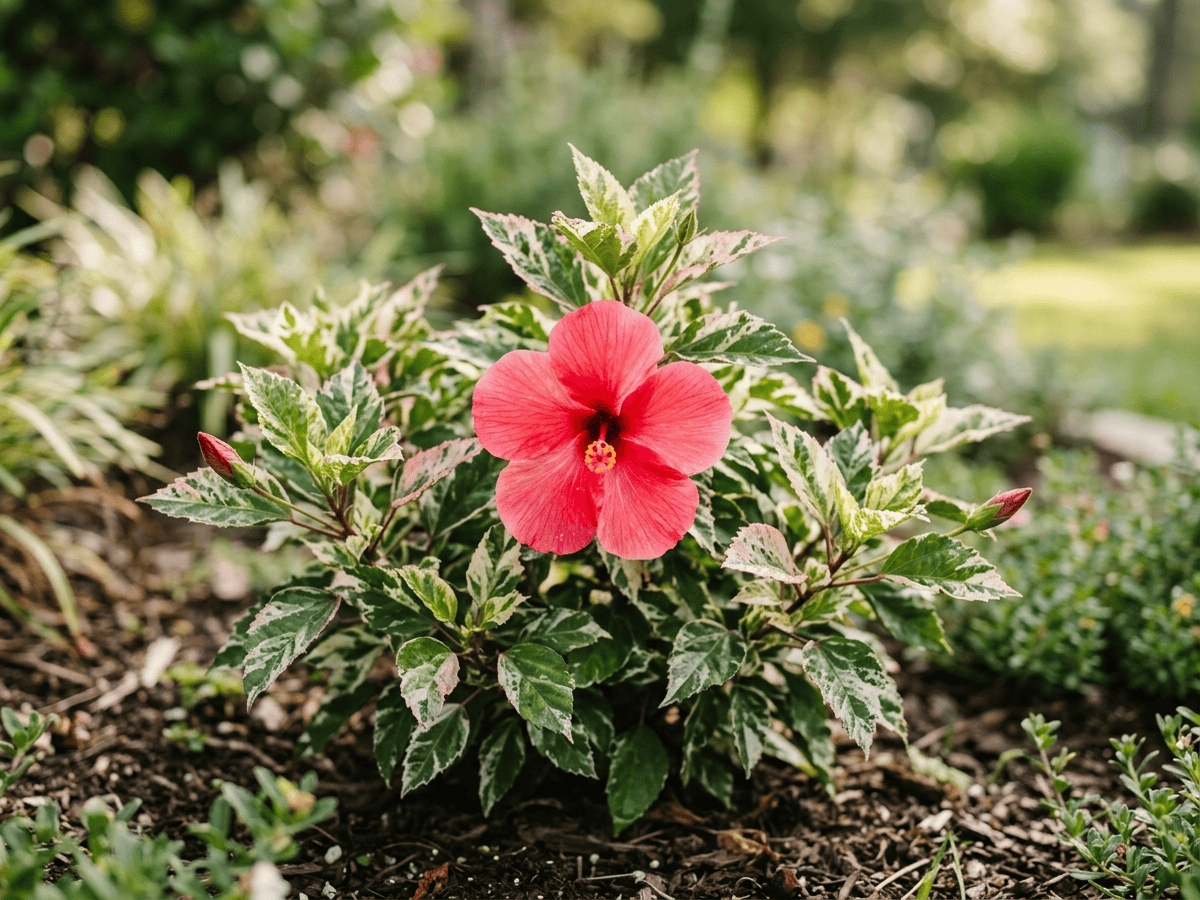
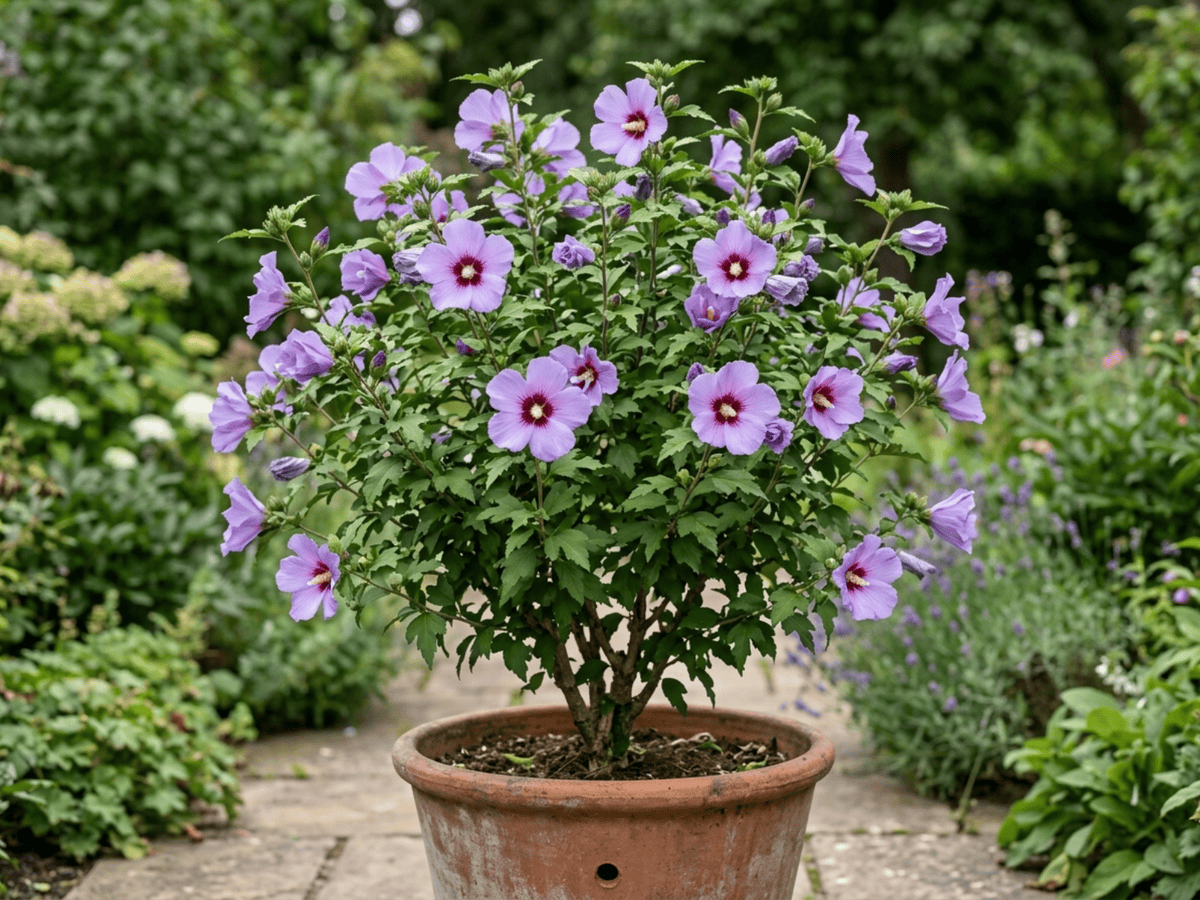
More Hibiscus plants
Plants with similar care
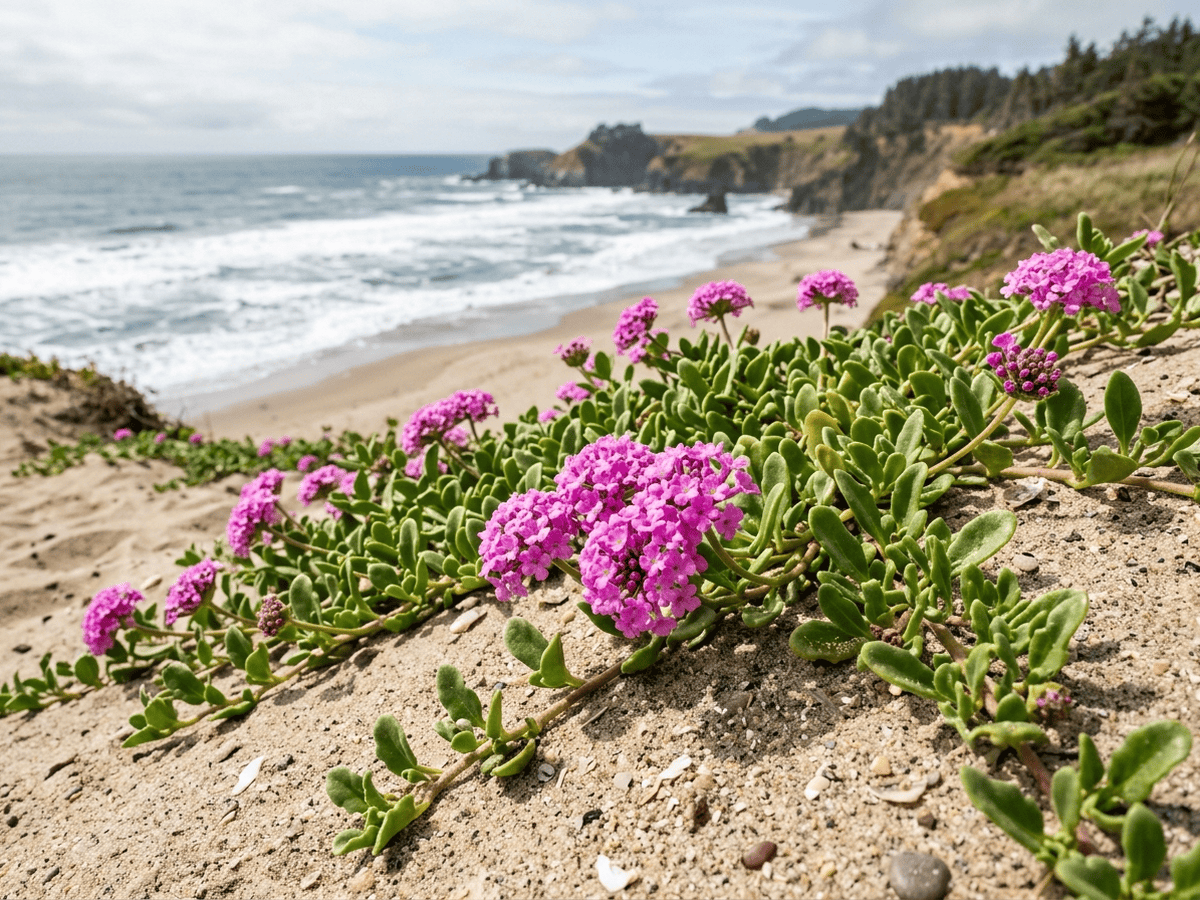 Pink Sand VerbenaAbronia umbellata
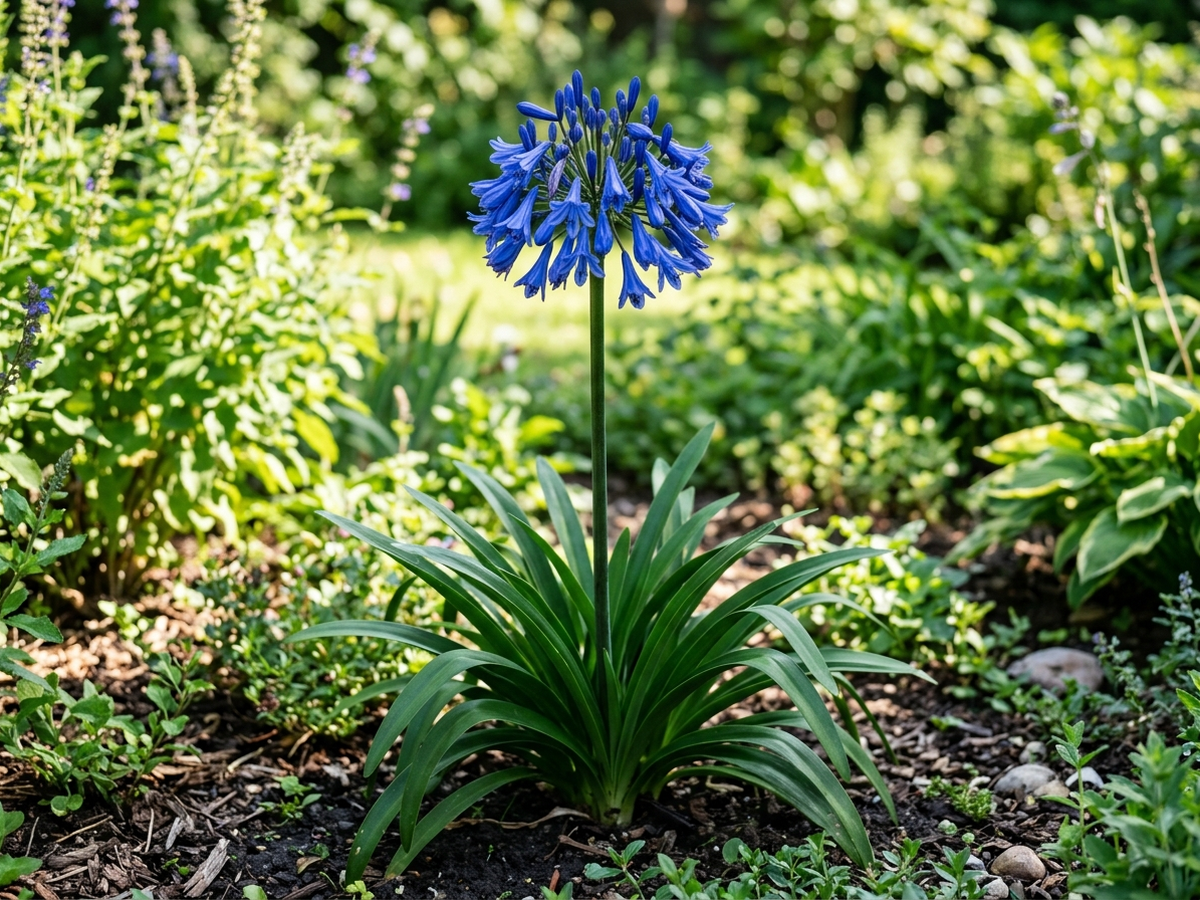 Drooping AgapanthusAgapanthus inapertus
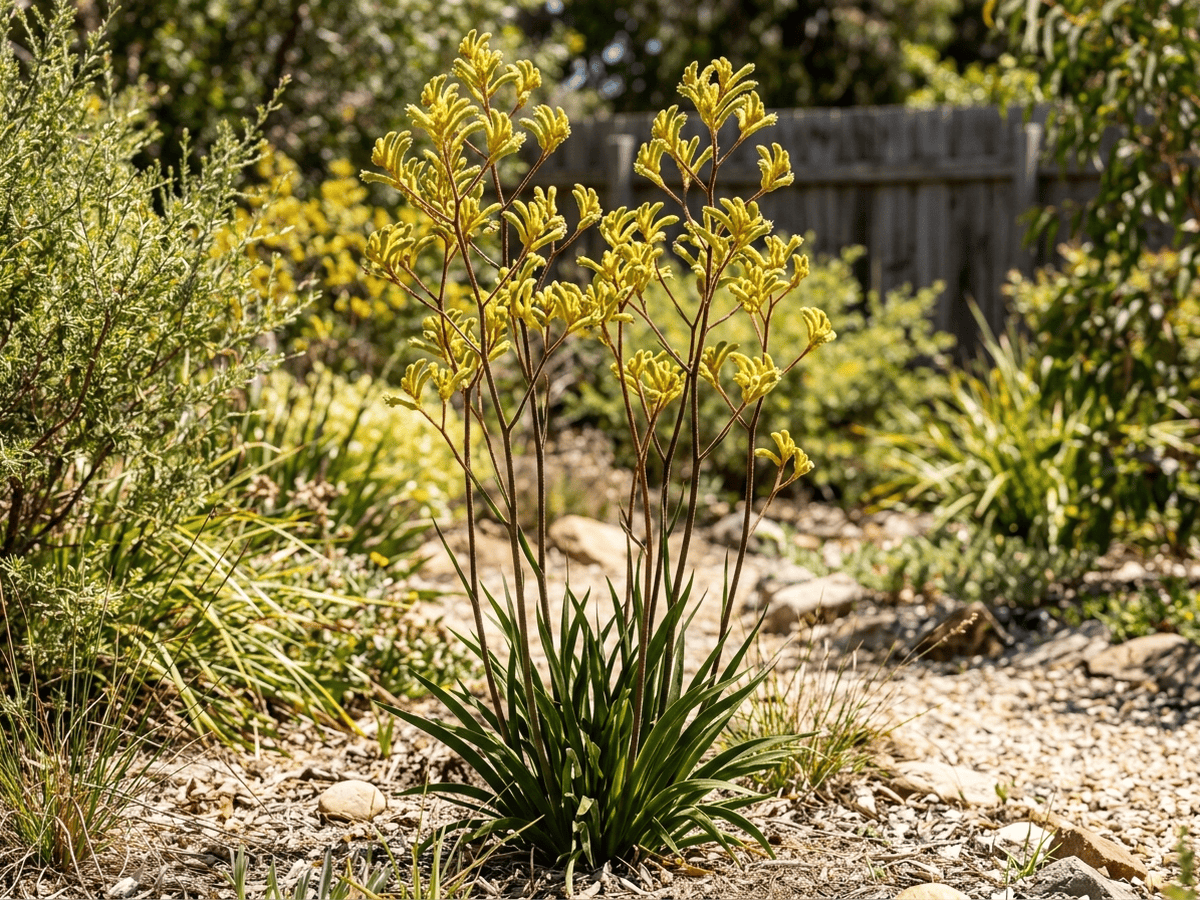 Tall Kangaroo PawAnigozanthos flavidus
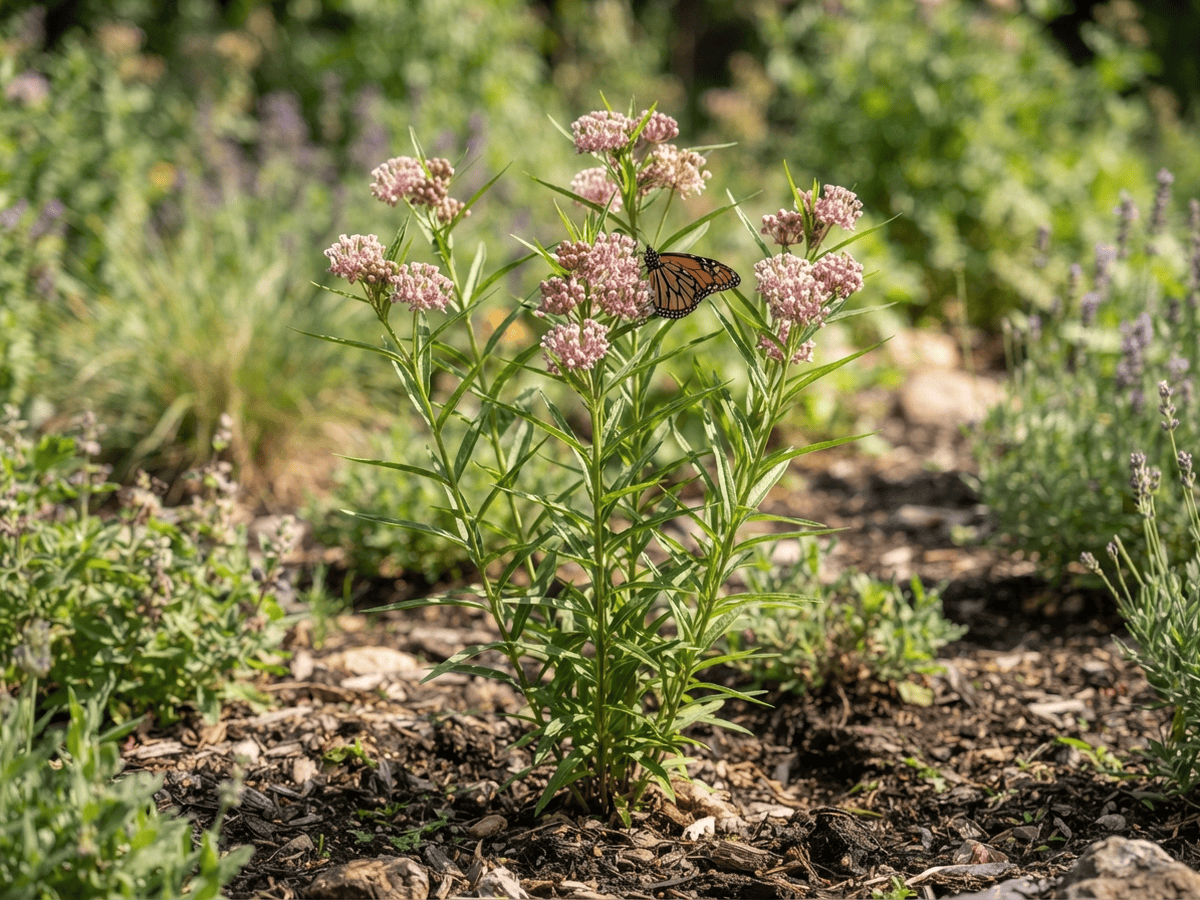 Narrowleaf MilkweedAsclepias fascicularis
Frequently asked questions
How often should I water Hawaiian Yellow Hibiscus?
In summer, water about every 3 days; in winter, about every 14 days. Adjust for heat, pot size and drainage.
How much light does Hawaiian Yellow Hibiscus need?
Full sun: 6+ hrs direct. Watch the leaves — scorching or stretching means the light needs adjusting.
Is Hawaiian Yellow Hibiscus toxic to cats or dogs?
No toxicity has been reported for this plant. Still, it is wise to keep pets from chewing on any houseplant. Educational information, not medical or veterinary advice. If exposure is suspected, contact a doctor or veterinarian.
Is Hawaiian Yellow Hibiscus easy to grow?
It is considered challenging and rewards experienced growers.
YardMate
Identify any plant in seconds
Snap a photo — YardMate names the plant, diagnoses problems, and reminds you when to water.
Download on the App Store