 YardMate

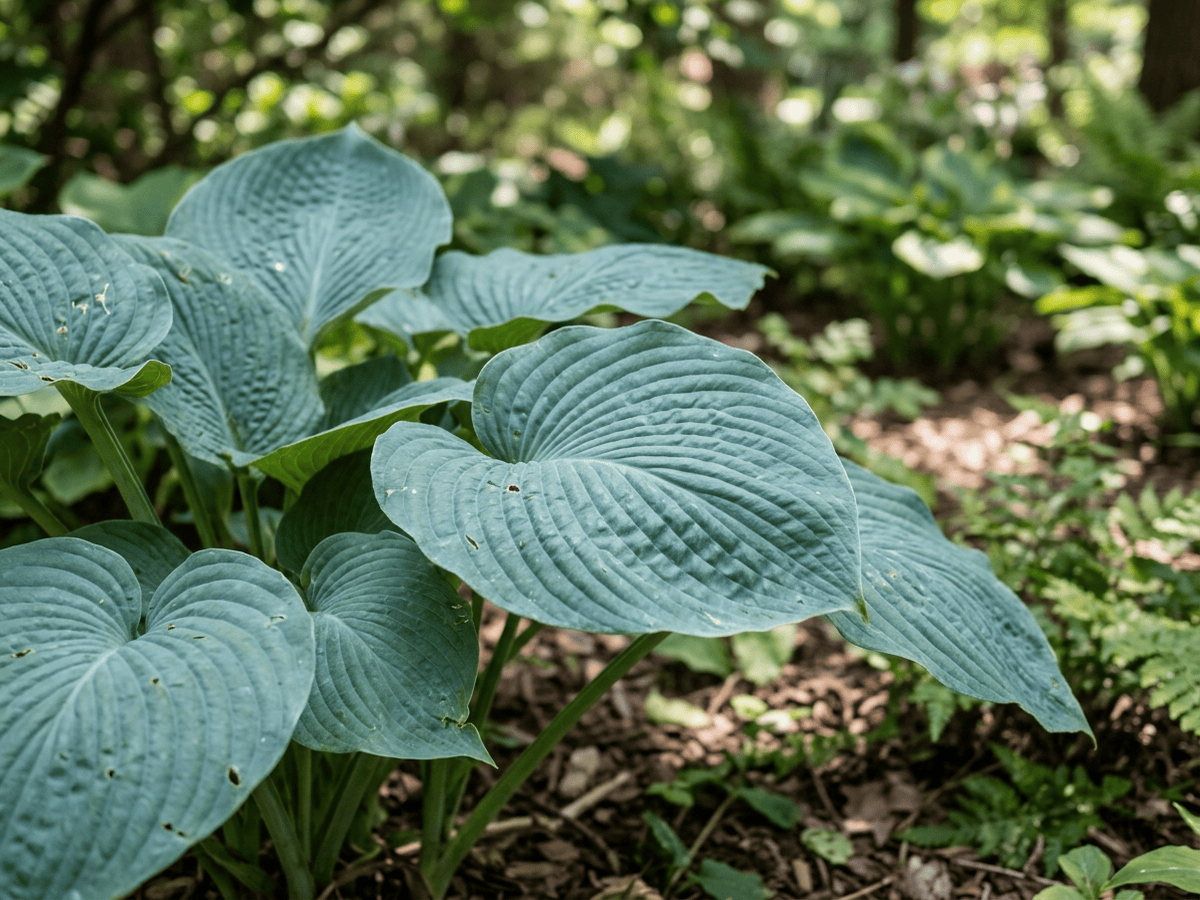


Fortune's Hosta
Hosta fortunei
Easy · Beginner friendlyAbout Fortune's Hosta
Fortune's Hosta is a classic group of shade-loving perennials with broad ribbed heart-shaped leaves in green or variegated forms, a signature American shade-garden plant. Growing 18 to 30 inches tall and 2 to 4 feet wide, it produces 3-foot stalks of pale lavender tubular flowers in midsummer. One of the most widely planted hosta groups in US woodland gardens, prized for bold foliage effect rather than flowers.
- Shade-tolerant
- Cold-hardy
How to care for Fortune's Hosta
Watering
- Springevery 5 days
- Summerevery 3 days
- Fallevery 7 days
- Winterpause watering
Soil · Well-draining
- Top dressingPine bark mulch10%
- Main mixPotting soil + perlite 2:170%
- DrainageLECA / gravel20%
Never skip the drainage layer — standing water is the top cause of root rot.
FERTILIZER
Balanced Feed 14-14-14
An even feed covers all three needs at once, keeping leaves, roots and blooms moving together with nothing pushed out of balance.
- Nitrogen · Leaves
- Phosphorus · Roots + Blooms
- Potassium · Strength
- Springevery 45 days
At a Glance
- NativeEast Asia
- Height2–3 ft (0.6–0.9 m)
- Spread3–4 ft (0.9–1.2 m)
- Flower colorPurple, White
- Foliage colorGreen, Blue-green, Variegated
- SoilLoamy, Moisture-retentive, Rich
- LocationsYard
Bloom time
BLOOM CYCLE
Peak bloom
Jun–Aug
Lavender flower stalks rise above foliage in midsummer
Fragrance
LIGHT FRAGRANCE
Flowers may be lightly fragrant, especially in warm evening air.
Toxicity
Humans Slight · Pets Moderate
saponins
Slight
- Leaf
- Ingestion
EXPOSURE Eating leaves.
EFFECT Saponins can cause mild GI upset.
NOTE Documented concern for humans: Saponins can cause mild GI upset.
Moderate
- Leaf
- Ingestion
EXPOSURE Eating leaves.
EFFECT ASPCA: vomiting, diarrhea, depression due to saponins.
NOTE ASPCA lists Hosta as toxic to dogs and cats.
Moderate
- Leaf
- Ingestion
EXPOSURE Eating leaves.
EFFECT ASPCA: vomiting, diarrhea, depression due to saponins.
NOTE ASPCA lists Hosta as toxic to dogs and cats.
Educational information, not medical or veterinary advice. If exposure is suspected, contact a doctor or veterinarian.
DISTRIBUTION


- Native
- Introduced
- East Asia
History

Hosta fortunei is a horticultural hosta group named by Otto Nikolaus Witte Moenkemeyer Baker in 1876 to honor Scottish plant explorer Robert Fortune, who introduced many East Asian garden plants to Britain during his 1840s and 1850s Chinese and Japanese expeditions. Modern taxonomists doubt whether H. fortunei represents a true wild species, treating most of its forms as cultivars or hybrids of other Japanese hostas. Nevertheless the group provided foundational genetics for generations of classic garden hosta cultivars including Albo-Picta, Aureomarginata, Hyacinthina, and France Williams.
Hosta mania swept 20th-century American gardens, and the American Hosta Society, founded in 1968, continues registering thousands of cultivars each year. Popular variegated and blue-leaved selections remain the anchor plants of shade garden design.
Introduced from Japan by plant hunter Robert Fortune in the 1840s, named for him and spread across European and American gardens through the Victorian era. Today considered a hybrid complex that gave rise to hundreds of modern American hosta cultivars.
Symbolism & meaning
What It Symbolizes
Fortune's Hosta embodies devotion, returning reliably to the same shaded corner for decades on end without requiring much in return. Its quiet strength lies in tolerance for deep shade, a place where many perennials surrender. In old American gardens, this hosta has often outlived the hands that planted it — a perennial token of patient, steady love expressed through nothing more dramatic than year after dependable year.
- Devotion — returns reliably for decades
- Quiet strength — thrives in deep shade
Where the Name Comes From
'Hosta' honors Austrian botanist Nicholas Thomas Host (1761-1834); 'fortunei' honors Scottish plant hunter Robert Fortune (1812-1880).
Uses & Fun Facts
- Fortune's Hosta perennial used in cottage and naturalistic borders
Related plants
More Hosta plants
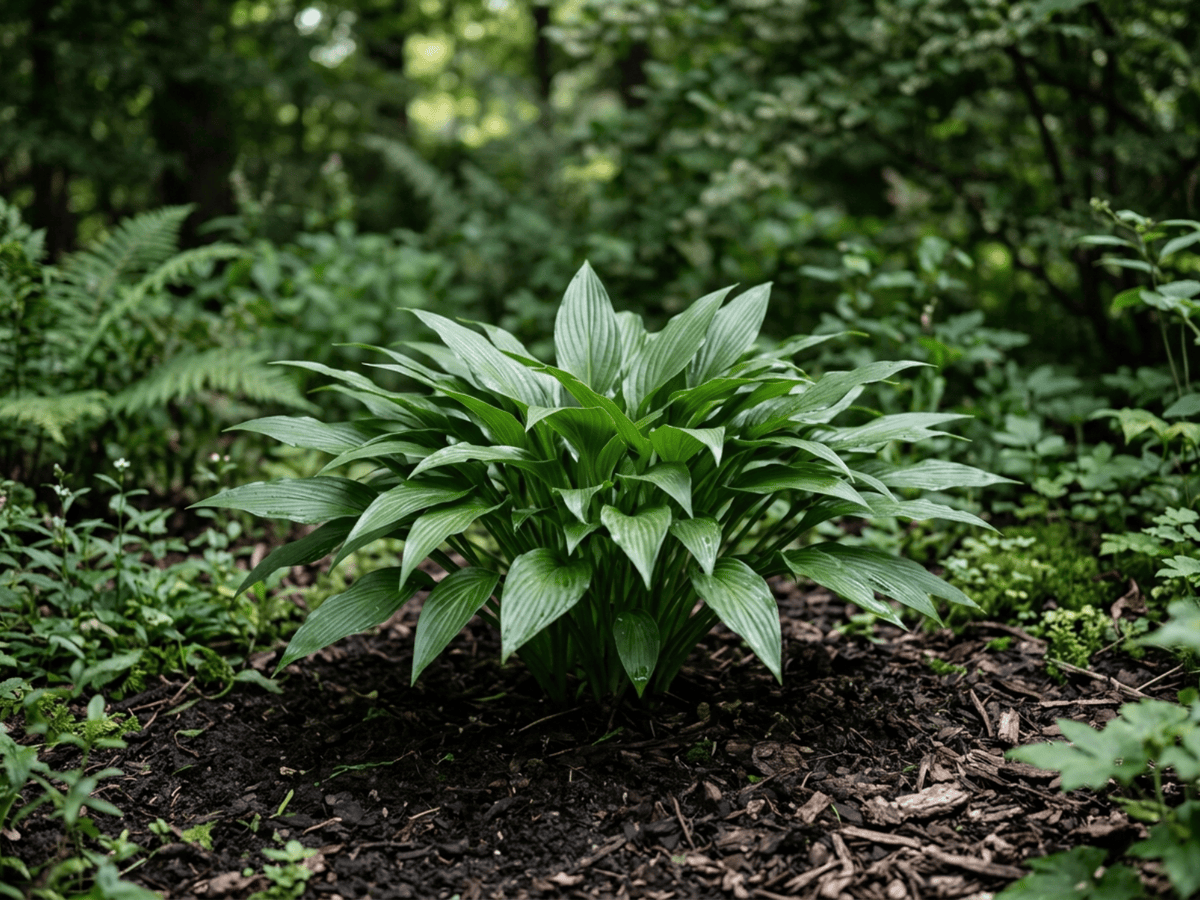 Narrow-Leaved Plantain-LilyHosta lancifolia
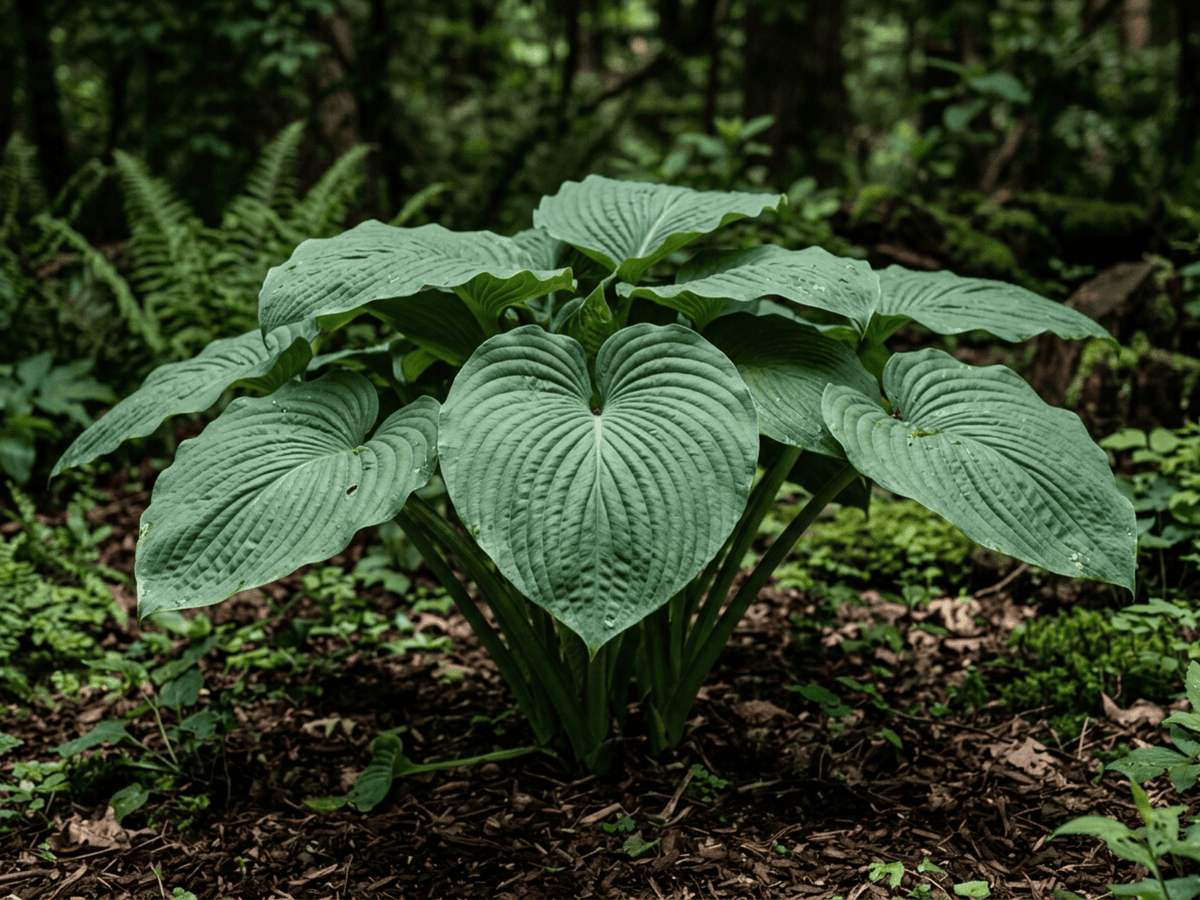 Mountain HostaHosta montana
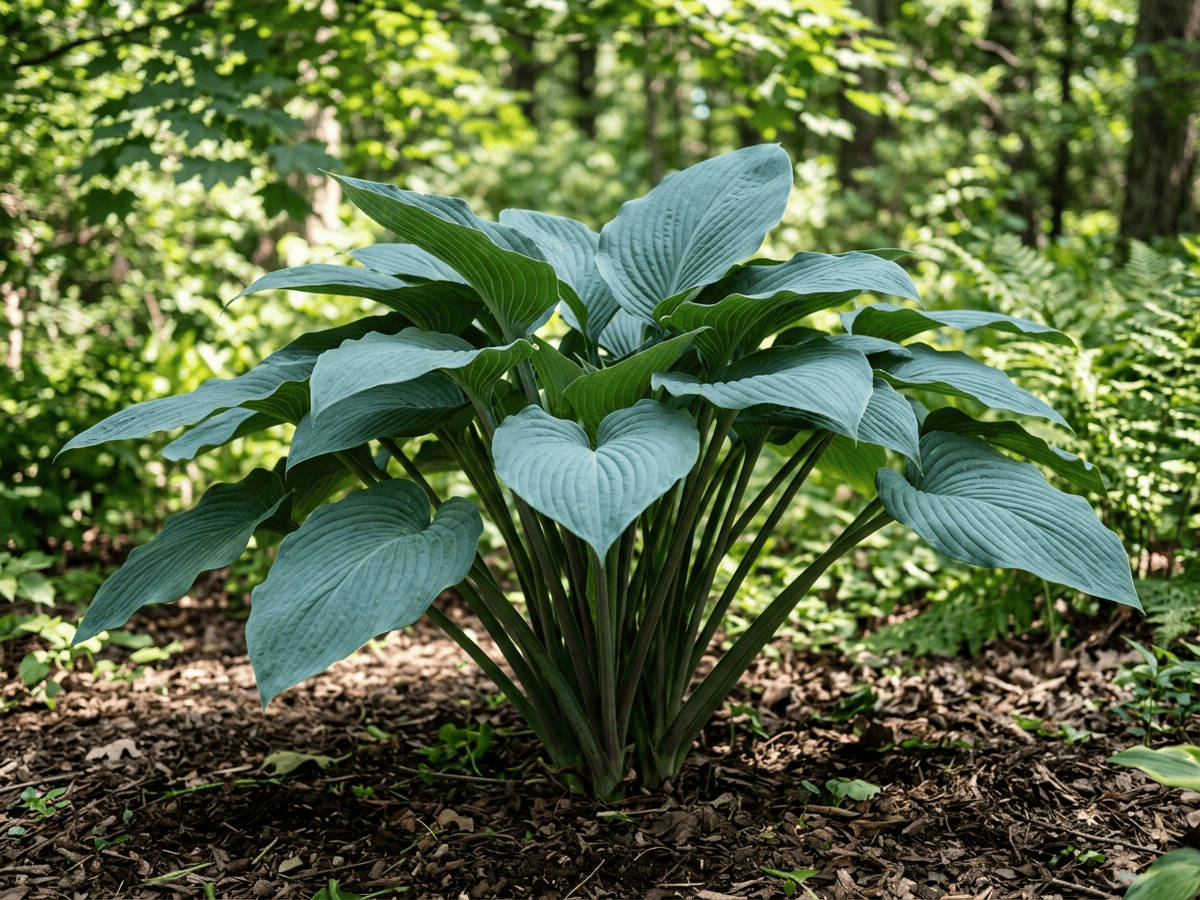 HostaHosta nigrescens
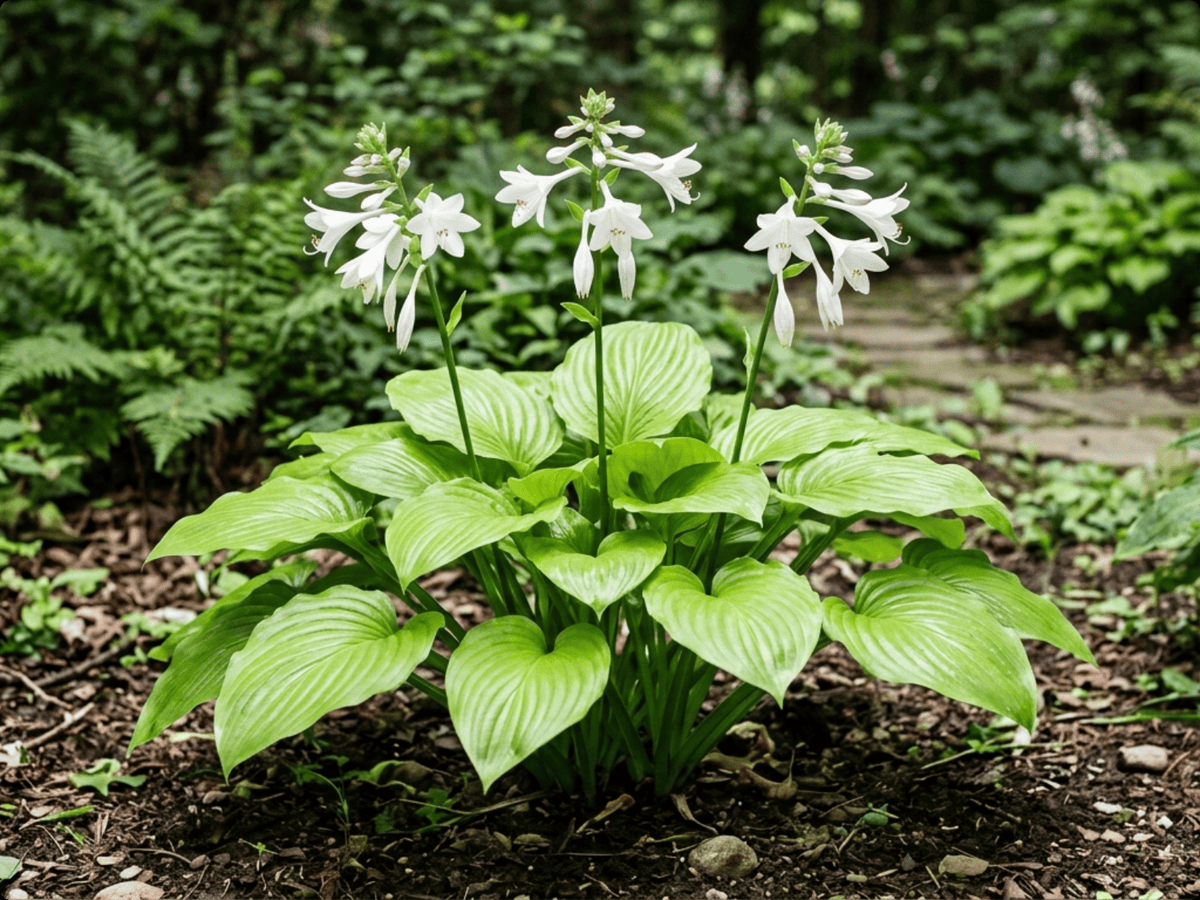 Scented HostaHosta plantaginea
Plants with similar care
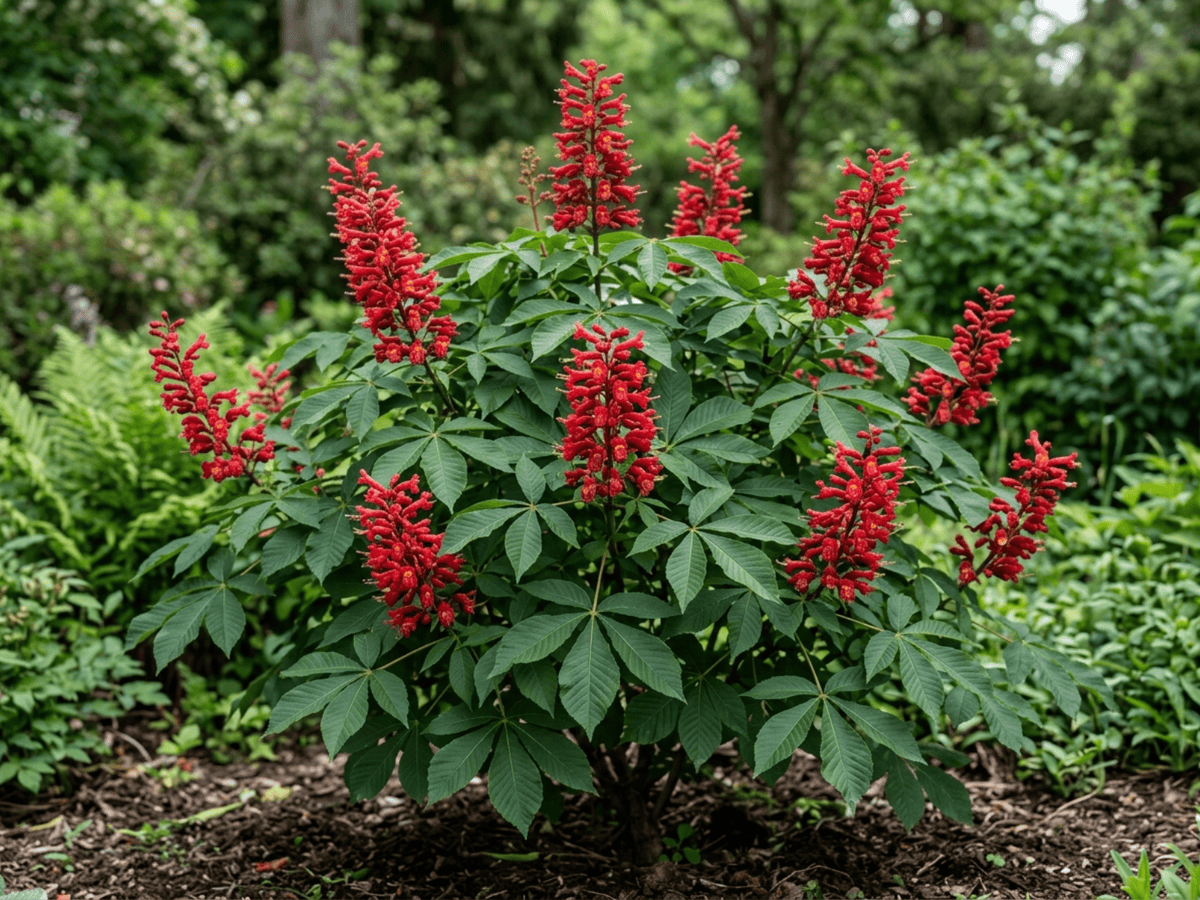 Red BuckeyeAesculus pavia
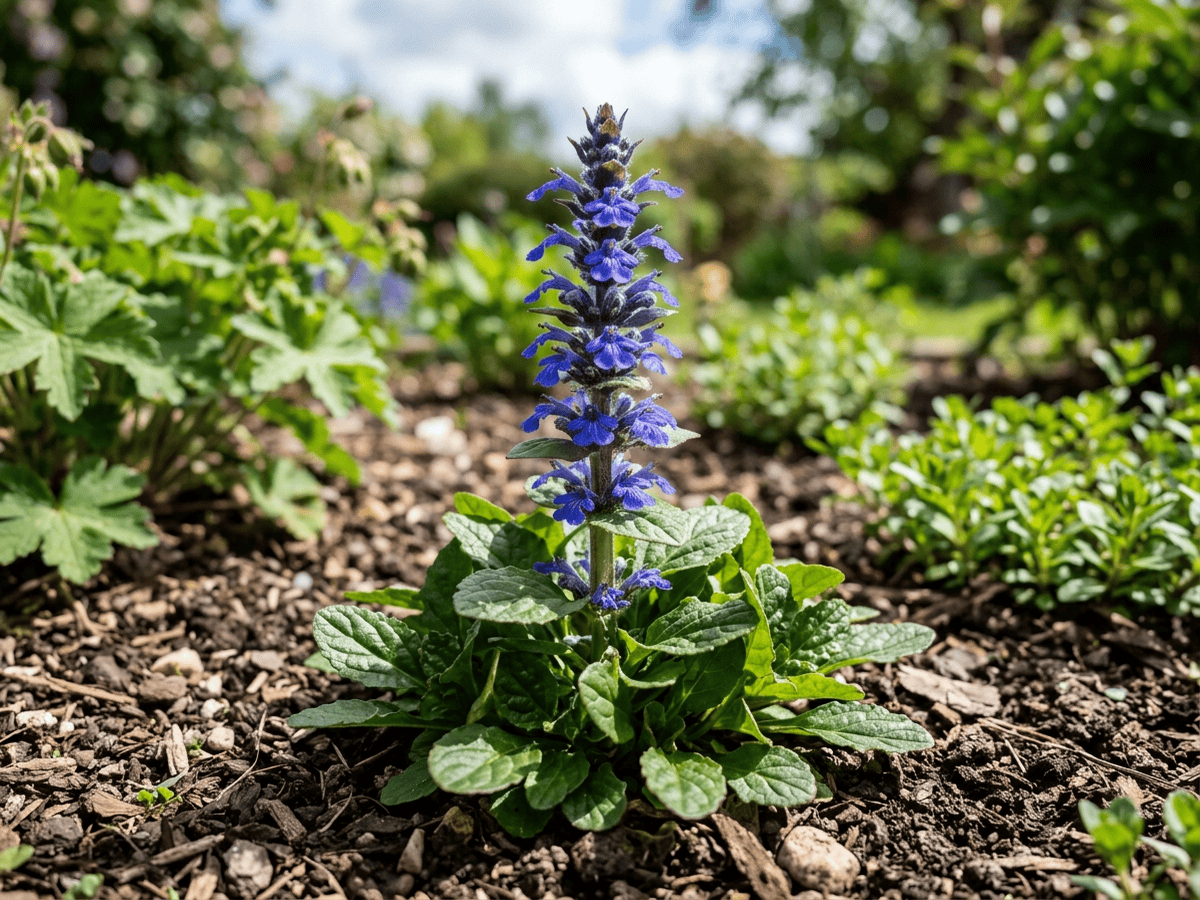 Blue BugleAjuga genevensis
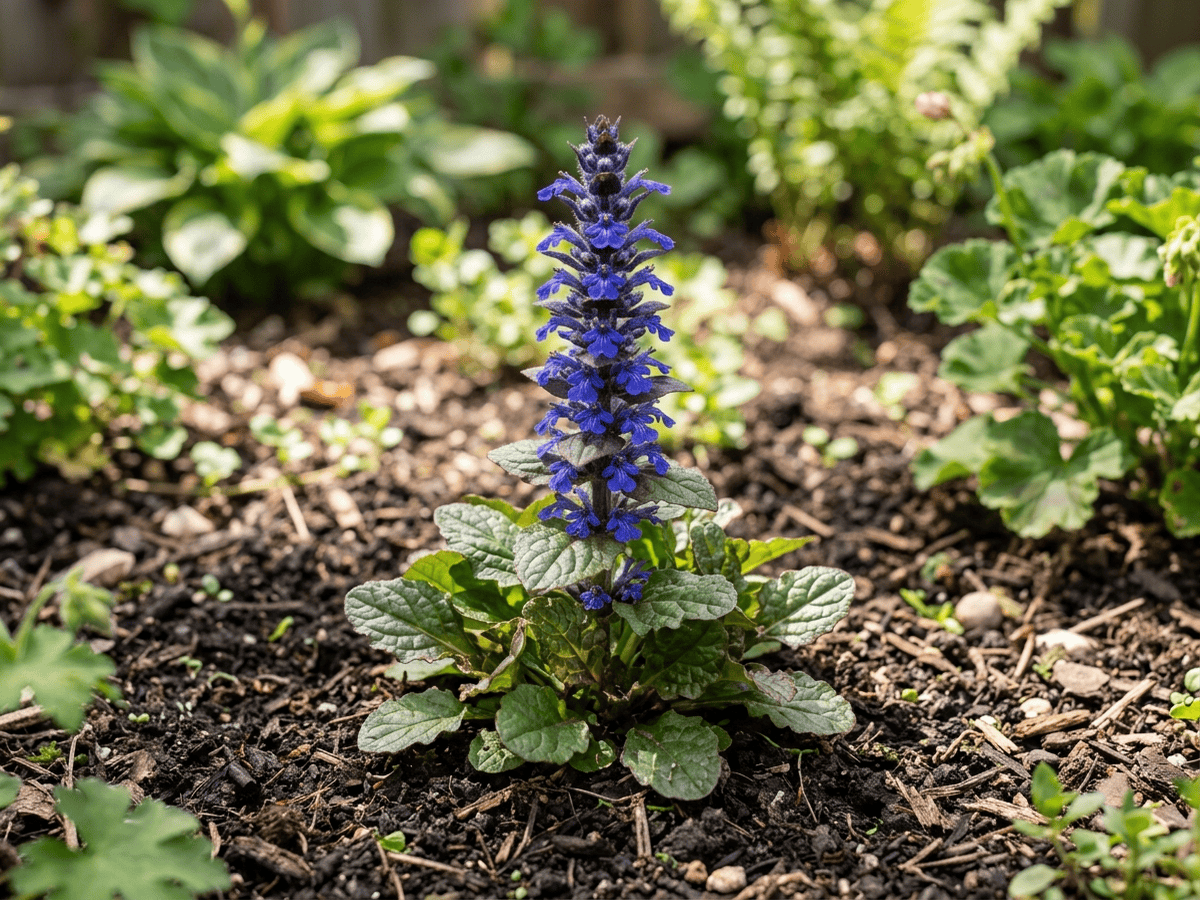 Pyramidal BugleAjuga pyramidalis
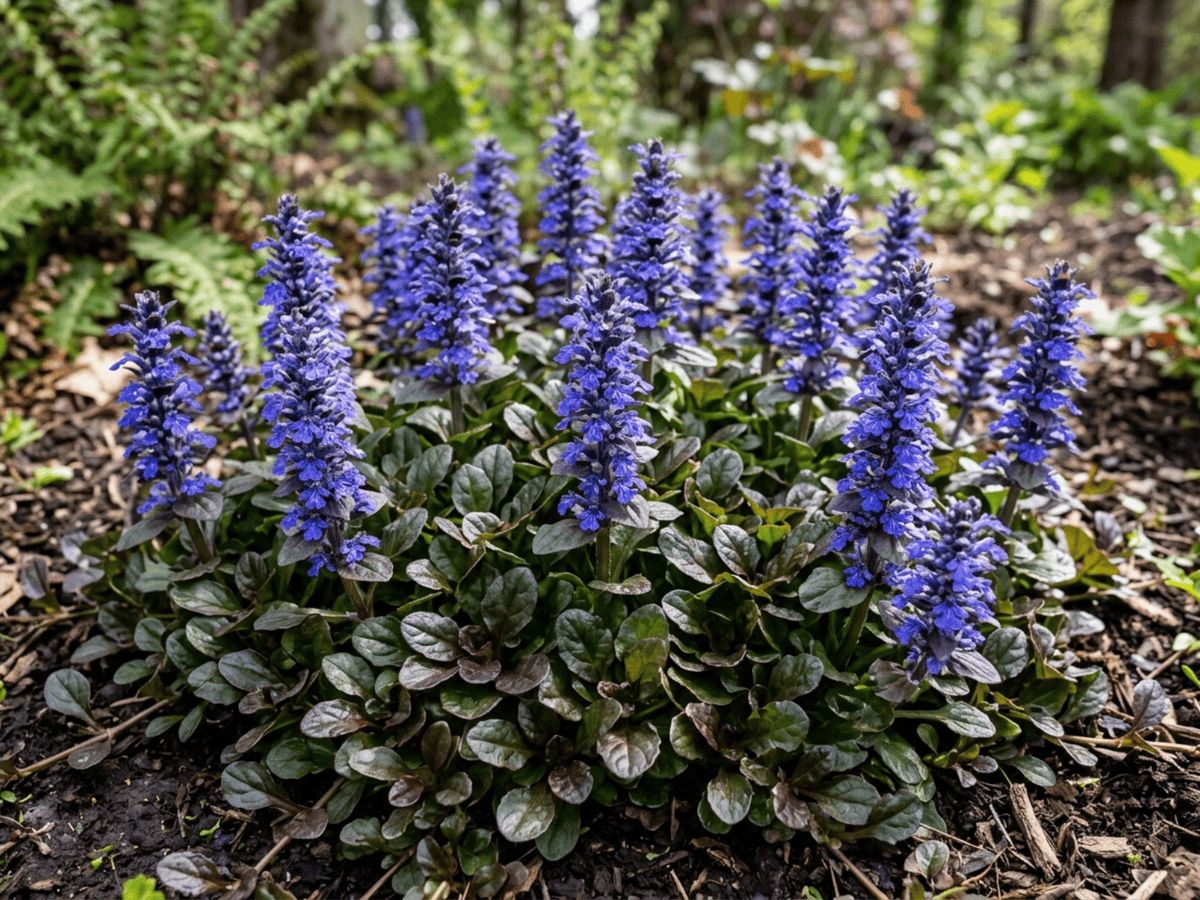 Carpet BugleAjuga reptans
Frequently asked questions
How often should I water Fortune's Hosta?
Water about every 5 days during the growing season, and always let excess water drain away.
How much light does Fortune's Hosta need?
Part shade: 2–4 hrs direct. Watch the leaves — scorching or stretching means the light needs adjusting.
Is Fortune's Hosta toxic to cats or dogs?
Pets Moderate (Dogs Moderate · Cats Moderate) Educational information, not medical or veterinary advice. If exposure is suspected, contact a doctor or veterinarian.
Is Fortune's Hosta easy to grow?
Yes — it is considered an easy, beginner-friendly plant.
When does Fortune's Hosta bloom?
It typically blooms Jun–Aug in the Northern Hemisphere.
YardMate
Identify any plant in seconds
Snap a photo — YardMate names the plant, diagnoses problems, and reminds you when to water.
Download on the App Store