 YardMate


Narrow-Leaved Plantain-Lily
Hosta lancifolia
Easy · Beginner friendlyAbout Narrow-Leaved Plantain-Lily
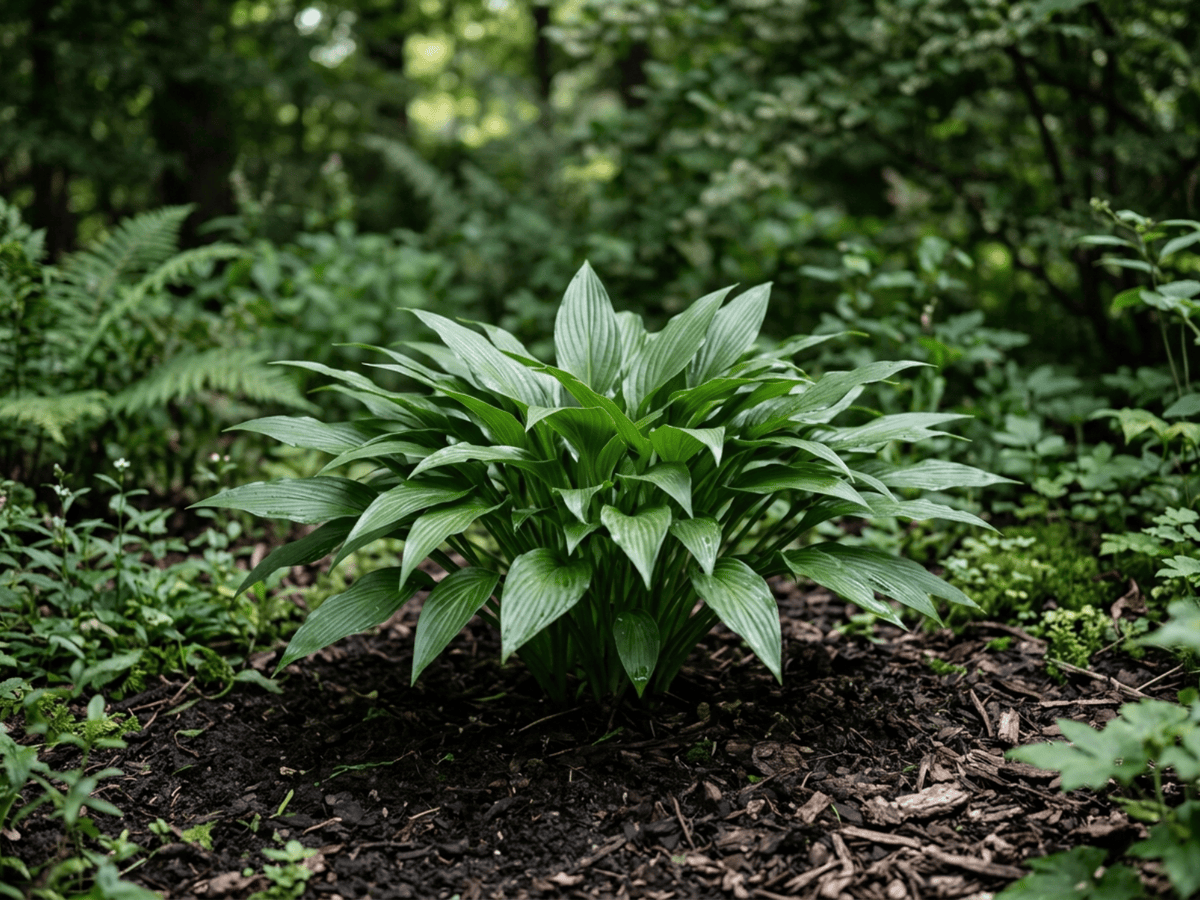
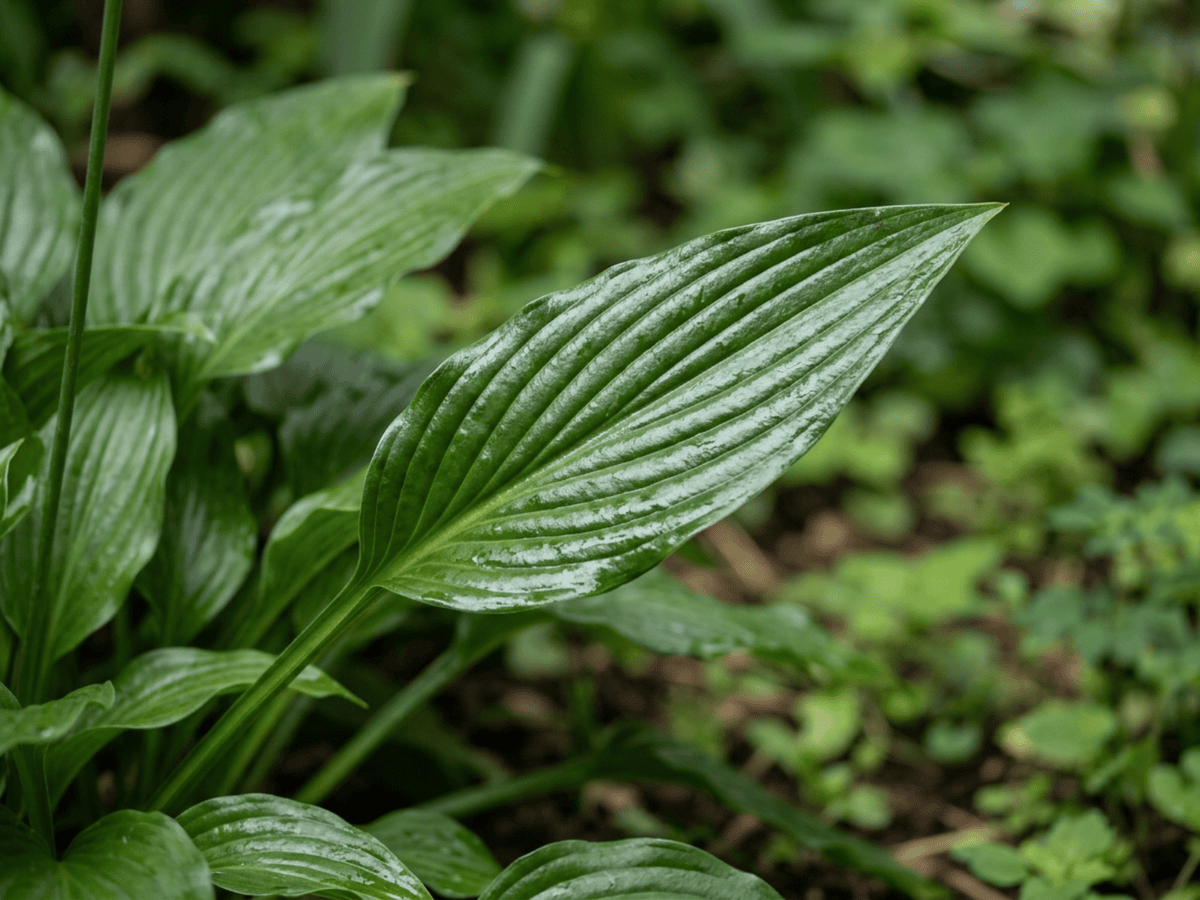
Narrow-leafed Hosta is one of the oldest cultivated hostas, 12–18 inches tall with glossy lance-shaped green leaves in a tight arching mound and tall scapes of lavender-purple flowers in late summer and early fall. One of the last hostas to bloom each year. Naturalized across the Northeastern US from colonial gardens. Tolerates more sun than most hostas and thrives even in dry shade. Hardy zones 3–8.
- Shade-tolerant
- Wildlife-friendly
How to care for Narrow-Leaved Plantain-Lily
Watering
- Springevery 4 days
- Summerevery 3 days
- Fallevery 5 days
- Winterpause watering
Soil · Well-draining
- Top dressingPine bark mulch10%
- Main mixPotting soil + perlite 2:170%
- DrainageLECA / gravel20%
Never skip the drainage layer — standing water is the top cause of root rot.
FERTILIZER
Balanced Feed 14-14-14
An even feed covers all three needs at once, keeping leaves, roots and blooms moving together with nothing pushed out of balance.
- Nitrogen · Leaves
- Phosphorus · Roots + Blooms
- Potassium · Strength
- Springevery 30 days
- Summerevery 30 days
At a Glance
- NativeEast Asia
- Height1–2 ft (0.3–0.6 m)
- Spread2–3 ft (0.6–0.9 m)
- Flower colorPurple
- Foliage colorGreen
- SoilLoamy, Moisture-retentive
- LocationsYard
Bloom time
BLOOM CYCLE
Peak bloom
Jun–Nov
Lavender-purple spikes late summer to fall
Toxicity
Humans Slight · Pets Moderate
saponins
Slight
- All
- Ingestion
EXPOSURE Eating any part of the plant.
EFFECT Mild GI if raw.
NOTE Documented concern for humans: Mild GI if raw.
Moderate
- All
- Ingestion
EXPOSURE Eating any part of the plant.
EFFECT Vomiting and diarrhea.
NOTE ASPCA lists Hosta as toxic to pets.
Moderate
- All
- Ingestion
EXPOSURE Eating any part of the plant.
EFFECT Vomiting and diarrhea.
NOTE ASPCA lists Hosta as toxic to pets.
Educational information, not medical or veterinary advice. If exposure is suspected, contact a doctor or veterinarian.
DISTRIBUTION


- Native
- Introduced
- East Asia
History
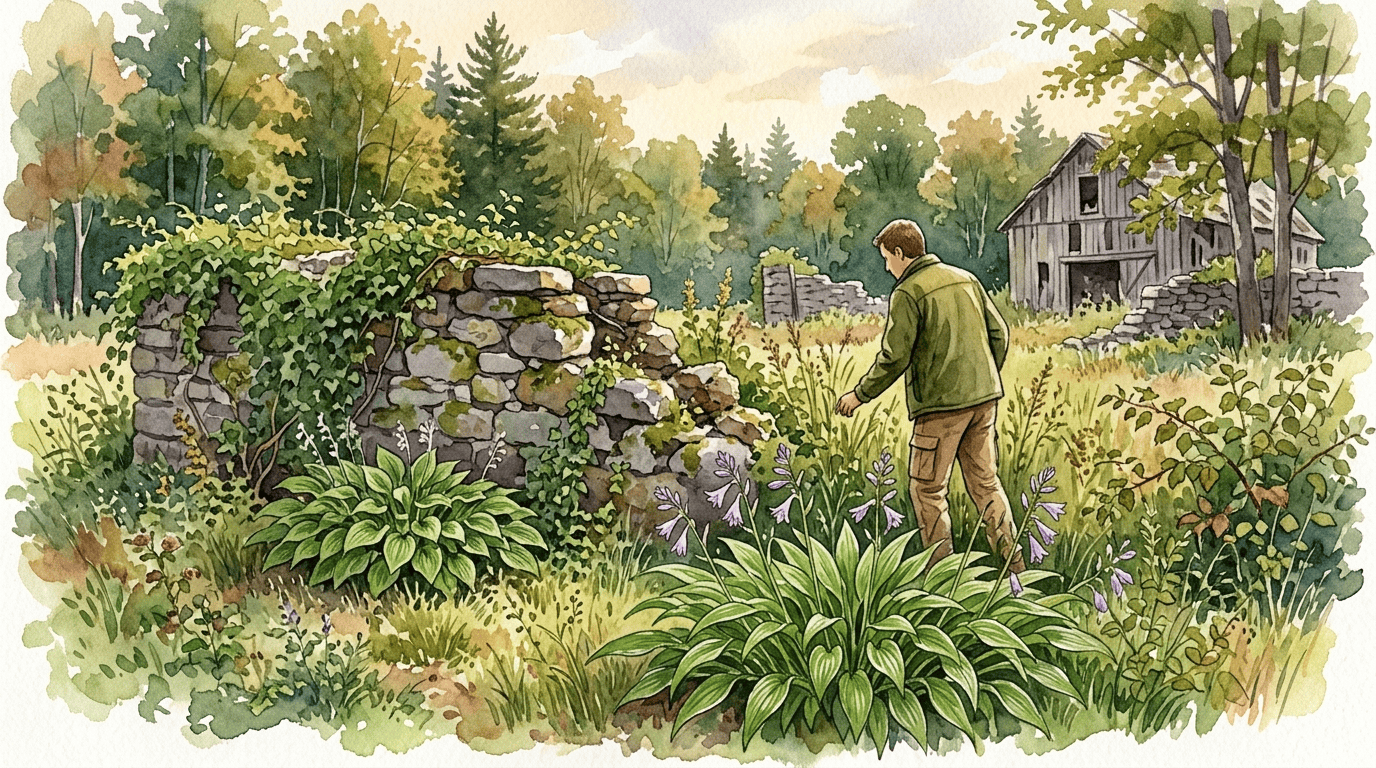
Hosta lancifolia was among the first hostas Western science encountered. Swedish botanist Carl Peter Thunberg, working for the Dutch East India Company at Dejima in Nagasaki, collected specimens in 1775-76 and published the name Aletris japonica in 1784, later transferred to Hosta. The species may be ancient cultigen rather than truly wild, as modern botanists have struggled to confirm unambiguously wild populations.
Its lance-shaped glossy green leaves, arching habit, and late summer lavender flowers made it popular across 19th-century European horticulture, and it naturalized in old American homesteads. Cultivated in Japan for centuries and introduced to European gardens by Philipp von Siebold in the 1830s.
Reached American gardens by the mid-1800s and naturalized widely along old New England farmsteads, where it persists in abandoned gardens as a marker of historic homesites. Though overshadowed by modern variegated and blue-leafed cultivars, it remains a reliable groundcover and historic cultivar in restoration gardens.
Symbolism & meaning
What It Symbolizes
The Narrow-Leaved Plantain-Lily can symbolize lasting friendship, passed by division between gardeners through generations. Paired with heritage, it stands as a quiet marker of 19th-century American farmsteads, often surviving long after the houses are gone. To inherit a clump is to inherit a small green thread connecting one gardener's life to another's.
- Lasting friendship — passed through generations of gardeners
- Heritage — marker of 19th-century American farmsteads
Where the Name Comes From
The name Narrow-Leaved Plantain-Lily describes its lily-like flowers. Genus honors Nicholas Host; 'lancifolia' means 'lance-shaped leaves'.
Uses & Fun Facts
- Slender-leaved hosta colonizes shaded ground in spreading mats
- Narrow glossy leaves and lavender late-summer flowers for shade
Related plants
More Hosta plants
 Fortune's HostaHosta fortunei
 Mountain HostaHosta montana
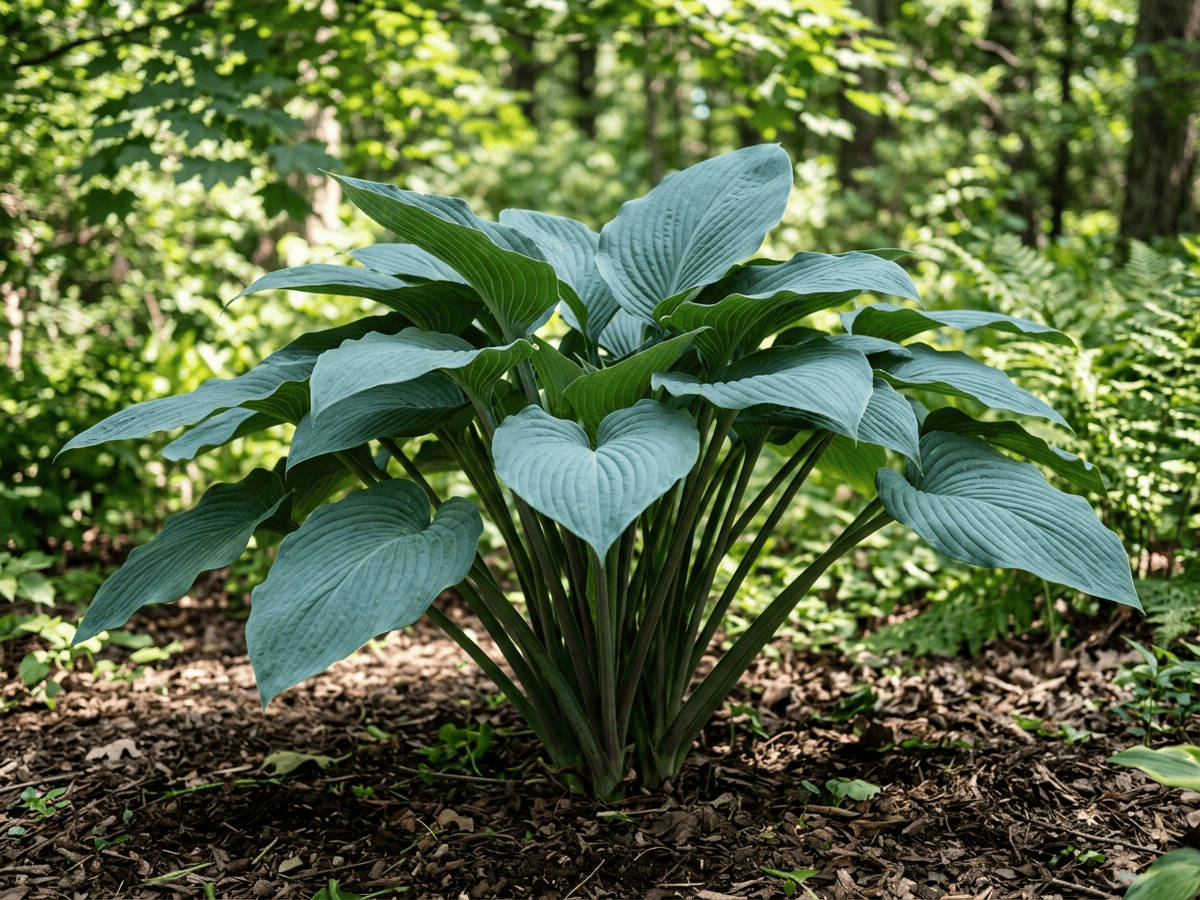 HostaHosta nigrescens
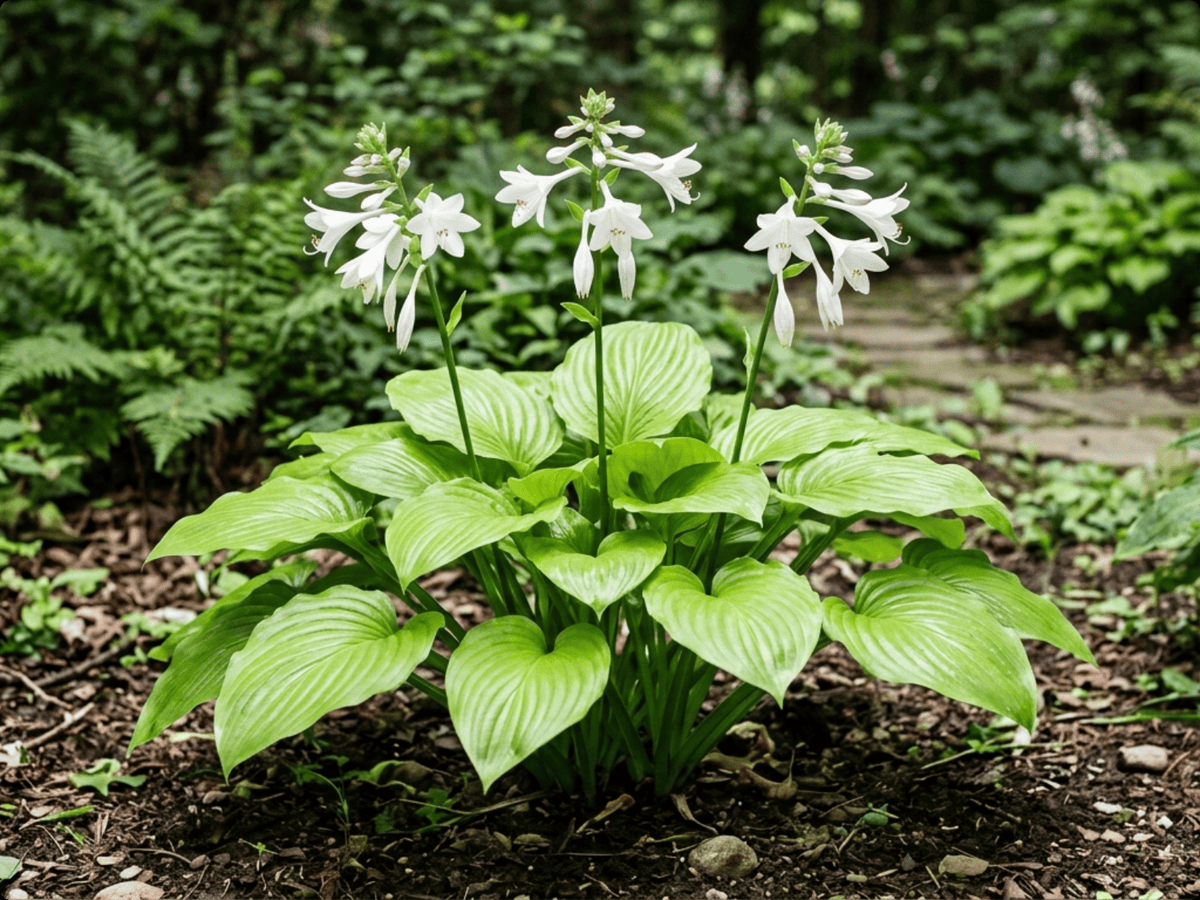 Scented HostaHosta plantaginea
Plants with similar care
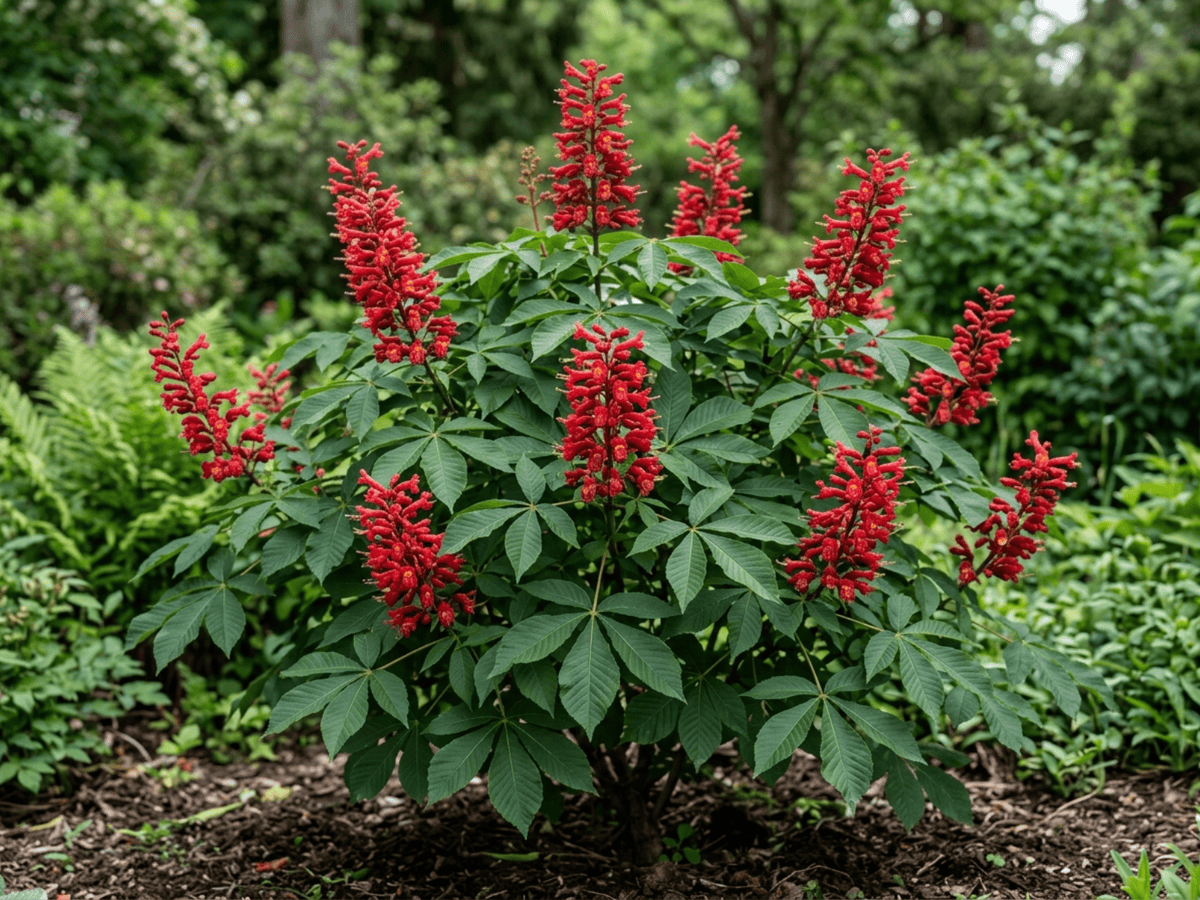 Red BuckeyeAesculus pavia
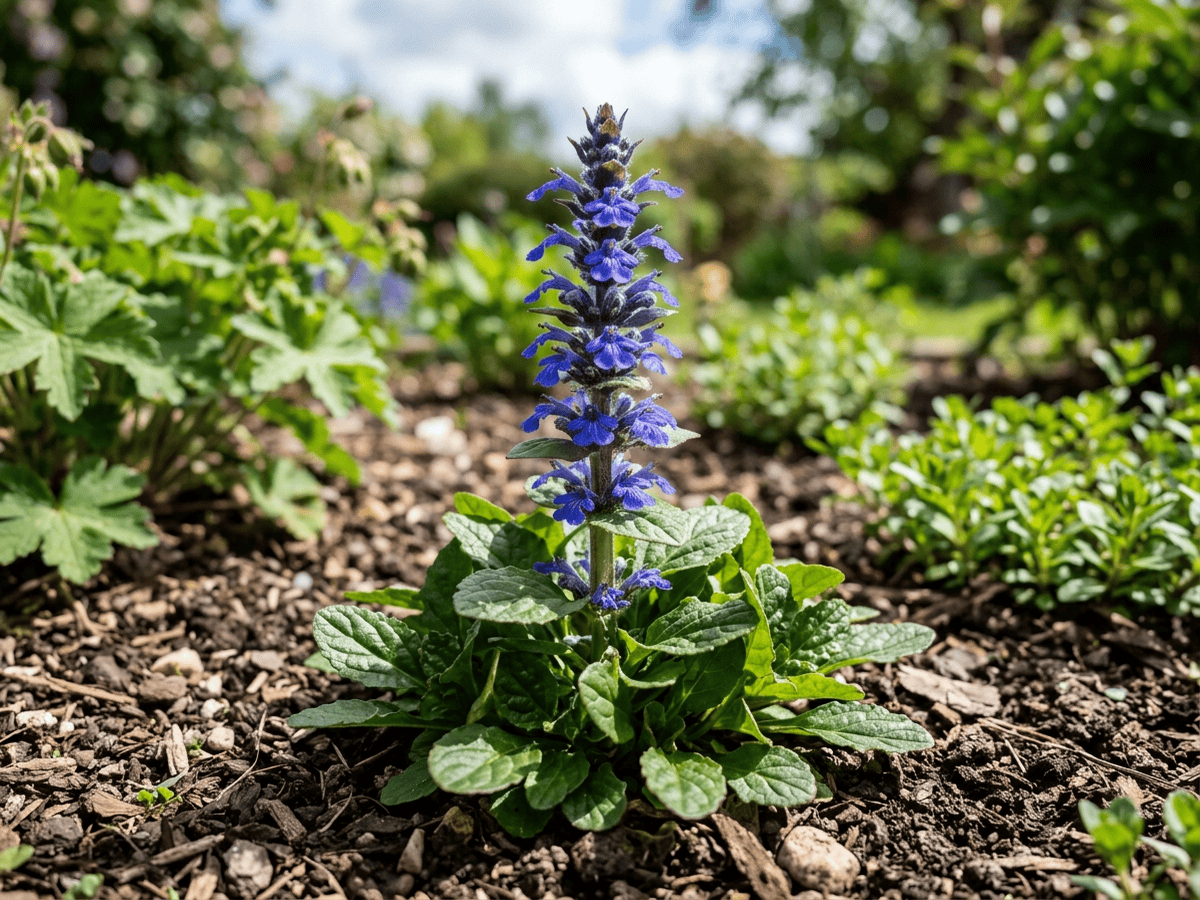 Blue BugleAjuga genevensis
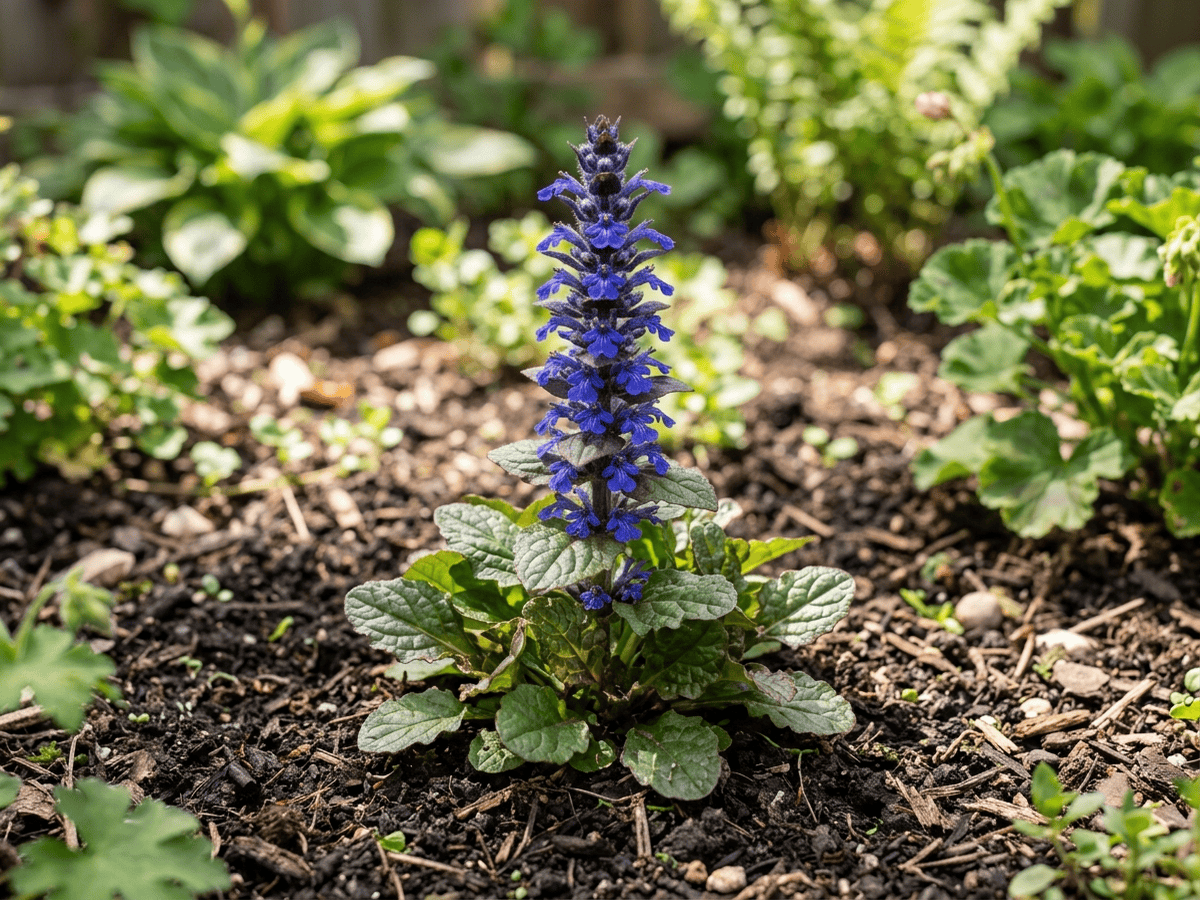 Pyramidal BugleAjuga pyramidalis
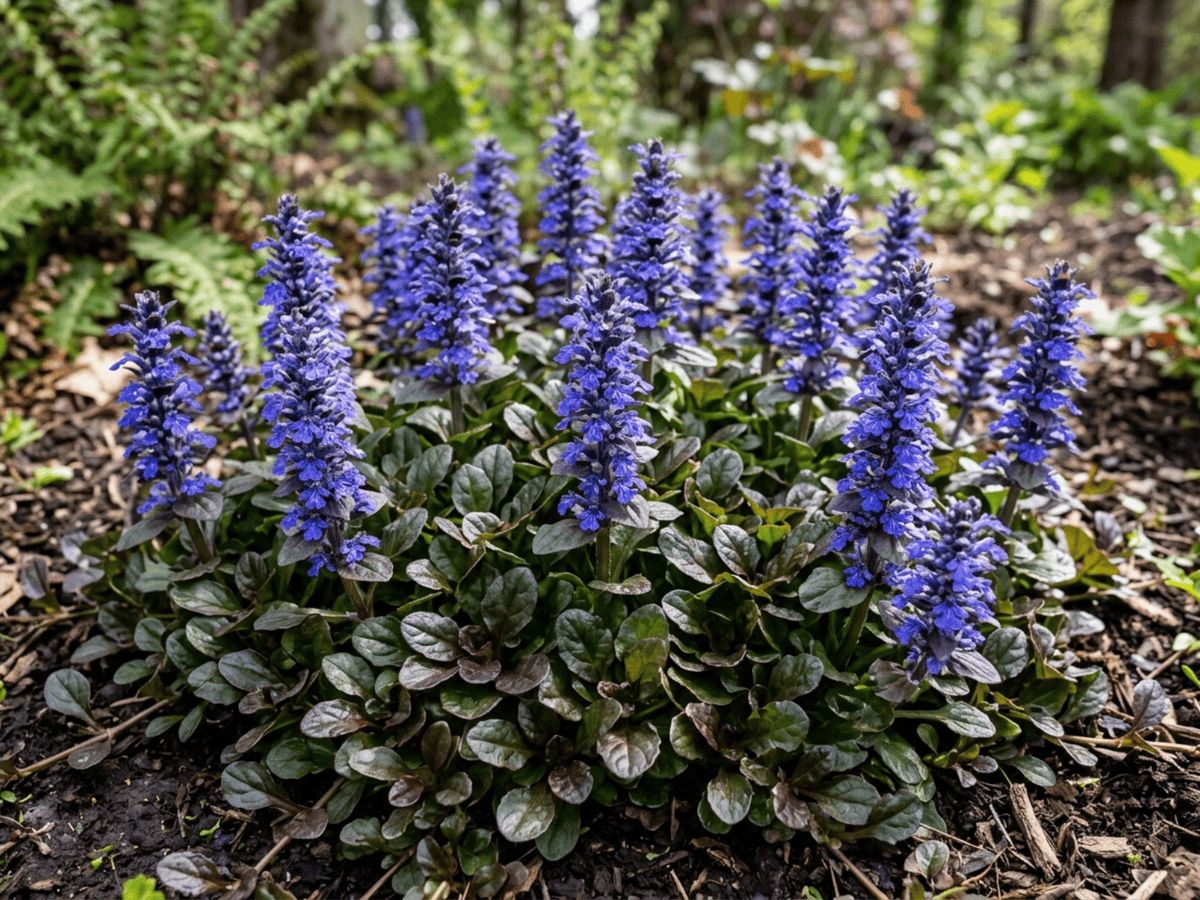 Carpet BugleAjuga reptans
Frequently asked questions
How often should I water Narrow-Leaved Plantain-Lily?
Water about every 4 days during the growing season, and always let excess water drain away.
How much light does Narrow-Leaved Plantain-Lily need?
Part shade: 2–4 hrs direct. Watch the leaves — scorching or stretching means the light needs adjusting.
Is Narrow-Leaved Plantain-Lily toxic to cats or dogs?
Pets Moderate (Dogs Moderate · Cats Moderate) Educational information, not medical or veterinary advice. If exposure is suspected, contact a doctor or veterinarian.
Is Narrow-Leaved Plantain-Lily easy to grow?
Yes — it is considered an easy, beginner-friendly plant.
When does Narrow-Leaved Plantain-Lily bloom?
It typically blooms Jun–Nov in the Northern Hemisphere.
YardMate
Identify any plant in seconds
Snap a photo — YardMate names the plant, diagnoses problems, and reminds you when to water.
Download on the App Store