 YardMate
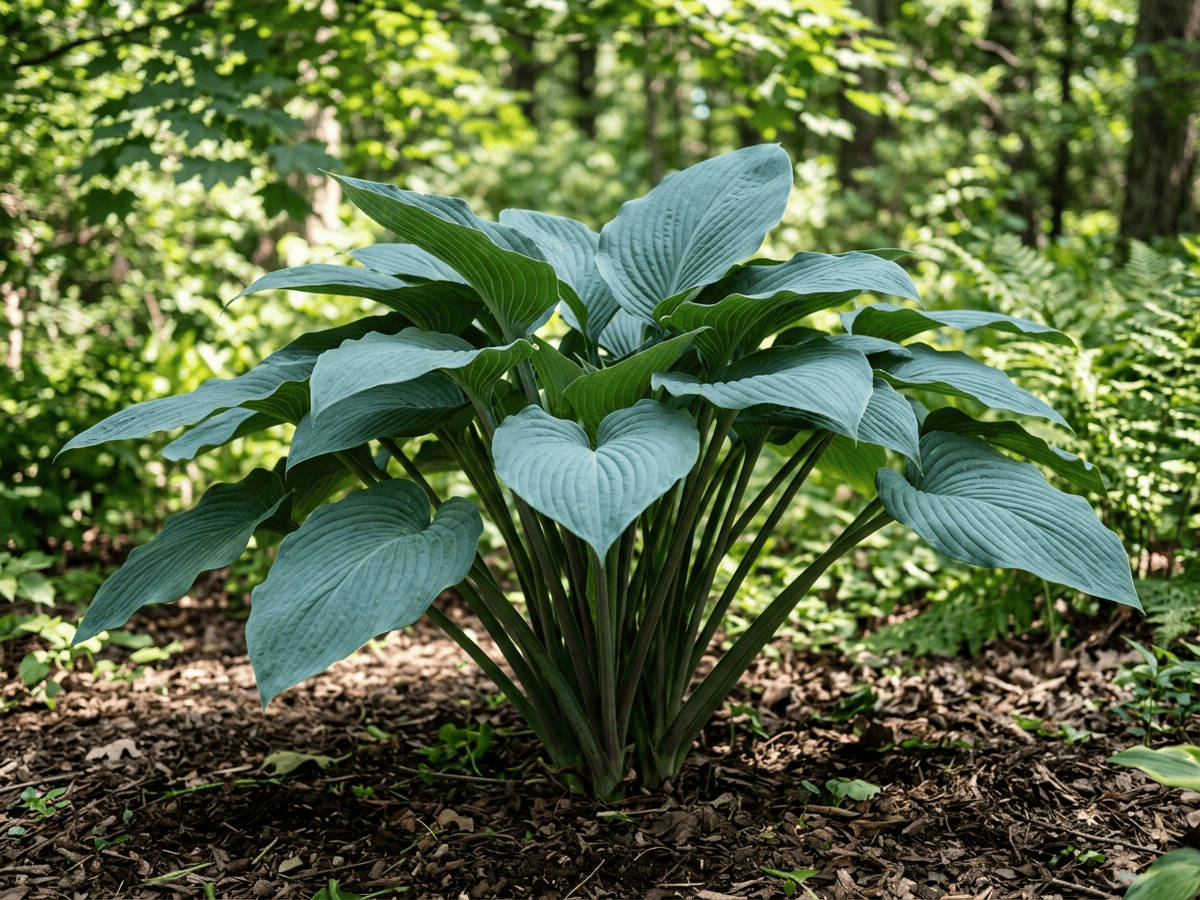


Hosta
Hosta nigrescens
Medium · Some experienceAbout Hosta
Black Hosta is a rare Japanese species valued for its very upright vase-shaped habit and distinctive dark blue-green foliage that emerges almost black in spring. Growing 2 to 3 feet tall and 3 to 5 feet wide at maturity, it sends up extremely tall 6-foot flower scapes topped with pale lavender blooms in late summer. A collector's specimen hosta and the giant of the hosta world.
- Cold-hardy
- Shade-tolerant
- Architectural
How to care for Hosta
Watering
- Springevery 5 days
- Summerevery 3 days
- Fallevery 7 days
- Winterpause watering
Soil · Well-draining
- Top dressingPine bark mulch10%
- Main mixPotting soil + perlite 2:170%
- DrainageLECA / gravel20%
Never skip the drainage layer — standing water is the top cause of root rot.
FERTILIZER
Balanced Feed 14-14-14
An even feed covers all three needs at once, keeping leaves, roots and blooms moving together with nothing pushed out of balance.
- Nitrogen · Leaves
- Phosphorus · Roots + Blooms
- Potassium · Strength
- Springevery 45 days
At a Glance
- NativeEast Asia
- Height2–3 ft (0.6–0.9 m)
- Spread3–4 ft (0.9–1.2 m)
- Flower colorPurple
- Foliage colorBlue-green, Green
- SoilLoamy, Moisture-retentive, Rich
- LocationsYard
Bloom time
BLOOM CYCLE
Peak bloom
Aug–Sep
Pale lavender flowers on 6-foot scapes in late summer
Fragrance
LIGHT FRAGRANCE
Flowers may be lightly fragrant, especially in warm evening air.
Toxicity
Humans Slight · Pets Moderate
saponins
Slight
- Leaf
- Ingestion
EXPOSURE Eating leaves.
EFFECT Saponins can cause mild GI upset.
NOTE Documented concern for humans: Saponins can cause mild GI upset.
Moderate
- Leaf
- Ingestion
EXPOSURE Eating leaves.
EFFECT ASPCA: vomiting, diarrhea, depression due to saponins.
NOTE ASPCA lists Hosta as toxic to dogs and cats.
Moderate
- Leaf
- Ingestion
EXPOSURE Eating leaves.
EFFECT ASPCA: vomiting, diarrhea, depression due to saponins.
NOTE ASPCA lists Hosta as toxic to dogs and cats.
Educational information, not medical or veterinary advice. If exposure is suspected, contact a doctor or veterinarian.
DISTRIBUTION


- Native
- East Asia
History
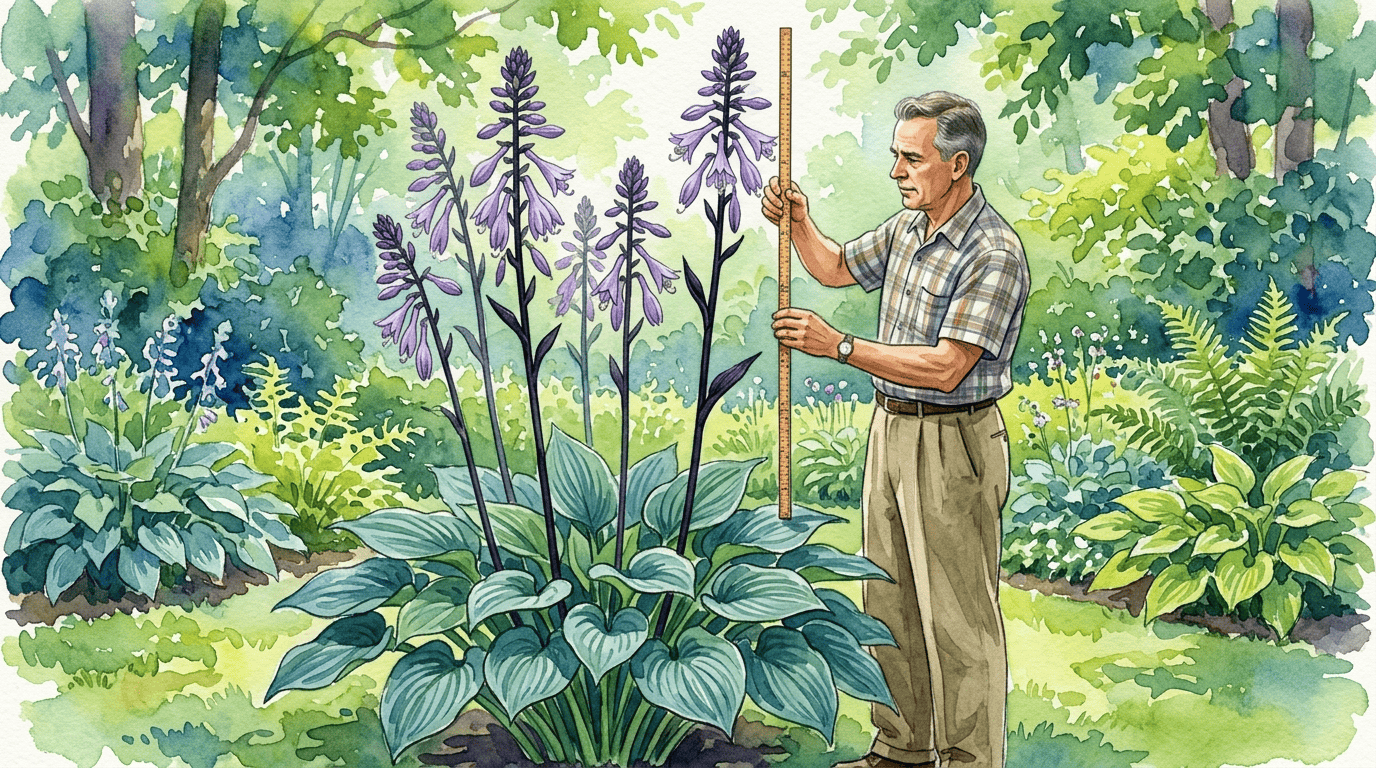
Hosta nigrescens, the black-stemmed hosta, is a Japanese species native to the mountains of central Honshu. German botanist Friedrich August Georg Bitter described the species in 1909, the epithet nigrescens referring to the distinctive dark scapes and petioles that contrast sharply with the blue-green cupped leaves. Hosta nigrescens grows tall, often reaching a meter in flower, and bears lavender tubular flowers atop the black stems in midsummer.
Japanese gardeners and 20th-century American breeders valued the plant as a parent in hosta breeding, where it passes along dark scape color, heavy leaf substance, and graceful habit. Cultivars derived from H. nigrescens include Krossa Regal, Regal Splendor, and many American Hosta Growers Association registered hybrids favored in modern shade gardens.
Native to mountainous regions of central Japan, introduced to Western collectors in the early 1900s. The tallest flower scapes in the genus made it a parent of numerous modern American hybrid hostas including 'Krossa Regal' and the Popcorn series.
Symbolism & meaning
What It Symbolizes
Hosta nigrescens carries dignified presence with its tall, architectural upright form rising from shaded beds like an attentive listener. Among hostas it offers the darkest new growth — the 'midnight leaf' — emerging almost black before settling into deep blue-green. A shade plant that proves dignity does not require sunlight, only patience and good posture.
- Dignified presence — architectural upright form
- Midnight leaf — darkest new growth among hostas
Where the Name Comes From
'nigrescens' from Latin means becoming black, for the dark new-growth foliage that lightens as leaves mature.
Uses & Fun Facts
- Tall vase of blue-green leaves anchors shaded perennial beds
- Architectural Hosta with elevated leaf clumps for shade gardens
Related plants
More Hosta plants
 Fortune's HostaHosta fortunei
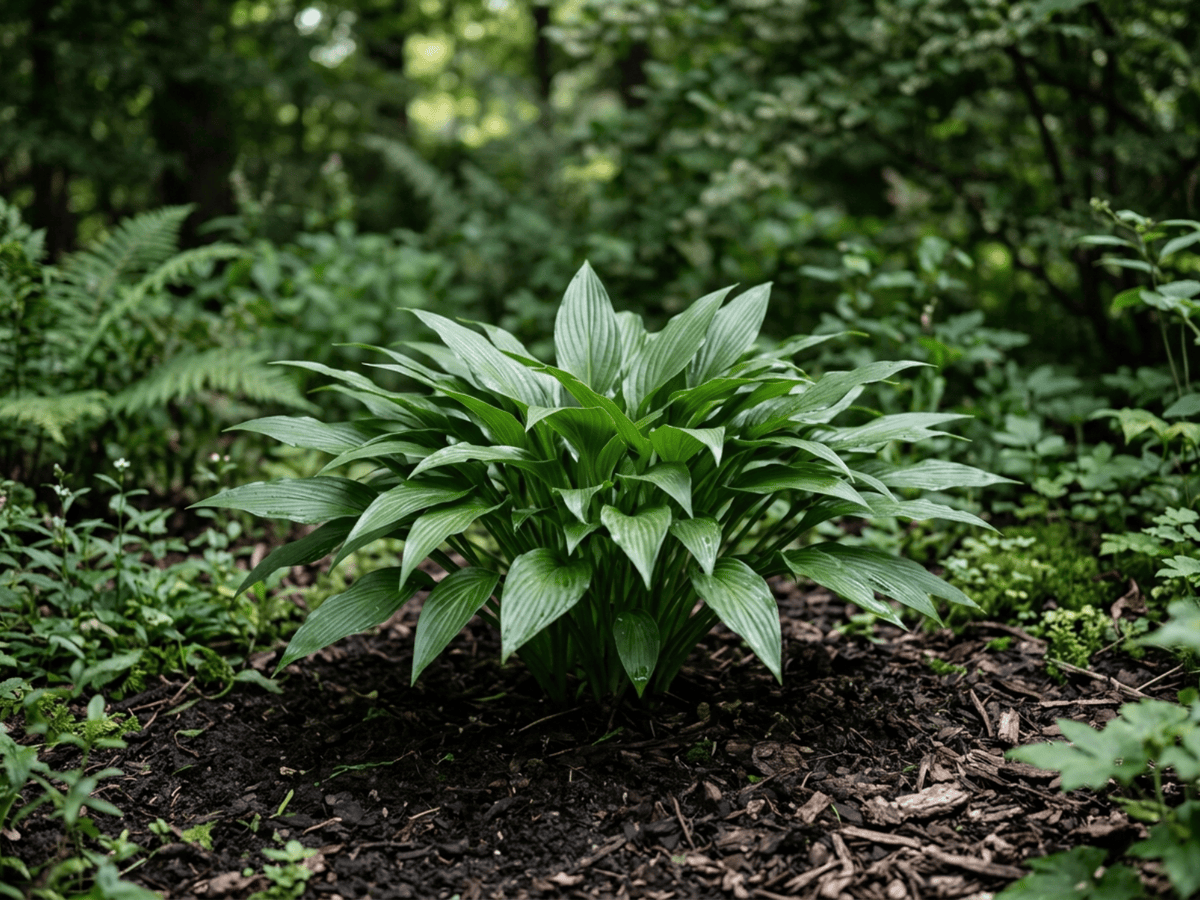 Narrow-Leaved Plantain-LilyHosta lancifolia
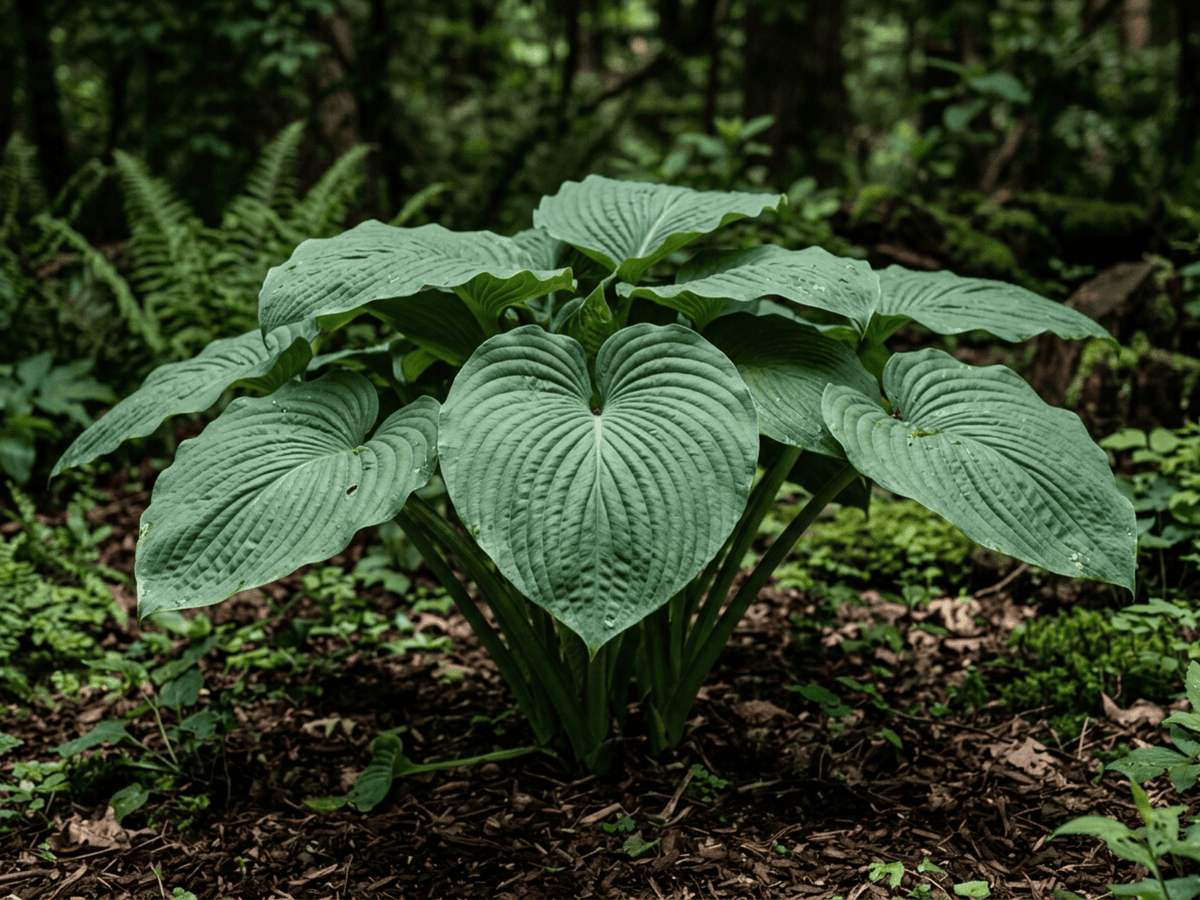 Mountain HostaHosta montana
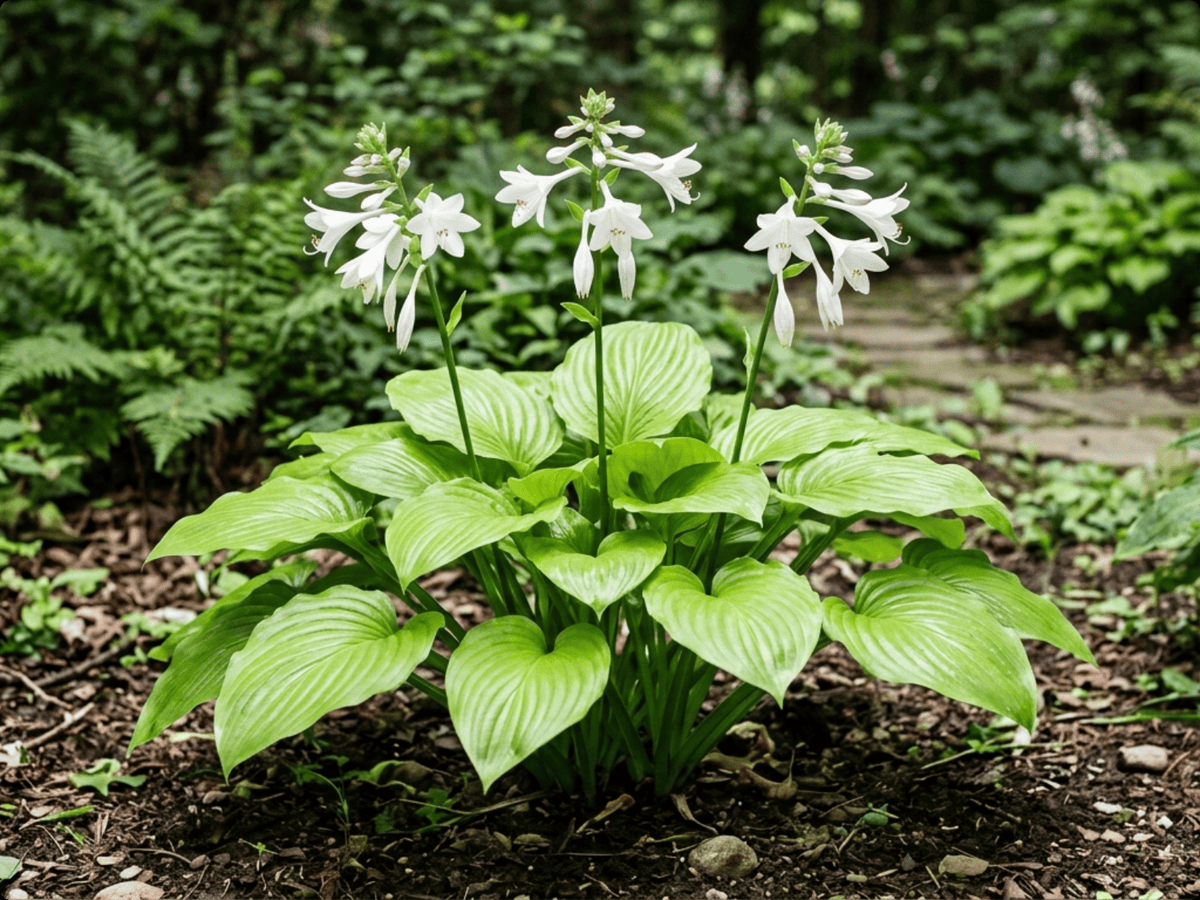 Scented HostaHosta plantaginea
Plants with similar care
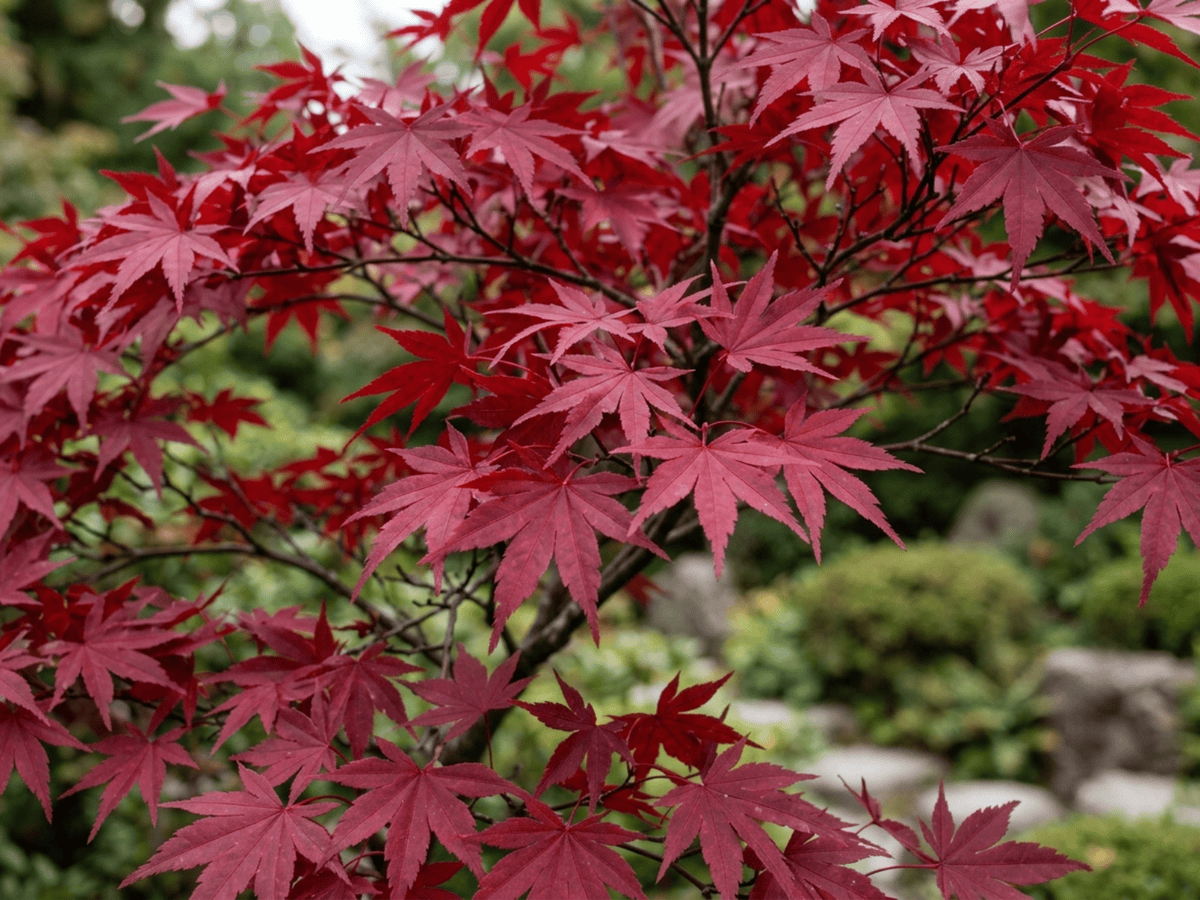 Japanese MapleAcer palmatum
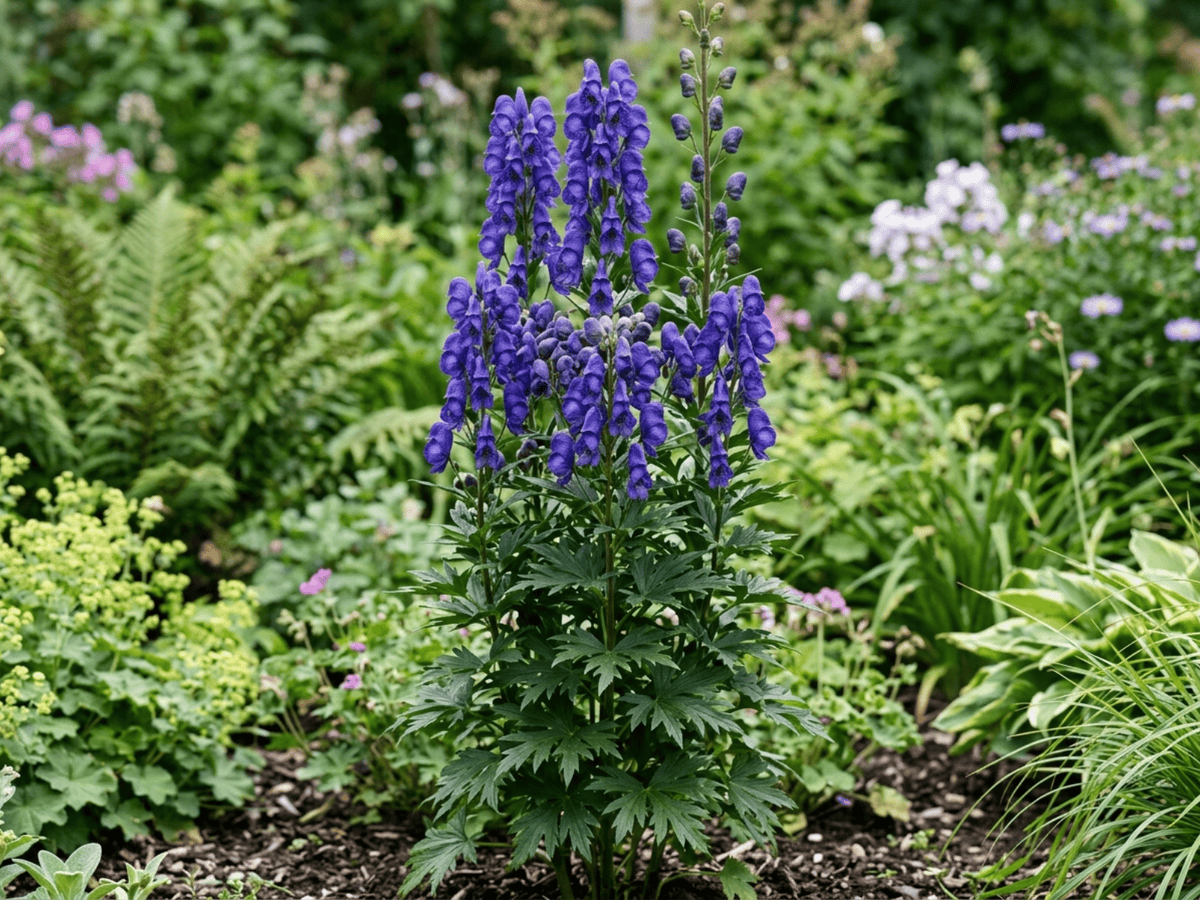 Azure MonkshoodAconitum carmichaelii
 Florida HobblebushAgarista populifolia
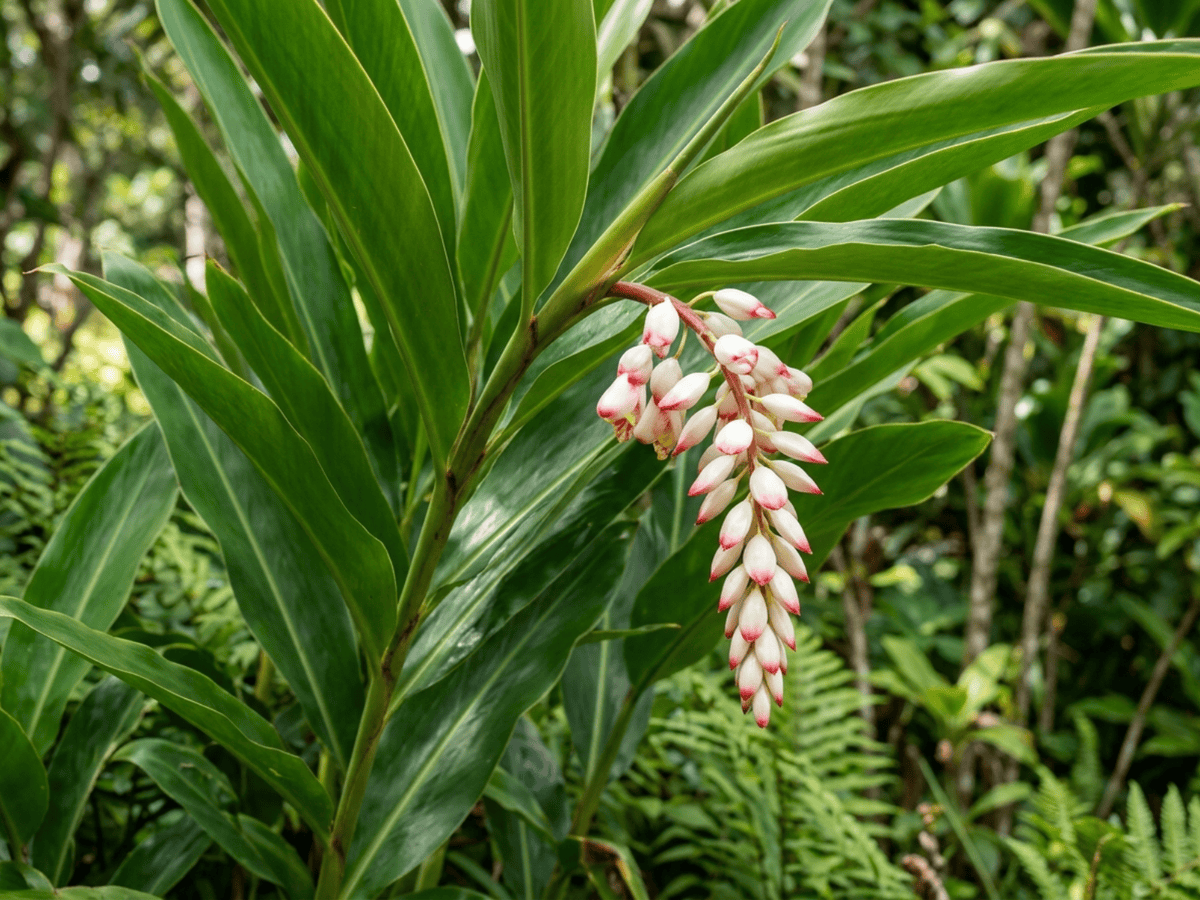 Shell GingerAlpinia zerumbet
Frequently asked questions
How often should I water Hosta?
Water about every 5 days during the growing season, and always let excess water drain away.
How much light does Hosta need?
Part shade: 2–4 hrs direct. Watch the leaves — scorching or stretching means the light needs adjusting.
Is Hosta toxic to cats or dogs?
Pets Moderate (Dogs Moderate · Cats Moderate) Educational information, not medical or veterinary advice. If exposure is suspected, contact a doctor or veterinarian.
Is Hosta easy to grow?
It is moderately demanding: a good choice once you have a little experience.
When does Hosta bloom?
It typically blooms Aug–Sep in the Northern Hemisphere.
YardMate
Identify any plant in seconds
Snap a photo — YardMate names the plant, diagnoses problems, and reminds you when to water.
Download on the App Store