 YardMate

Scented Hosta
Hosta plantaginea
Easy · Beginner friendlyAbout Scented Hosta
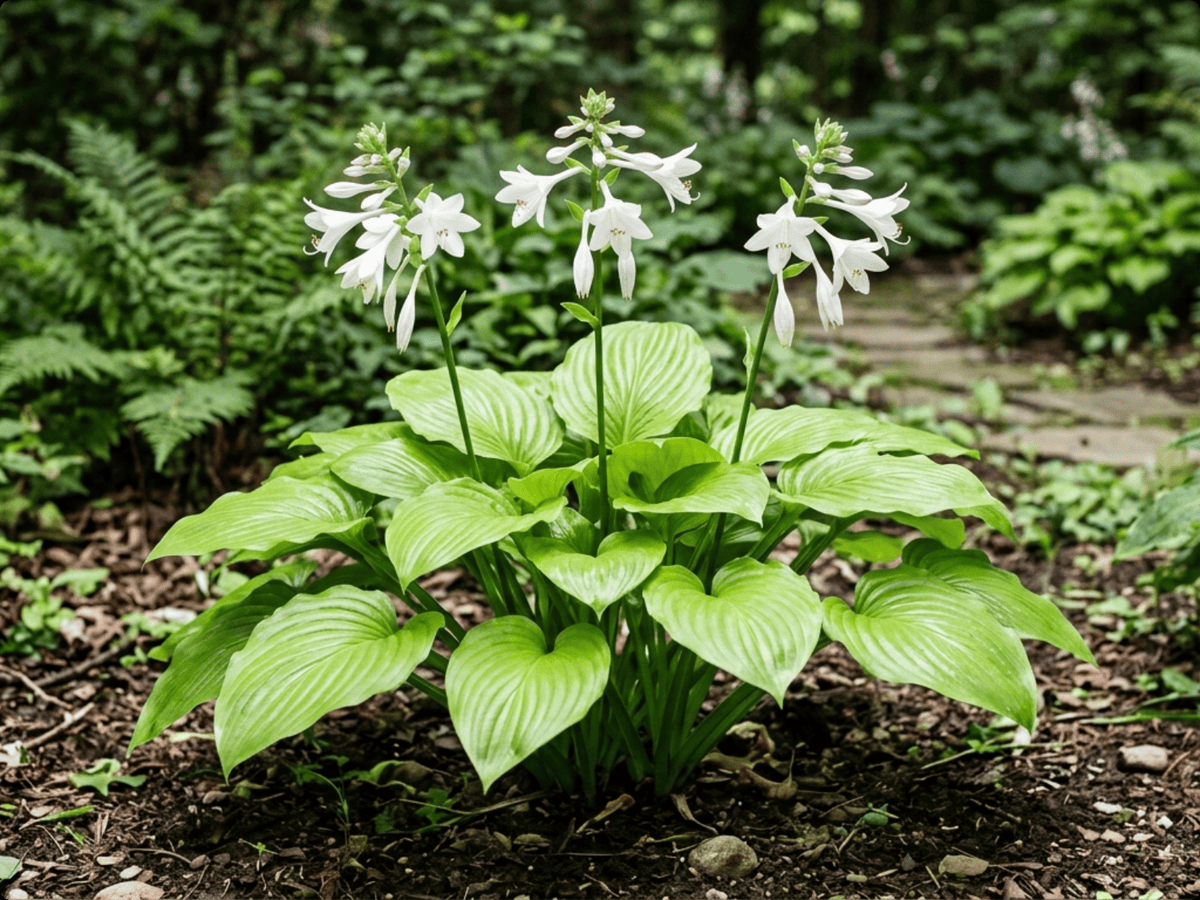
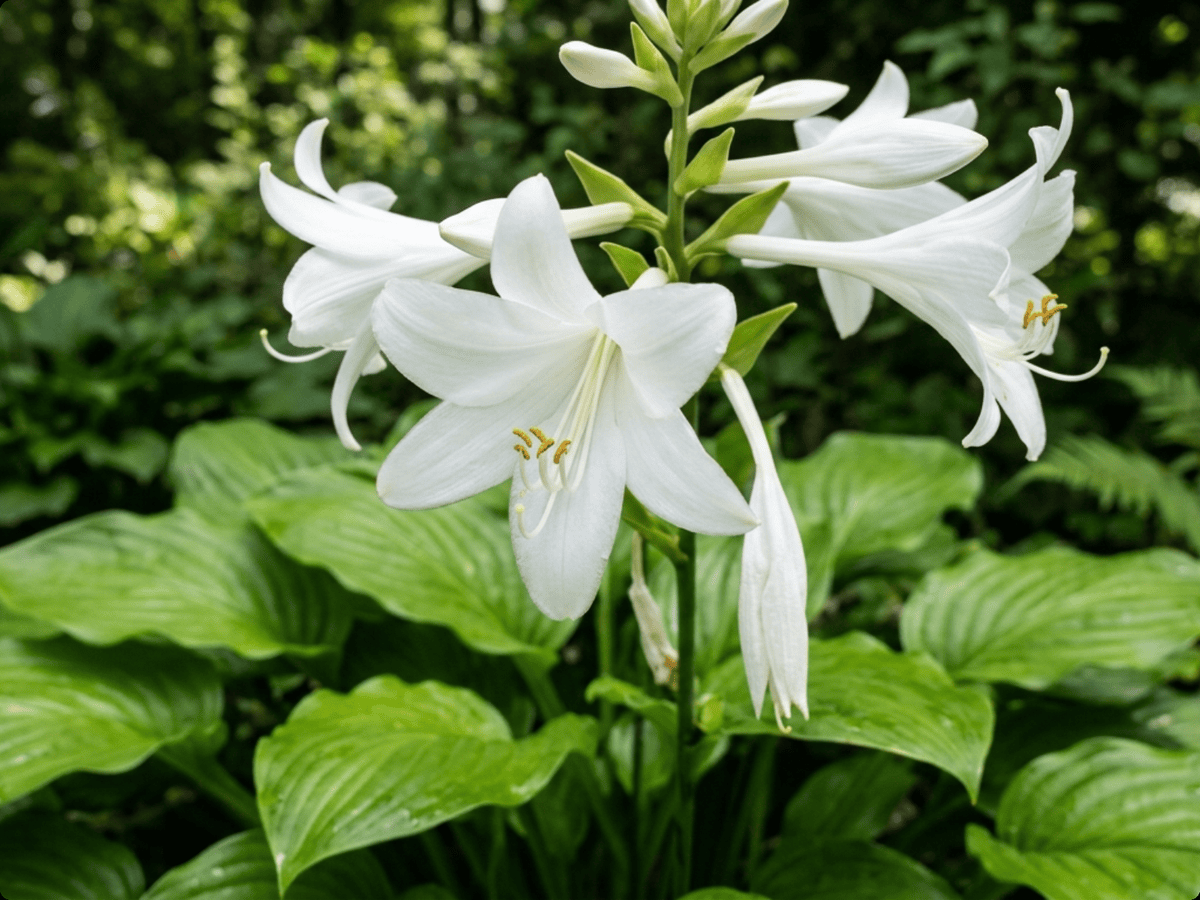
Hosta plantaginea, the fragrant plantain lily, is unique among hostas for its large, pure white, intensely fragrant flowers that bloom in late summer and open at night. The tubular flowers can be 12 cm long with a sweet, honeysuckle-like scent that perfumes the entire garden after dusk. Native to China, it has glossy, bright green, heart-shaped leaves (not blue like many hostas). It needs more heat to bloom well than other hostas, making it one of the best choices for warmer climates. The cultivar 'Royal Standard' and 'So Sweet' inherit the fragrance gene.
- Fragrant
- Shade-tolerant
How to care for Scented Hosta
Watering
- Springevery 5 days
- Summerevery 3 days
- Fallevery 7 days
- Winterevery 14 days
Soil · Well-draining
- Top dressingPine bark mulch10%
- Main mixPotting soil + perlite 2:170%
- DrainageLECA / gravel20%
Never skip the drainage layer — standing water is the top cause of root rot.
FERTILIZER
Balanced Feed 14-14-14
An even feed covers all three needs at once, keeping leaves, roots and blooms moving together with nothing pushed out of balance.
- Nitrogen · Leaves
- Phosphorus · Roots + Blooms
- Potassium · Strength
- Springevery 30 days
- Summerevery 30 days
At a Glance
- NativeEast Asia
- Height1.5–2.5 ft (0.5–0.8 m)
- Spread2–4 ft (0.6–1.2 m)
- Flower colorWhite
- Foliage colorGreen, Variegated
- SoilRich, Moisture-retentive, Loamy
- LocationsYard
Bloom time
BLOOM CYCLE
Peak bloom
Jun–Sep
Large white fragrant flowers open at night in late summer; needs more heat than other hostas
Fragrance
STRONG FRAGRANCE
Rich sweet fragrance strongest in the evening; source of fragrance in modern hosta hybrids.
Toxicity
Pets Moderate
saponins
Not reported
EXPOSURE No exposure route is reported.
EFFECT Flowers edible and long-standing culinary use in Chinese cuisine.
NOTE No human toxicity is reported in this catalog; avoid eating ornamental plants unless confirmed edible.
Moderate
- All
- Ingestion
EXPOSURE Eating any part of the plant.
EFFECT Vomiting, diarrhea, depression (per ASPCA).
NOTE ASPCA lists Hosta as toxic to dogs, cats, and horses.
Moderate
- All
- Ingestion
EXPOSURE Eating any part of the plant.
EFFECT Vomiting, diarrhea, depression.
NOTE ASPCA lists Hosta as toxic to dogs, cats, and horses.
Educational information, not medical or veterinary advice. If exposure is suspected, contact a doctor or veterinarian.
DISTRIBUTION


- Native
- Introduced
- East Asia
History

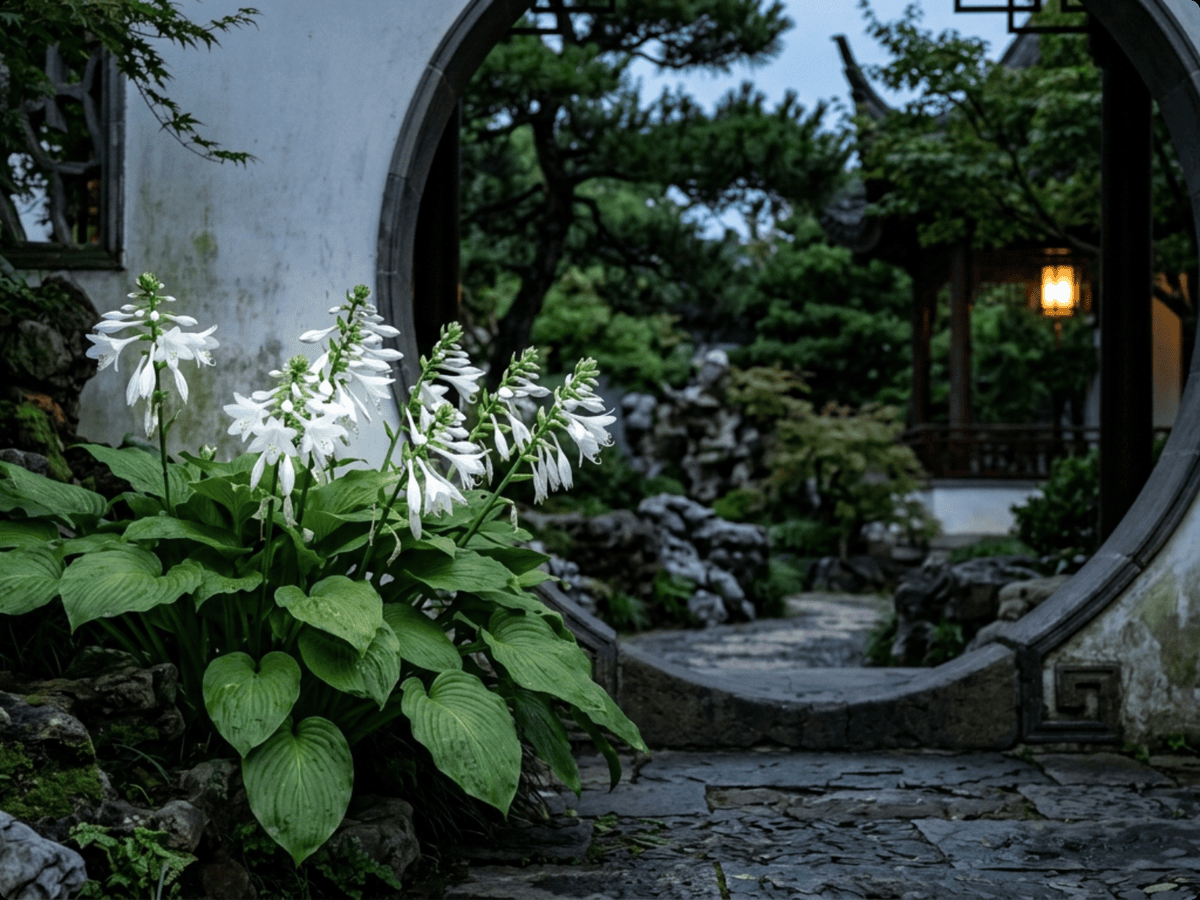
Hosta plantaginea is native to limestone slopes and stream margins in several provinces of China, where it has been cultivated in temple and scholar gardens for more than a thousand years. Its old Chinese name is often translated as jade hairpin, a reference to the long white flower buds. It was the first hosta introduced to Europe, reaching Paris in the late 18th century, and it remains unique among hostas for evening-opening, intensely fragrant white flowers.
That fragrance became the genetic gift behind modern scented hosta hybrids such as 'Honeybells', 'Royal Standard', 'Guacamole', and 'Fragrant Bouquet'. In China the plant also had medicinal uses for sore throat and wounds.
In the garden it is a moonlight plant: broad leaves by day, white perfume at dusk, and hawk-moth pollination after dark. All other hosta species are Japanese or Korean; this Chinese species changed the direction of the whole genus in cultivation.
Symbolism & meaning
What It Symbolizes
The Scented Hosta opens its long, white trumpets in the cool of evening, releasing a sweet fragrance into moonlit gardens. That nighttime offering gave it a meaning of serenity — a plant whose beauty arrives precisely when the day's noise has ended. To linger near it after dusk is to feel a small, perfumed peace, a flower that seems to bloom for the quiet alone.
- Serenity — Its night-blooming fragrance in moonlit gardens represents tranquil peace
Where the Name Comes From
Hosta for Nicholas Host. Plantaginea means 'plantain-like,' for the leaf resemblance to Plantago.
Uses & Fun Facts
- Large white trumpet flowers release strong evening scent
- Glossy heart-shaped leaves brighten shaded perennial borders
- Vigorous fragrant hosta thrives in shaded patio pots
Related plants
More Hosta plants
 Fortune's HostaHosta fortunei
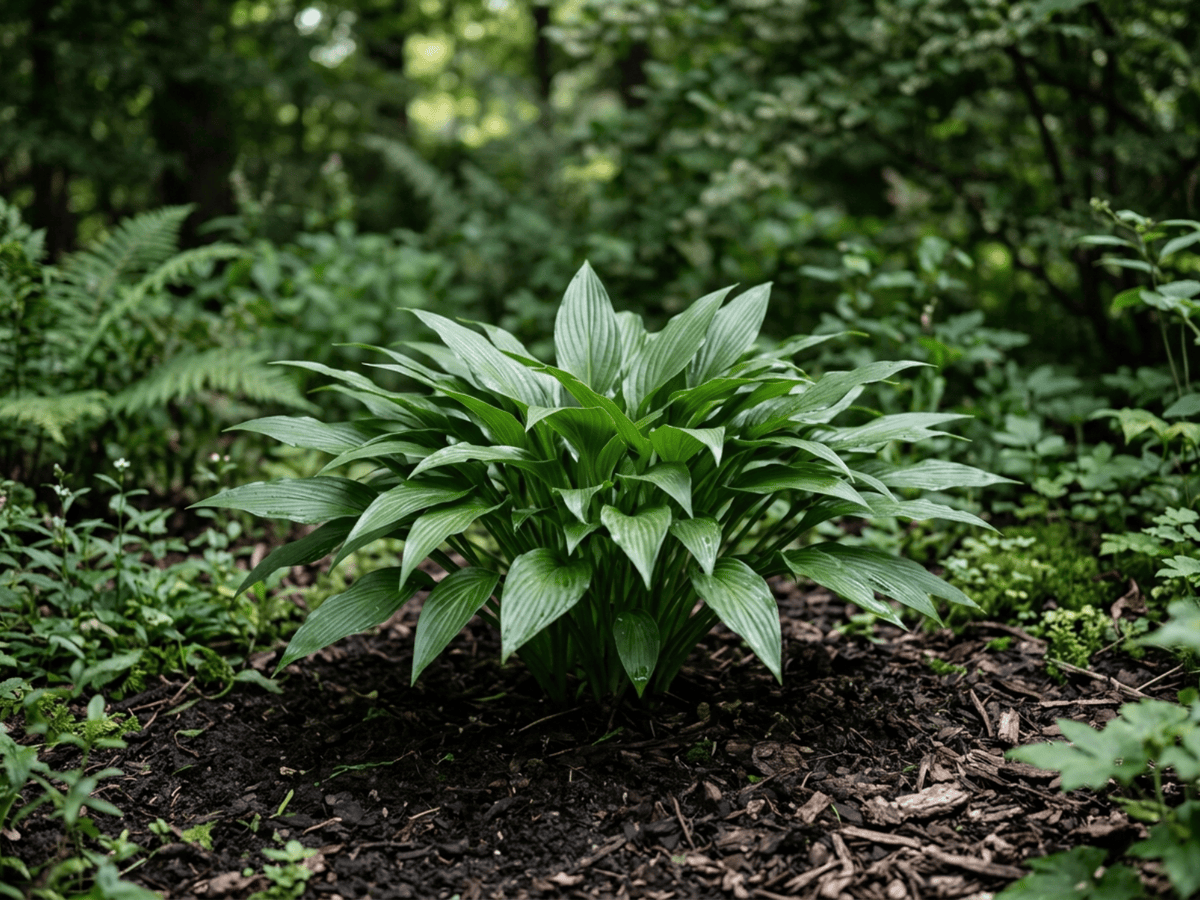 Narrow-Leaved Plantain-LilyHosta lancifolia
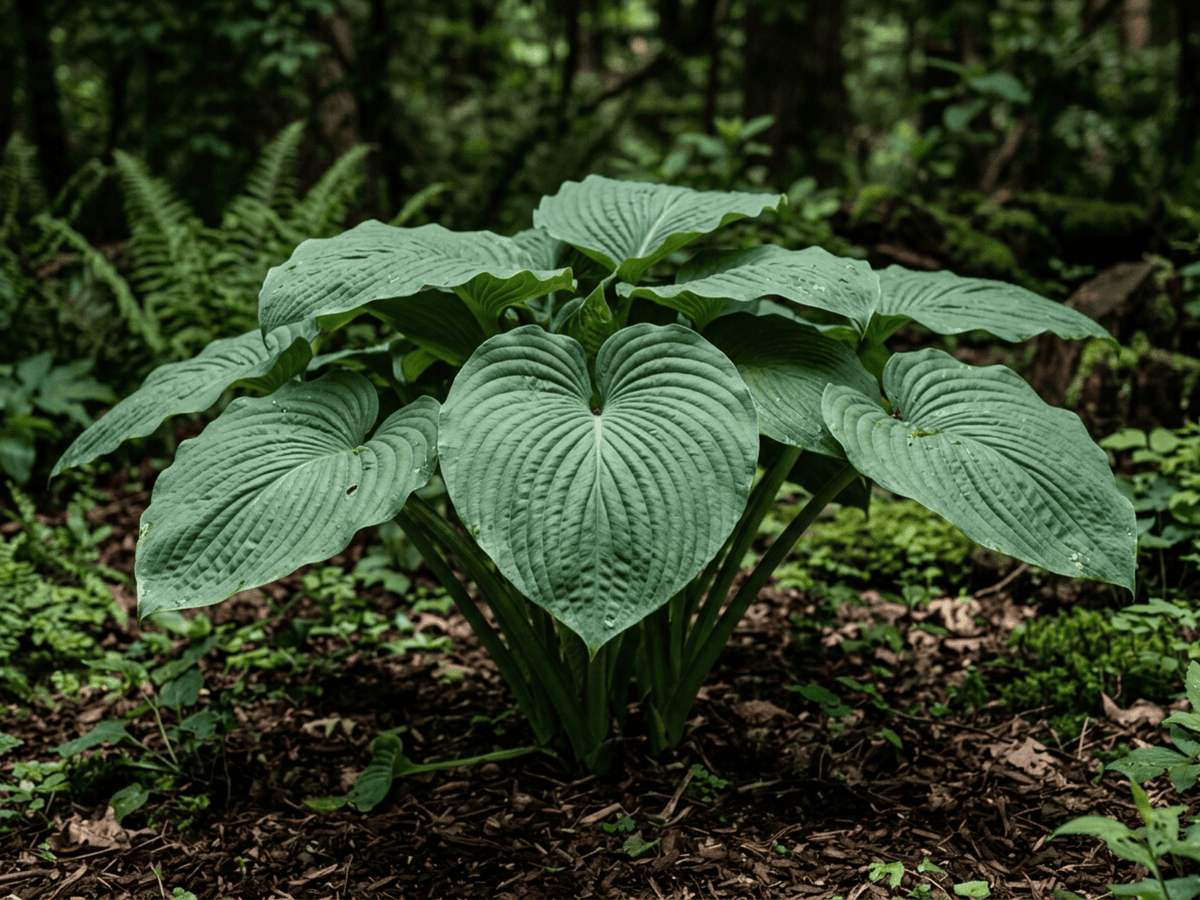 Mountain HostaHosta montana
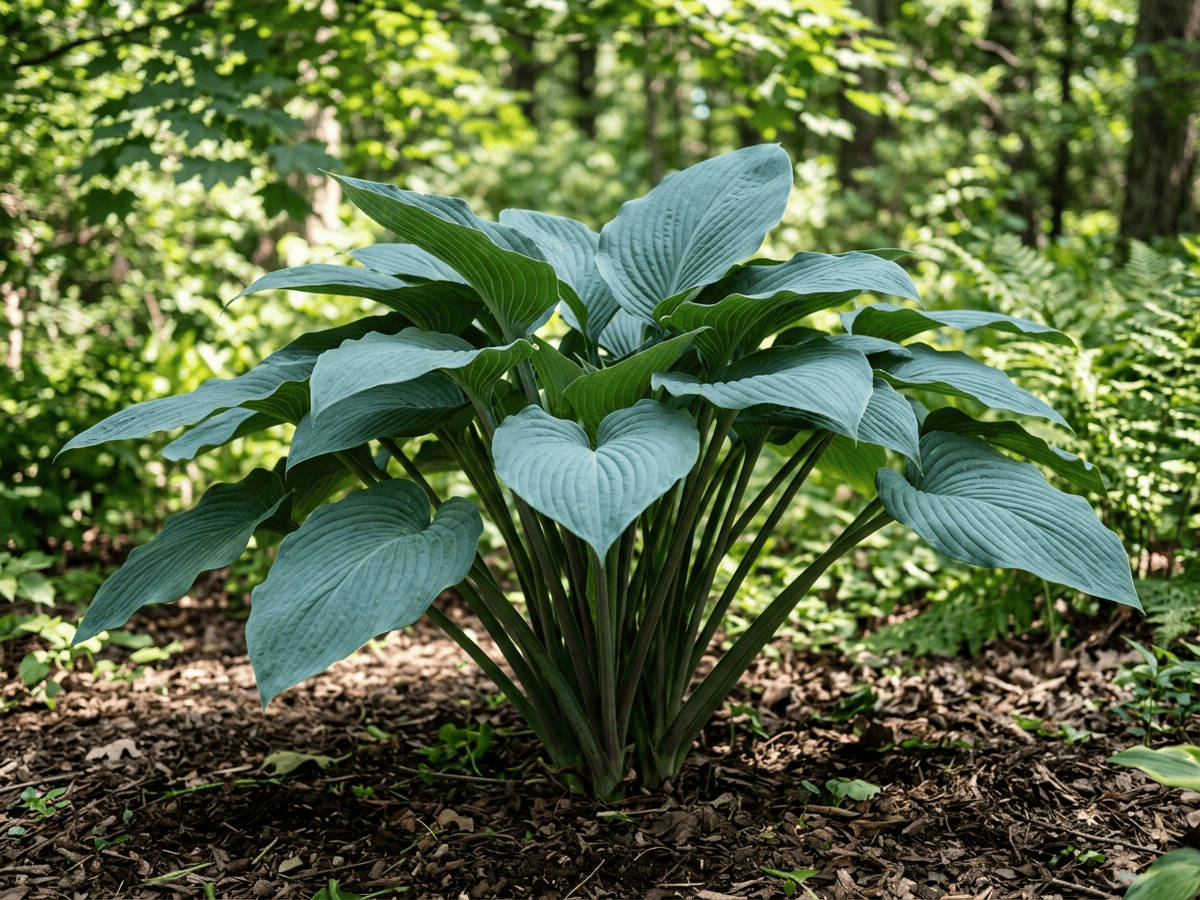 HostaHosta nigrescens
Plants with similar care
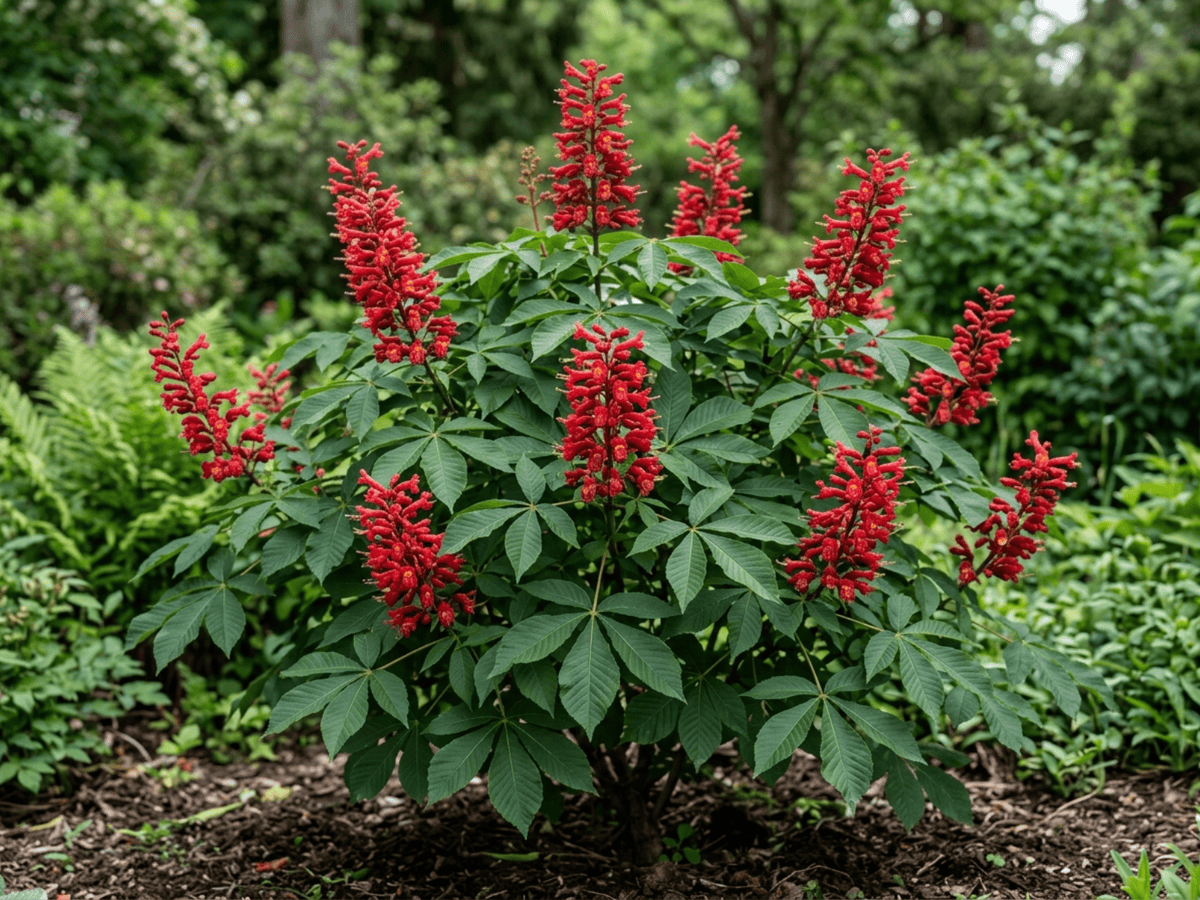 Red BuckeyeAesculus pavia
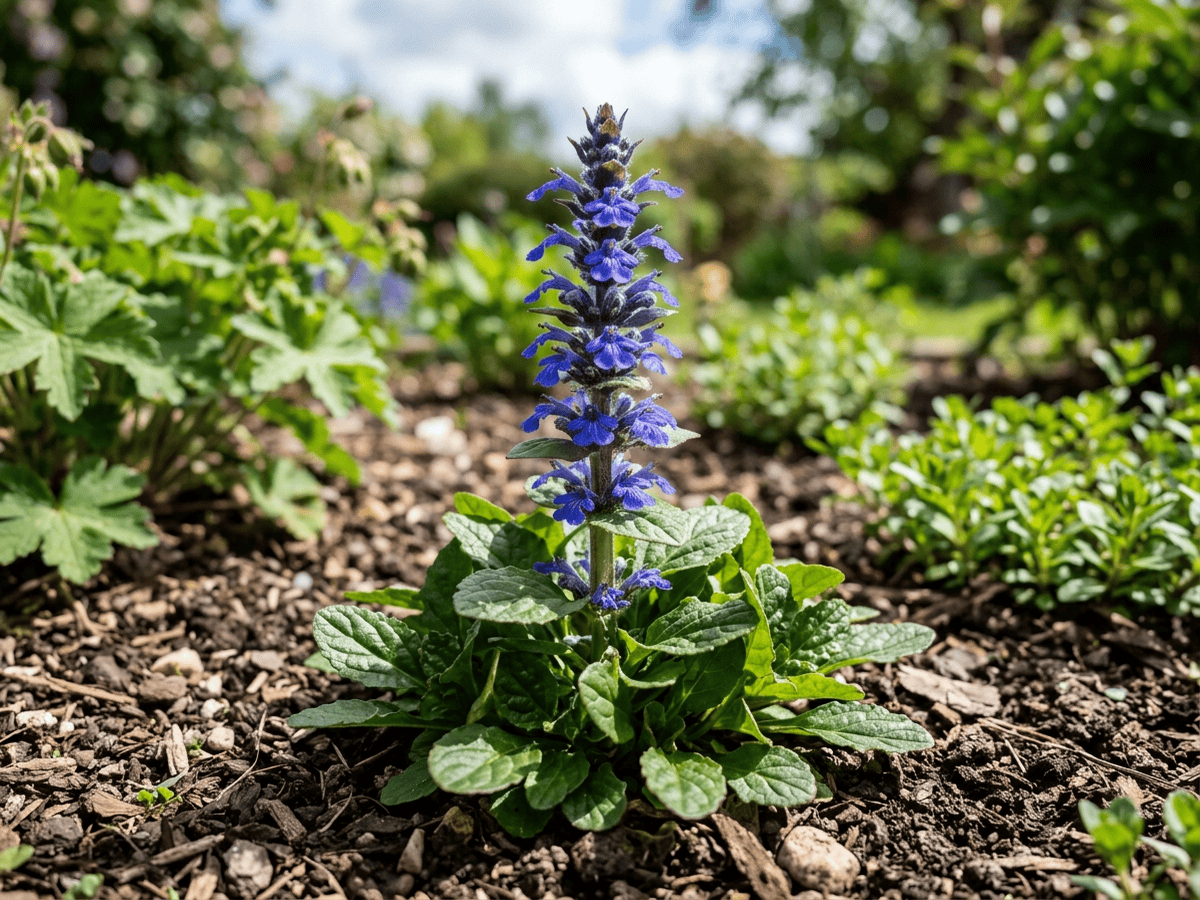 Blue BugleAjuga genevensis
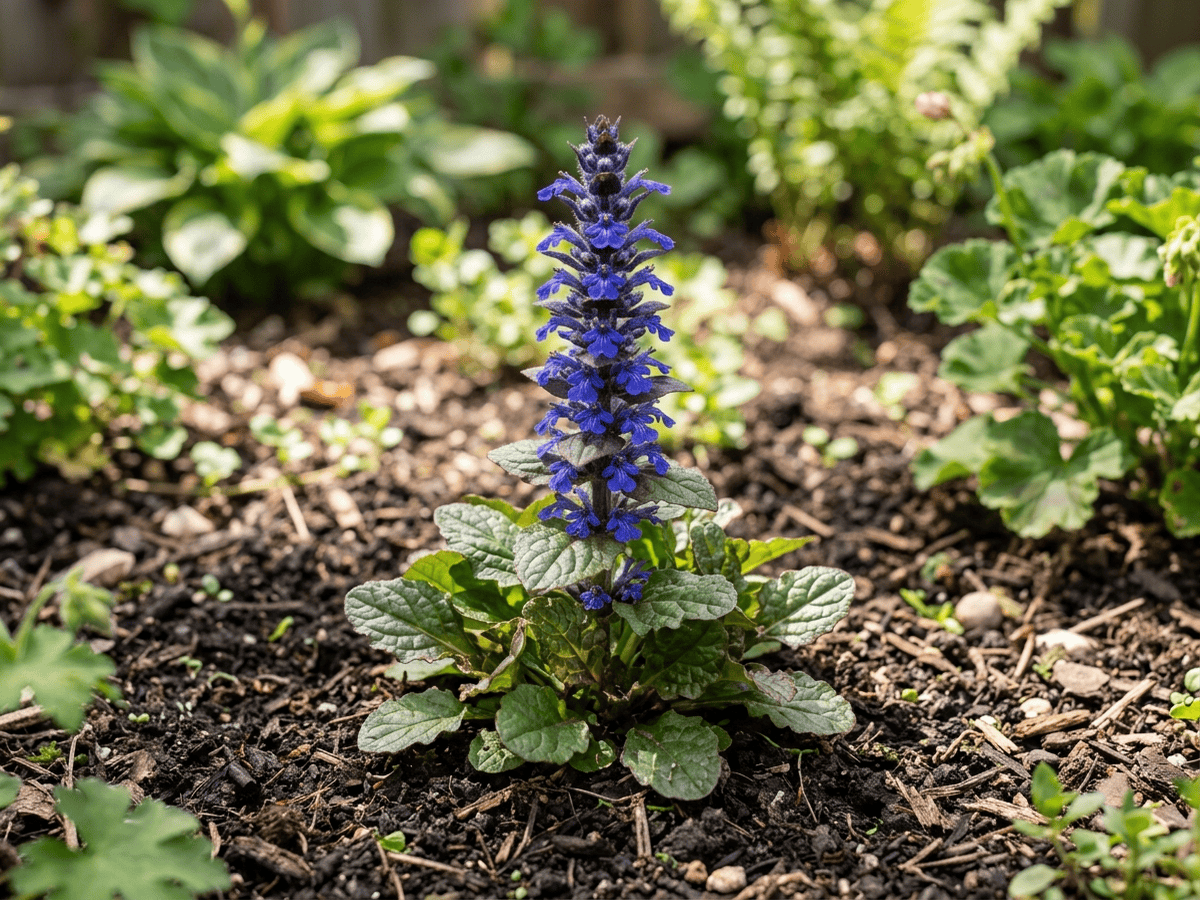 Pyramidal BugleAjuga pyramidalis
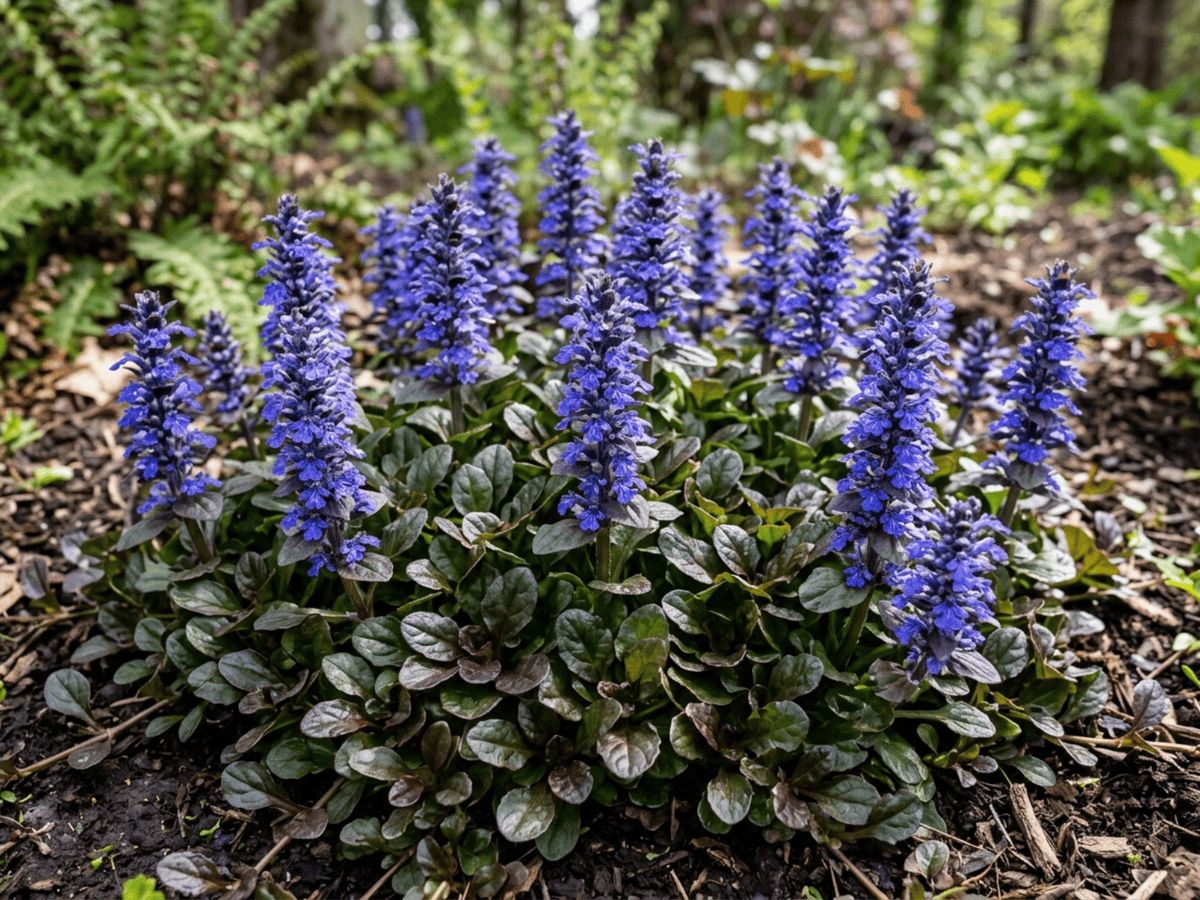 Carpet BugleAjuga reptans
Frequently asked questions
How often should I water Scented Hosta?
In summer, water about every 3 days; in winter, about every 14 days. Adjust for heat, pot size and drainage.
How much light does Scented Hosta need?
Part shade: 2–4 hrs direct. Watch the leaves — scorching or stretching means the light needs adjusting.
Is Scented Hosta toxic to cats or dogs?
Pets Moderate (Dogs Moderate · Cats Moderate) Educational information, not medical or veterinary advice. If exposure is suspected, contact a doctor or veterinarian.
Is Scented Hosta easy to grow?
Yes — it is considered an easy, beginner-friendly plant.
When does Scented Hosta bloom?
It typically blooms Jun–Sep in the Northern Hemisphere.
YardMate
Identify any plant in seconds
Snap a photo — YardMate names the plant, diagnoses problems, and reminds you when to water.
Download on the App Store