 YardMate


Small-Leaved Plantain Lily
Hosta sieboldii
Easy · Beginner friendlyAbout Small-Leaved Plantain Lily
Siebold's Hosta is a compact Japanese species with narrow lance-shaped green leaves often edged in cream or white, one of the smaller classic hostas perfect for shade borders and edging. Growing 12 to 18 inches tall and 12 to 24 inches wide, it produces abundant purple striped funnel-shaped flowers on 2-foot scapes in late summer. A historical workhorse hosta widely planted in American shade gardens.
- Shade-tolerant
- Cold-hardy
- Compact
How to care for Small-Leaved Plantain Lily
Watering
- Springevery 5 days
- Summerevery 3 days
- Fallevery 7 days
- Winterpause watering
Soil · Rich & well-draining
- Top dressingCompost10%
- Main mixPotting soil + compost 3:180%
- DrainageGravel10%
Top up the compost layer each season.
FERTILIZER
Balanced Feed 14-14-14
An even feed covers all three needs at once, keeping leaves, roots and blooms moving together with nothing pushed out of balance.
- Nitrogen · Leaves
- Phosphorus · Roots + Blooms
- Potassium · Strength
- Springevery 45 days
At a Glance
- NativeEast Asia
- Height1–1.5 ft (0.3–0.5 m)
- Spread1.5–2.5 ft (0.5–0.8 m)
- Flower colorPurple
- Foliage colorGreen, Variegated
- SoilMoisture-retentive, Loamy, Rich
- LocationsYard
Bloom time
BLOOM CYCLE
Peak bloom
Jun–Sep
Purple striped flowers on 2-foot scapes in late summer
Fragrance
LIGHT FRAGRANCE
Flowers may be lightly fragrant, especially in warm evening air.
Toxicity
Humans Slight · Pets Moderate
saponins
Slight
- Leaf
- Ingestion
EXPOSURE Eating leaves.
EFFECT Saponins can cause mild GI upset.
NOTE Documented concern for humans: Saponins can cause mild GI upset.
Moderate
- Leaf
- Ingestion
EXPOSURE Eating leaves.
EFFECT ASPCA: vomiting, diarrhea, depression due to saponins.
NOTE ASPCA lists Hosta as toxic to dogs and cats.
Moderate
- Leaf
- Ingestion
EXPOSURE Eating leaves.
EFFECT ASPCA: vomiting, diarrhea, depression due to saponins.
NOTE ASPCA lists Hosta as toxic to dogs and cats.
Educational information, not medical or veterinary advice. If exposure is suspected, contact a doctor or veterinarian.
DISTRIBUTION


- Native
- East Asia
History
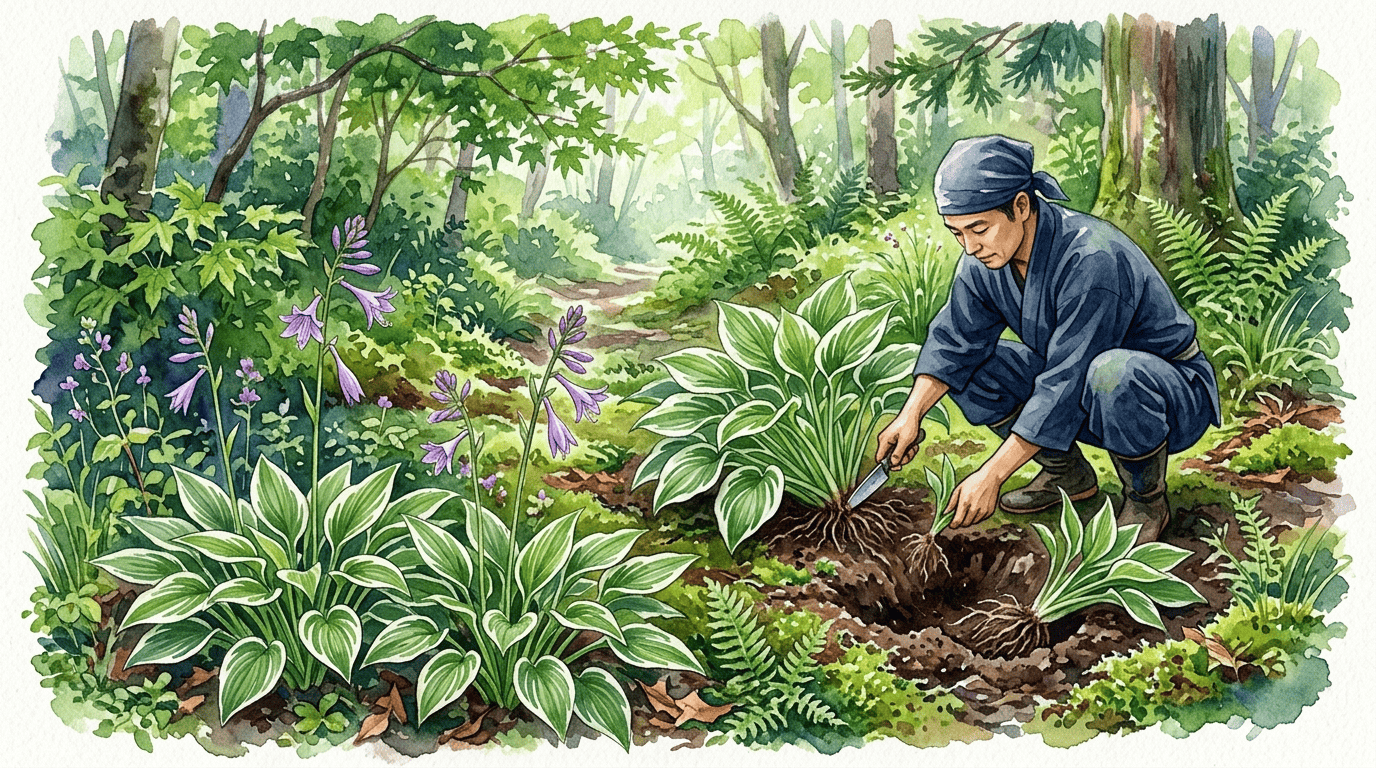
Hosta sieboldii is a Japanese hosta species named for Philipp Franz von Siebold, the Dutch physician who collected many Japanese plants during his 1823 to 1829 and 1859 to 1863 residencies on the island of Dejima in Nagasaki Bay. The plant is native throughout much of Japan, from Hokkaido through Kyushu, often in moist forest clearings. Belgian botanist Henri Jean François Willebrord Blume validated the species name in 1844.
The type form has narrow green leaves with distinct white margins, and the variety albomarginata has been cultivated in Japan for centuries and in Europe since the 19th century. It remains a heritage variegated hosta valued in cottage and shade gardens.
Narrow-leaved H. sieboldii descendants include the cultivars Ginko Craig, Kabitan, and Golden Tiara. Introduced from Japan by German physician and botanist Philipp Franz von Siebold in the 1830s, who smuggled it from Nagasaki despite Japanese export restrictions.
Symbolism & meaning
What It Symbolizes
The Small-Leaved Plantain Lily evokes Lasting kindness — a modest hosta passed quietly between gardens for generations, dependable in shade where flashier plants fail. It is also a Smuggled treasure, carried out of secluded Edo-era Japan by Philipp von Siebold in the 1830s, transforming Western shade gardens. A small plant with a long, quietly subversive history.
- Lasting kindness — reliable small hosta for generations
- Smuggled treasure — brought out of secluded Japan in 1830s
Where the Name Comes From
The name Small-Leaved Plantain Lily describes its small leaves. 'sieboldii' honors Philipp Franz von Siebold (1796-1866), German physician who introduced many Japanese plants to Europe.
Uses & Fun Facts
- Variegated lance-shaped leaves brighten shaded borders
- Spreading clumps fill dim woodland-garden gaps
- Young shoots eaten as urui vegetable in Japan
Related plants
More Hosta plants
 Fortune's HostaHosta fortunei
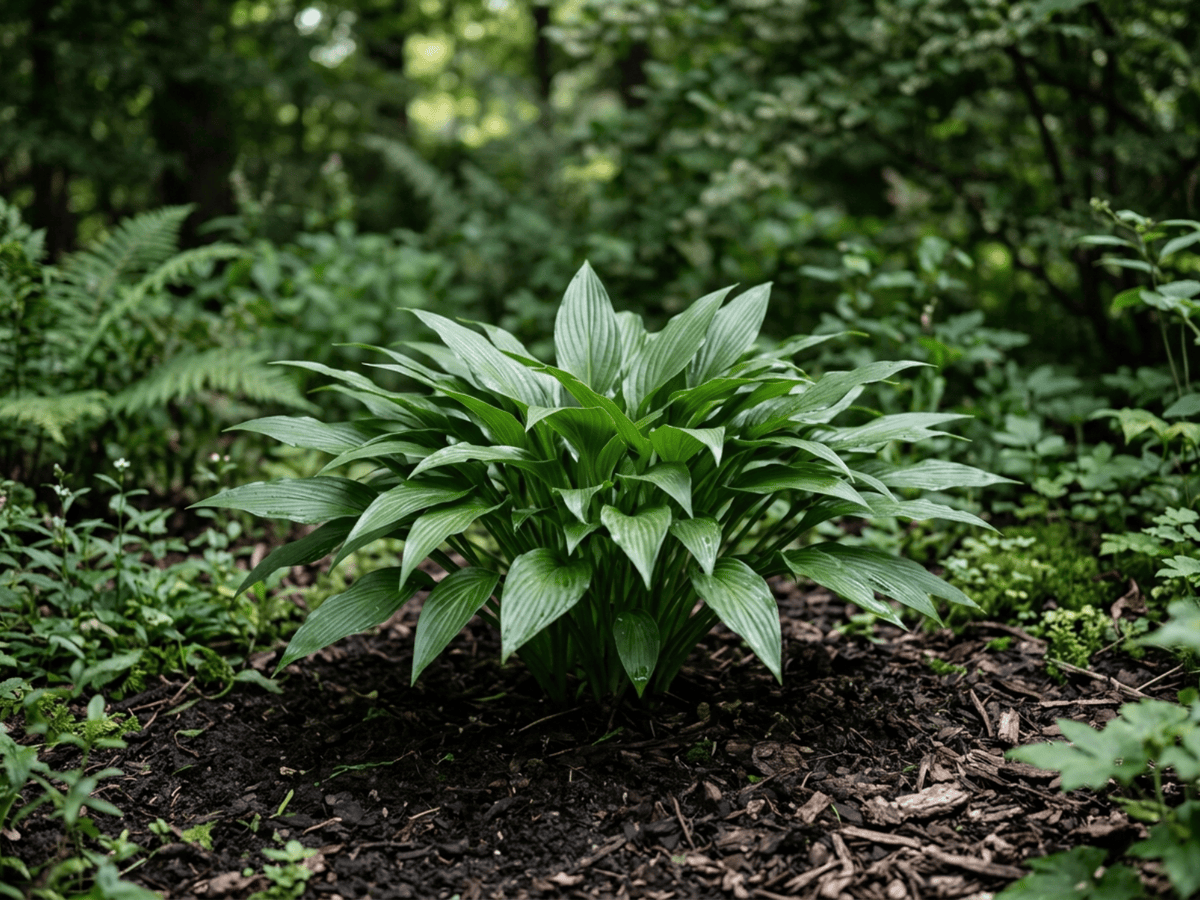 Narrow-Leaved Plantain-LilyHosta lancifolia
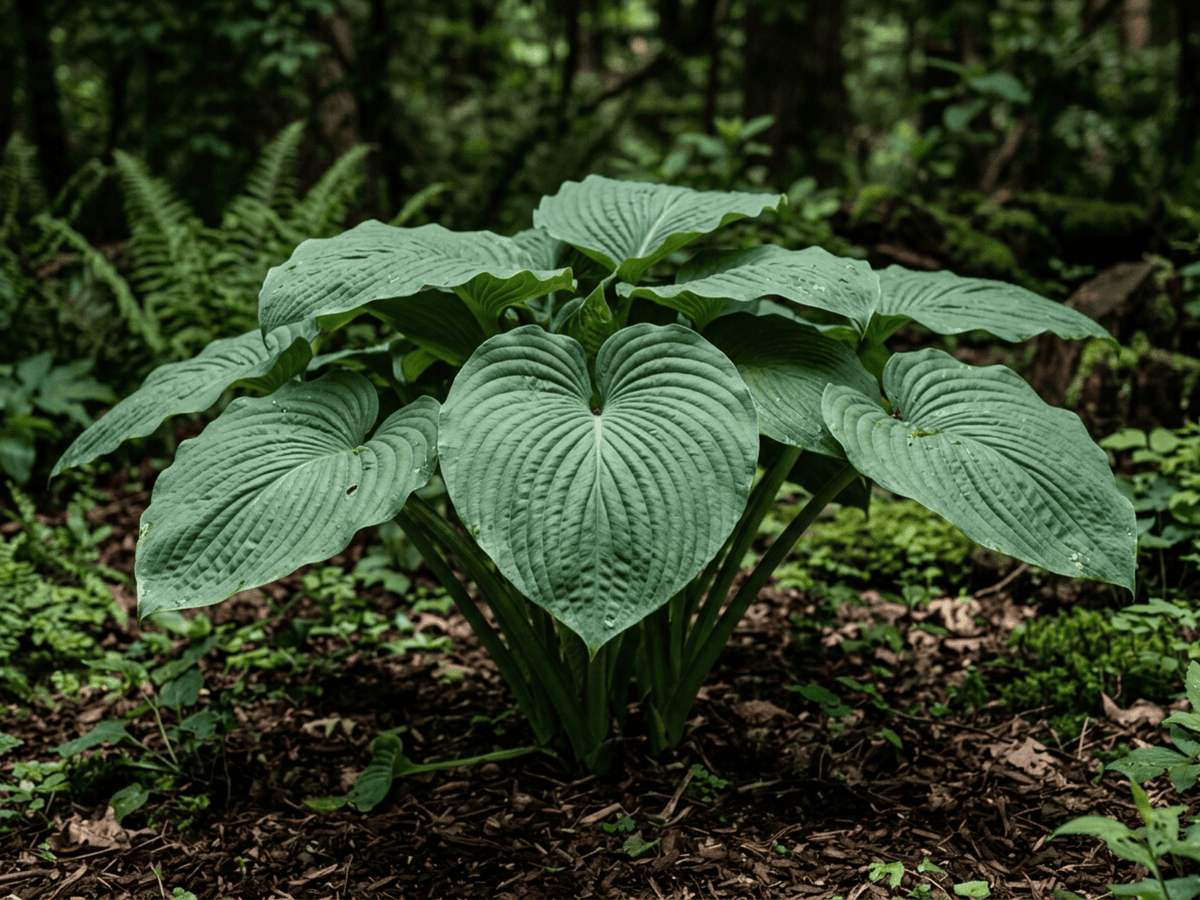 Mountain HostaHosta montana
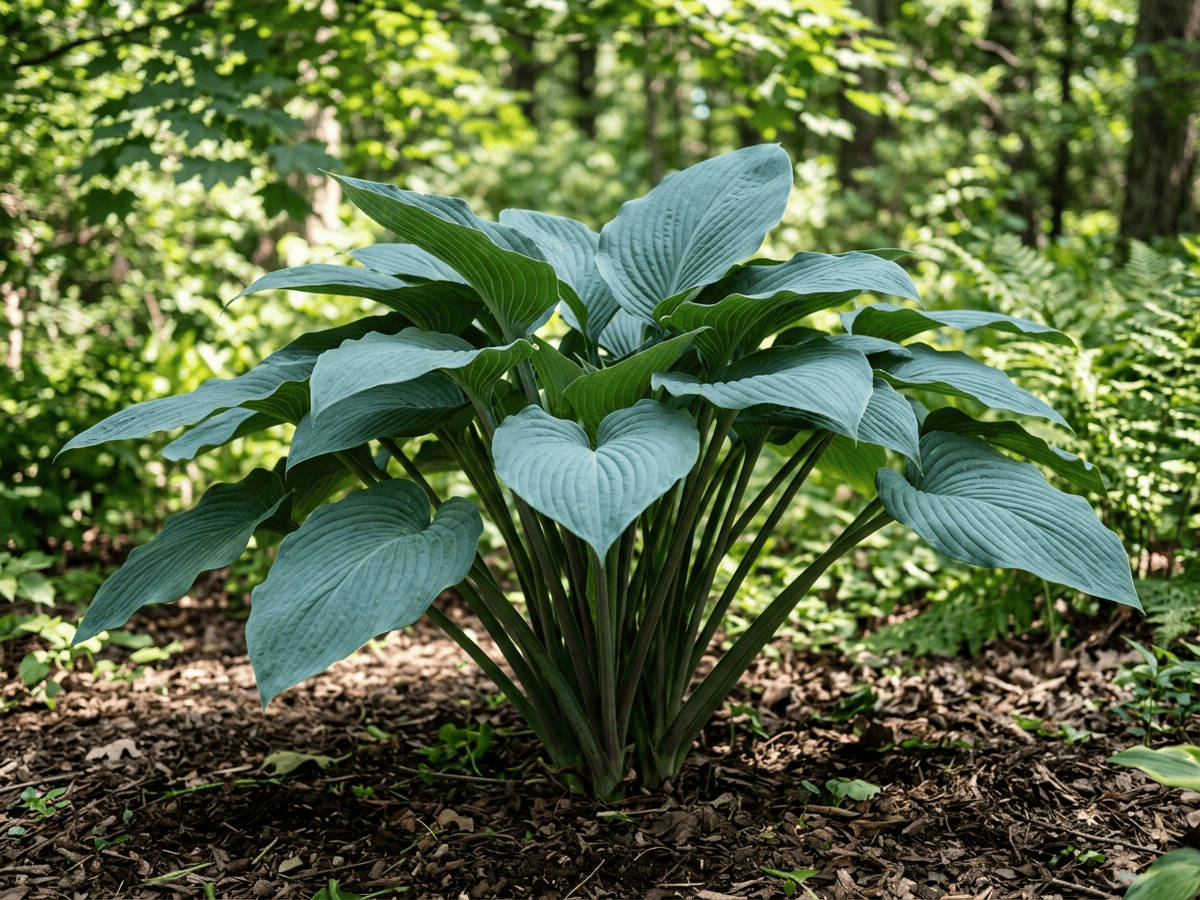 HostaHosta nigrescens
Plants with similar care
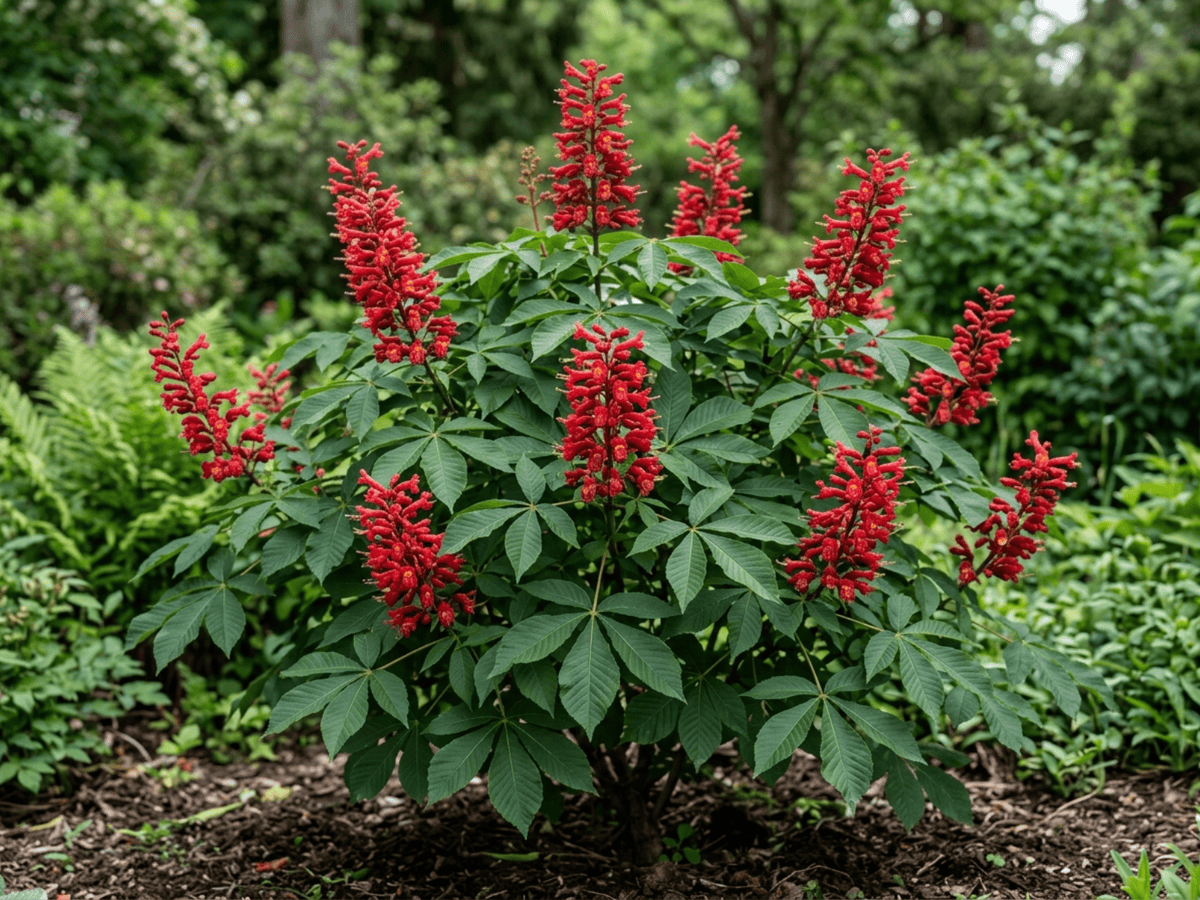 Red BuckeyeAesculus pavia
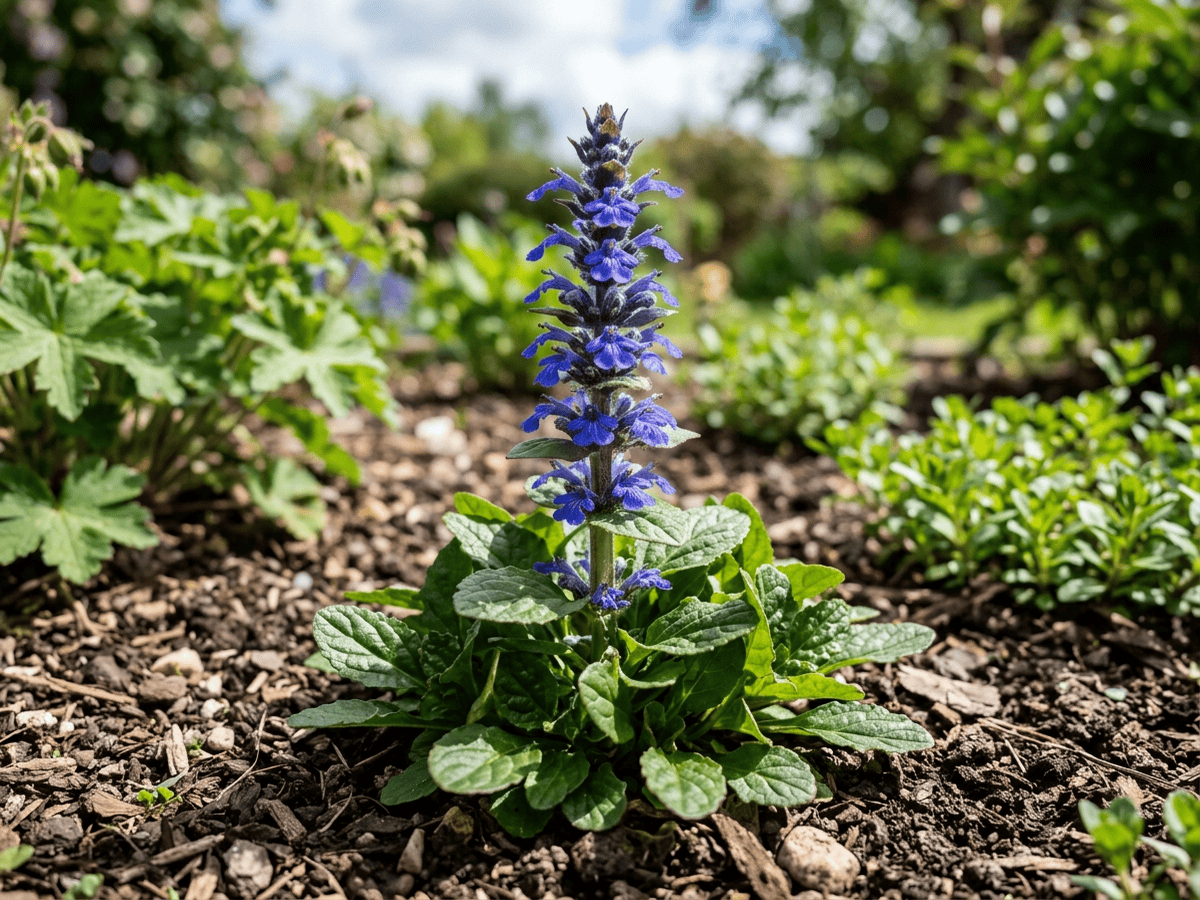 Blue BugleAjuga genevensis
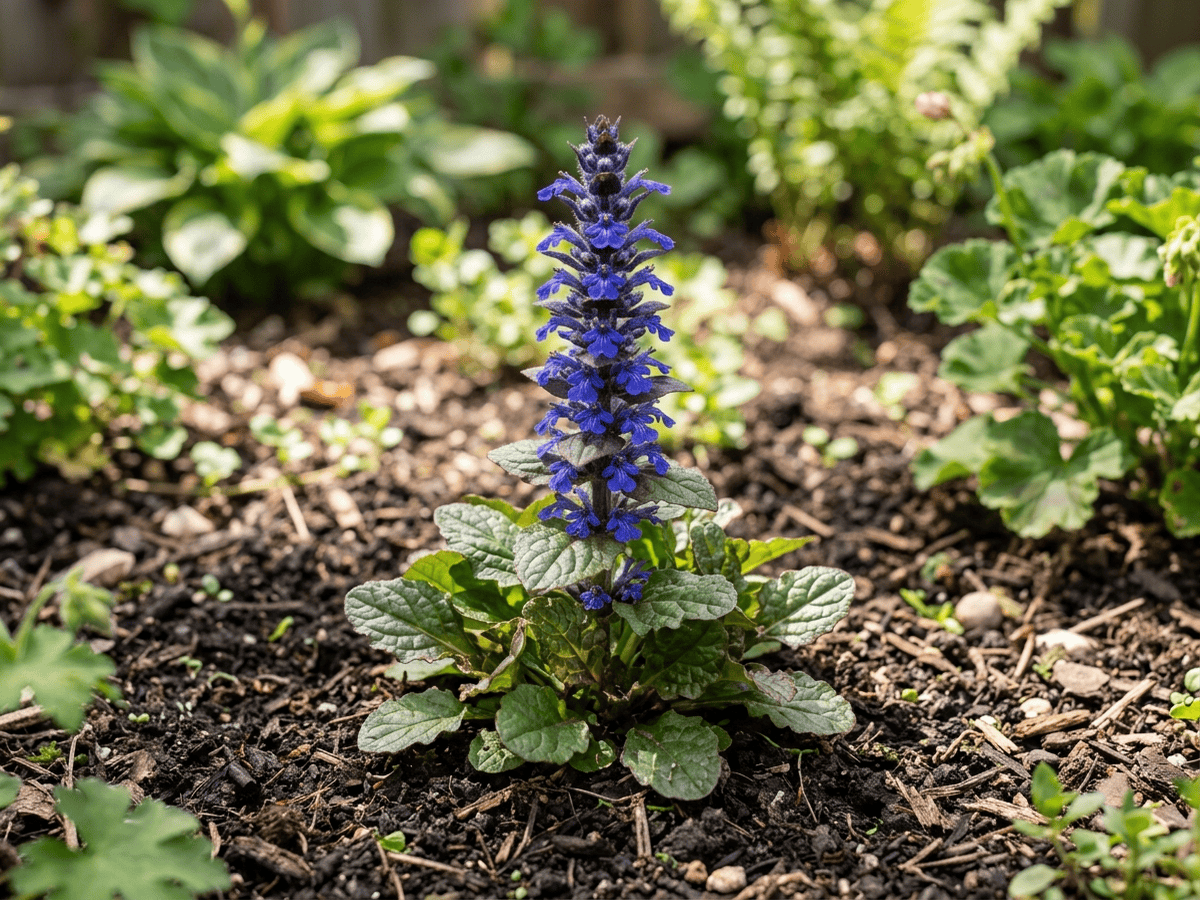 Pyramidal BugleAjuga pyramidalis
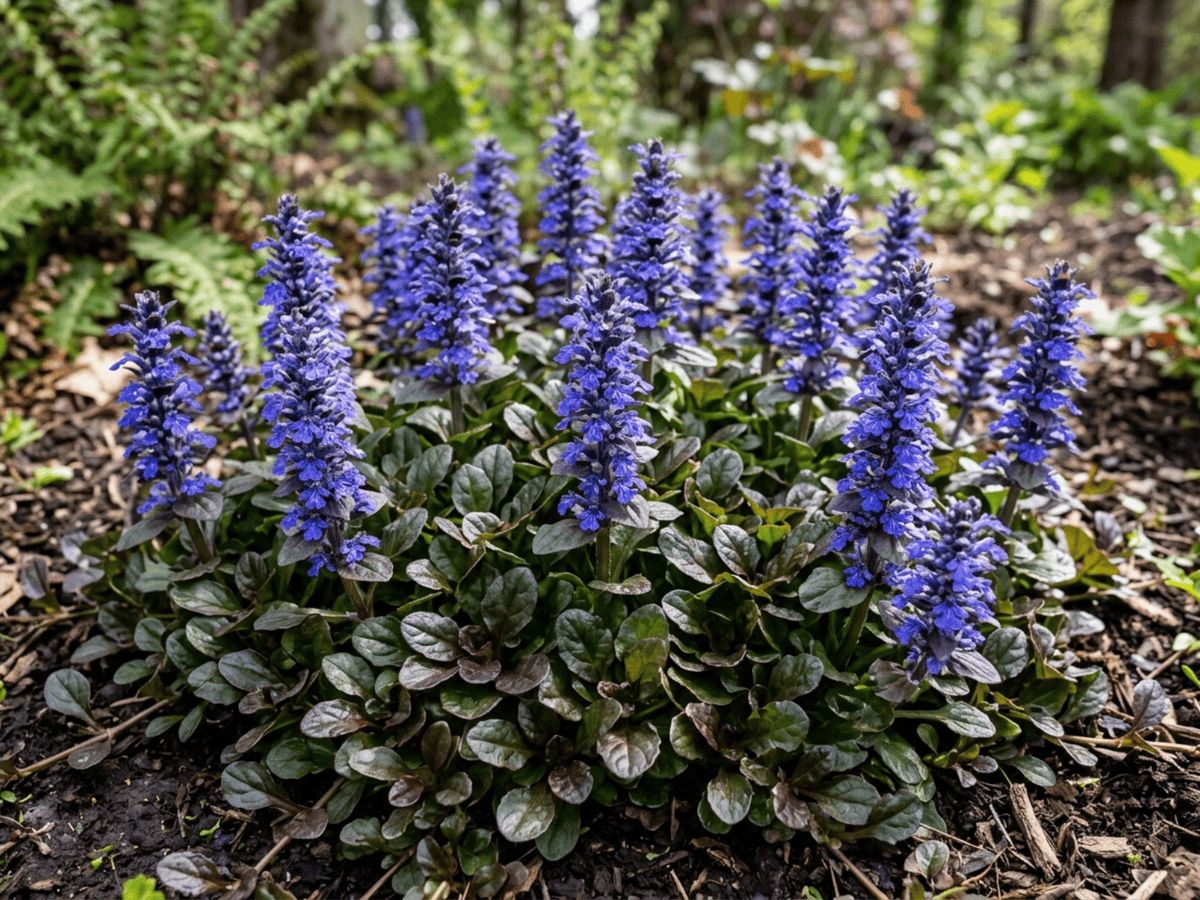 Carpet BugleAjuga reptans
Frequently asked questions
How often should I water Small-Leaved Plantain Lily?
Water about every 5 days during the growing season, and always let excess water drain away.
How much light does Small-Leaved Plantain Lily need?
Part shade: 2–4 hrs direct. Watch the leaves — scorching or stretching means the light needs adjusting.
Is Small-Leaved Plantain Lily toxic to cats or dogs?
Pets Moderate (Dogs Moderate · Cats Moderate) Educational information, not medical or veterinary advice. If exposure is suspected, contact a doctor or veterinarian.
Is Small-Leaved Plantain Lily easy to grow?
Yes — it is considered an easy, beginner-friendly plant.
When does Small-Leaved Plantain Lily bloom?
It typically blooms Jun–Sep in the Northern Hemisphere.
YardMate
Identify any plant in seconds
Snap a photo — YardMate names the plant, diagnoses problems, and reminds you when to water.
Download on the App Store