 YardMate



Tokudama Hosta
Hosta tokudama
Easy · Beginner friendlyAbout Tokudama Hosta
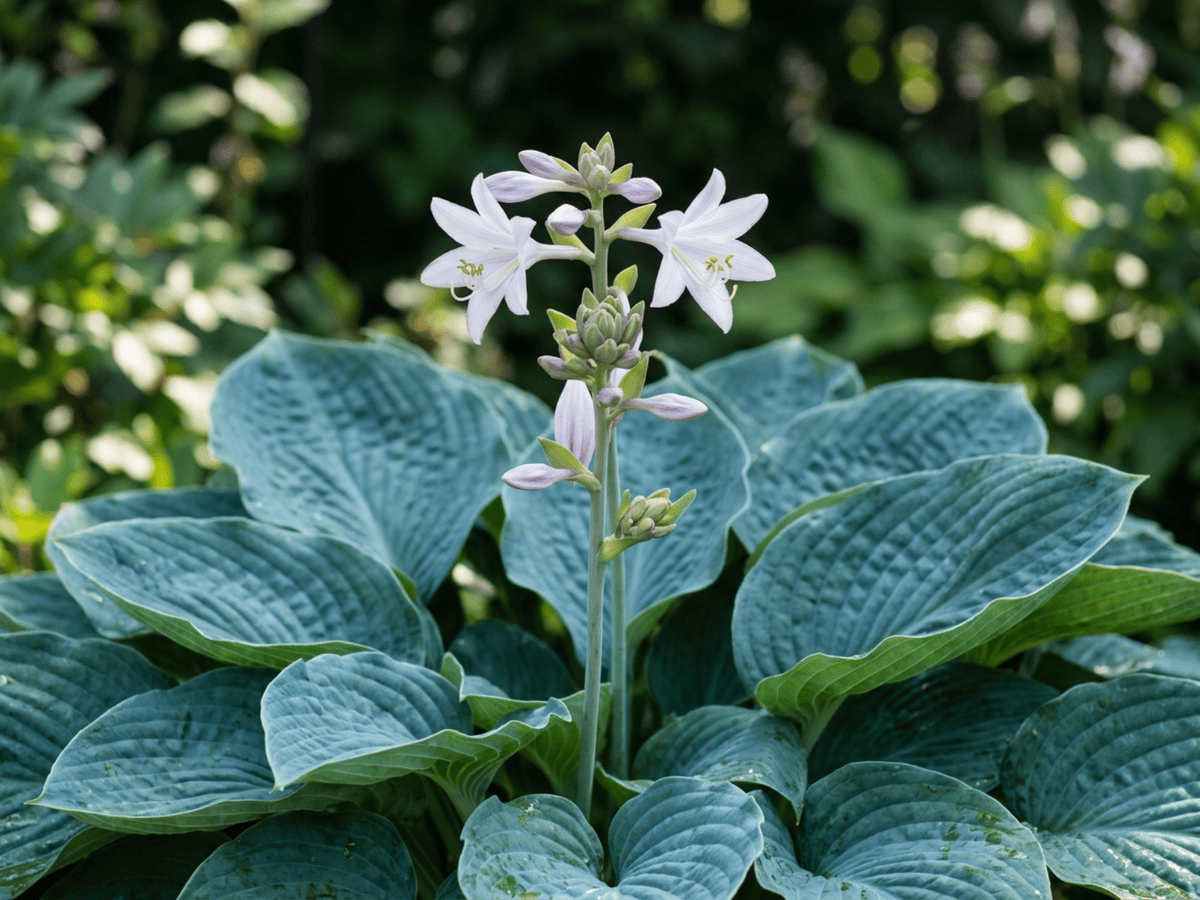
Tokudama Hosta is a compact, slow-growing Japanese species hosta with thick, heavily-puckered, round blue-green leaves in a tight mound 12–18 inches tall. One of the classic 'blue' hostas, grown in American shade gardens for its intense leaf color and sculptural form. 'Aureonebulosa' and 'Flavocircinalis' offer gold-centered or gold-edged variants. Resistant to slug damage due to thick leaves. Hardy zones 3–8.
- Shade-tolerant
How to care for Tokudama Hosta
Watering
- Springevery 4 days
- Summerevery 3 days
- Fallevery 5 days
- Winterpause watering
Soil · Well-draining
- Top dressingPine bark mulch10%
- Main mixPotting soil + perlite 2:170%
- DrainageLECA / gravel20%
Never skip the drainage layer — standing water is the top cause of root rot.
FERTILIZER
Balanced Feed 14-14-14
An even feed covers all three needs at once, keeping leaves, roots and blooms moving together with nothing pushed out of balance.
- Nitrogen · Leaves
- Phosphorus · Roots + Blooms
- Potassium · Strength
- Springevery 30 days
- Summerevery 30 days
At a Glance
- NativeEast Asia
- Height1–2 ft (0.3–0.6 m)
- Spread2–3 ft (0.6–0.9 m)
- Flower colorWhite, Purple
- Foliage colorBlue-green
- SoilLoamy, Moisture-retentive, Rich
- LocationsYard
Bloom time
BLOOM CYCLE
Peak bloom
Jul
White lily flowers midsummer
Toxicity
Humans Slight · Pets Moderate
saponins
Slight
- All
- Ingestion
EXPOSURE Eating any part of the plant.
EFFECT Mild GI upset if raw.
NOTE Documented concern for humans: Mild GI upset if raw.
Moderate
- All
- Ingestion
EXPOSURE Eating any part of the plant.
EFFECT Vomiting, diarrhea, and depression.
NOTE ASPCA lists all Hosta as toxic to dogs and cats.
Moderate
- All
- Ingestion
EXPOSURE Eating any part of the plant.
EFFECT Vomiting, diarrhea, and depression.
NOTE ASPCA lists all Hosta as toxic to dogs and cats.
Educational information, not medical or veterinary advice. If exposure is suspected, contact a doctor or veterinarian.
DISTRIBUTION


- Native
- East Asia
History
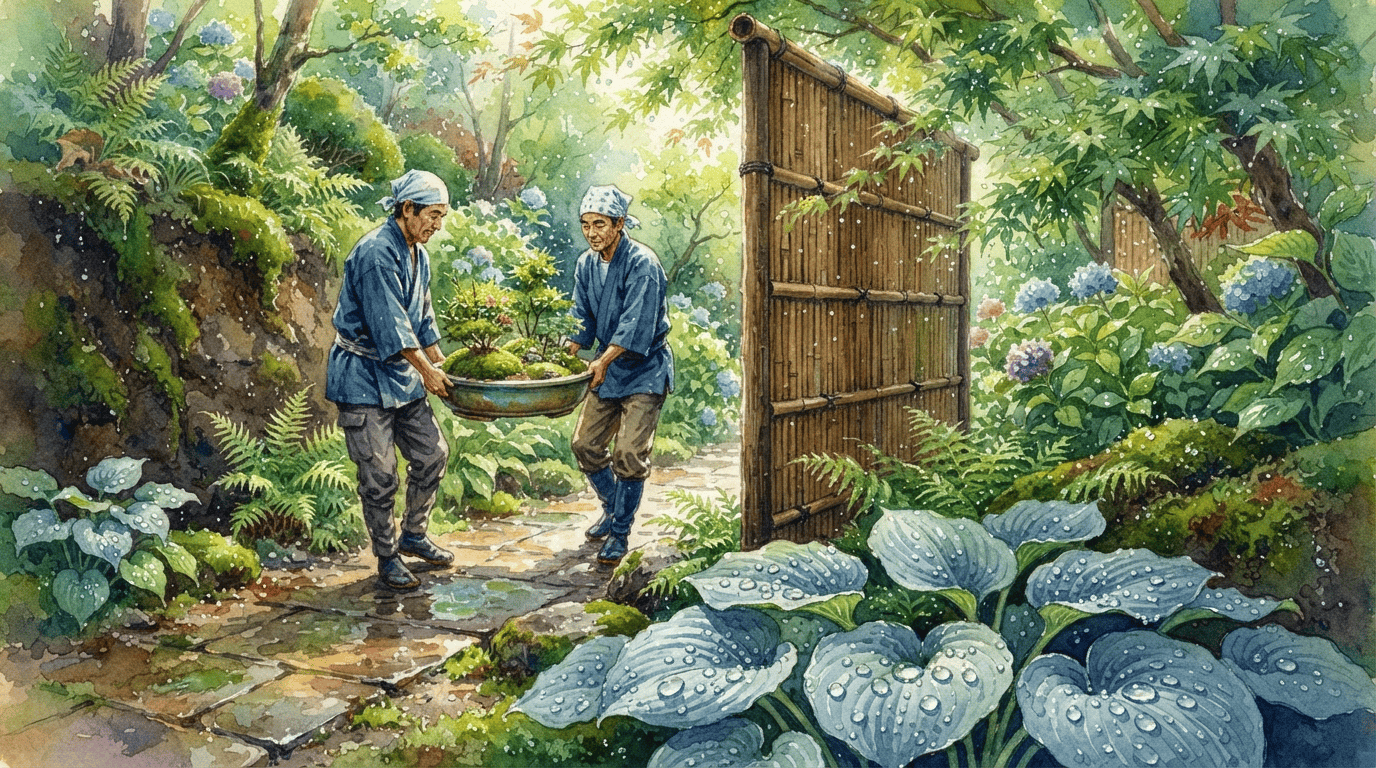
Hosta tokudama is known only from Japanese cultivation and has no confirmed wild populations, suggesting it is a selection or ancient hybrid preserved in Japanese gardens for centuries. The name was published in 1940 by botanist Jisaburo Maekawa based on cultivated stock. Its distinctive characteristics—thick puckered leaves with intensely blue glaucous bloom, rounded outline, and slow growth—made it legendary among Western hosta collectors after introduction in the mid-20th century.
Paul Aden and other American breeders used it extensively to produce celebrated cultivars including 'Love Pat' and 'Blue Angel' offspring. The blue waxy coating comes from epicuticular wax that melts in hot sun, so it requires cool shade to maintain its iconic color.
Long cultivated in Japan as a prized garden hosta; introduced to the American Hosta Society collections and widely grown since the 1960s. A parent of many modern blue-leaved hosta hybrids popular in American shade gardening.
Symbolism & meaning
What It Symbolizes
Hosta Sieboldiana brings serenity to deep shade, its puckered, blue-glaucous leaves cool as still water in the dimmest part of the garden. Among collectors it is treasured for refined leaf form, a hosta with the bearing of a museum piece. To rest your eyes on it is to feel summer's heat lift, replaced by the quiet of a porcelain-blue afternoon.
- Serenity — cool blue evokes calm
- Refinement — prized collector's hosta
Where the Name Comes From
Genus honors Nicholas Host; 'tokudama' is the original Japanese cultivated name.
Uses & Fun Facts
- Puckered blue-green rosettes star in classic shade collections
- Compact mounded foliage layers beautifully under woodland trees
- Slow-growing form holds shape for years in shaded planters
Related plants
More Hosta plants
 Fortune's HostaHosta fortunei
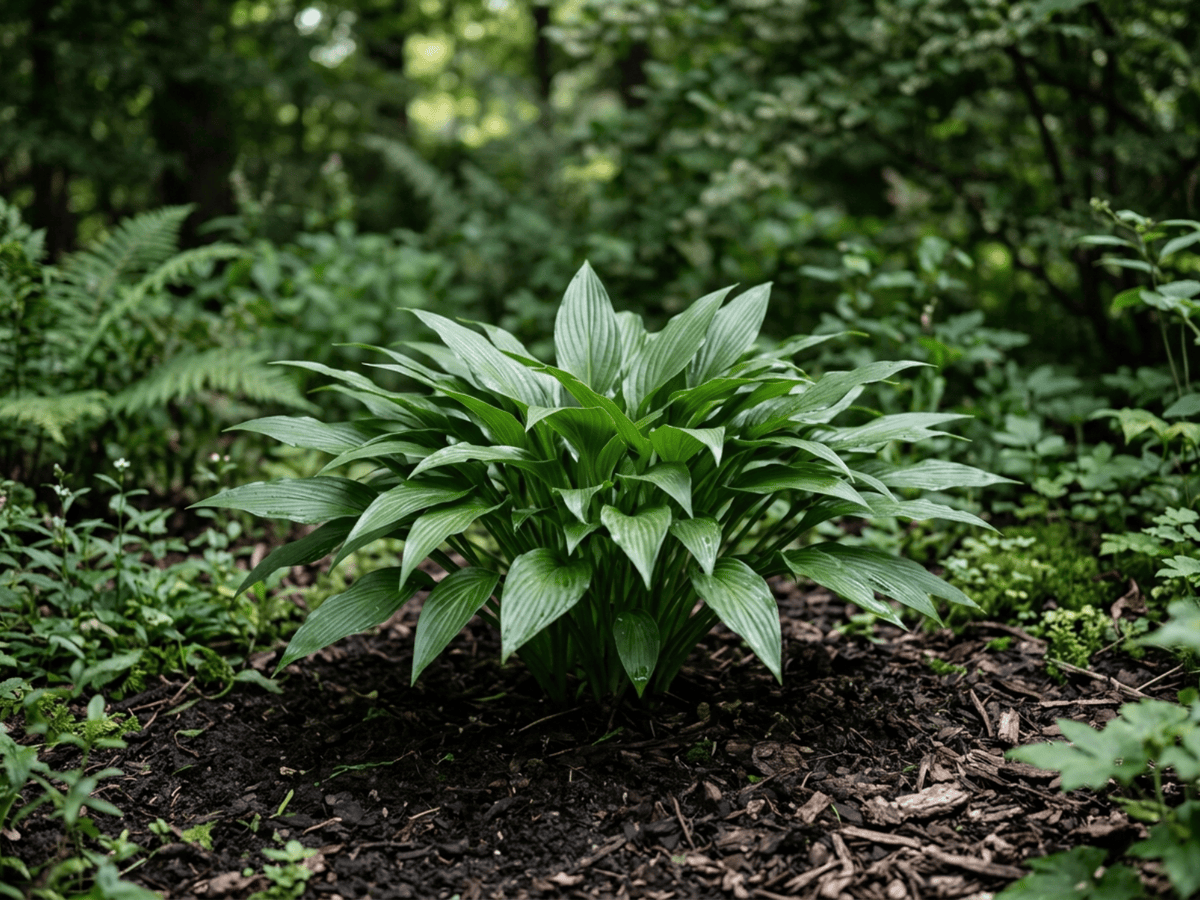 Narrow-Leaved Plantain-LilyHosta lancifolia
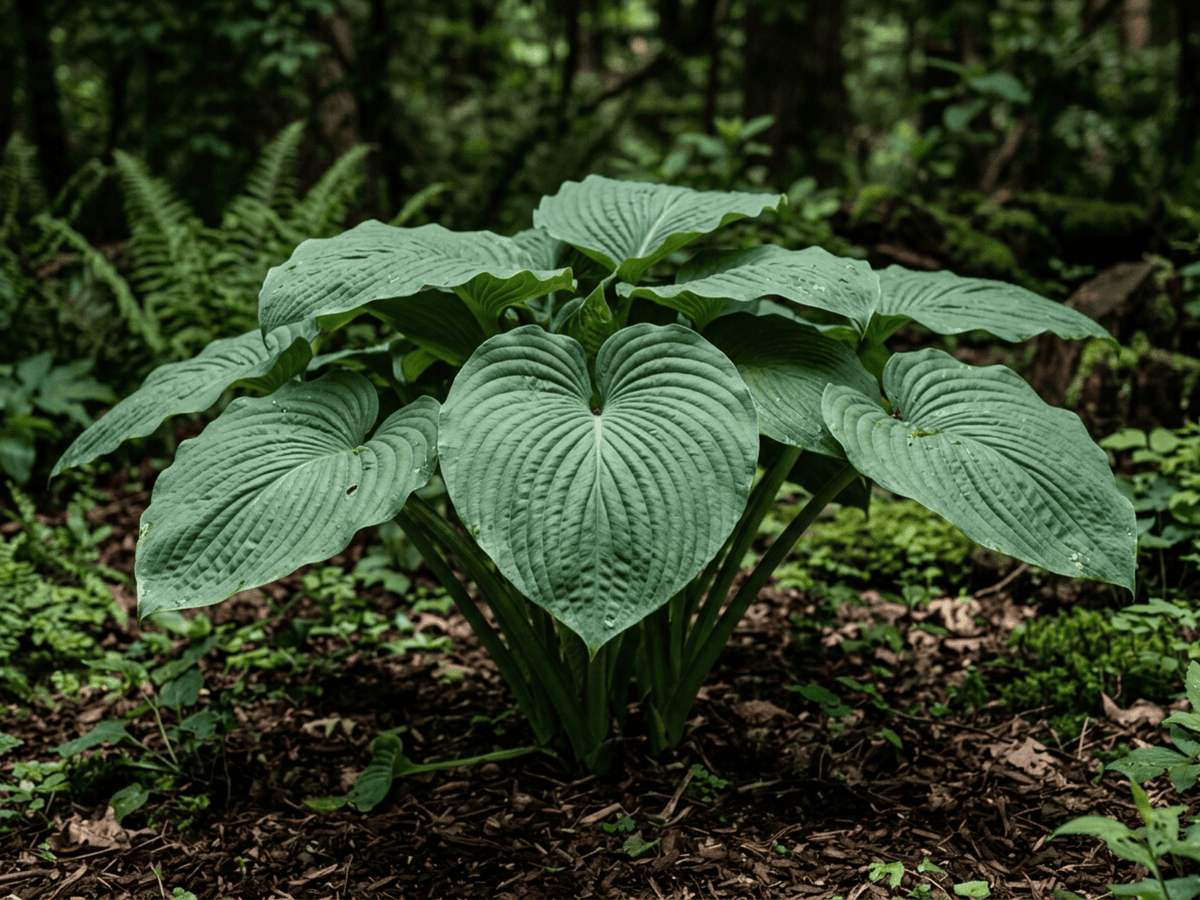 Mountain HostaHosta montana
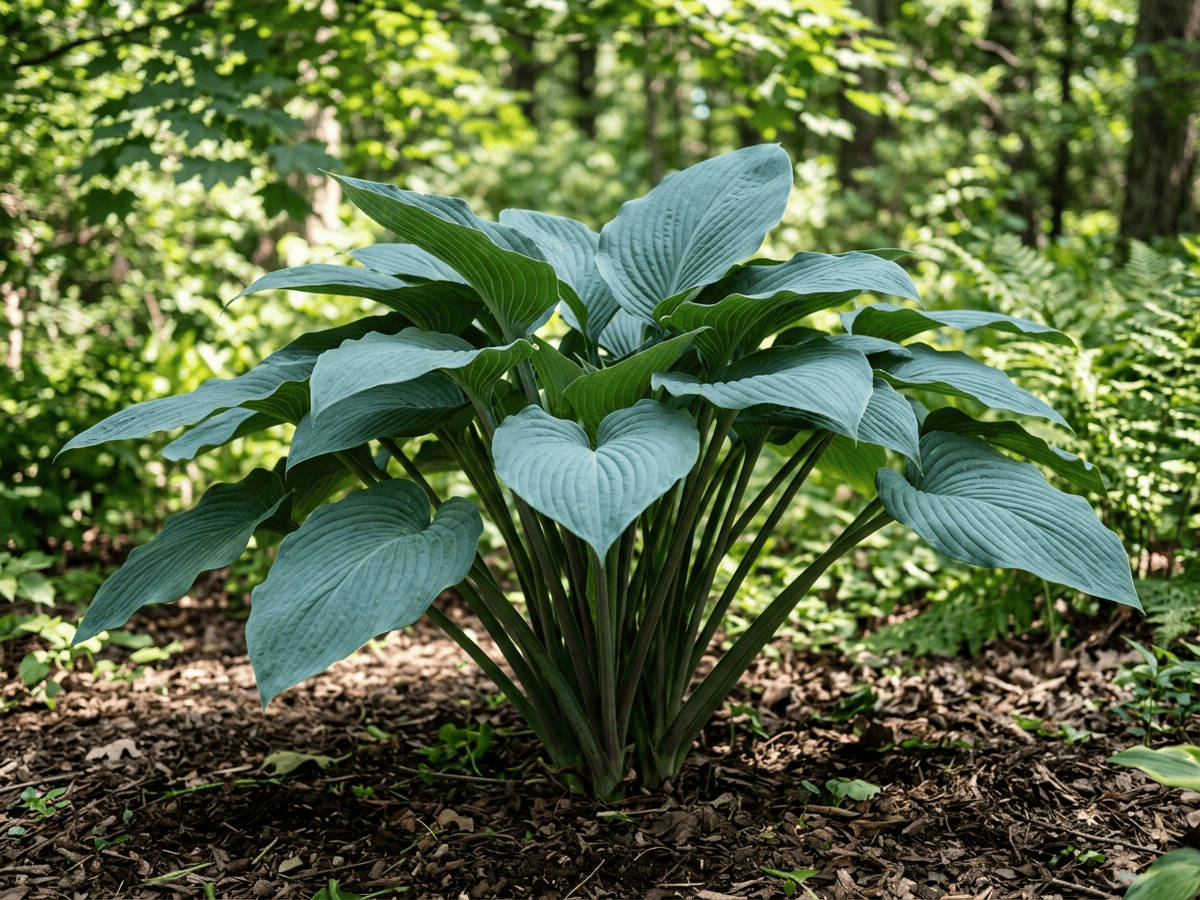 HostaHosta nigrescens
Plants with similar care
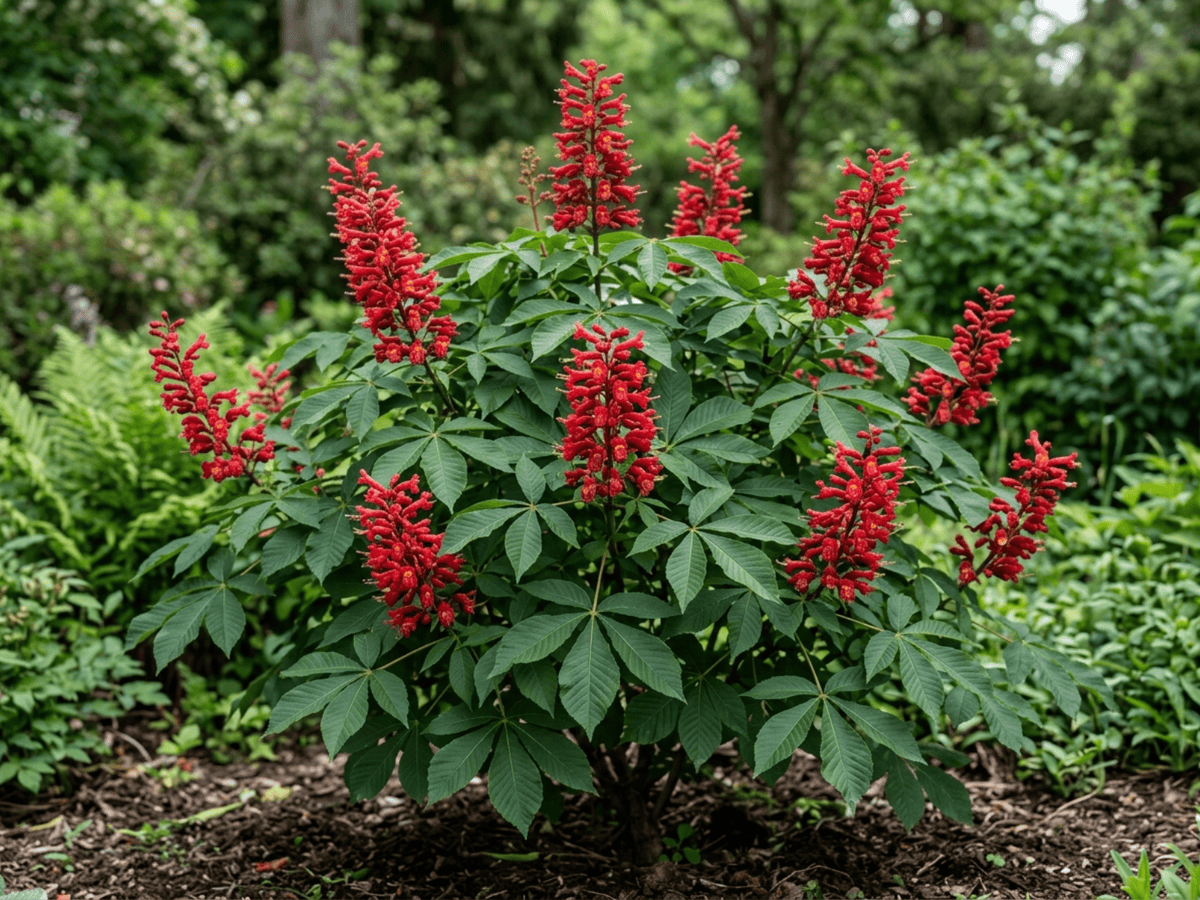 Red BuckeyeAesculus pavia
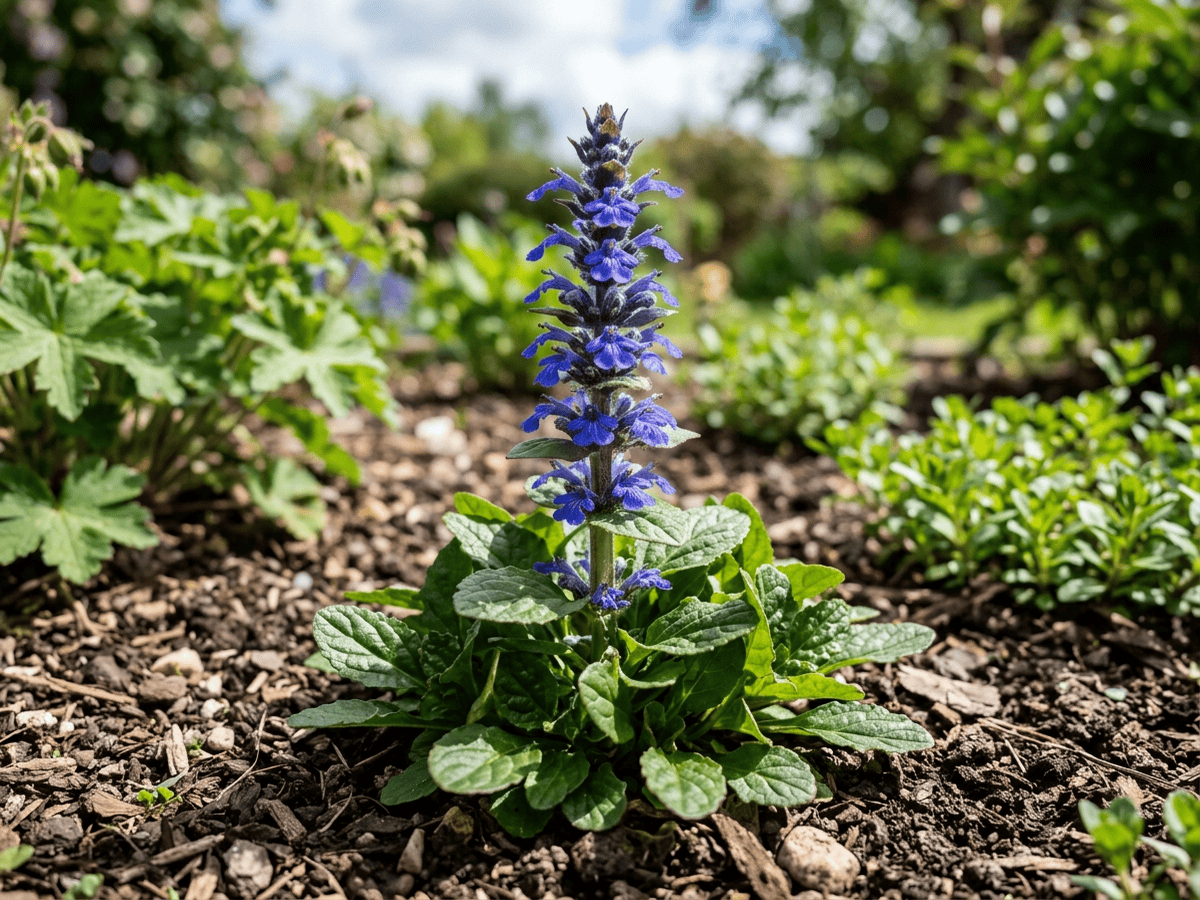 Blue BugleAjuga genevensis
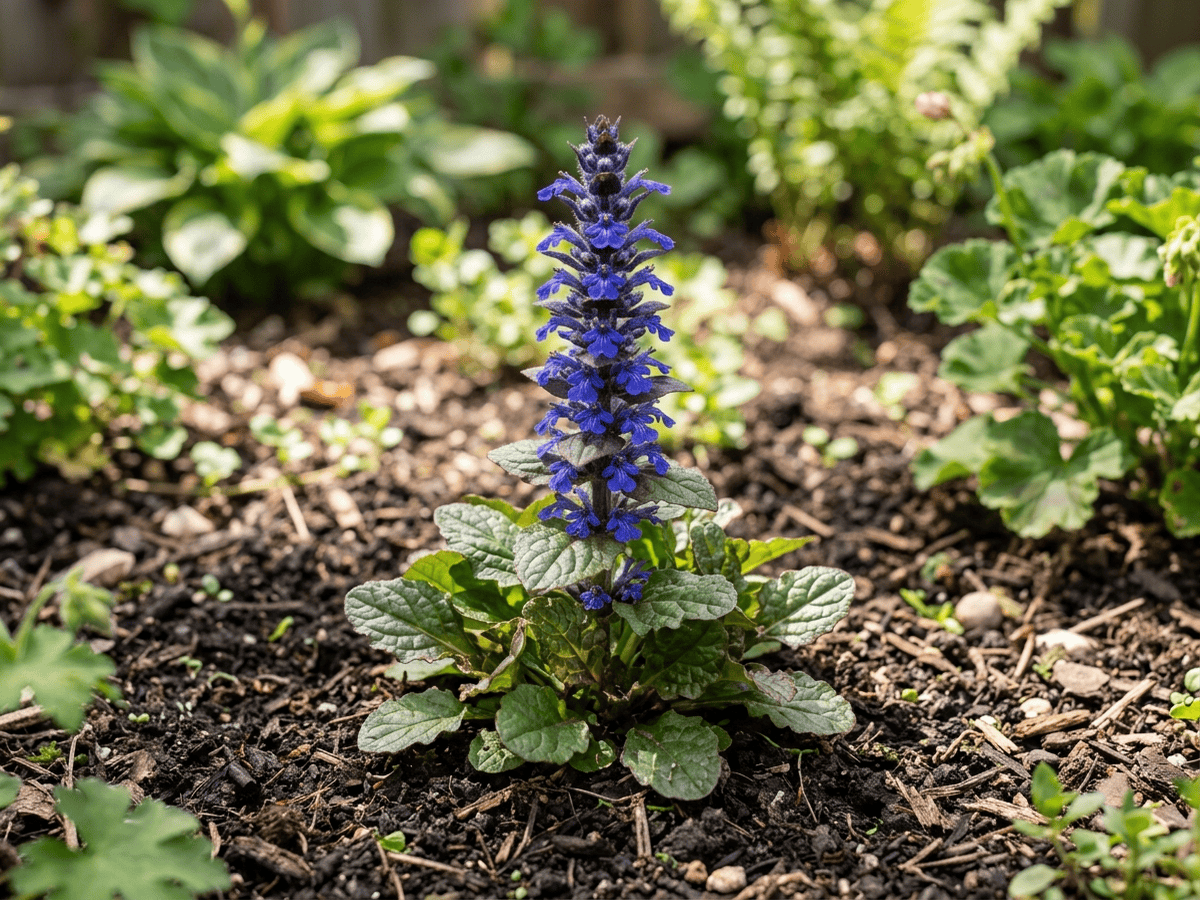 Pyramidal BugleAjuga pyramidalis
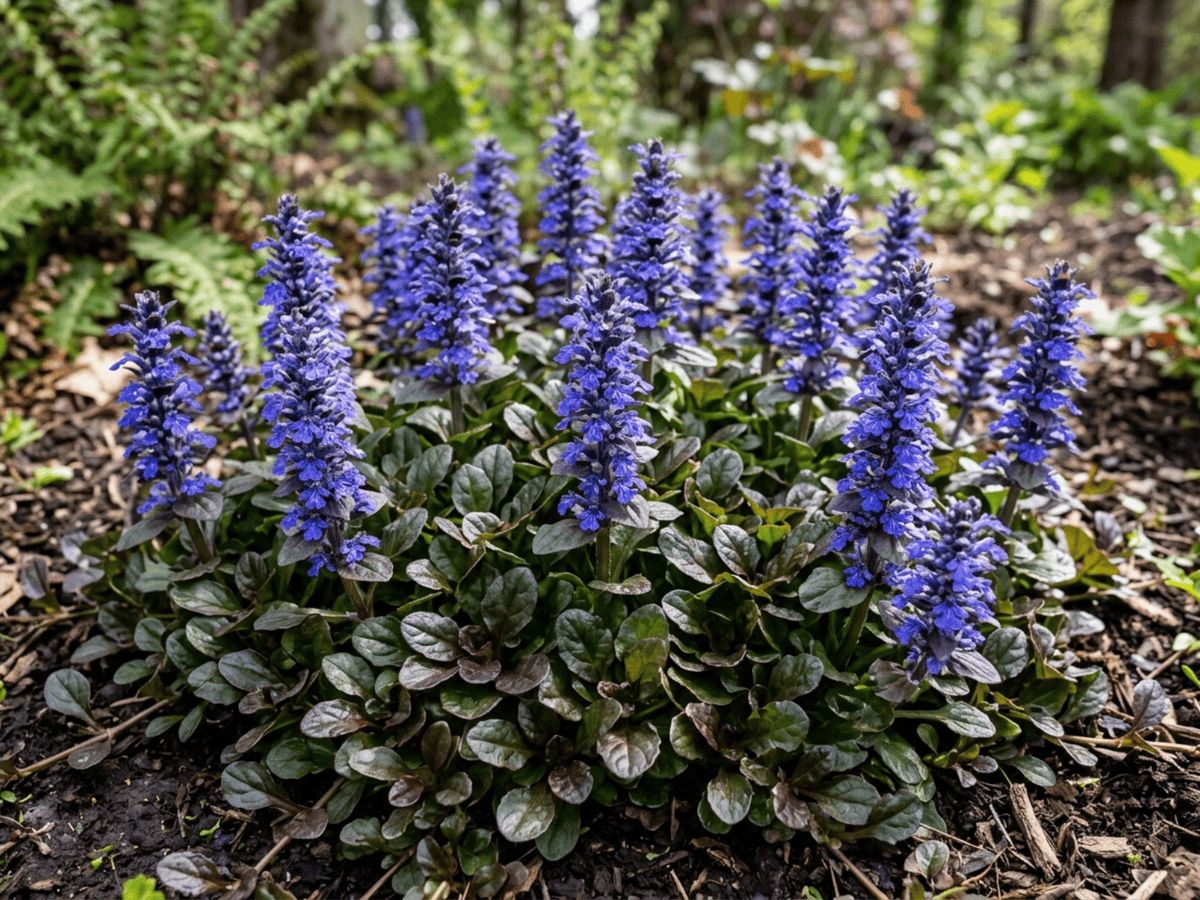 Carpet BugleAjuga reptans
Frequently asked questions
How often should I water Tokudama Hosta?
Water about every 4 days during the growing season, and always let excess water drain away.
How much light does Tokudama Hosta need?
Part shade: 2–4 hrs direct. Watch the leaves — scorching or stretching means the light needs adjusting.
Is Tokudama Hosta toxic to cats or dogs?
Pets Moderate (Dogs Moderate · Cats Moderate) Educational information, not medical or veterinary advice. If exposure is suspected, contact a doctor or veterinarian.
Is Tokudama Hosta easy to grow?
Yes — it is considered an easy, beginner-friendly plant.
When does Tokudama Hosta bloom?
It typically blooms Jul in the Northern Hemisphere.
YardMate
Identify any plant in seconds
Snap a photo — YardMate names the plant, diagnoses problems, and reminds you when to water.
Download on the App Store