 YardMate


Blue Plantain-Lily
Hosta ventricosa
Easy · Beginner friendlyAbout Blue Plantain-Lily
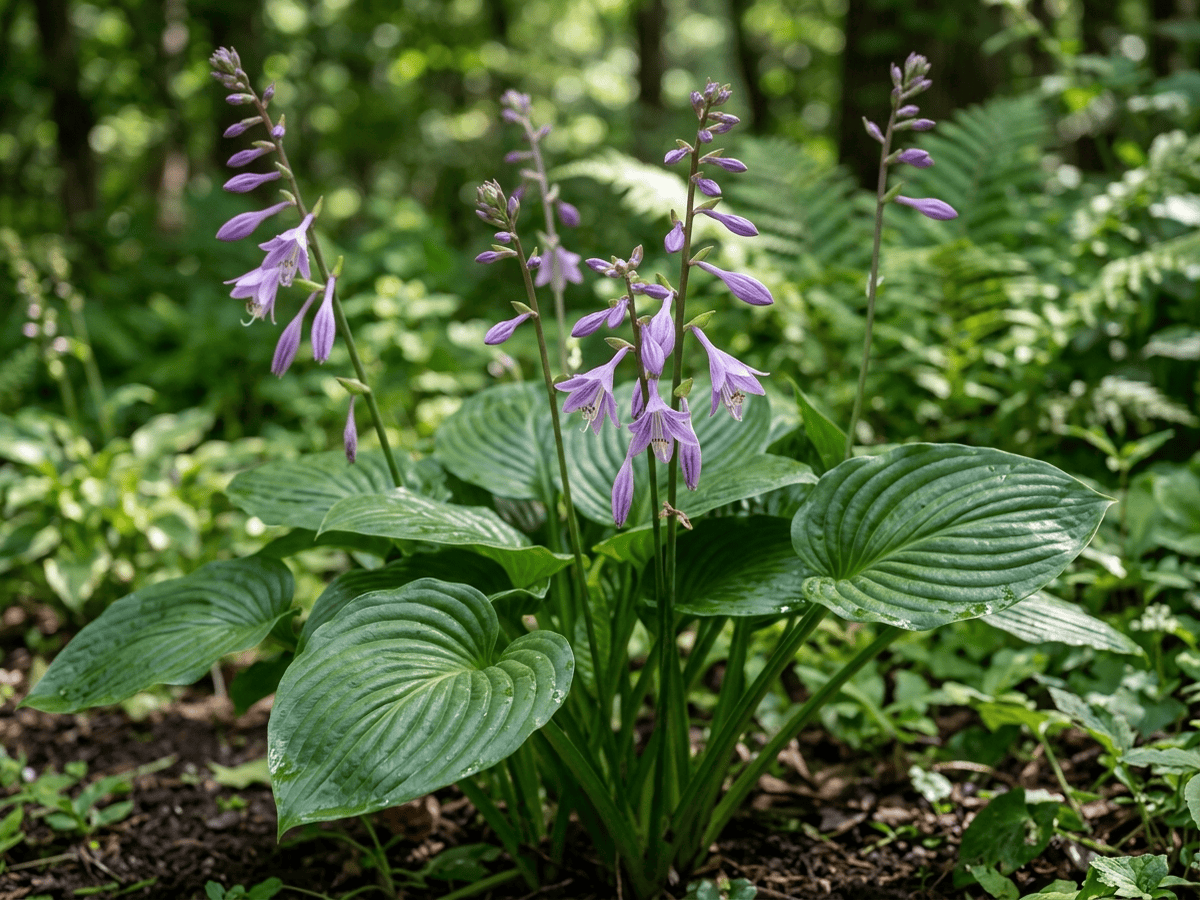
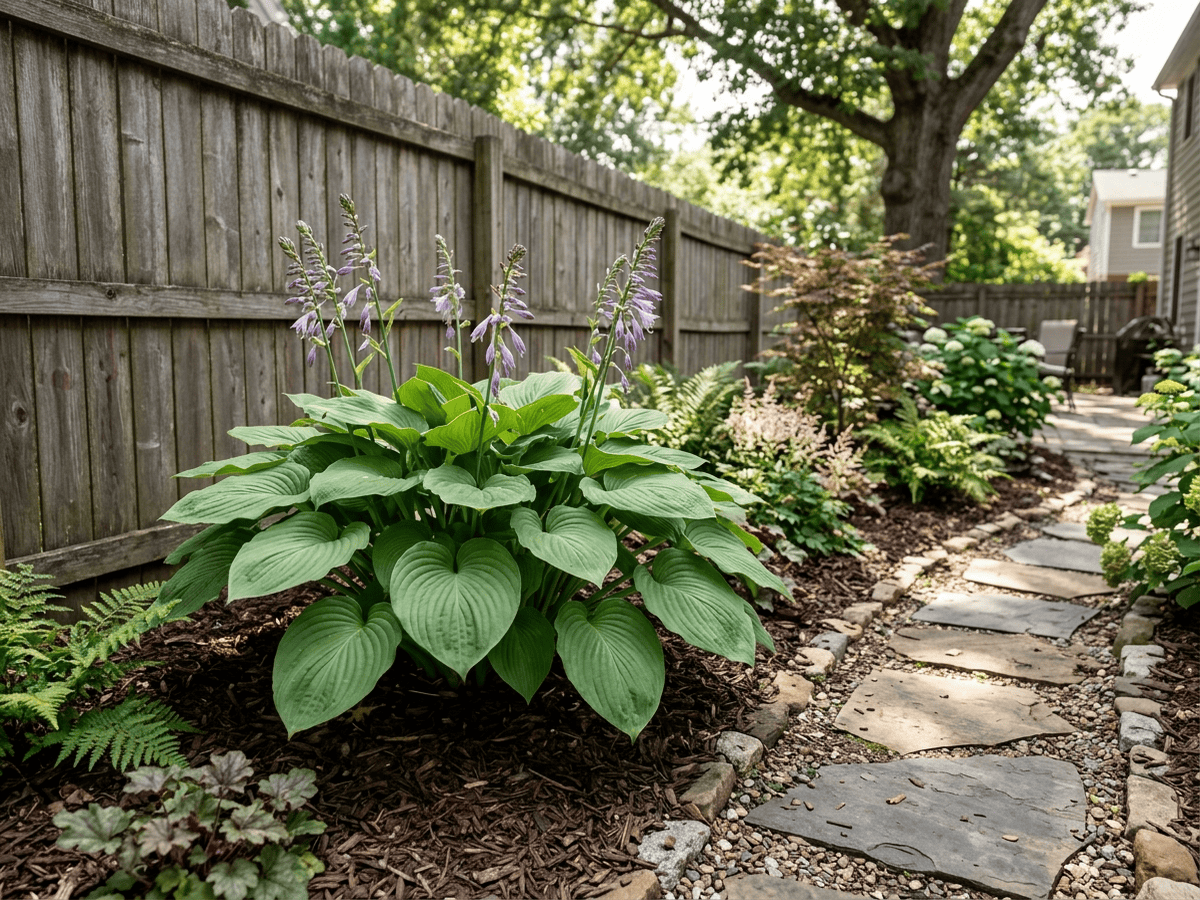
Blue Plantain Lily is one of the few hostas that grows true from seed, producing bold heart-shaped glossy dark green leaves with deeply impressed veins. Growing 24 to 30 inches tall and 3 to 4 feet wide, it sends up 3-foot stalks of rich violet bell-shaped flowers in midsummer, the most showy of any hosta species. A heritage shade-garden perennial loved across the eastern US.
- Cold-hardy
- Shade-tolerant
How to care for Blue Plantain-Lily
Watering
- Springevery 5 days
- Summerevery 3 days
- Fallevery 7 days
- Winterpause watering
Soil · Rich & well-draining
- Top dressingCompost10%
- Main mixPotting soil + compost 3:180%
- DrainageGravel10%
Top up the compost layer each season.
FERTILIZER
Balanced Feed 14-14-14
An even feed covers all three needs at once, keeping leaves, roots and blooms moving together with nothing pushed out of balance.
- Nitrogen · Leaves
- Phosphorus · Roots + Blooms
- Potassium · Strength
- Springevery 45 days
At a Glance
- NativeEast Asia
- Height1.5–2.5 ft (0.5–0.8 m)
- Spread2–3 ft (0.6–0.9 m)
- Flower colorPurple
- Foliage colorGreen
- SoilLoamy, Moisture-retentive, Rich
- LocationsYard
Bloom time
BLOOM CYCLE
Peak bloom
Jun–Aug
Rich violet bell-shaped flowers in midsummer, among the showiest hostas
Fragrance
LIGHT FRAGRANCE
Flowers may be lightly fragrant, especially in warm evening air.
Toxicity
Humans Slight · Pets Moderate
saponins
Slight
- Leaf
- Ingestion
EXPOSURE Eating leaves.
EFFECT Saponins can cause mild GI upset.
NOTE Documented concern for humans: Saponins can cause mild GI upset.
Moderate
- Leaf
- Ingestion
EXPOSURE Eating leaves.
EFFECT ASPCA: vomiting, diarrhea, depression due to saponins.
NOTE ASPCA lists Hosta as toxic to dogs and cats.
Moderate
- Leaf
- Ingestion
EXPOSURE Eating leaves.
EFFECT ASPCA: vomiting, diarrhea, depression due to saponins.
NOTE ASPCA lists Hosta as toxic to dogs and cats.
Educational information, not medical or veterinary advice. If exposure is suspected, contact a doctor or veterinarian.
DISTRIBUTION


- Native
- Introduced
- East Asia
History
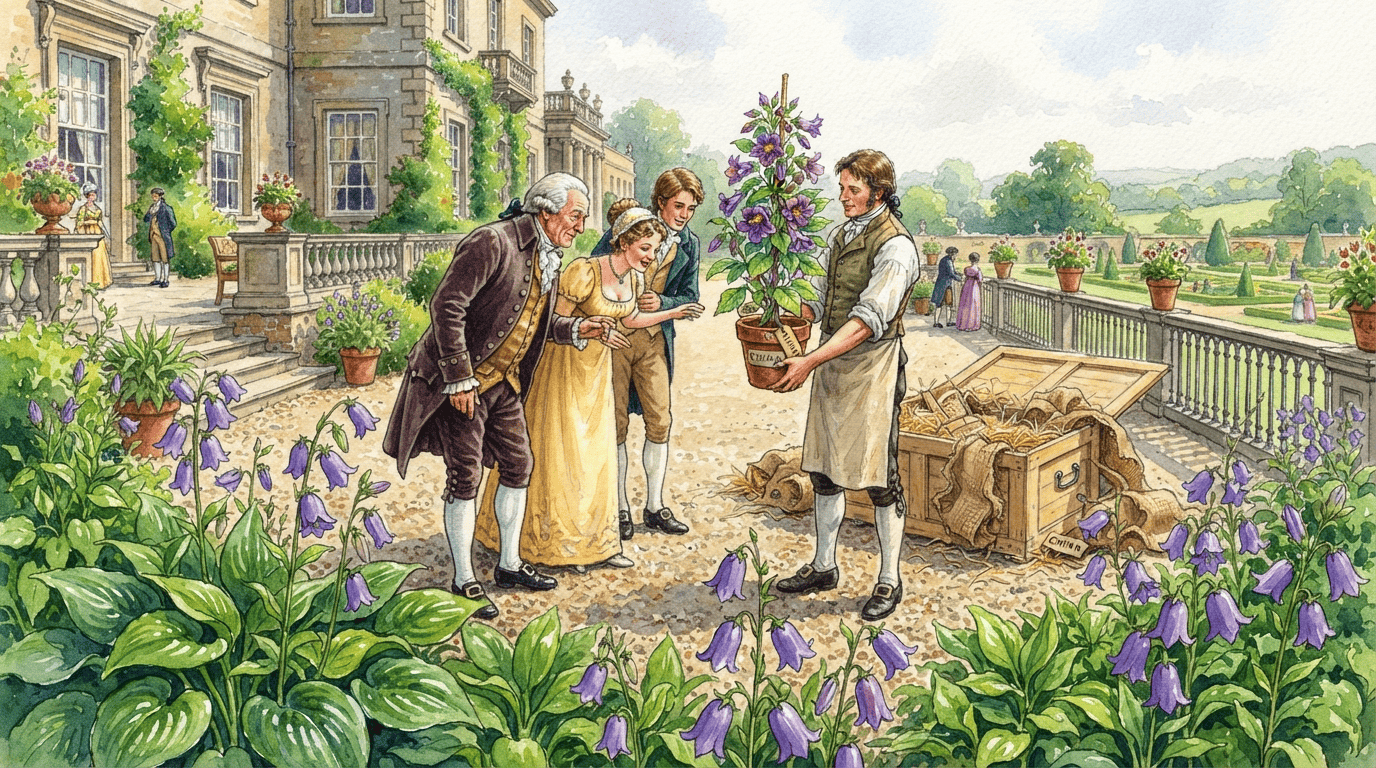
Hosta ventricosa, commonly called blue plantain lily, bellflower hosta, or clustered hosta, is one of the few taxonomically stable wild hosta species, native to central and eastern China and Korea. Scottish botanist William Forsyth introduced the plant to Britain in the late 18th century, making it among the first hostas grown in Europe. English botanist John Stuart, third Earl of Bute, received early specimens.
Linnaeus's student Philip Miller and later German botanist Heinrich Gustav Adolf Engler described it formally under various names. The plant is notable as the only hosta species that consistently produces viable seed through apomixis, a feature valuable in breeding.
Its broad deep green leaves and rich purple bellflower flowers make it one of the classic hostas of cottage and shade gardens. Native to China, introduced to European gardens in the 1790s and to American gardens by the early 1800s, one of the first hostas grown in the West.
Symbolism & meaning
What It Symbolizes
The Blue Plantain-Lily suggests lasting beauty because, almost uniquely among hostas, it comes seed-true, passing its form unchanged from one generation to the next. Its dark, almost black-green leaves add a second kind of elegance, the deepest foliage in the genus. In the shade garden, Hosta ventricosa is an heirloom in the strictest sense, an inheritance written in seed rather than only in division.
- Lasting beauty — seed-true inheritance preserves form
- Dark elegance — deepest green foliage of all hostas
Where the Name Comes From
The name Blue Plantain-Lily describes its lily-like flowers. 'ventricosa' from Latin means swollen or belly-shaped, for the distinctive bulging base of the flower tube.
Uses & Fun Facts
- Reliable shade-garden mainstay for woodland borders
- Glossy heart-shaped leaves form bold shade clumps
- Young shoots eaten as urui spring vegetable in Japan
- Lavender flower spikes attract bumblebees in summer
Related plants
More Hosta plants
 Fortune's HostaHosta fortunei
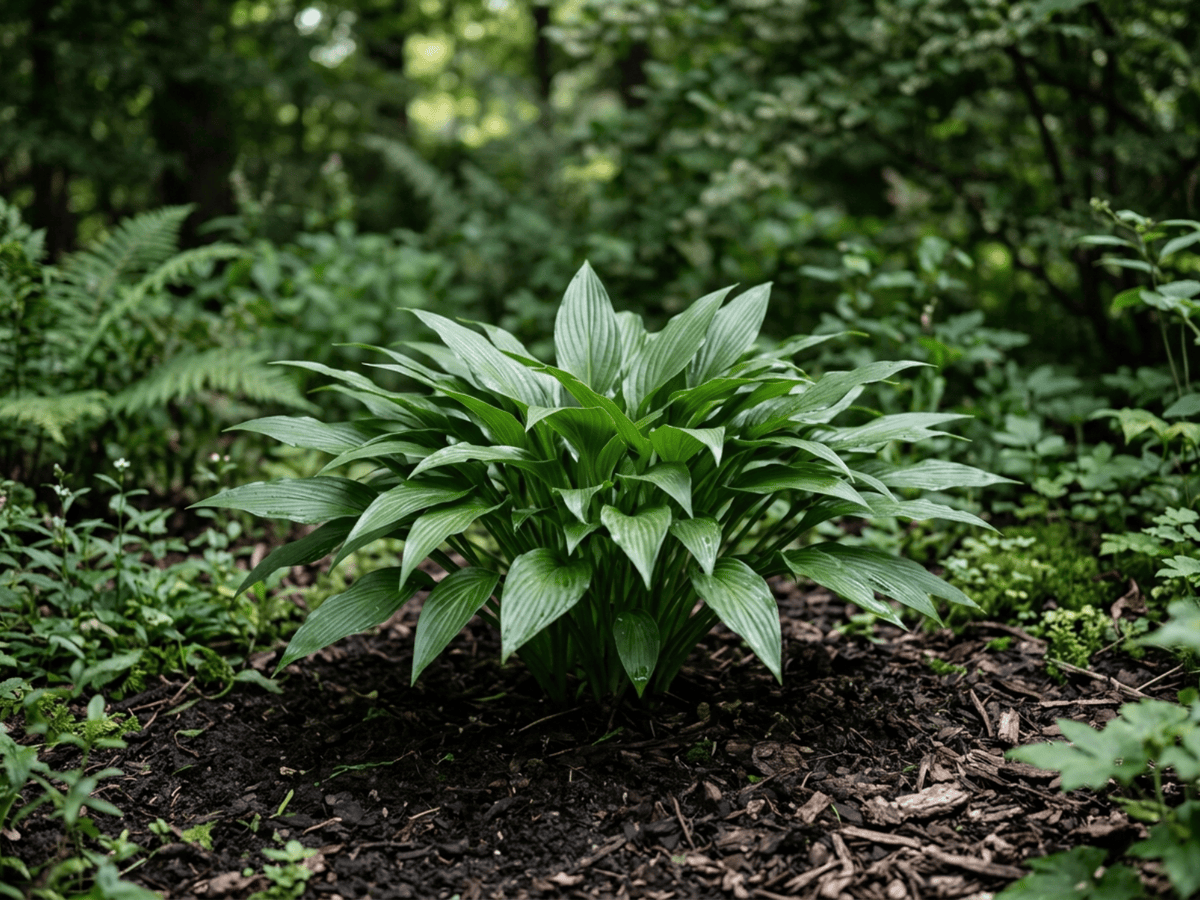 Narrow-Leaved Plantain-LilyHosta lancifolia
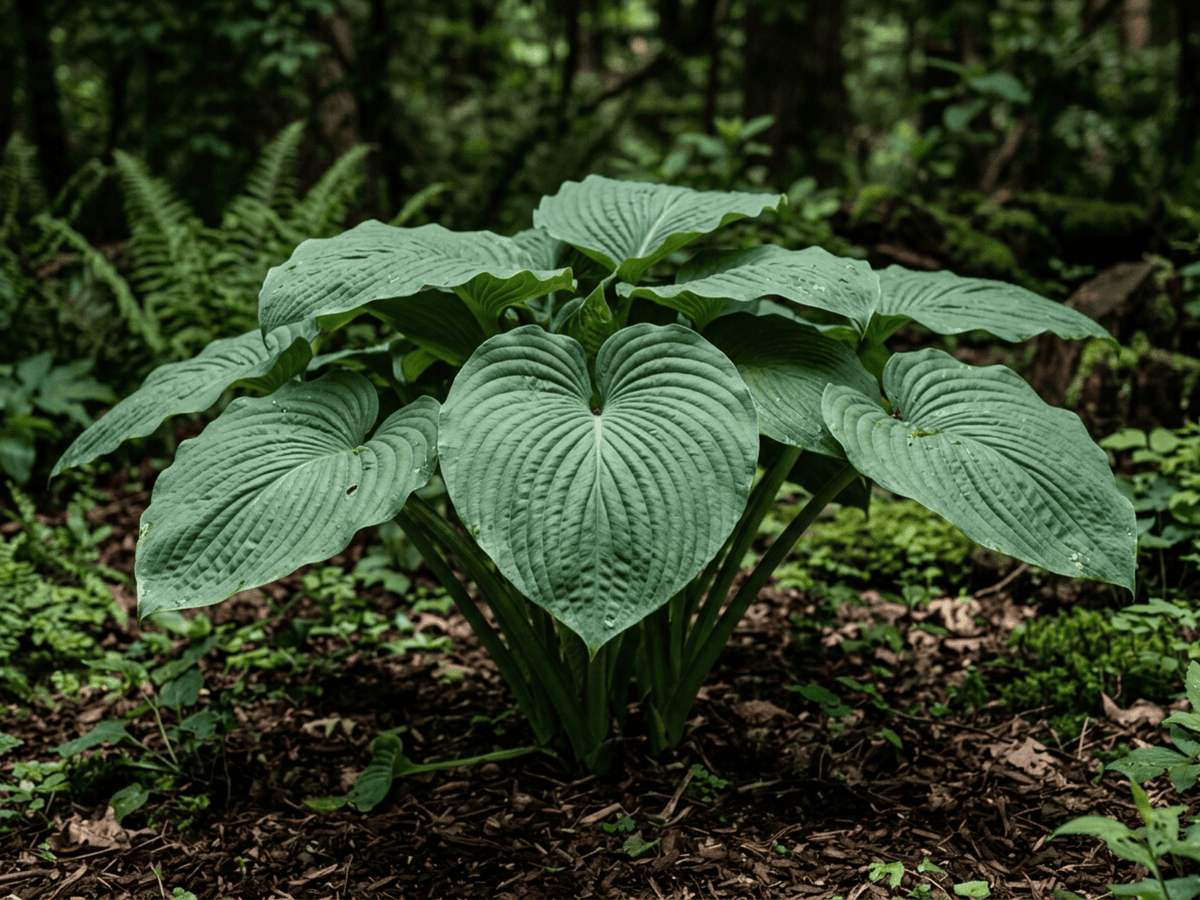 Mountain HostaHosta montana
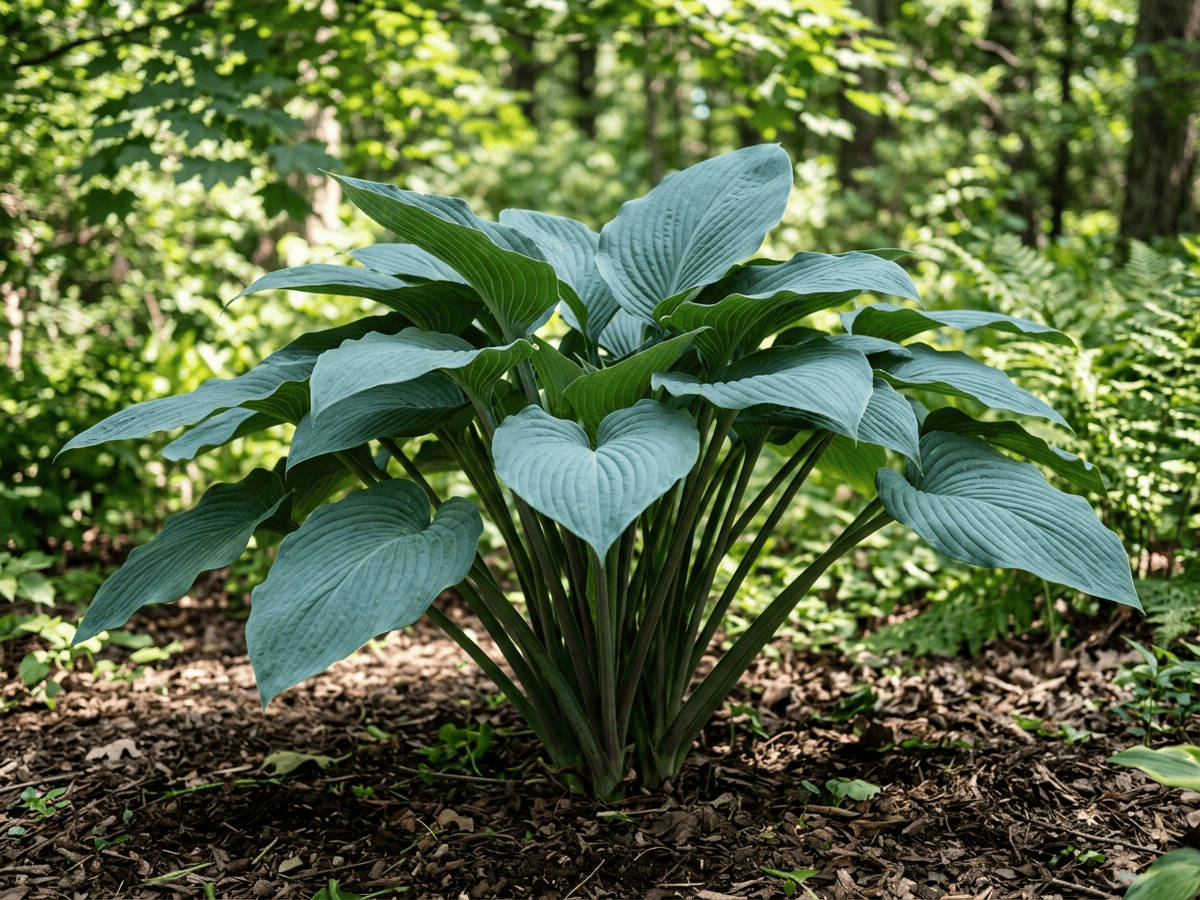 HostaHosta nigrescens
Plants with similar care
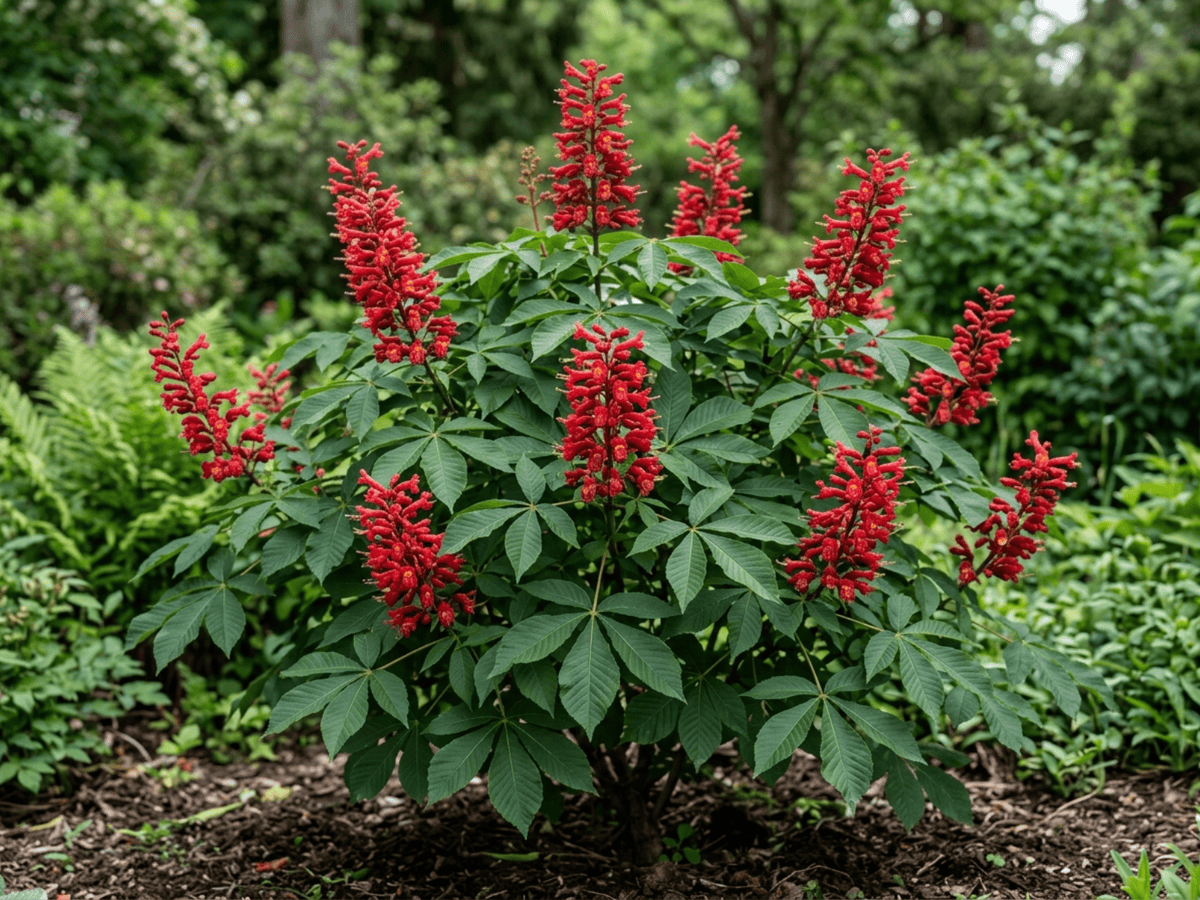 Red BuckeyeAesculus pavia
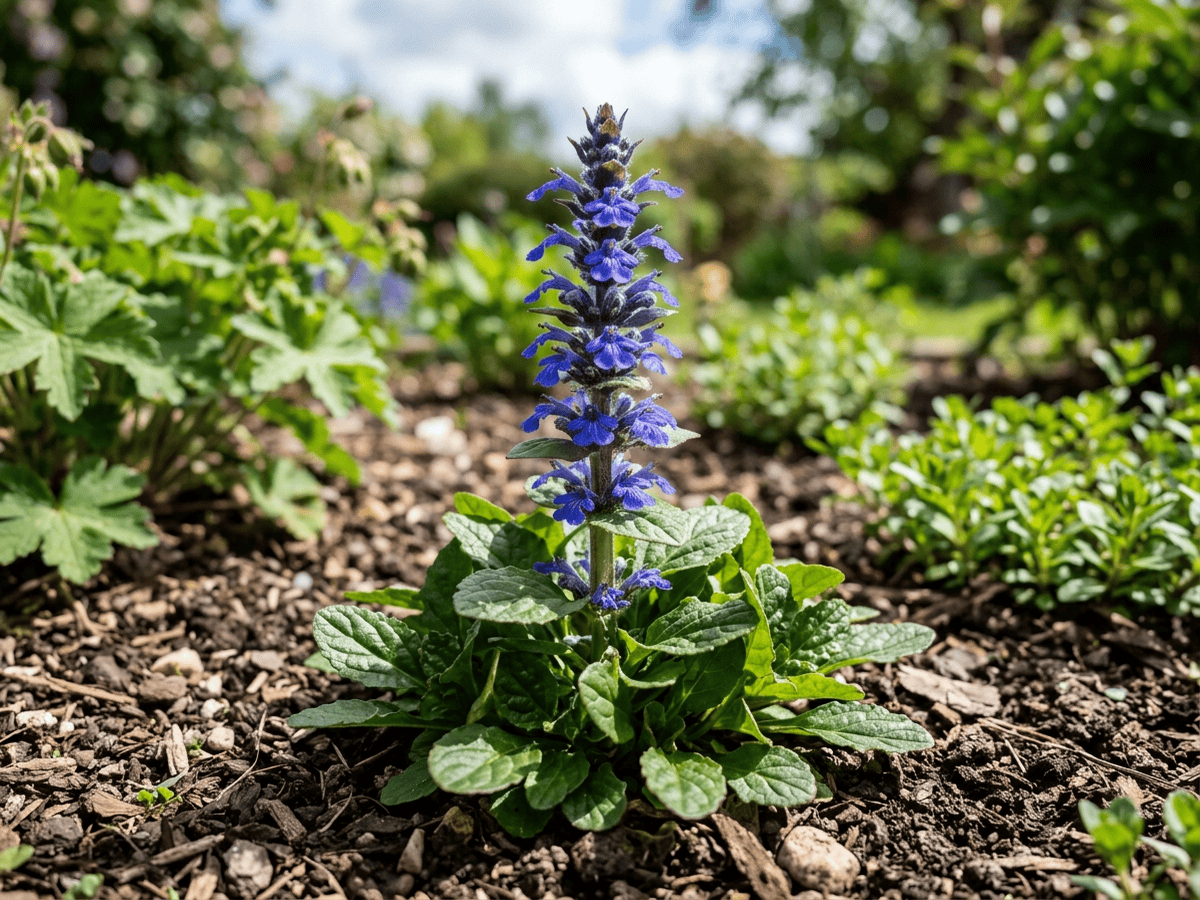 Blue BugleAjuga genevensis
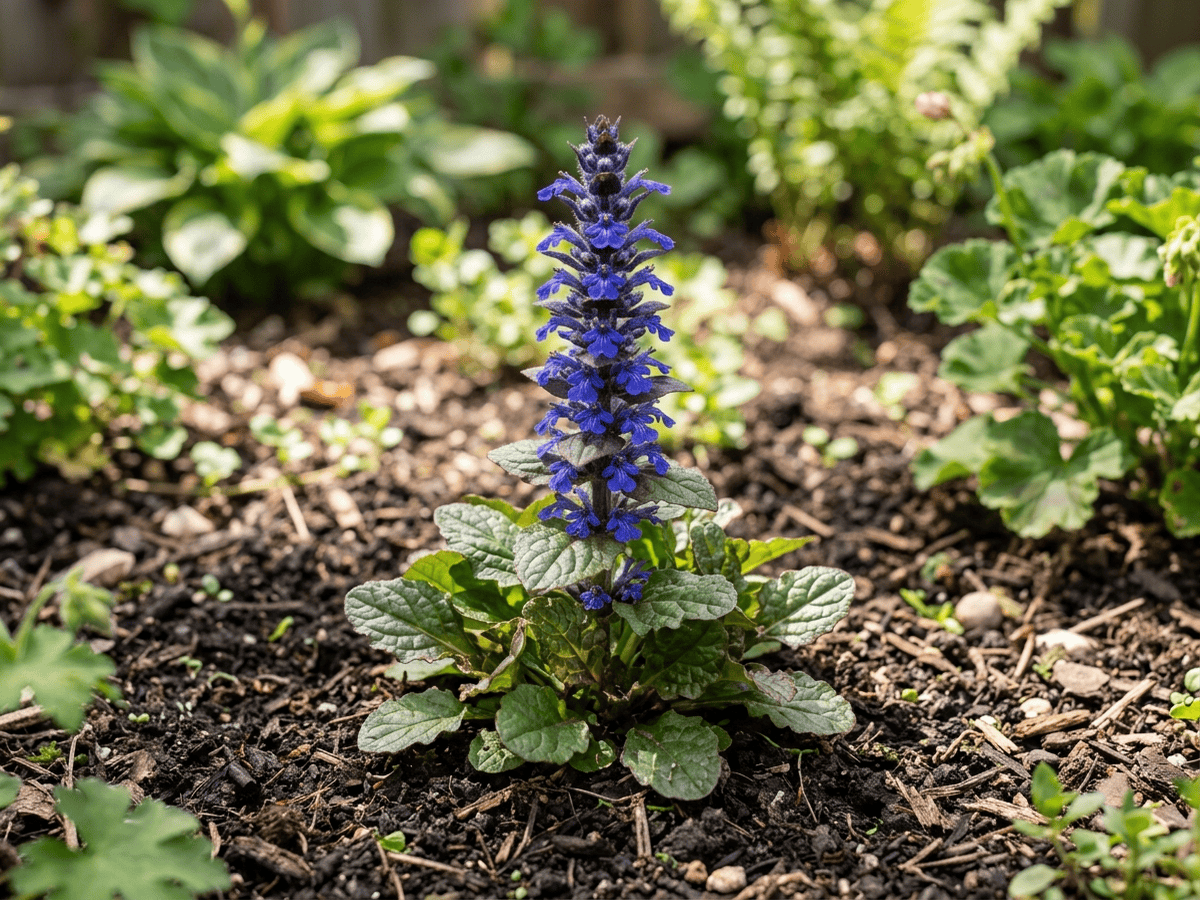 Pyramidal BugleAjuga pyramidalis
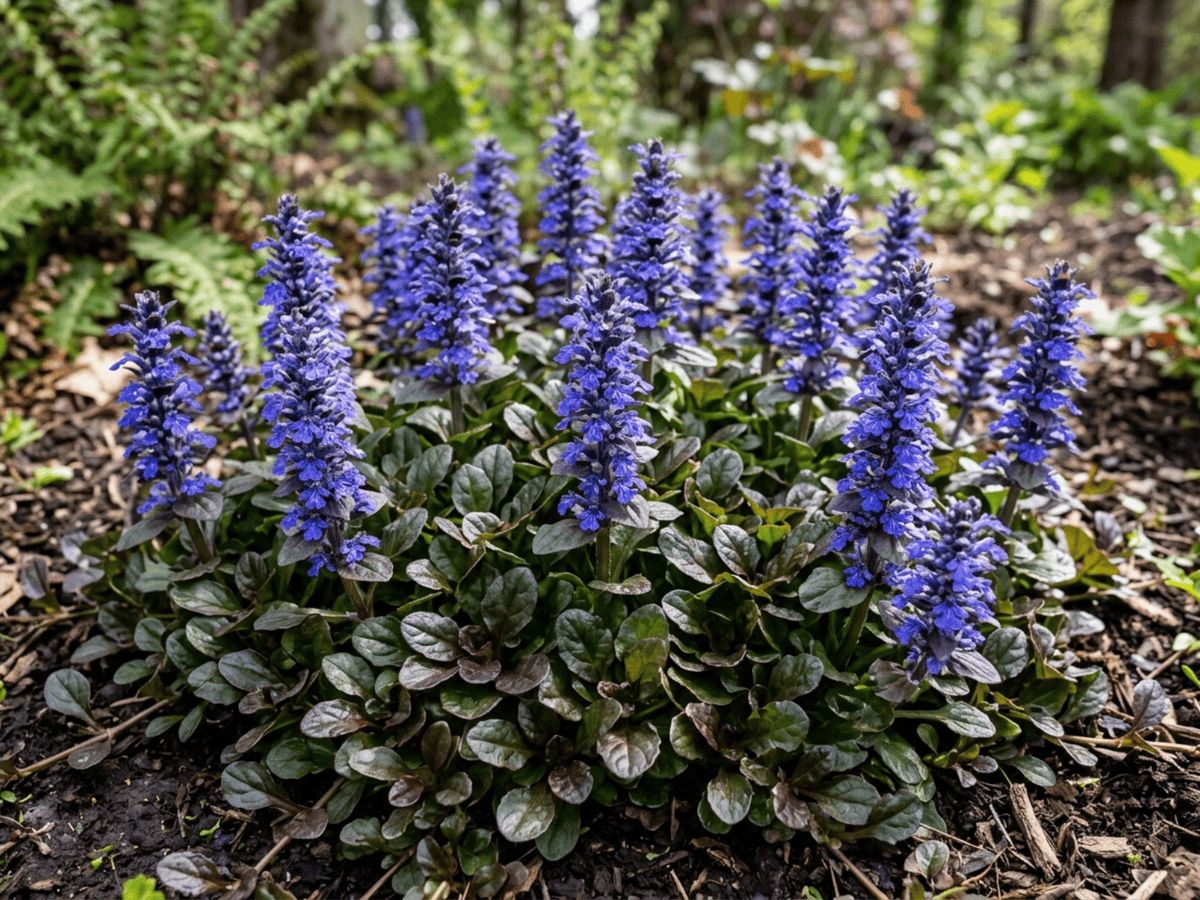 Carpet BugleAjuga reptans
Frequently asked questions
How often should I water Blue Plantain-Lily?
Water about every 5 days during the growing season, and always let excess water drain away.
How much light does Blue Plantain-Lily need?
Part shade: 2–4 hrs direct. Watch the leaves — scorching or stretching means the light needs adjusting.
Is Blue Plantain-Lily toxic to cats or dogs?
Pets Moderate (Dogs Moderate · Cats Moderate) Educational information, not medical or veterinary advice. If exposure is suspected, contact a doctor or veterinarian.
Is Blue Plantain-Lily easy to grow?
Yes — it is considered an easy, beginner-friendly plant.
When does Blue Plantain-Lily bloom?
It typically blooms Jun–Aug in the Northern Hemisphere.
YardMate
Identify any plant in seconds
Snap a photo — YardMate names the plant, diagnoses problems, and reminds you when to water.
Download on the App Store