 YardMate


Hyssop
Hyssopus officinalis
Easy · Beginner friendlyAbout Hyssop
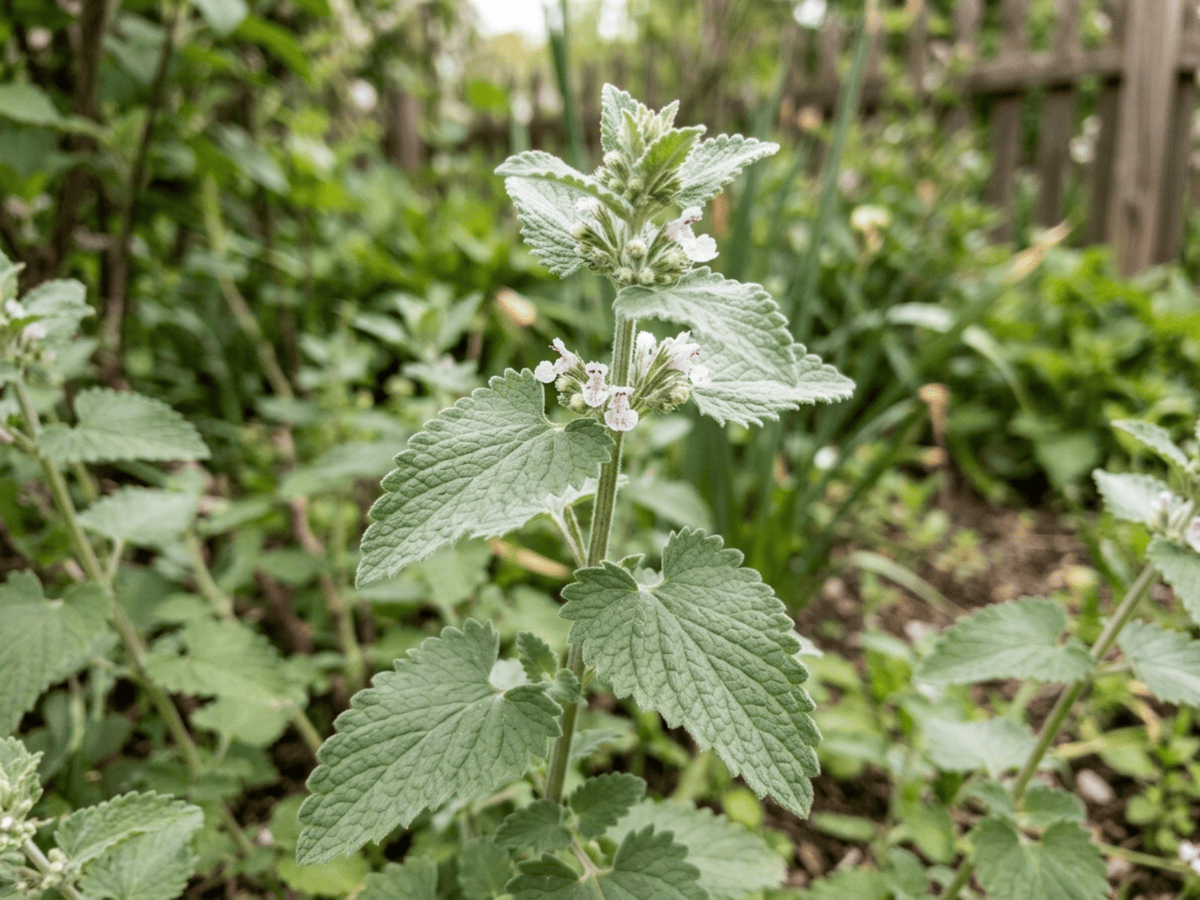
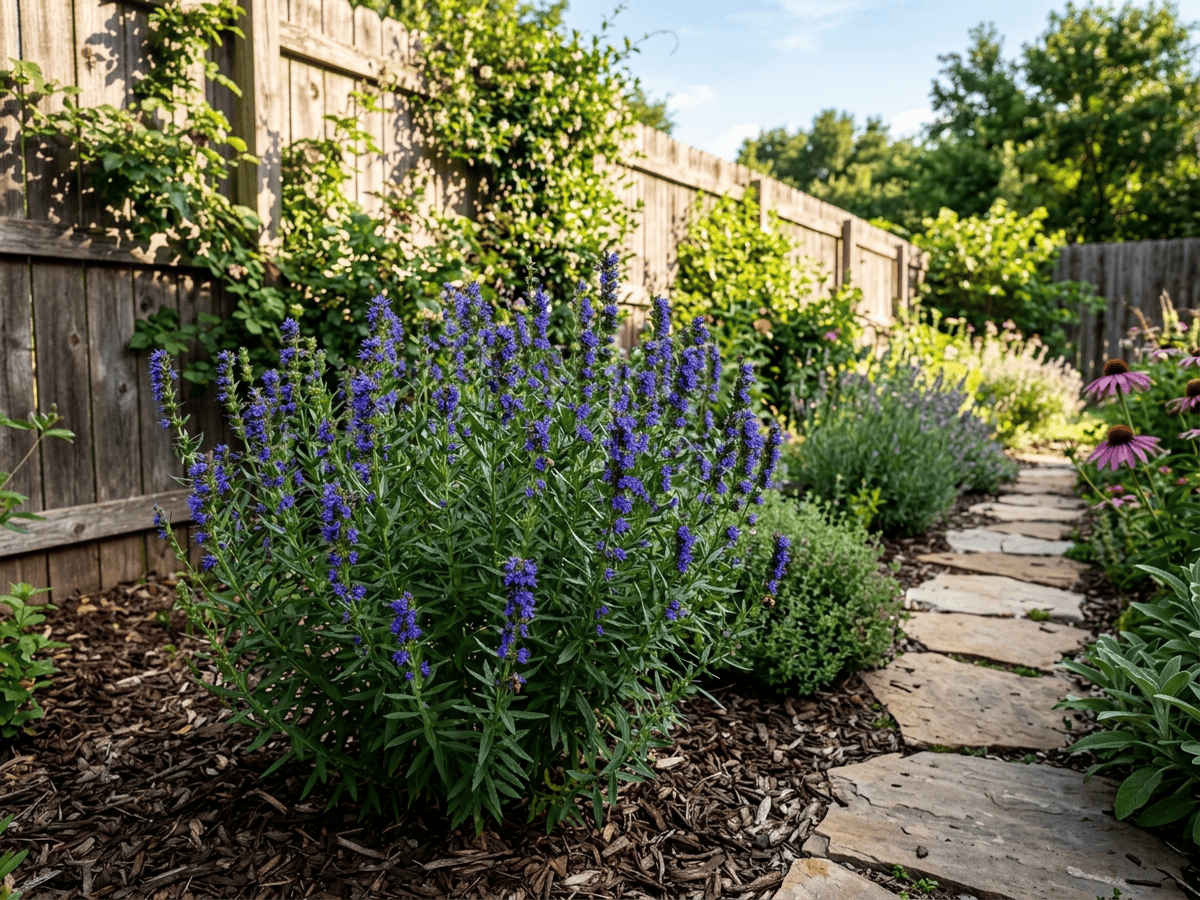
Hyssopus officinalis, hyssop, is a semi-evergreen subshrub of southern Europe and the Middle East with narrow aromatic leaves and dense spikes of blue, pink, or white flowers. The scent is minty, camphorous, and slightly bitter, a clue to its long life in monastery gardens, liqueurs such as Chartreuse, and old herbals. Plants form tidy 30-60 cm mounds and thrive in full sun, lean alkaline soil, and dry conditions, making them useful in gravel gardens and low hedges. Bees work the flowers eagerly through midsummer and early autumn. In the kitchen, use the leaves sparingly with rich meats and stews. In the garden, hyssop is disciplined, fragrant, and quietly formal.
- Fragrant
- Drought-tolerant
- Cold-hardy
- Deer-resistant
How to care for Hyssop
Watering
- Springevery 5 days
- Summerevery 4 days
- Fallevery 7 days
- Winterevery 14 days
Soil · Rich & well-draining
- Top dressingCompost10%
- Main mixPotting soil + compost 3:180%
- DrainageGravel10%
Top up the compost layer each season.
FERTILIZER
- Springevery 30 days
- Summerevery 30 days
- Fallevery 45 days
At a Glance
- NativeMediterranean, Western Asia
- Height1.5–2 ft (0.5–0.6 m)
- Spread2–3 ft (0.6–0.9 m)
- Flower colorBlue, Purple, Pink, White
- Foliage colorGreen
- SoilWell-drained, Alkaline, Sandy
- LocationsYard
Bloom time
BLOOM CYCLE
Peak bloom
Sep–Nov
Shear after first flower flush to encourage a second wave in early autumn.
Fragrance
STRONG FRAGRANCE
The foliage has a pungent mint-camphor-sage aroma.
Toxicity
Humans Slight · Pets Moderate
pinocamphone, isopinocamphone, and 1,8-cineole
Slight
- All
- Ingestion
EXPOSURE Eating any part of the plant.
EFFECT Safe in culinary amounts and concentrated essential oil can induce seizures due to pinocamphone.
NOTE Leaf use in liqueurs safe; concentrated essential oil is neurotoxic and should not be used in pregnancy or by people with epilepsy.
Slight
- All
- Ingestion
EXPOSURE Eating any part of the plant.
EFFECT Mild GI upset and essential oil hazardous.
NOTE Leaf use in liqueurs safe; concentrated essential oil is neurotoxic and should not be used in pregnancy or by people with epilepsy.
Moderate
- All
- Ingestion
EXPOSURE Eating any part of the plant.
EFFECT Essential oil particularly hazardous to cats.
NOTE Leaf use in liqueurs safe; concentrated essential oil is neurotoxic and should not be used in pregnancy or by people with epilepsy.
Educational information, not medical or veterinary advice. If exposure is suspected, contact a doctor or veterinarian.
DISTRIBUTION


- Native
- Introduced
- Mediterranean
- Western Asia
History
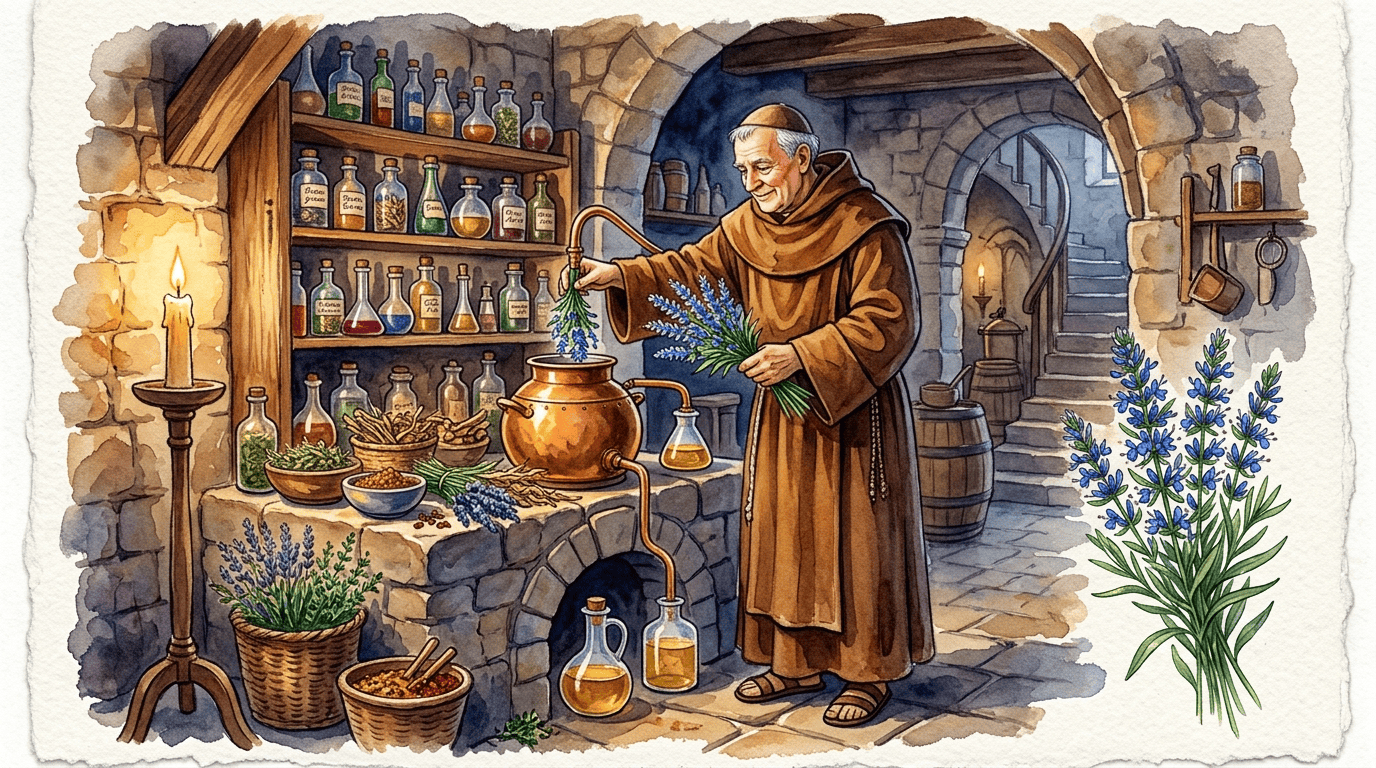
Hyssopus officinalis is native to southern Europe and the Middle East. It is named in the Hebrew Bible — in Psalm 51:7 ("Purge me with hyssop, and I shall be clean") and in passages describing ritual purification rituals — though biblical scholars generally agree that biblical "ezov" / "hyssop" refers to the related species Origanum syriacum (Syrian oregano), not H. officinalis. The confusion entered Western culture through the Greek Septuagint translation, and the species acquired its sacred reputation in European monastic tradition.
It became central to medieval European herbalism; the Benedictines used it in medicinal compounds, and modern herbal liqueurs including Bénédictine (1863) and Chartreuse (since 1605 at various strengths) contain hyssop among their botanical blends. Folk and traditional use for respiratory complaints continues in European herbalism.
Ancient Egyptians used it in cleansing rituals, and Hippocrates prescribed it for chest complaints. Essential oil contains pinocamphone, which is a neurotoxin at high doses and contraindicates medicinal use during pregnancy.
Symbolism & meaning
What It Symbolizes
Hyssop carries the deep meaning of purification — the herb named in the Psalms for cleansing rites and used across ancient traditions in rituals of spiritual washing. Paired with humility, this small unassuming herb was trusted to cleanse great sins, an emblem of humble service to the sacred. To grow it is to keep a piece of biblical and ancient world devotion alive in the kitchen garden.
- Purification — Biblical and ancient traditions used hyssop in cleansing rites, making it a universal symbol of spiritual purity
- Humility — As a small herb used to cleanse great sins, it represents humble service
Where the Name Comes From
From Hebrew 'ezov' via Greek 'hyssopos'; the exact biblical plant is debated, but the name stuck to this species. 'Officinalis' denotes apothecary use.
Uses & Fun Facts
- Minty-bitter leaves season meats, soups, and traditional liqueurs
- Traditional remedy for coughs and digestion in monastic herbals
- Aromatic leaves release minty-pine scent when brushed
- Compact woody habit clips into low aromatic knot-garden hedges
Related plants
Plants with similar care
 Chinese AbeliaAbelia chinensis
 Fragrant AbeliaAbelia mosanensis
 Large-Flowered AbeliaAbelia uniflora
 Glossy AbeliaAbelia x grandiflora
Frequently asked questions
How often should I water Hyssop?
In summer, water about every 4 days; in winter, about every 14 days. Adjust for heat, pot size and drainage.
How much light does Hyssop need?
Full sun: 6+ hrs direct. Watch the leaves — scorching or stretching means the light needs adjusting.
Is Hyssop toxic to cats or dogs?
Pets Moderate (Dogs Slight · Cats Moderate) Educational information, not medical or veterinary advice. If exposure is suspected, contact a doctor or veterinarian.
Is Hyssop easy to grow?
Yes — it is considered an easy, beginner-friendly plant.
When does Hyssop bloom?
It typically blooms Sep–Nov in the Northern Hemisphere.
YardMate
Identify any plant in seconds
Snap a photo — YardMate names the plant, diagnoses problems, and reminds you when to water.
Download on the App Store