 YardMate
Primrose Jasmine
Jasminum mesnyi
Hard · Experienced growersAbout Primrose Jasmine
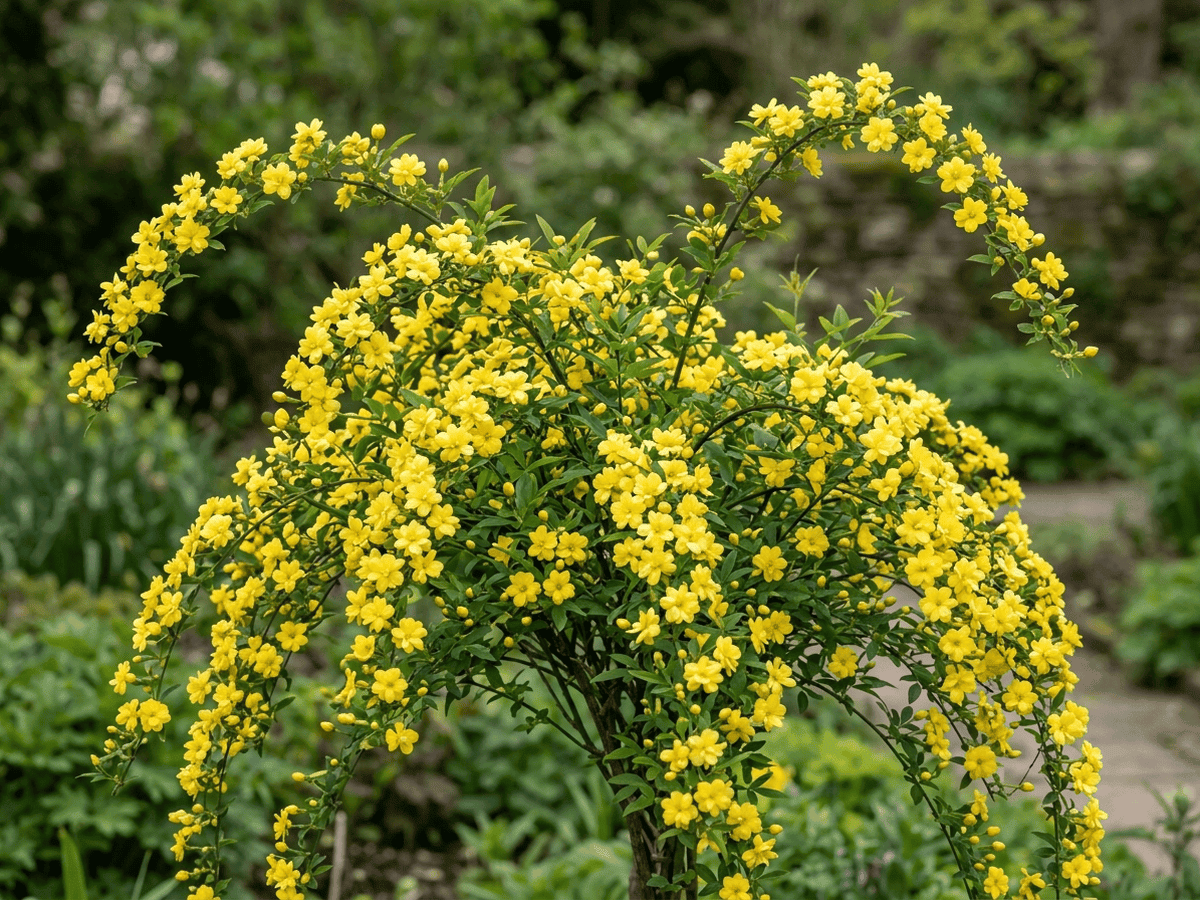
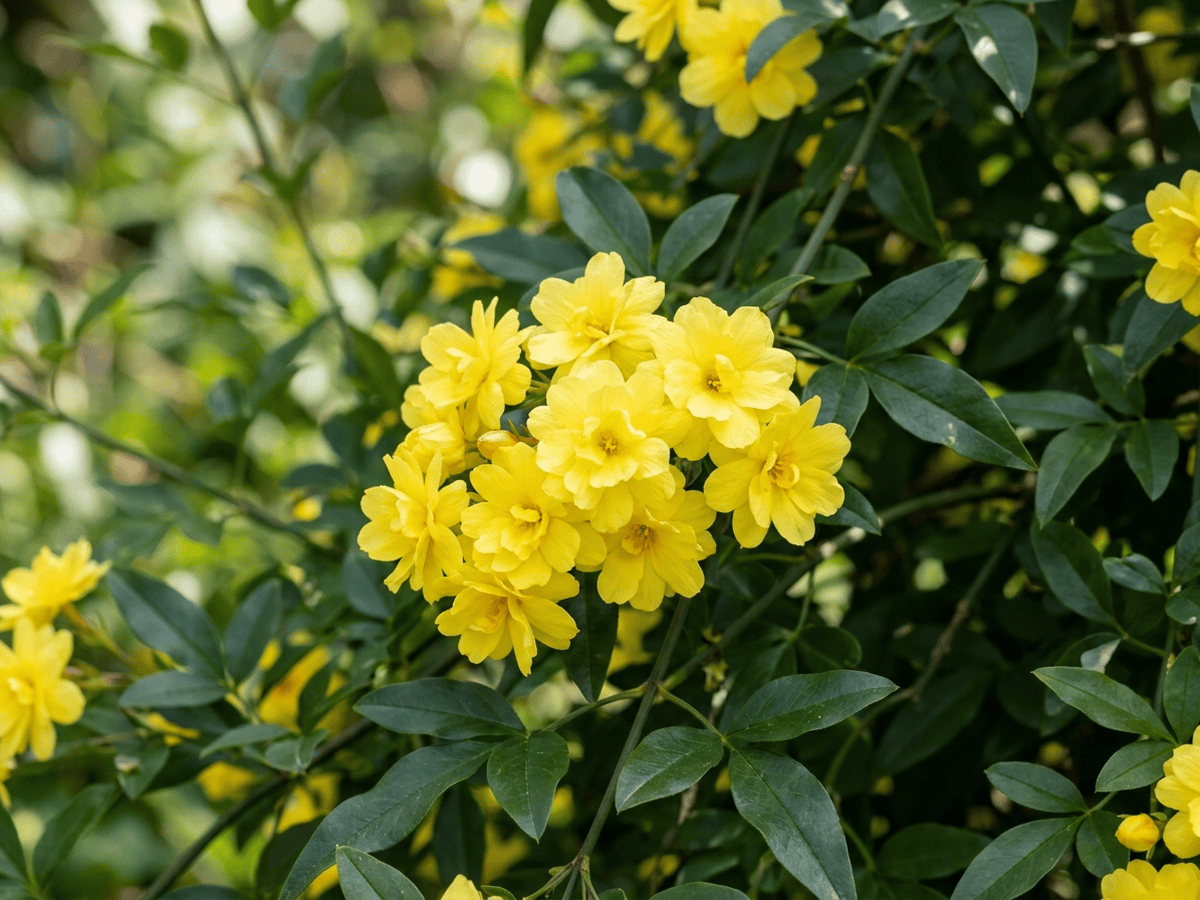
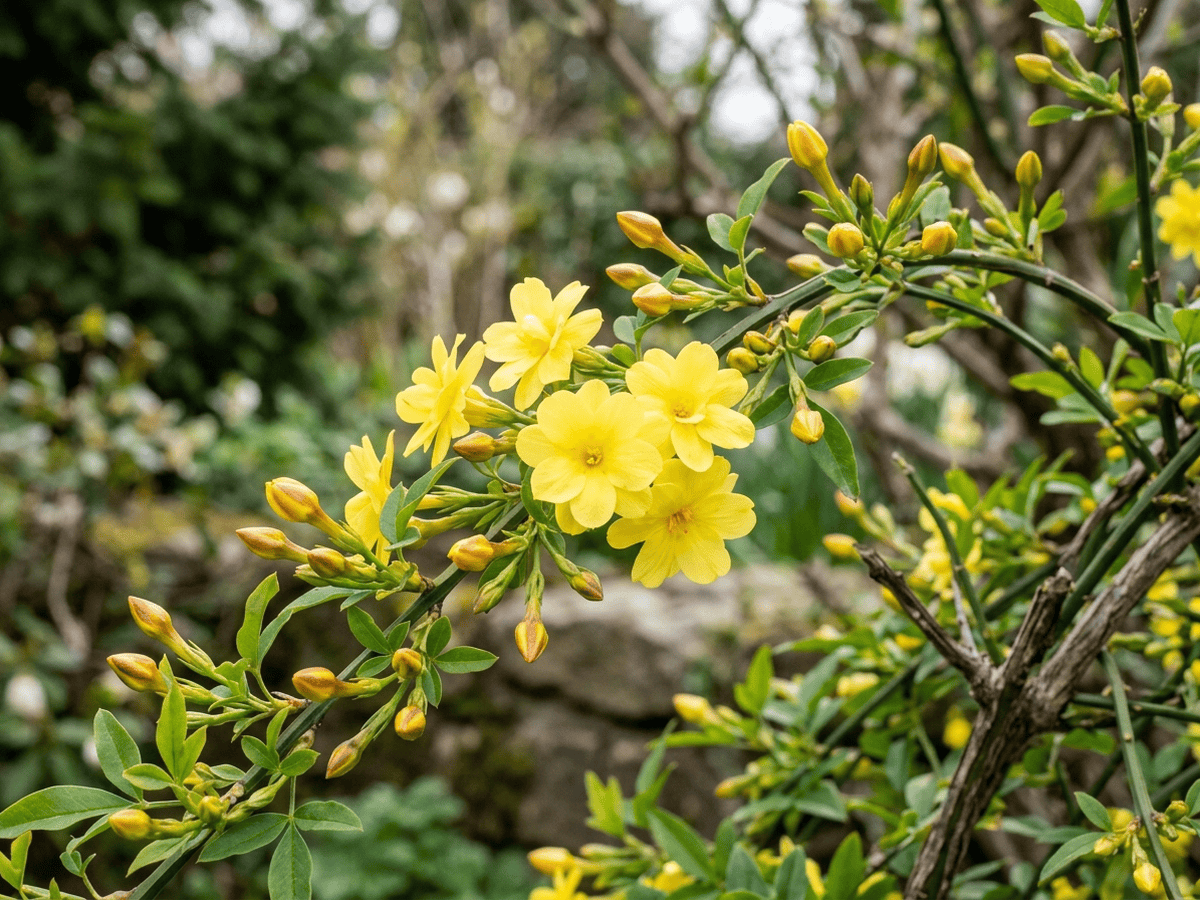
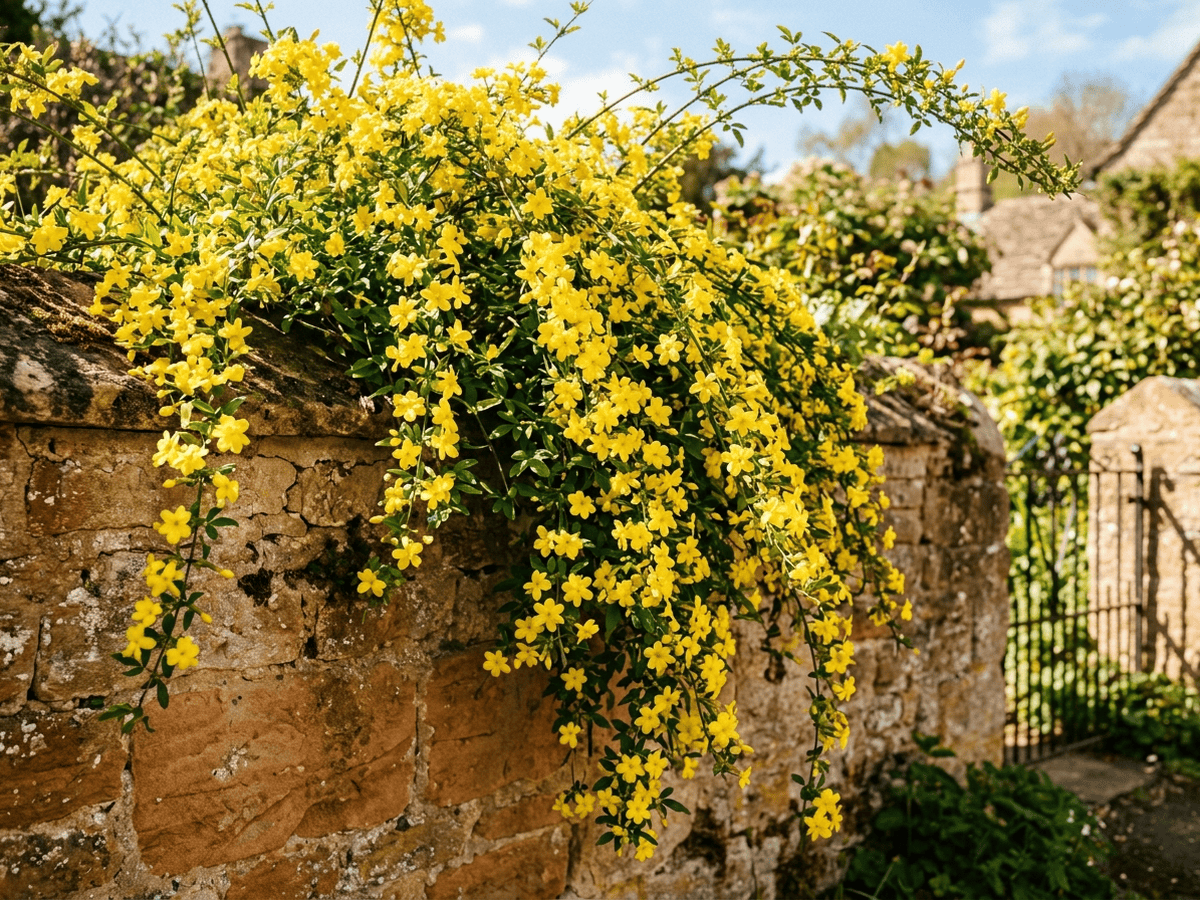
Jasminum mesnyi, the Primrose Jasmine, is a vigorous semi-evergreen to evergreen arching shrub native to the mountains of Yunnan and Sichuan in southwestern China, where it scrambles over rocky banks and forest margins at altitude. Unlike most jasmines, it bears bright buttercup-yellow, semi-double flowers with no significant fragrance—a surprise to those expecting the classic jasmine scent—blooming prolifically in late winter and early spring before most other garden plants emerge. Fast-growing and adaptable, it works equally well as a large sprawling shrub, a climber trained against a warm wall, or a cascading bank cover in mild climates. Hardy to USDA Zone 8, it tolerates heat, drought once established, and a range of soils. Primrose Jasmine brings bold early-season color to gardens where true winter jasmines would freeze.
- Evergreen
- Climbing
- Fast-growing
- Pollinator-friendly
- Drought-tolerant
How to care for Primrose Jasmine
Watering
- Springevery 7 days
- Summerevery 5 days
- Fallevery 15 days
- Winterevery 30 days
Soil · Well-draining
- Top dressingPine bark mulch10%
- Main mixPotting soil + perlite 2:170%
- DrainageLECA / gravel20%
Never skip the drainage layer — standing water is the top cause of root rot.
FERTILIZER
Balanced Feed 14-14-14
An even feed covers all three needs at once, keeping leaves, roots and blooms moving together with nothing pushed out of balance.
- Nitrogen · Leaves
- Phosphorus · Roots + Blooms
- Potassium · Strength
- Springevery 30 days
- Summerevery 30 days
- Fallevery 30 days
At a Glance
- NativeChina
- Height3–6 ft (0.9–1.8 m)
- Spread3–5 ft (0.9–1.5 m)
- Flower colorYellow
- Foliage colorGreen
- SoilLoamy, Well-drained
- LocationsYard · Balcony
Bloom time
BLOOM CYCLE
Peak bloom
Mar–Jun
This jasmine blooms profusely in spring through early summer, attracting various pollinators.
Fragrance
NO FRAGRANCE
Unlike most jasmines, Primrose Jasmine has no significant fragrance—a common surprise for gardeners who expect the classic jasmine scent.
Toxicity
Pets Safe
None reported
Unknown
EXPOSURE No exposure route is reported.
EFFECT No toxic effect is reported.
NOTE Toxicity for humans is not well documented; use caution until verified.
Safe
EXPOSURE No exposure route is reported.
EFFECT No toxic effect is reported.
NOTE Authoritative sources report this plant as non-toxic to dogs; this is not evidence that the plant is edible.
Safe
EXPOSURE No exposure route is reported.
EFFECT No toxic effect is reported.
NOTE Authoritative sources report this plant as non-toxic to cats; this is not evidence that the plant is edible.
Educational information, not medical or veterinary advice. If exposure is suspected, contact a doctor or veterinarian.
DISTRIBUTION


- Native
- Introduced
- China
History
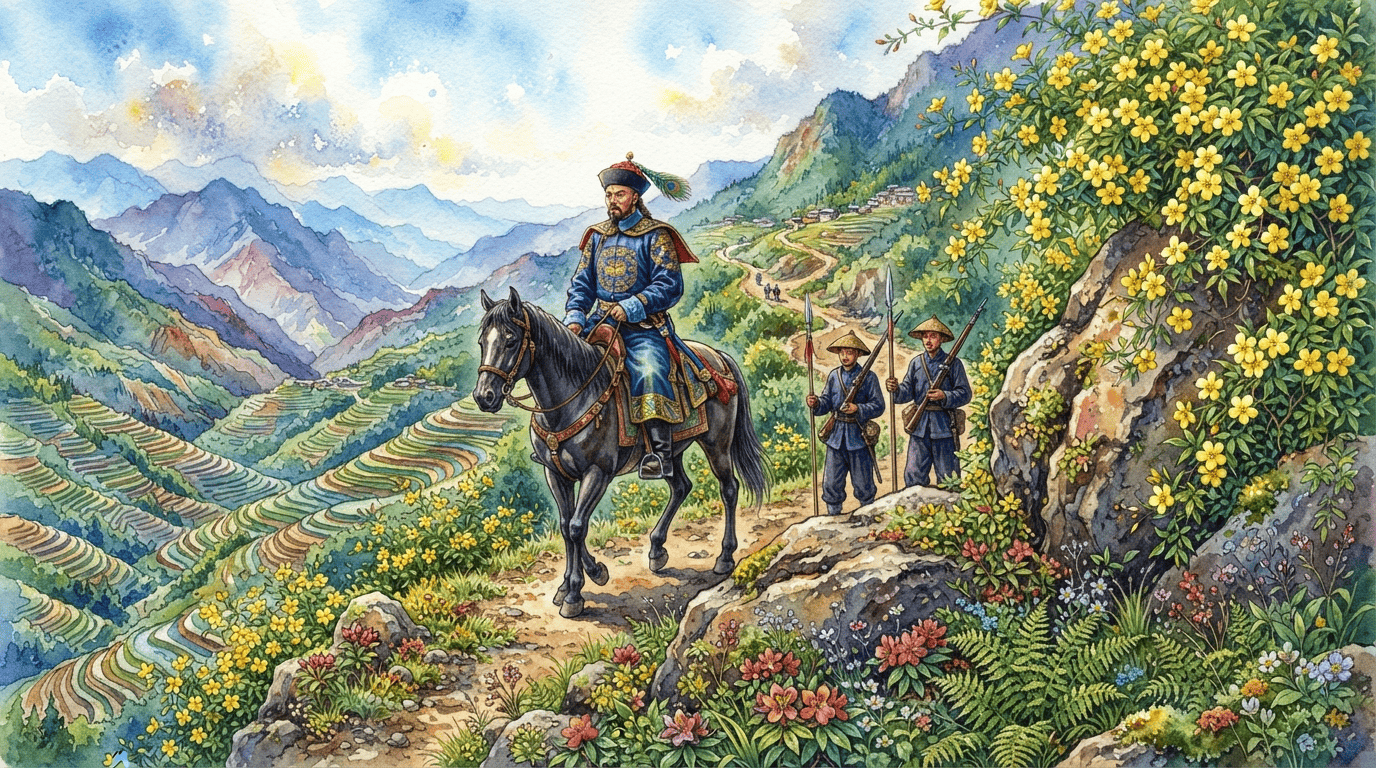
Jean Marie Delavay (1834–1895) was a French Vincentian missionary assigned to Yunnan Province in southwestern China, where he spent two decades collecting an extraordinary 200,000 botanical specimens from the mountain meadows, gorges, and forests of what is now recognized as one of the most botanically diverse regions on Earth. He shipped specimens to the Paris Natural History Museum, where botanists described thousands of new species from his collections. Jasminum mesnyi—the plant he found scrambling over rocky slopes in the Yunnan highlands, with its bright semi-double yellow flowers—was among them.
The plant was formally described and named in 1895 by English botanist William Botting Hemsley, who honored not Delavay but William Mesny (1842–1919)—a man whose story was singular even by the standards of the Victorian era. Mesny, born in Jersey in the Channel Islands, arrived in China as a young sailor, deserted his ship in Shanghai, and made his way to the Chinese imperial customs service. Through a combination of military talent and the peculiar opportunities available to capable foreigners in a China under constant internal pressure, he rose over decades to the rank of general in the Yunnan and Guizhou military campaigns, commanding Chinese forces against the Panthay Rebellion. He spent over fifty years in China, died in Shanghai in 1919, and was one of the few Western figures to reach genuine military seniority in the Qing dynasty.
Hemsley named the jasmine for Mesny not because Mesny had anything to do with botany, but as recognition of a prominent and remarkable foreign figure whose life had become inseparable from the China that Delavay was mapping, plant by plant, from the mountain passes of Yunnan.
Symbolism & meaning
What It Symbolizes
Every February it blooms—yellow and certain, before the other flowers think it's time. William Mesny didn't plan to spend his life in China; the jasmine named for him didn't plan to become a garden classic. Both ended up somewhere unexpected and made themselves entirely at home.
- early promise — Blooming in late winter before spring has properly arrived, Primrose Jasmine promises what is coming—warmth, color, and abundance—while the garden is still largely bare.
- pleasant surprise — Offers the beauty of jasmine's name without the expected scent—a reminder that a thing can still be worthwhile even when it doesn't meet expectations.
Where the Name Comes From
Jasminum is the Latinized form of the Persian and Arabic yasmin, the traditional name for jasmine. The species name mesnyi honors William Mesny (1842–1919), a Jersey-born adventurer who became a general in the Chinese imperial army—named by botanist William Botting Hemsley when he formally described the plant in 1895. Primrose Jasmine refers to the primrose-yellow color of the semi-double flowers.
Uses & Fun Facts
- Vigorous arching shrub for warm walls, bank stabilization, and informal hedges; bright yellow semi-double flowers bloom from late winter through early spring well ahead of most ornamentals
- Early-blooming flowers provide nectar to bees and early-emerging butterflies when few other plants are in flower
Related plants
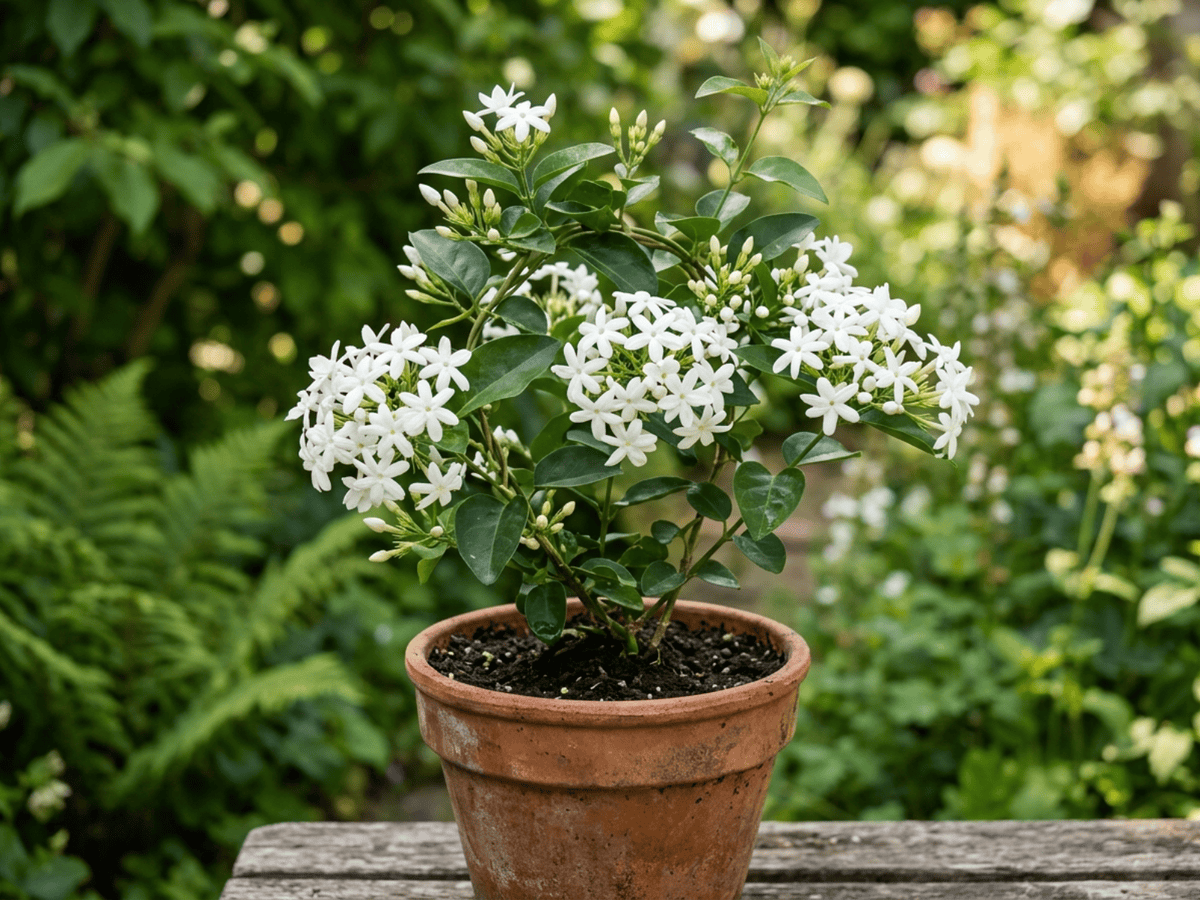
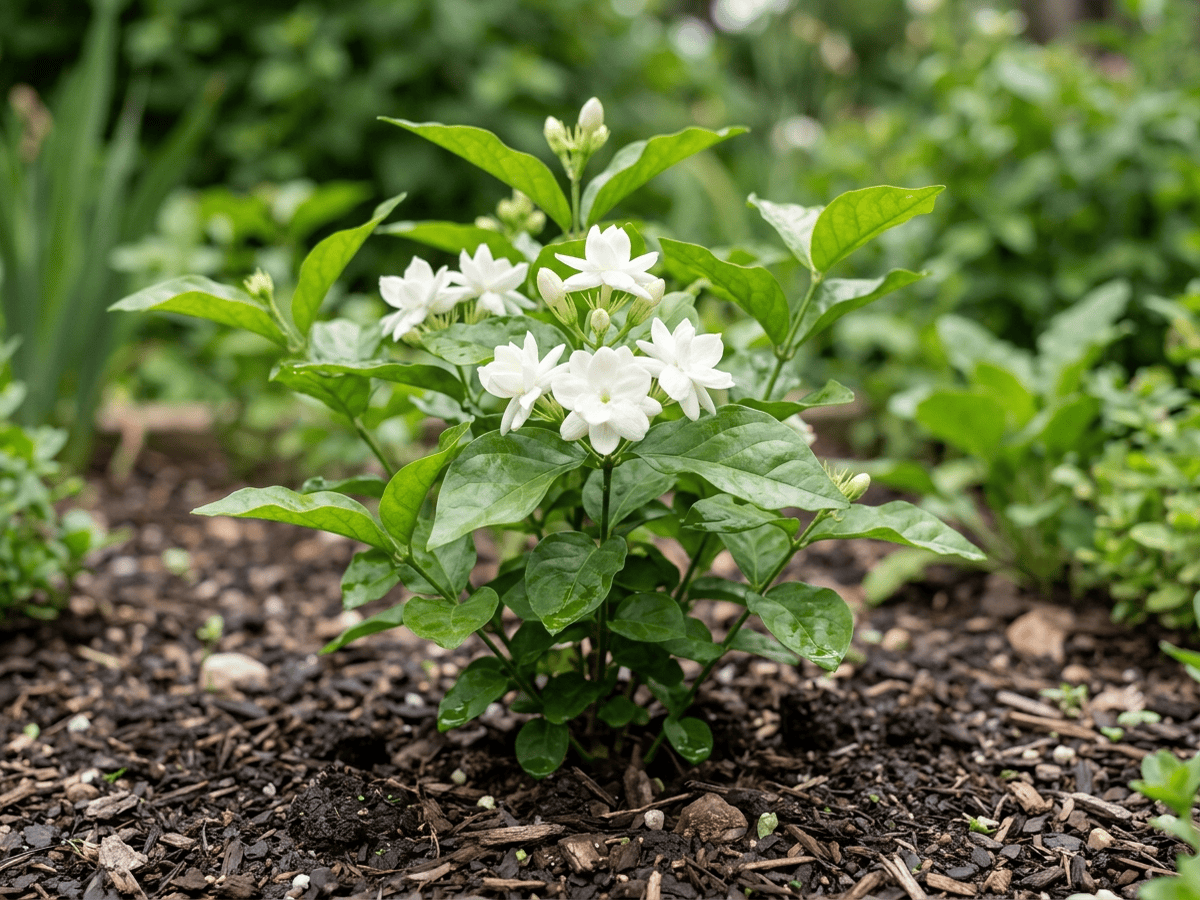
More Jasminum plants
Plants with similar care
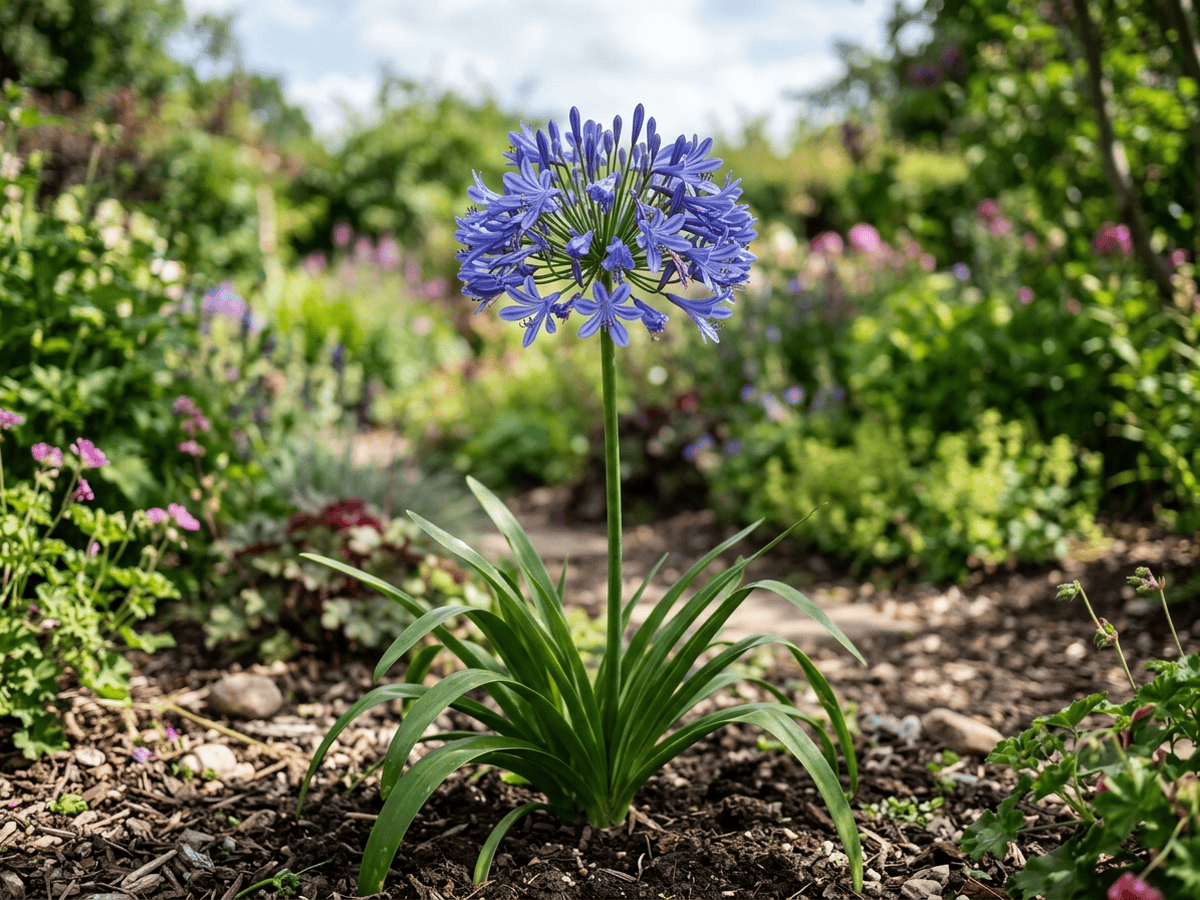 African LilyAgapanthus africanus
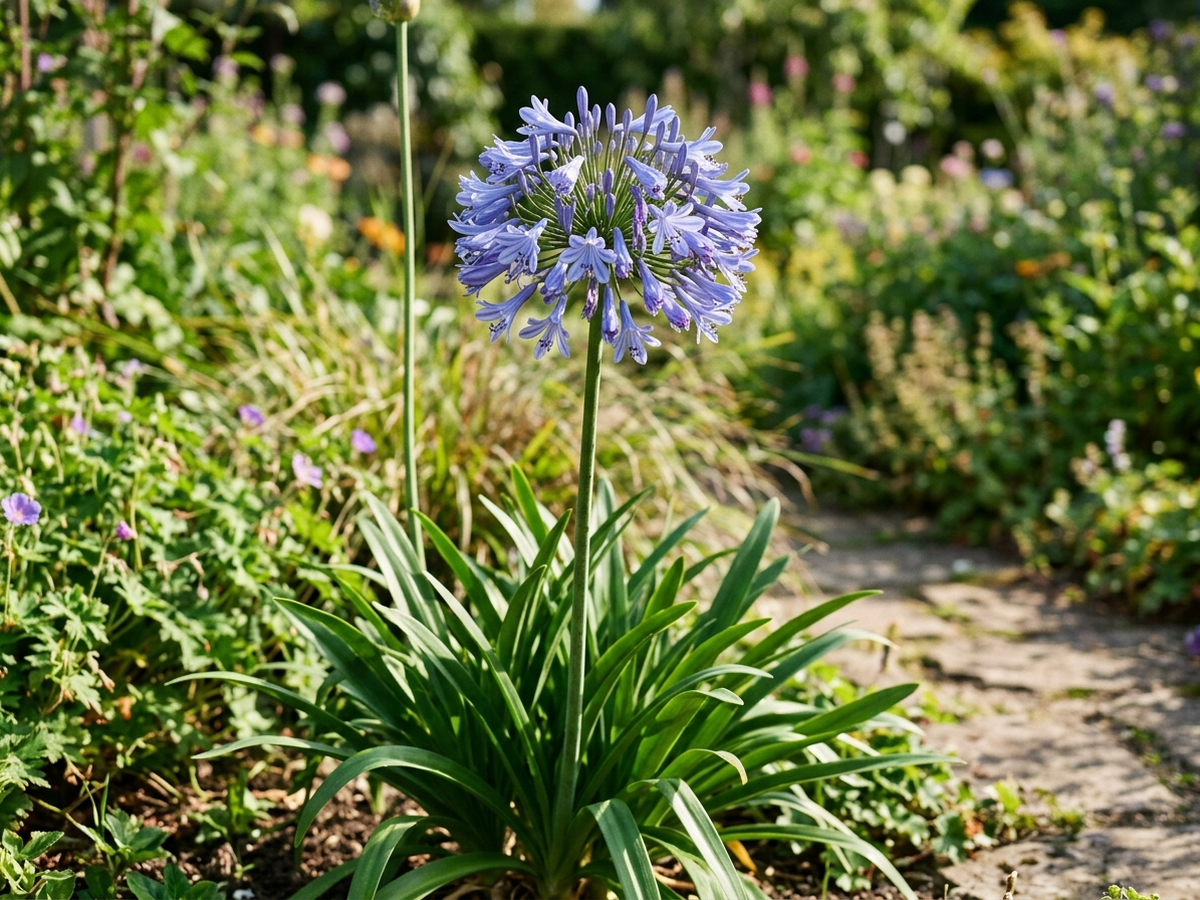 Bell AgapanthusAgapanthus campanulatus
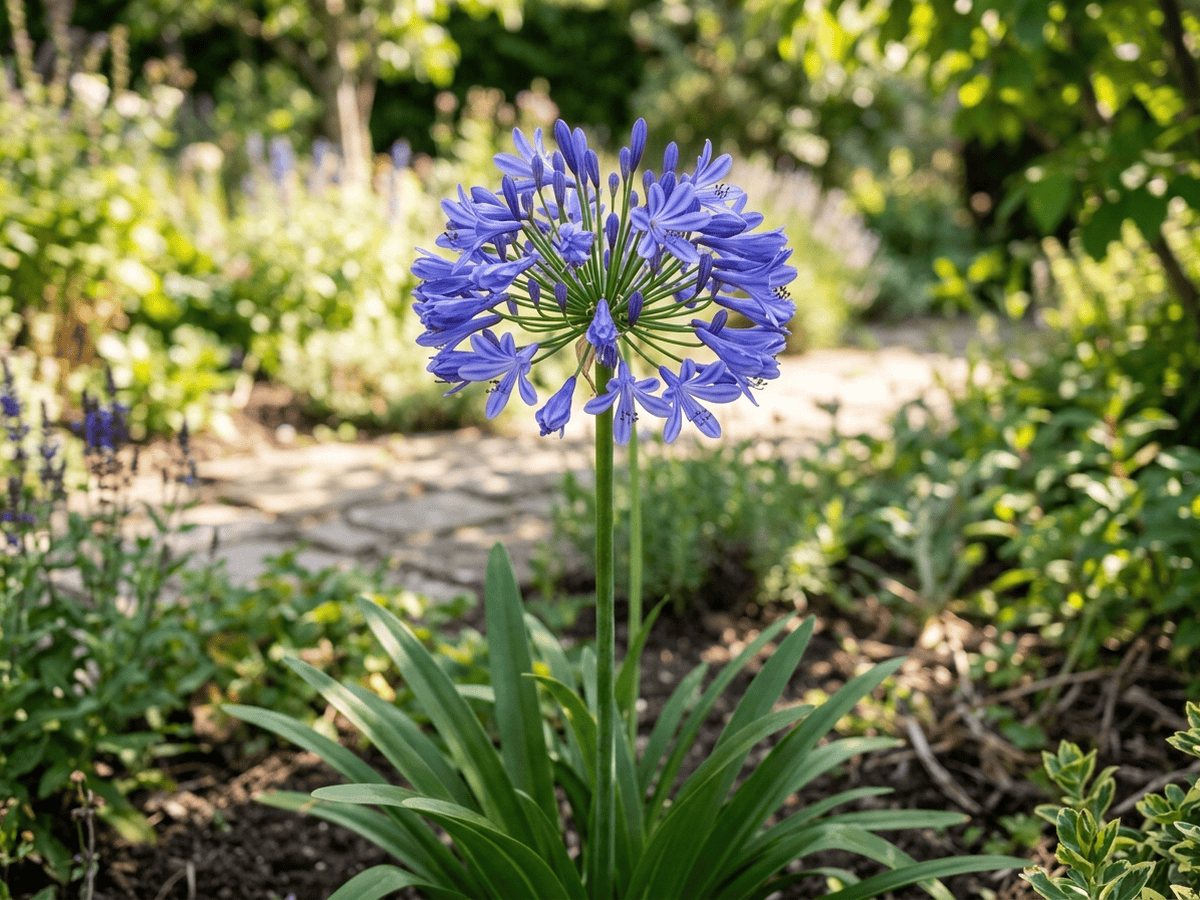 Common AgapanthusAgapanthus praecox
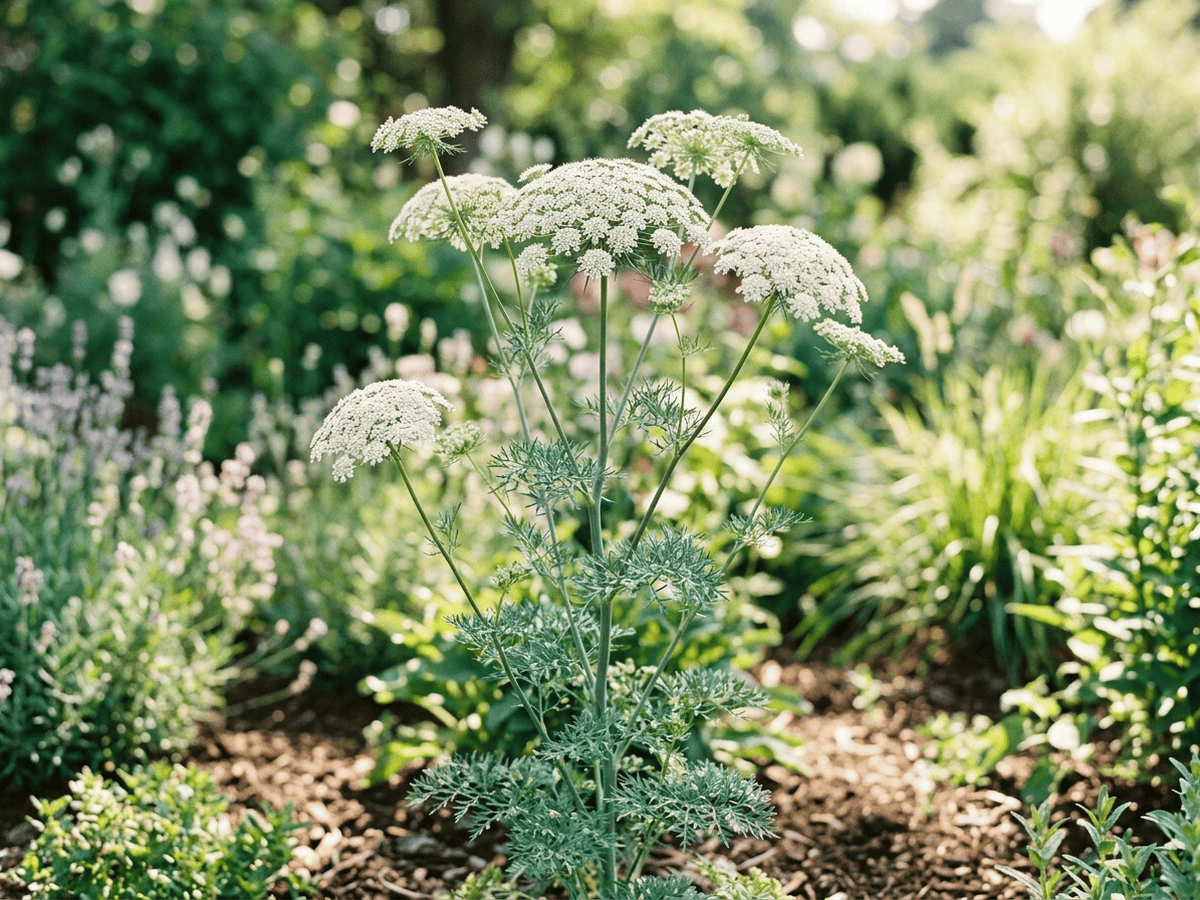 False Queen Anne's LaceAmmi majus glaucifolium
Frequently asked questions
How often should I water Primrose Jasmine?
In summer, water about every 5 days; in winter, about every 30 days. Adjust for heat, pot size and drainage.
How much light does Primrose Jasmine need?
Part sun: 4–6 hrs direct. Watch the leaves — scorching or stretching means the light needs adjusting.
Is Primrose Jasmine toxic to cats or dogs?
Pets Safe (Dogs Safe · Cats Safe) Educational information, not medical or veterinary advice. If exposure is suspected, contact a doctor or veterinarian.
Is Primrose Jasmine easy to grow?
It is considered challenging and rewards experienced growers.
When does Primrose Jasmine bloom?
It typically blooms Mar–Jun in the Northern Hemisphere.
YardMate
Identify any plant in seconds
Snap a photo — YardMate names the plant, diagnoses problems, and reminds you when to water.
Download on the App Store