 YardMate

Common Jasmine
Jasminum officinale
Medium · Some experienceAbout Common Jasmine
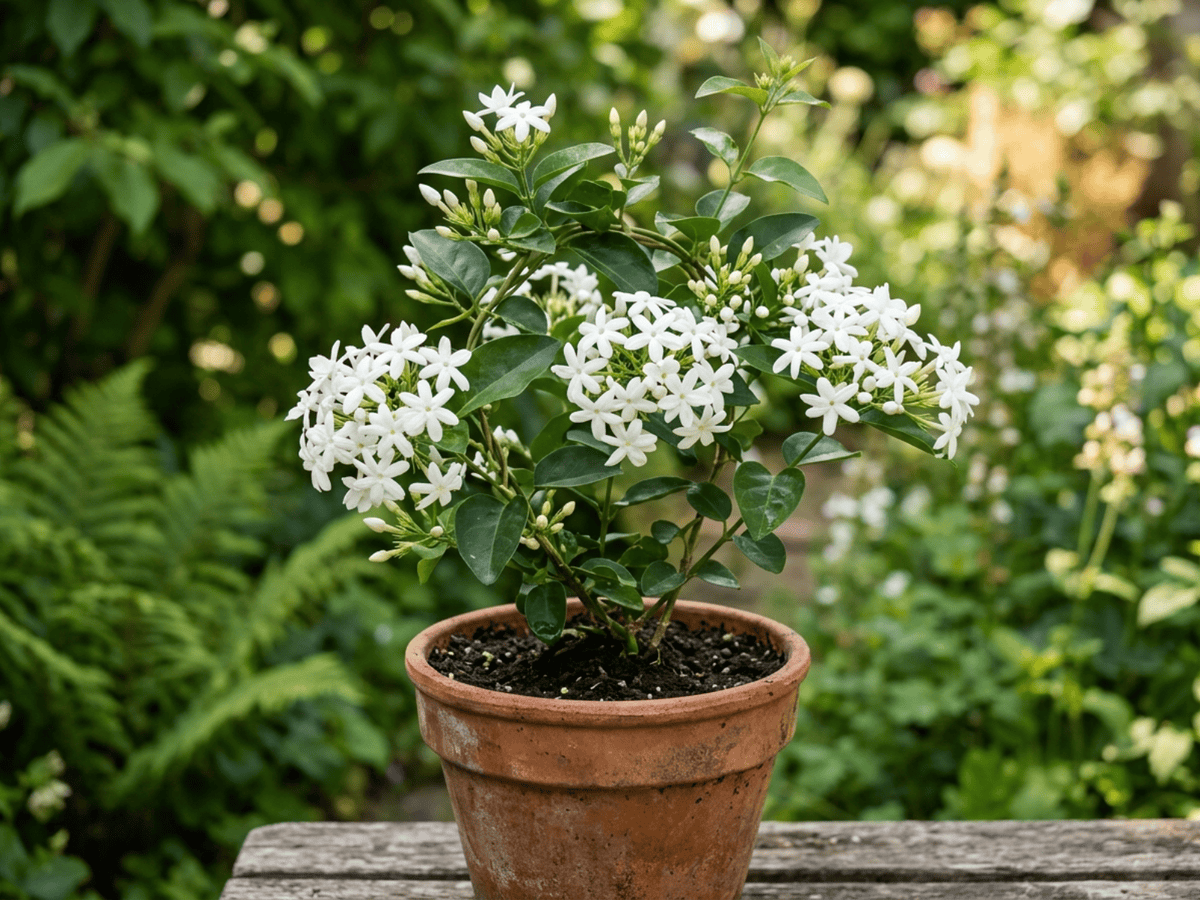
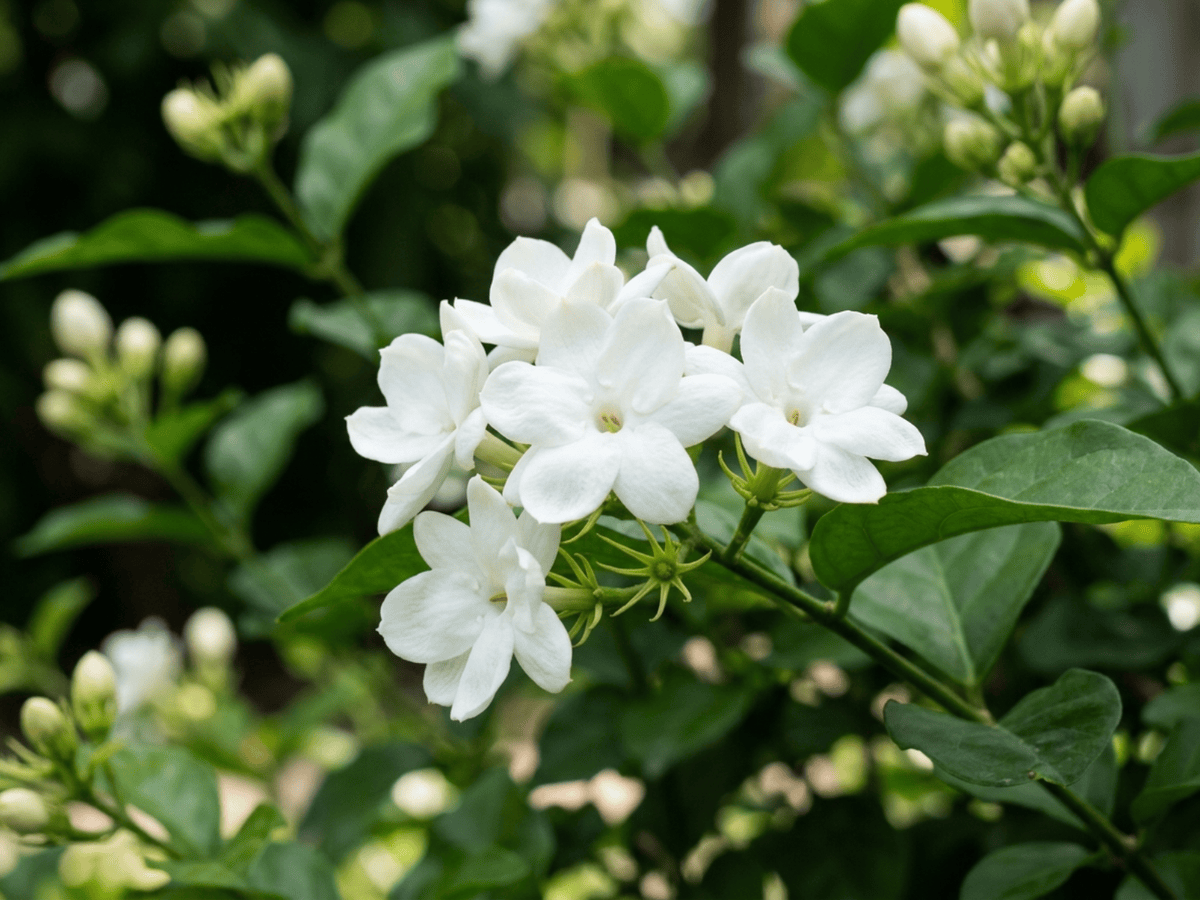
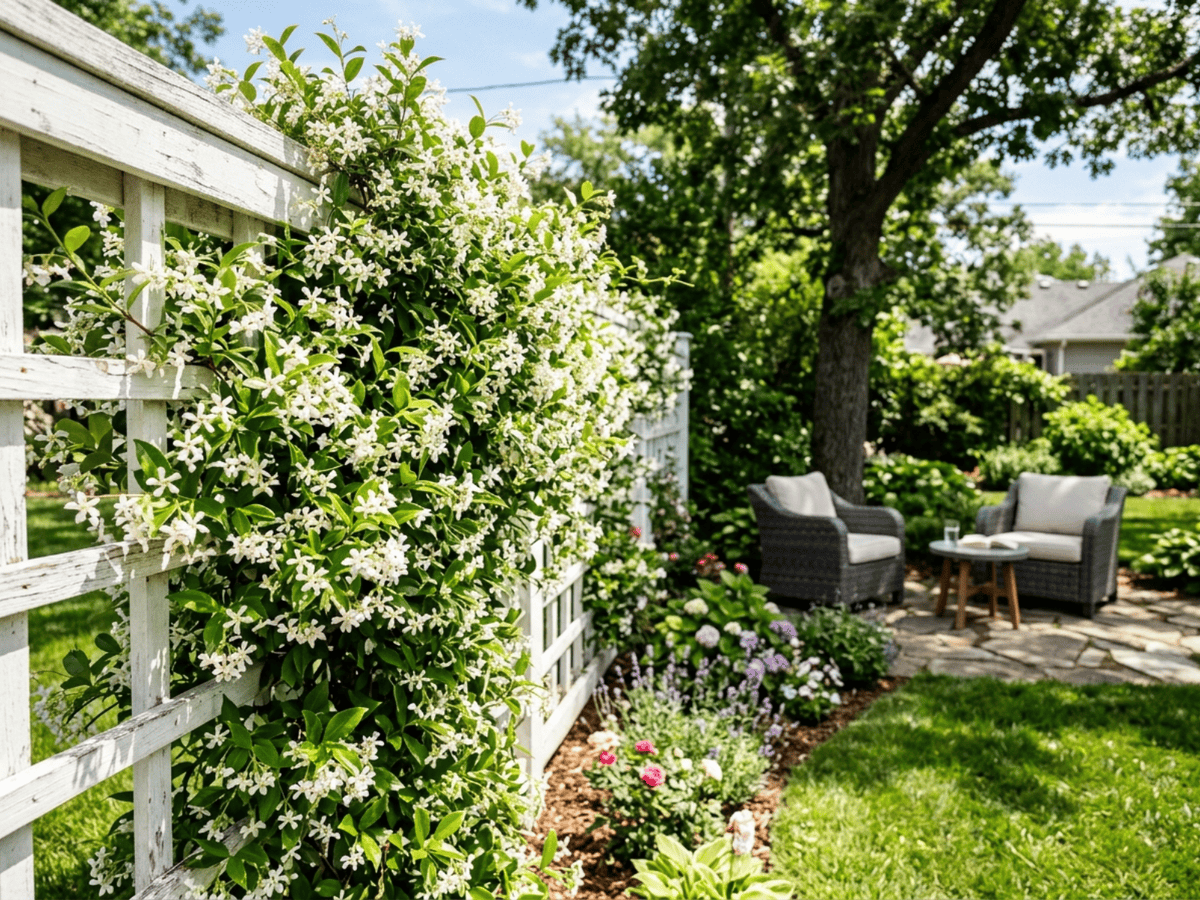
Jasminum officinale, the common jasmine or poet's jasmine, is a vigorous, twining vine producing clusters of small, star-shaped white flowers with an exquisite, complex fragrance from summer into autumn. Native to the Himalayas, Caucasus, and Iran, it has been cultivated along the Mediterranean for over 2,000 years. The fragrance is released primarily in the evening, attracting moth pollinators. It can climb 10+ meters given support. In Grasse, France, fields of J. grandiflorum (a close relative) have produced jasmine absolute for the world's finest perfumes since the 16th century.
- Fragrant
- Climbing
How to care for Common Jasmine
Watering
- Springevery 7 days
- Summerevery 5 days
- Fallevery 10 days
- Winterevery 14 days
Soil · Well-draining
- Top dressingPine bark mulch10%
- Main mixPotting soil + perlite 2:170%
- DrainageLECA / gravel20%
Never skip the drainage layer — standing water is the top cause of root rot.
FERTILIZER
Balanced Feed 14-14-14
An even feed covers all three needs at once, keeping leaves, roots and blooms moving together with nothing pushed out of balance.
- Nitrogen · Leaves
- Phosphorus · Roots + Blooms
- Potassium · Strength
- Springevery 30 days
- Summerevery 30 days
At a Glance
- NativeWestern Asia, South Asia
- Height15–30 ft (4.6–9.1 m)
- Spread5–10 ft (1.5–3 m)
- Flower colorWhite, Pink
- Foliage colorGreen
- SoilLoamy, Well-drained
- LocationsYard · Balcony
Bloom time
BLOOM CYCLE
Peak bloom
Jun–Nov
Star-shaped white flowers summer to autumn; intensely fragrant at night; vigorous climber
Fragrance
STRONG FRAGRANCE
Rich sweet floral fragrance intensifying at night; source of Grasse jasmine absolute.
Toxicity
Humans Safe · Pets Safe
None reported
Safe
EXPOSURE No exposure route is reported.
EFFECT Flowers edible and used in teas.
NOTE Listed as non-toxic for humans; avoid eating ornamental plants unless confirmed edible.
Safe
EXPOSURE No exposure route is reported.
EFFECT Not listed as toxic.
NOTE Listed as non-toxic for dogs; avoid eating ornamental plants unless confirmed edible.
Safe
EXPOSURE No exposure route is reported.
EFFECT Not listed as toxic.
NOTE Listed as non-toxic for cats; avoid eating ornamental plants unless confirmed edible.
Educational information, not medical or veterinary advice. If exposure is suspected, contact a doctor or veterinarian.
DISTRIBUTION


- Native
- Introduced
- Western Asia
- South Asia
History
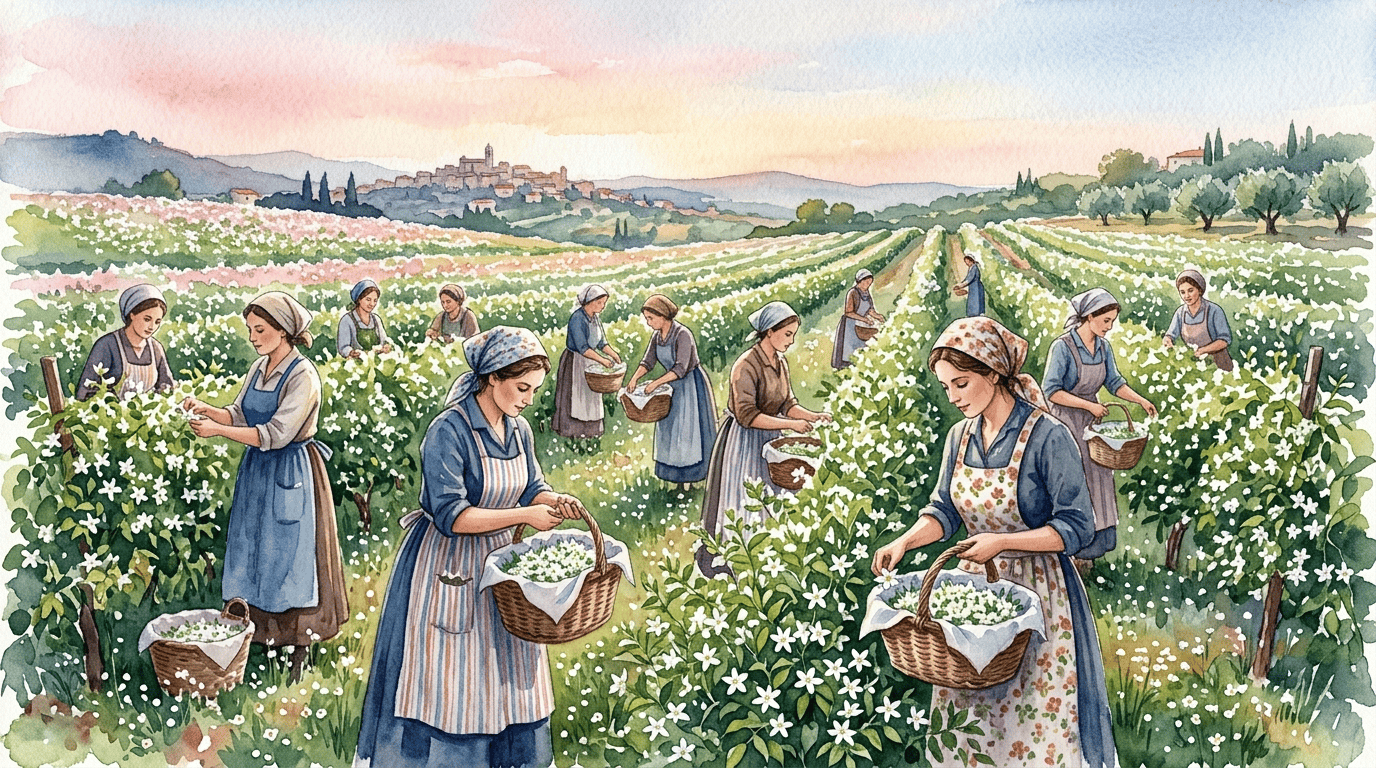
Jasminum officinale is native from the Caucasus through northern Iran, Afghanistan, Pakistan, and the western Himalaya into western China. It was carried westward along the Silk Road and Mediterranean trade routes, reaching Moorish Spain by the 1st millennium CE and becoming established in Italian gardens by the 16th century. The Grand Duke Cosimo I de' Medici is said to have had the first plant in Florence and jealously guarded it. By the 17th century it was a mainstay of Grasse perfumery in southern France; the town's jasmine-growing industry transformed the region and still anchors luxury perfumery — Chanel No. 5 uses Grasse jasmine in its heart accord.
Because the flower yields no usable essential oil by steam distillation, it must be extracted as an absolute via hexane solvent, making jasmine absolute one of the most costly perfumery raw materials. It is the national flower of Pakistan (Chambeli). Jasmine reached the Mediterranean via Persian gardens — its name comes from Persian 'yasmin' (gift from God).
In Grasse, the perfume capital of France, jasmine picking begins at dawn when the flowers are freshest, and pickers must gather the delicate flowers by hand. It takes approximately 7 million flowers to produce 1 kg of jasmine absolute. The Mughal emperors of India planted jasmine-filled moonlight gardens designed for evening enjoyment. In aromatherapy, jasmine oil is classified as an antidepressant — research shows its scent increases beta waves in the brain, promoting alertness while reducing anxiety.
Symbolism & meaning
What It Symbolizes
Common Jasmine is sensuality released after dark, its small white stars holding back fragrance until evening, when the air fills with romance and mystery. From Persian gardens to Chinese tea, its perfume has long been associated with awakened senses and amorous nights. To stand near a flowering vine at dusk is to receive the universal botanical signal that a quiet evening has just turned interesting.
- Sensuality — Its night-released fragrance represents romance, mystery, and awakened senses
Where the Name Comes From
Jasminum comes from Persian 'yasmin.' 'Officinale' means of the apothecary shop.
Uses & Fun Facts
- Star-shaped white flowers release iconic complex jasmine perfume
- Twining stems train across arbors, trellises, and porch posts
- Flowers infused into traditional jasmine teas and syrups
- Petals harvested commercially for perfumery absolute extraction
Related plants
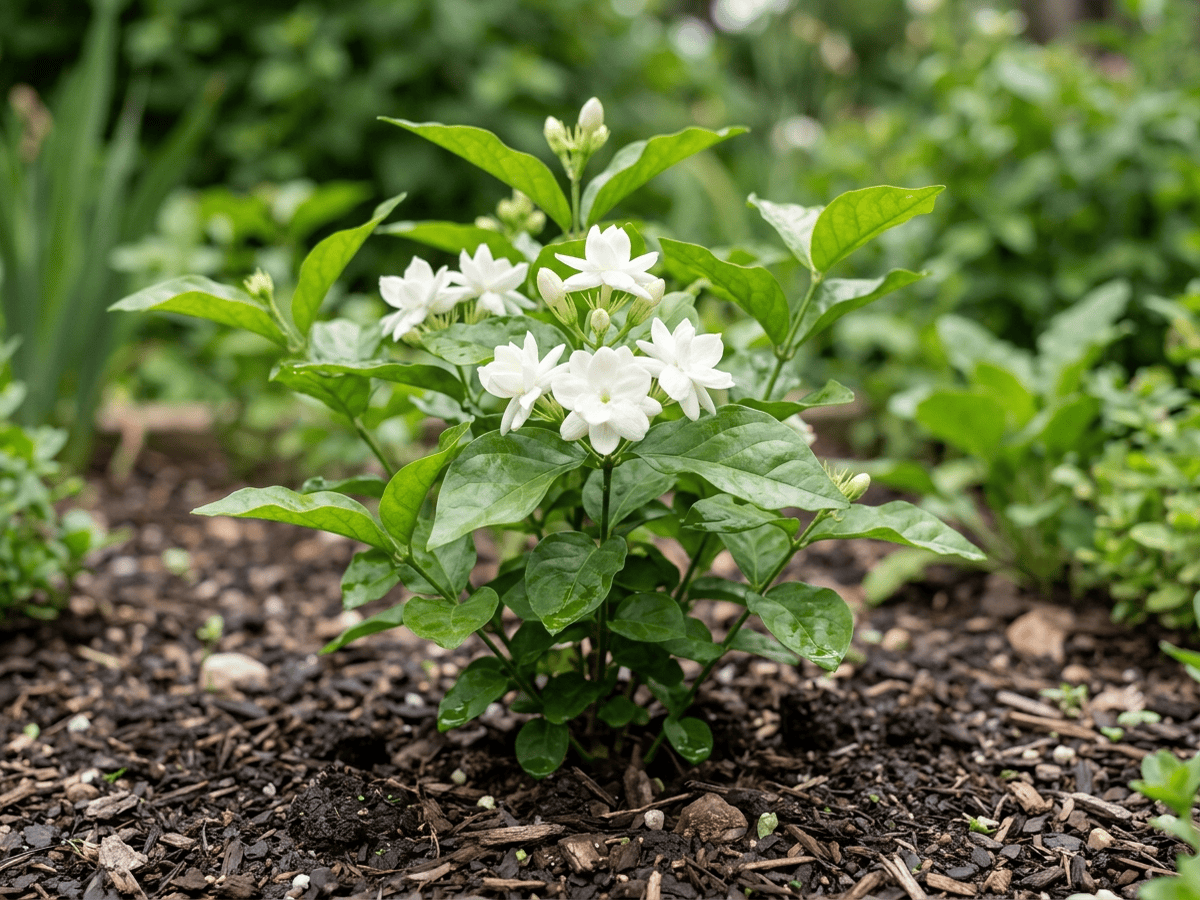
More Jasminum plants
Plants with similar care
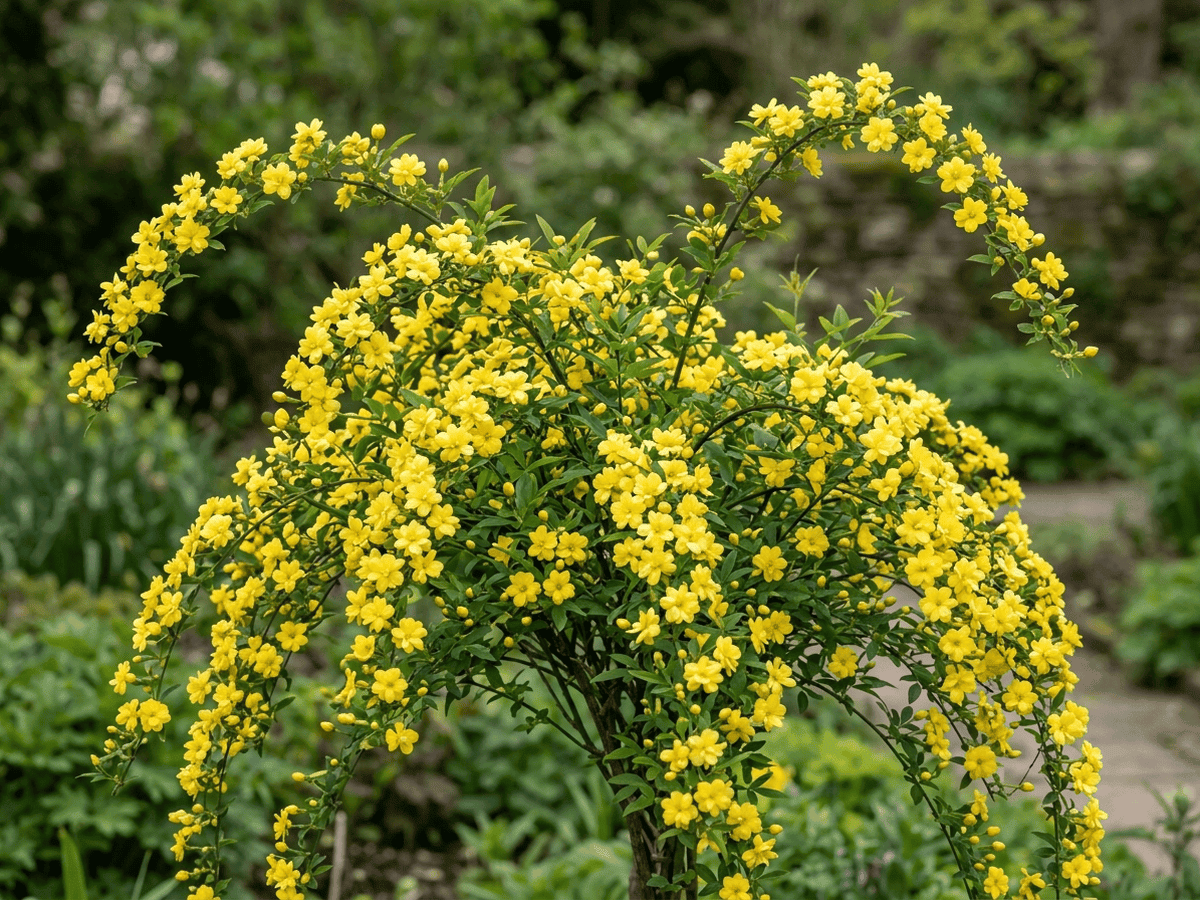
 Mexican AbeliaAbelia floribunda
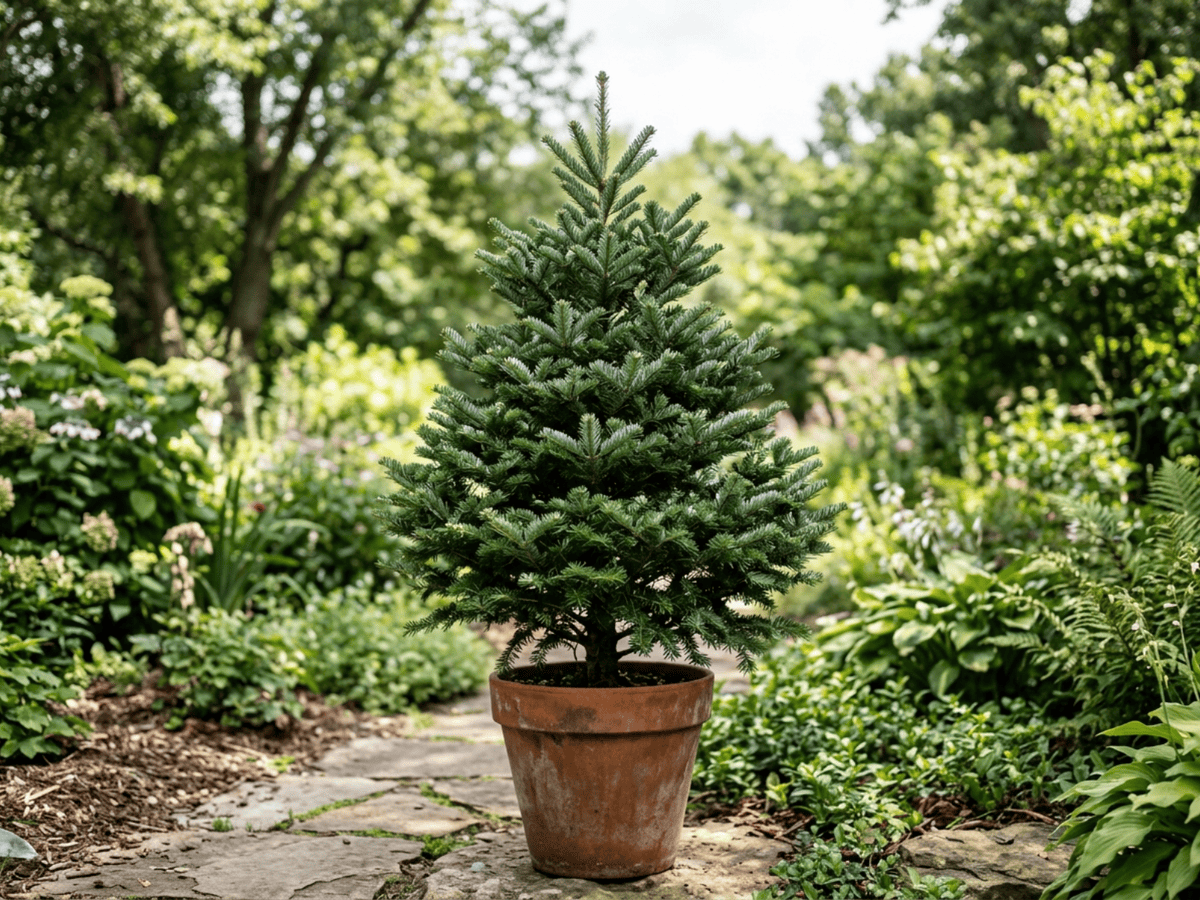 Fraser FirAbies fraseri
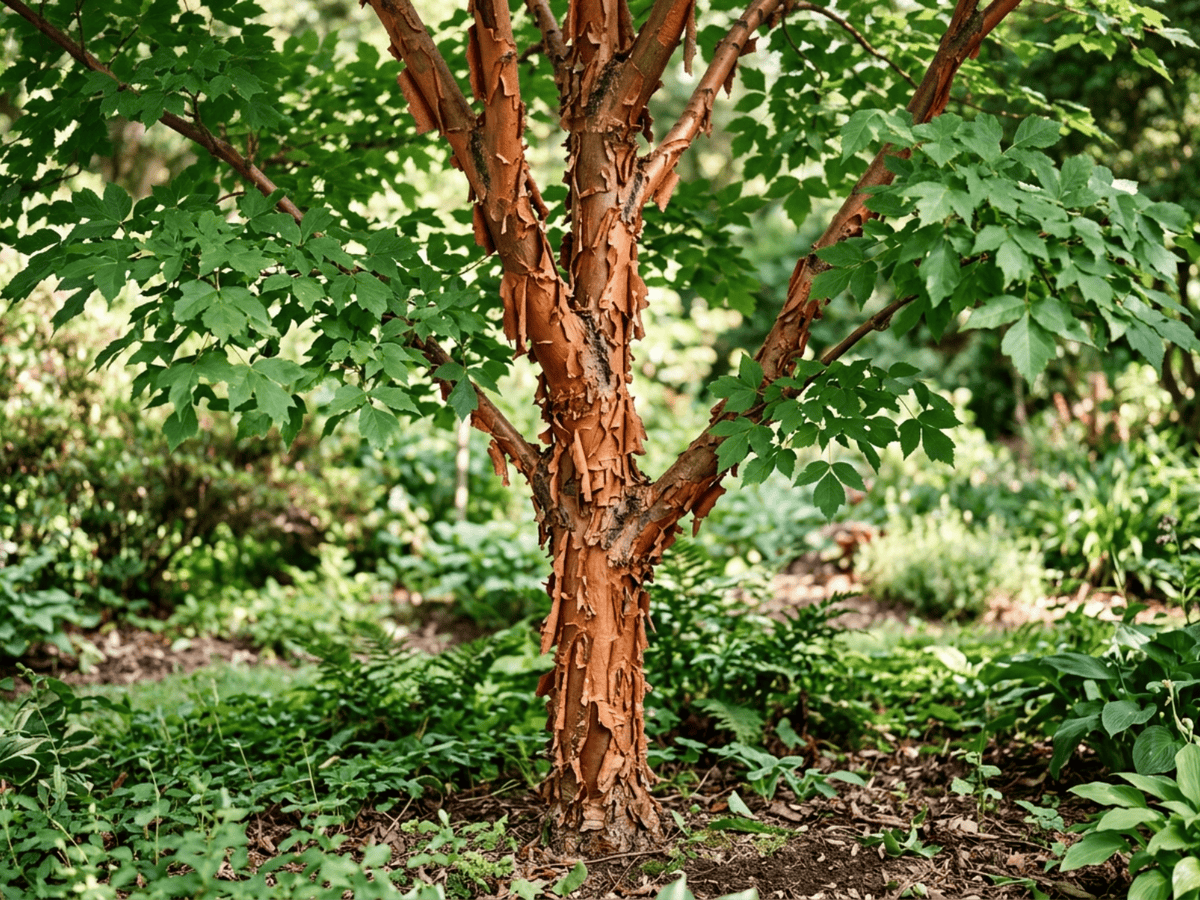 Paperbark MapleAcer griseum
 Sugar MapleAcer saccharum
Frequently asked questions
How often should I water Common Jasmine?
In summer, water about every 5 days; in winter, about every 14 days. Adjust for heat, pot size and drainage.
How much light does Common Jasmine need?
Full sun: 6+ hrs direct. Watch the leaves — scorching or stretching means the light needs adjusting.
Is Common Jasmine toxic to cats or dogs?
Pets Safe (Dogs Safe · Cats Safe) Educational information, not medical or veterinary advice. If exposure is suspected, contact a doctor or veterinarian.
Is Common Jasmine easy to grow?
It is moderately demanding: a good choice once you have a little experience.
When does Common Jasmine bloom?
It typically blooms Jun–Nov in the Northern Hemisphere.
YardMate
Identify any plant in seconds
Snap a photo — YardMate names the plant, diagnoses problems, and reminds you when to water.
Download on the App Store