 YardMate

Arabian Jasmine
Jasminum sambac
Medium · Some experienceAbout Arabian Jasmine
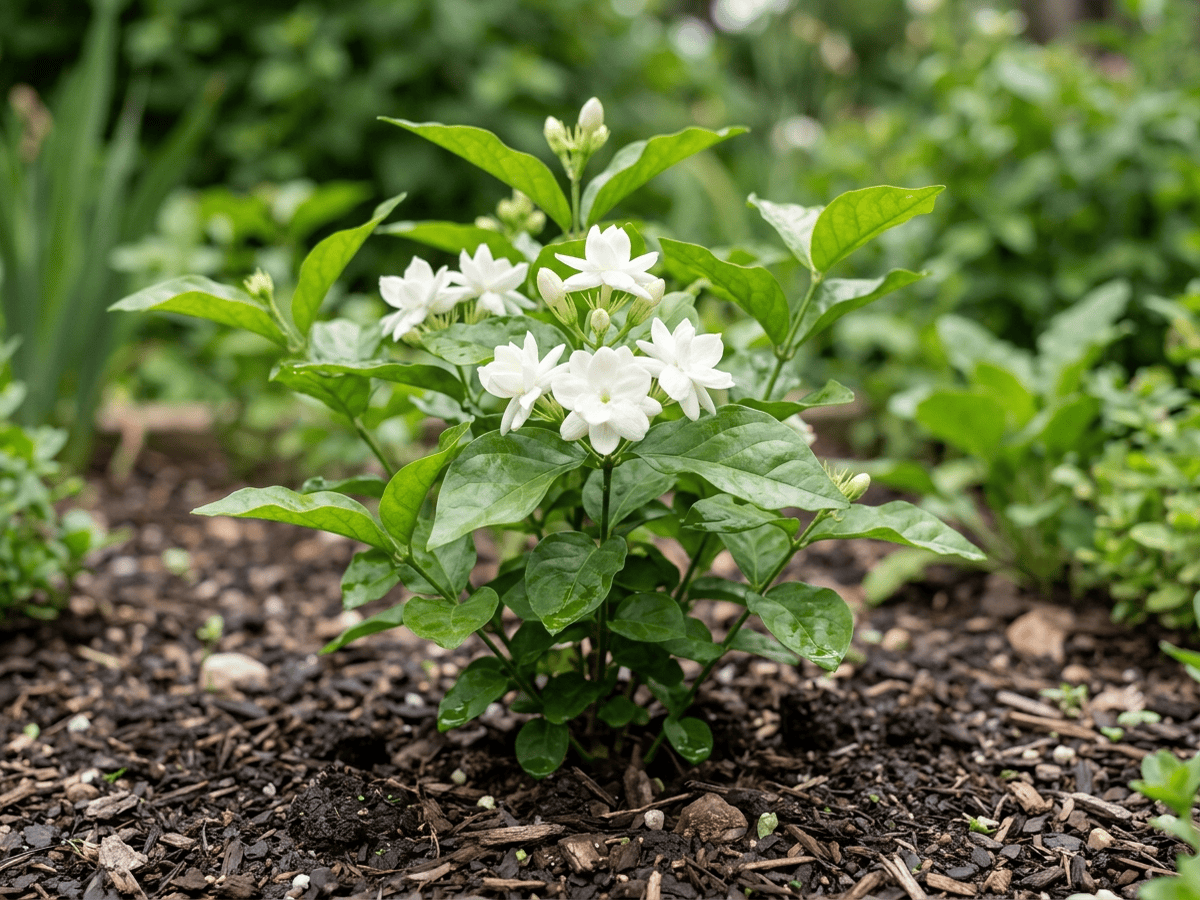
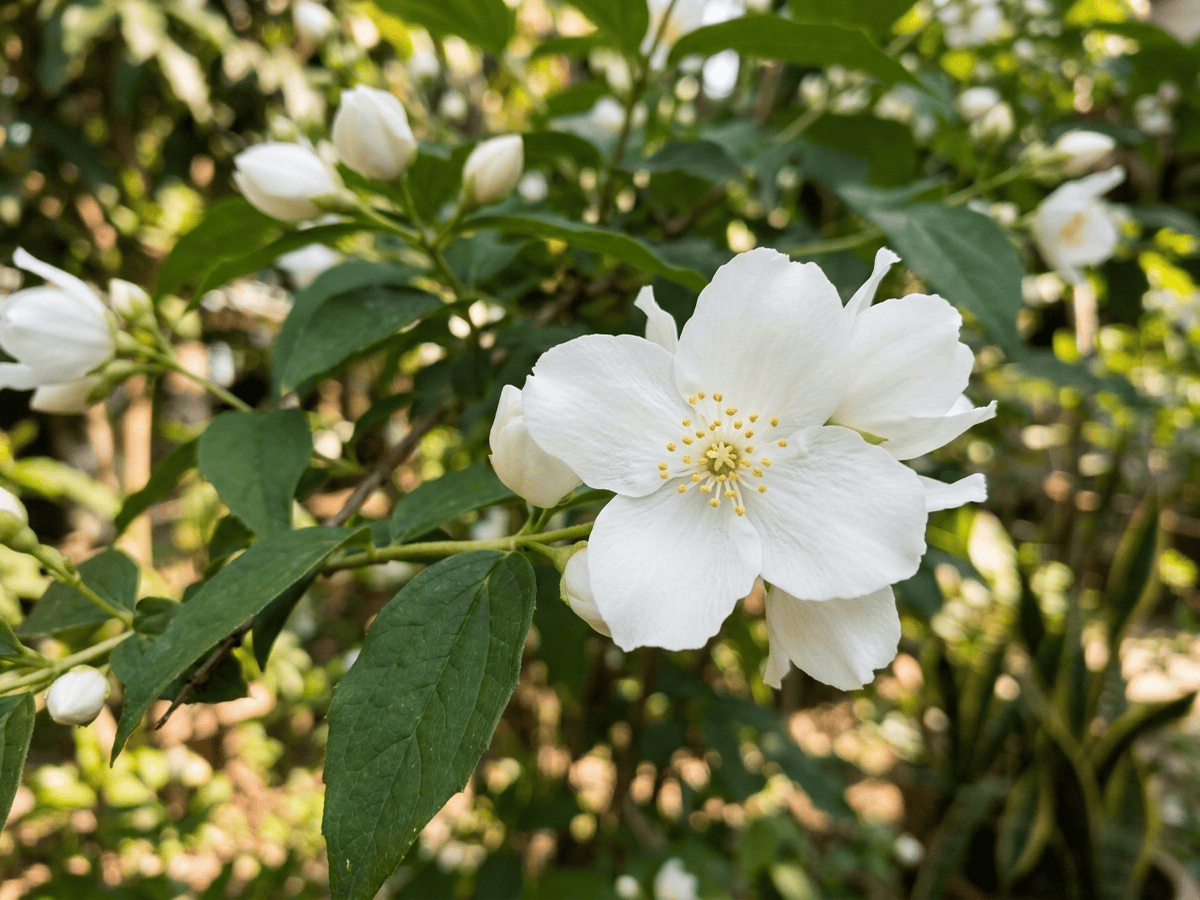
Jasminum sambac, the Arabian jasmine, produces small, intensely fragrant white flowers that are the source of jasmine tea, jasmine garlands, and some of the world's finest perfumes. Native to South and Southeast Asia, it blooms continuously in warm conditions, with the strongest fragrance released at night. In the Philippines (where it is the national flower, 'sampaguita'), fresh garlands are sold on street corners. In China, jasmine flowers are layered with tea leaves to create jasmine tea — the world's most popular scented tea. The flowers open white and fade to pink.
- Fragrant
- Climbing
How to care for Arabian Jasmine
Watering
- Springevery 7 days
- Summerevery 5 days
- Fallevery 10 days
- Winterevery 14 days
Soil · Rich & well-draining
- Top dressingCompost10%
- Main mixPotting soil + compost 3:180%
- DrainageGravel10%
Top up the compost layer each season.
FERTILIZER
Balanced Feed 14-14-14
An even feed covers all three needs at once, keeping leaves, roots and blooms moving together with nothing pushed out of balance.
- Nitrogen · Leaves
- Phosphorus · Roots + Blooms
- Potassium · Strength
- Springevery 30 days
- Summerevery 30 days
At a Glance
- NativeSouth Asia
- Height3–6 ft (0.9–1.8 m)
- Spread2–4 ft (0.6–1.2 m)
- Flower colorWhite
- Foliage colorGreen
- SoilLoamy, Well-drained, Rich
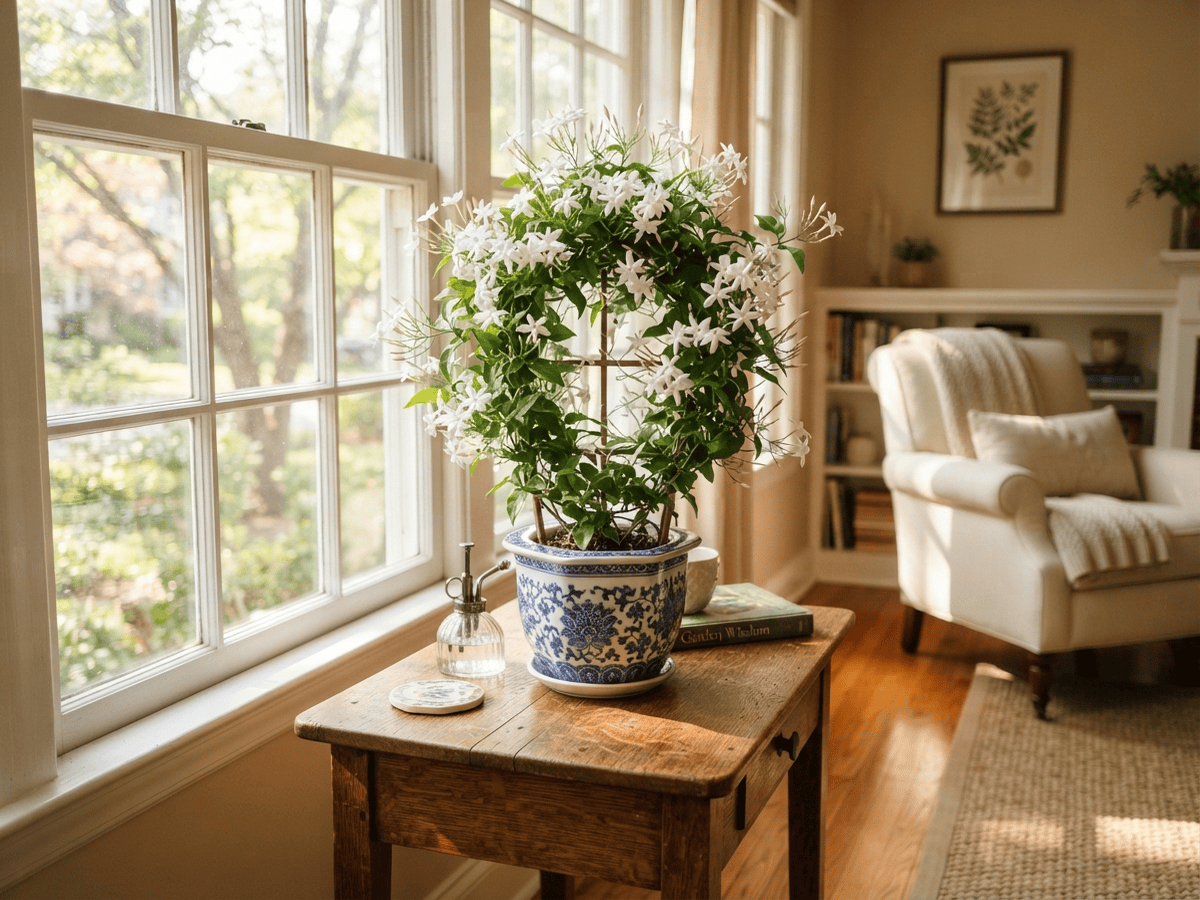
- LocationsIndoor · Balcony
Bloom time
BLOOM CYCLE
Peak bloom
Jan–Dec
Small white flowers with intense night fragrance; blooms year-round in warmth
Fragrance
STRONG FRAGRANCE
Intensely sweet tropical-floral fragrance intensifying at night; central to jasmine tea and traditional perfumery.
Toxicity
Humans Safe · Pets Safe
None reported
Safe
EXPOSURE No exposure route is reported.
EFFECT Flowers widely consumed in jasmine tea and sweets and no toxicity.
NOTE Listed as non-toxic for humans; avoid eating ornamental plants unless confirmed edible.
Safe
EXPOSURE No exposure route is reported.
EFFECT Not listed as toxic.
NOTE Listed as non-toxic for dogs; avoid eating ornamental plants unless confirmed edible.
Safe
EXPOSURE No exposure route is reported.
EFFECT Not listed as toxic.
NOTE Listed as non-toxic for cats; avoid eating ornamental plants unless confirmed edible.
Educational information, not medical or veterinary advice. If exposure is suspected, contact a doctor or veterinarian.
DISTRIBUTION


- Native
- Introduced
- South Asia
History

Jasminum sambac is probably native to India and the eastern Himalaya, but its cultural reach is far wider than its wild range. The name sambac comes through Arabic perfume language, and the plant is central to fragrance traditions across South and Southeast Asia. It is the national flower of the Philippines, where it is known as sampaguita, and of Indonesia, where it is melati putih; it is also deeply woven into Indian weddings, temple offerings, and hair garlands.
In China it became the defining flower of jasmine tea: fresh blossoms are layered with tea leaves through repeated scenting cycles until the leaves hold the perfume. Double forms such as 'Grand Duke of Tuscany' and 'Maid of Orleans' dominate horticulture.
Jasmine absolute from J. sambac and related jasmines is one of perfumery's precious materials, linking garden, ritual, tea cup, and luxury fragrance in one small white flower.
Symbolism & meaning
What It Symbolizes
Arabian Jasmine has carried the meaning of devotion across Asia for centuries, offered to gods, strung into bridal garlands, and woven into hair for ceremonies of love and welcome. The intense night-time fragrance is, in many cultures, almost sacred, a scent that shifts an ordinary evening into something ritual. In the language of flowers Jasminum sambac is the quiet vow, a small white blossom that has stood, again and again, for the kind of love understood to be both human and divine.
- Devotion — Offered to gods across Asia and used in bridal garlands, it represents sacred love
Where the Name Comes From
The name Arabian Jasmine points to Arabia. Jasminum from Persian 'yasmin' (gift from God). Sambac from the Sanskrit name 'champaka' via Arabic.
Uses & Fun Facts
- Flowers used to scent classic jasmine green tea
- Intensely sweet jasmine perfume released in the evening
- National flower of the Philippines and Indonesia
Related plants
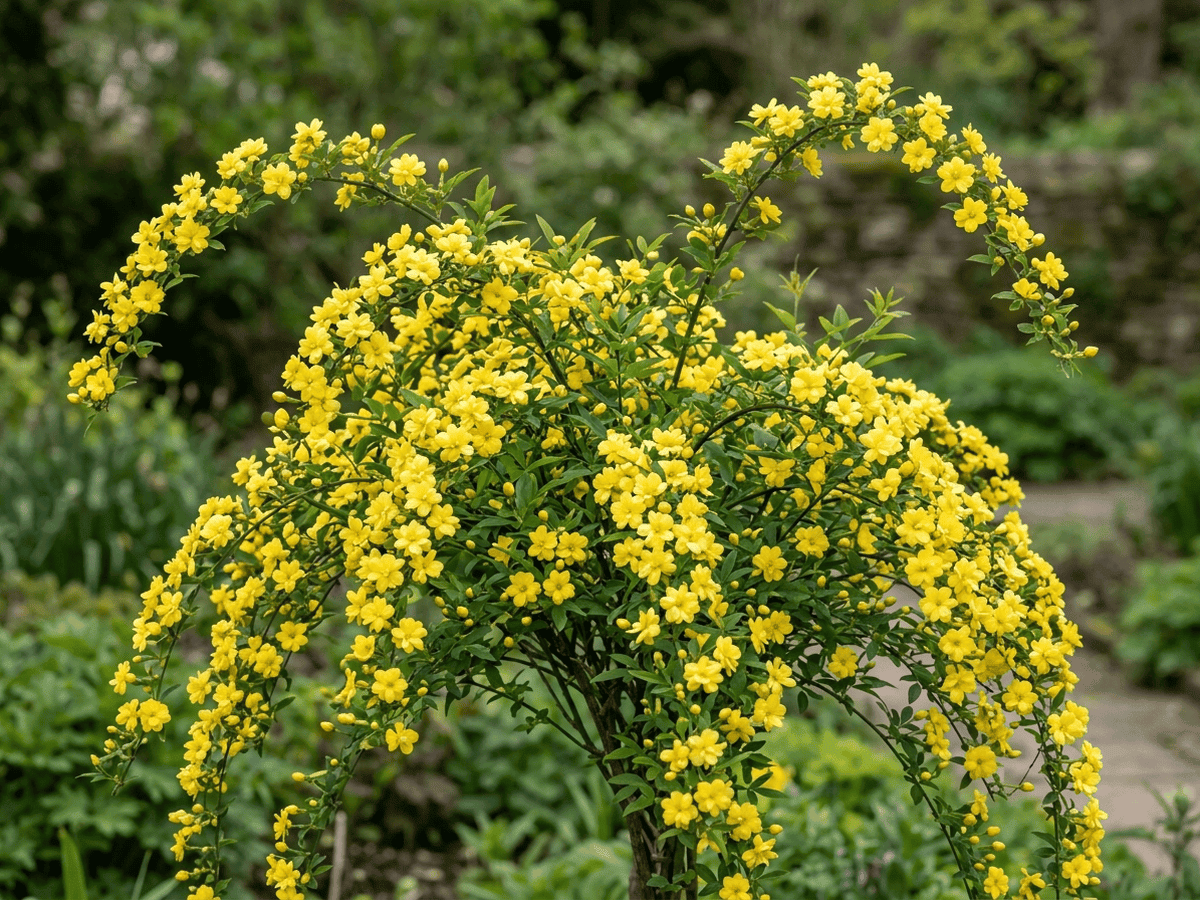
More Jasminum plants
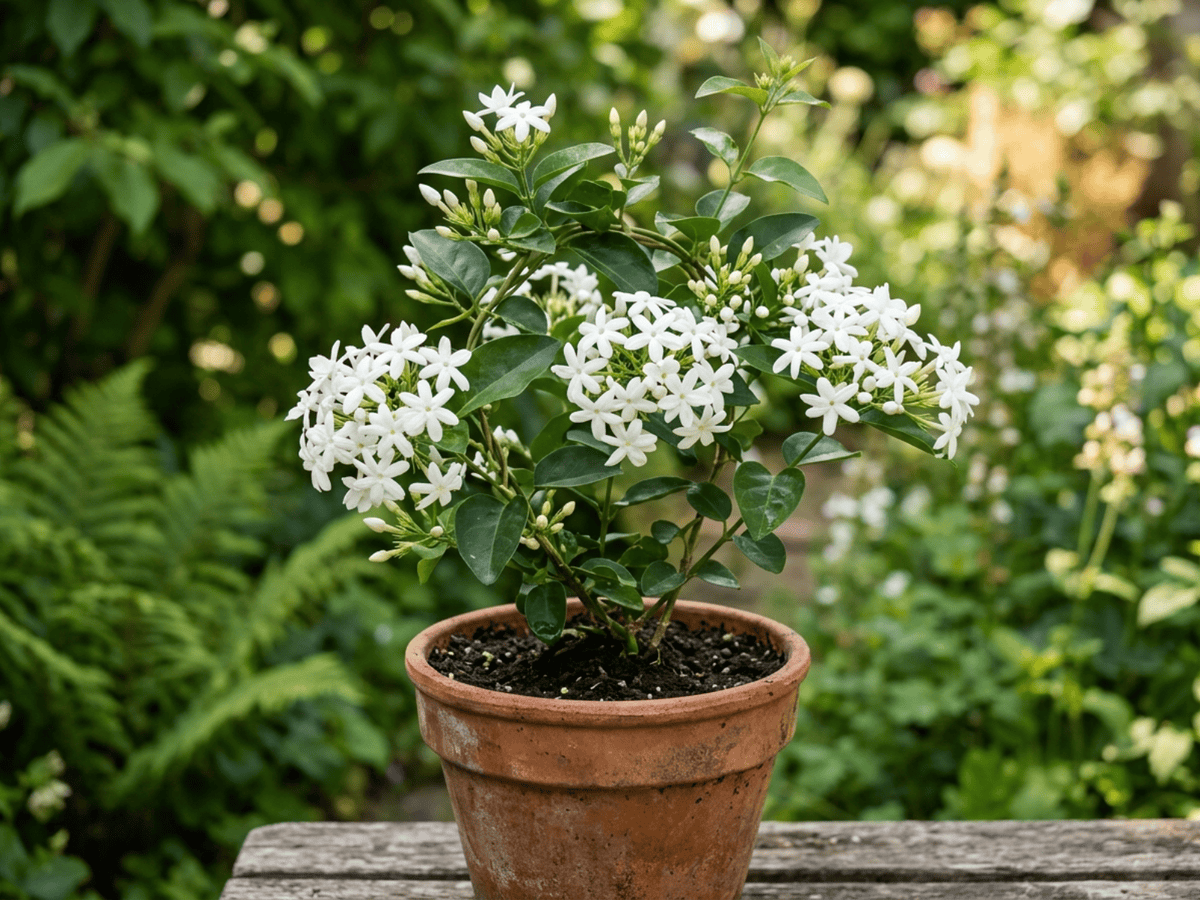
Plants with similar care
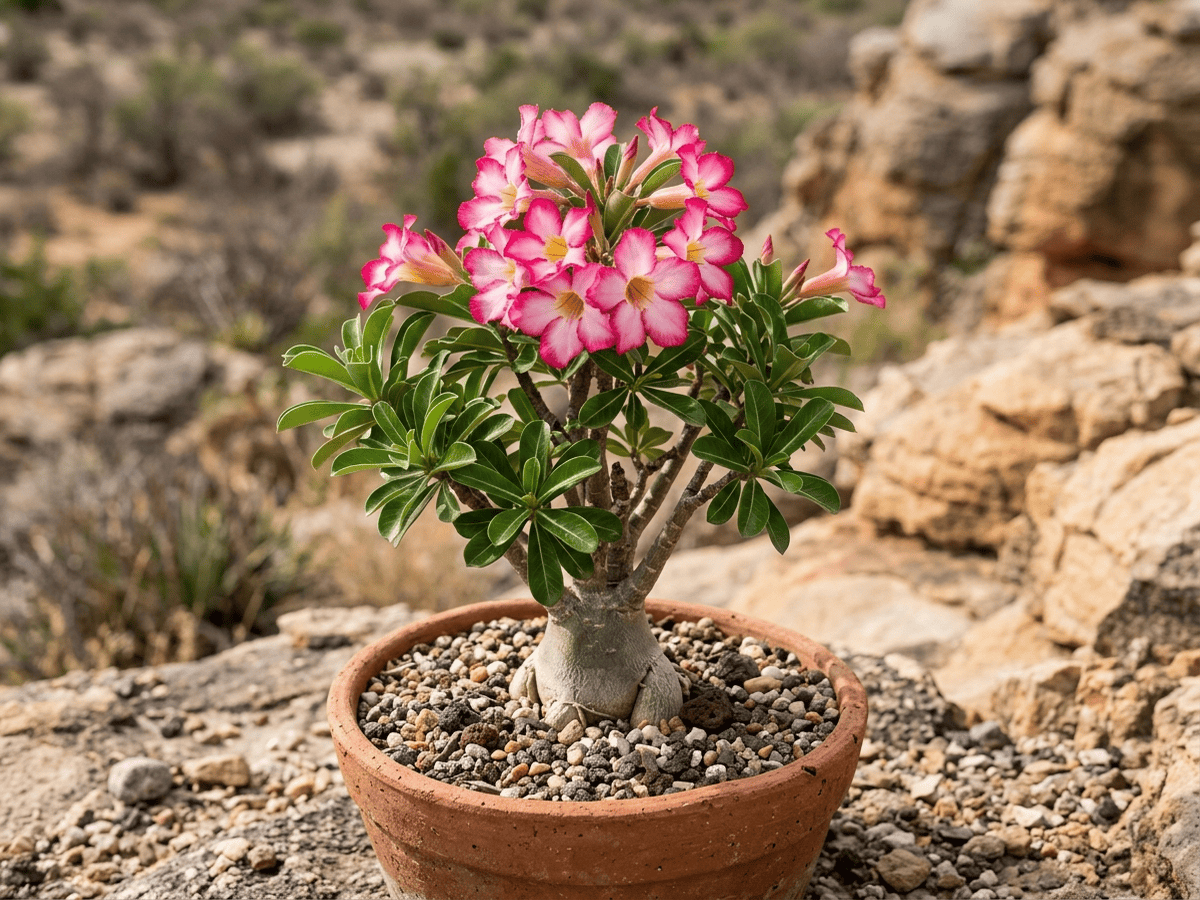 Desert RoseAdenium obesum
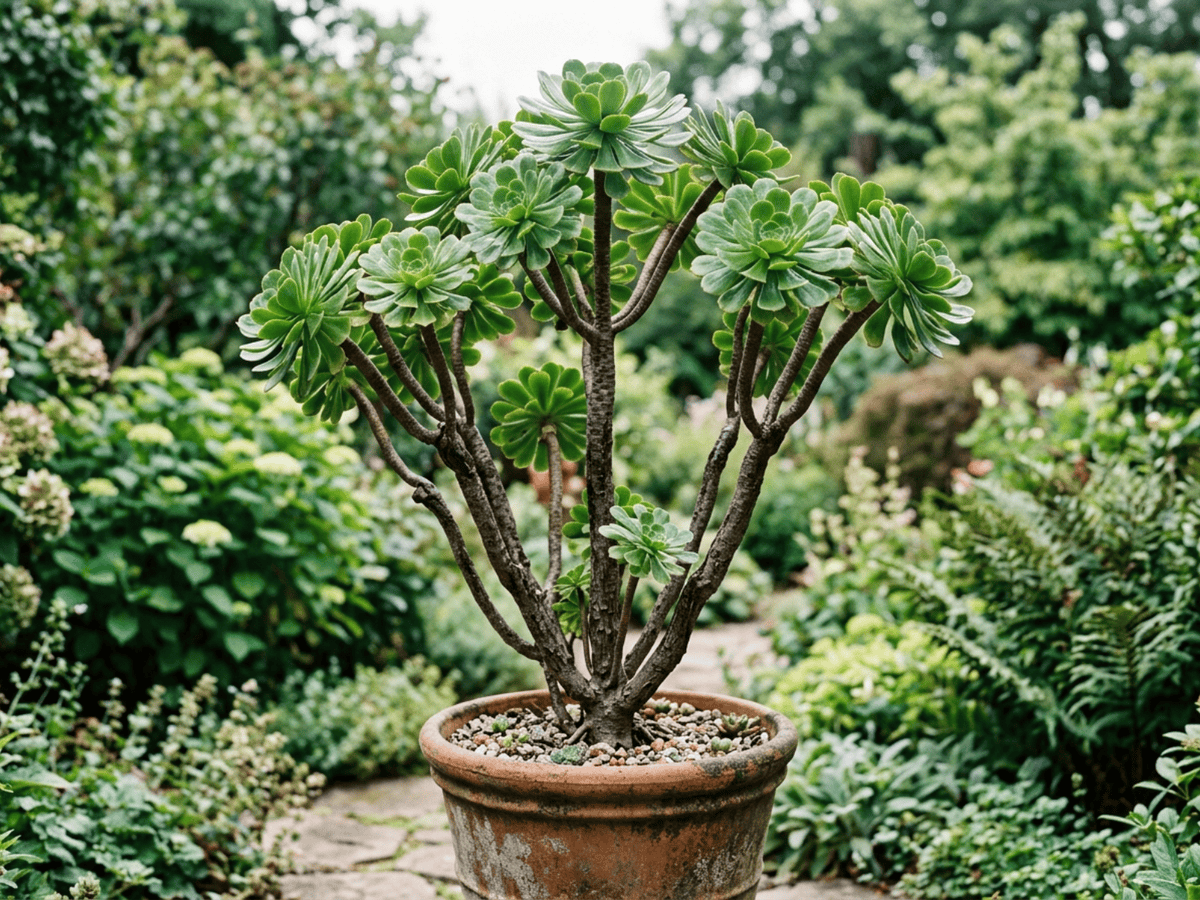 Tree AeoniumAeonium arboreum
 Queen Victoria AgaveAgave victoriae-reginae
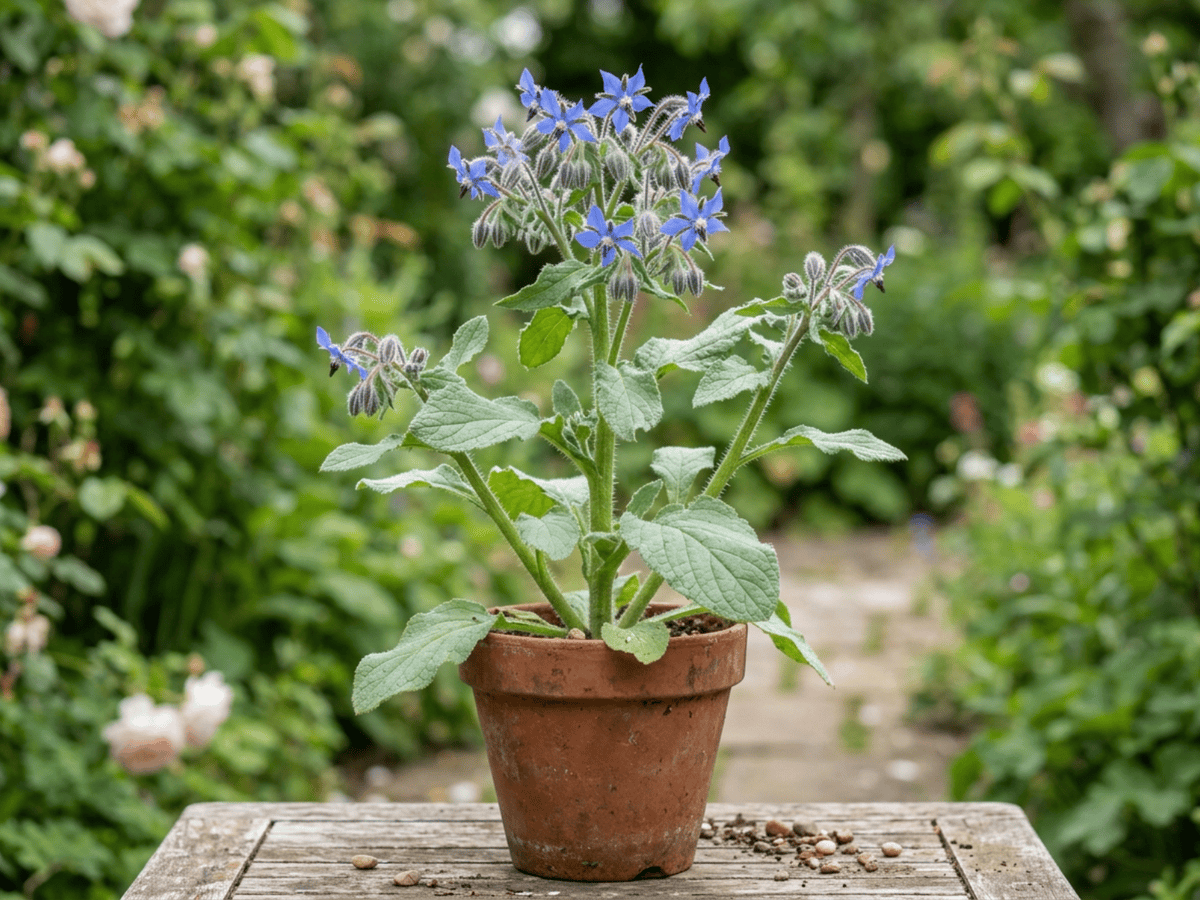 Lemon VerbenaAloysia citriodora
Frequently asked questions
How often should I water Arabian Jasmine?
In summer, water about every 5 days; in winter, about every 14 days. Adjust for heat, pot size and drainage.
How much light does Arabian Jasmine need?
Full sun: 6+ hrs direct. Watch the leaves — scorching or stretching means the light needs adjusting.
Is Arabian Jasmine toxic to cats or dogs?
Pets Safe (Dogs Safe · Cats Safe) Educational information, not medical or veterinary advice. If exposure is suspected, contact a doctor or veterinarian.
Is Arabian Jasmine easy to grow?
It is moderately demanding: a good choice once you have a little experience.
Can Arabian Jasmine be grown indoors?
Yes, it adapts well to indoor growing given the right light.
When does Arabian Jasmine bloom?
It typically blooms Jan–Dec in the Northern Hemisphere.
YardMate
Identify any plant in seconds
Snap a photo — YardMate names the plant, diagnoses problems, and reminds you when to water.
Download on the App Store