 YardMate

Willow-leaved Lettuce
Lactuca saligna
Medium · Some experienceAbout Willow-leaved Lettuce
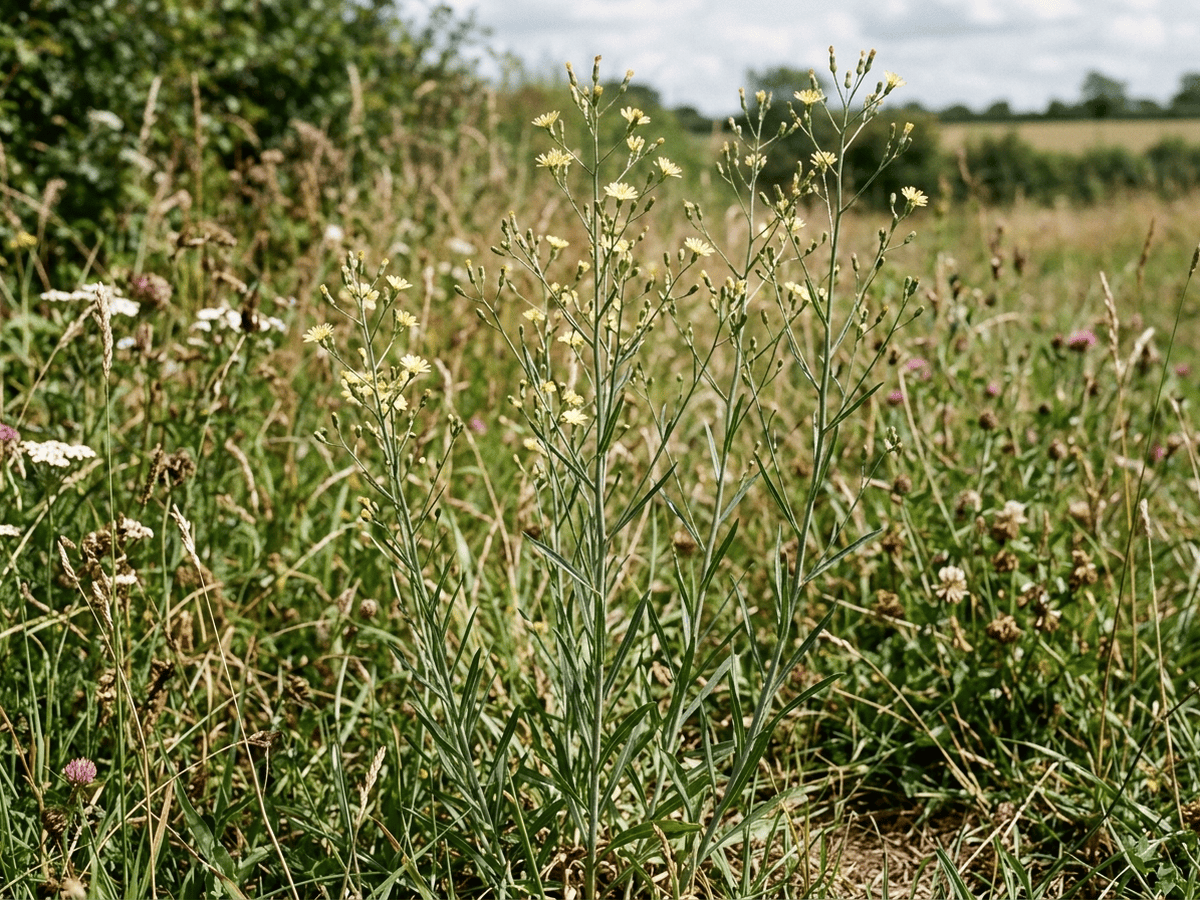
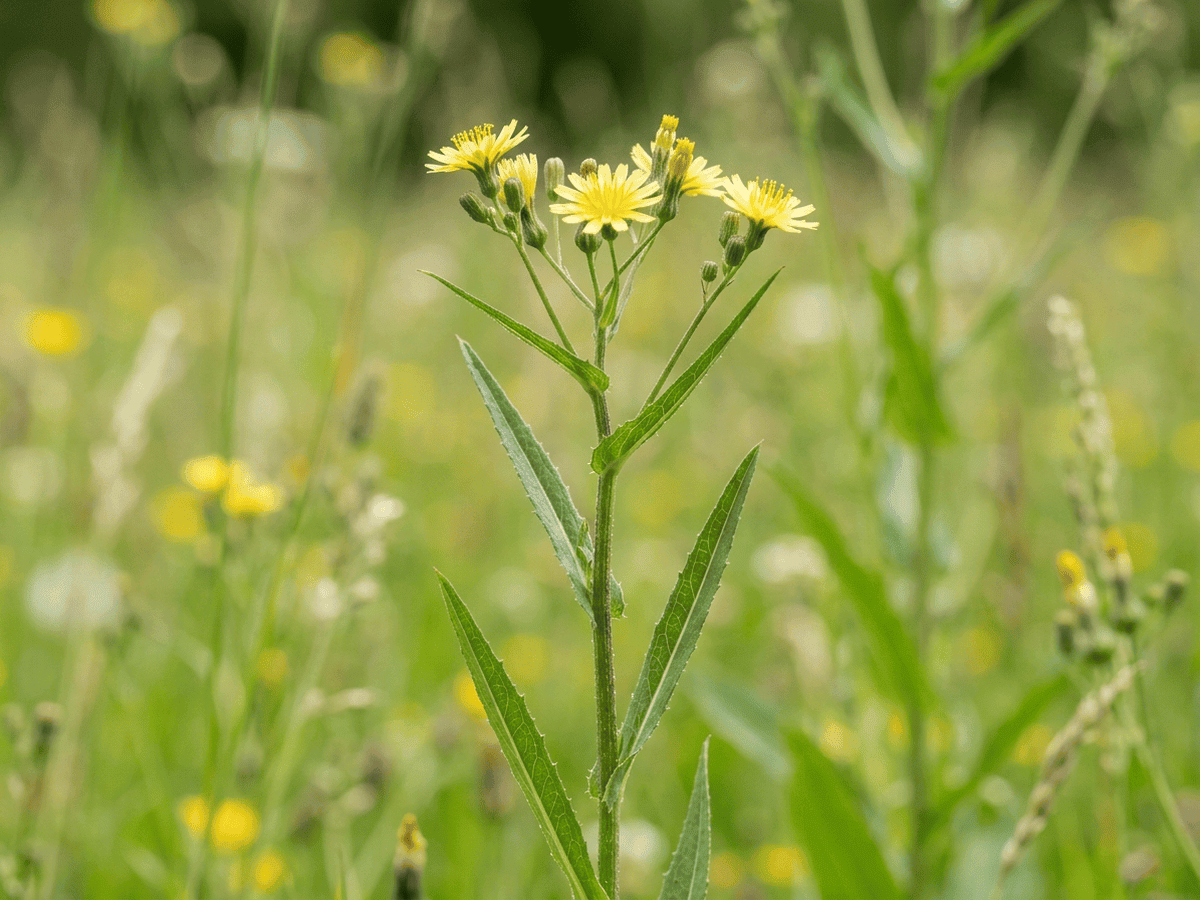
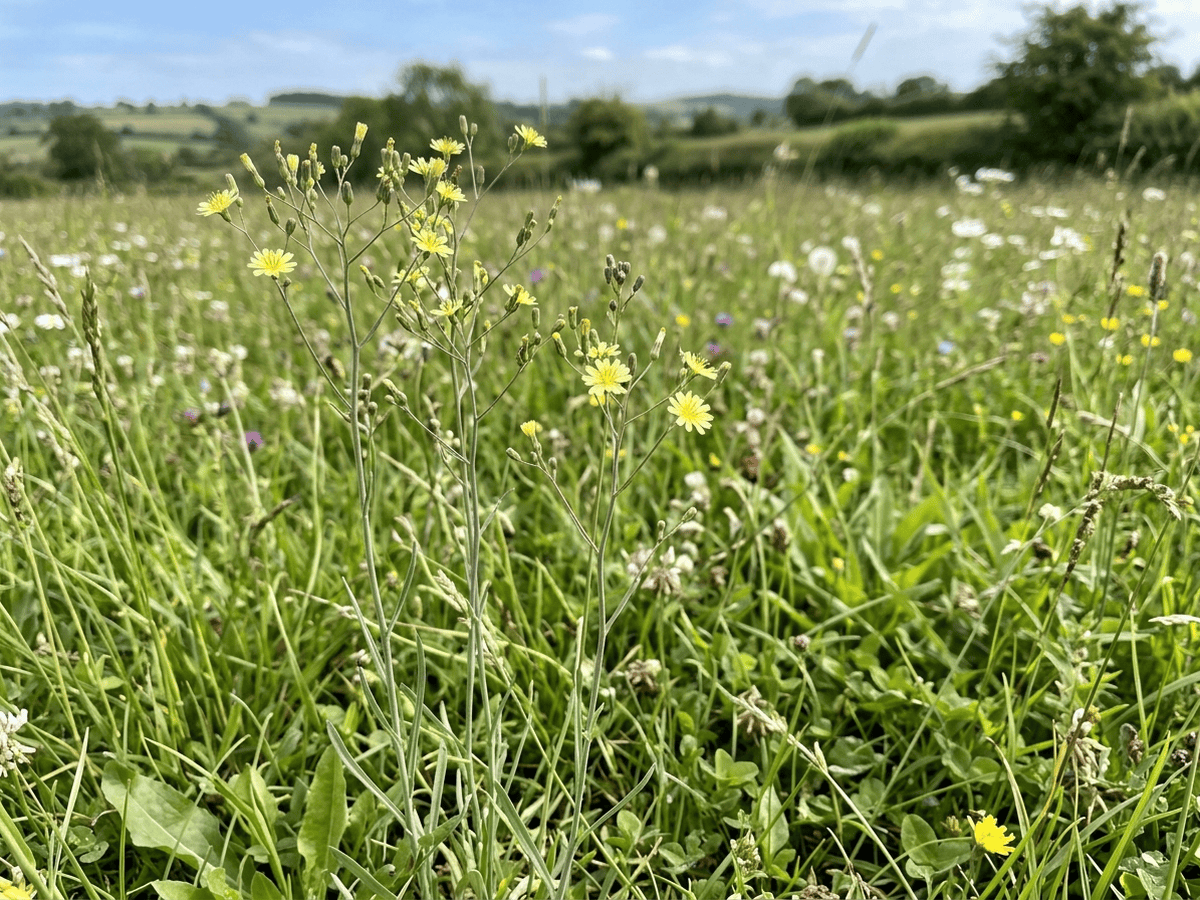
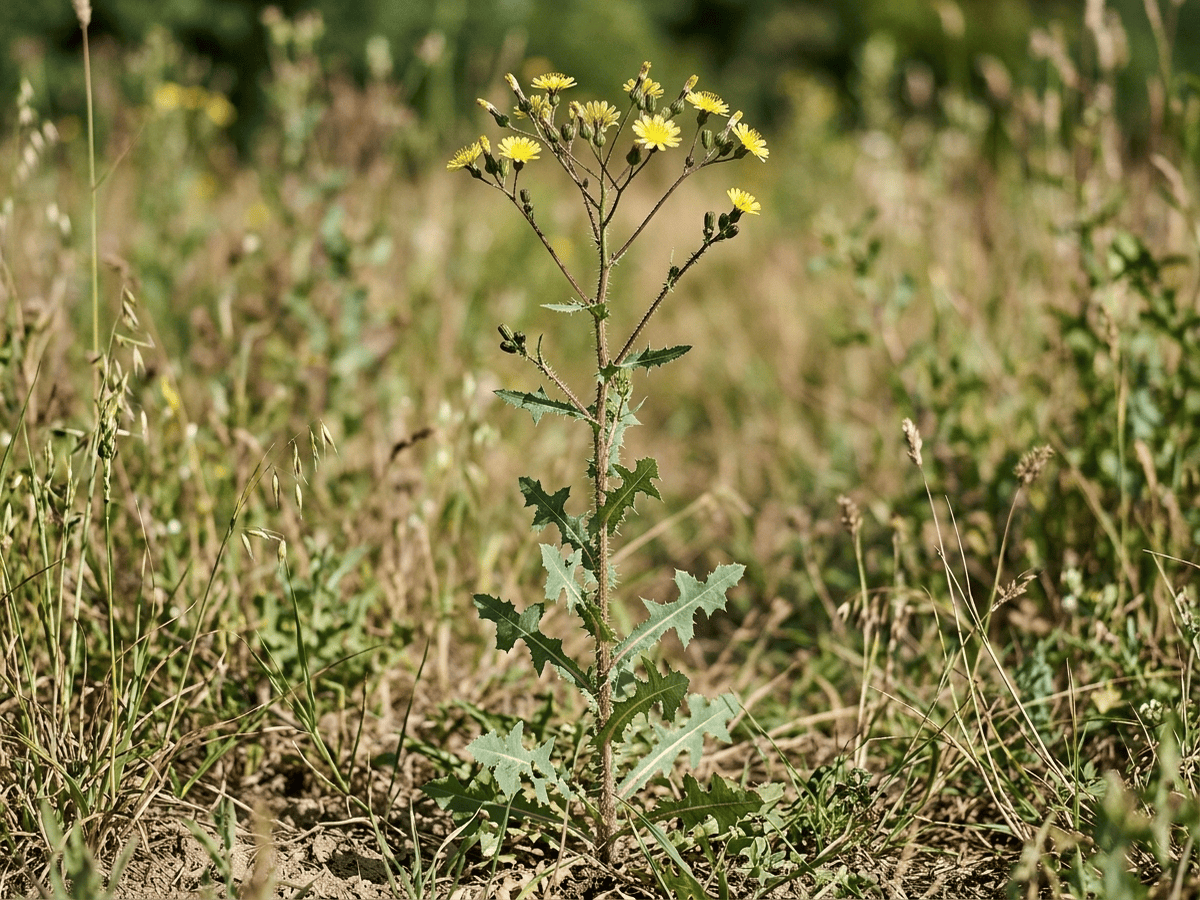
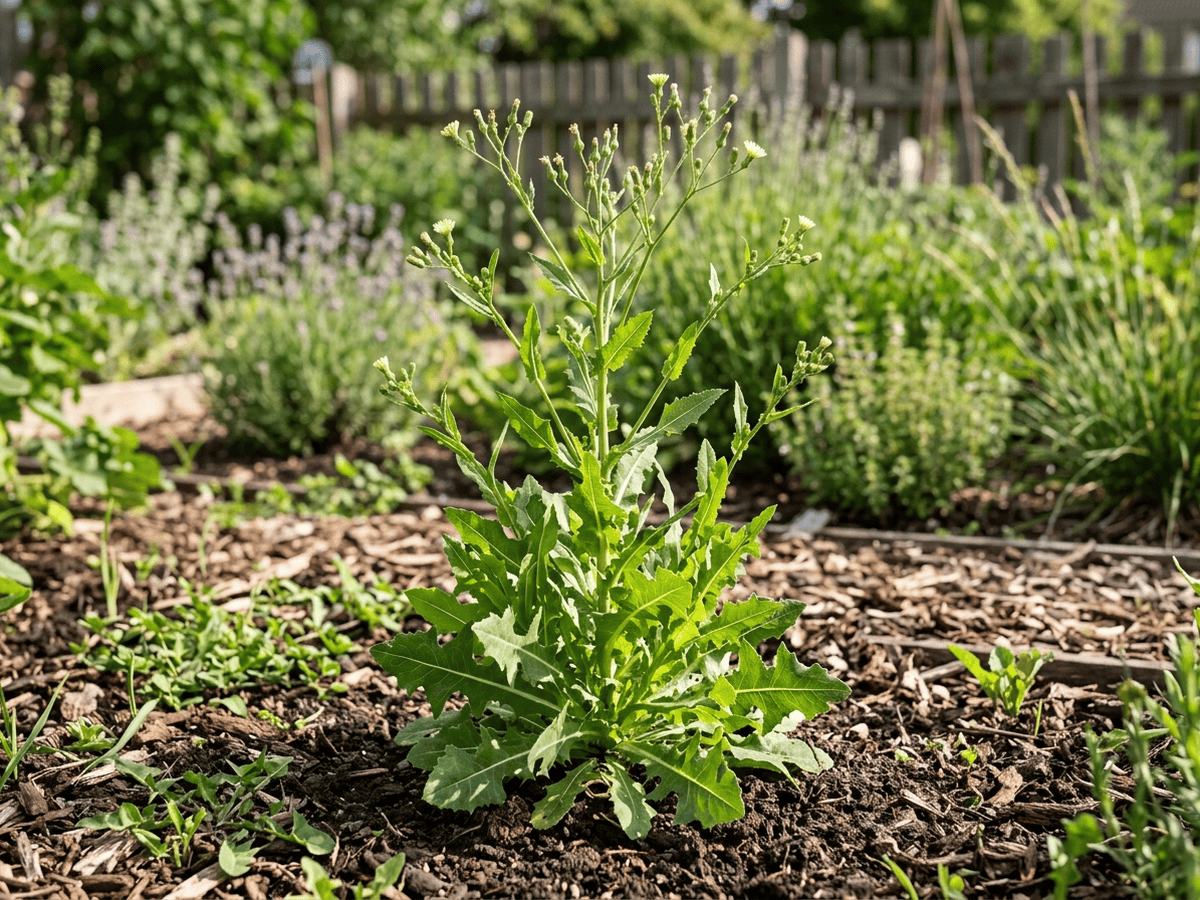
Lactuca saligna, the Willow-leaved Lettuce, is a slender annual or biennial native to grasslands and disturbed ground across Europe and Asia. Its narrow, willow-like leaves clasp upright stems that carry clusters of small pale yellow flowers in summer. The tender young leaves are edible with a mild bitter flavor, related to cultivated lettuce. A resilient plant of field margins and roadsides, it holds botanical interest as a disease-resistance donor for crop lettuce breeding programs.
- Edible
- Drought-tolerant
How to care for Willow-leaved Lettuce
Watering
- Springevery 7 days
- Summerevery 5 days
- Fallpause watering
- Winterpause watering
Soil · Rich & well-draining
- Top dressingCompost10%
- Main mixPotting soil + compost 3:180%
- DrainageGravel10%
Top up the compost layer each season.
FERTILIZER
- Springevery 30 days
- Summerevery 30 days
At a Glance
- NativeEurope, Asia
- Height1–3 ft (0.3–0.9 m)
- Spread1–3 ft (0.3–0.9 m)
- Foliage colorGreen
- SoilWell-drained, Moist
- LocationsYard · Balcony
Toxicity
Toxicity unknown
None reported
Unknown
EXPOSURE No exposure route is reported.
EFFECT No toxic effect is reported.
NOTE Toxicity for humans is not well documented; use caution until verified.
Unknown
EXPOSURE No exposure route is reported.
EFFECT No toxic effect is reported.
NOTE Toxicity for dogs is not well documented; use caution until verified.
Unknown
EXPOSURE No exposure route is reported.
EFFECT No toxic effect is reported.
NOTE Toxicity for cats is not well documented; use caution until verified.
Educational information, not medical or veterinary advice. If exposure is suspected, contact a doctor or veterinarian.
DISTRIBUTION


- Native
- Introduced
- Europe
- Asia
History
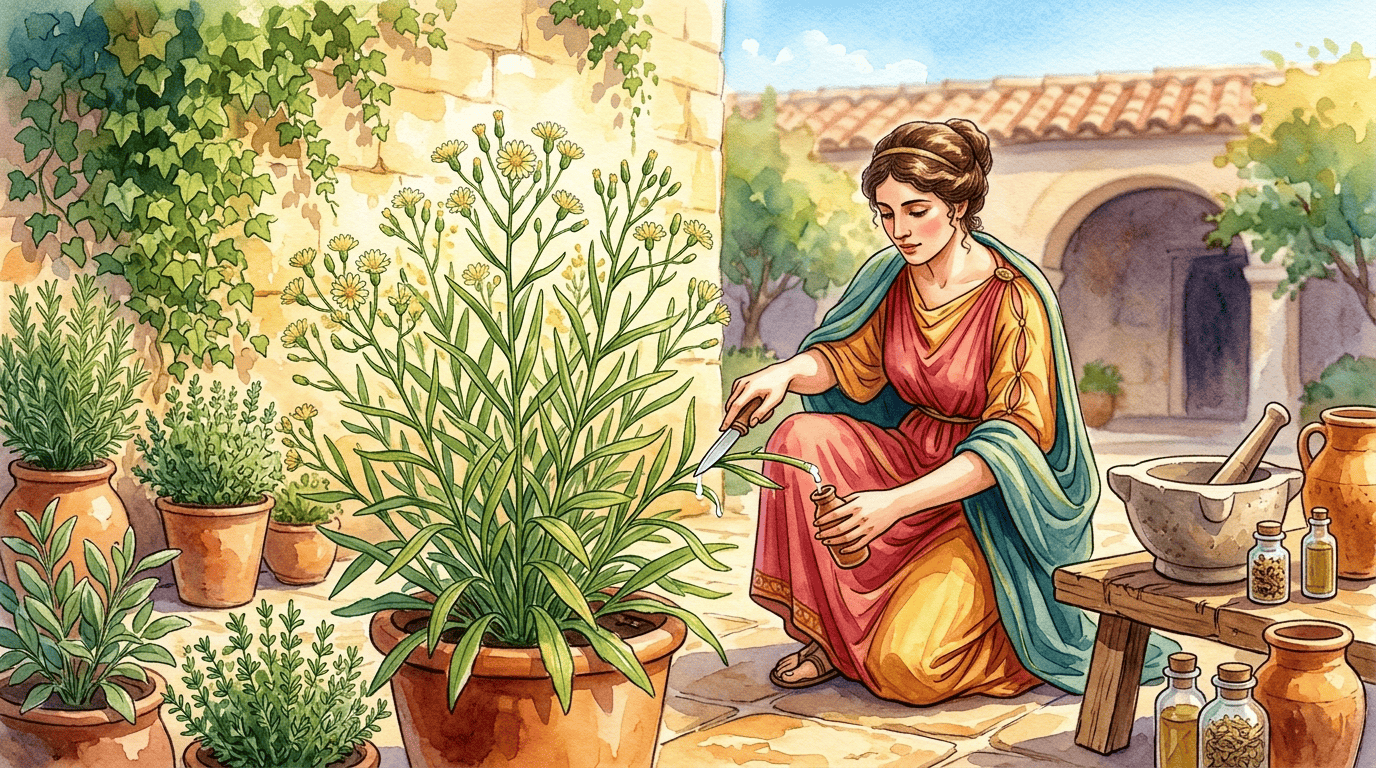
Lactuca saligna belongs to the same genus as cultivated lettuce (Lactuca sativa), sharing a close evolutionary relationship that has been exploited by plant breeders seeking disease-resistance genes for crop improvement. While cultivated lettuce has been grown since ancient Egypt, wild relatives like L. saligna grew alongside human settlements for millennia—gathered as pot herbs, animal fodder, and medicinal greens.
The species name saligna derives from the Latin salix (willow), describing the characteristically narrow leaves that distinguish it from the broader-leaved Lactuca serriola, the common prickly lettuce of roadsides. Classical herbalists recognized the genus Lactuca for its milky sap (from lac, Latin for milk), and wild lettuces were prescribed from ancient Greece through medieval Europe to induce sleep and calm anxiety.
Lactuca saligna thrives in dry, open habitats—grasslands, hedgerows, and disturbed ground across Europe and western Asia—and has naturalized in parts of North America and Australia. As a research plant, it has provided resistance to downy mildew (Bremia lactucae) and other diseases critical to global lettuce agriculture.
Symbolism & meaning
What It Symbolizes
The wild lettuces occupy a humble but historically rich place—never cultivated for the garden, yet never truly wild, growing at the margins of civilization for thousands of years. Lactuca saligna's narrow, reed-like form stands nearly invisible among grasses until its small yellow flowers appear. It represents the botanical world that exists at the edge of notice, recognized only by curious eyes.
- Wildness — Thrives on roadsides and field margins, adapting alongside human civilization for millennia
- Simplicity — Understated yellow flowers and slender reed-like form embody quiet, overlooked botanical elegance
Where the Name Comes From
From Latin lactuca (lettuce, itself from lac meaning milk, for the milky sap) and the species epithet saligna from salix (willow), describing the characteristically narrow, willow-shaped leaves that distinguish it from its broader-leaved relatives.
Uses & Fun Facts
- Young leaves gathered as a mildly bitter wild salad green
- Milky sap of wild lettuces historically used as a mild sedative and analgesic
- Seeds attract finches; flowers provide nectar for small insects
Related plants
More Lactuca plants

Plants with similar care
 Mexican AbeliaAbelia floribunda
 Fraser FirAbies fraseri
 Paperbark MapleAcer griseum
 Sugar MapleAcer saccharum
Frequently asked questions
How often should I water Willow-leaved Lettuce?
Water about every 7 days during the growing season, and always let excess water drain away.
How much light does Willow-leaved Lettuce need?
Full sun: 6+ hrs direct. Watch the leaves — scorching or stretching means the light needs adjusting.
Is Willow-leaved Lettuce toxic to cats or dogs?
Pets Unknown (Dogs Unknown · Cats Unknown) Educational information, not medical or veterinary advice. If exposure is suspected, contact a doctor or veterinarian.
Is Willow-leaved Lettuce easy to grow?
It is moderately demanding: a good choice once you have a little experience.
YardMate
Identify any plant in seconds
Snap a photo — YardMate names the plant, diagnoses problems, and reminds you when to water.
Download on the App Store