 YardMate


Lettuce
Lactuca sativa
Easy · Beginner friendlyAbout Lettuce
Lactuca sativa, lettuce, is an annual leaf vegetable in the Asteraceae family, domesticated from the wild species L. serriola in the Fertile Crescent around 4500 BC. It is the world's most widely grown salad plant, with types ranging from crisp iceberg heads and tender butterheads to loose-leaf, romaine (cos), and stem lettuce (celtuce).
Lettuce is a cool-season crop that bolts (flowers and turns bitter) rapidly in heat above 25°C. It thrives in USDA zones 2–11 during spring and autumn, in partial shade to full sun and fertile, moisture-retentive soil. Seeds need light to germinate and can be sown on the surface. Loose-leaf varieties are the fastest—ready in 30–45 days—while heading types need 60–80 days. Succession planting every 2 weeks provides continuous harvest.
Lettuce is nutritionally modest compared to darker greens but provides hydration (95% water), vitamin K, and folate. Romaine is the most nutritious type. The milky sap (latex) that gives the genus its name was used in ancient Egypt as a mild sedative—lettuce appeared in Egyptian tomb paintings associated with the fertility god Min. Today lettuce anchors the multi-billion-dollar salad industry and is one of the most popular crops for hydroponic and vertical farming.
- Edible
- Fast-growing
How to care for Lettuce
Watering
- Springevery 2 days
- Summerevery 1 days
- Fallevery 3 days
- Winterevery 5 days
Soil · Rich & well-draining
- Top dressingCompost10%
- Main mixPotting soil + compost 3:180%
- DrainageGravel10%
Top up the compost layer each season.
FERTILIZER
Balanced Feed 14-14-14
An even feed covers all three needs at once, keeping leaves, roots and blooms moving together with nothing pushed out of balance.
- Nitrogen · Leaves
- Phosphorus · Roots + Blooms
- Potassium · Strength
- Springevery 14 days
- Summerevery 14 days
- Fallevery 14 days
At a Glance
- NativeMediterranean
- Height0.5–1 ft (0.2–0.3 m)
- Spread0.5–1 ft (0.2–0.3 m)
- Flower colorYellow
- Foliage colorGreen, Red, Purple, Variegated
- SoilLoamy, Moisture-retentive, Rich
- LocationsYard · Indoor · Balcony
Bloom time
BLOOM CYCLE
Peak bloom
Jun–Aug
Bolting means bitter leaves; harvest promptly. Let one plant flower to collect seeds for next season.
Fragrance
NO FRAGRANCE
No notable fragrance.
Toxicity
Humans Safe · Pets Safe
lactucin and lactucopicrin (trace)
Safe
EXPOSURE No exposure route is reported.
EFFECT Widely consumed.
NOTE Listed as non-toxic for humans; avoid eating ornamental plants unless confirmed edible.
Safe
EXPOSURE No exposure route is reported.
EFFECT Not listed as toxic.
NOTE Listed as non-toxic for dogs; avoid eating ornamental plants unless confirmed edible.
Safe
EXPOSURE No exposure route is reported.
EFFECT Not listed as toxic.
NOTE Listed as non-toxic for cats; avoid eating ornamental plants unless confirmed edible.
Educational information, not medical or veterinary advice. If exposure is suspected, contact a doctor or veterinarian.
DISTRIBUTION


- Native
- Introduced
- Mediterranean
History

Lactuca sativa was domesticated in ancient Egypt at least 4,500 years ago from wild Lactuca serriola (prickly lettuce). Egyptian cultivated lettuce was tall and smooth-leaved — resembling modern cos/romaine — and was considered sacred to the fertility god Min because of its phallic shape and the milky sap that emerged when the stem was cut. Tomb paintings depict lettuce-offerings to Min.
The Egyptian cultivar spread to Persia, Greece, and Rome. Roman emperor Augustus reportedly built an altar to lettuce after recovering from illness on a lettuce diet, and cook Apicius gives numerous lettuce recipes. Lettuce's sedative reputation is rooted in lactucarium, the white latex that contains small quantities of lactucin and lactucopicrin — mildly soporific compounds that have led to lettuce opium folklore.
Four main cultivar groups now exist: head (crisphead, butterhead), cos/romaine, leaf (looseleaf), and stem lettuce (celtuce, popular in Chinese cuisine). The US state of California produces roughly three-quarters of US lettuce. Ancient Egyptians first cultivated lettuce around 4500 BC, initially for its oily seeds and milky sedative latex. Greek and Roman physicians prescribed it as a sleep aid. By the Middle Ages, heading types had been developed. The bagged salad industry, born in the 1980s in California, made lettuce the most consumed vegetable in North America by weight.
Symbolism & meaning
What It Symbolizes
Lettuce stands for freshness, its crisp leaves the very image of new beginnings and a light approach to living — the food associated with health, with starting over, with the cool plate after a heavy week. The Romans noted another quality: peace, attributing a calming, sleep-inducing effect to the milky sap in its stems. From Pompeian gardens to modern salad bowls, it carries both meanings on a single leaf.
- Freshness — Crisp, cool lettuce symbolizes new beginnings and a light, healthy approach to life
- Peace — Ancient associations with its sedative sap linked lettuce to calm and restfulness
Where the Name Comes From
Lactuca from Latin 'lac' (milk), referring to the milky sap; 'sativa' means cultivated.
Uses & Fun Facts
- Crisp tender leaves eaten raw as primary salad green worldwide
- Cool-season leaf crop ideal for kitchen garden boxes and pots
Related plants
More Lactuca plants
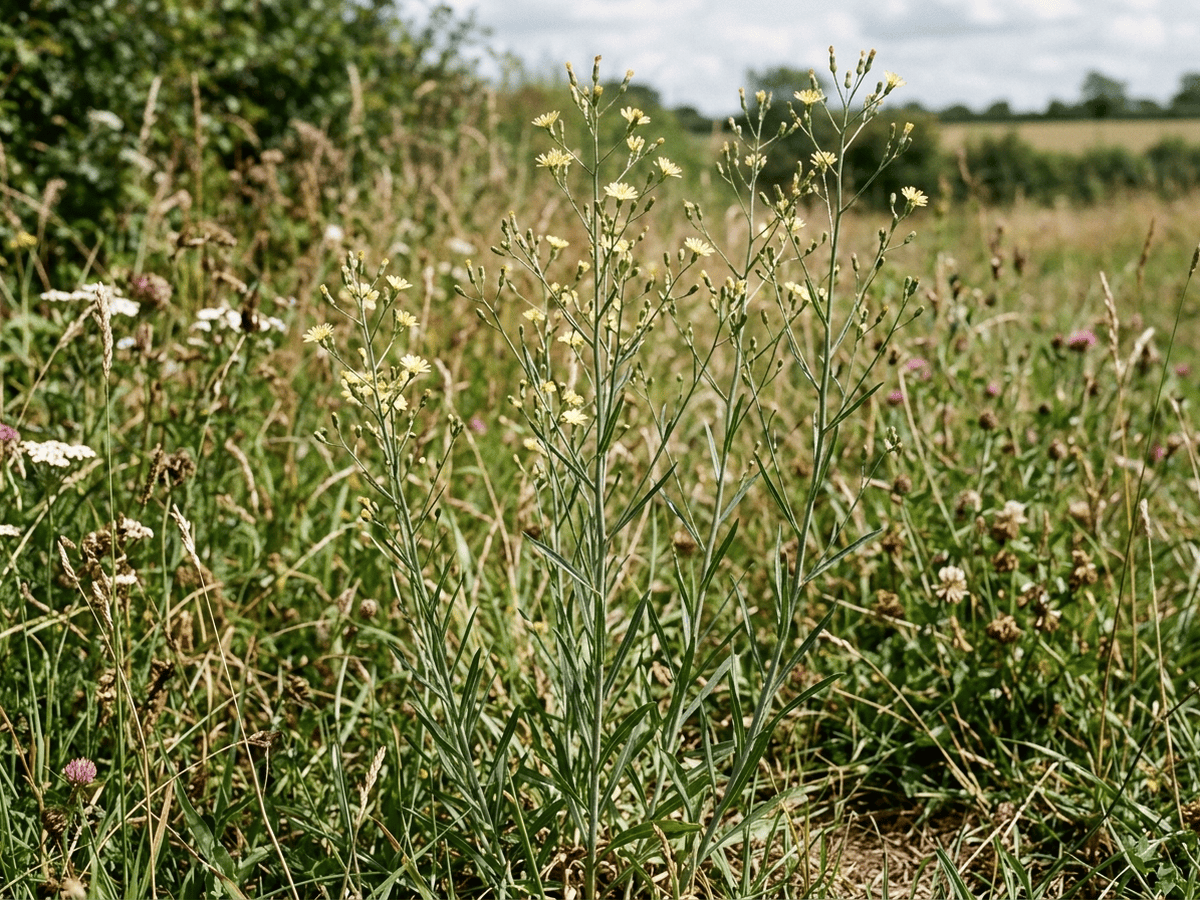
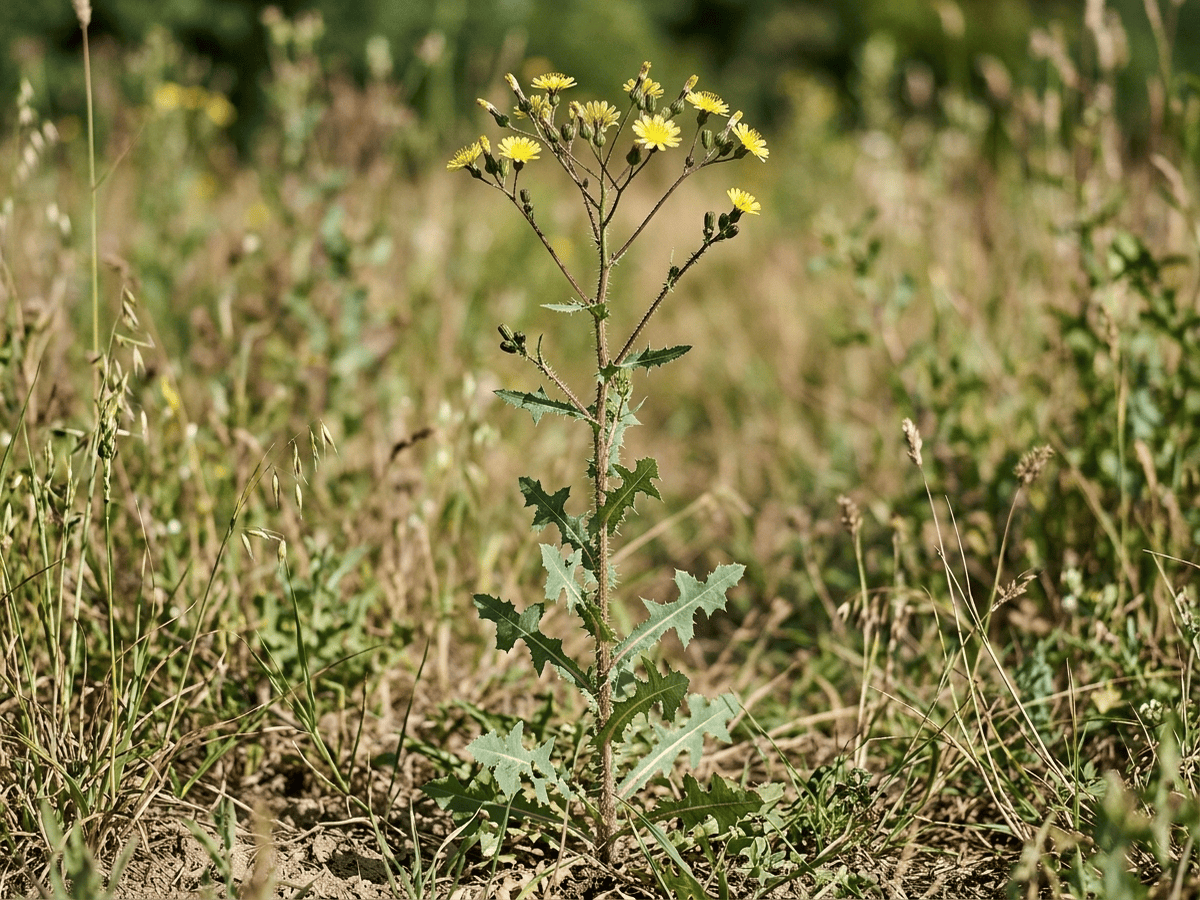
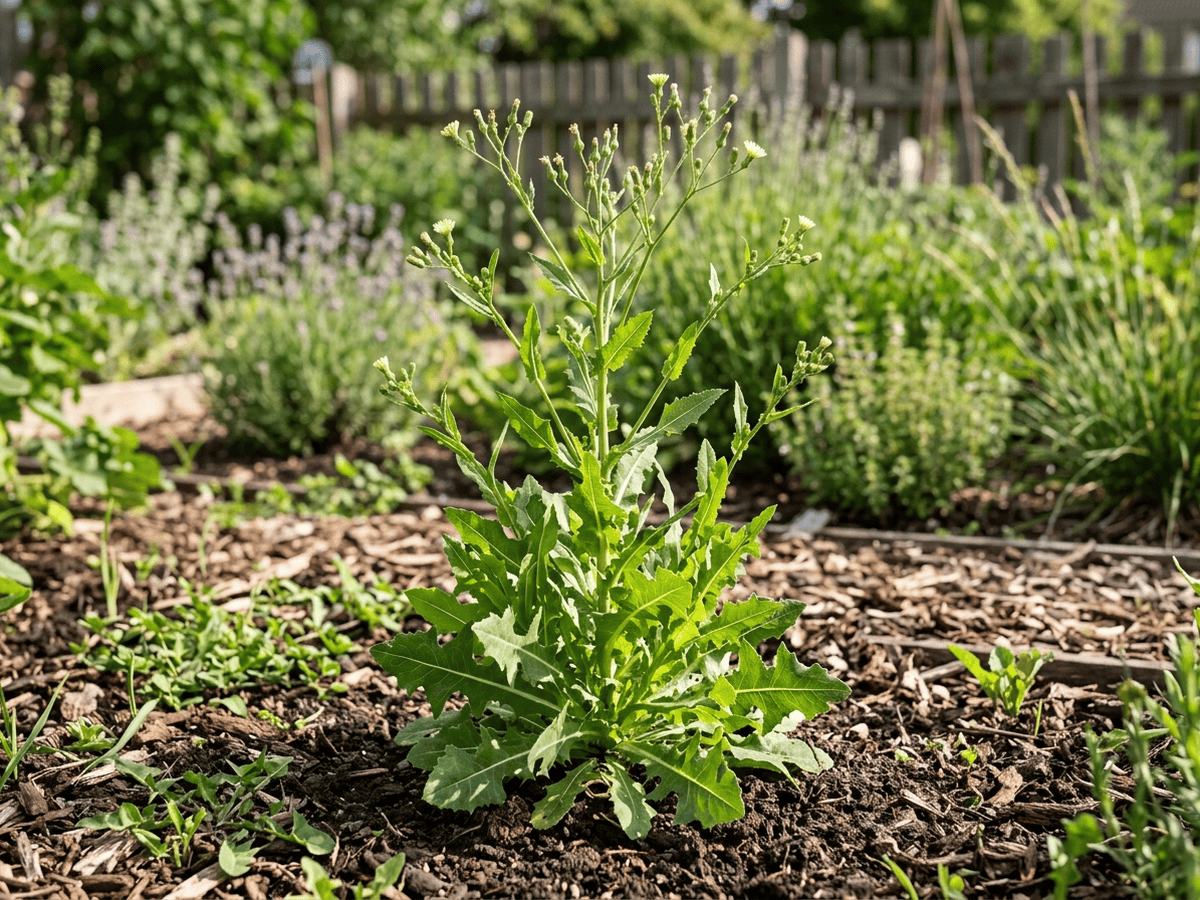
Plants with similar care
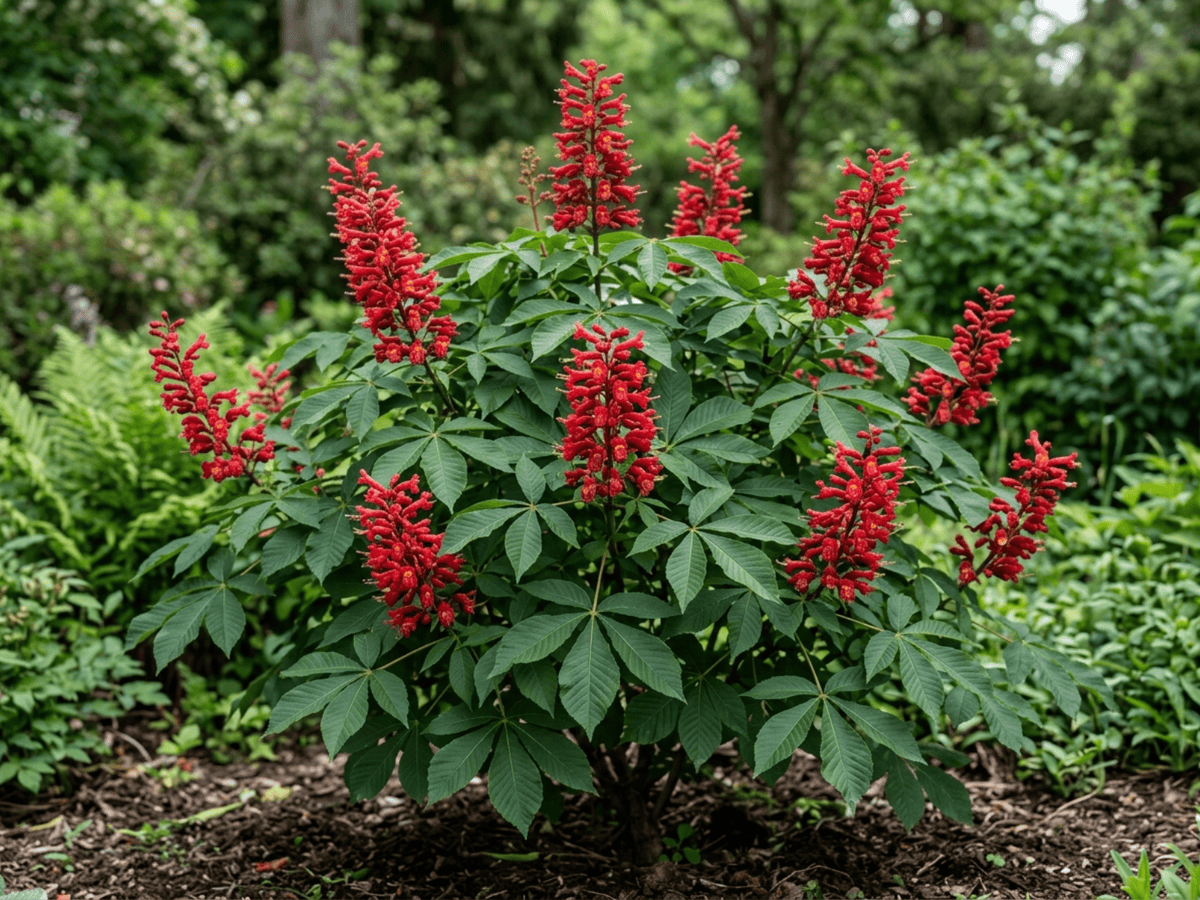 Red BuckeyeAesculus pavia
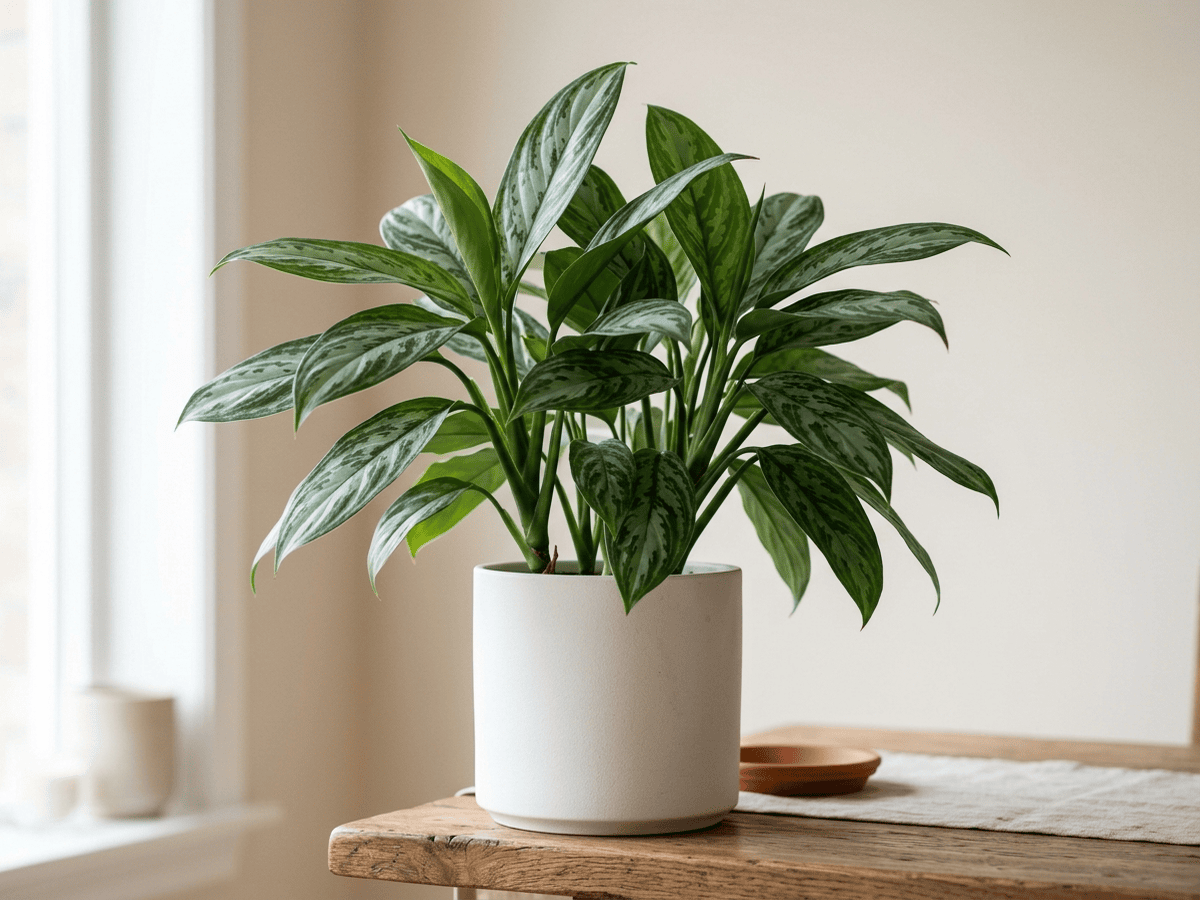 Philippine EvergreenAglaonema commutatum
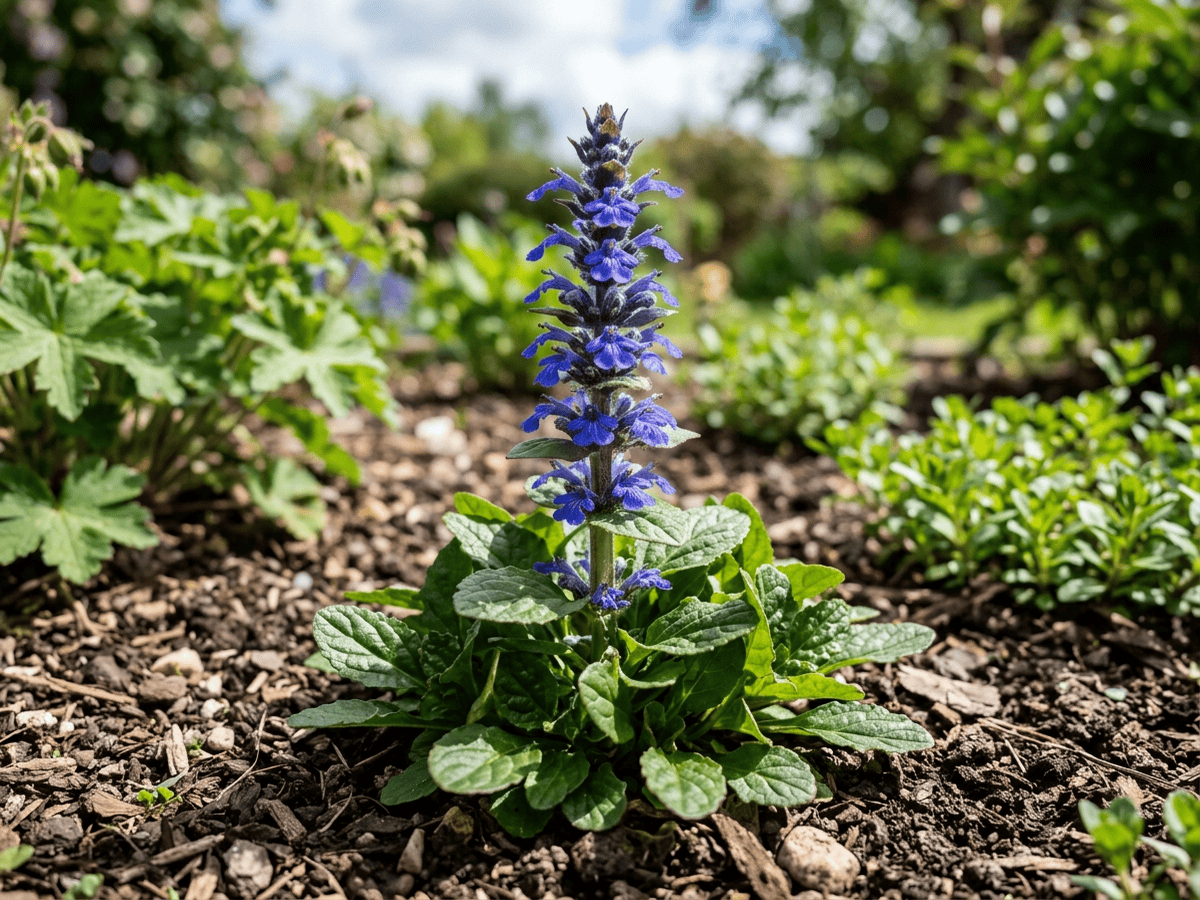 Blue BugleAjuga genevensis
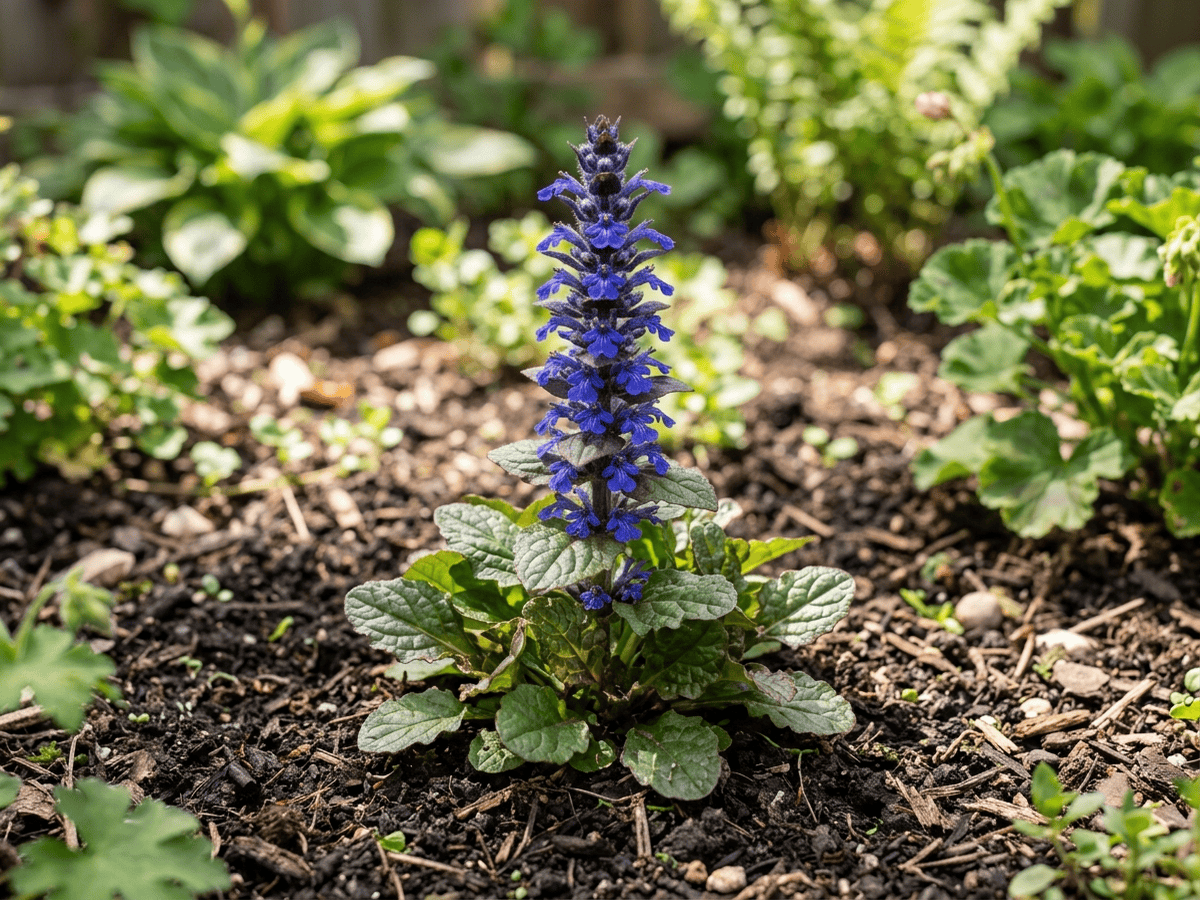 Pyramidal BugleAjuga pyramidalis
Frequently asked questions
How often should I water Lettuce?
In summer, water about every 1 days; in winter, about every 5 days. Adjust for heat, pot size and drainage.
How much light does Lettuce need?
Part shade: 2–4 hrs direct. Watch the leaves — scorching or stretching means the light needs adjusting.
Is Lettuce toxic to cats or dogs?
Pets Safe (Dogs Safe · Cats Safe) Educational information, not medical or veterinary advice. If exposure is suspected, contact a doctor or veterinarian.
Is Lettuce easy to grow?
Yes — it is considered an easy, beginner-friendly plant.
Can Lettuce be grown indoors?
Yes, it adapts well to indoor growing given the right light.
When does Lettuce bloom?
It typically blooms Jun–Aug in the Northern Hemisphere.
YardMate
Identify any plant in seconds
Snap a photo — YardMate names the plant, diagnoses problems, and reminds you when to water.
Download on the App Store