 YardMate


Japanese Crape Myrtle
Lagerstroemia fauriei
Easy · Beginner friendlyAbout Japanese Crape Myrtle
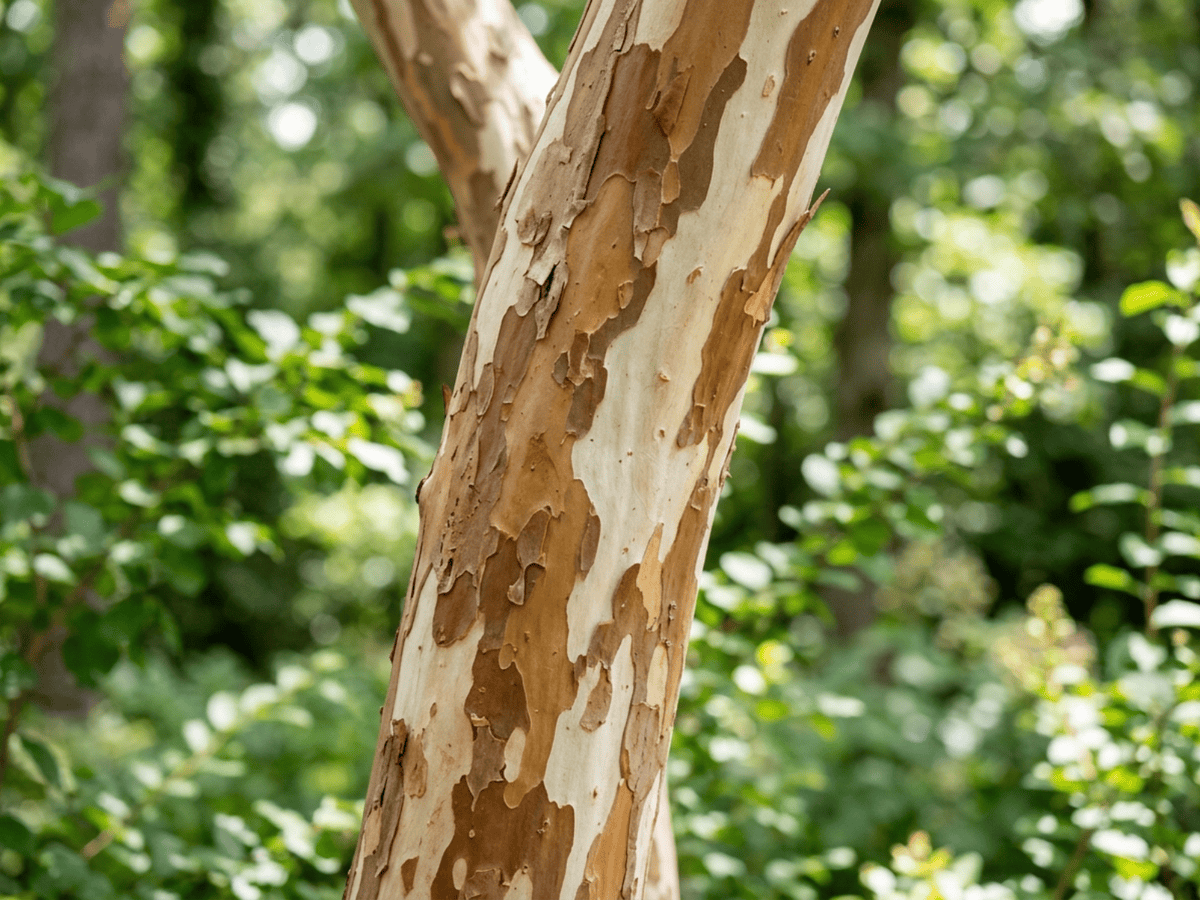
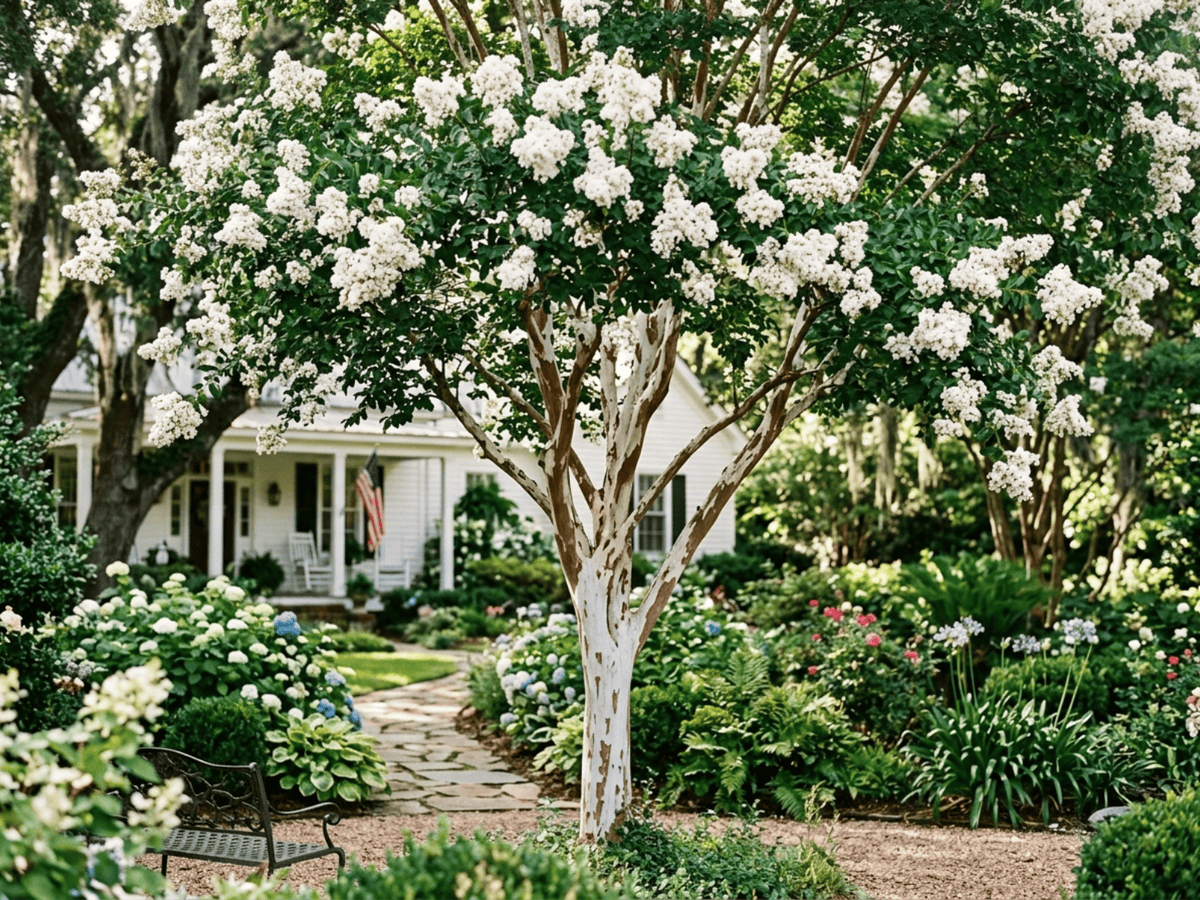
Japanese Crape Myrtle is a species crape myrtle from Yakushima Island, Japan, growing 20-30 feet tall and distinguished by striking cinnamon-colored exfoliating bark and clusters of small white flowers in midsummer. More mildew-resistant and cold-hardier than the better-known L. indica, it is the parent of many modern disease-resistant crape myrtle hybrids (the 'Native American' series). Hardy in USDA zones 6-9 and an American horticultural breeding triumph.
- Disease-resistant
- Pollinator-friendly
How to care for Japanese Crape Myrtle
Watering
- Springevery 7 days
- Summerevery 5 days
- Fallevery 10 days
- Winterpause watering
Soil · Rich & loamy
- Top dressingBark mulch15%
- Main mixRich loam + compost 3:170%
- DrainageGravel15%
Use fully finished compost — fresh compost burns roots.
FERTILIZER
Balanced Feed 14-14-14
An even feed covers all three needs at once, keeping leaves, roots and blooms moving together with nothing pushed out of balance.
- Nitrogen · Leaves
- Phosphorus · Roots + Blooms
- Potassium · Strength
- Springevery 60 days
- Summerevery 60 days
At a Glance
- NativeEast Asia
- Height20–35 ft (6.1–10.7 m)
- Spread15–25 ft (4.6–7.6 m)
- Flower colorWhite
- Foliage colorGreen, Bronze
- Fruit colorBrown
- SoilLoamy, Well-drained, Acidic
- LocationsYard
Bloom time
BLOOM CYCLE
Peak bloom
Jul–Aug
White clusters July to August
Fragrance
LIGHT FRAGRANCE
The flowers have a mild scent.
Toxicity
No toxicity has been reported for this plant. Still, it is wise to keep pets from chewing on any houseplant.
Educational information, not medical or veterinary advice. If exposure is suspected, contact a doctor or veterinarian.
DISTRIBUTION


- Native
- East Asia
History

Lagerstroemia fauriei is endemic to Yakushima Island off southern Japan. French missionary-botanist Père Urbain Faurie collected it around 1900, and the species was formally named in his honor. The species remained a botanical rarity until 1956 when John L. Creech of the US National Arboretum collected seed during a Japanese expedition.
Back in Washington, his successor Donald Egolf crossed L. fauriei with L. indica beginning in the 1970s to produce an iconic series of disease-resistant hybrid crape myrtles named after Native American tribes: 'Natchez' (white, 1978), 'Tuscarora' (coral-pink, 1981), 'Muskogee' (lavender, 1978), 'Tuskegee' (pink, 1981). These cultivars revolutionized southern US landscaping by providing resistance to powdery mildew that plagued L. indica.
L. fauriei itself features stunning cinnamon-red exfoliating bark and white flowers, making it a worthy specimen tree in its own right. Arboretum breeder Donald Egolf used it to create the celebrated 'Native American' series with Native American tribal names ('Natchez', 'Sioux', 'Tuscarora', 'Muskogee', 'Biloxi')—the most widely planted crape myrtles in the American South. A landmark achievement in American ornamental plant breeding.
Symbolism & meaning
What It Symbolizes
Lagerstroemia fauriei evokes eloquence through its elegant form, refined cinnamon bark, and the long-flowering panicles it gave to it descendants. Its true place in horticulture is heritage, as the parent of the Native American crape myrtle series, hybrids that combined its cold tolerance and bark with the colors of it cousin. It is the foundational ancestor whose gifts speak through every modern crape myrtle.
- Eloquence — elegant form and refined beauty
- Heritage — parent of the Native American crape myrtle series
Where the Name Comes From
Genus honors Magnus von Lagerström (1696–1759), Swedish merchant; 'fauriei' honors French collector Père Urbain Faurie.
Uses & Fun Facts
- Cinnamon exfoliating bark stars as urban tree feature
- Mildew-resistant white midsummer flowering tree for streets
- Summer panicles feed bees while ornamenting warm streetscapes
Related plants
More Lagerstroemia plants
Plants with similar care
 Chinese AbeliaAbelia chinensis
 Fragrant AbeliaAbelia mosanensis
 Large-Flowered AbeliaAbelia uniflora
 Glossy AbeliaAbelia x grandiflora
Frequently asked questions
How often should I water Japanese Crape Myrtle?
Water about every 7 days during the growing season, and always let excess water drain away.
How much light does Japanese Crape Myrtle need?
Full sun: 6+ hrs direct. Watch the leaves — scorching or stretching means the light needs adjusting.
Is Japanese Crape Myrtle toxic to cats or dogs?
No toxicity has been reported for this plant. Still, it is wise to keep pets from chewing on any houseplant. Educational information, not medical or veterinary advice. If exposure is suspected, contact a doctor or veterinarian.
Is Japanese Crape Myrtle easy to grow?
Yes — it is considered an easy, beginner-friendly plant.
When does Japanese Crape Myrtle bloom?
It typically blooms Jul–Aug in the Northern Hemisphere.
YardMate
Identify any plant in seconds
Snap a photo — YardMate names the plant, diagnoses problems, and reminds you when to water.
Download on the App Store