 YardMate

Mini-Marguerite
Leucanthemum paludosum
Easy · Beginner friendlyAbout Mini-Marguerite
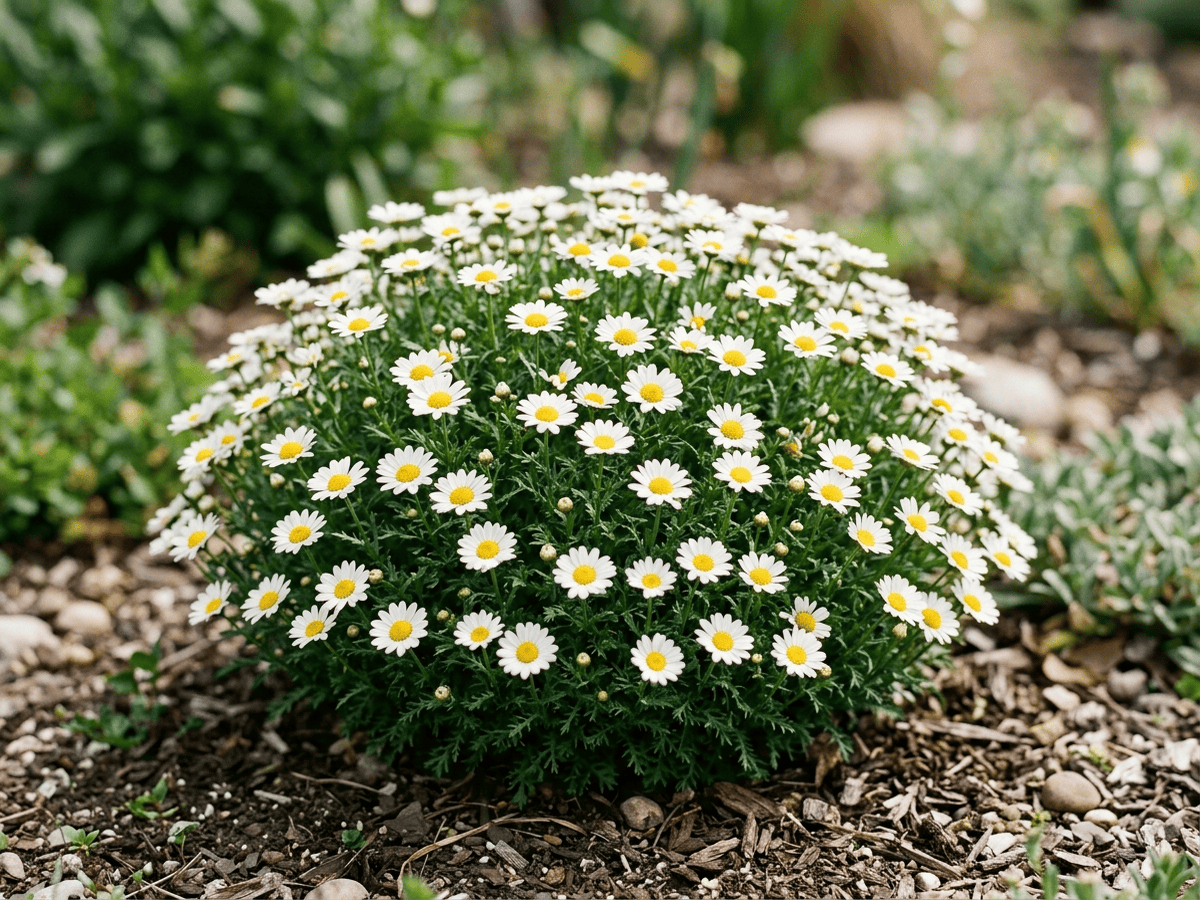
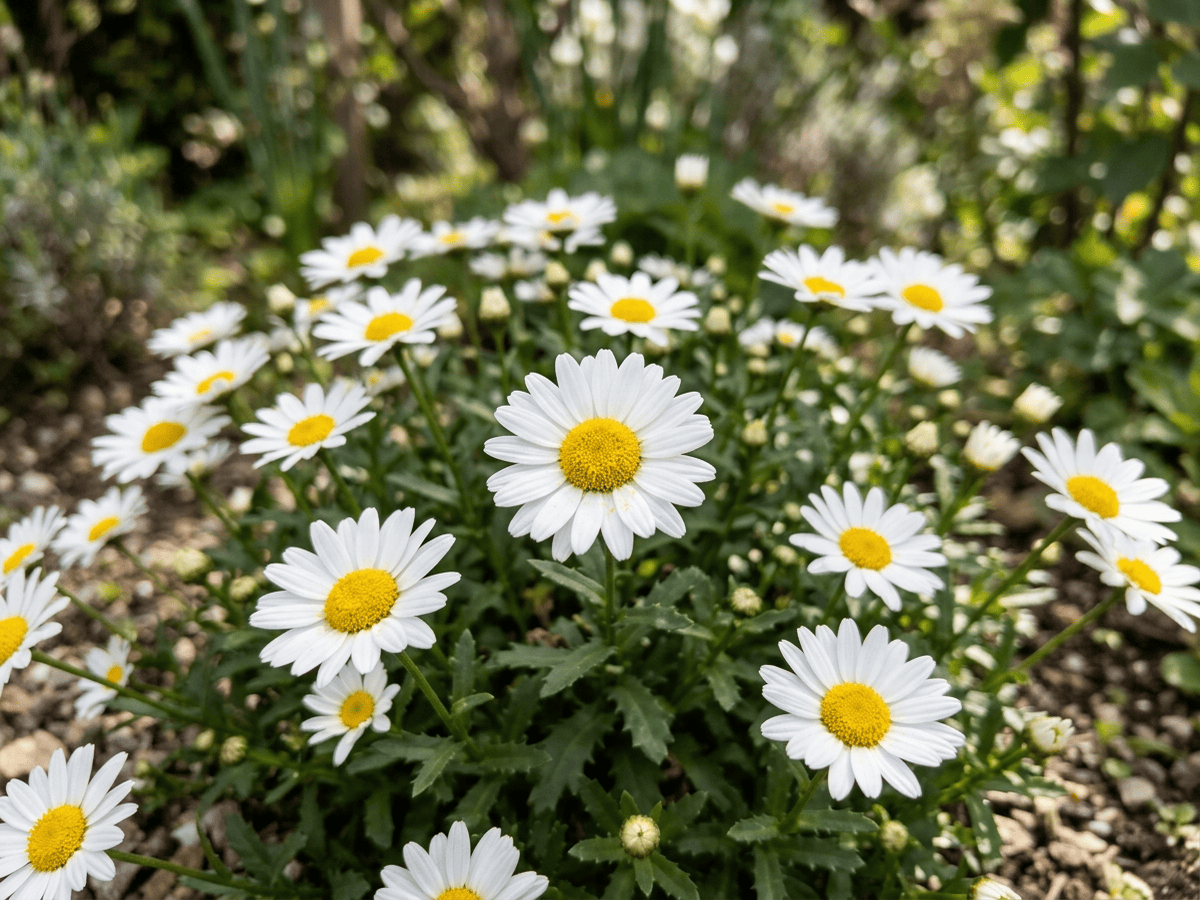
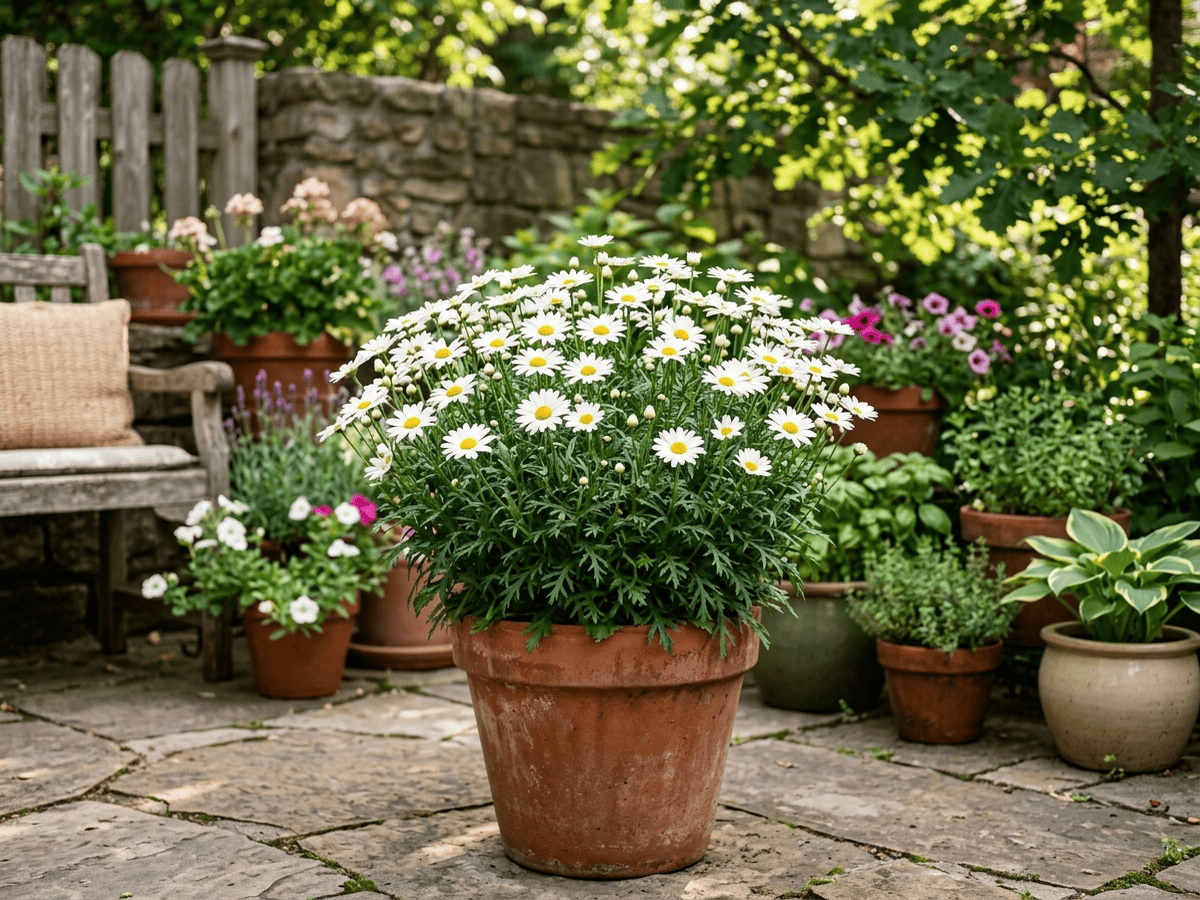
Creeping Daisy is a compact southern European annual or short-lived perennial forming low mounds of bright golden-yellow daisy flowers over glossy green foliage. Growing 6 to 10 inches tall, it blooms continuously from spring through summer in cooler climates, extending its season in American coastal and mountain gardens. A cheerful small-scale filler for paths, containers, and rock gardens.
- Drought-tolerant
- Deer-resistant
- Long-blooming
How to care for Mini-Marguerite
Watering
- Springevery 4 days
- Summerevery 3 days
- Fallevery 5 days
- Winterevery 7 days
Soil · Well-draining
- Top dressingPine bark mulch10%
- Main mixPotting soil + perlite 2:170%
- DrainageLECA / gravel20%
Never skip the drainage layer — standing water is the top cause of root rot.
FERTILIZER
Balanced Feed 14-14-14
An even feed covers all three needs at once, keeping leaves, roots and blooms moving together with nothing pushed out of balance.
- Nitrogen · Leaves
- Phosphorus · Roots + Blooms
- Potassium · Strength
- Springevery 21 days
- Summerevery 21 days
- Fallevery 21 days
At a Glance
- NativeMediterranean, Africa
- Height0.5–1 ft (0.2–0.3 m)
- Spread0.5–1 ft (0.2–0.3 m)
- Flower colorWhite, Yellow
- Foliage colorGreen
- SoilLoamy, Well-drained
- LocationsYard · Balcony
Bloom time
BLOOM CYCLE
Peak bloom
Mar–Aug
Golden-yellow daisies continuous spring through summer
Fragrance
LIGHT FRAGRANCE
Foliage has a light green, herbaceous scent when crushed.
Toxicity
Toxicity unknown
None reported
Unknown
EXPOSURE Unspecified plant material.
EFFECT Toxic effects are not specified.
NOTE Toxicity for humans is not well documented; use caution until verified.
Unknown
EXPOSURE Unspecified plant material.
EFFECT Toxic effects are not specified.
NOTE Toxicity for dogs is not well documented; use caution until verified.
Unknown
EXPOSURE Unspecified plant material.
EFFECT Toxic effects are not specified.
NOTE Toxicity for cats is not well documented; use caution until verified.
Educational information, not medical or veterinary advice. If exposure is suspected, contact a doctor or veterinarian.
DISTRIBUTION


- Native
- Introduced
- Mediterranean
- Africa
History
Leucanthemum paludosum, commonly called snowland daisy, snow daisy, or Mini Marguerite, is a small compact annual in the daisy family native to seasonally wet meadows and coastal lowlands of the western Mediterranean, particularly Portugal, Spain, and Morocco. French botanist Jean Louis Marie Poiret described the species in 1808. Taxonomists placed it variously in Chrysanthemum, Matricaria, Mauranthemum, and most recently Leucanthemum; nursery trade labels still use several names interchangeably.
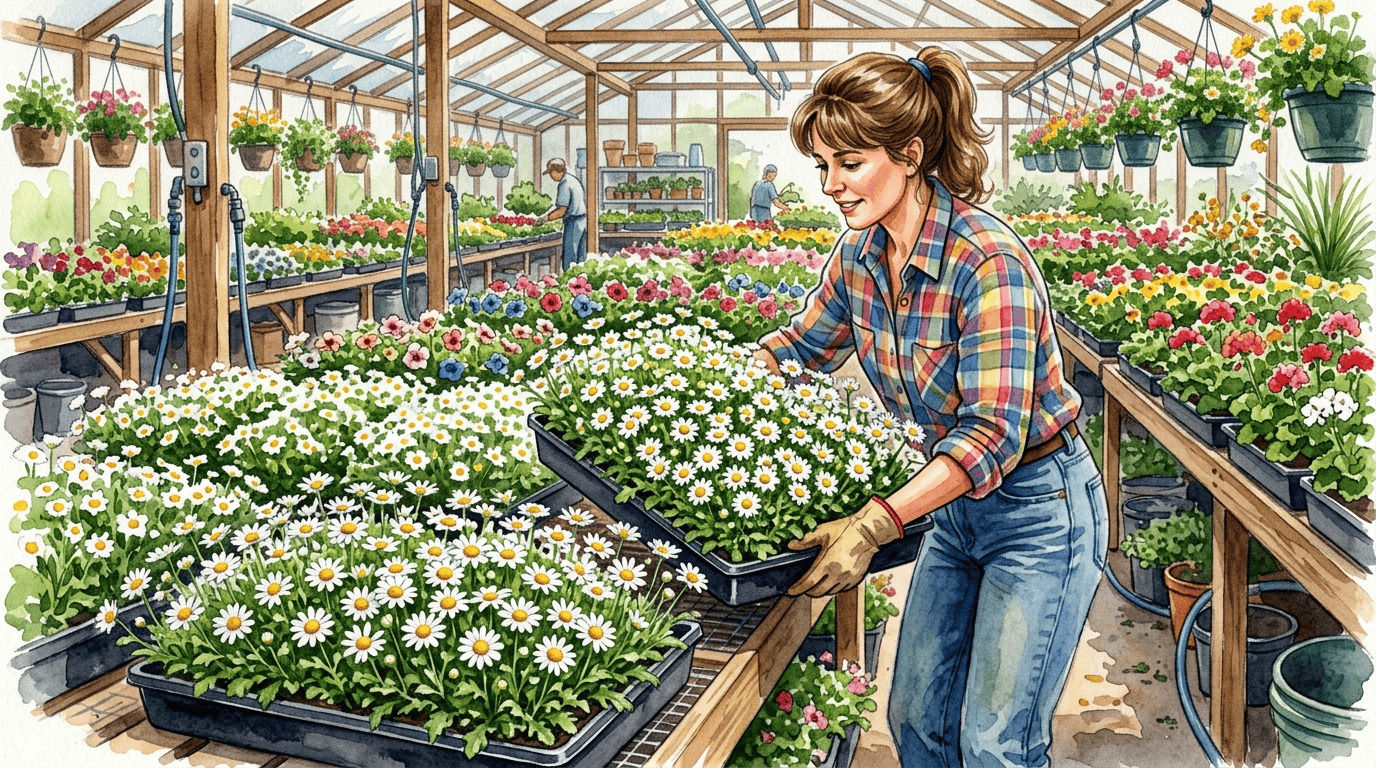
The plant forms tidy 20 to 25 centimeter mounds covered in small white daisy flowers with golden yellow centers over much of the growing season. German and American bedding programs introduced the species widely in the 1980s with cultivars such as Show Star.
Snowland daisy prefers cool weather and tolerates light frost. Native to southern Spain and northwest Africa, introduced to American seed catalogs in the 20th century. The 'Butter Daisy' cultivar became a popular compact flowering annual for US patios and small-space gardens in cooler regions.
Symbolism & meaning
What It Symbolizes
Mini-marguerite is simple happiness condensed into a small pot — constant cheerful gold daisies opening from spring through summer with almost no pause. Its scale is its second virtue: small-scale joy, suited for window boxes, container plantings, and the smallest urban balcony. Some flowers earn their place by drama; this one earns it by persistent, modest, daily good cheer.
- Simple happiness — constant cheerful gold blooms
- Small-scale joy — compact for tiny gardens and pots
Where the Name Comes From
'Leucanthemum' from Greek 'leukos-anthemon' means white flower; 'paludosum' from Latin means marsh-loving, though it tolerates dry conditions too.
Uses & Fun Facts
- Compact mounding daisy carpets sunny edges and rock garden gaps
- Floriferous Mini-Marguerite ideal for cool-season patio containers
- Small white daisies attract hoverflies and native solitary bees
Related plants
More Leucanthemum plants
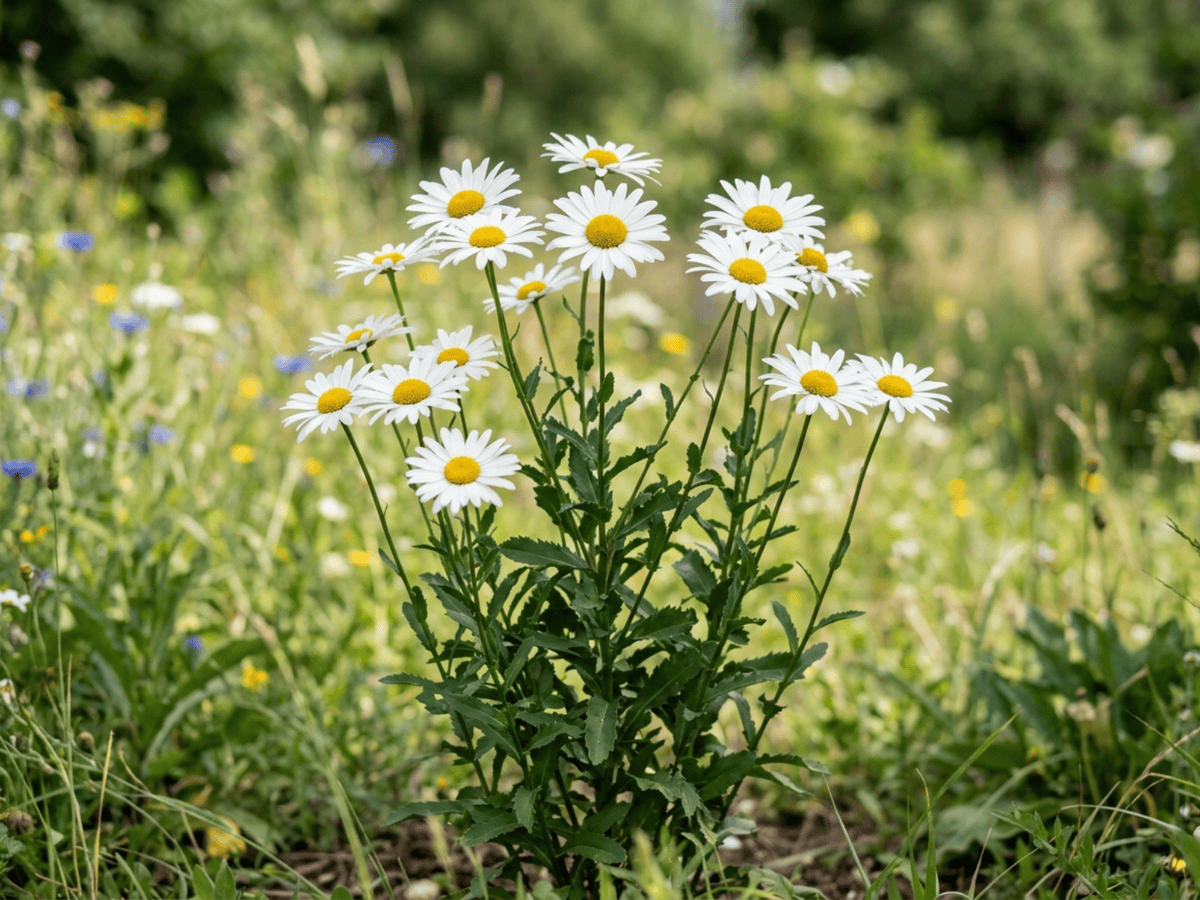
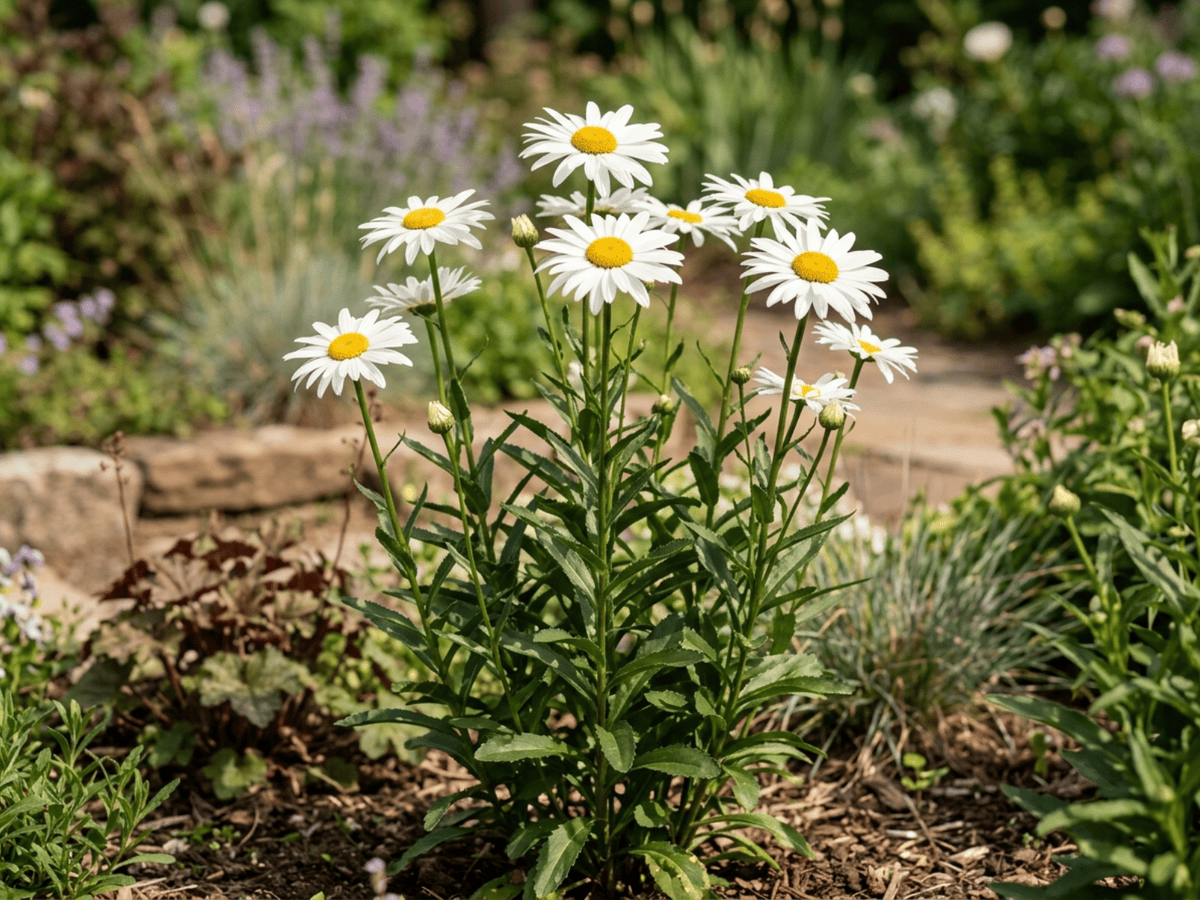
Plants with similar care
 Chinese AbeliaAbelia chinensis
 Fragrant AbeliaAbelia mosanensis
 Large-Flowered AbeliaAbelia uniflora
 Glossy AbeliaAbelia x grandiflora
Frequently asked questions
How often should I water Mini-Marguerite?
In summer, water about every 3 days; in winter, about every 7 days. Adjust for heat, pot size and drainage.
How much light does Mini-Marguerite need?
Full sun: 6+ hrs direct. Watch the leaves — scorching or stretching means the light needs adjusting.
Is Mini-Marguerite toxic to cats or dogs?
Pets Unknown (Dogs Unknown · Cats Unknown) Educational information, not medical or veterinary advice. If exposure is suspected, contact a doctor or veterinarian.
Is Mini-Marguerite easy to grow?
Yes — it is considered an easy, beginner-friendly plant.
When does Mini-Marguerite bloom?
It typically blooms Mar–Aug in the Northern Hemisphere.
YardMate
Identify any plant in seconds
Snap a photo — YardMate names the plant, diagnoses problems, and reminds you when to water.
Download on the App Store