 YardMate

Columbian Lewisia
Lewisia columbiana
Hard · Experienced growersAbout Columbian Lewisia
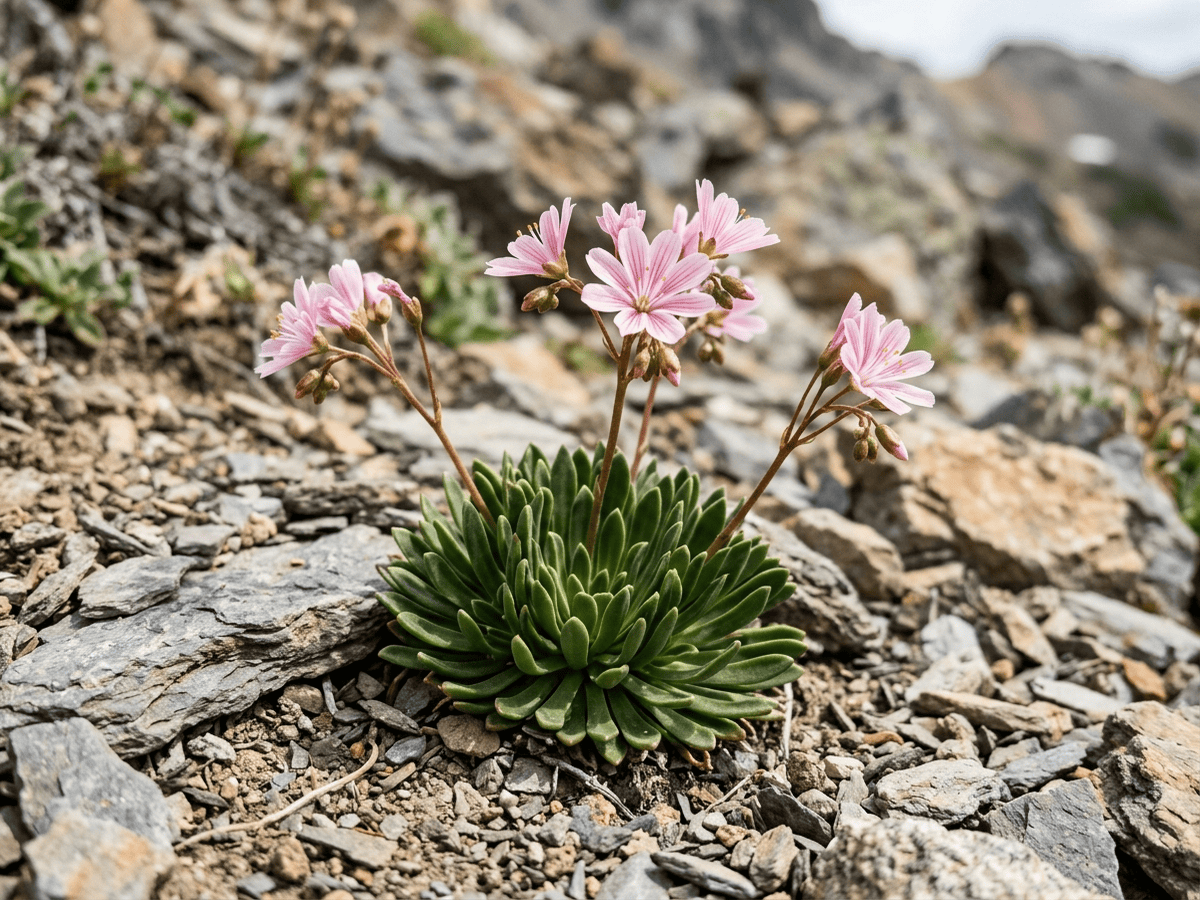
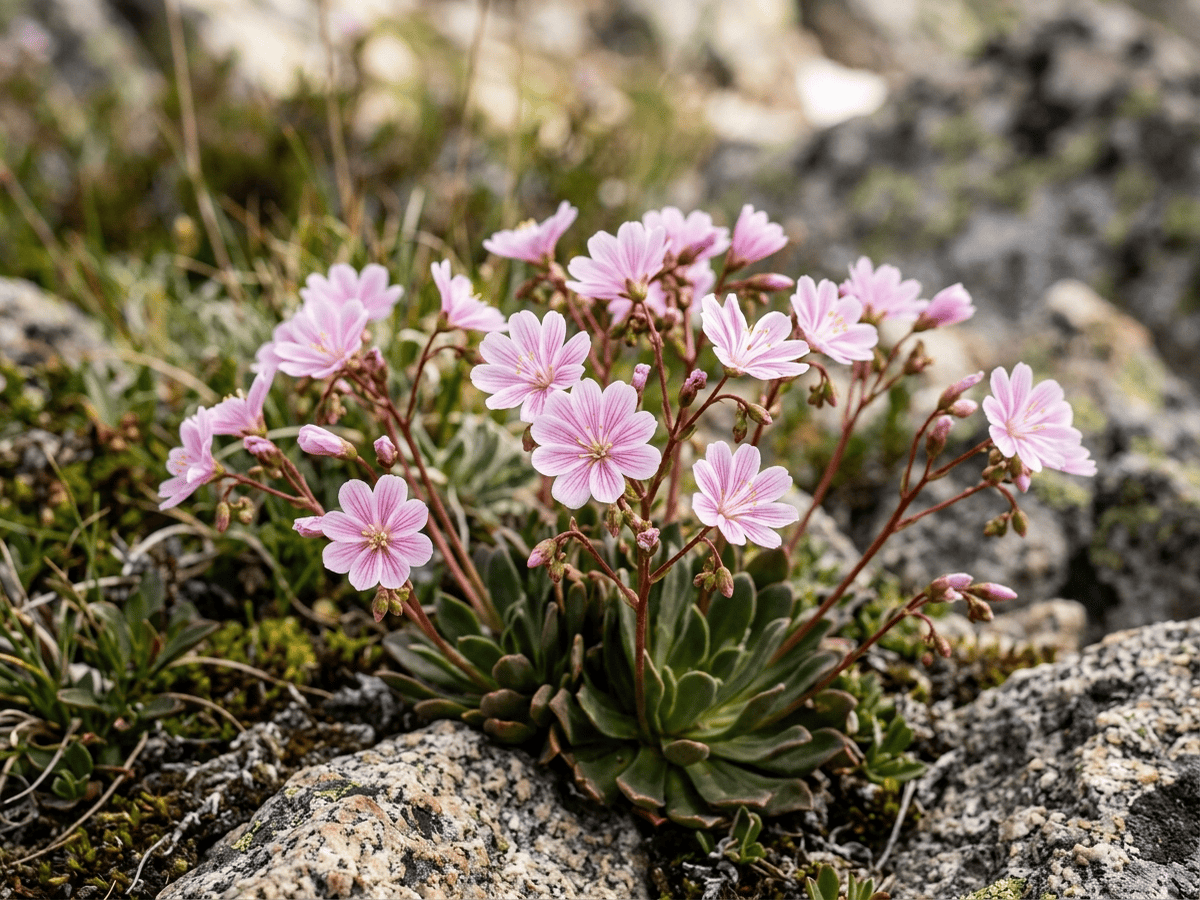
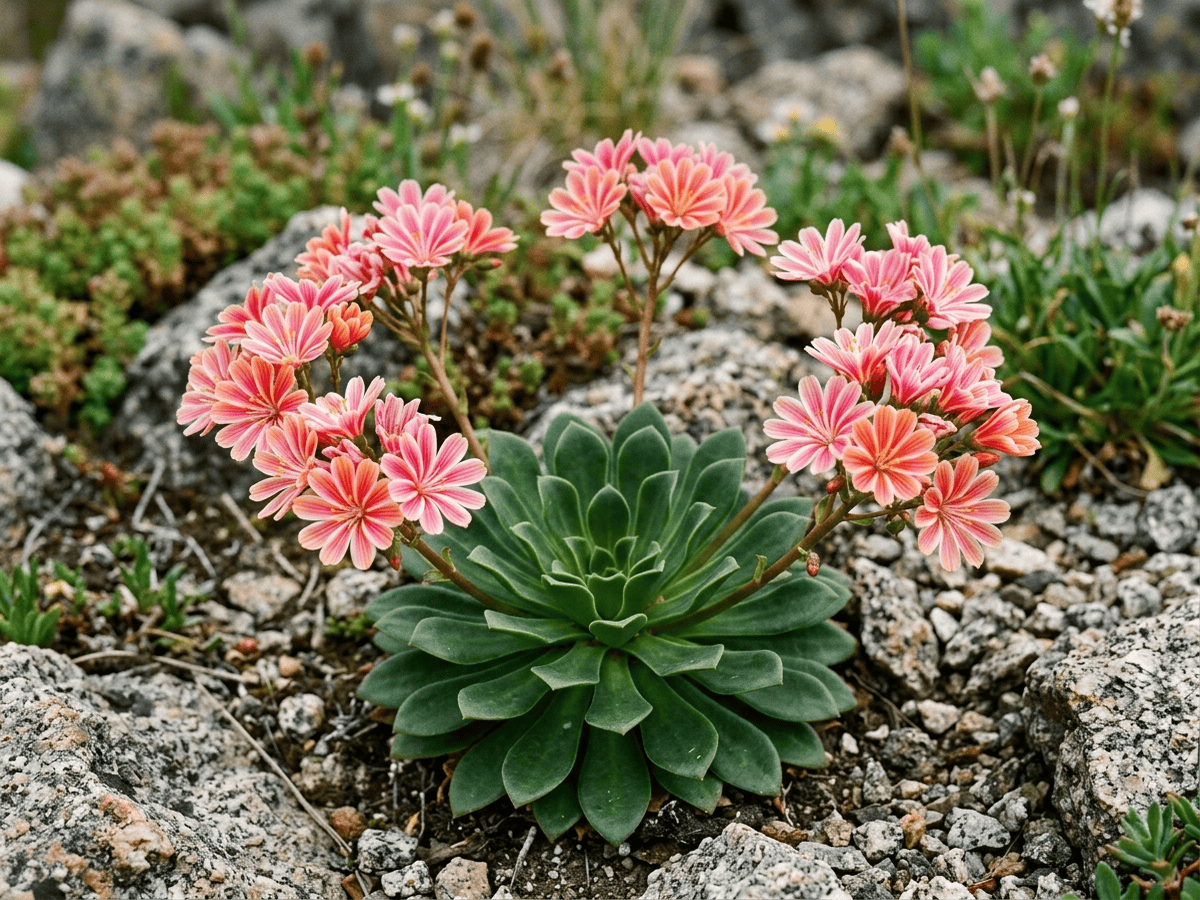
Columbia Lewisia is an alpine evergreen perennial native to the Pacific Northwest mountains from British Columbia south to northern California, often found growing in cliffs and rocky talus slopes. Forming compact rosettes of narrow succulent leaves, it bears airy panicles of small pink to white flowers with deeper pink veining in early summer. A more refined and delicate species than its showier cousin L. cotyledon, but equally treasured among alpine plant enthusiasts.
- Drought-tolerant
- Evergreen
- Native
How to care for Columbian Lewisia
Watering
- Springevery 10 days
- Summerevery 14 days
- Fallevery 14 days
- Winterevery 21 days
Soil · Fast-draining
- Main mixSand + pumice + soil 1:1:150%
- DrainagePumice / gravel50%
Keep grit at half the mix or more — this soil is meant to dry out fast.
FERTILIZER
- Springevery 60 days
At a Glance
- NativeNorth America
- Height0.5–1 ft (0.2–0.3 m)
- Spread0.5–1 ft (0.2–0.3 m)
- Flower colorPink, Purple, White
- Foliage colorGreen
- SoilSandy, Well-drained
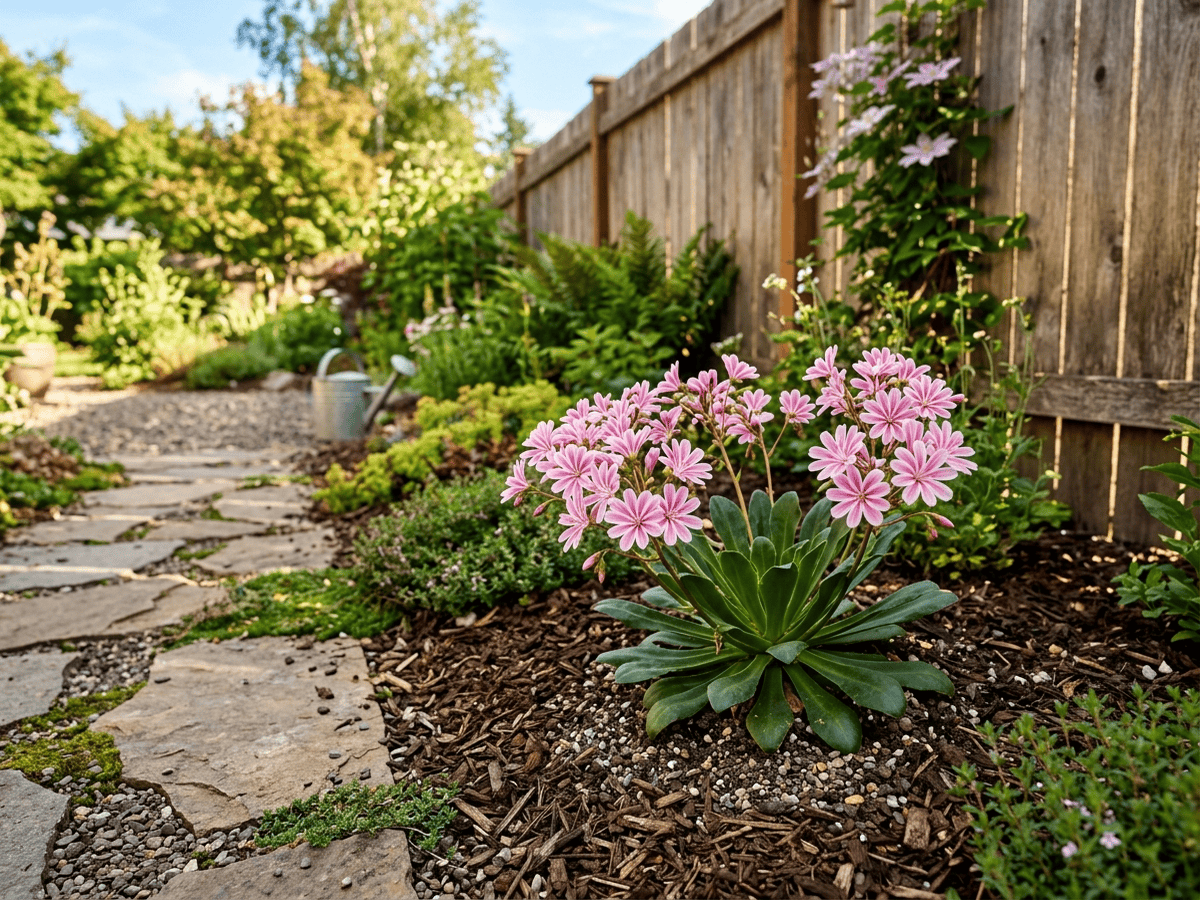
- LocationsYard · Balcony
Bloom time
BLOOM CYCLE
Peak bloom
May–Jul
Airy panicles of pink-veined flowers May to July
Toxicity
No toxicity has been reported for this plant. Still, it is wise to keep pets from chewing on any houseplant.
Educational information, not medical or veterinary advice. If exposure is suspected, contact a doctor or veterinarian.
DISTRIBUTION


- Native
- North America
History
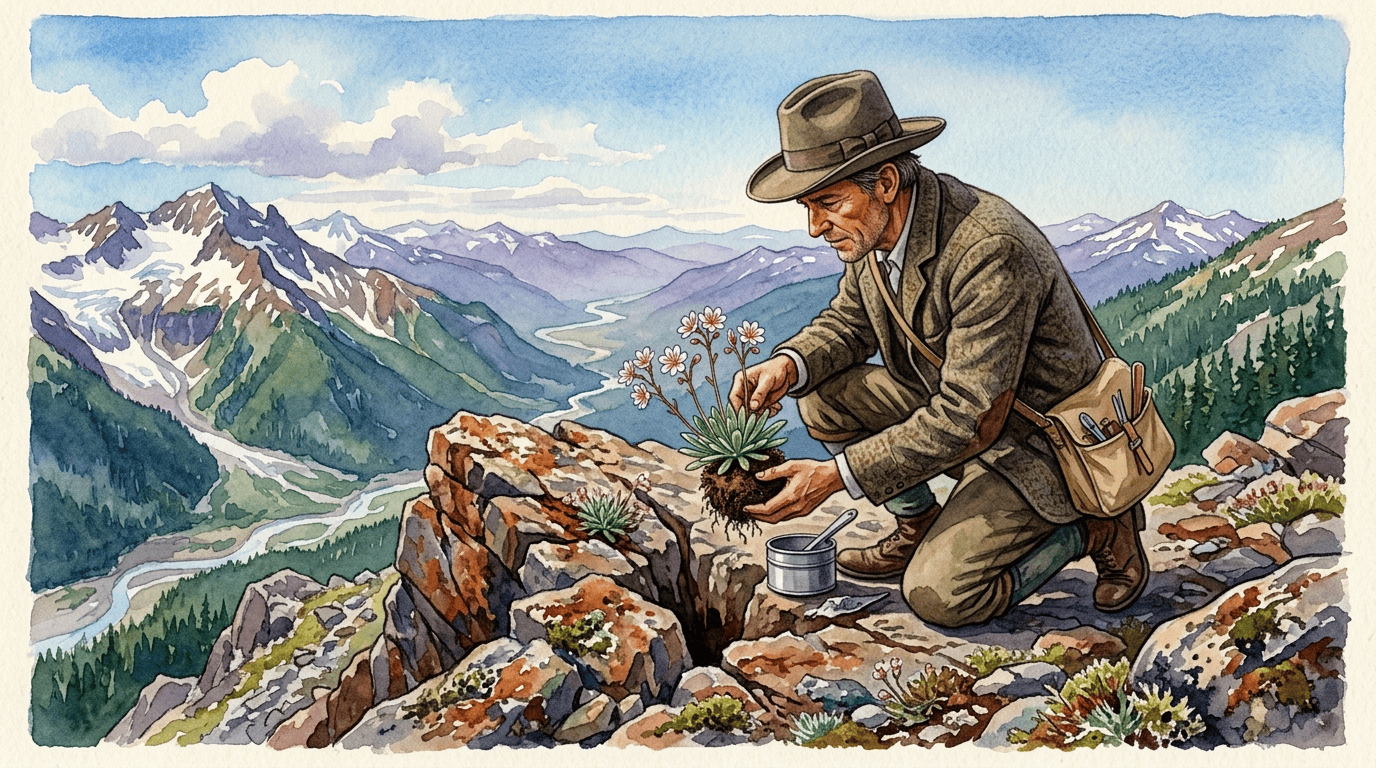
Lewisia columbiana, the Columbian lewisia or Columbia bitterroot, is a compact rosette-forming evergreen perennial native to rocky outcrops and alpine ridges of the Cascade Range and northern Rocky Mountains from British Columbia through Washington, Idaho, and Montana. It was described by American botanist Thomas Howell in 1893. Like all Lewisia species, the genus commemorates Meriwether Lewis of the 1805 Corps of Discovery expedition.
The plant produces tight rosettes of narrow fleshy leaves and airy panicles of small pink, magenta, or white flowers veined with darker lines. It tolerates colder winters and more moisture than most relatives but still demands sharp drainage.
Alpine gardeners use it in troughs, crevice gardens, and alpine houses, and it remains a popular subject among North American rock garden enthusiasts. Documented from specimens collected along the Columbia River basin in the 19th century, this delicate species has long been a coveted target for alpine plant collectors. Like other Lewisias, it commemorates the Lewis and Clark Expedition's contribution to North American botanical exploration.
Symbolism & meaning
What It Symbolizes
Columbian lewisia is wild grace in the high country — its delicate pink-veined flowers emerging from rocky crevices on Cascade slopes where almost nothing else can root. As a cliff dweller it has refined the art of thriving in seemingly impossible places, sending taproots into hairline cracks of granite. To meet it in alpine country is to understand that beauty can be a strategy for survival.
- Wild grace — delicate beauty of mountain crevices
- Cliff dweller — thrives in seemingly impossible rocky habitats
Where the Name Comes From
'Lewisia' honors Meriwether Lewis; 'columbiana' refers to the Columbia River region.
Uses & Fun Facts
- Pink-veined panicles above evergreen rosettes in alpine cliff gardens
Related plants
More Lewisia plants
Plants with similar care
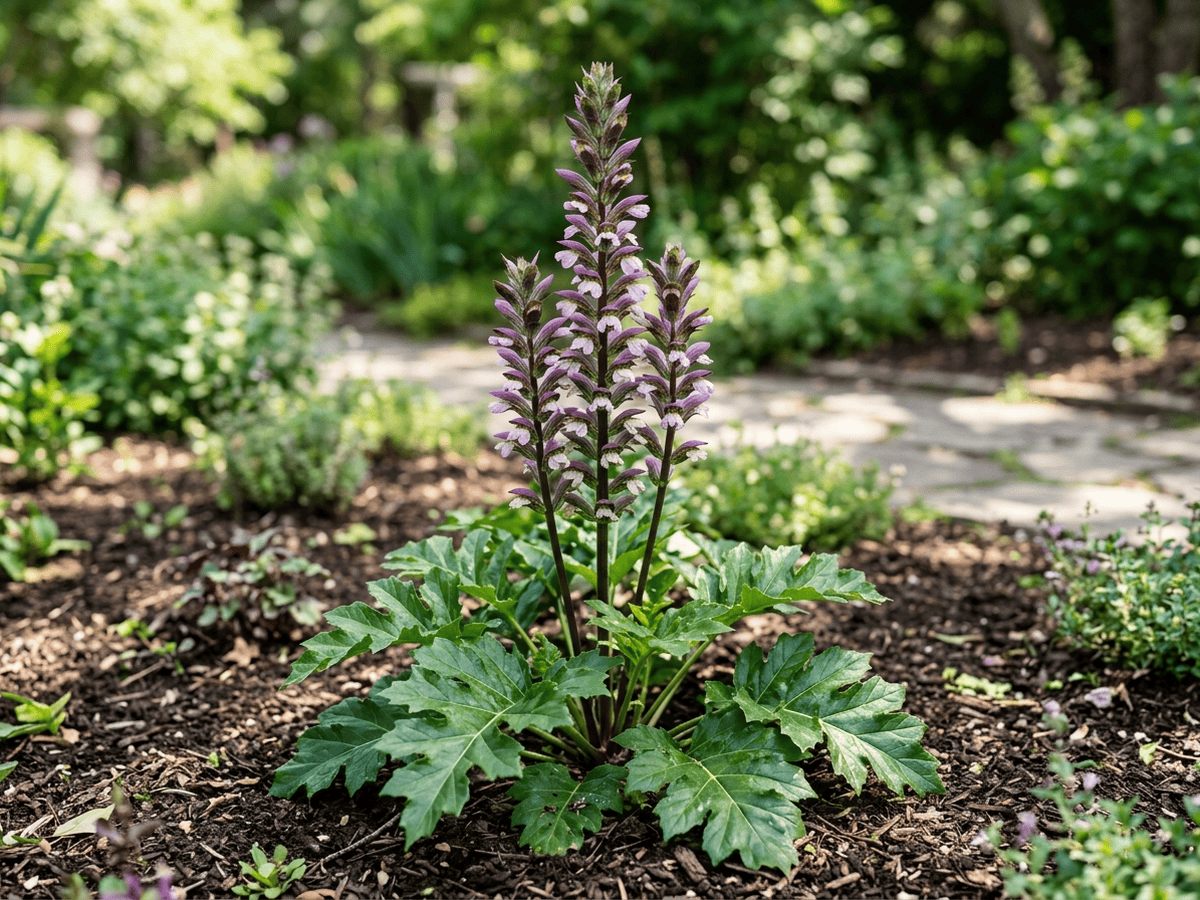 Bear's BreechesAcanthus mollis
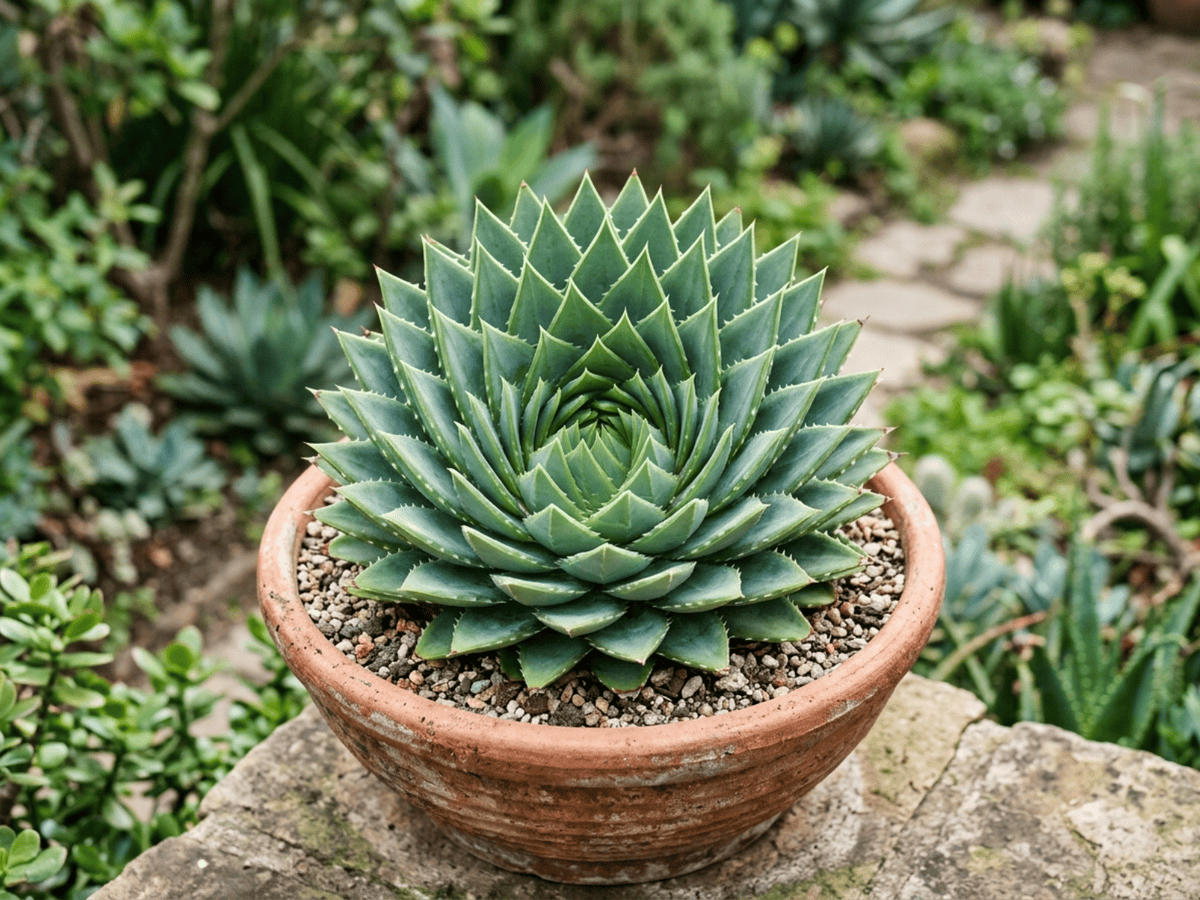 Spiral AloeAloe polyphylla
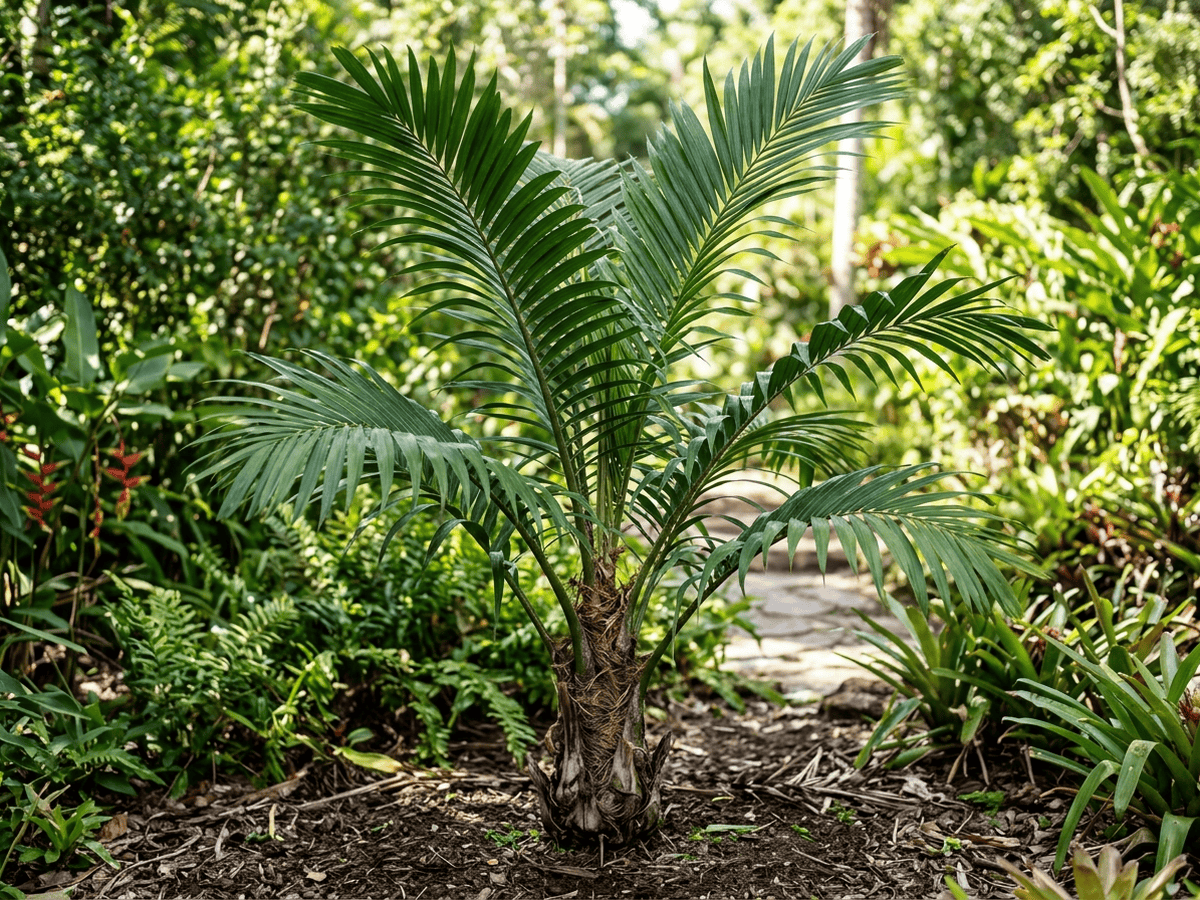 Formosa PalmArenga engleri
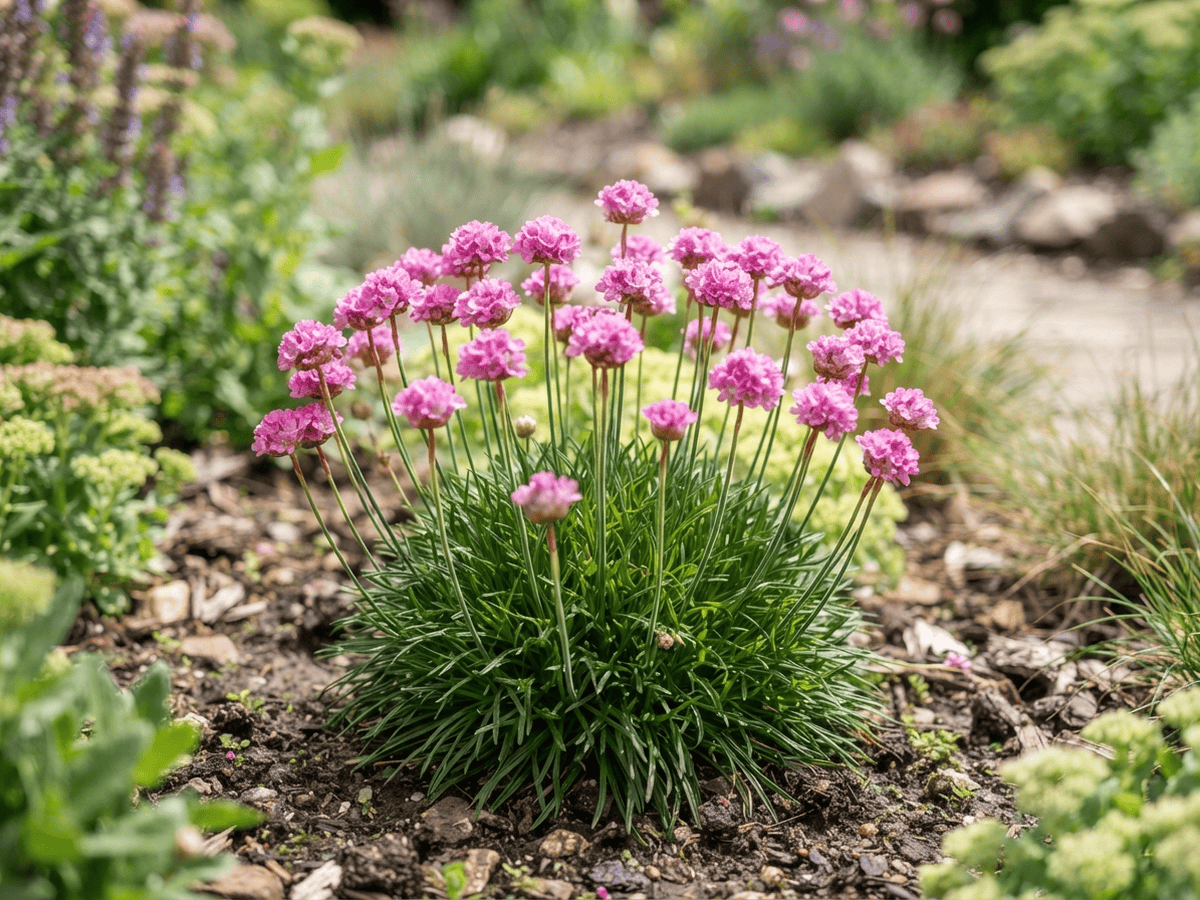 Sea ThriftArmeria maritima
Frequently asked questions
How often should I water Columbian Lewisia?
In summer, water about every 14 days; in winter, about every 21 days. Adjust for heat, pot size and drainage.
How much light does Columbian Lewisia need?
Part shade: 2–4 hrs direct. Watch the leaves — scorching or stretching means the light needs adjusting.
Is Columbian Lewisia toxic to cats or dogs?
No toxicity has been reported for this plant. Still, it is wise to keep pets from chewing on any houseplant. Educational information, not medical or veterinary advice. If exposure is suspected, contact a doctor or veterinarian.
Is Columbian Lewisia easy to grow?
It is considered challenging and rewards experienced growers.
When does Columbian Lewisia bloom?
It typically blooms May–Jul in the Northern Hemisphere.
YardMate
Identify any plant in seconds
Snap a photo — YardMate names the plant, diagnoses problems, and reminds you when to water.
Download on the App Store