 YardMate


Cliff Maids
Lewisia cotyledon
Medium · Some experienceAbout Cliff Maids
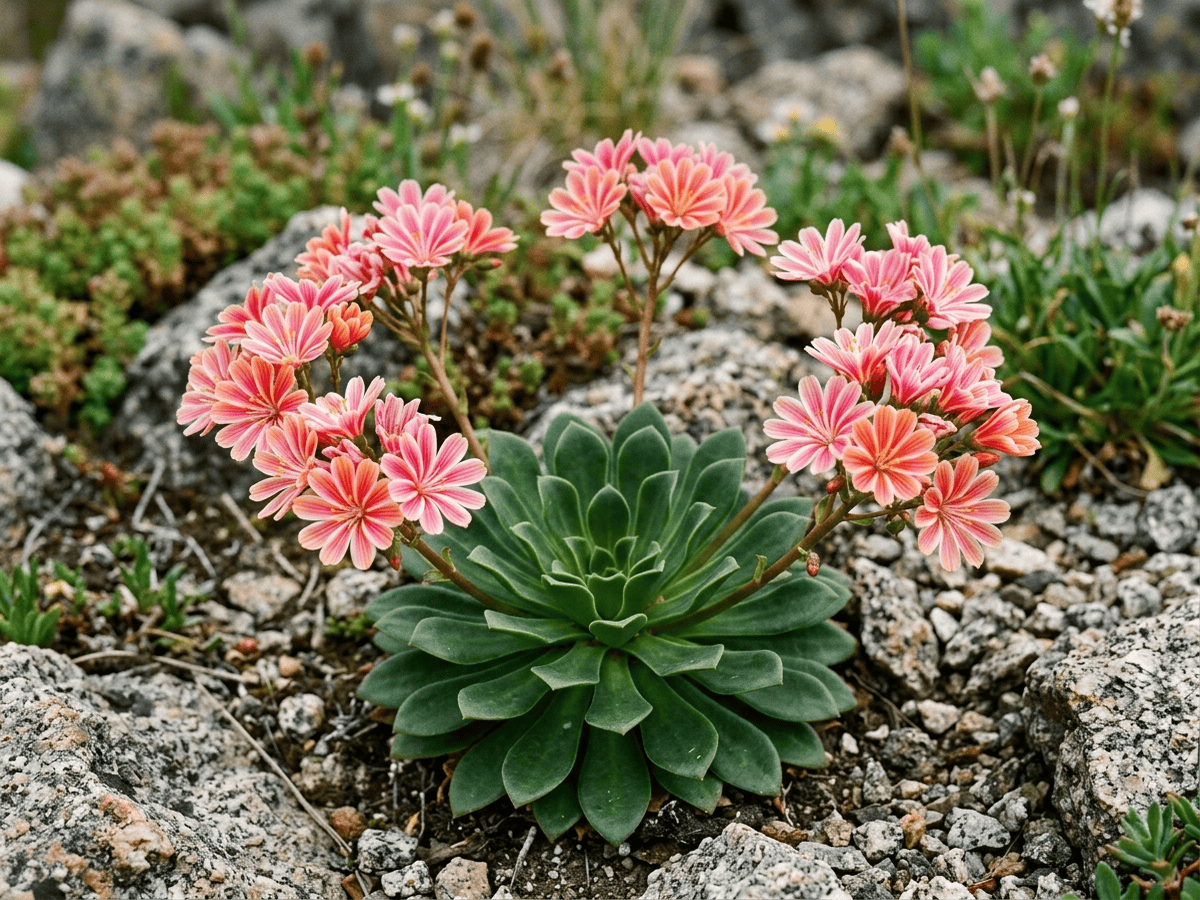
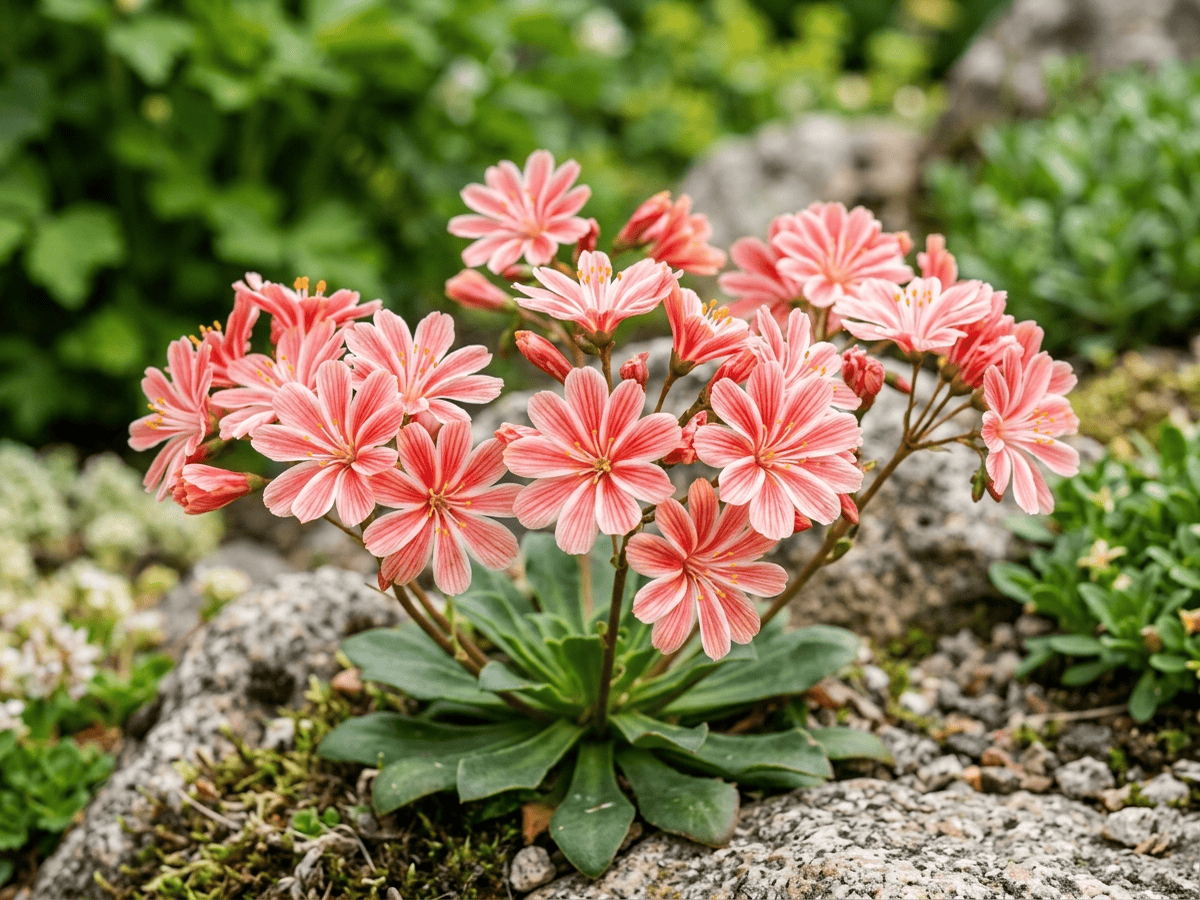
Siskiyou Lewisia is a striking evergreen alpine native to the Siskiyou Mountains of northern California and southern Oregon. Forming tight rosettes of fleshy succulent leaves, it produces sprays of brilliantly colored flowers in shades of pink, salmon, white, yellow, and orange, often with contrasting stripes. Growing 6 to 12 inches tall, it thrives in well-drained rocky soils and is treasured among rock garden enthusiasts worldwide for its spectacular long-lasting blooms.
- Drought-tolerant
- Evergreen
- Native
How to care for Cliff Maids
Watering
- Springevery 10 days
- Summerevery 14 days
- Fallevery 14 days
- Winterevery 21 days
Soil · Fast-draining
- Main mixSand + pumice + soil 1:1:150%
- DrainagePumice / gravel50%
Keep grit at half the mix or more — this soil is meant to dry out fast.
FERTILIZER
- Springevery 60 days
At a Glance
- NativeNorth America
- Height0.5–1 ft (0.2–0.3 m)
- Spread0.5–1 ft (0.2–0.3 m)
- Flower colorPink, Orange, White, Yellow
- Foliage colorGreen
- SoilSandy, Well-drained, Acidic
- LocationsYard · Balcony
Bloom time
BLOOM CYCLE
Peak bloom
May–Jul
Sprays of striped flowers in pink, salmon, yellow May to July
Toxicity
No toxicity has been reported for this plant. Still, it is wise to keep pets from chewing on any houseplant.
Educational information, not medical or veterinary advice. If exposure is suspected, contact a doctor or veterinarian.
DISTRIBUTION


- Native
- North America
History
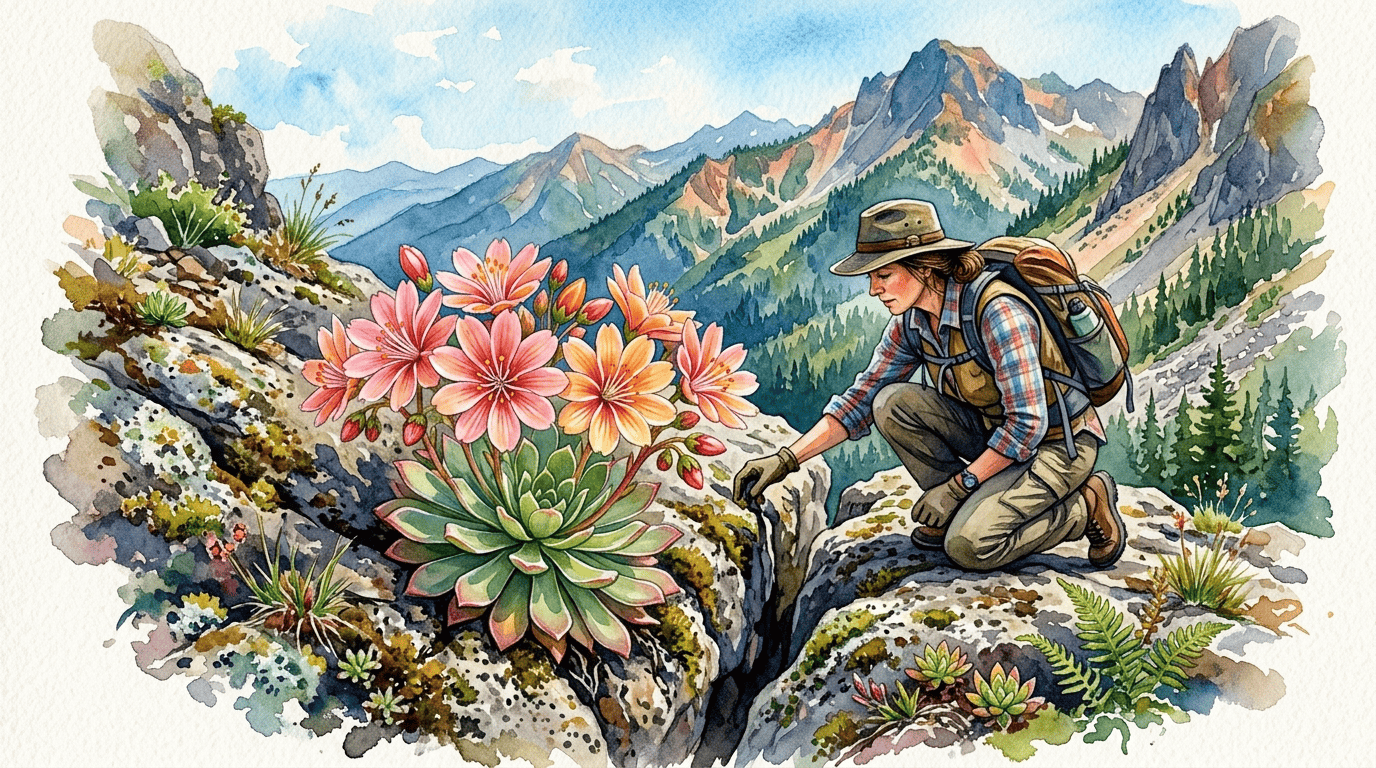
Lewisia cotyledon, the Siskiyou lewisia or cliff maids, is a rosette-forming evergreen perennial native to rocky slopes and crevices of the Klamath and Siskiyou mountains of southwest Oregon and northwest California. The genus Lewisia was established by Frederick Pursh in 1814 to honor Meriwether Lewis, who collected the related L. rediviva, the bitterroot, during the 1805 to 1806 Corps of Discovery expedition. L. cotyledon itself was described by Sereno Watson in 1885.
Its star-shaped flowers in shades of pink, orange, apricot, yellow, and white bloom in late spring atop thick fleshy rosettes. British and German breeders have produced the Sunset Group and other cultivars now widespread in alpine, trough, and rock garden horticulture, though the plant resents summer humidity and wet winters.
The Siskiyou species was scientifically described in the late 19th century from collections in the rugged Siskiyou Mountains, and modern hybrid strains developed in the UK have made it a global rock garden favorite.
Symbolism & meaning
What It Symbolizes
Cliff Maids embody mountain joy, their vivid striped flowers blazing from rocky alpine slopes where most plants would never dare set root. Named for explorer Meriwether Lewis, the genus carries a pioneer legacy of American botanical discovery. To grow Lewisia in a garden is to honor both the wildness of the high country and the early collectors who first carried these jewel-like rosettes home from the western wilderness.
- Mountain joy — vivid blooms of rugged alpine slopes
- Pioneer legacy — namesake of American exploration
Where the Name Comes From
'Lewisia' honors Meriwether Lewis (1774–1809); 'cotyledon' refers to the cup-shaped leaves.
Uses & Fun Facts
- Tiny spring flowers and rosettes charm troughs, screes, and alpine collections
- Evergreen rosettes brighten gritty pots, troughs, and rock walls
Related plants
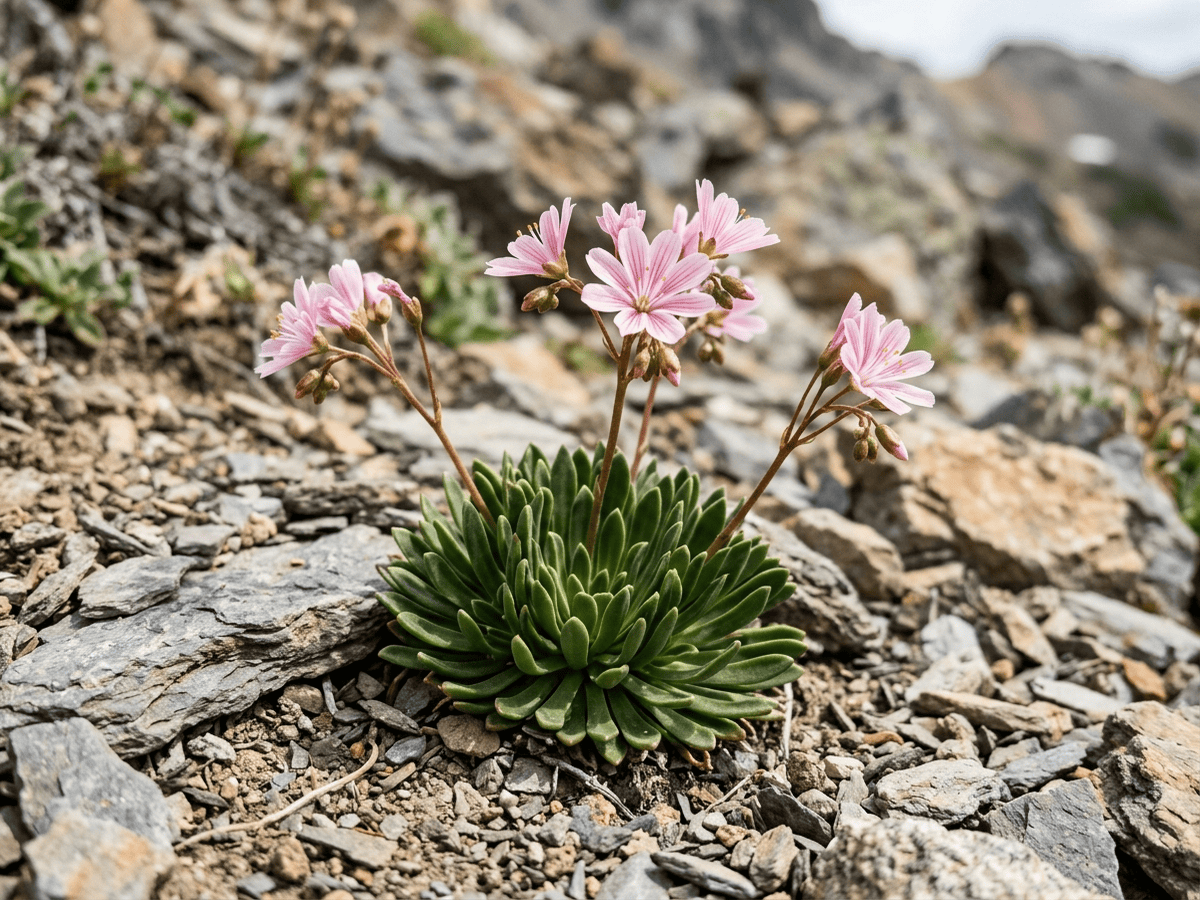
More Lewisia plants
Plants with similar care
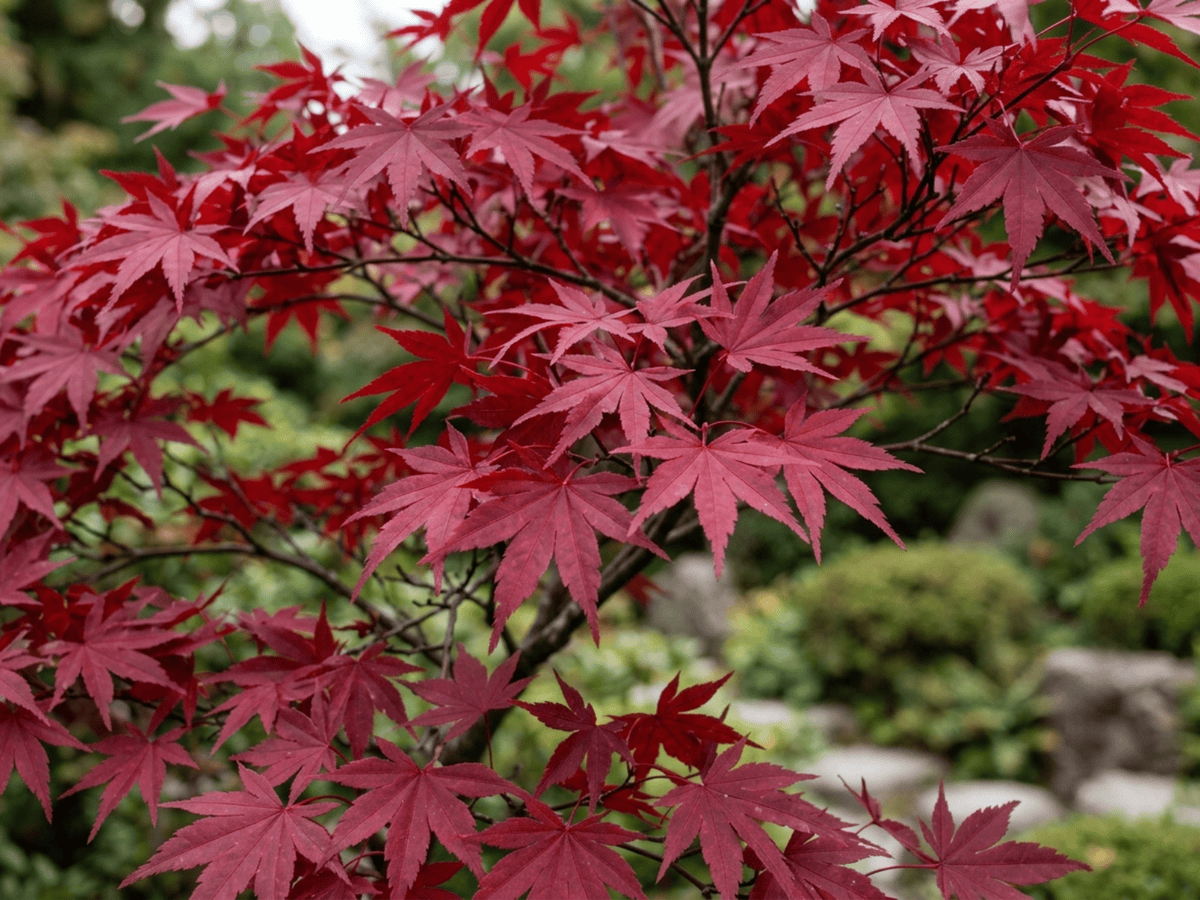 Japanese MapleAcer palmatum
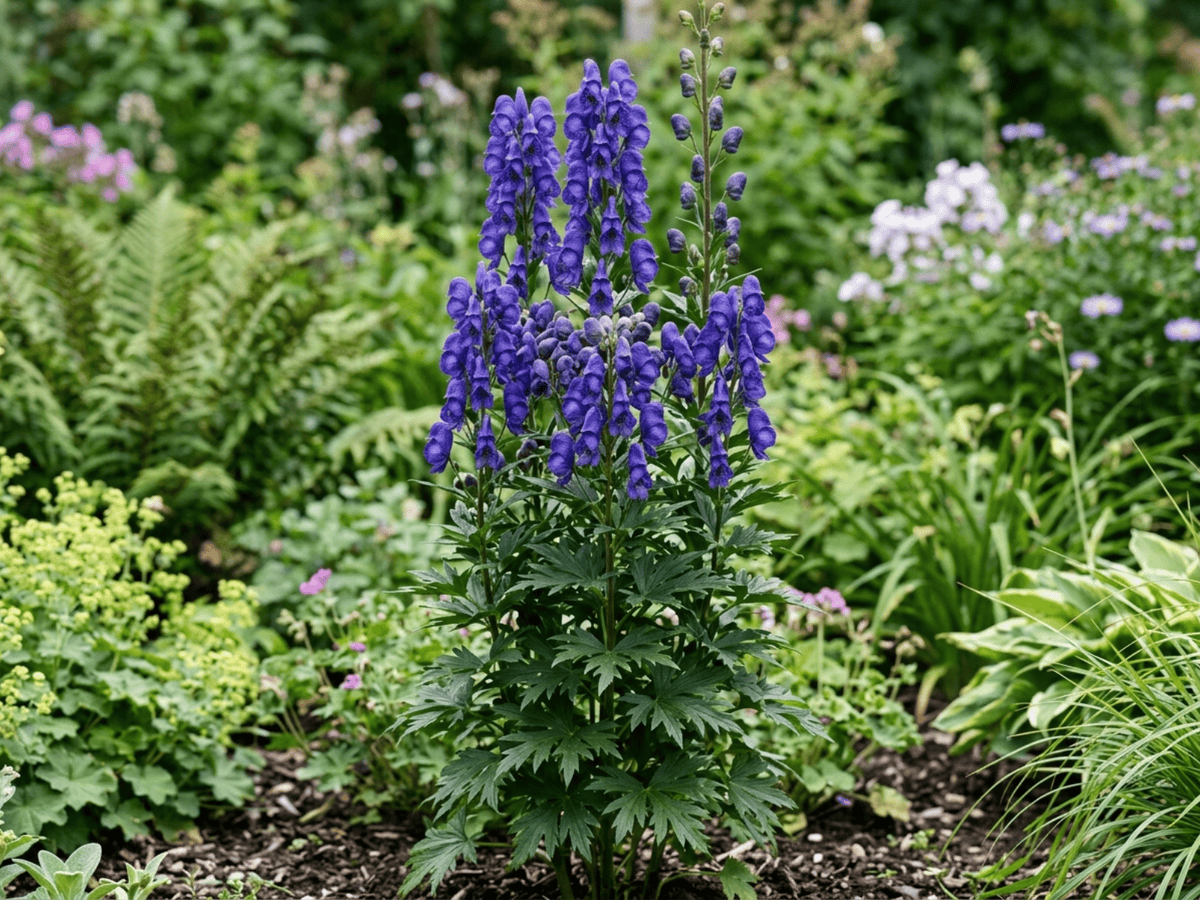 Azure MonkshoodAconitum carmichaelii
 Florida HobblebushAgarista populifolia
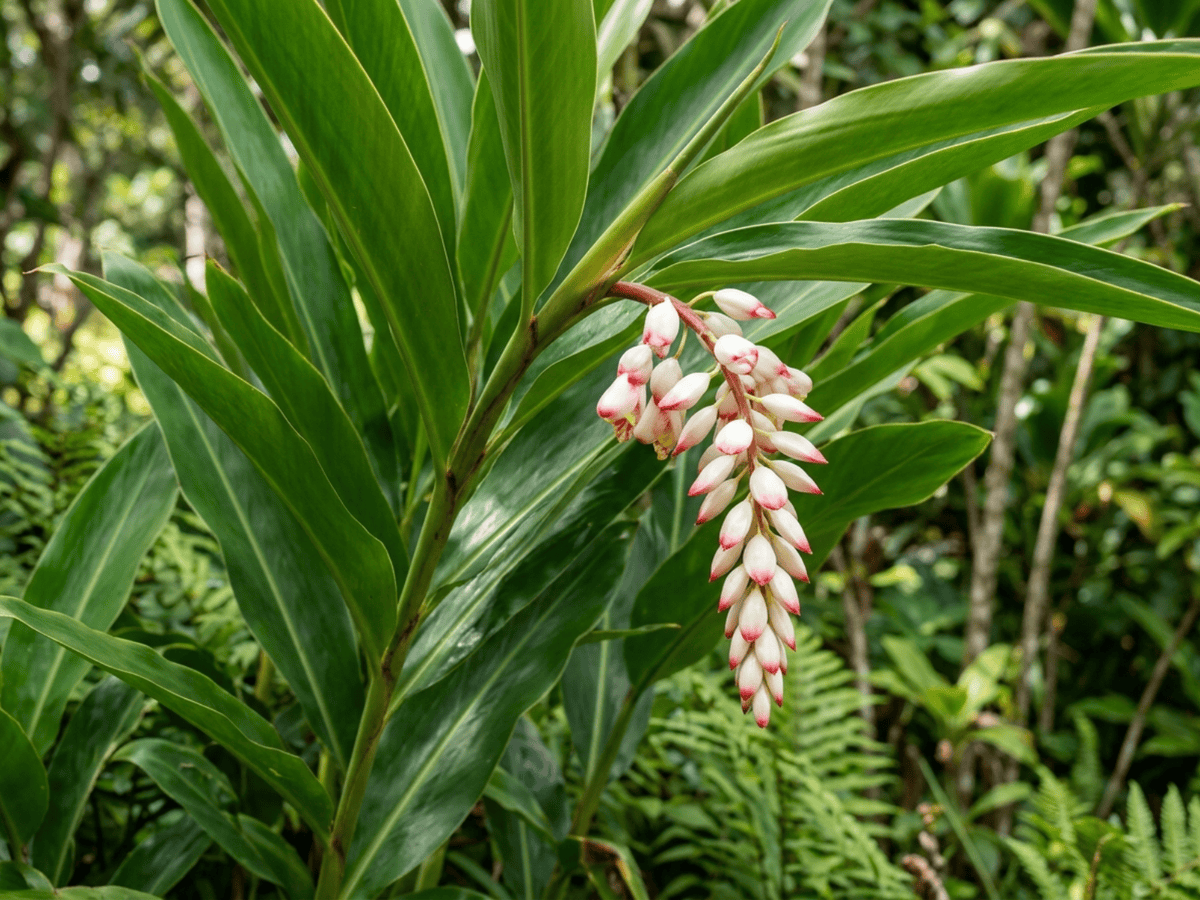 Shell GingerAlpinia zerumbet
Frequently asked questions
How often should I water Cliff Maids?
In summer, water about every 14 days; in winter, about every 21 days. Adjust for heat, pot size and drainage.
How much light does Cliff Maids need?
Part shade: 2–4 hrs direct. Watch the leaves — scorching or stretching means the light needs adjusting.
Is Cliff Maids toxic to cats or dogs?
No toxicity has been reported for this plant. Still, it is wise to keep pets from chewing on any houseplant. Educational information, not medical or veterinary advice. If exposure is suspected, contact a doctor or veterinarian.
Is Cliff Maids easy to grow?
It is moderately demanding: a good choice once you have a little experience.
When does Cliff Maids bloom?
It typically blooms May–Jul in the Northern Hemisphere.
YardMate
Identify any plant in seconds
Snap a photo — YardMate names the plant, diagnoses problems, and reminds you when to water.
Download on the App Store