 YardMate
Parrot's Beak
Lotus berthelotii
Hard · Experienced growersAbout Parrot's Beak
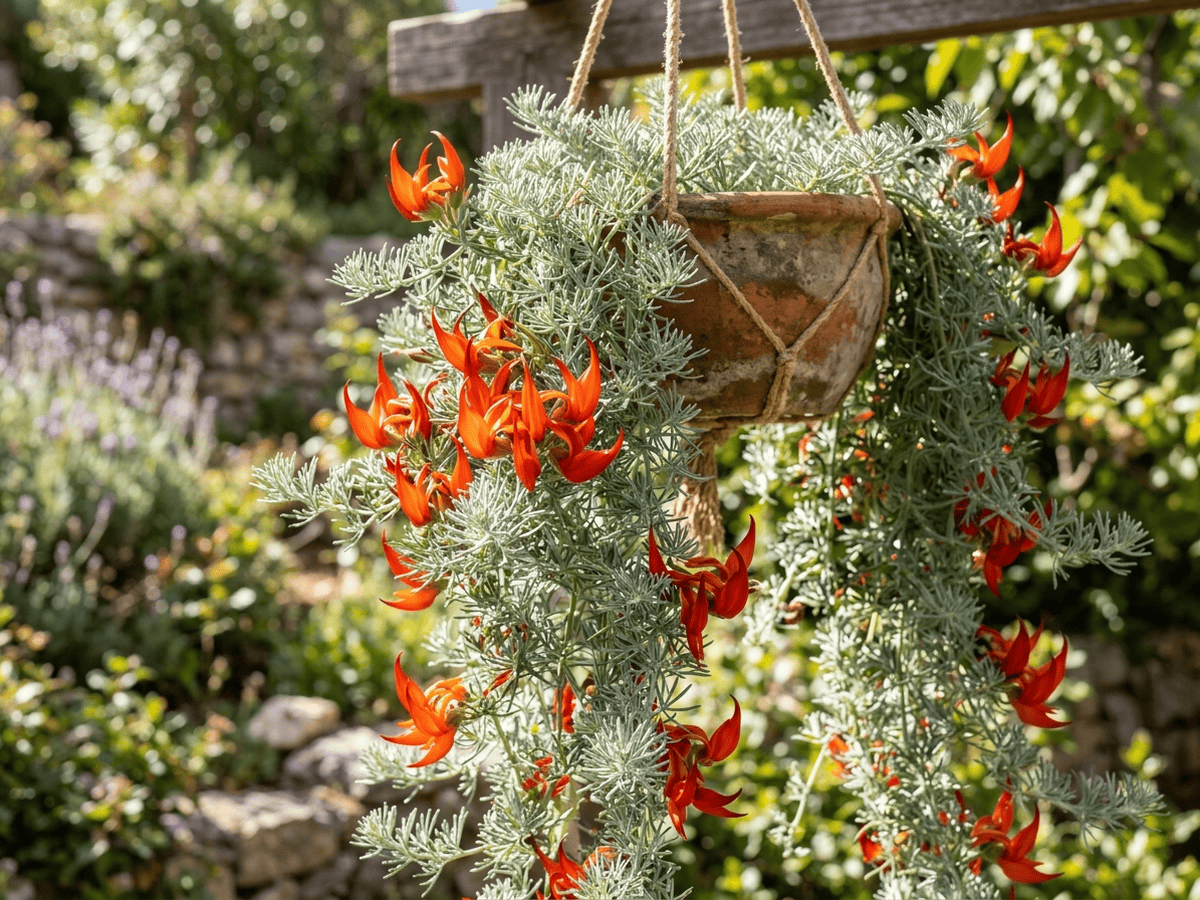
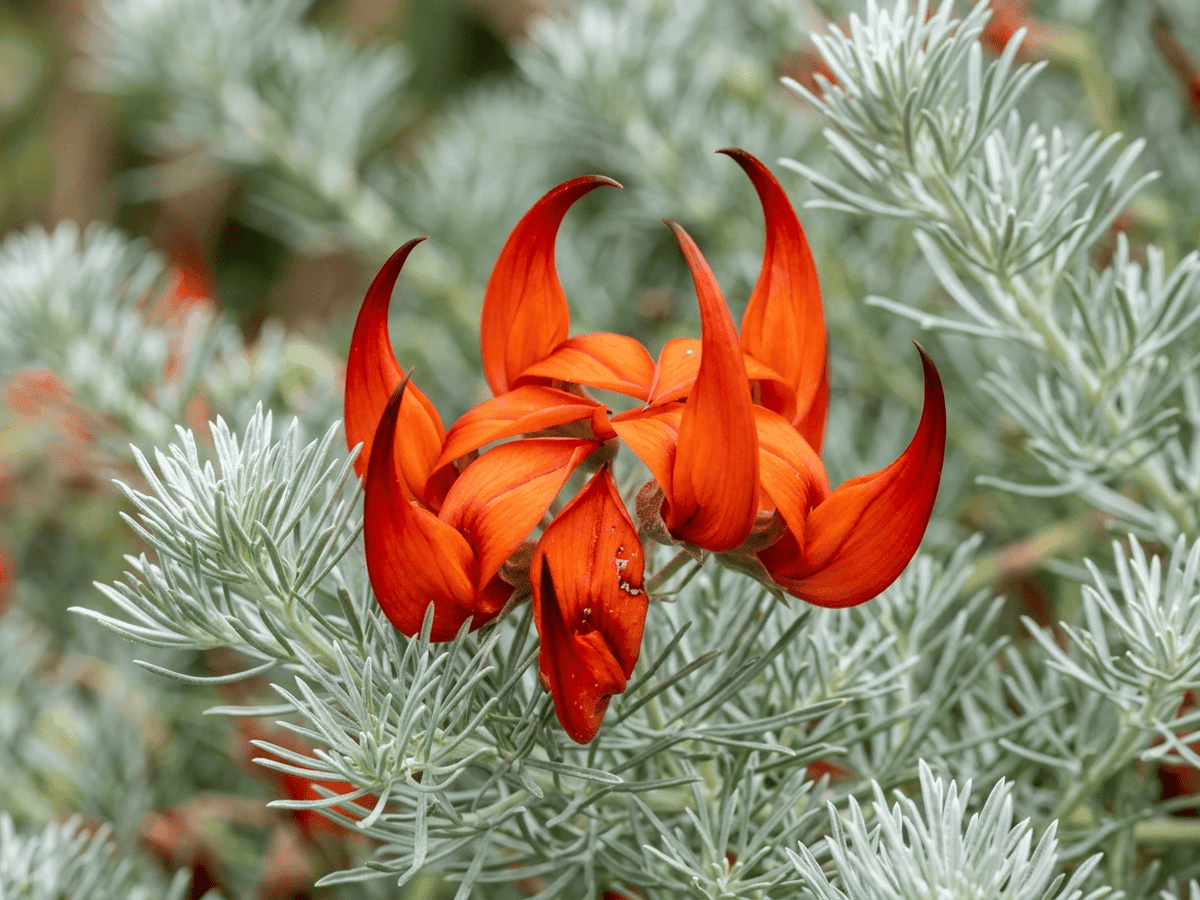
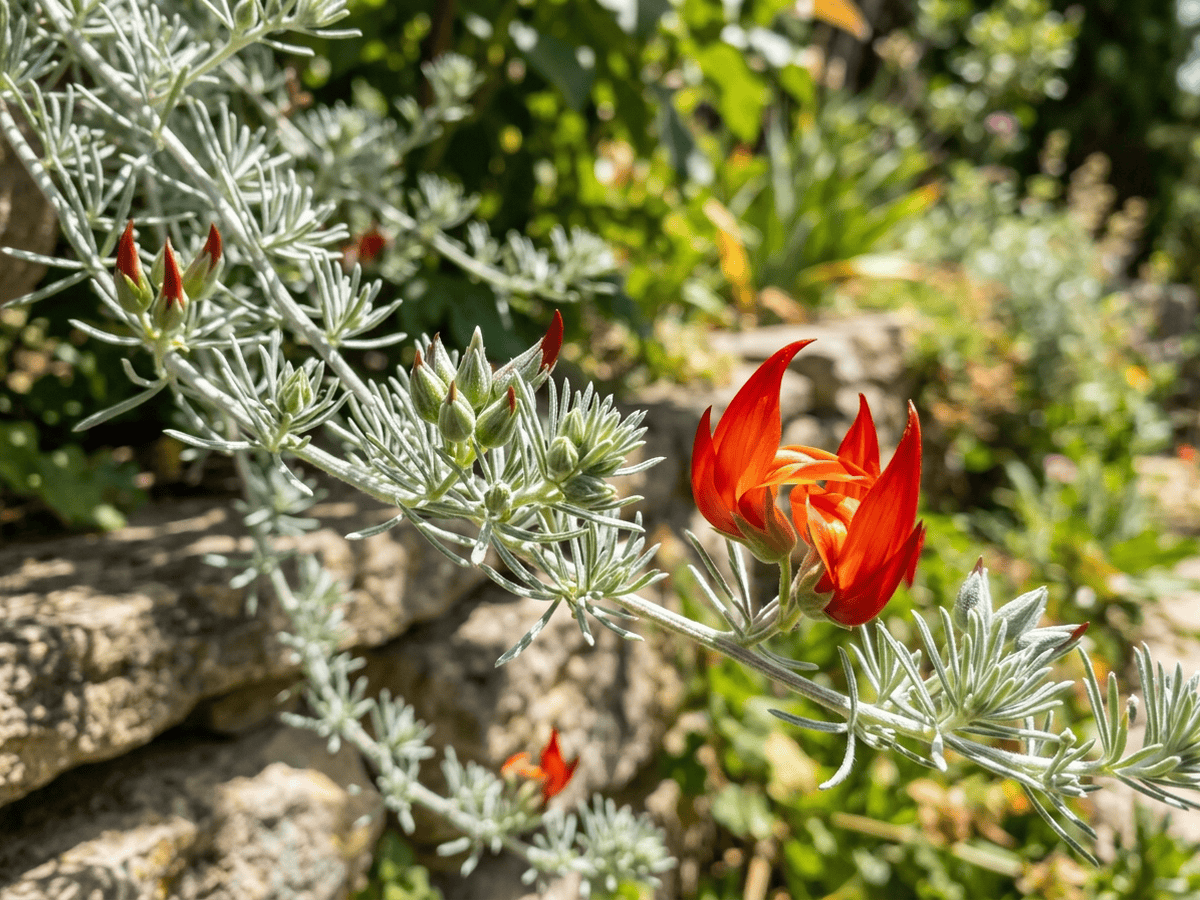
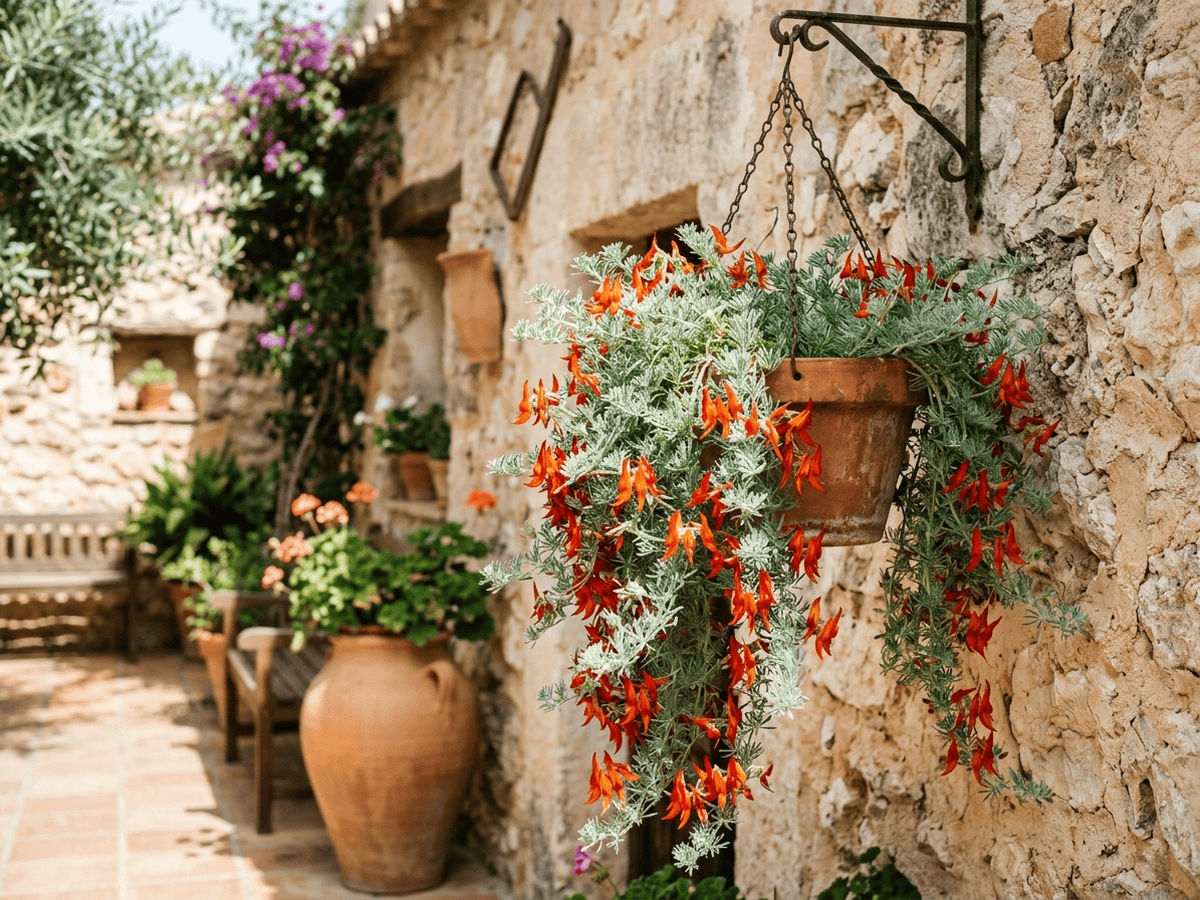
Lotus berthelotii, the Parrot's Beak, is a trailing perennial from the Canary Islands prized for its intensely silvery, needle-fine foliage and vivid scarlet-to-orange beak-shaped flowers that curve dramatically like a parrot's bill. Cascading 2–4 feet, it thrives in containers, hanging baskets, and dry sunny borders. Its original pollinator—the Canary Islands sunbird—is now extinct, leaving the plant unable to set seed naturally; it survives today entirely through cuttings in cultivation, making it effectively extinct in the wild.
- Drought-tolerant
- Pollinator-friendly
- Spreading
- Container-friendly
How to care for Parrot's Beak
Watering
- Springevery 14 days
- Summerevery 7 days
- Fallevery 30 days
- Winterevery 30 days
Soil · Well-draining
- Top dressingPine bark mulch10%
- Main mixPotting soil + perlite 2:170%
- DrainageLECA / gravel20%
Never skip the drainage layer — standing water is the top cause of root rot.
FERTILIZER
- Springevery 30 days
- Summerevery 30 days
At a Glance
- NativeAfrica
- Height1–3 ft (0.3–0.9 m)
- Spread2–4 ft (0.6–1.2 m)
- Flower colorOrange, Red
- Foliage colorGreen
- SoilWell-drained, Sandy
- LocationsYard · Balcony
Bloom time
BLOOM CYCLE
Peak bloom
Apr–Aug
This vine produces striking, tubular flowers in warm months, attracting pollinators.
Fragrance
NO FRAGRANCE
Not fragrant.
Toxicity
No toxicity has been reported for this plant. Still, it is wise to keep pets from chewing on any houseplant.
Educational information, not medical or veterinary advice. If exposure is suspected, contact a doctor or veterinarian.
DISTRIBUTION


- Native
- Africa
History
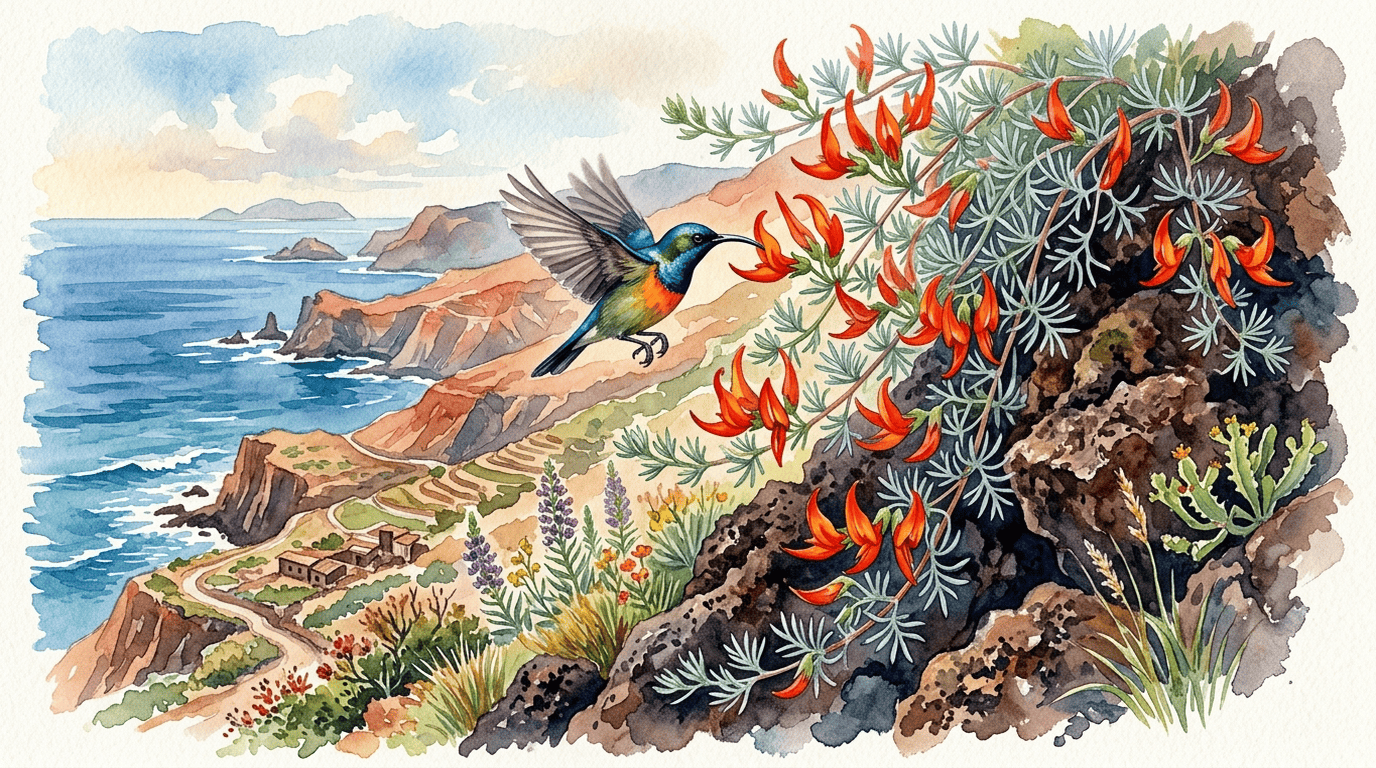
Lotus berthelotii is one of the botanical world's strangest and most melancholy success stories: a plant that has escaped extinction only by becoming entirely dependent on human cultivation after its ecosystem collapsed beneath it.
Native to the volcanic slopes and cliffs of Tenerife and La Palma in the Canary Islands, it grew as a trailing, silver-leaved vine in the dry laurisilva and rocky terrain, its vivid scarlet flowers adapted precisely to a single pollinator: the Canary Islands sunbird (Nectarinia senegalensis moussieri). The flowers' curved tubular structure fits the sunbird's bill almost exactly—an evolutionary partnership refined over millennia.
When Sabin Berthelot, a French naturalist living in the Canary Islands in the 1840s, collected and described the plant, the sunbird was already declining due to habitat loss. By the late 19th century, the sunbird was extinct on the islands. Without its pollinator, Lotus berthelotii stopped setting viable seed and disappeared from the wild. It persists today only because European botanical gardens had already received living material—cuttings that could be propagated vegetatively.
Conservation programs in the Canary Islands and at institutions including Kew Gardens have worked since the 1990s to reintroduce it to protected cliffsides and to develop hand-pollination techniques. Spanish botanists discovered that long-billed hummingbirds introduced experimentally to enclosures could successfully pollinate the flowers, opening possibilities for assisted reproduction. Meanwhile, the plant has become enormously popular in horticulture worldwide—grown as an ornamental cascade in countless gardens and hanging baskets far outside its native range.
Symbolism & meaning
What It Symbolizes
The Parrot's Beak and its sunbird evolved together across thousands of generations, each shaped by the other. When the bird disappeared, the plant lost its purpose—and nearly its existence. It grows in gardens everywhere now, beautiful and untethered from the relationship that made it.
- resilience — Extinct in the wild and cut off from its only pollinator, the Parrot's Beak persists worldwide through nothing but human care—an unlikely survivor.
- interdependence — Evolved in perfect partnership with a single bird. When the bird vanished, the plant nearly followed. A vivid lesson in how species depend on each other.
Where the Name Comes From
The genus Lotus is the classical Latin name for various leguminous plants. The species name berthelotii honors Sabin Berthelot (1794–1880), a French naturalist and consul who spent decades in the Canary Islands and co-authored the landmark work Natural History of the Canary Islands.
Uses & Fun Facts
- Spectacular trailing plant for hanging baskets, containers, and dry sunny borders; silver foliage and scarlet beak flowers are a striking combination
- Flowers attract hummingbirds in American gardens; in its native Canary Islands its original sunbird pollinator is now extinct
Related plants
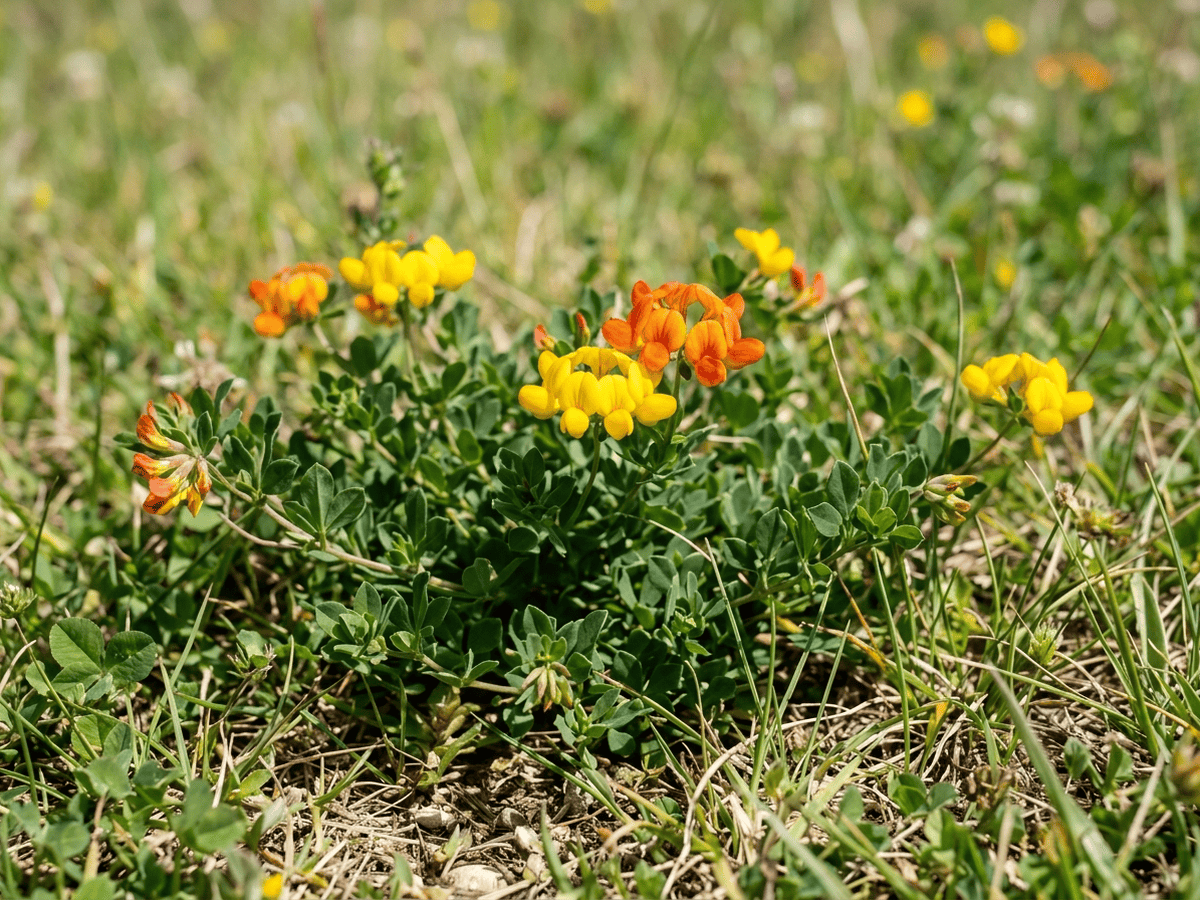
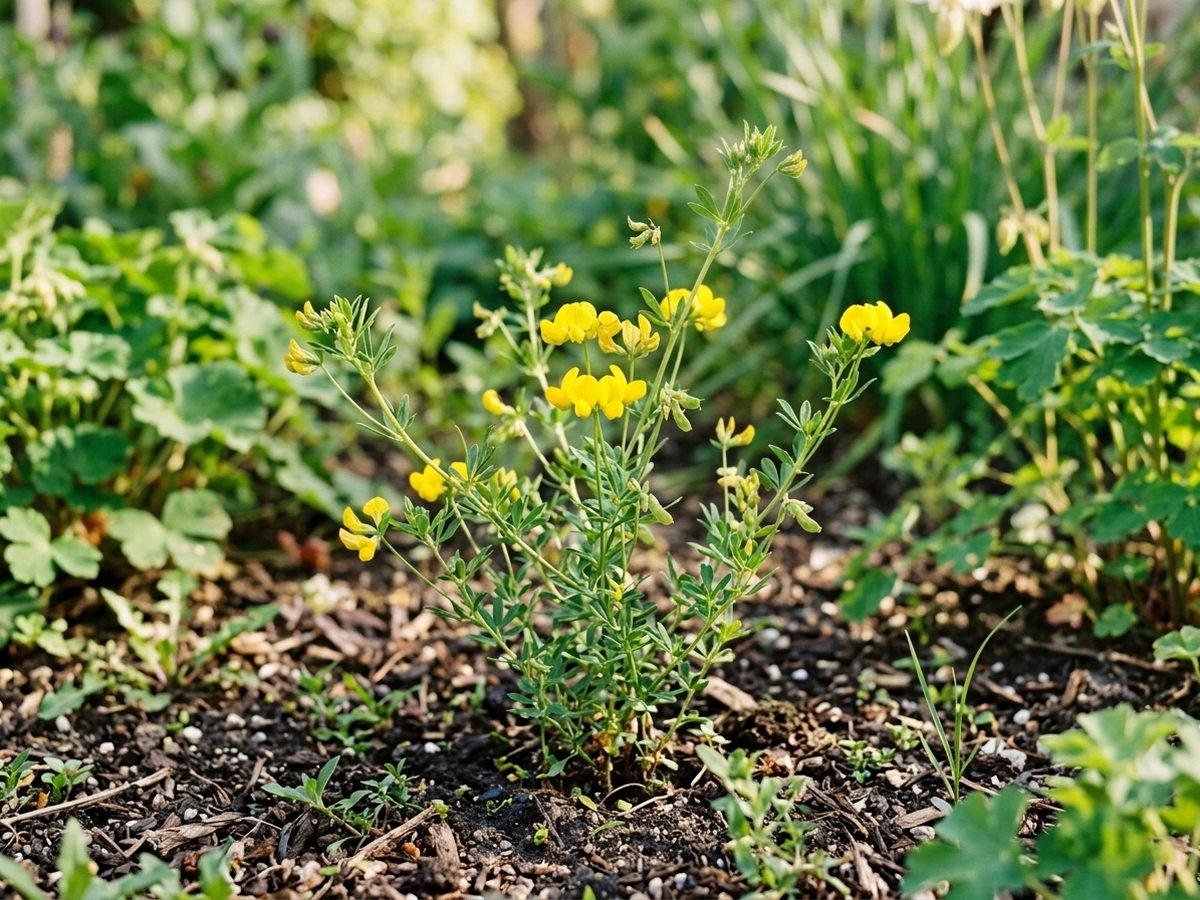
More Lotus plants
Plants with similar care
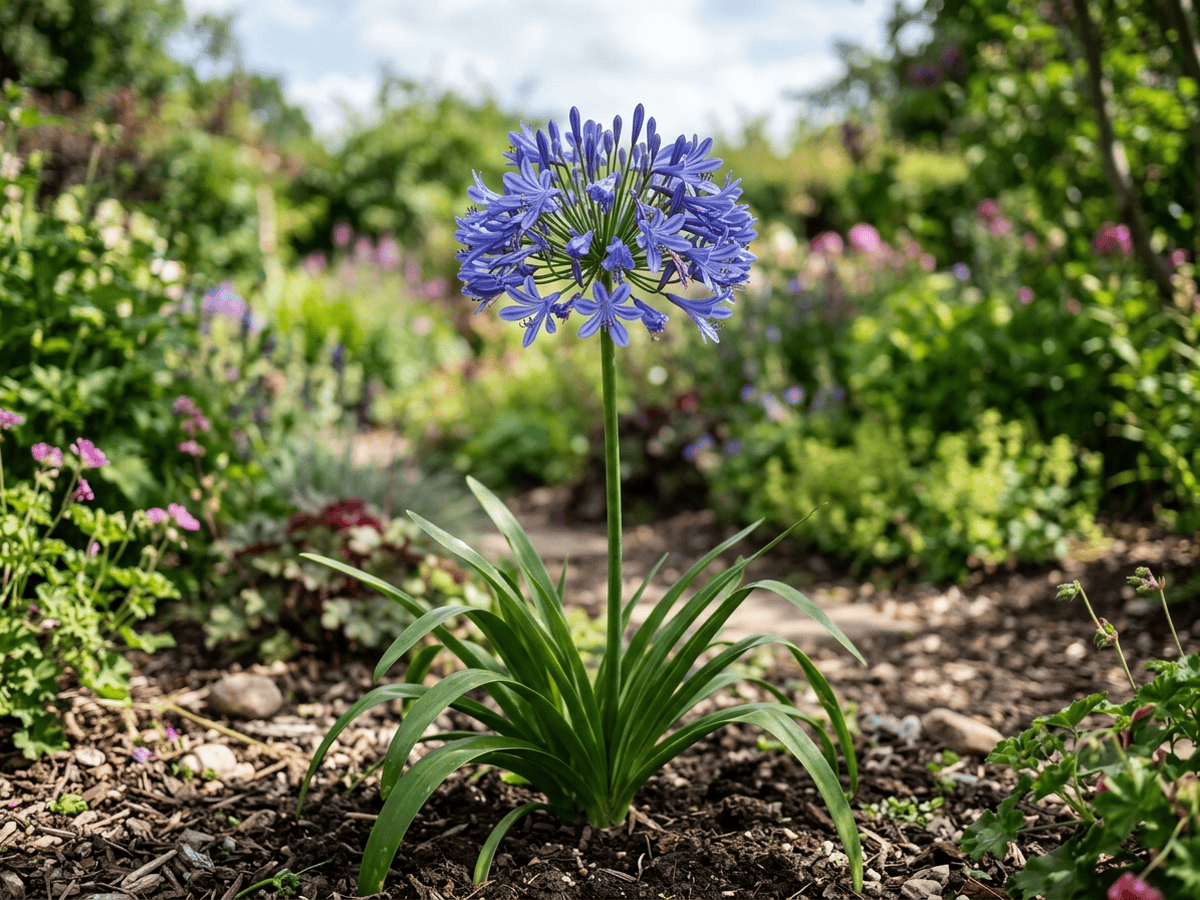 African LilyAgapanthus africanus
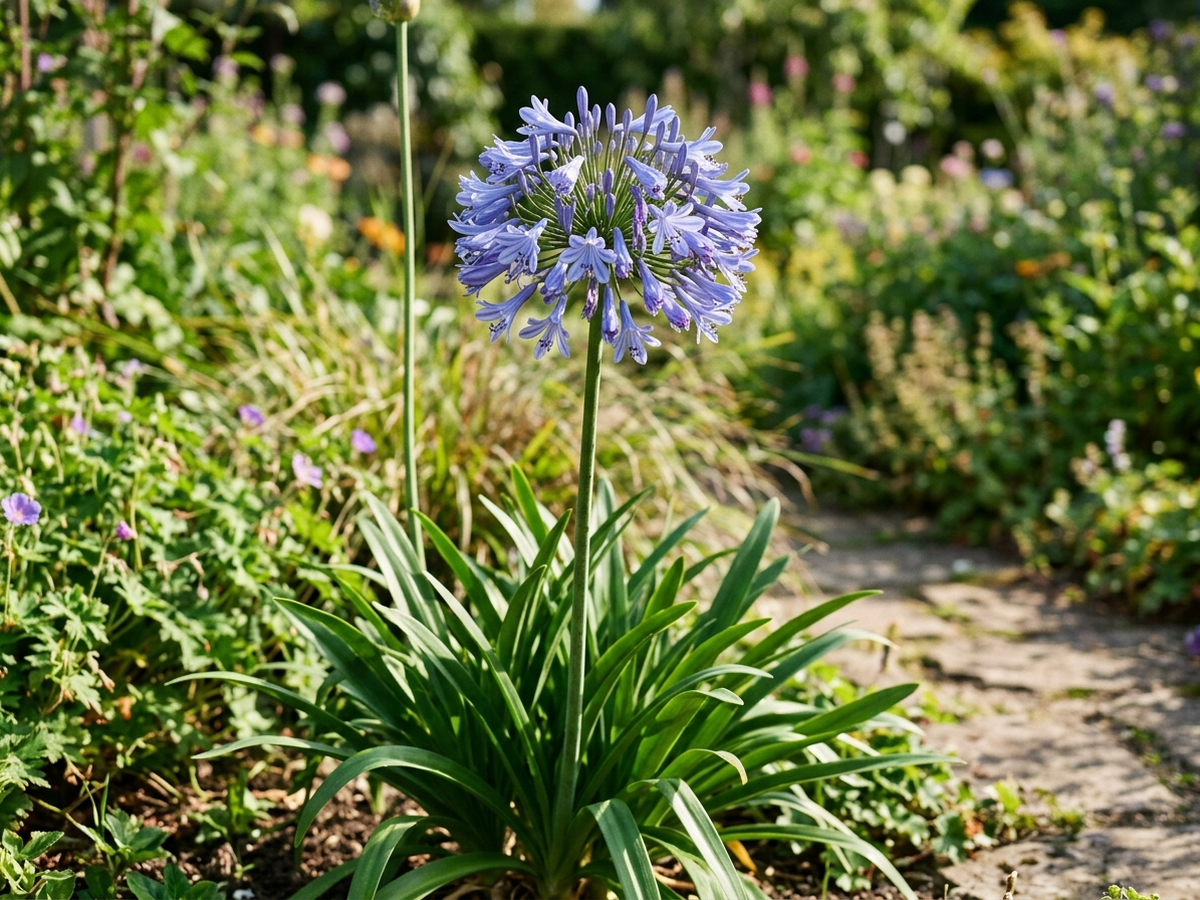 Bell AgapanthusAgapanthus campanulatus
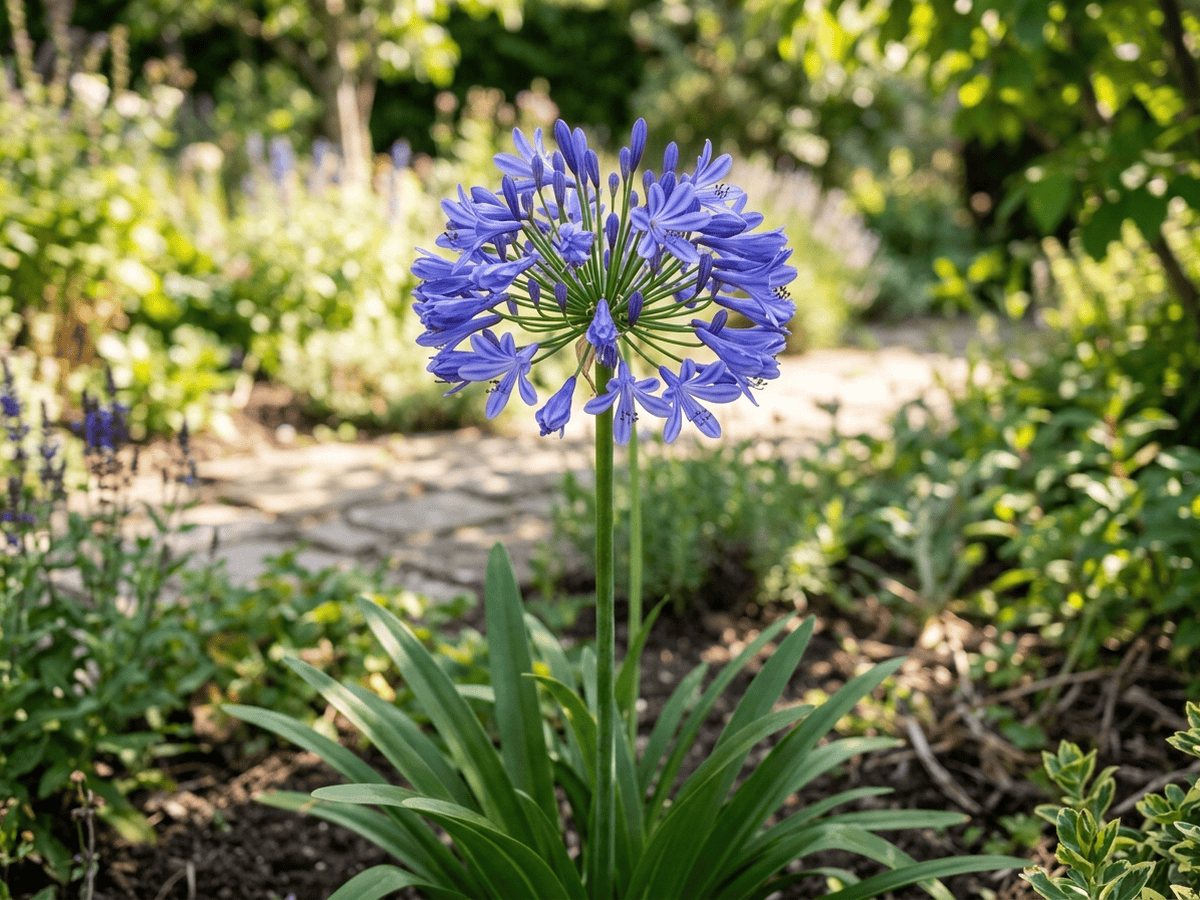 Common AgapanthusAgapanthus praecox
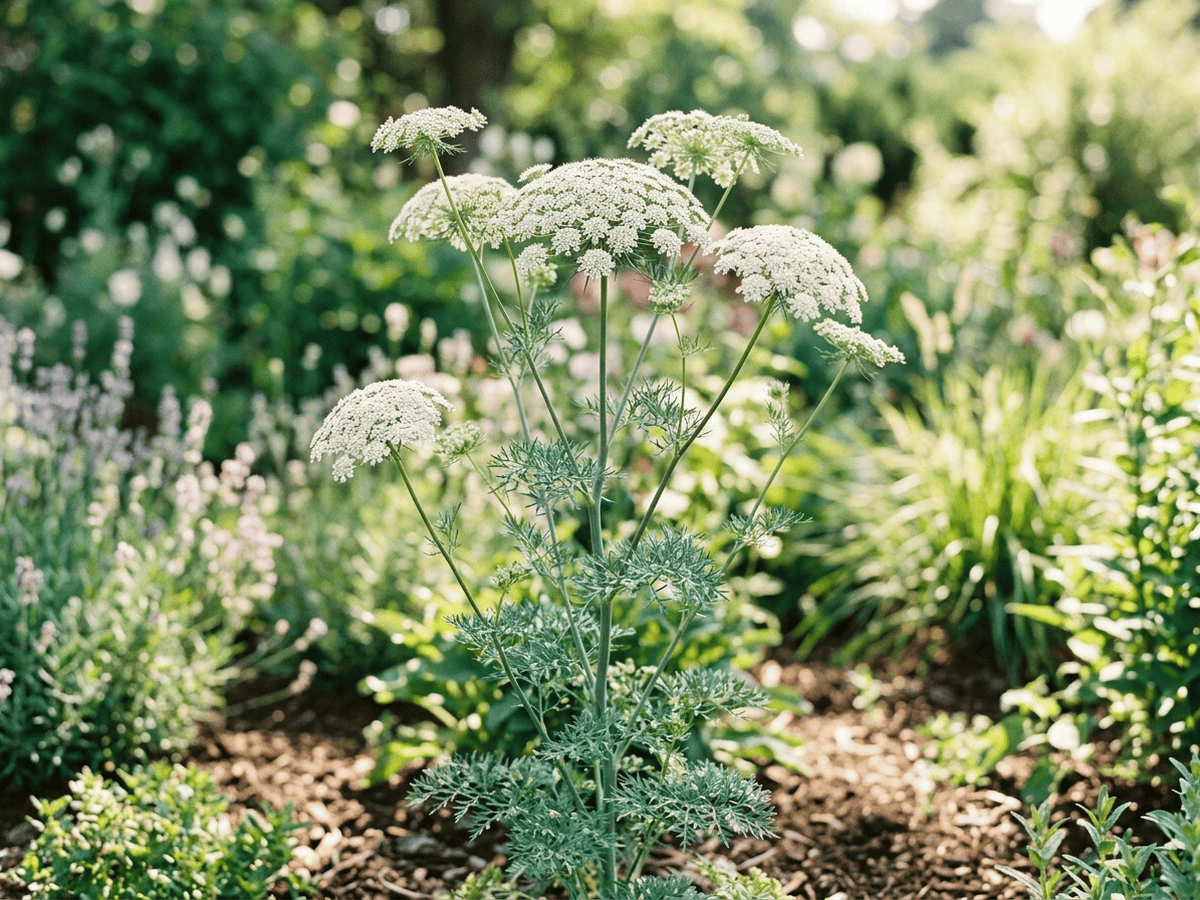 False Queen Anne's LaceAmmi majus glaucifolium
Frequently asked questions
How often should I water Parrot's Beak?
In summer, water about every 7 days; in winter, about every 30 days. Adjust for heat, pot size and drainage.
How much light does Parrot's Beak need?
Part sun: 4–6 hrs direct. Watch the leaves — scorching or stretching means the light needs adjusting.
Is Parrot's Beak toxic to cats or dogs?
No toxicity has been reported for this plant. Still, it is wise to keep pets from chewing on any houseplant. Educational information, not medical or veterinary advice. If exposure is suspected, contact a doctor or veterinarian.
Is Parrot's Beak easy to grow?
It is considered challenging and rewards experienced growers.
When does Parrot's Beak bloom?
It typically blooms Apr–Aug in the Northern Hemisphere.
YardMate
Identify any plant in seconds
Snap a photo — YardMate names the plant, diagnoses problems, and reminds you when to water.
Download on the App Store