 YardMate


Narrowleaf Trefoil
Lotus tenuis
Hard · Experienced growersAbout Narrowleaf Trefoil
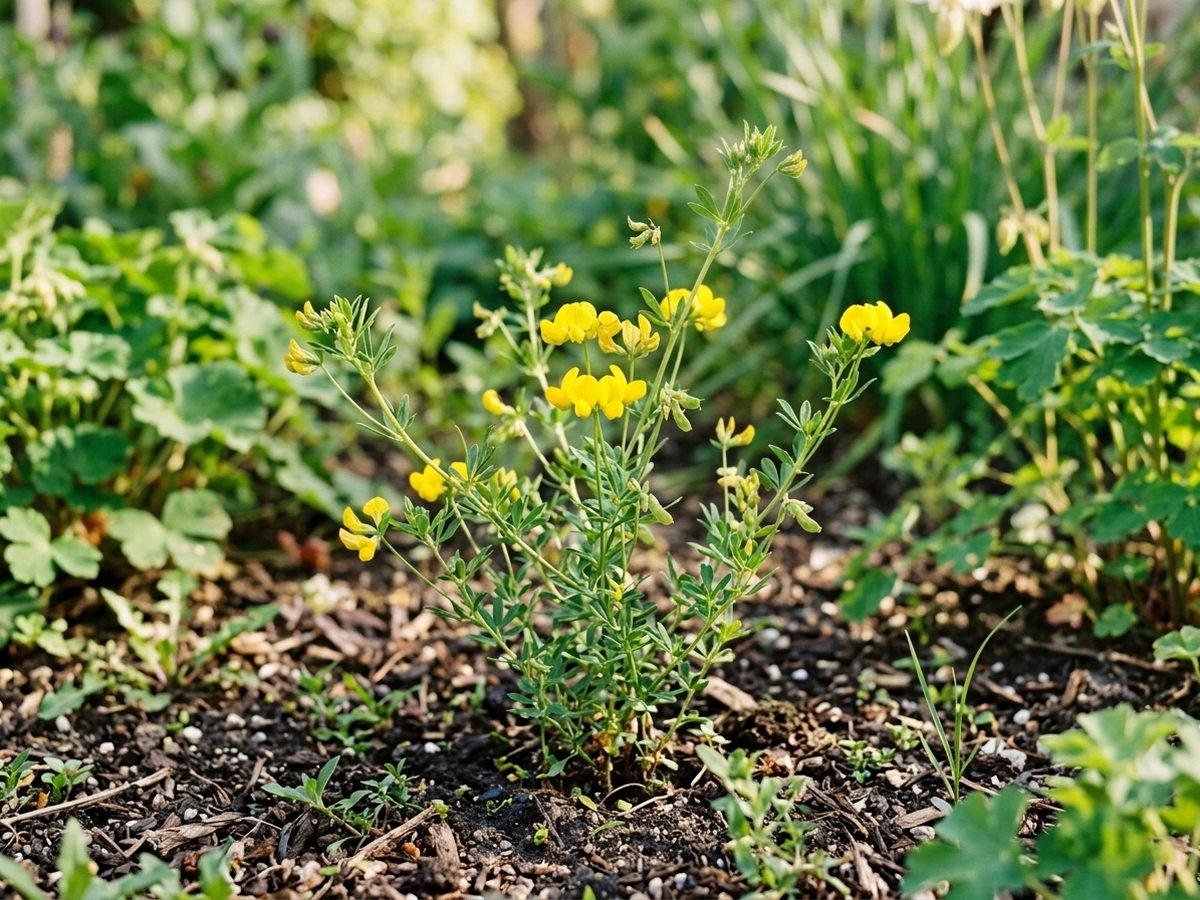
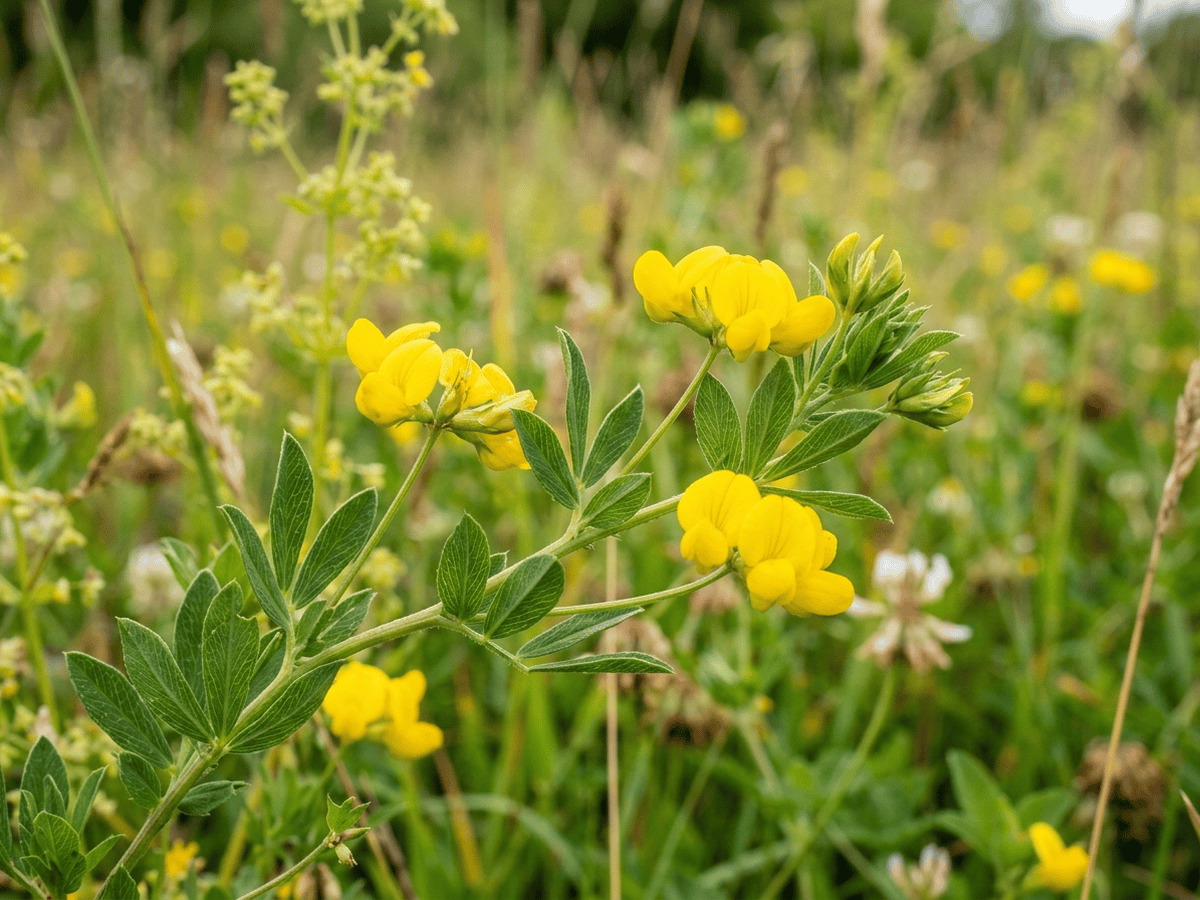
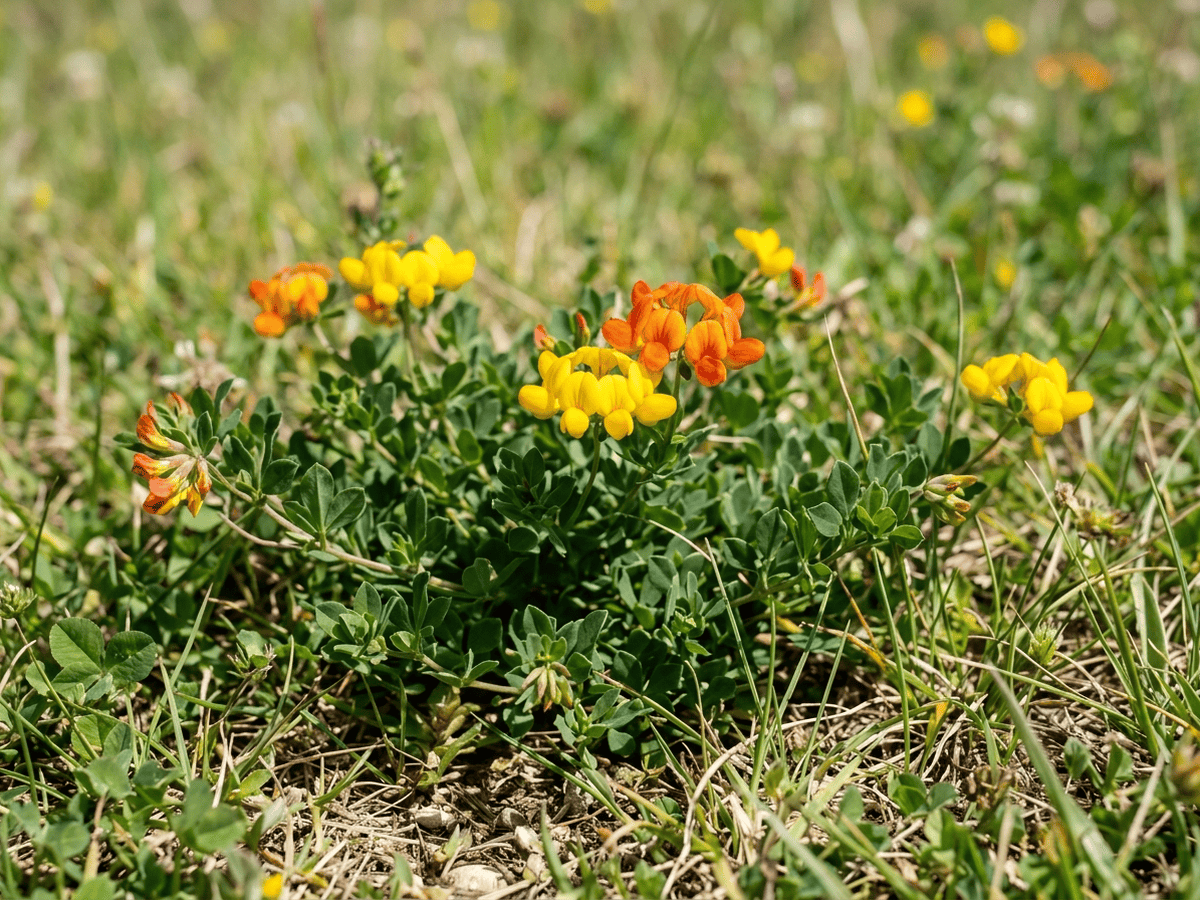
Narrowleaf trefoil is a low, sprawling perennial legume closely related to bird's-foot trefoil, but with finer, needle-like leaflets and sparser flower clusters of one to three blooms. Native to Europe, North Africa, and western Asia, it favors moist meadows and floodplain grassland, tolerating waterlogging and mild soil salinity that defeat many other legumes. Cheerful yellow, pea-shaped flowers open through summer above wiry stems, drawing bees and pollinators. Its roots host nitrogen-fixing bacteria, quietly enriching the soil, making it a resilient, low-maintenance groundcover for damp lawns and naturalized patches.
- Pollinator-friendly
- Spreading
- Fast-growing
- Cold-hardy
How to care for Narrowleaf Trefoil
Watering
- Springevery 7 days
- Summerevery 5 days
- Fallevery 15 days
- Winterpause watering
Soil · Well-draining
- Top dressingPine bark mulch10%
- Main mixPotting soil + perlite 2:170%
- DrainageLECA / gravel20%
Never skip the drainage layer — standing water is the top cause of root rot.
FERTILIZER
- Springevery 30 days
- Summerevery 30 days
- Fallevery 30 days
At a Glance
- NativeNorth America, Europe
- Height0.5–1.5 m
- Spread0.5–1.2 m
- Foliage colorGreen
- SoilMoist, Well-drained
- LocationsYard · Patio
Toxicity
No toxicity has been reported for this plant. Still, it is wise to keep pets from chewing on any houseplant.
Educational information, not medical or veterinary advice. If exposure is suspected, contact a doctor or veterinarian.
DISTRIBUTION


- Native
- Introduced
- North America
- Europe
History
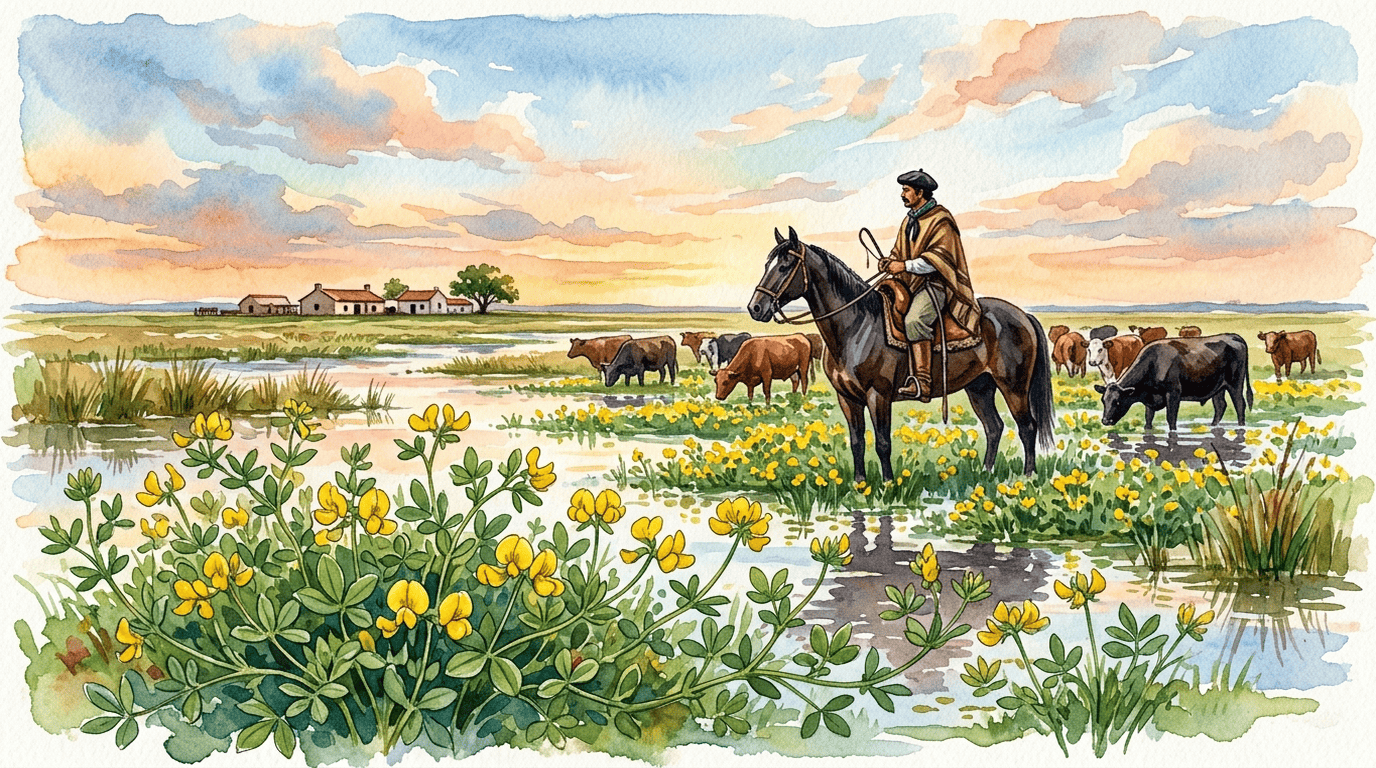
Narrowleaf trefoil's most consequential chapter unfolded far from its native Mediterranean and temperate Eurasian range. Sometime around the turn of the twentieth century, seed of this unassuming legume arrived in Argentina, most likely mixed in with shipments of alfalfa and other forage seed brought by European immigrants settling the vast grasslands south of Buenos Aires. In most of the world it remained an obscure roadside plant, but in the Pampa Deprimida, the low-lying, seasonally flooded plains where salty, waterlogged soils defeated ordinary pasture legumes, narrowleaf trefoil found a niche almost no other plant could fill. Ranchers and agronomists noticed that where alfalfa and clover rotted and died under standing water, this wiry little trefoil kept growing, fixing nitrogen and feeding cattle through wet seasons that had once meant months of poor grazing. By the mid-twentieth century, Argentine agricultural scientists were actively breeding and promoting improved varieties, and it became one of the signature forage species of the flooding pampas, quietly reshaping how ranchers managed millions of hectares of marginal grassland. What began as an accidental stowaway in imported seed sacks ended up as an agricultural cornerstone, prized less for beauty than for sheer resilience in conditions that broke everything else.
Symbolism & meaning
What It Symbolizes
Narrowleaf trefoil carries none of the ancient mythology attached to showier flowers, but it earned its symbolic weight the practical way: by surviving where richer, more celebrated pasture plants could not. To generations of ranchers on Argentina's flooded lowland pampas, its wiry, yellow-flowered mats became a quiet marker of resilience and providence, proof that even marginal, waterlogged land could still yield abundance.
- Resilience — Its ability to thrive in flooded, salty pastures where other forage plants fail has made it an emblem of quiet resilience in agricultural tradition.
- Abundance — As a nitrogen-fixing legume that renews the soil it grows in, it is linked with fertility and abundant grazing land.
Where the Name Comes From
The genus name Lotus is an ancient Greek word once applied broadly to clover-like and lotus-like plants, while the species name tenuis is Latin for 'slender' or 'thin', describing the fine, narrow leaflets that set this plant apart from its broader-leaved relative, bird's-foot trefoil.
Uses & Fun Facts
- Attracts bees and other pollinators with summer blooms
- Valued nitrogen-fixing forage for grazing livestock
- Naturalizes as a low-maintenance groundcover in damp soil
Related plants
More Lotus plants
Plants with similar care
 Pink Sand VerbenaAbronia umbellata
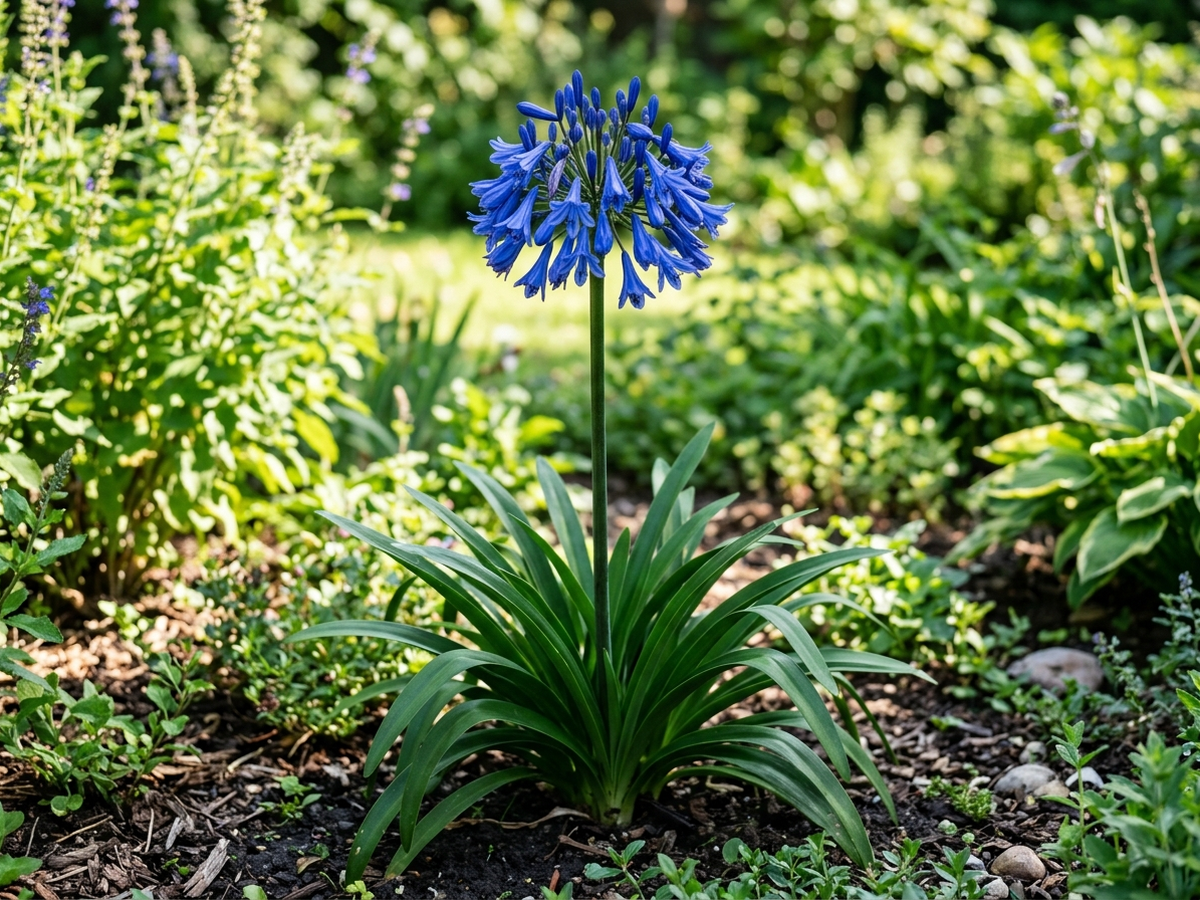 Drooping AgapanthusAgapanthus inapertus
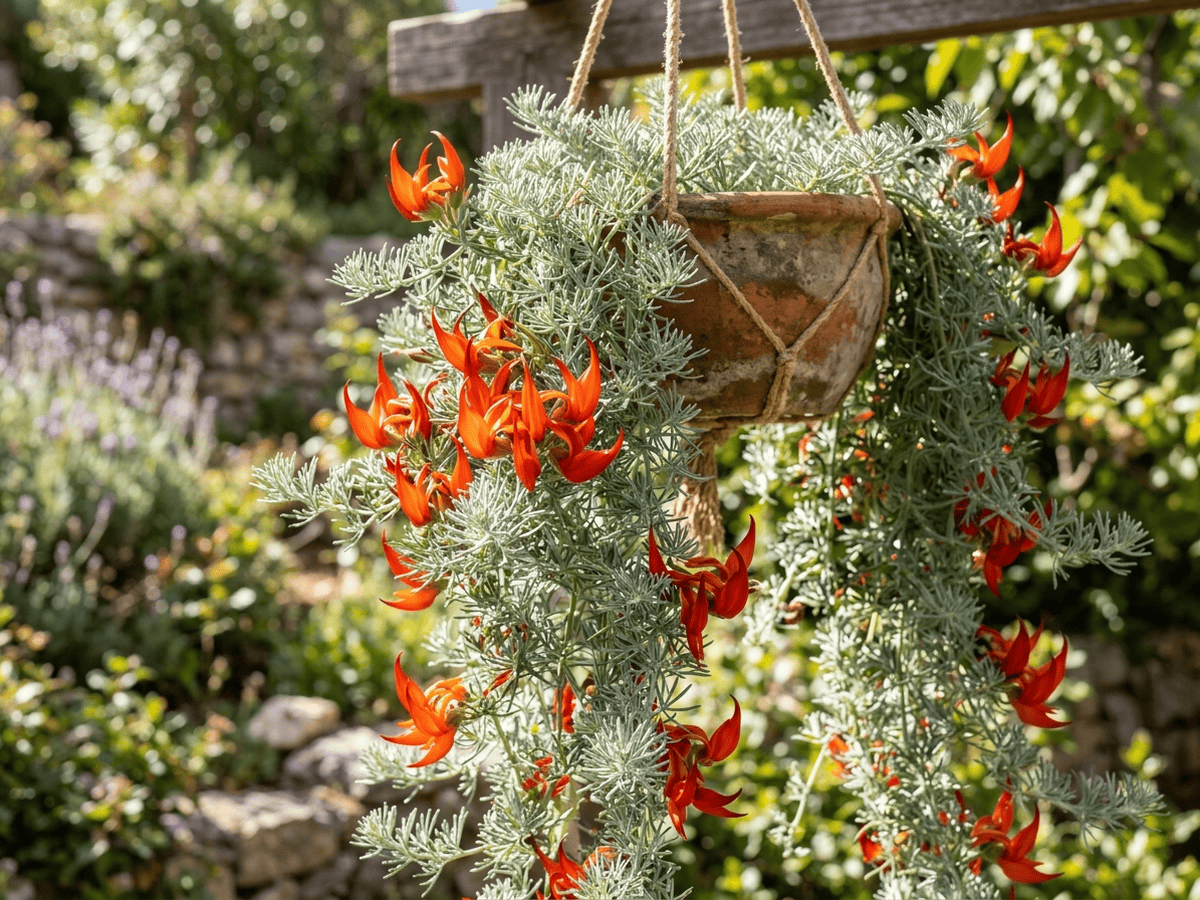
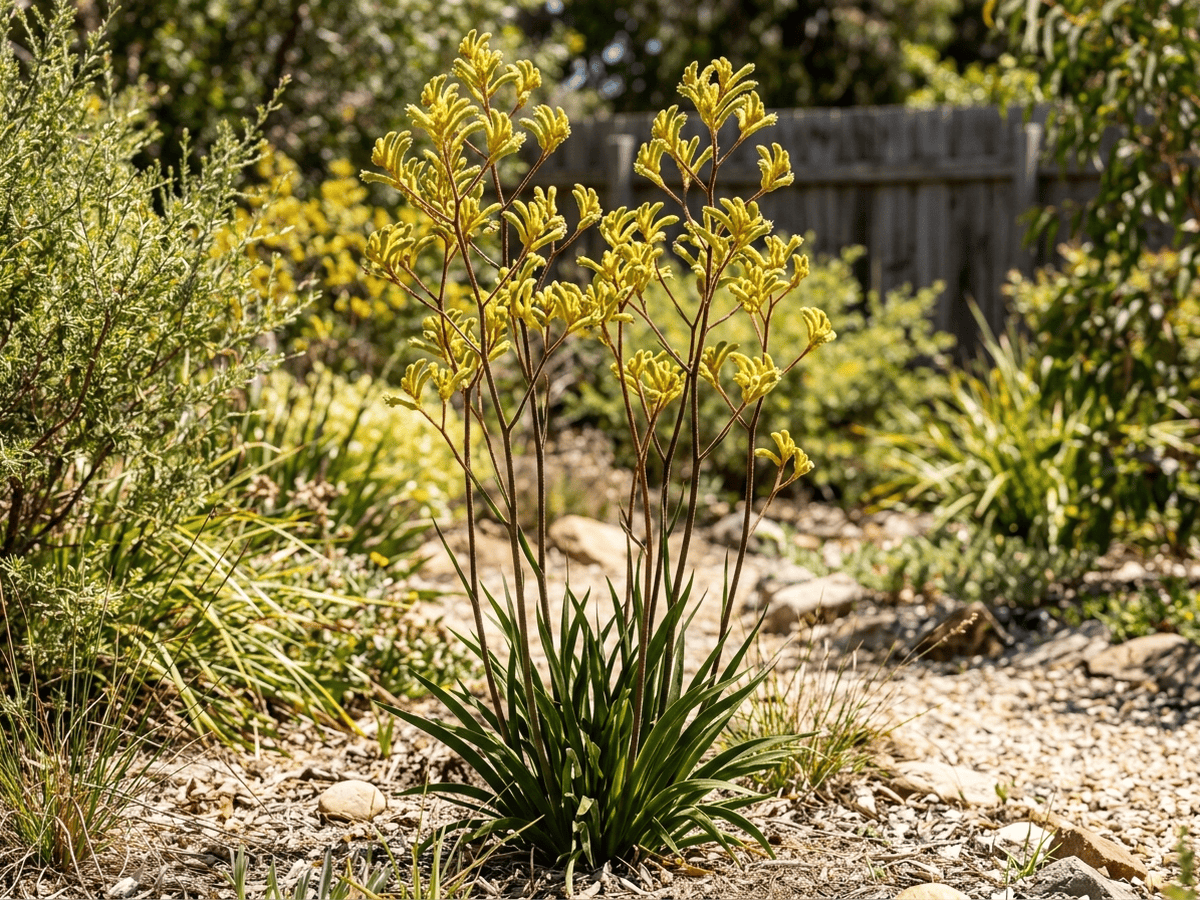 Tall Kangaroo PawAnigozanthos flavidus
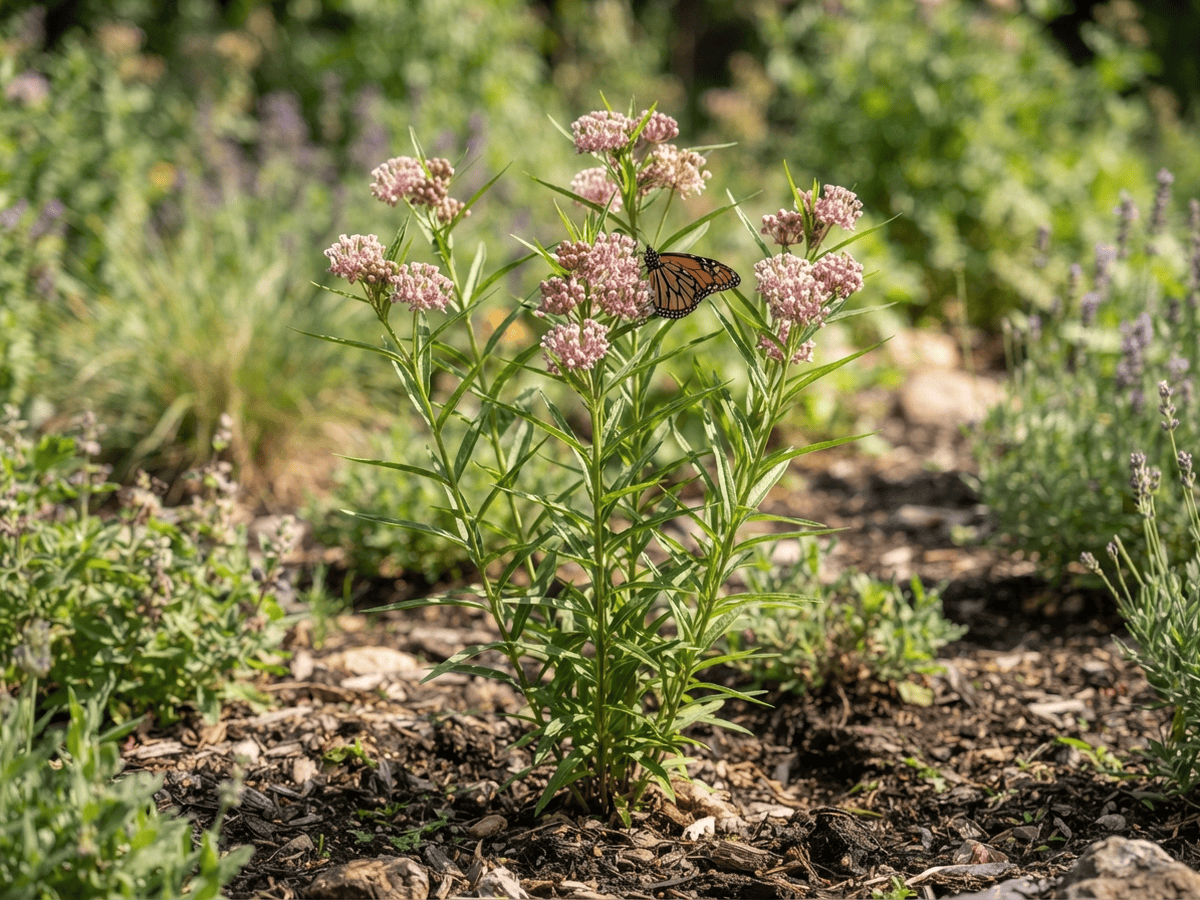 Narrowleaf MilkweedAsclepias fascicularis
Frequently asked questions
How often should I water Narrowleaf Trefoil?
Water about every 7 days during the growing season, and always let excess water drain away.
How much light does Narrowleaf Trefoil need?
Full sun: 6+ hrs direct. Watch the leaves — scorching or stretching means the light needs adjusting.
Is Narrowleaf Trefoil toxic to cats or dogs?
No toxicity has been reported for this plant. Still, it is wise to keep pets from chewing on any houseplant. Educational information, not medical or veterinary advice. If exposure is suspected, contact a doctor or veterinarian.
Is Narrowleaf Trefoil easy to grow?
It is considered challenging and rewards experienced growers.
YardMate
Identify any plant in seconds
Snap a photo — YardMate names the plant, diagnoses problems, and reminds you when to water.
Download on the App Store