 YardMate

Large-Leaved Lupine
Lupinus polyphyllus
Medium · Some experienceAbout Large-Leaved Lupine
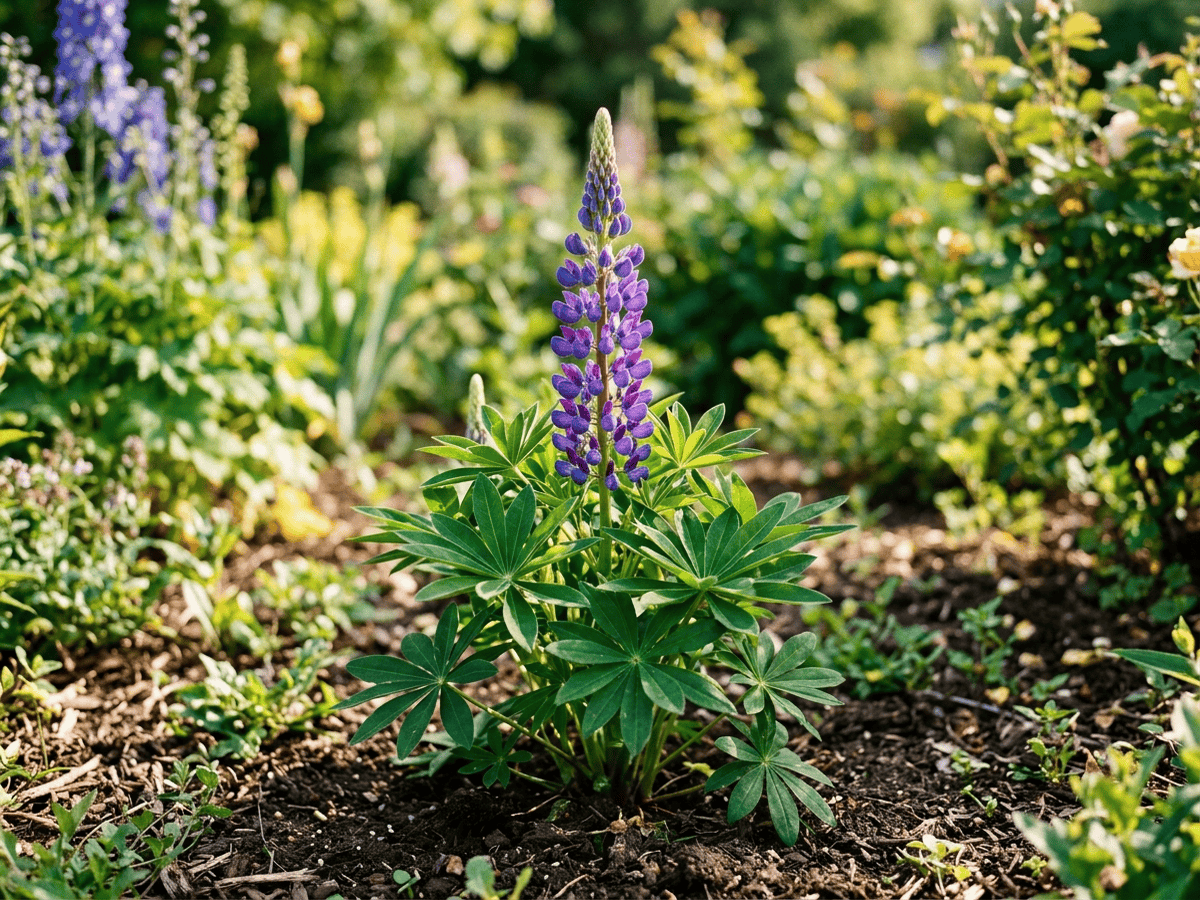
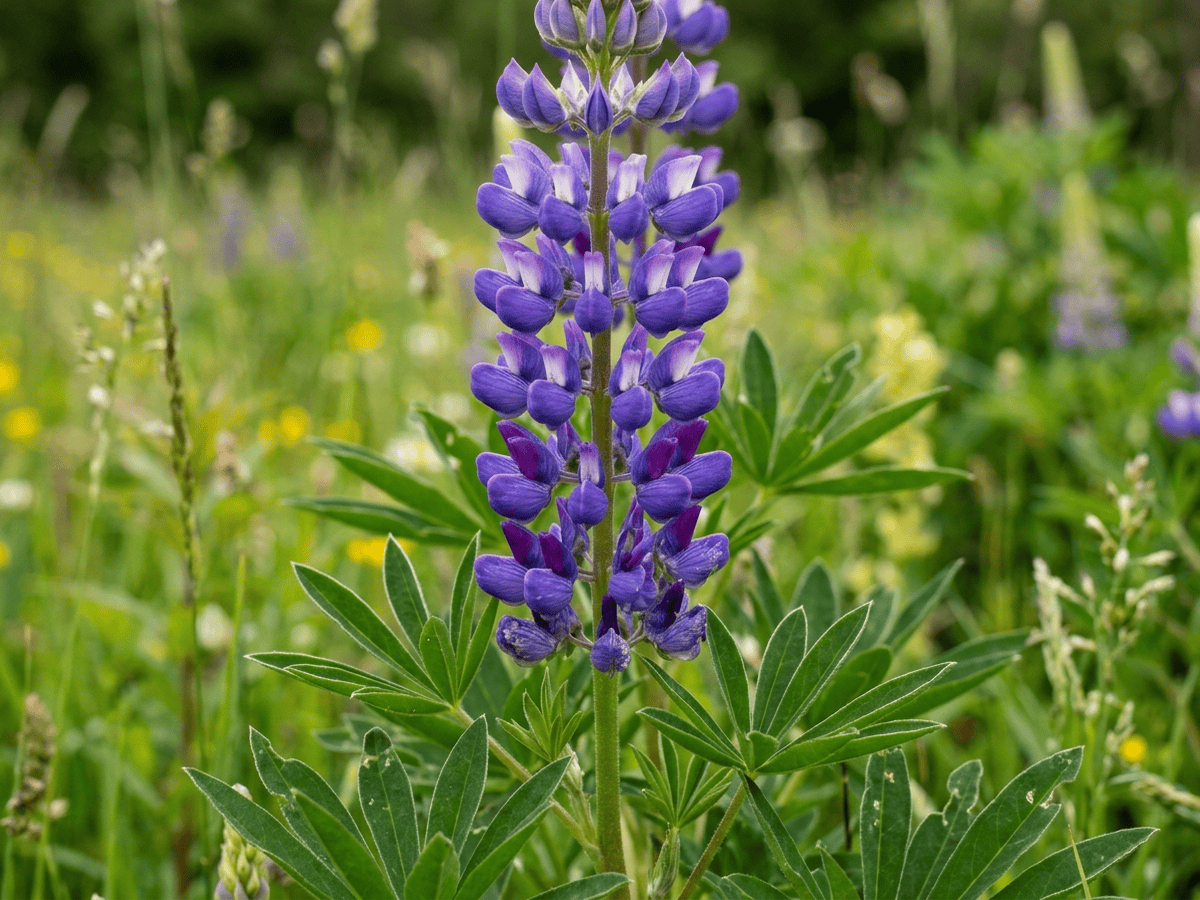
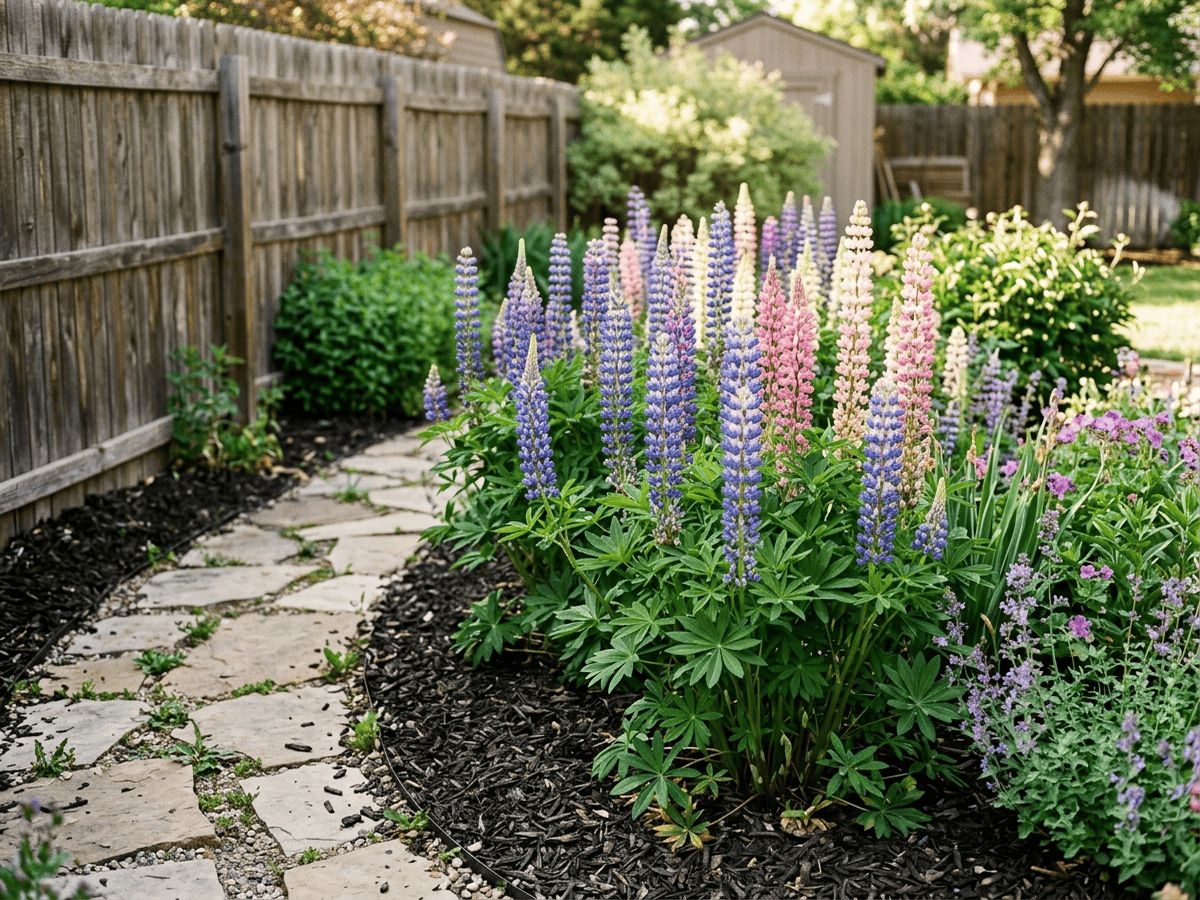
Lupinus polyphyllus, the large-leaved lupine, produces tall, colorful spires of pea-like flowers in blue, purple, pink, red, yellow, white, and bicolors, above handsome palmate foliage. Native to western North America, it was transformed by English breeder George Russell into the famous Russell Hybrids in the 1930s. Growing 60–120 cm tall, lupines add bold vertical drama and fix nitrogen in soil through symbiotic root bacteria. They prefer cool, moist climates and acidic soil, struggling in hot, humid summers. The seed pods explode when dry, scattering seeds meters away.
- Pollinator-friendly
- Cut-flower
- Cold-hardy
- Native
How to care for Large-Leaved Lupine
Watering
- Springevery 7 days
- Summerevery 5 days
- Fallevery 10 days
- Winterevery 21 days
Soil · Well-draining
- Top dressingPine bark mulch10%
- Main mixPotting soil + perlite 2:170%
- DrainageLECA / gravel20%
Never skip the drainage layer — standing water is the top cause of root rot.
FERTILIZER
This plant needs little to no feeding.
At a Glance
- NativeNorth America
- Height3–5 ft (0.9–1.5 m)
- Spread1–2 ft (0.3–0.6 m)
- Flower colorPurple, Pink, White, Yellow
- Foliage colorGreen
- SoilLoamy, Well-drained, Acidic
- LocationsYard
Bloom time
BLOOM CYCLE
Peak bloom
Mar–Jun
Dramatic spring/early summer spires; prefers cool climates and acidic soil
Fragrance
LIGHT FRAGRANCE
The flowers have a subtle peppery scent.
Toxicity
Humans Moderate · Pets Moderate
quinolizidine alkaloids (lupinine, sparteine)
Moderate
- Seed
- All
- Ingestion
EXPOSURE Eating seeds and any part of the plant.
EFFECT Seeds contain quinolizidine alkaloids and can cause nausea, tremor, respiratory distress.
NOTE Garden ornamental species have high alkaloid content; distinct from low-alkaloid "sweet lupin" cultivars grown for food.
Moderate
- Seed
- All
- Ingestion
EXPOSURE Eating seeds and any part of the plant.
EFFECT Vomiting, ataxia, tremors, respiratory depression.
NOTE Garden ornamental species have high alkaloid content; distinct from low-alkaloid "sweet lupin" cultivars grown for food.
Moderate
- Seed
- All
- Ingestion
EXPOSURE Eating seeds and any part of the plant.
EFFECT Vomiting, ataxia, tremors.
NOTE Garden ornamental species have high alkaloid content; distinct from low-alkaloid "sweet lupin" cultivars grown for food.
Educational information, not medical or veterinary advice. If exposure is suspected, contact a doctor or veterinarian.
DISTRIBUTION

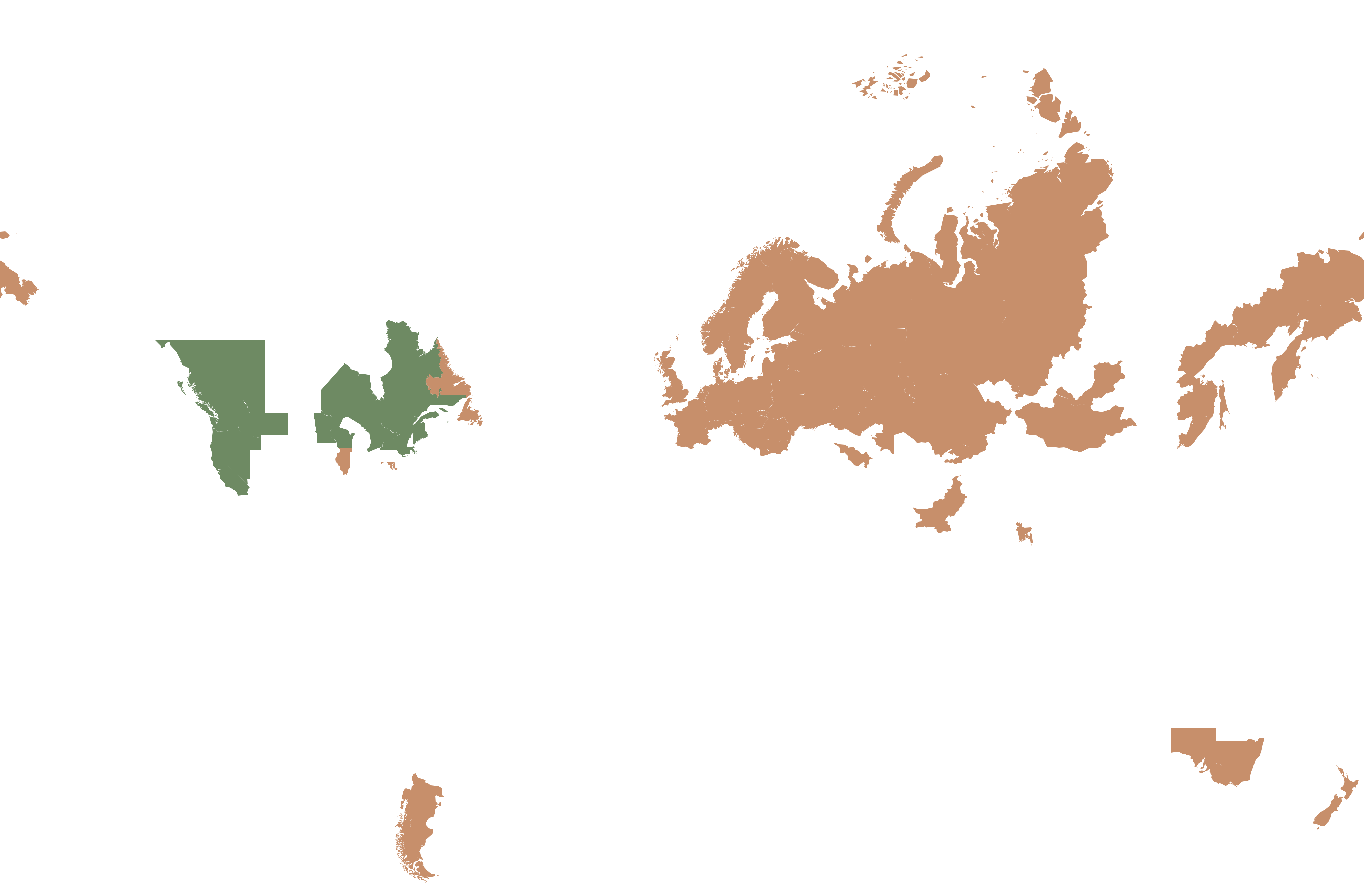
- Native
- Introduced
- North America
History
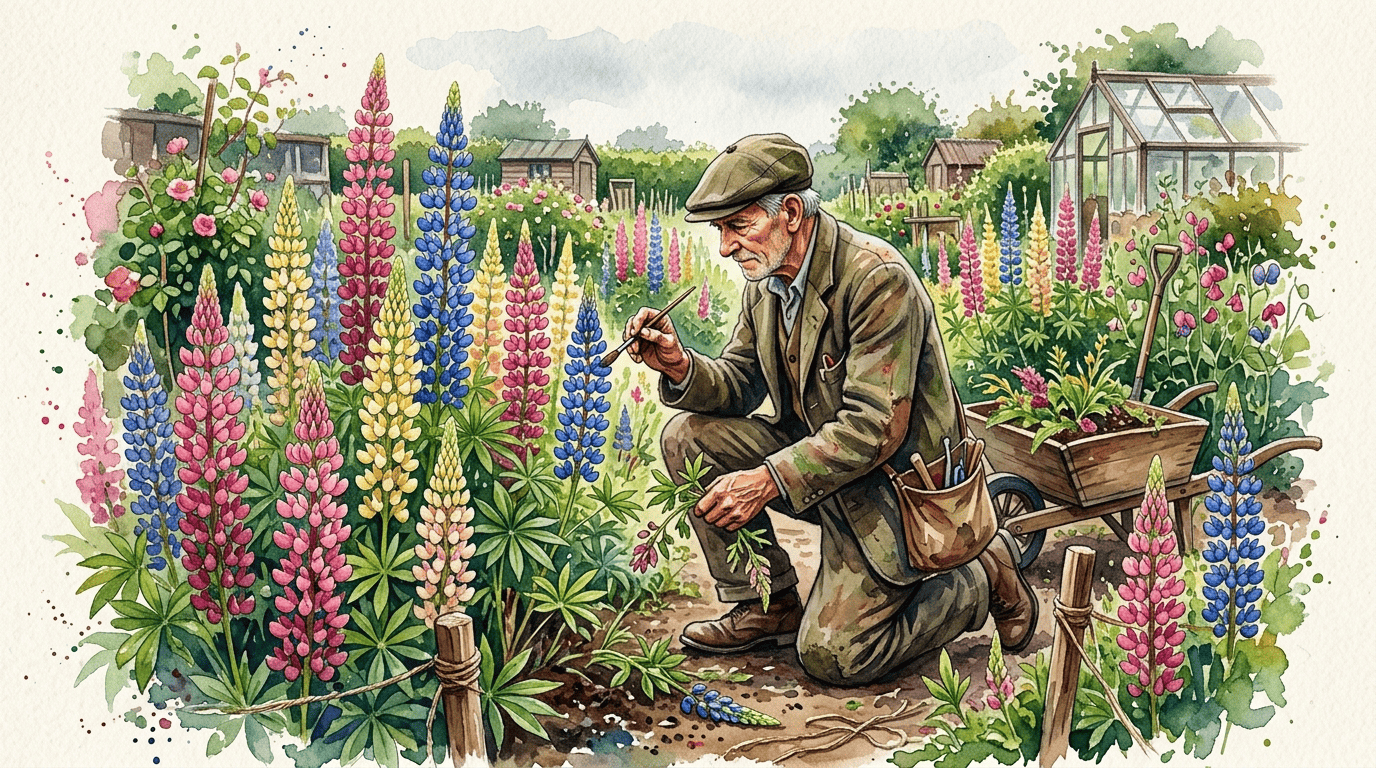
Lupinus polyphyllus is native to moist meadows and streambanks of the Pacific Northwest, from British Columbia to northern California. Scottish botanist David Douglas collected seeds for the Horticultural Society of London in 1826; by mid-19th century it was widely grown in British gardens. The transformative work came from George Russell (1857-1951), a Yorkshire jobbing gardener who from 1911 ruthlessly rogued out inferior plants in his allotment at York, selecting for larger flowers, denser spikes, and new colors.
His first commercial release in 1937 by Baker's Nursery caused a horticultural sensation and made the "Russell lupin" synonymous with cottage gardens. L. polyphyllus has also naturalized widely and is considered invasive in parts of Scandinavia and New Zealand. The Russell Hybrid lupines — one of horticulture's greatest achievements — were developed by George Russell, a Yorkshire railway crossing keeper who spent 25 years (1911–1937) hand-pollinating lupines in his allotment garden.
Working entirely alone with no scientific training, he transformed a weedy blue wildflower into spectacular multi-colored garden plants. When Baker's Nursery exhibited his flowers at the 1937 RHS show, they caused a sensation. Russell sold the entire stock for a modest sum, never profiting from his life's work. In Iceland, L. nootkatensis (planted for erosion control) has become invasive, threatening native ecosystems.
Symbolism & meaning
What It Symbolizes
The Large-Leaved Lupine is imagination made visible, transformed by Yorkshire railway worker George Russell from a roadside weed into the towering, multi-colored Russell Hybrids that now define garden lupines. His decades of patient selection turned a humble species into an emblem of creative possibility. In every bicolor spire lies the quiet idea that a single person's vision can rewrite a flower forever.
- Imagination — George Russell's vision transformed a weed into art — representing creative possibility
Where the Name Comes From
Lupinus from Latin 'lupus' (wolf), as the plants were once wrongly believed to rob soil of nutrients. Polyphyllus means 'many-leaved.'
Uses & Fun Facts
- Tall pea-flower spires anchor cottage and meadow borders
- Bumblebees forage heavily on early-summer flower spikes
- Nitrogen-fixing roots enrich soil in restoration plantings
Related plants
More Lupinus plants
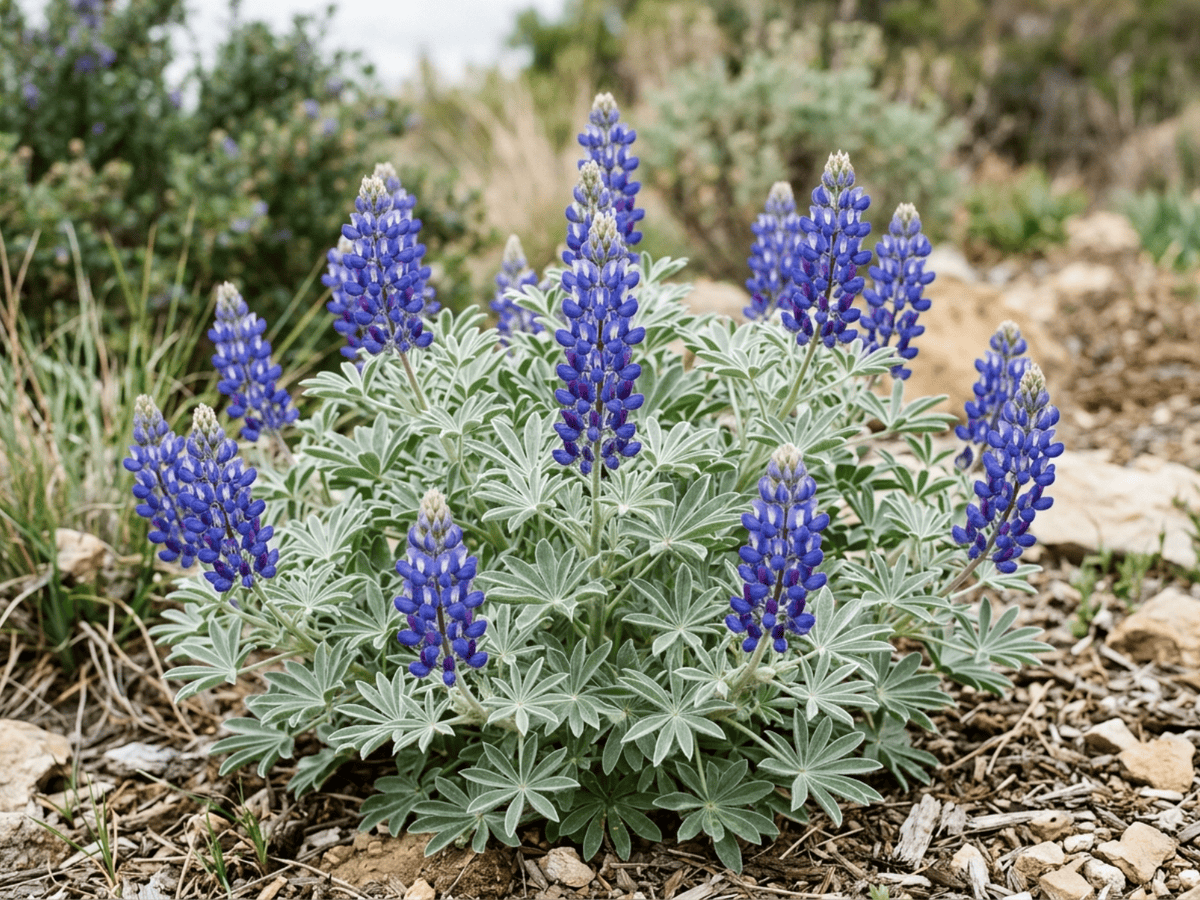

Plants with similar care
 Mexican AbeliaAbelia floribunda
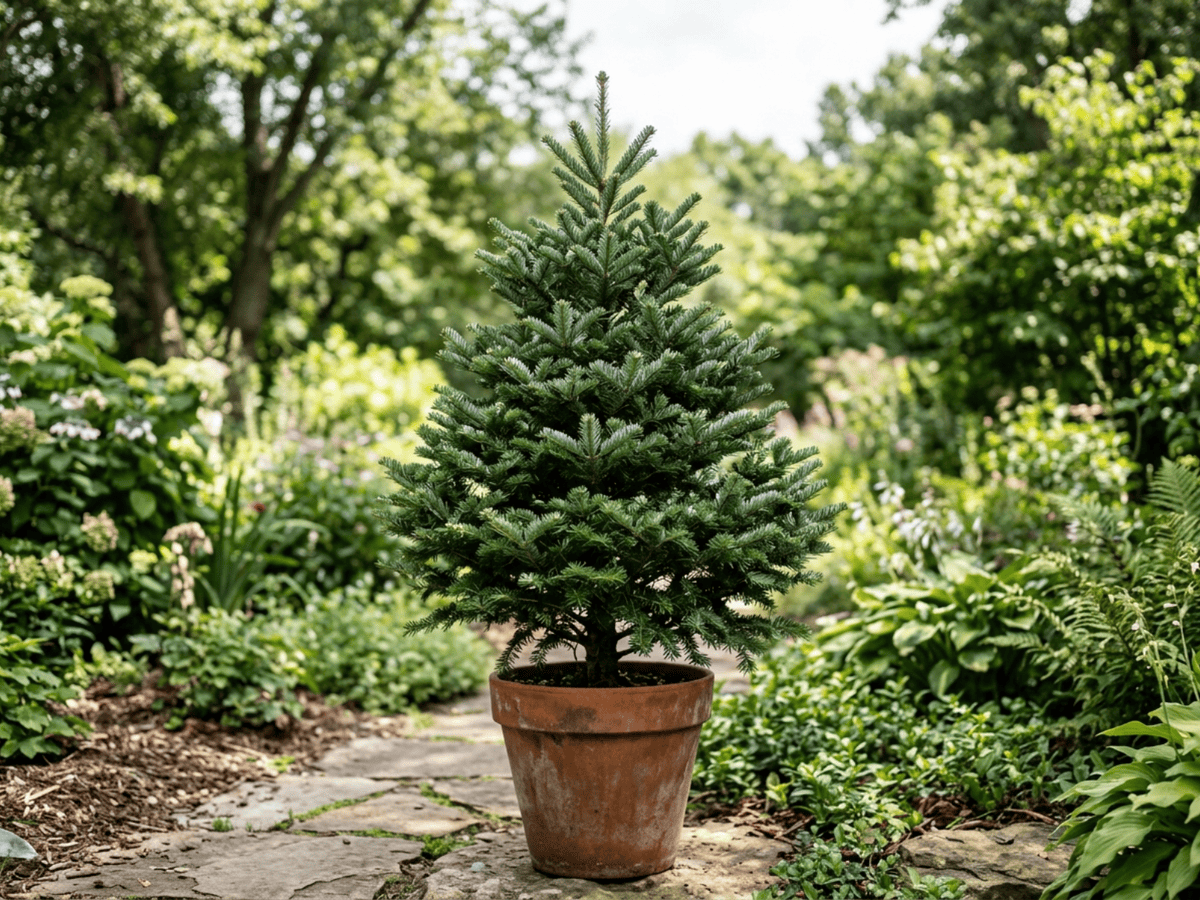 Fraser FirAbies fraseri
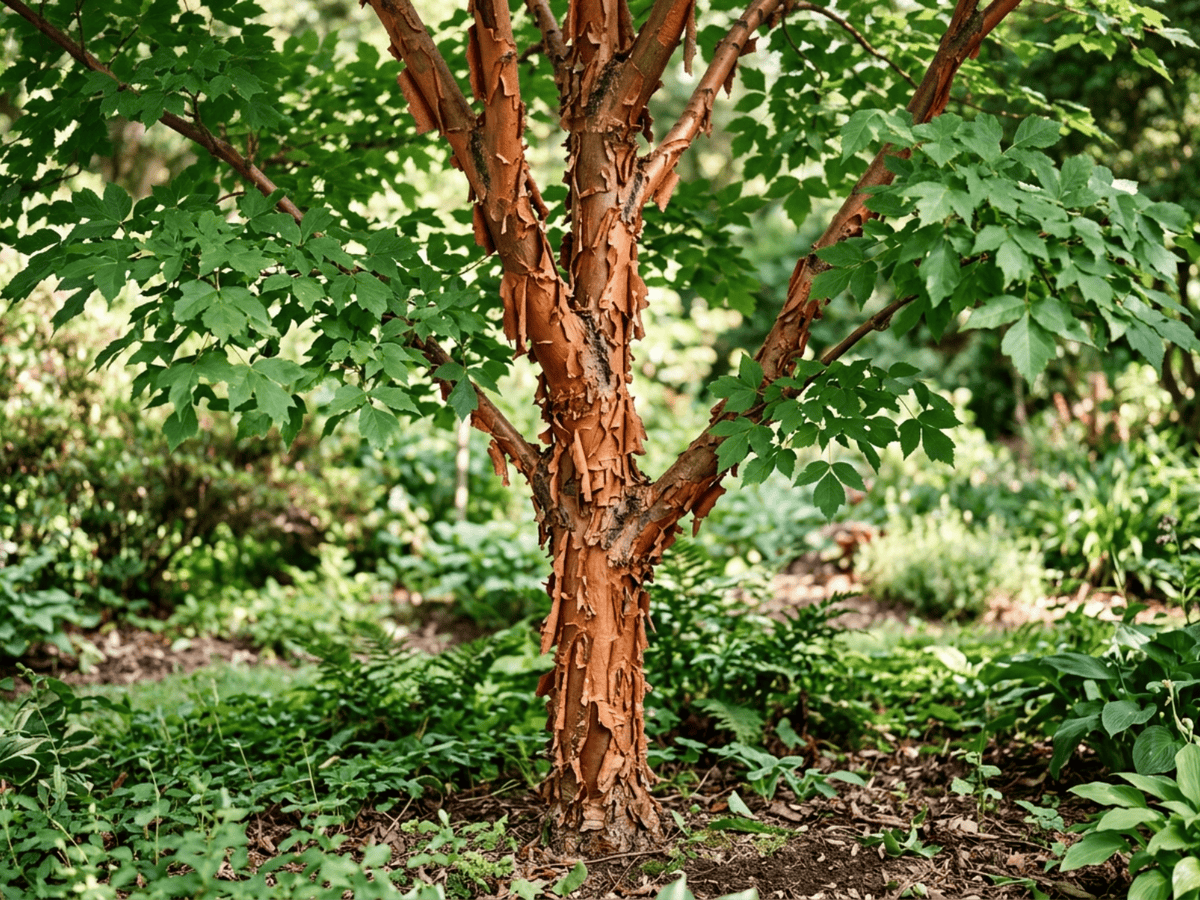 Paperbark MapleAcer griseum
 Sugar MapleAcer saccharum
Frequently asked questions
How often should I water Large-Leaved Lupine?
In summer, water about every 5 days; in winter, about every 21 days. Adjust for heat, pot size and drainage.
How much light does Large-Leaved Lupine need?
Full sun: 6+ hrs direct. Watch the leaves — scorching or stretching means the light needs adjusting.
Is Large-Leaved Lupine toxic to cats or dogs?
Pets Moderate (Dogs Moderate · Cats Moderate) Educational information, not medical or veterinary advice. If exposure is suspected, contact a doctor or veterinarian.
Is Large-Leaved Lupine easy to grow?
It is moderately demanding: a good choice once you have a little experience.
When does Large-Leaved Lupine bloom?
It typically blooms Mar–Jun in the Northern Hemisphere.
YardMate
Identify any plant in seconds
Snap a photo — YardMate names the plant, diagnoses problems, and reminds you when to water.
Download on the App Store