 YardMate


Scarlet Monkeyflower
Mimulus cardinalis
Medium · Some experienceAbout Scarlet Monkeyflower
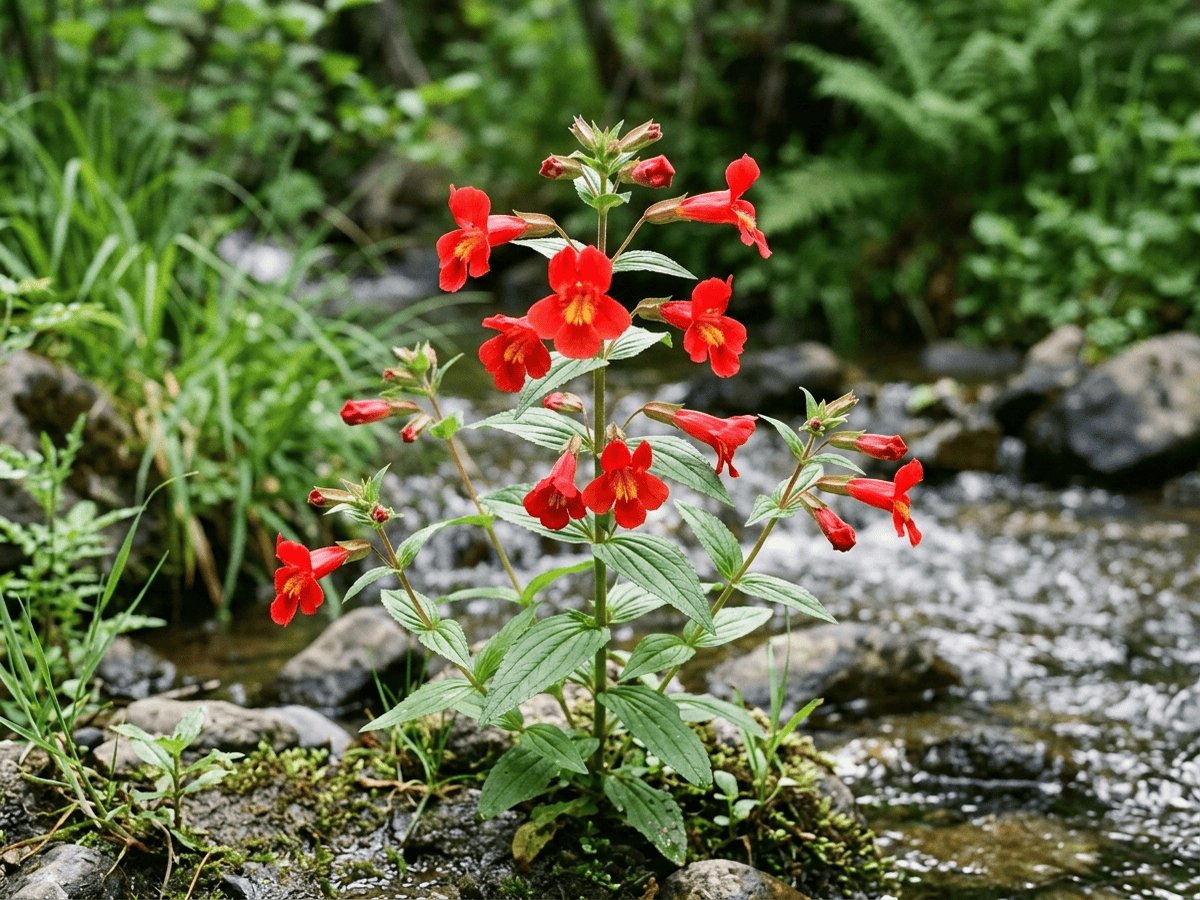
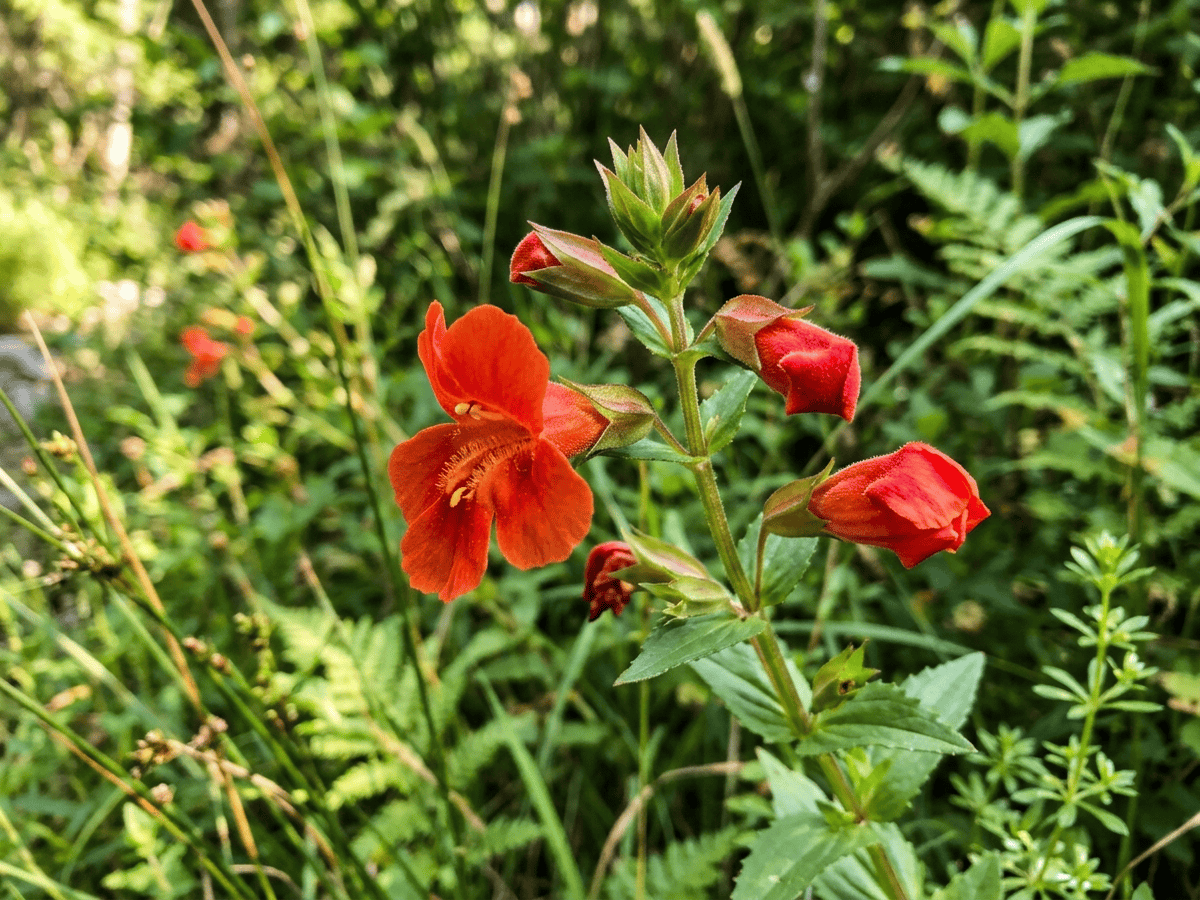
Scarlet Monkeyflower is a stunning perennial native to western North American streams and wet canyons, producing brilliant red tubular flowers from summer through fall on upright 1 to 3 foot stems. A top hummingbird magnet and cornerstone of western rain gardens and riparian restorations. Thrives in wet soil with full sun and tolerates zones 6-10.
- Long-blooming
- Native
- Pollinator-friendly
How to care for Scarlet Monkeyflower
Watering
- Springevery 3 days
- Summerevery 2 days
- Fallevery 5 days
- Winterevery 7 days
Soil · Moisture-retentive
- Top dressingSphagnum moss10%
- Main mixPeat + coco coir 1:180%
- DrainagePerlite / gravel10%
Keep it evenly moist — but the drainage layer still matters.
FERTILIZER
Balanced Feed 14-14-14
An even feed covers all three needs at once, keeping leaves, roots and blooms moving together with nothing pushed out of balance.
- Nitrogen · Leaves
- Phosphorus · Roots + Blooms
- Potassium · Strength
- Springevery 30 days
At a Glance
- NativeNorth America
- Height1–3 ft (0.3–0.9 m)
- Spread1–2 ft (0.3–0.6 m)
- Flower colorRed, Orange
- Foliage colorGreen
- SoilLoamy, Moisture-retentive
- LocationsYard
Bloom time
BLOOM CYCLE
Peak bloom
Jun–Oct
Brilliant red tubular flowers June to October
Toxicity
Toxicity unknown
None reported
Unknown
EXPOSURE Unspecified plant material.
EFFECT Toxic effects are not specified.
NOTE Toxicity for humans is not well documented; use caution until verified.
Unknown
EXPOSURE Unspecified plant material.
EFFECT Toxic effects are not specified.
NOTE Toxicity for dogs is not well documented; use caution until verified.
Unknown
EXPOSURE Unspecified plant material.
EFFECT Toxic effects are not specified.
NOTE Toxicity for cats is not well documented; use caution until verified.
Educational information, not medical or veterinary advice. If exposure is suspected, contact a doctor or veterinarian.
DISTRIBUTION


- Native
- North America
History

Mimulus cardinalis, commonly called scarlet monkeyflower or cardinal monkeyflower, is a perennial herb native to stream banks and seeps of California, Oregon, Nevada, Arizona, Utah, and adjacent northern Mexico. English botanist George Bentham described the species in 1835. Its brilliant scarlet tubular two-lipped flowers are pollinated almost exclusively by hummingbirds, contrasting sharply with pink-flowered bee-pollinated close relative M. lewisii.
HD Bradshaw and Douglas Schemske used the two species in groundbreaking QTL studies on the genetic basis of pollinator shifts, showing that change at a few flower color genes can shift primary pollinators. The work has become a textbook example of adaptive speciation.
Recent treatments place the species in the segregate genus Erythranthe as E. cardinalis. Native from Oregon to Baja California, a signature streamside wildflower of the American West. Introduced to horticulture in the 1800s as an ornamental and featured in Luther Burbank's California breeding programs in the early 1900s.
Symbolism & meaning
What It Symbolizes
Scarlet Monkeyflower is bold passion at the water's edge, its fiery red blooms ringing along western streams like a chorus of small flames. Hummingbirds know it as their cardinal of the riverbanks, returning each summer to dip into its tubular flowers. In its unapologetic color lies the high-summer voice of a creek running fast through sun.
- Bold passion — intense red flowers sing summer
- Stream cardinal — red bird of western water courses
Where the Name Comes From
The common name highlights its scarlet coloring. 'cardinalis' from Latin means cardinal-red, for the intense flower color that rivals a cardinal bird.
Uses & Fun Facts
- Scarlet tubular blooms are top hummingbird magnets in West
- Native perennial for rain gardens and stream-edge plantings
- Riparian restoration plant for Western canyon and creek habitats
Related plants
More Mimulus plants
Plants with similar care
 Mexican AbeliaAbelia floribunda
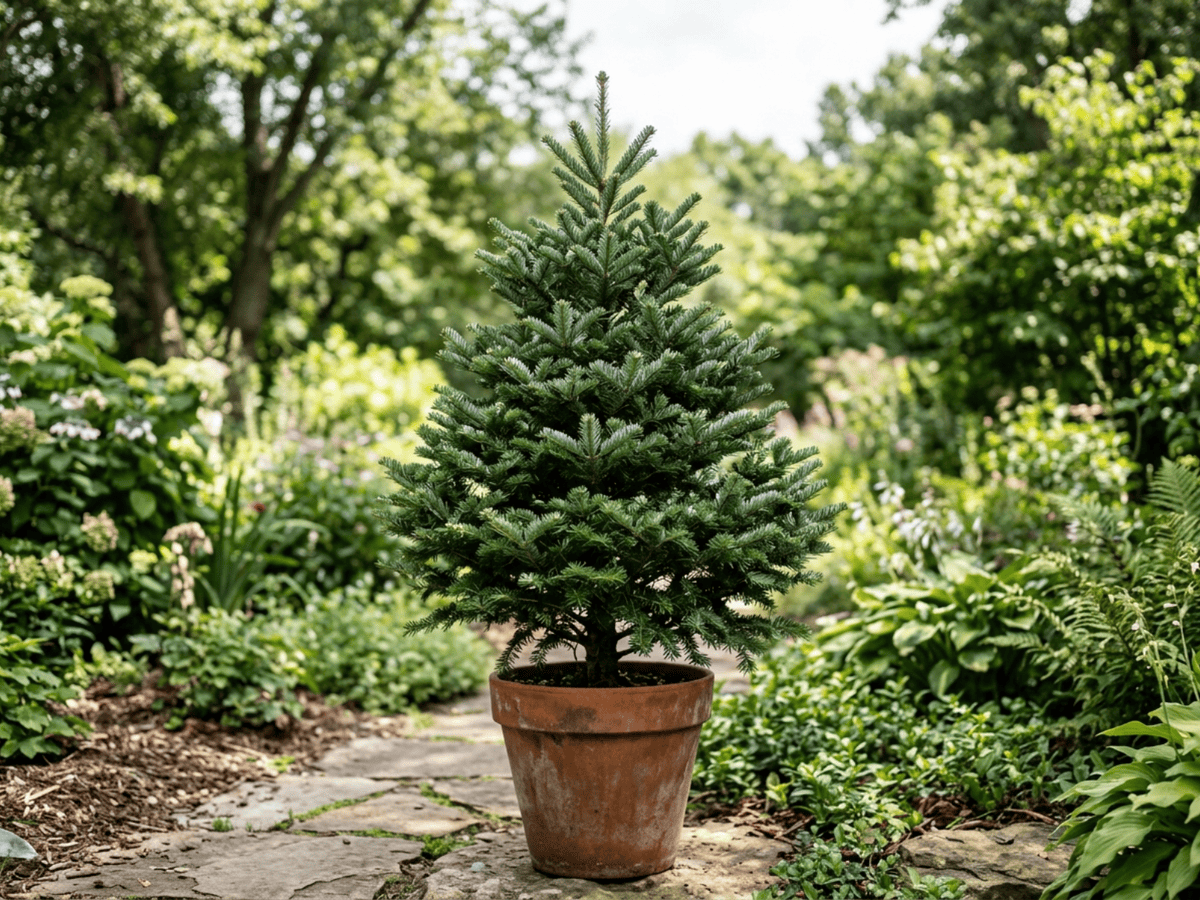 Fraser FirAbies fraseri
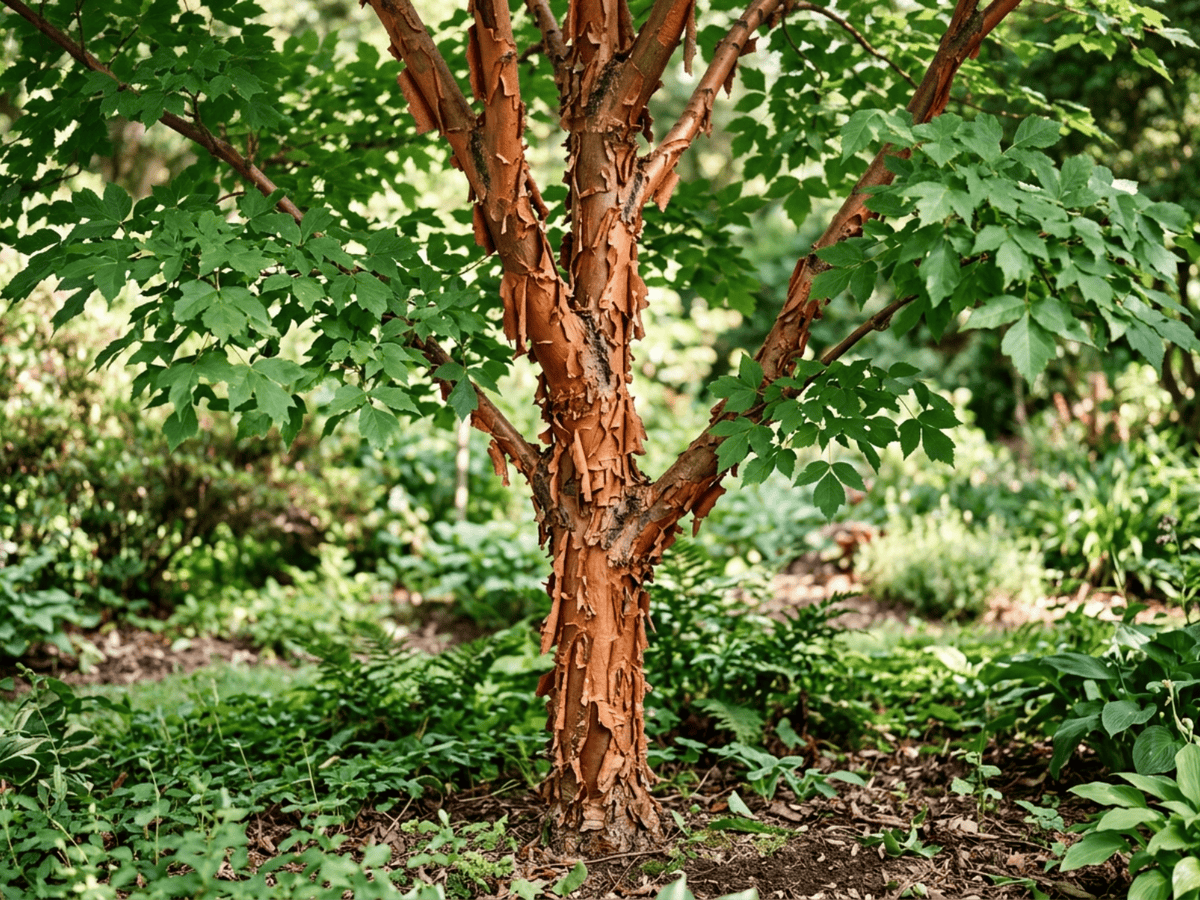 Paperbark MapleAcer griseum
 Sugar MapleAcer saccharum
Frequently asked questions
How often should I water Scarlet Monkeyflower?
In summer, water about every 2 days; in winter, about every 7 days. Adjust for heat, pot size and drainage.
How much light does Scarlet Monkeyflower need?
Full sun: 6+ hrs direct. Watch the leaves — scorching or stretching means the light needs adjusting.
Is Scarlet Monkeyflower toxic to cats or dogs?
Pets Unknown (Dogs Unknown · Cats Unknown) Educational information, not medical or veterinary advice. If exposure is suspected, contact a doctor or veterinarian.
Is Scarlet Monkeyflower easy to grow?
It is moderately demanding: a good choice once you have a little experience.
When does Scarlet Monkeyflower bloom?
It typically blooms Jun–Oct in the Northern Hemisphere.
YardMate
Identify any plant in seconds
Snap a photo — YardMate names the plant, diagnoses problems, and reminds you when to water.
Download on the App Store