 YardMate

Monkey Flower
Mimulus x hybridus
Medium · Some experienceAbout Monkey Flower
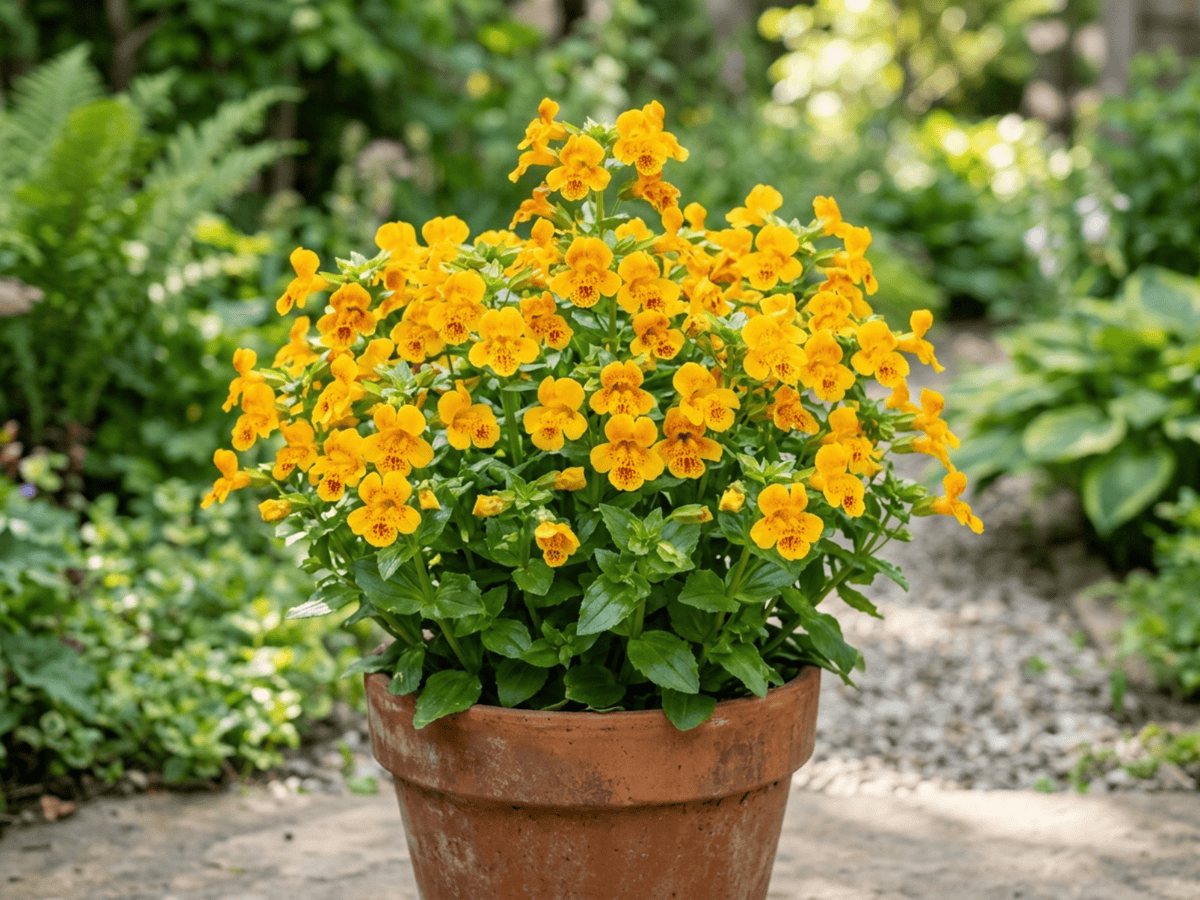
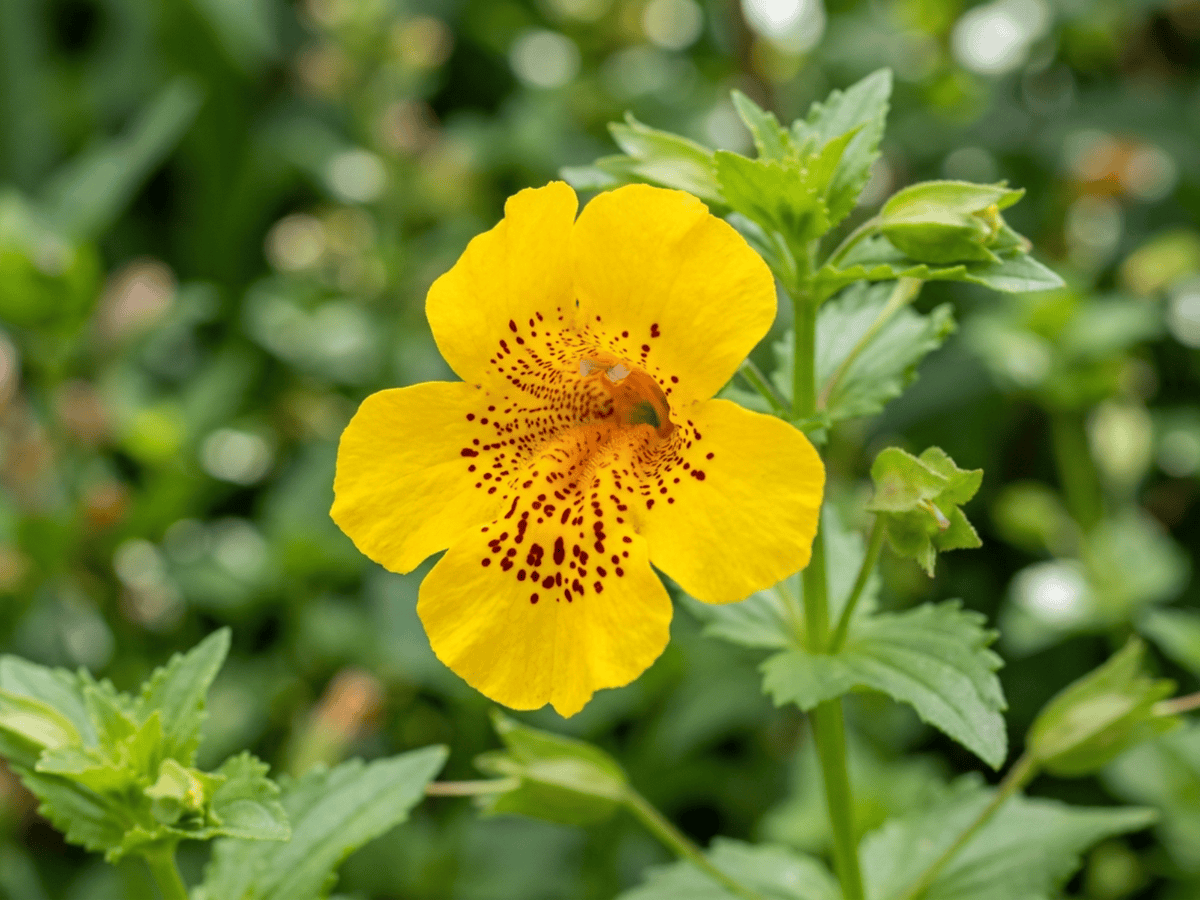
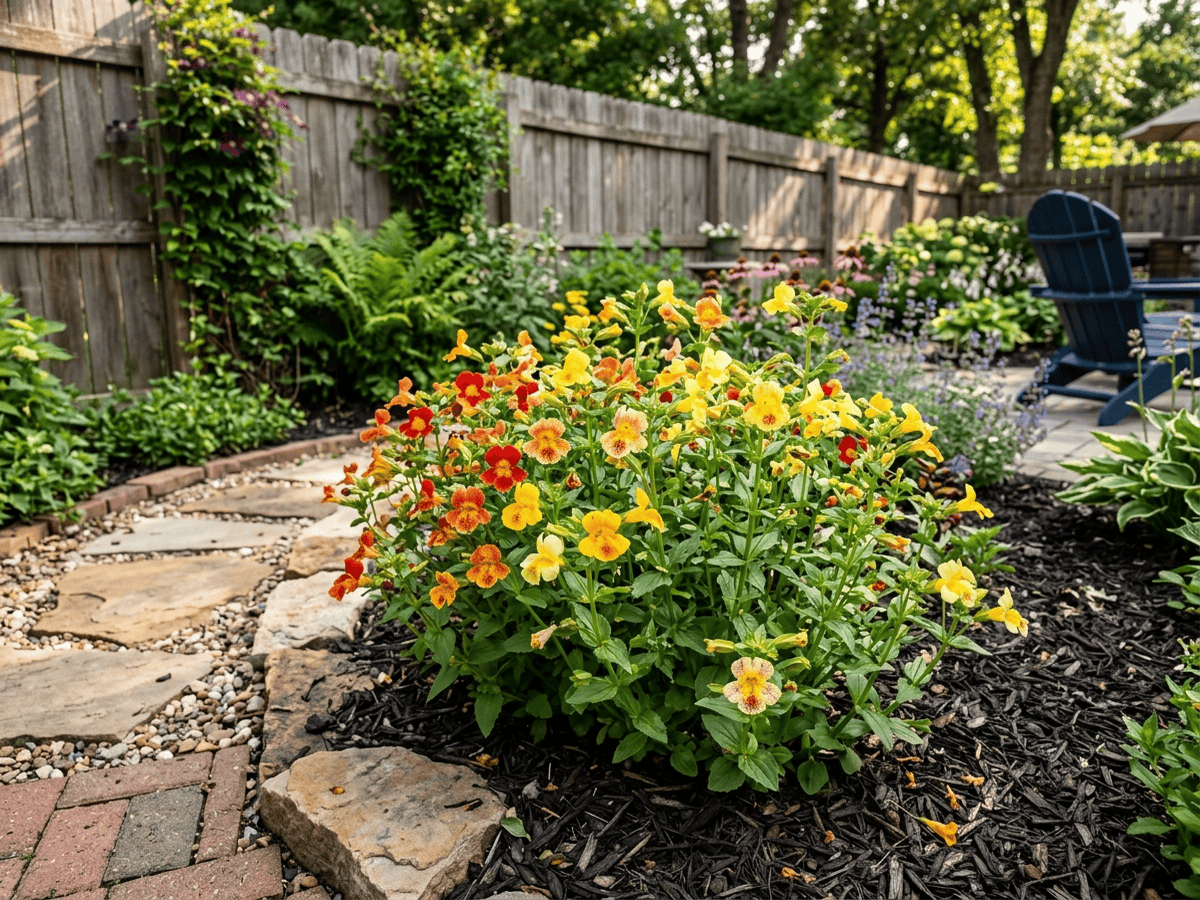
Monkey Flower hybrid is a cool-season annual grown from seed, bearing 8–12 inch mounds of bright trumpet-shaped flowers in bold patterns of red, orange, yellow, and burgundy with spotted or blotched throats. Thrives in cool, moist conditions—best suited to Pacific Northwest, Pacific coast, and Northeastern spring gardens where nights stay cool. Popular for containers and borders; the 'Magic' and 'Mystic' series offer uniform, heavy-blooming plants for US garden centers.
- Container-friendly
- Wildlife-friendly
How to care for Monkey Flower
Watering
- Springevery 3 days
- Summerevery 2 days
- Fallevery 3 days
- Winterevery 7 days
Soil · Moisture-retentive
- Top dressingSphagnum moss10%
- Main mixPeat + coco coir 1:180%
- DrainagePerlite / gravel10%
Keep it evenly moist — but the drainage layer still matters.
FERTILIZER
Balanced Feed 14-14-14
An even feed covers all three needs at once, keeping leaves, roots and blooms moving together with nothing pushed out of balance.
- Nitrogen · Leaves
- Phosphorus · Roots + Blooms
- Potassium · Strength
- Springevery 14 days
- Summerevery 14 days
- Fallevery 21 days
At a Glance
- NativeSouth America
- Height0.5–1 ft (0.2–0.3 m)
- Spread0.5–1 ft (0.2–0.3 m)
- Flower colorYellow, Orange, Red, Cream
- Foliage colorGreen
- SoilLoamy, Moisture-retentive
- LocationsYard · Balcony
Bloom time
BLOOM CYCLE
Peak bloom
Mar–Aug
Spotted trumpets late spring to early summer
Fragrance
NO FRAGRANCE
No notable fragrance.
Toxicity
No toxicity has been reported for this plant. Still, it is wise to keep pets from chewing on any houseplant.
Educational information, not medical or veterinary advice. If exposure is suspected, contact a doctor or veterinarian.
DISTRIBUTION


- Native
- South America
History
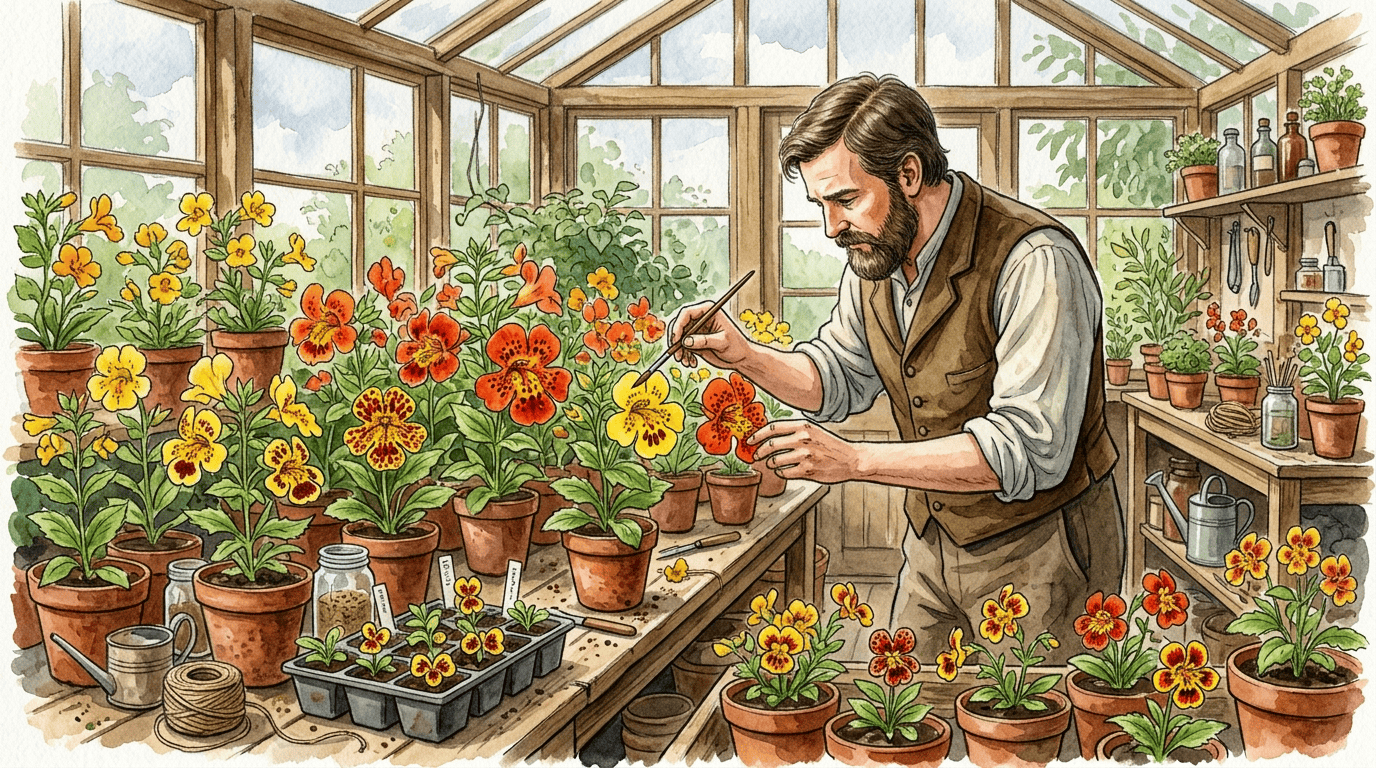
Mimulus x hybridus is a garden hybrid group derived in mid-19th-century English and continental European horticulture from crossing two Chilean species: Mimulus luteus (yellow, from central Chile) and M. cupreus (orange-red, from coastal Chile). Modern phylogenetic work has moved many former Mimulus species to other genera (North American shrubby monkeyflowers are now Diplacus; perennial herbaceous species are in Erythranthe); the bedding hybrid group, however, continues to be widely sold under the familiar Mimulus name. The plants are small cool-season bedding annuals 20-30 cm tall with sticky medium-green leaves and produce large 3-5 cm flat-faced two-lipped tubular flowers in spectacular bright colors — the wild parental species contribute clear yellow, orange, red, and cream-white, while the modern hybrids add elaborate bicolored spotted patterns with contrasting "tiger-face" markings (dark spots and blotches on lighter-colored petals) that are the defining ornamental signature.
Popular cultivar series include "Magic" (compact, vividly spotted), "Mystic," and "Calypso." The plants prefer cool moist conditions — they are grown as spring and autumn annuals in Mediterranean and warm-temperate climates, and as summer bedding in cool-summer coastal and alpine climates.
Heat intolerance limits midsummer garden performance in hot climates. Self-seeds readily in favorable conditions.
Symbolism & meaning
What It Symbolizes
Mimulus, with its grinning monkey-face blossoms, carries playfulness wherever it grows — each flower seems to be looking back at the gardener with mischief in its painted throat. Its colors are unrestrained joy: hot pink, orange, yellow, scarlet, often combined on a single petal. In a cool spring border it is a small reliable comedian, lifting the garden's mood by simply opening its mouth.
- Playfulness — monkey-face blooms evoke mischief
- Joy — bright colors lift the spring garden
Where the Name Comes From
Genus from Latin 'mimus' (mimic, actor) for the face-like flowers; 'hybridus' indicates hybrid origin.
Uses & Fun Facts
- Vivid red, orange, and yellow speckled trumpet flowers in cool weather
- Compact monkey flower thrives in shaded patio containers
- Tubular blooms attract hummingbirds and bumblebees
Related plants
More Mimulus plants
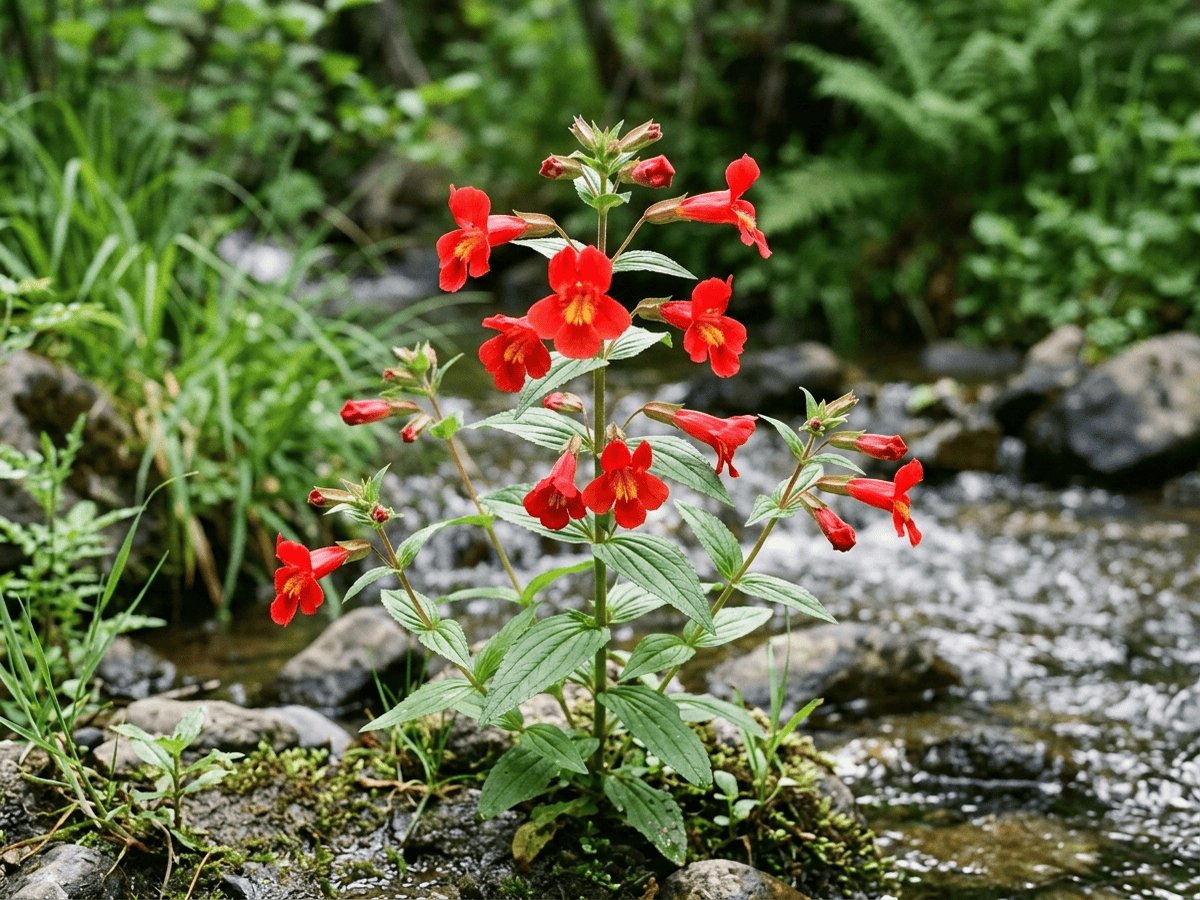
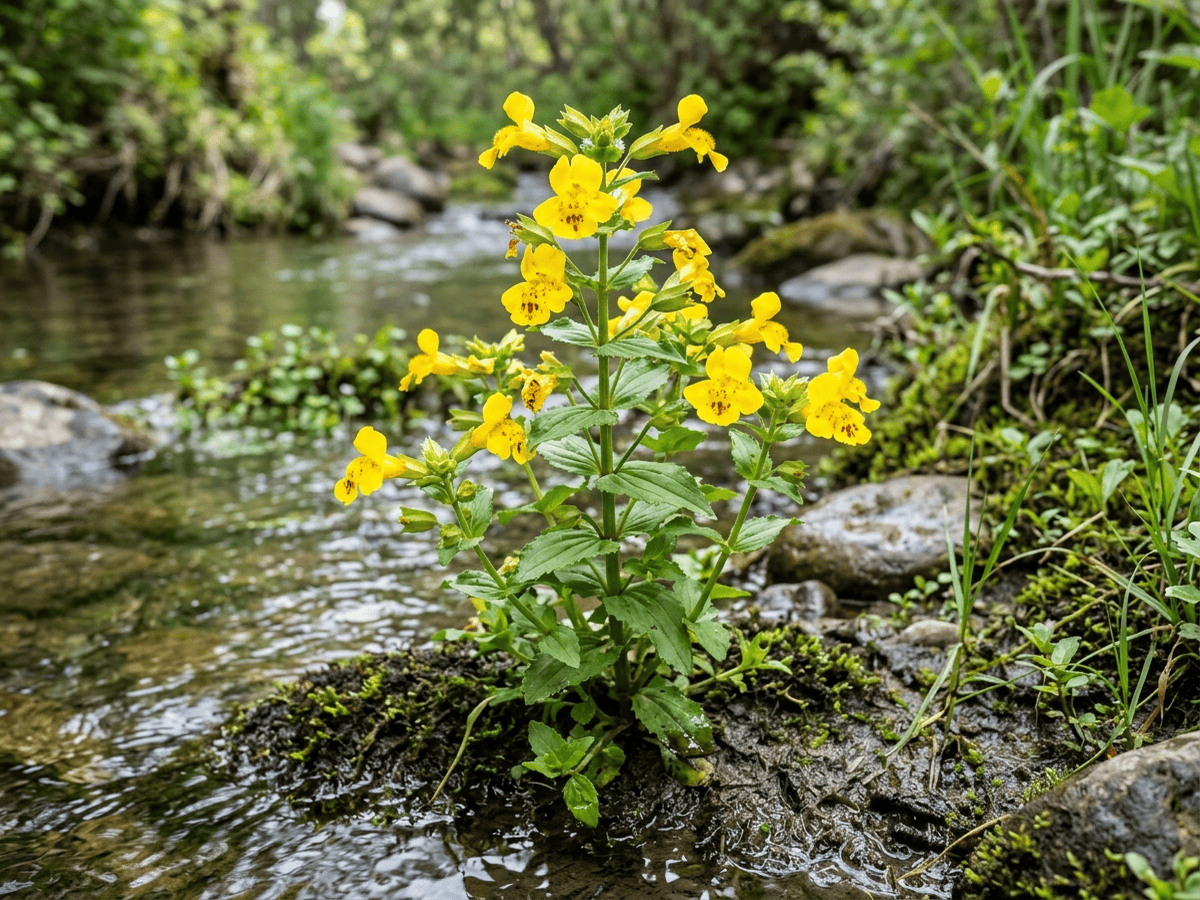
Plants with similar care
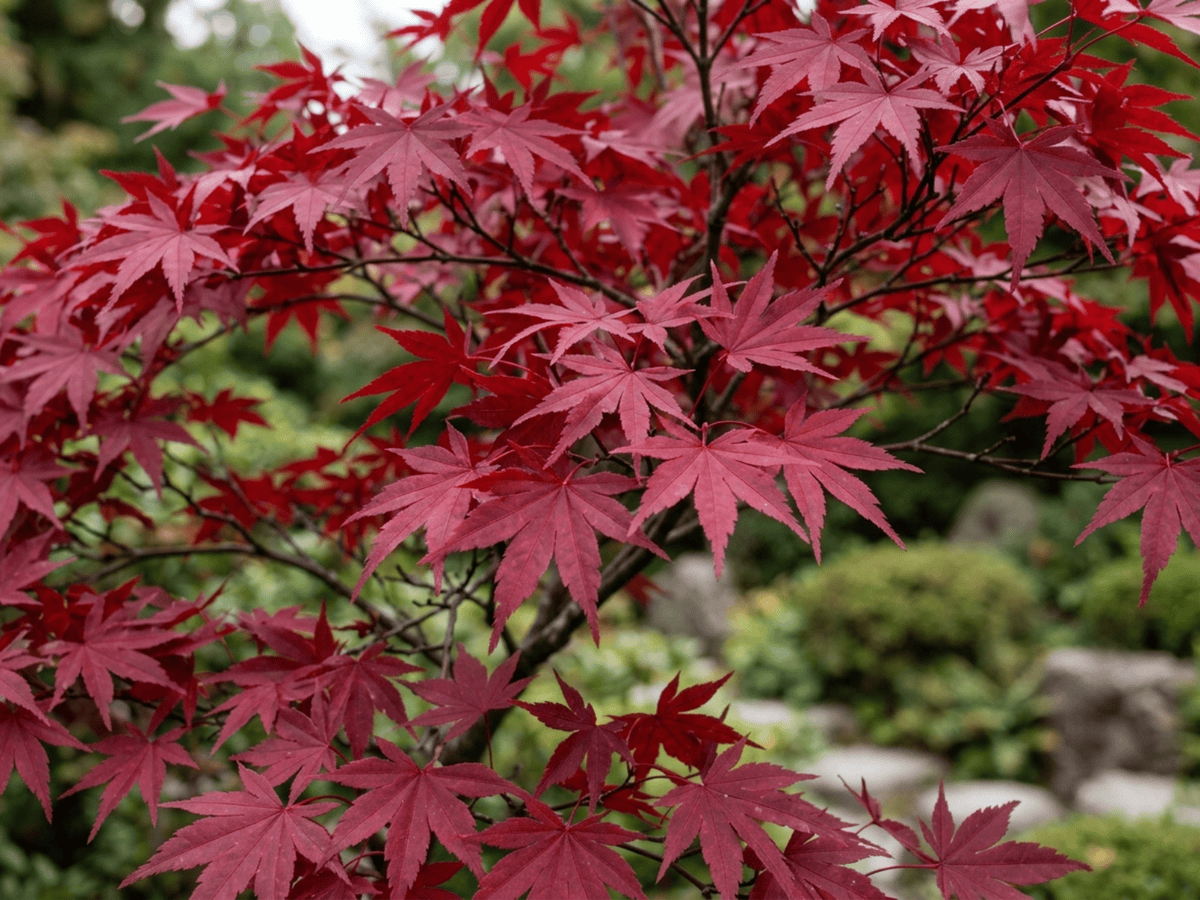 Japanese MapleAcer palmatum
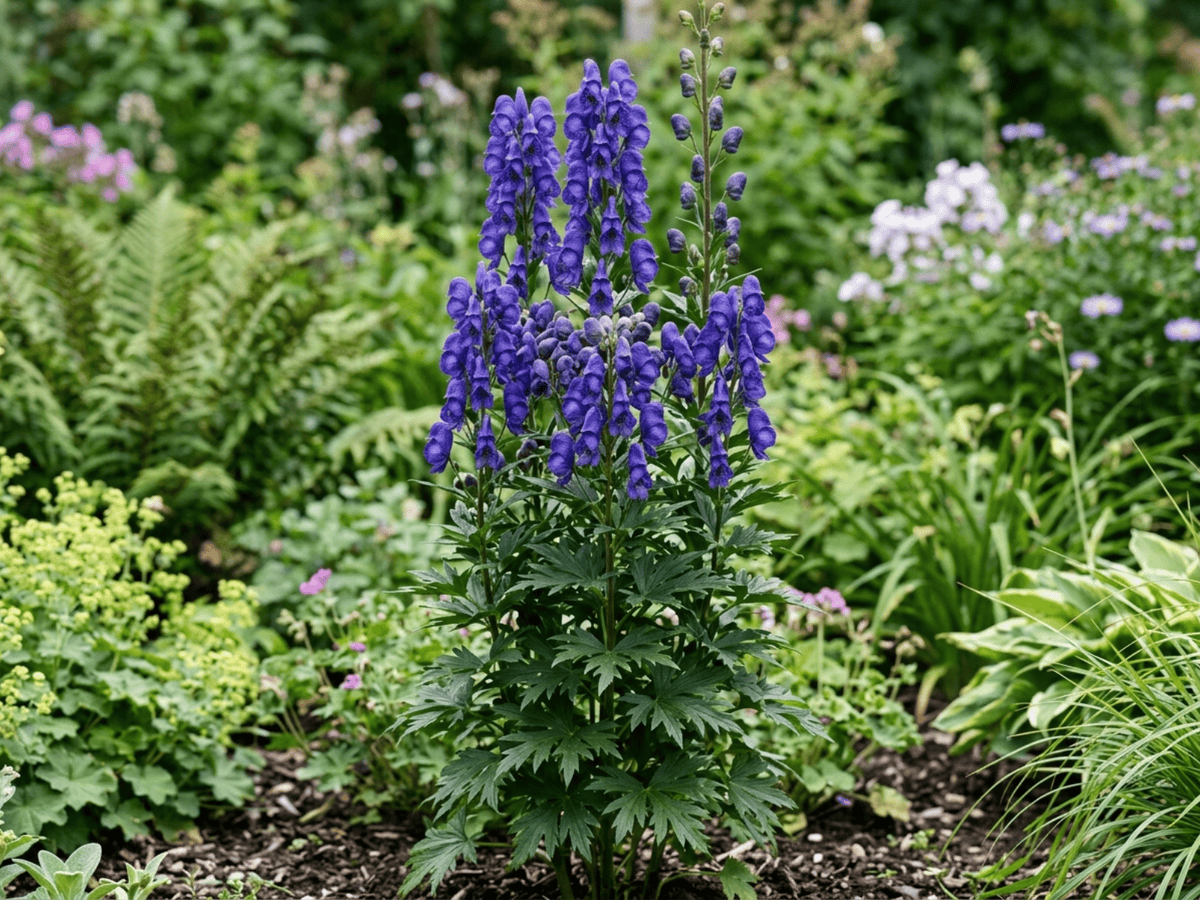 Azure MonkshoodAconitum carmichaelii
 Florida HobblebushAgarista populifolia
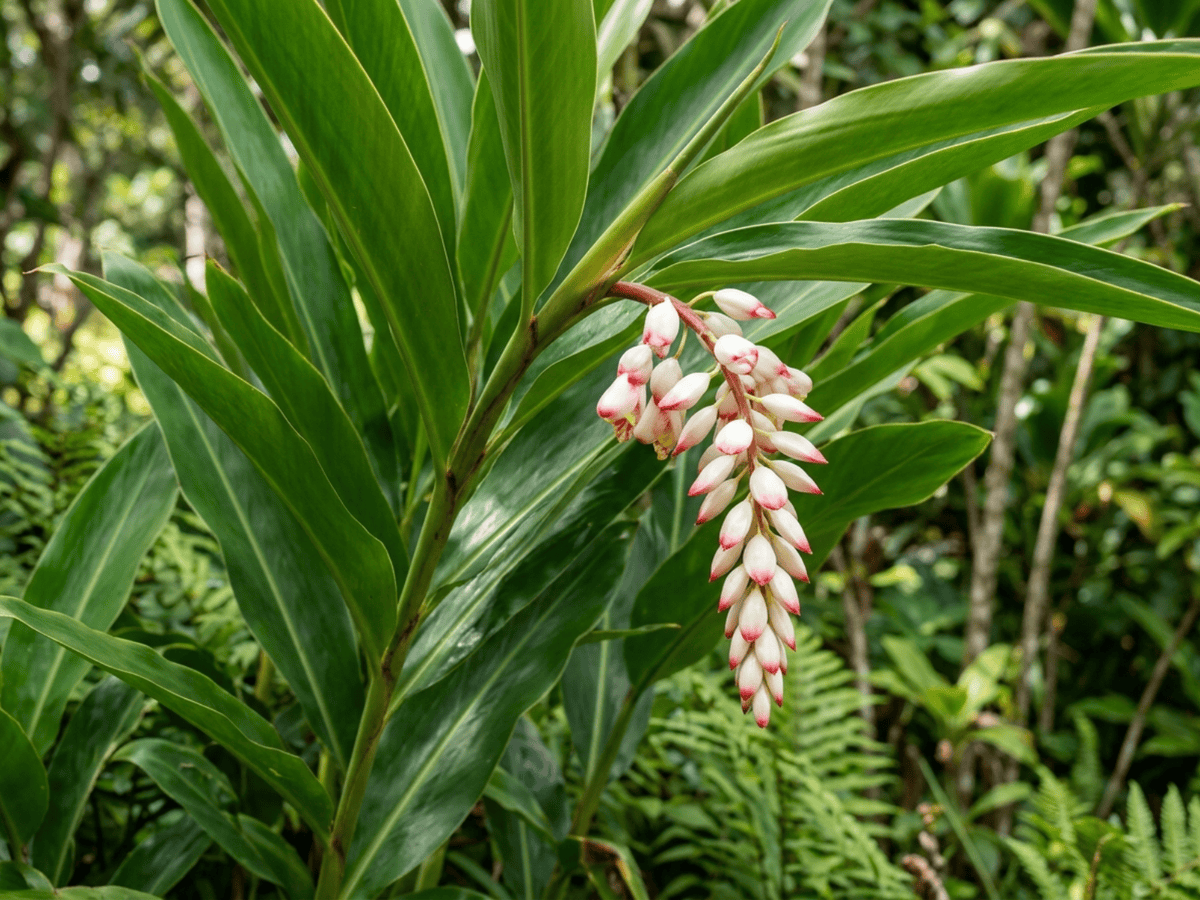 Shell GingerAlpinia zerumbet
Frequently asked questions
How often should I water Monkey Flower?
In summer, water about every 2 days; in winter, about every 7 days. Adjust for heat, pot size and drainage.
How much light does Monkey Flower need?
Part shade: 2–4 hrs direct. Watch the leaves — scorching or stretching means the light needs adjusting.
Is Monkey Flower toxic to cats or dogs?
No toxicity has been reported for this plant. Still, it is wise to keep pets from chewing on any houseplant. Educational information, not medical or veterinary advice. If exposure is suspected, contact a doctor or veterinarian.
Is Monkey Flower easy to grow?
It is moderately demanding: a good choice once you have a little experience.
When does Monkey Flower bloom?
It typically blooms Mar–Aug in the Northern Hemisphere.
YardMate
Identify any plant in seconds
Snap a photo — YardMate names the plant, diagnoses problems, and reminds you when to water.
Download on the App Store