 YardMate
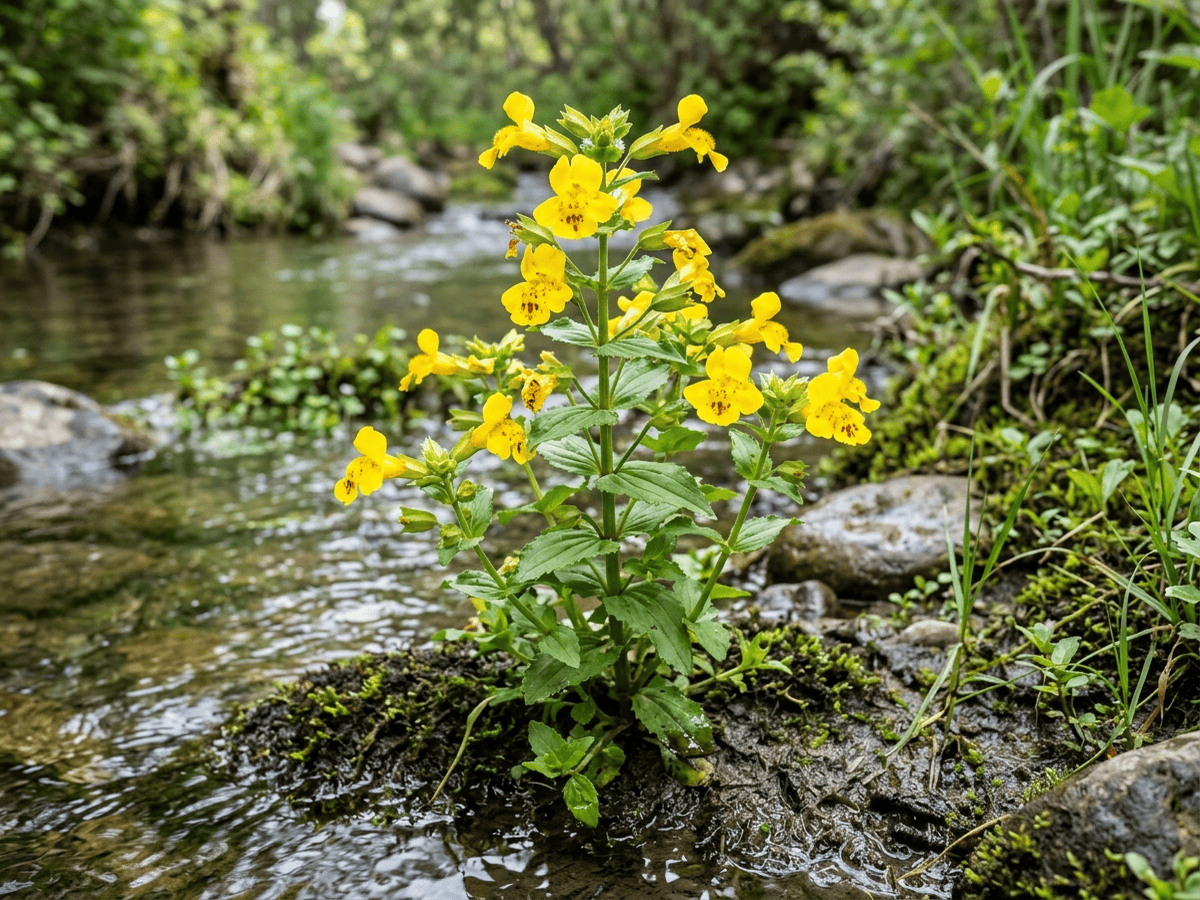
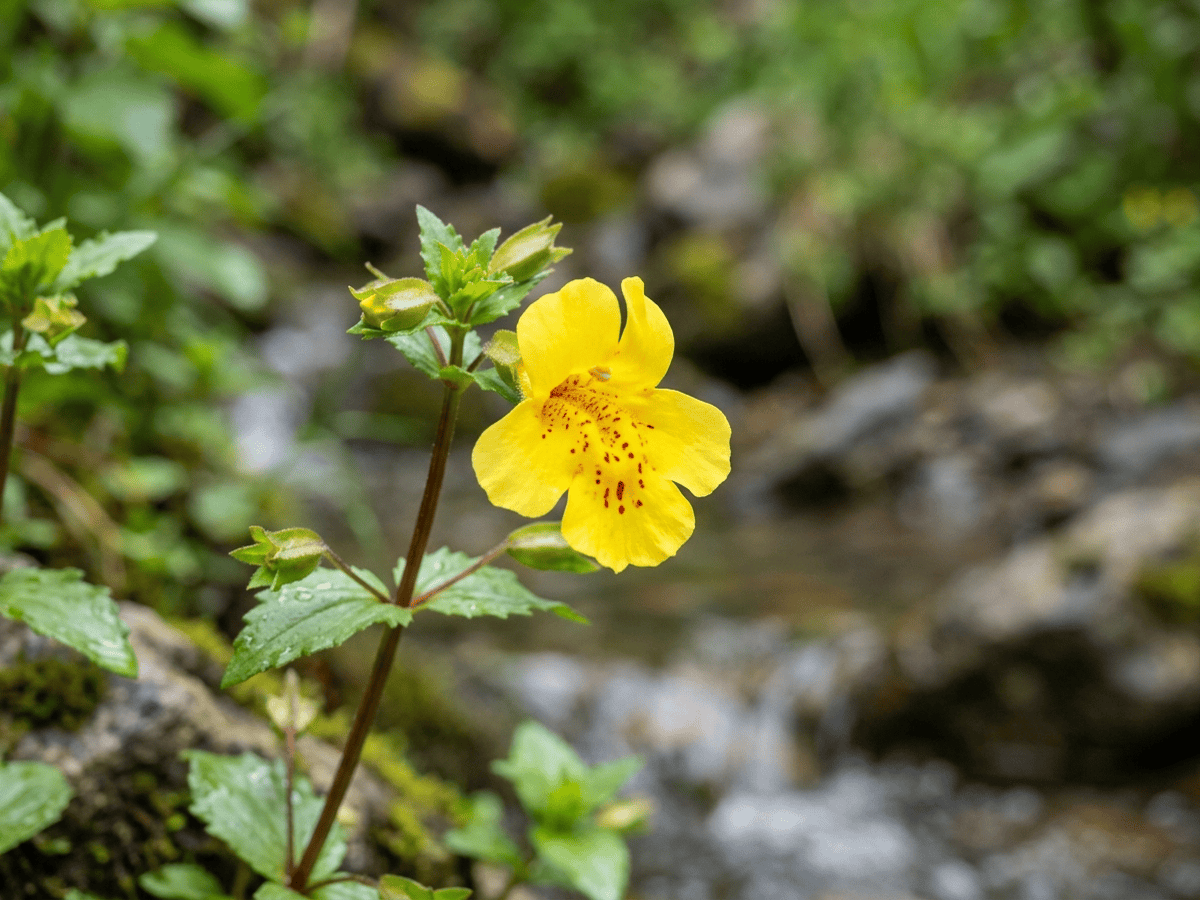


Seep Monkeyflower
Mimulus guttatus
Medium · Some experienceAbout Seep Monkeyflower
Seep Monkeyflower is a North American native annual or short-lived perennial wildflower producing bright yellow snapdragon-like flowers with red-spotted throats along stream banks and wet meadows from Alaska to Mexico. Growing 4 to 36 inches depending on moisture, it colonizes seeps and wet spots in native plant gardens, supporting bumblebees and hummingbirds.
- Native
- Pollinator-friendly
How to care for Seep Monkeyflower
Watering
- Springevery 3 days
- Summerevery 2 days
- Fallevery 5 days
- Winterevery 7 days
Soil · Moisture-retentive
- Top dressingSphagnum moss10%
- Main mixPeat + coco coir 1:180%
- DrainagePerlite / gravel10%
Keep it evenly moist — but the drainage layer still matters.
FERTILIZER
Balanced Feed 14-14-14
An even feed covers all three needs at once, keeping leaves, roots and blooms moving together with nothing pushed out of balance.
- Nitrogen · Leaves
- Phosphorus · Roots + Blooms
- Potassium · Strength
- Springevery 30 days
At a Glance
- NativeNorth America
- Height1–3 ft (0.3–0.9 m)
- Spread1–2 ft (0.3–0.6 m)
- Flower colorYellow
- Foliage colorGreen
- SoilLoamy, Moisture-retentive
- LocationsYard
Bloom time
BLOOM CYCLE
Peak bloom
May–Sep
Yellow monkey-face flowers May to September near water
Toxicity
No toxicity has been reported for this plant. Still, it is wise to keep pets from chewing on any houseplant.
Educational information, not medical or veterinary advice. If exposure is suspected, contact a doctor or veterinarian.
DISTRIBUTION

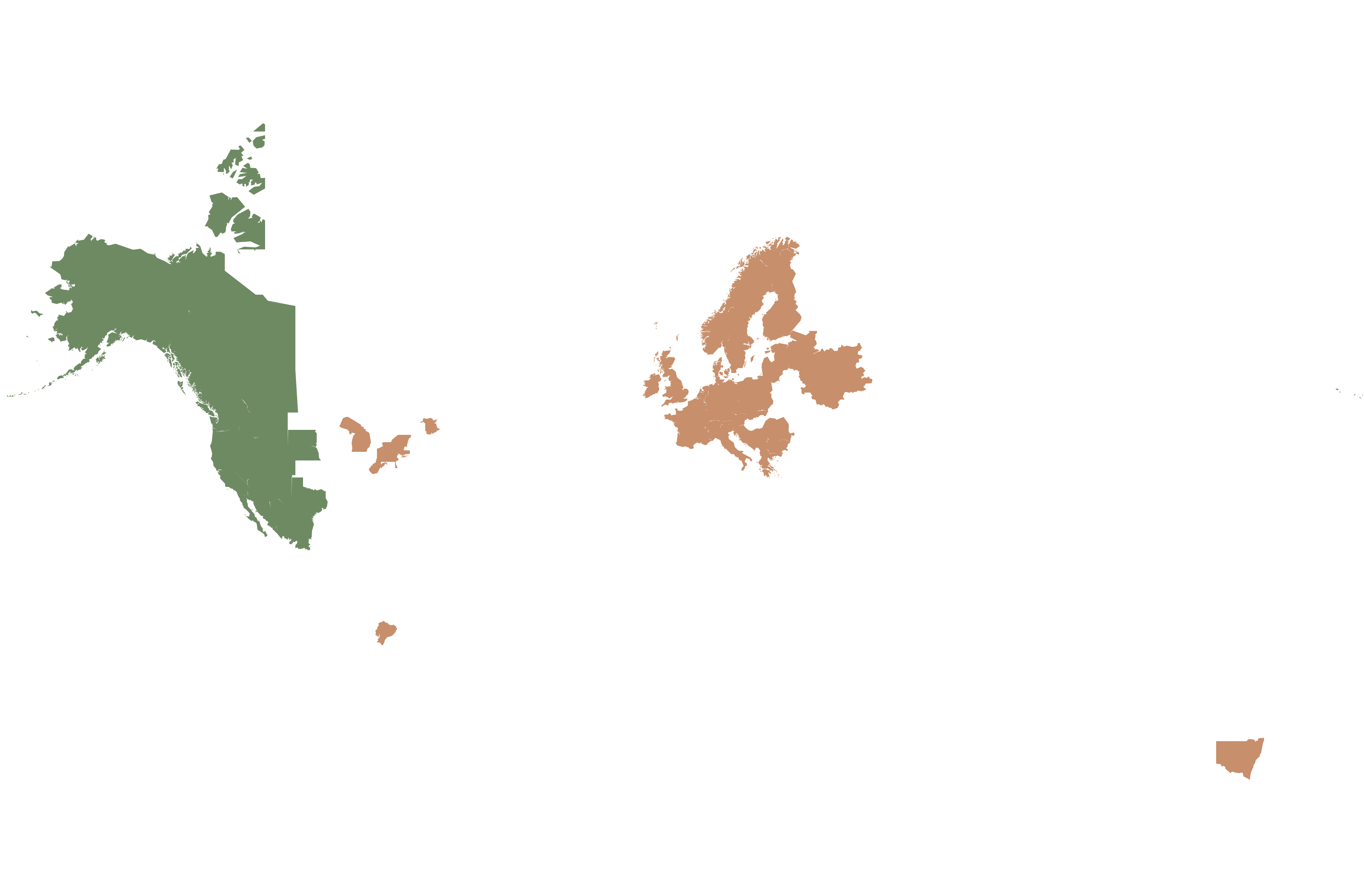
- Native
- Introduced
- North America
History
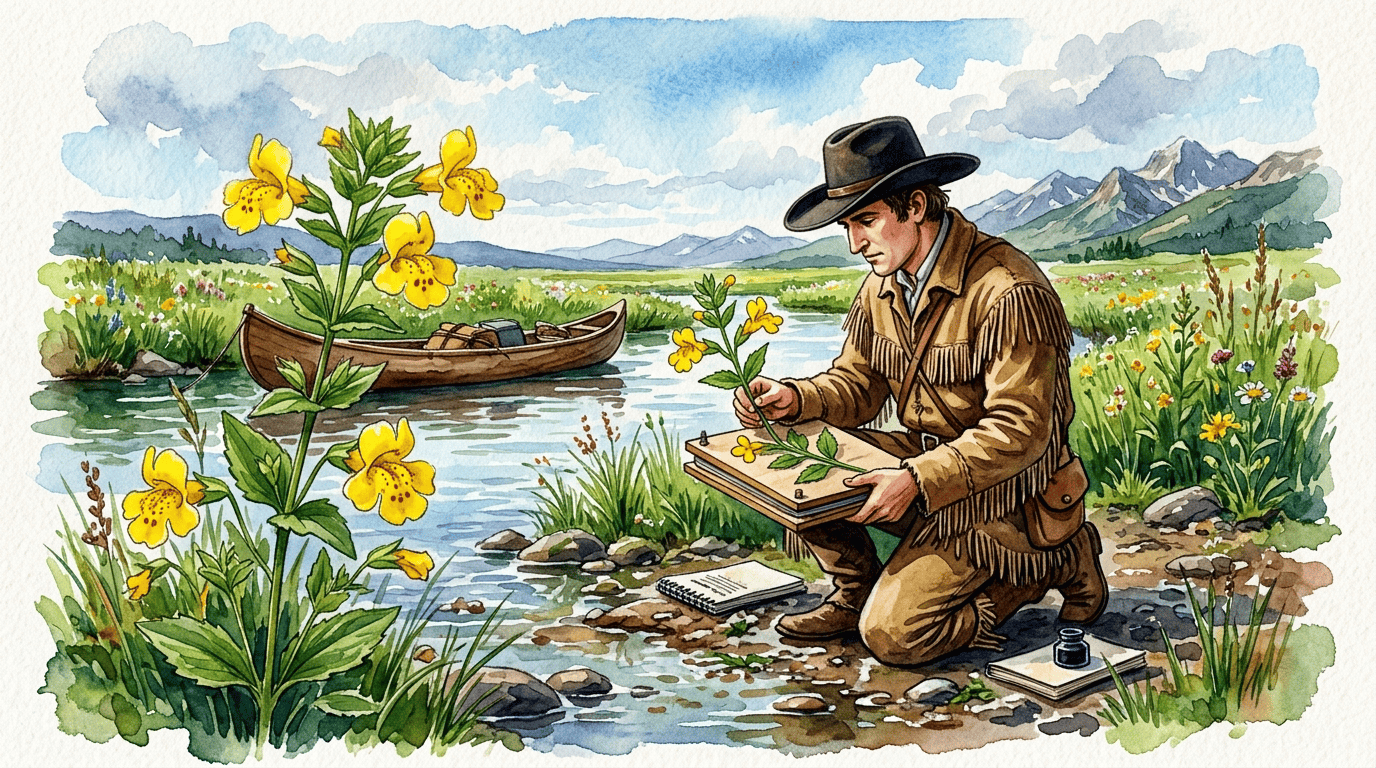
Mimulus guttatus, commonly called seep monkeyflower or yellow monkeyflower, is a highly variable annual to perennial herb native across western North America from Alaska and the Aleutians through British Columbia, the US West Coast, and into northern Mexico. Meriwether Lewis collected specimens in Idaho in 1806 during the Corps of Discovery, and German botanist Augustin-Pyramus de Candolle formally described the species in 1813. It thrives along streams, seeps, and wet meadows, producing bright yellow two-lipped flowers spotted with red-brown.
Because populations range from coastal dunes to alpine creeks, evolutionary biologists including Douglas Schemske have used M. guttatus as a model organism for speciation, ecological adaptation, and the genetics of floral traits. Many works formally treat it as Erythranthe guttata following a 2012 taxonomic revision. Harvested traditionally by Pacific Coast Indigenous peoples for young edible greens and medicinal uses.
Symbolism & meaning
What It Symbolizes
Seep Monkeyflower can symbolize joyful native, its bright yellow flowers patterned with a grinning 'monkey face' that has charmed western hikers for generations. Another layer is stream sunshine, for it lines mountain creeks and seeps with bands of yellow as if the water itself were lit from below. In the language of California natives, mimulus is the cheerful resident of wet stones, a small ecological joke that turns out to mean everything to passing pollinators.
- Joyful monkey — grinning 'monkey face' flower pattern
- Stream sunshine — yellow flowers line mountain streams
Where the Name Comes From
'Mimulus' from Latin 'mimus' meaning mimic, for the 'monkey-face' flower shape; 'guttatus' means spotted, for red throat markings.
Uses & Fun Facts
- Yellow snapdragon flowers attract bumblebees and hummingbirds
Related plants
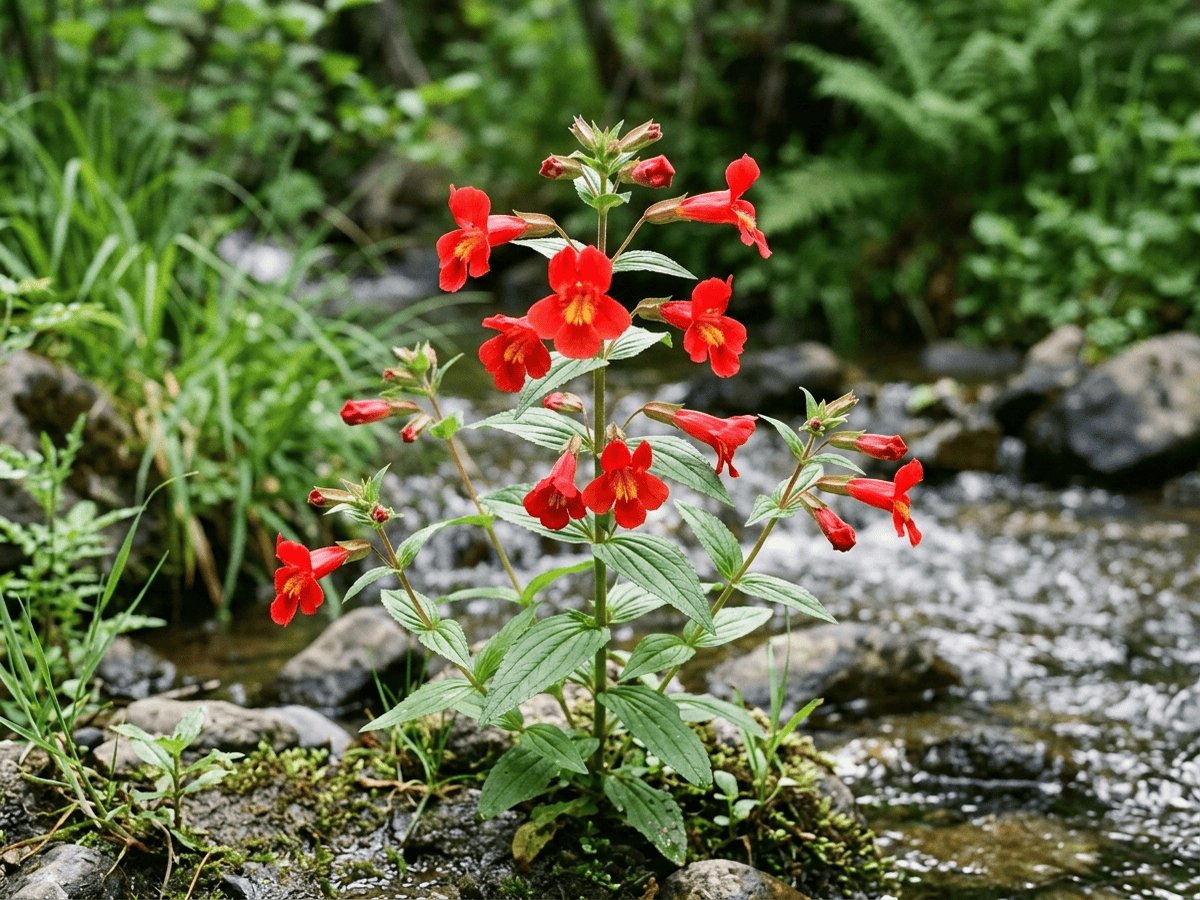
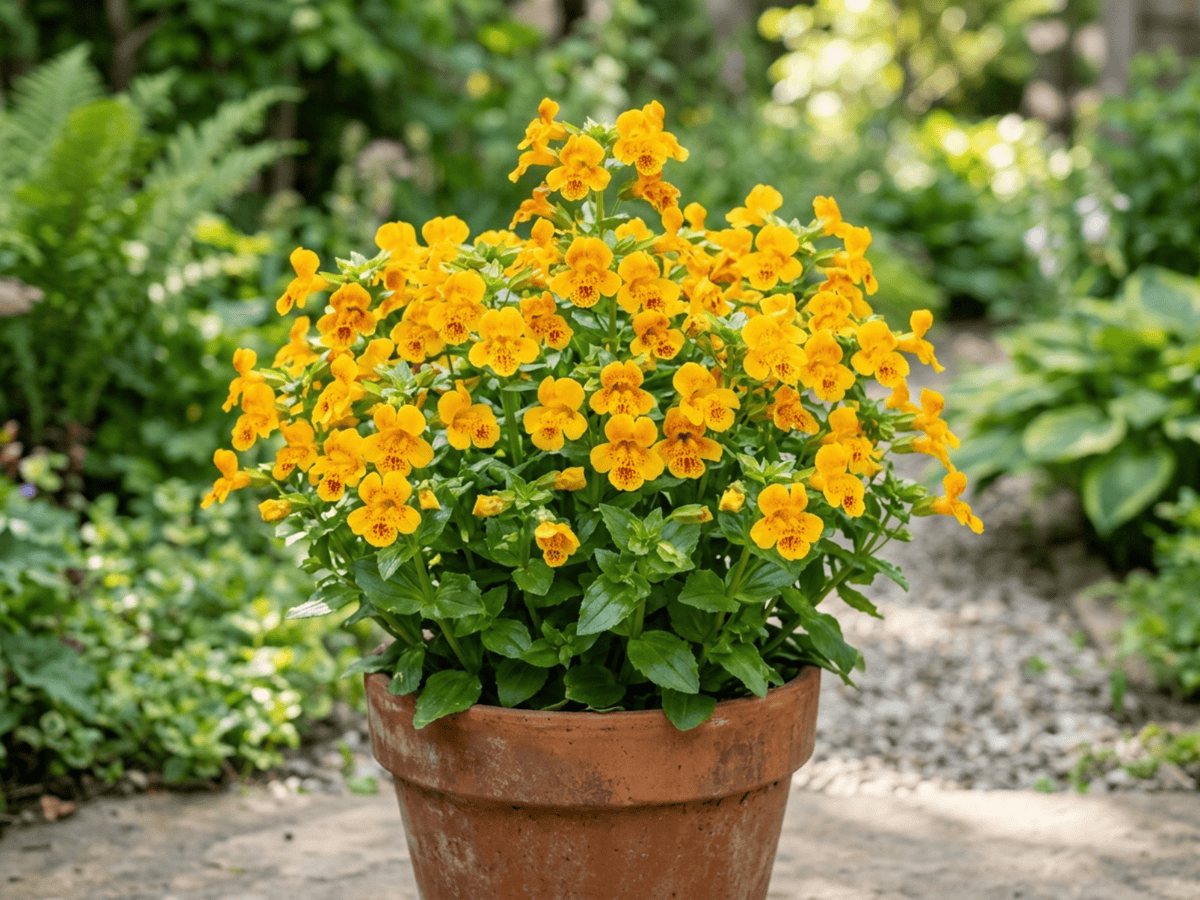
More Mimulus plants
Plants with similar care
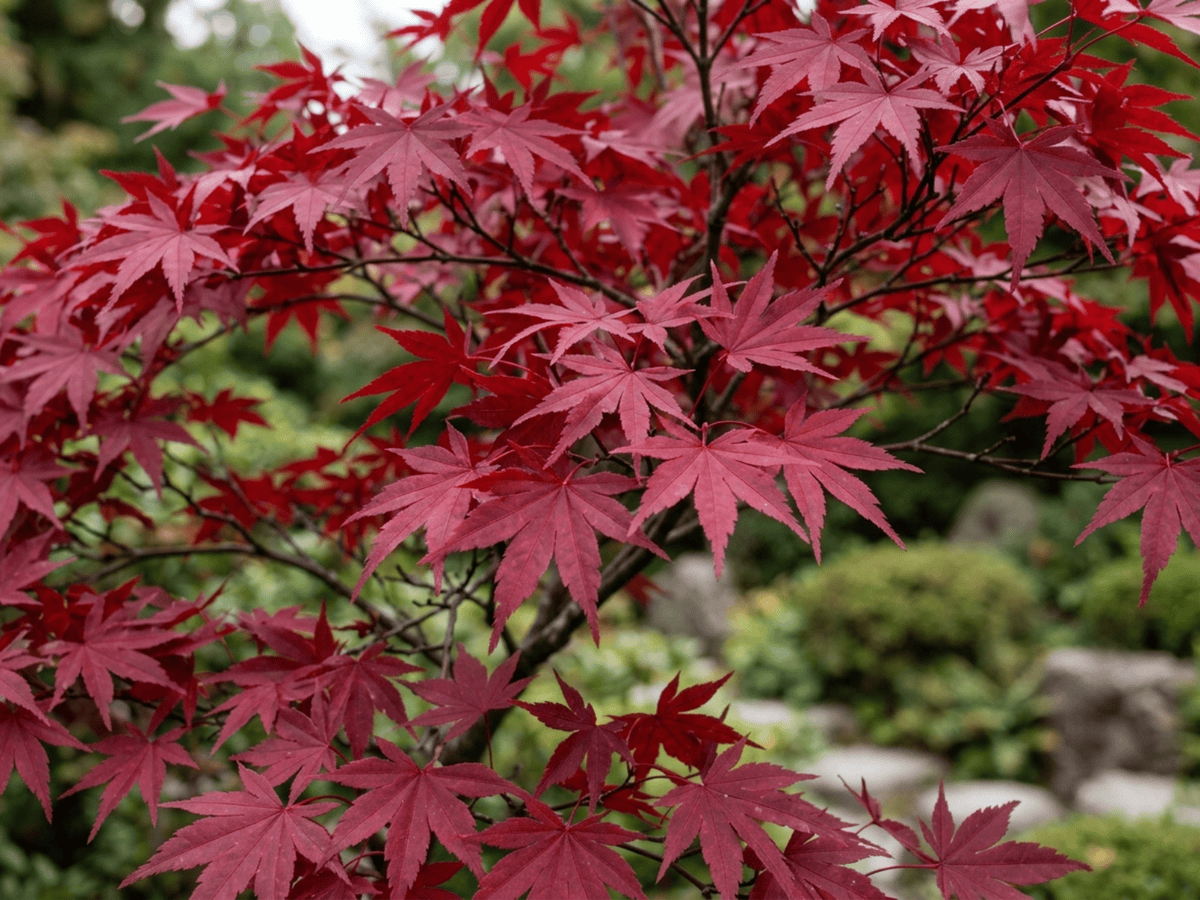 Japanese MapleAcer palmatum
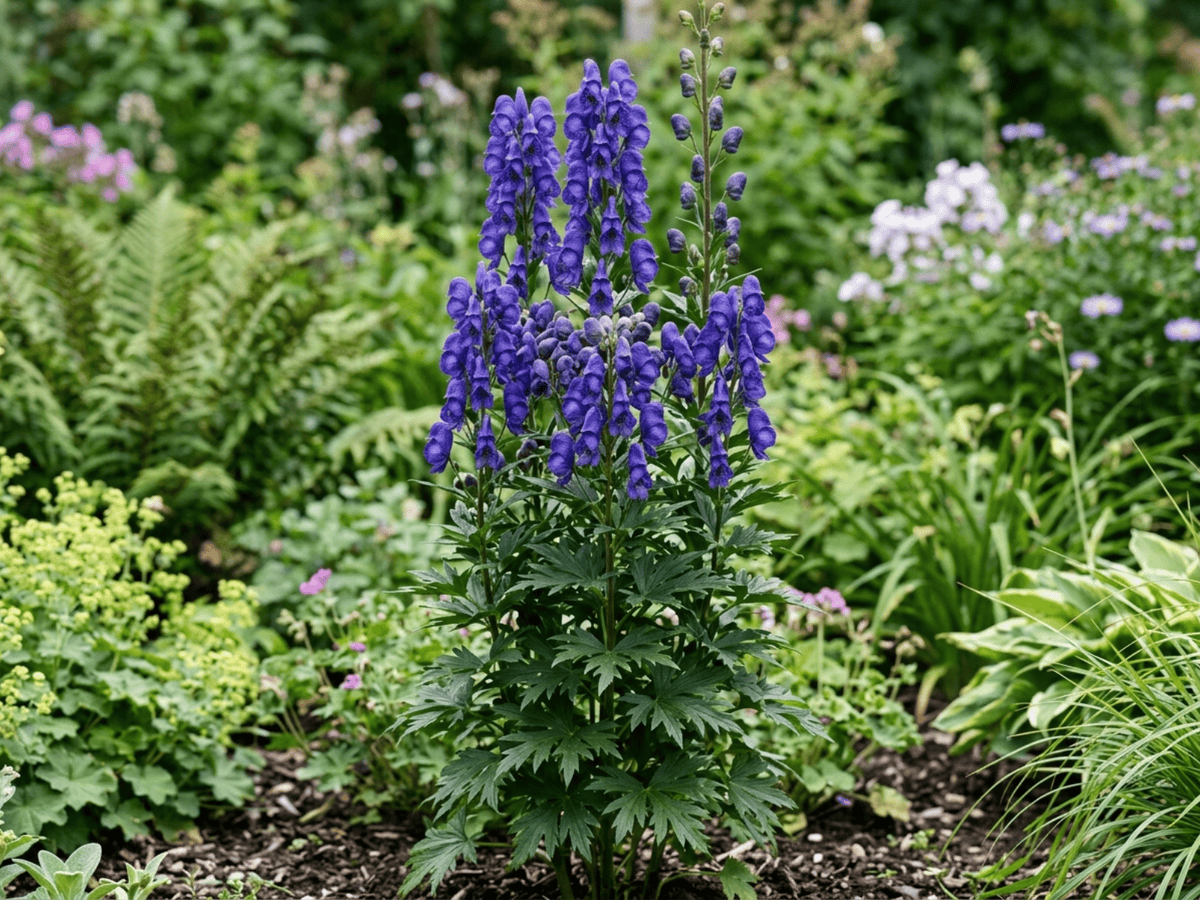 Azure MonkshoodAconitum carmichaelii
 Florida HobblebushAgarista populifolia
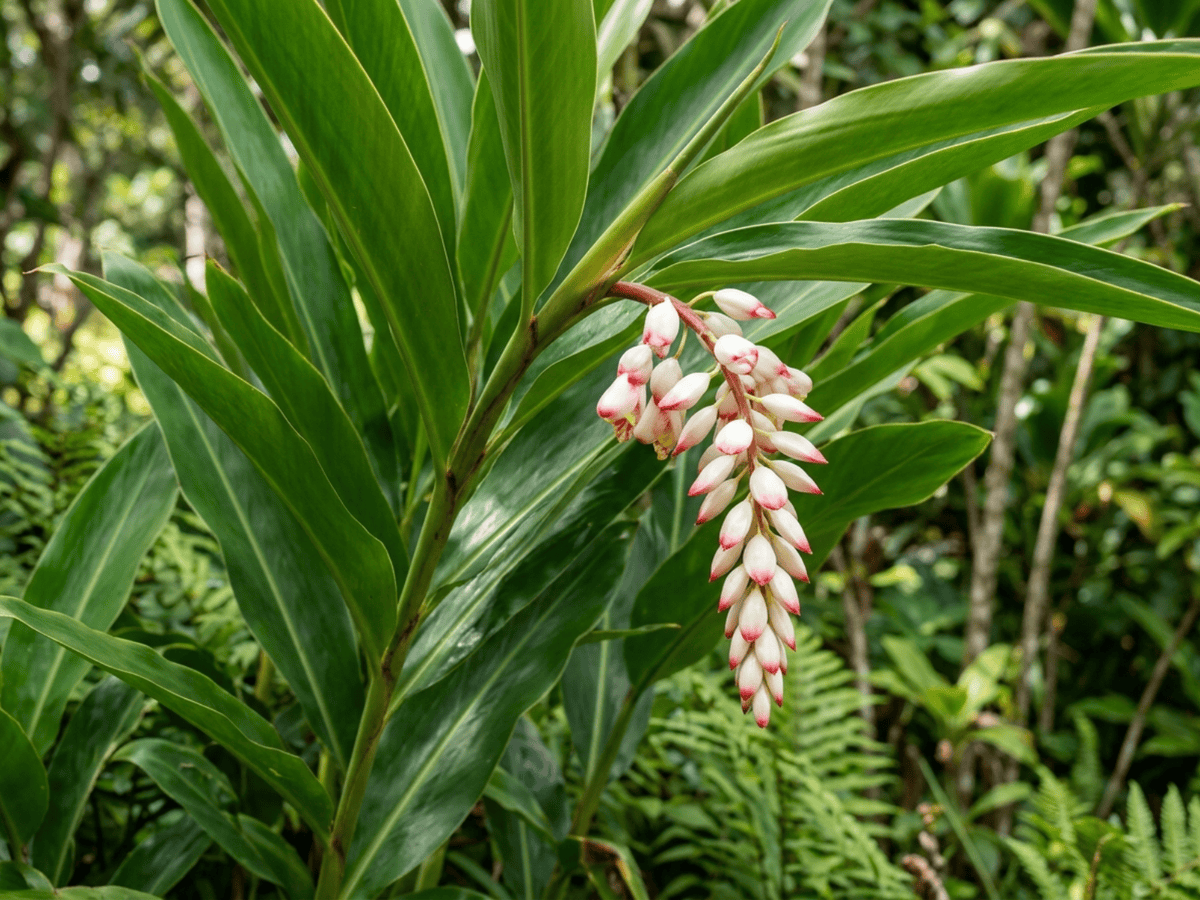 Shell GingerAlpinia zerumbet
Frequently asked questions
How often should I water Seep Monkeyflower?
In summer, water about every 2 days; in winter, about every 7 days. Adjust for heat, pot size and drainage.
How much light does Seep Monkeyflower need?
Part shade: 2–4 hrs direct. Watch the leaves — scorching or stretching means the light needs adjusting.
Is Seep Monkeyflower toxic to cats or dogs?
No toxicity has been reported for this plant. Still, it is wise to keep pets from chewing on any houseplant. Educational information, not medical or veterinary advice. If exposure is suspected, contact a doctor or veterinarian.
Is Seep Monkeyflower easy to grow?
It is moderately demanding: a good choice once you have a little experience.
When does Seep Monkeyflower bloom?
It typically blooms May–Sep in the Northern Hemisphere.
YardMate
Identify any plant in seconds
Snap a photo — YardMate names the plant, diagnoses problems, and reminds you when to water.
Download on the App Store