 YardMate


Pacific Island Silvergrass
Miscanthus floridulus
Easy · Beginner friendlyAbout Pacific Island Silvergrass
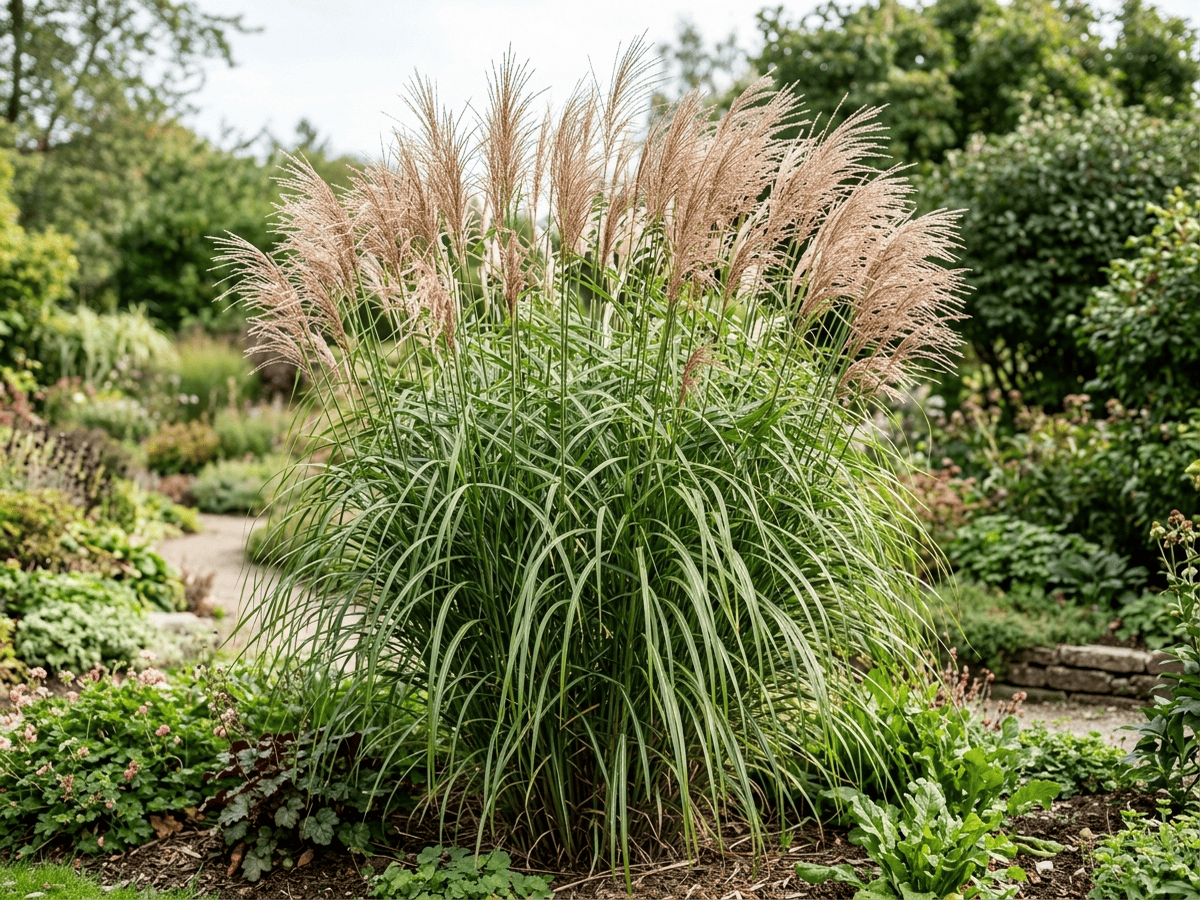
Giant Chinese Silver Grass is a massive ornamental grass from East Asia and the Pacific reaching 8-12 feet tall in dense upright clumps with arching green leaves. In late summer it produces silvery-pink plumes held above the foliage that fade to silver-tan in autumn. Among the largest ornamental grasses for American landscapes, it is best used as a screen, focal point, or backdrop in large spaces. Drought-tolerant and pest-resistant once established.
- Drought-tolerant
- Architectural
How to care for Pacific Island Silvergrass
Watering
- Springevery 14 days
- Summerevery 14 days
- Fallevery 21 days
- Winterevery 45 days
Soil · Well-draining
- Top dressingPine bark mulch10%
- Main mixPotting soil + perlite 2:170%
- DrainageLECA / gravel20%
Never skip the drainage layer — standing water is the top cause of root rot.
FERTILIZER
- Springevery 60 days
At a Glance
- NativeEast Asia, Pacific Islands
- Height8–12 ft (2.4–3.7 m)
- Spread4–6 ft (1.2–1.8 m)
- Flower colorPink, Cream
- Foliage colorGreen
- SoilLoamy, Well-drained
- LocationsYard
Bloom time
BLOOM CYCLE
Peak bloom
Jun–Sep
Silvery-pink plumes in late summer fading to silver-tan
Toxicity
Humans Safe · Pets Safe
None reported
Safe
EXPOSURE No exposure route is reported.
EFFECT No toxic effect is reported.
NOTE Listed as non-toxic for humans; avoid eating ornamental plants unless confirmed edible.
Safe
EXPOSURE No exposure route is reported.
EFFECT No toxic effect is reported.
NOTE Listed as non-toxic for dogs; avoid eating ornamental plants unless confirmed edible.
Safe
EXPOSURE No exposure route is reported.
EFFECT No toxic effect is reported.
NOTE Listed as non-toxic for cats; avoid eating ornamental plants unless confirmed edible.
Educational information, not medical or veterinary advice. If exposure is suspected, contact a doctor or veterinarian.
DISTRIBUTION


- Native
- Introduced
- East Asia
- Pacific Islands
History
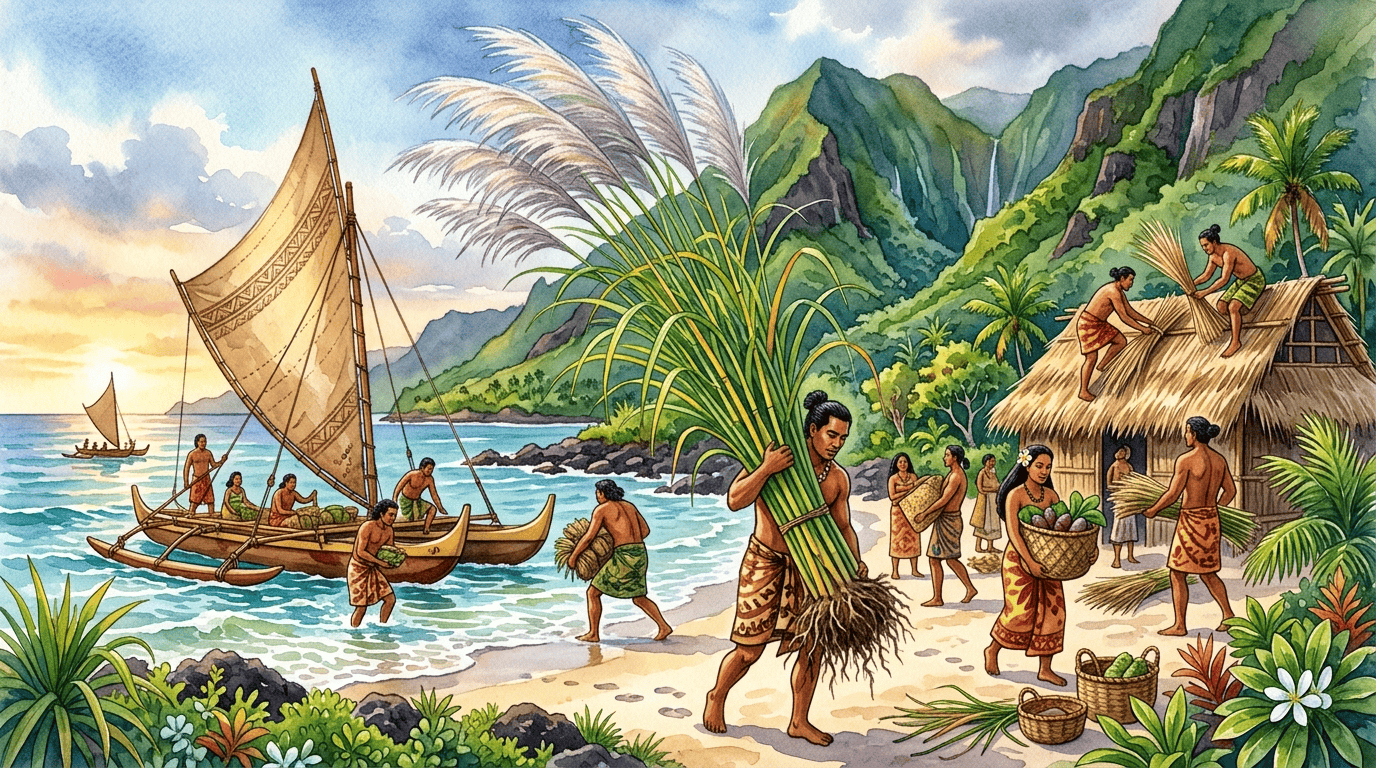
Miscanthus floridulus, commonly called giant Chinese silvergrass or Pacific island silvergrass, is a large warm-season clump-forming perennial grass in the family Poaceae native to a broad area across East Asia and the western Pacific including Japan, Taiwan, southeastern China, the Philippines, Micronesia, Melanesia, Polynesia, and as far east as Hawaii (where it was likely carried with Polynesian voyagers). French botanist Jacques Labillardière originally described it as Saccharum floridulum in 1825 from New Caledonia specimens; German botanist Otto Warburg transferred it to Miscanthus in 1898. Plants form enormous 3-4 meter (occasionally to 5 meter) bamboo-like clumps of upright canes with arching sword-shaped green leaves and produce enormous feathery silver-white to tan terminal plumes in late summer.
In some Pacific islands the species is considered weedy or invasive in disturbed ground. Used historically for thatching and cordage.
Specimen plant for large landscape screens and tropical effect. Introduced to American horticulture in the late 19th century. In some warmer regions like the Southeast it has become invasive, so check local recommendations before planting.
Symbolism & meaning
What It Symbolizes
Pacific Island Silvergrass expresses resilience, thriving in poor soils and drought where other ornamental grasses sulk. Its tall feathery plumes catch every passing breeze, turning movement itself into a kind of slow choreography across the late-season border. To plant this miscanthus is to invite both endurance and motion into the garden — a tough grass that nevertheless dances at the lightest touch of wind.
- Resilience — silver plumes persist where coastal soils are poor and dry
- Movement — tall plumes catch every breeze
Where the Name Comes From
The name Pacific Island Silvergrass describes its grasslike foliage. 'Miscanthus' from Greek 'mischos' (stem) and 'anthos' (flower); 'floridulus' refers to its profuse flowering.
Related plants
More Miscanthus plants
 Small Japanese Silver GrassMiscanthus oligostachyus
 Chinese Silver GrassMiscanthus sinensis
 Chinese Silver GrassMiscanthus transmorrisonensis
Plants with similar care
 Chinese AbeliaAbelia chinensis
 Fragrant AbeliaAbelia mosanensis
 Large-Flowered AbeliaAbelia uniflora
 Glossy AbeliaAbelia x grandiflora
Frequently asked questions
How often should I water Pacific Island Silvergrass?
In summer, water about every 14 days; in winter, about every 45 days. Adjust for heat, pot size and drainage.
How much light does Pacific Island Silvergrass need?
Full sun: 6+ hrs direct. Watch the leaves — scorching or stretching means the light needs adjusting.
Is Pacific Island Silvergrass toxic to cats or dogs?
Pets Safe (Dogs Safe · Cats Safe) Educational information, not medical or veterinary advice. If exposure is suspected, contact a doctor or veterinarian.
Is Pacific Island Silvergrass easy to grow?
Yes — it is considered an easy, beginner-friendly plant.
When does Pacific Island Silvergrass bloom?
It typically blooms Jun–Sep in the Northern Hemisphere.
YardMate
Identify any plant in seconds
Snap a photo — YardMate names the plant, diagnoses problems, and reminds you when to water.
Download on the App Store