 YardMate


Small Japanese Silver Grass
Miscanthus oligostachyus
Easy · Beginner friendlyAbout Small Japanese Silver Grass
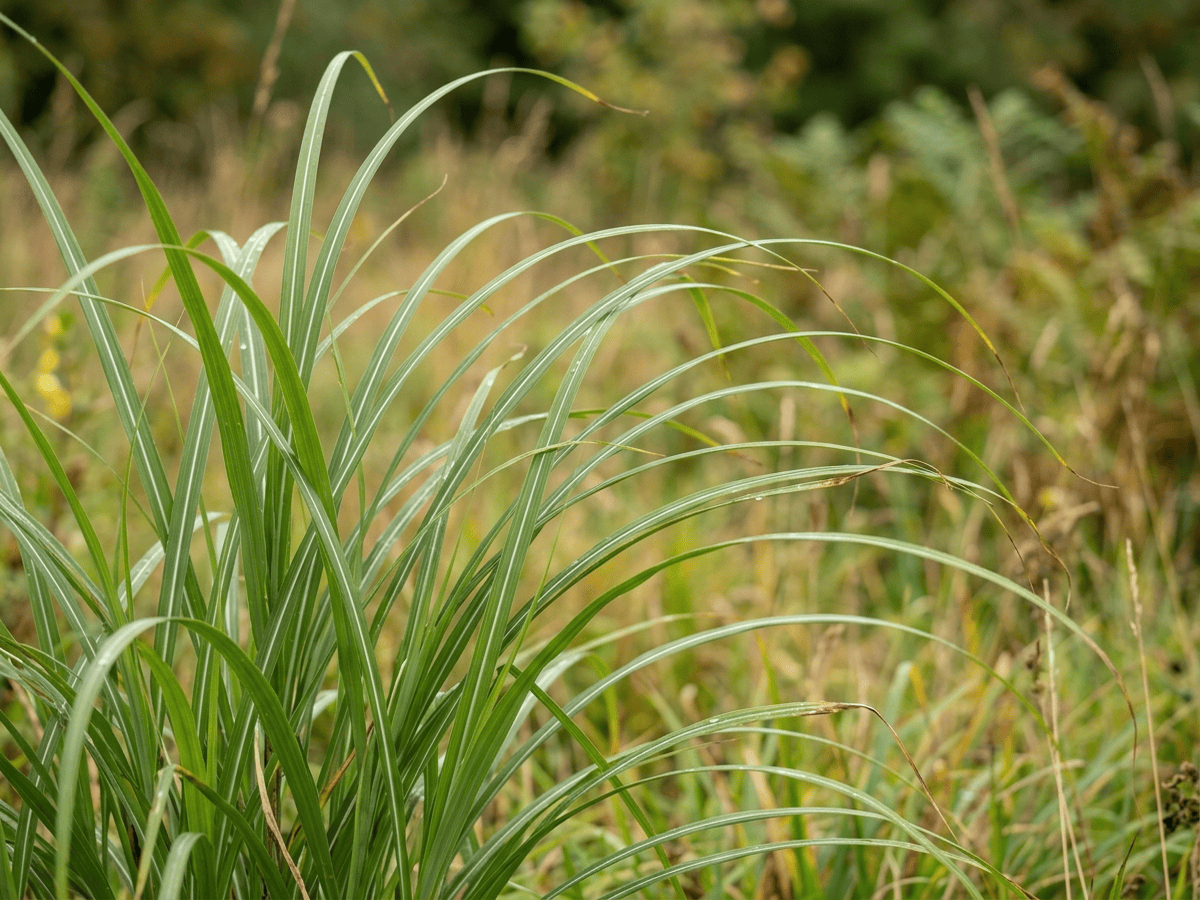
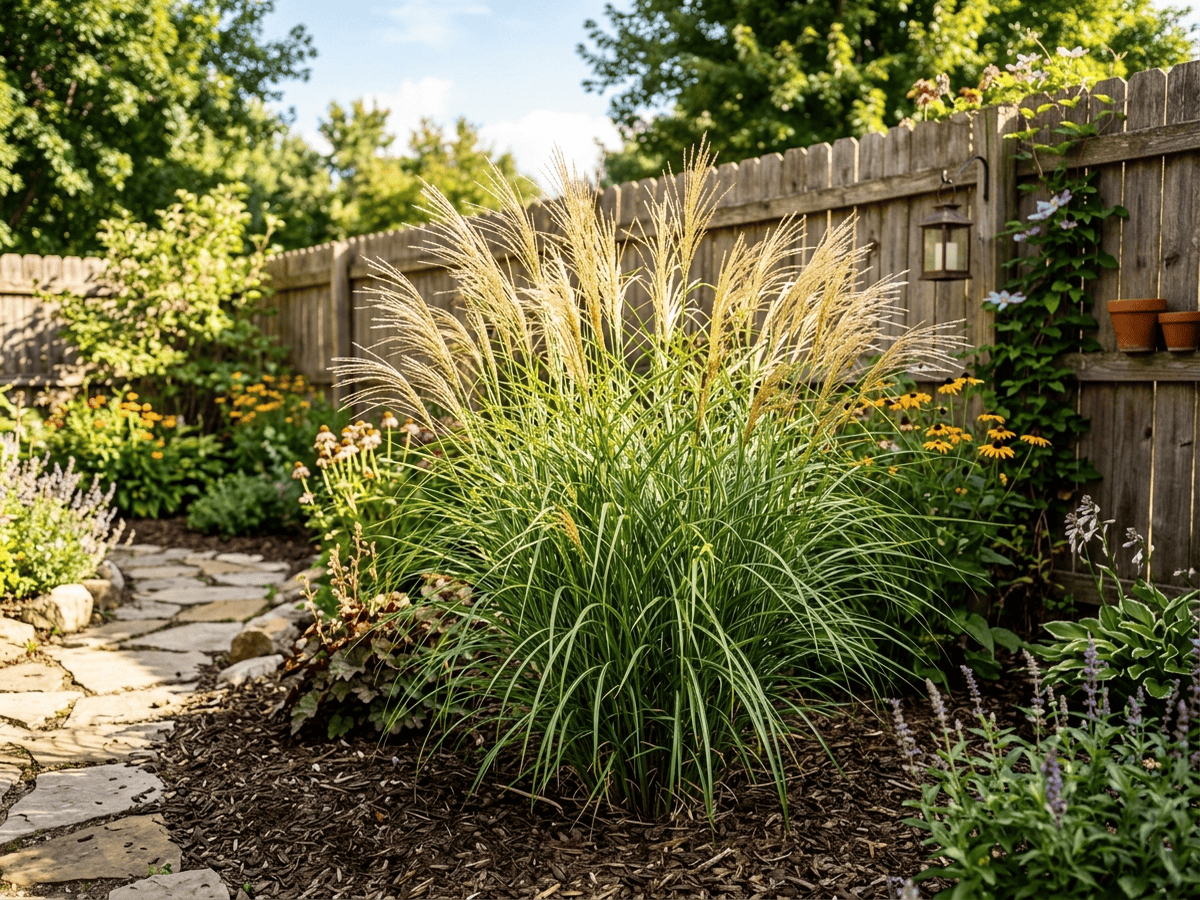
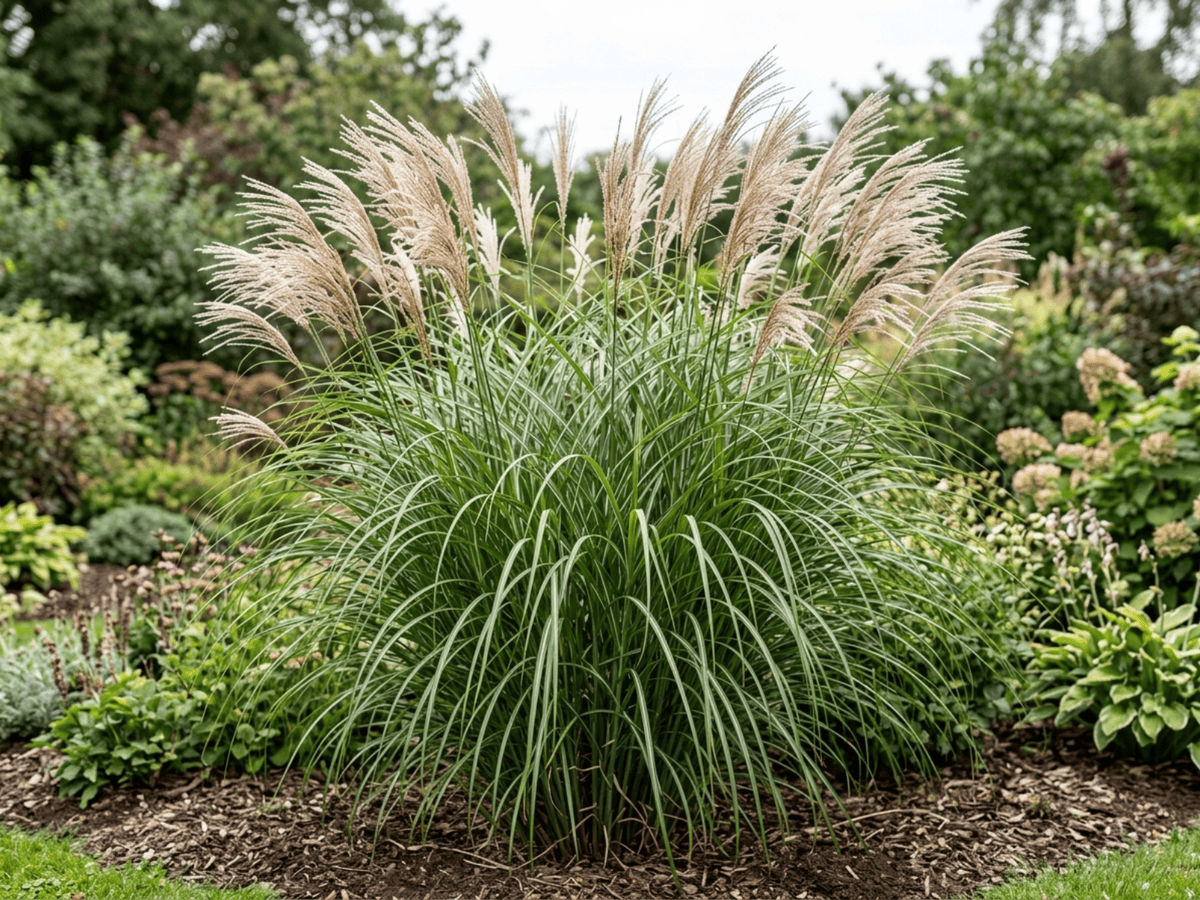
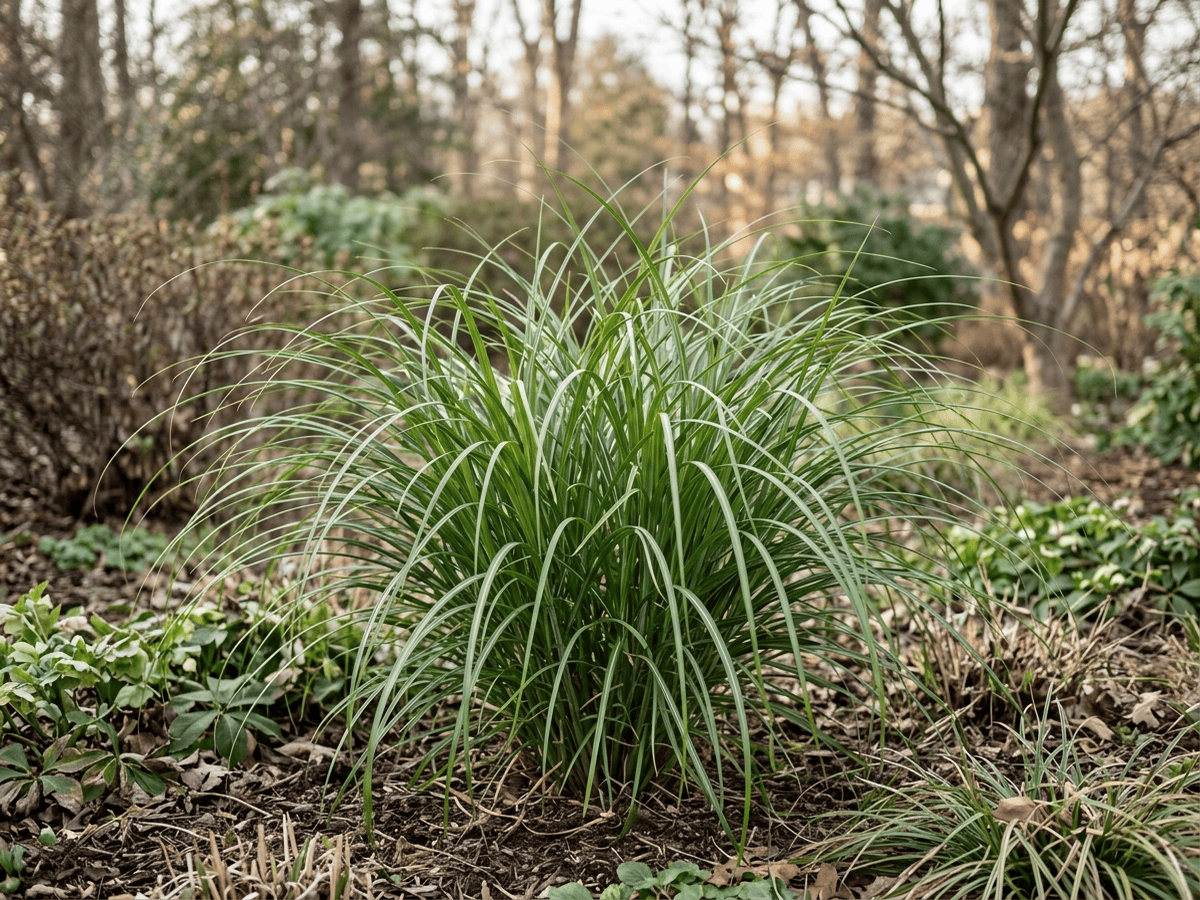
Small Japanese Silver Grass is a compact ornamental grass from Japan reaching only 2-3 feet tall and wide, with broad arching pale-green leaves. In late summer it produces few-flowered silvery plumes (the species name means 'few-flowered'). Its restrained size and graceful form make it ideal for smaller American gardens and containers where larger Miscanthus would overwhelm. The cultivar 'Nanus Variegatus' offers cream-striped foliage.
- Shade-tolerant
- Compact
How to care for Small Japanese Silver Grass
Watering
- Springevery 14 days
- Summerevery 14 days
- Fallevery 21 days
- Winterevery 30 days
Soil · Well-draining
- Top dressingPine bark mulch10%
- Main mixPotting soil + perlite 2:170%
- DrainageLECA / gravel20%
Never skip the drainage layer — standing water is the top cause of root rot.
FERTILIZER
- Springevery 60 days
At a Glance
- NativeEast Asia
- Height3–4 ft (0.9–1.2 m)
- Spread2–3 ft (0.6–0.9 m)
- Flower colorWhite, Cream
- Foliage colorGreen, Variegated
- SoilLoamy, Well-drained
- LocationsYard
Bloom time
BLOOM CYCLE
Peak bloom
Jun–Sep
Few-flowered silvery plumes in late summer
Toxicity
Humans Safe · Pets Safe
None reported
Safe
EXPOSURE No exposure route is reported.
EFFECT No toxic effect is reported.
NOTE Listed as non-toxic for humans; avoid eating ornamental plants unless confirmed edible.
Safe
EXPOSURE No exposure route is reported.
EFFECT No toxic effect is reported.
NOTE Listed as non-toxic for dogs; avoid eating ornamental plants unless confirmed edible.
Safe
EXPOSURE No exposure route is reported.
EFFECT No toxic effect is reported.
NOTE Listed as non-toxic for cats; avoid eating ornamental plants unless confirmed edible.
Educational information, not medical or veterinary advice. If exposure is suspected, contact a doctor or veterinarian.
DISTRIBUTION


- Native
- East Asia
History
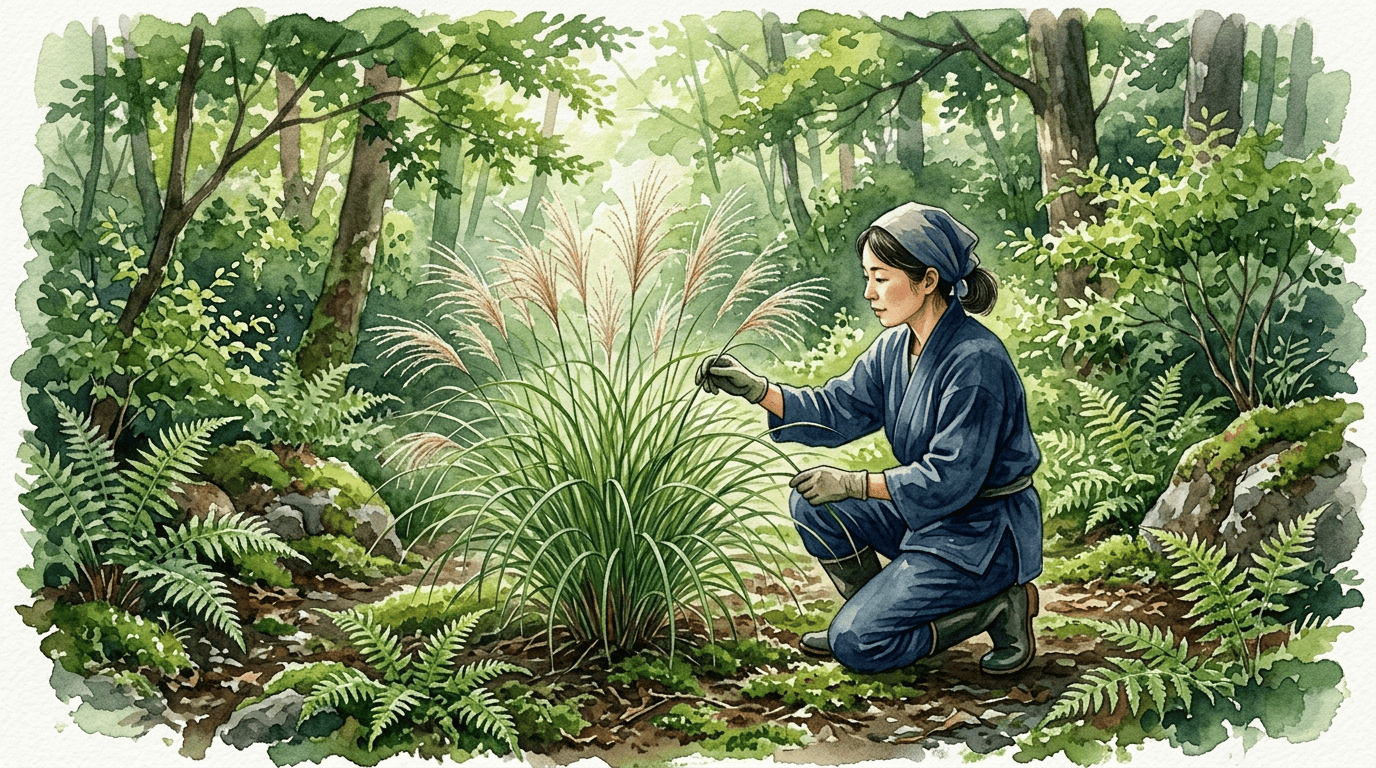
Miscanthus oligostachyus, commonly called small Japanese silvergrass, is a compact clump-forming perennial grass in the family Poaceae native to hillsides and forest edges of central Japan, particularly Honshu and Shikoku. Austrian botanist Otto Stapf formally described the species in 1899. The epithet oligostachyus (few-spiked) refers to the sparser, less-branched inflorescences compared to most Miscanthus species.
Plants are notably more compact than the familiar M. sinensis, forming 90-120 cm tall clumps (including plumes) of narrow medium-green arching leaves and producing delicate narrow cream-tan panicles in mid to late summer, earlier than most other Miscanthus. The species is unusual among miscanthus for genuinely tolerating partial shade, making it valuable for woodland-edge and dappled-light plantings where other silvergrasses would grow poorly.
'Nanus Variegatus' (also called 'Afrika' by some nurseries) is a widely grown variegated cultivar with white-edged leaves. Introduced to American horticulture by Japanese plant exchanges in the late 20th century, it remains a specialty grass favored by garden designers seeking restrained ornamental grasses. Hardy throughout much of the temperate zone.
Symbolism & meaning
What It Symbolizes
Small Japanese Silver Grass suggests refinement, its compact, graceful form choosing understatement over the towering drama of its larger Miscanthus cousins. Paired with patience, it is a subtle grass for gardens that reward long looking rather than first impressions. It belongs to the Japanese garden tradition where modesty is itself a kind of beauty.
- Refinement — compact graceful form
- Patience — subtle understated grass for refined gardens
Where the Name Comes From
The name Small Japanese Silver Grass describes its grasslike foliage. 'Oligostachyus' from Greek meaning few-spiked, referring to the sparse flower clusters.
Uses & Fun Facts
- Compact maiden grass suitable for large patio containers
- Smaller miscanthus with arching foliage for mid-border accent
Related plants
More Miscanthus plants
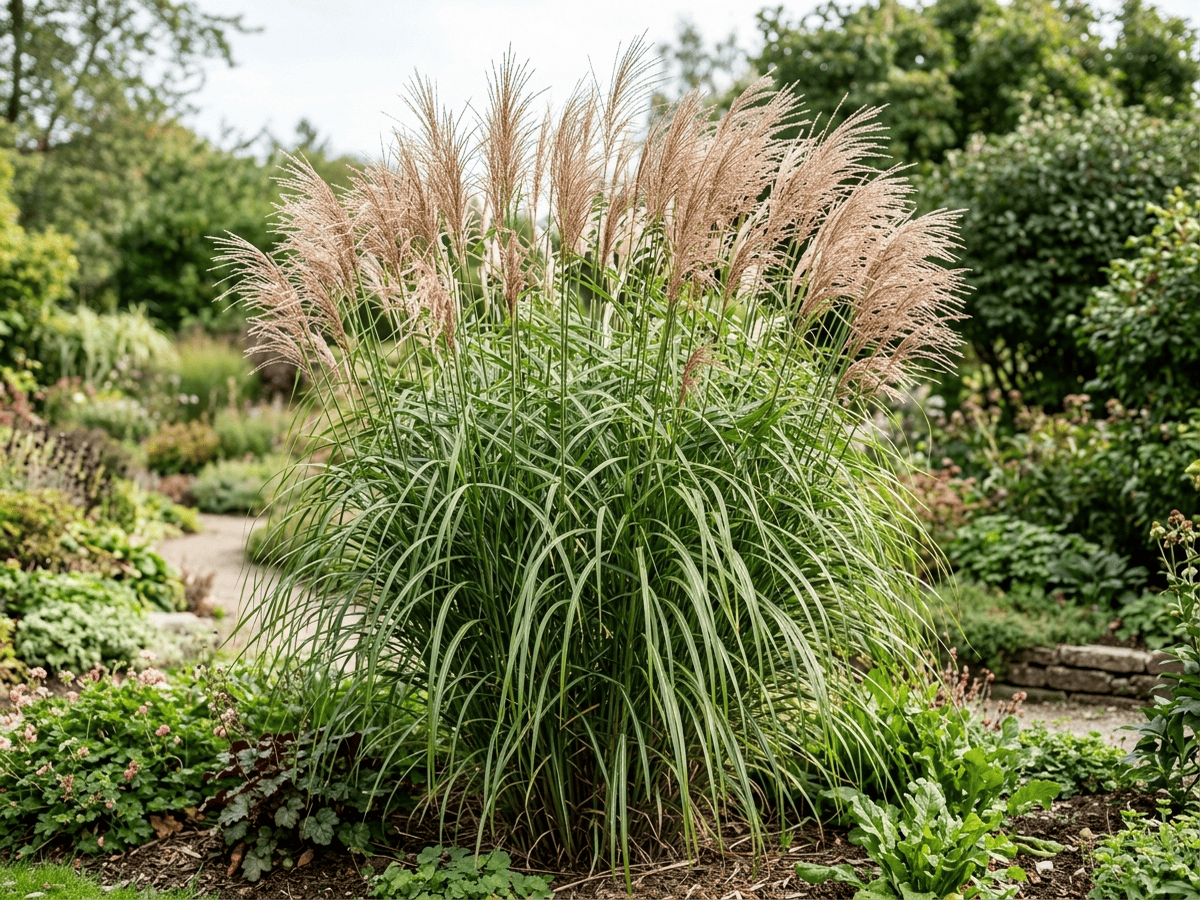 Pacific Island SilvergrassMiscanthus floridulus
 Chinese Silver GrassMiscanthus sinensis
 Chinese Silver GrassMiscanthus transmorrisonensis
Plants with similar care
 Chinese AbeliaAbelia chinensis
 Fragrant AbeliaAbelia mosanensis
 Large-Flowered AbeliaAbelia uniflora
 Glossy AbeliaAbelia x grandiflora
Frequently asked questions
How often should I water Small Japanese Silver Grass?
In summer, water about every 14 days; in winter, about every 30 days. Adjust for heat, pot size and drainage.
How much light does Small Japanese Silver Grass need?
Full sun: 6+ hrs direct. Watch the leaves — scorching or stretching means the light needs adjusting.
Is Small Japanese Silver Grass toxic to cats or dogs?
Pets Safe (Dogs Safe · Cats Safe) Educational information, not medical or veterinary advice. If exposure is suspected, contact a doctor or veterinarian.
Is Small Japanese Silver Grass easy to grow?
Yes — it is considered an easy, beginner-friendly plant.
When does Small Japanese Silver Grass bloom?
It typically blooms Jun–Sep in the Northern Hemisphere.
YardMate
Identify any plant in seconds
Snap a photo — YardMate names the plant, diagnoses problems, and reminds you when to water.
Download on the App Store