 YardMate


Chinese Silver Grass
Miscanthus sinensis
Easy · Beginner friendlyAbout Chinese Silver Grass
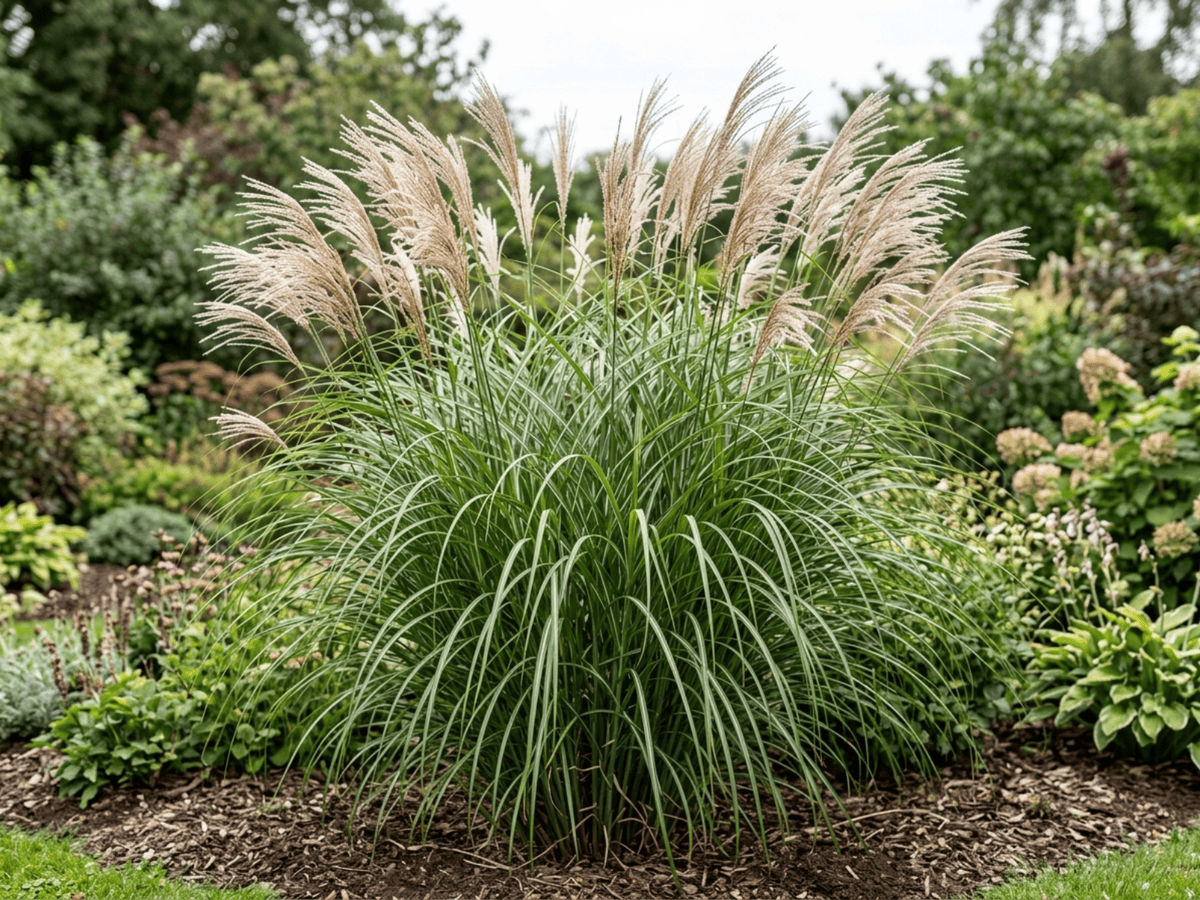
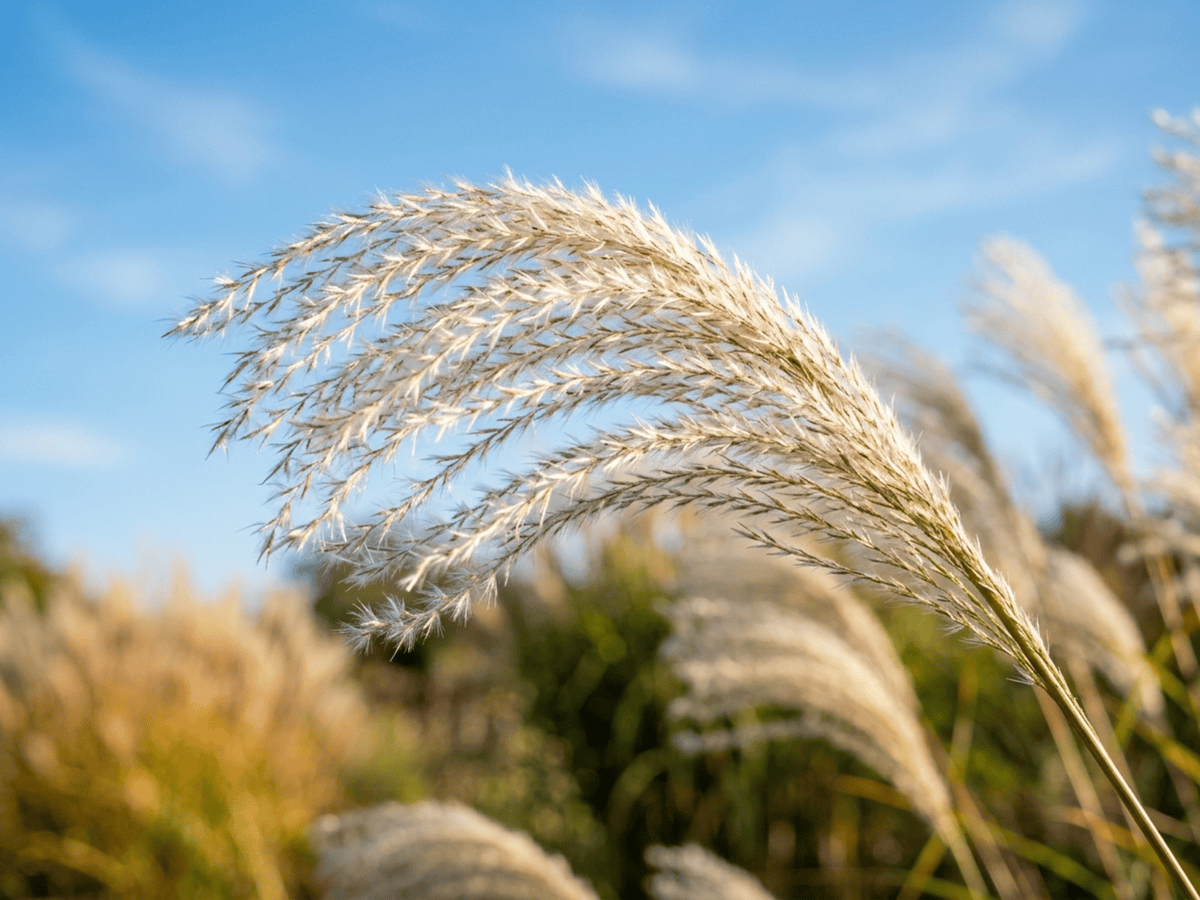
Miscanthus sinensis, Chinese silver grass or maiden grass, is a majestic ornamental grass native to East Asia. It forms large fountain-shaped clumps 1.5–3 meters tall with narrow arching leaves and spectacular feathery plumes that emerge in late summer and persist through winter. The plumes start silvery-pink and age to fluffy white, catching the autumn light beautifully. Hundreds of cultivars have been selected, ranging from compact dwarf forms to towering giants, with foliage variations including zebra-striped, gold-banded, and fine-textured types. It provides outstanding four-season interest — fresh green growth in spring, graceful movement in summer breezes, golden plumes in autumn, and architectural tan skeletons in winter. It prefers full sun and tolerates a wide range of soils. In some warmer regions it can self-seed aggressively, though modern cultivars like 'Gracillimus' are less problematic. Cut back to the ground in late winter before new growth emerges.
- Architectural
How to care for Chinese Silver Grass
Watering
- Springevery 7 days
- Summerevery 5 days
- Fallevery 14 days
- Winterevery 30 days
Soil · Well-draining
- Top dressingPine bark mulch10%
- Main mixPotting soil + perlite 2:170%
- DrainageLECA / gravel20%
Never skip the drainage layer — standing water is the top cause of root rot.
FERTILIZER
- Springevery 60 days
At a Glance
- NativeEast Asia
- Height4–8 ft (1.2–2.4 m)
- Spread3–6 ft (0.9–1.8 m)
- Flower colorPink, White, Cream
- Foliage colorGreen, Variegated, Yellow, Red
- SoilLoamy, Well-drained
- LocationsYard
Bloom time
BLOOM CYCLE
Peak bloom
Aug–Sep
Silvery-pink plumes in late summer age to white; leave standing for winter structure
Fragrance
NO FRAGRANCE
No notable fragrance.
Toxicity
No toxicity has been reported for this plant. Still, it is wise to keep pets from chewing on any houseplant.
Educational information, not medical or veterinary advice. If exposure is suspected, contact a doctor or veterinarian.
DISTRIBUTION


- Native
- Introduced
- East Asia
History

Miscanthus sinensis is native to East Asia — China, Korea, Japan, and Taiwan — where it grows as a dominant tall-grass species on mountain slopes, abandoned farmland, and disturbed open ground. In Japan it is called "susuki" (ススキ) and is one of the seven traditional autumn wildflowers ("aki no nanakusa"); its silvery autumn plumes blown by mountain wind are a central image of Japanese autumn in painting, tea-ceremony seasonal design, and haiku tradition, and it is one of the plants traditionally offered at Tsukimi (moon-viewing) festivals. In rural Japan, susuki was the primary thatching material for the "kayabuki" roofs of traditional farmhouses, harvested annually from community grassland ("kayaba") held specifically for thatching.
It was introduced to European and American horticulture in the 19th century and, through the work of Karl Foerster in early 20th-century Germany and the Oehme-van Sweden "New American Garden" movement from the 1970s onward, became one of the most widely planted ornamental grasses of contemporary naturalistic design. Major cultivars include "Gracillimus," "Morning Light," "Malepartus," "Variegatus," and "Zebrinus."
However, seed-fertile forms escape cultivation easily, and Miscanthus sinensis is now listed as invasive in several eastern US states. Miscanthus has been a sacred grass in Japanese culture for over a thousand years.
Symbolism & meaning
What It Symbolizes
Chinese Silver Grass expresses grace, its elegant arching form and silver-tasseled plumes swaying with every breeze in slow autumn light. In Japanese aesthetics it also carries impermanence, celebrated as a symbol of autumn's fleeting beauty in the seasonal poems and paintings of the Edo period. It is often read as a flower of mono no aware, the bittersweet awareness that the most beautiful seasons are also the ones already passing.
- Grace — its elegant arching form and swaying plumes embody natural grace
- Impermanence — celebrated in Japanese aesthetics as a symbol of autumn's fleeting beauty
Where the Name Comes From
The name Chinese Silver Grass describes its grasslike foliage. Miscanthus from Greek 'mischos' (stem) and 'anthos' (flower), referring to the stalked flower spikelets. Sinensis means 'from China'.
Uses & Fun Facts
- Feathery silver plumes persist through winter borders
- Tall fountain clumps form summer privacy screens
- Plumes harvested for fall and winter dried arrangements
- Cultivated as bioenergy biomass and biofuel crop
Related plants
More Miscanthus plants
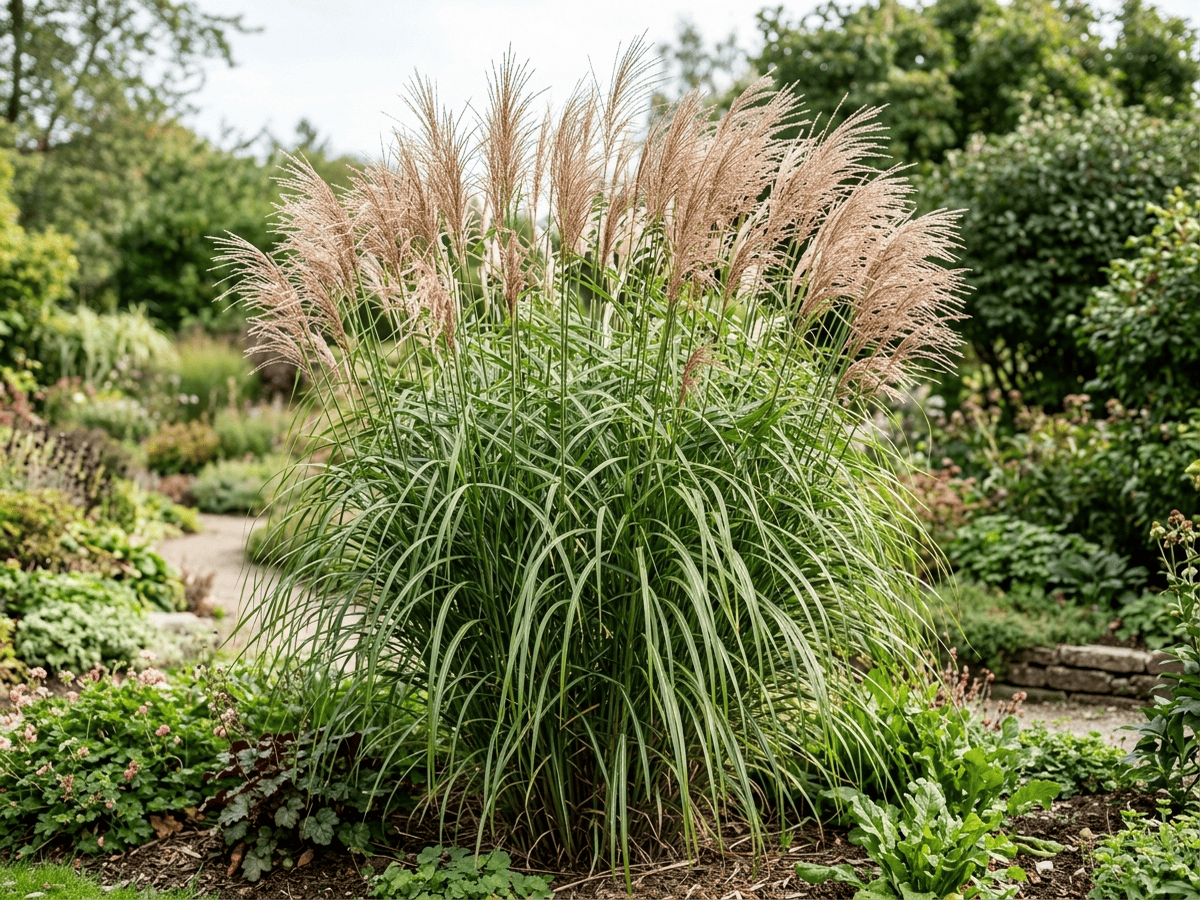 Pacific Island SilvergrassMiscanthus floridulus
 Small Japanese Silver GrassMiscanthus oligostachyus
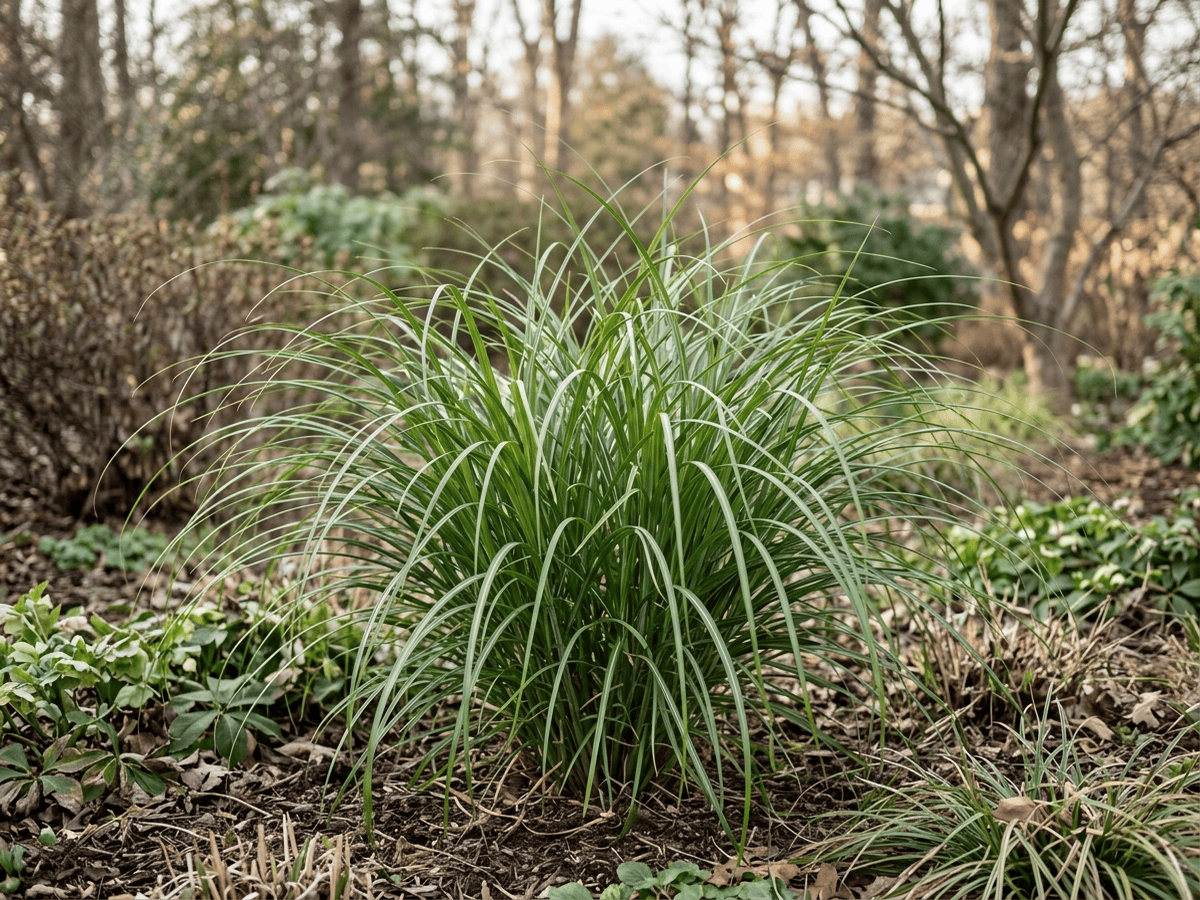 Chinese Silver GrassMiscanthus transmorrisonensis
Plants with similar care
 Chinese AbeliaAbelia chinensis
 Fragrant AbeliaAbelia mosanensis
 Large-Flowered AbeliaAbelia uniflora
 Glossy AbeliaAbelia x grandiflora
Frequently asked questions
How often should I water Chinese Silver Grass?
In summer, water about every 5 days; in winter, about every 30 days. Adjust for heat, pot size and drainage.
How much light does Chinese Silver Grass need?
Full sun: 6+ hrs direct. Watch the leaves — scorching or stretching means the light needs adjusting.
Is Chinese Silver Grass toxic to cats or dogs?
No toxicity has been reported for this plant. Still, it is wise to keep pets from chewing on any houseplant. Educational information, not medical or veterinary advice. If exposure is suspected, contact a doctor or veterinarian.
Is Chinese Silver Grass easy to grow?
Yes — it is considered an easy, beginner-friendly plant.
When does Chinese Silver Grass bloom?
It typically blooms Aug–Sep in the Northern Hemisphere.
YardMate
Identify any plant in seconds
Snap a photo — YardMate names the plant, diagnoses problems, and reminds you when to water.
Download on the App Store