 YardMate
Garden Grape-Hyacinth
Muscari armeniacum
Easy · Beginner friendlyAbout Garden Grape-Hyacinth
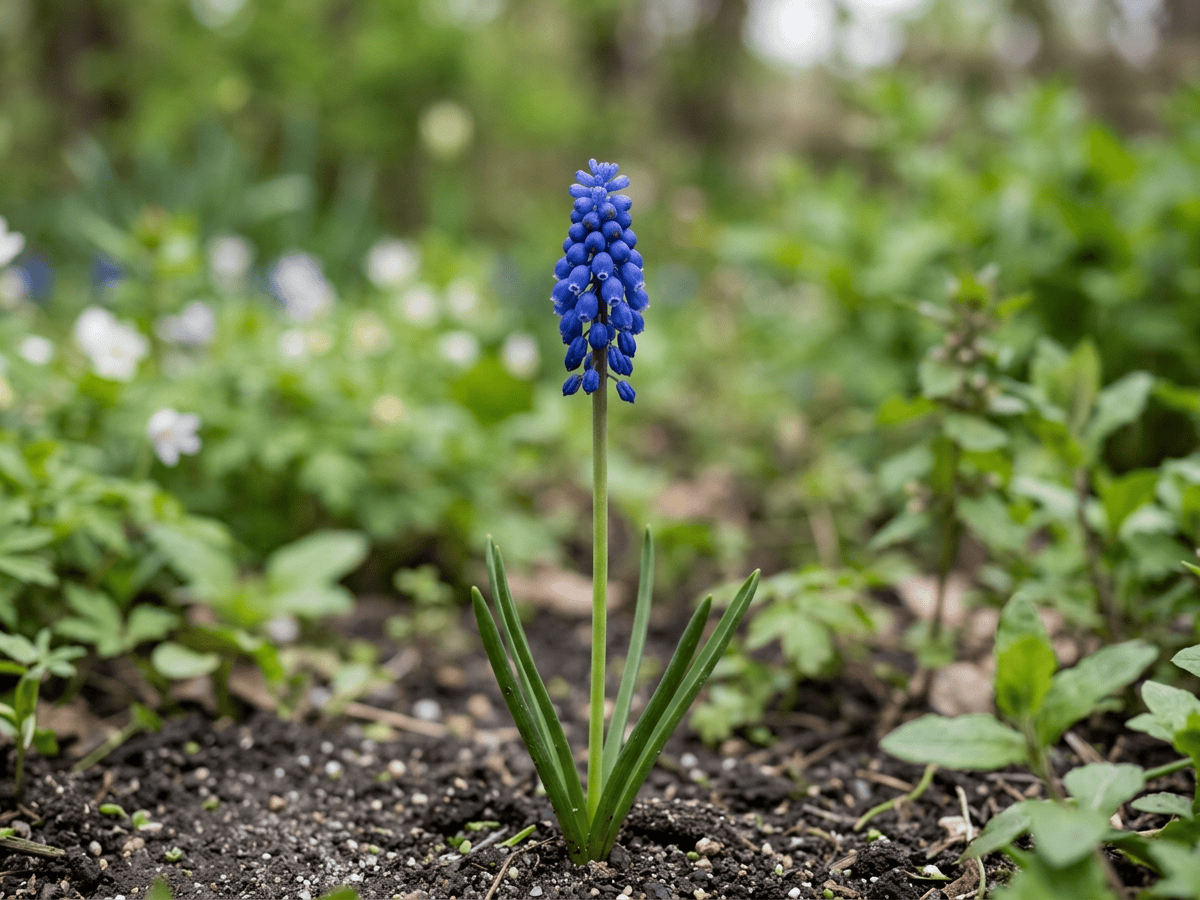
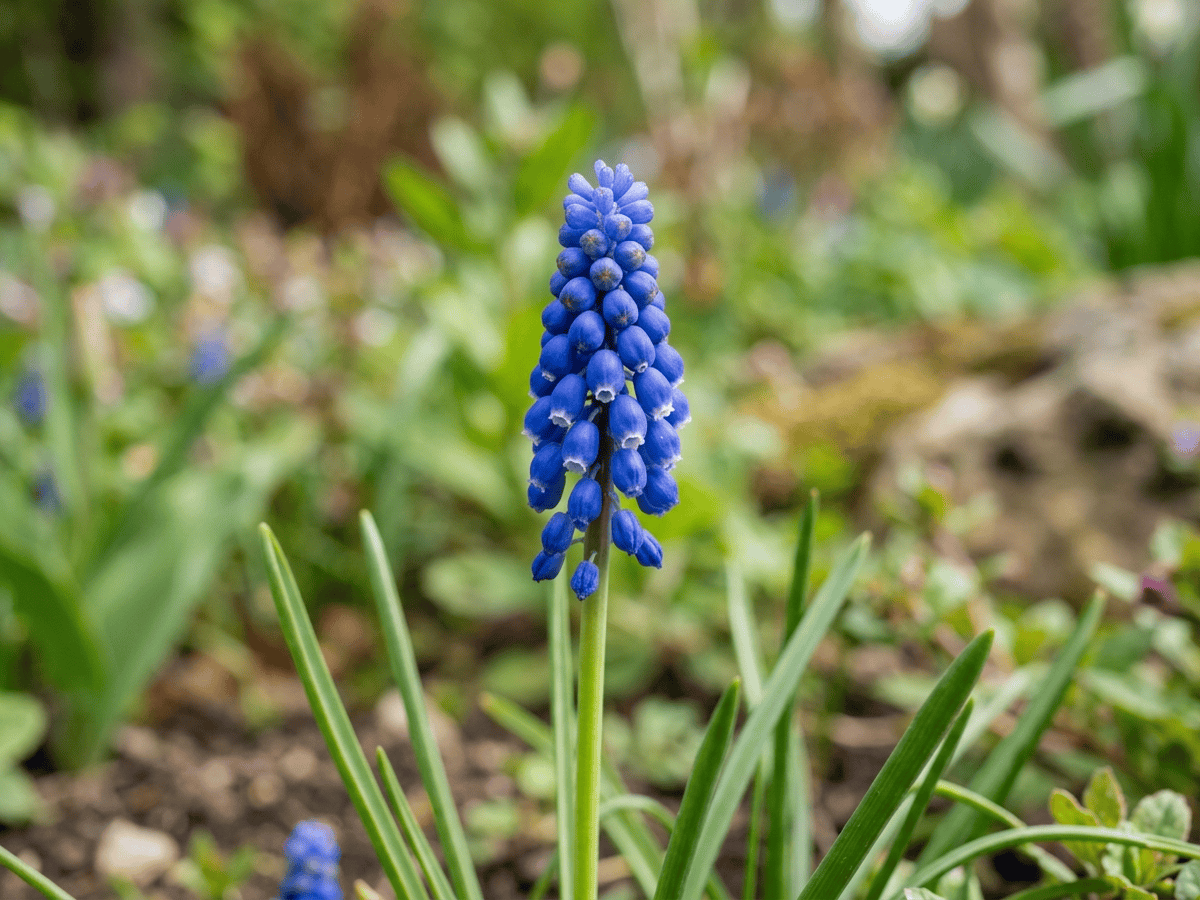
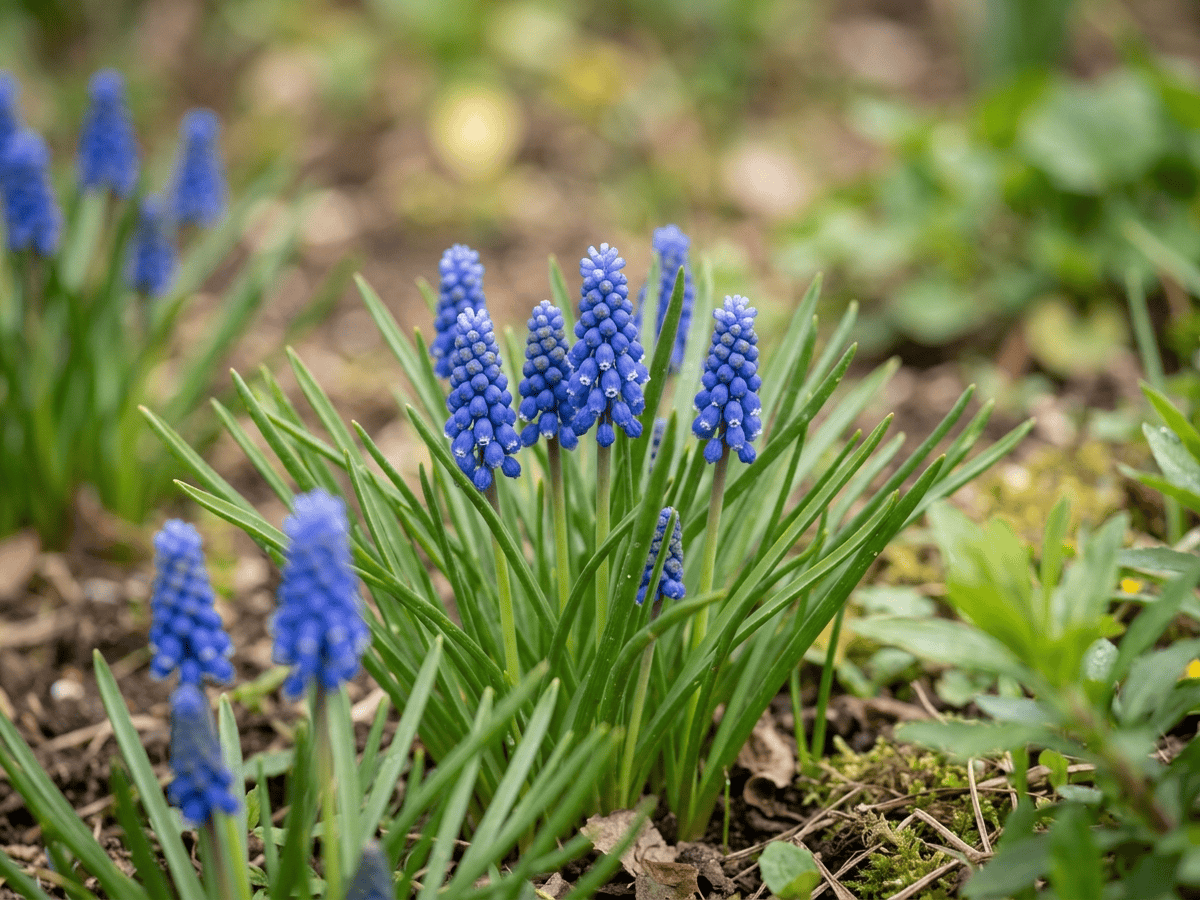
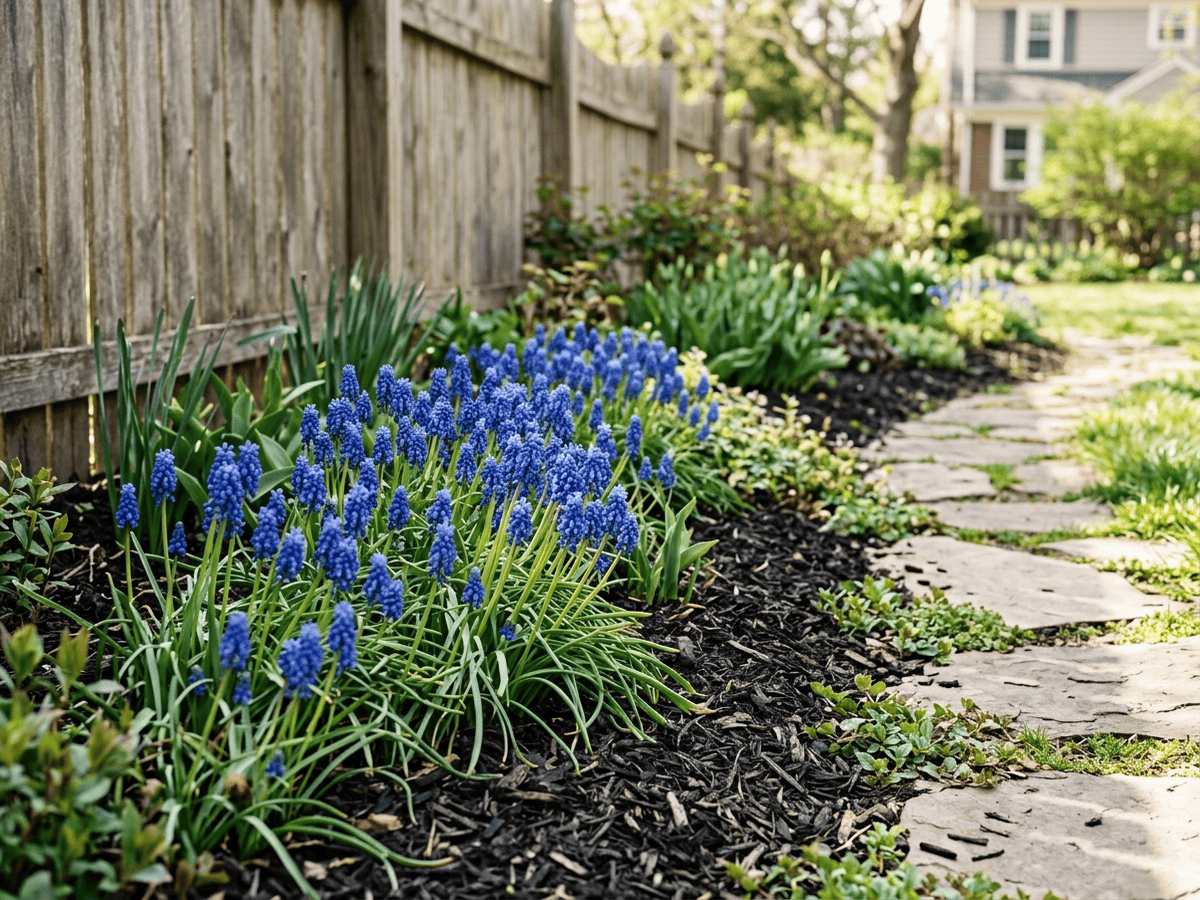
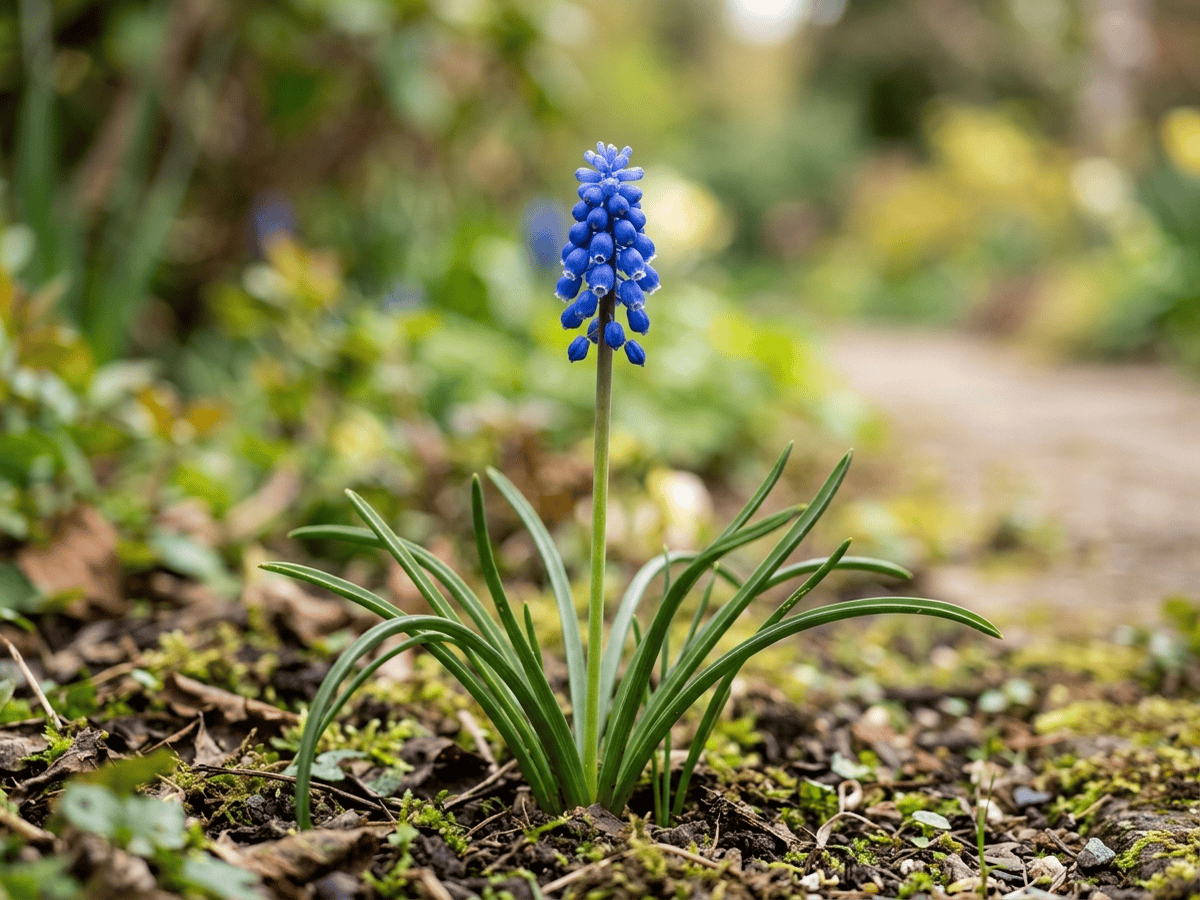
Armenian Grape Hyacinth is the most widely planted grape hyacinth in American gardens, a small spring bulb growing 6 to 8 inches tall with dense spikes of tiny cobalt-blue bell flowers in April. Multiplies freely by seed and bulb offsets to form sweeping blue rivers under trees and along paths. A classic naturalizing bulb for American early-spring gardens.
- Deer-resistant
- Pollinator-friendly
How to care for Garden Grape-Hyacinth
Watering
- Springevery 7 days
- Summerpause watering
- Fallevery 10 days
- Winterevery 14 days
Soil · Well-draining
- Main mixLoam + coarse sand 3:175%
- DrainageGravel25%
Sharp drainage matters most — bulbs rot in wet soil while dormant.
FERTILIZER
- Fallevery 60 days
At a Glance
- NativeEurope, Western Asia
- Height0.5–1 ft (0.2–0.3 m)
- Spread0.25–0.5 ft (0.1–0.2 m)
- Flower colorBlue, Purple
- Foliage colorGreen
- SoilLoamy, Well-drained, Neutral
- LocationsYard
Bloom time
BLOOM CYCLE
Peak bloom
Apr
Cobalt-blue bell clusters in April
Fragrance
LIGHT FRAGRANCE
The flowers have a lightly sweet, reminiscent of grape jelly scent.
Toxicity
Humans Slight
saponins
Slight
- Bulb
- Ingestion
EXPOSURE Eating bulbs.
EFFECT Vomiting and diarrhea.
NOTE Documented concern for humans: Vomiting and diarrhea.
Safe
EXPOSURE No exposure route is reported.
EFFECT No toxic effect is reported.
NOTE Listed as non-toxic for dogs; avoid eating ornamental plants unless confirmed edible.
Safe
EXPOSURE No exposure route is reported.
EFFECT No toxic effect is reported.
NOTE Listed as non-toxic for cats; avoid eating ornamental plants unless confirmed edible.
Educational information, not medical or veterinary advice. If exposure is suspected, contact a doctor or veterinarian.
DISTRIBUTION


- Native
- Introduced
- Europe
- Western Asia
History
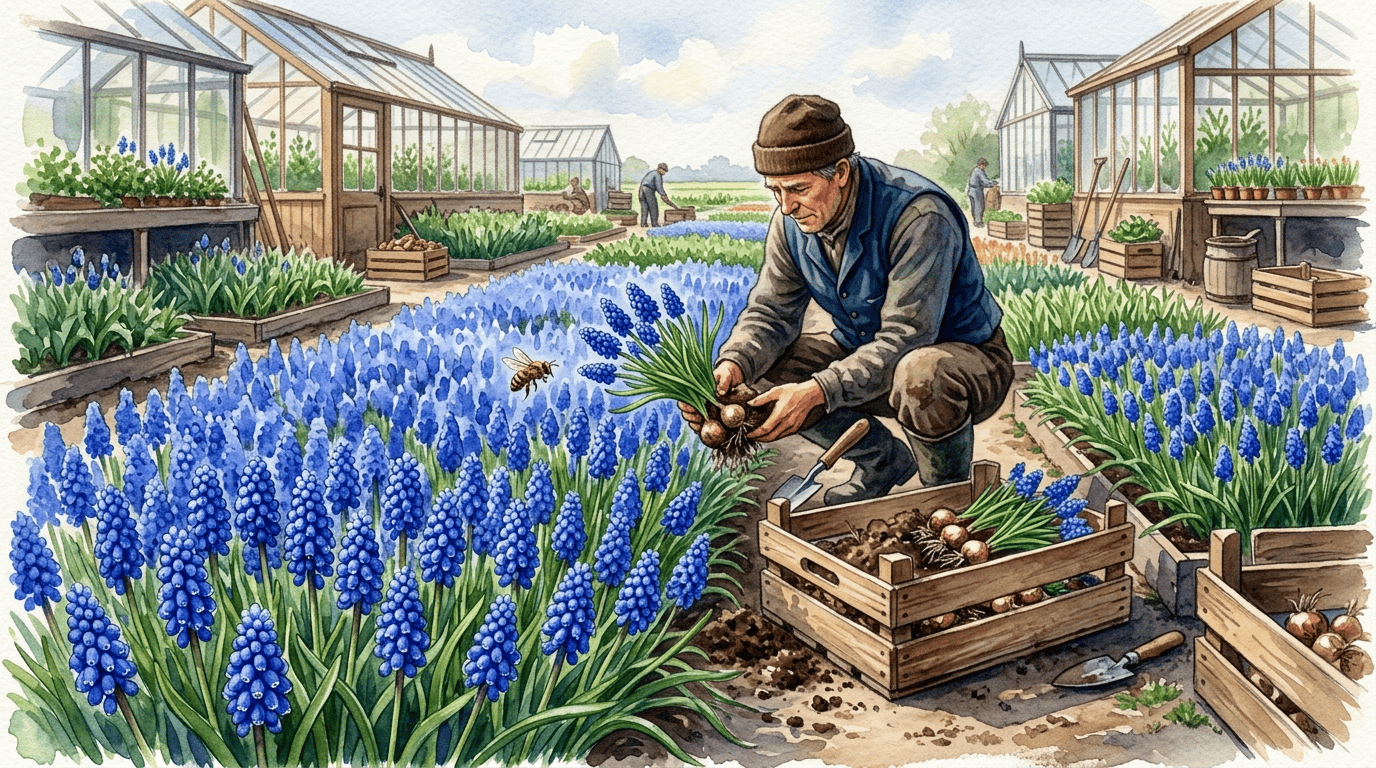
Muscari armeniacum grows in mountain meadows and oak woodlands from the Balkans through Turkey and into Armenia and the Caucasus. The English botanist John Gilbert Baker described it at Kew in 1878. Although the related M. neglectum and M. comosum had been cultivated in Europe since the 16th century, M. armeniacum displaced them in popularity after its introduction because of brighter cobalt-blue flowers and greater garden vigor.
Dutch bulb houses including Van Tubergen distributed it worldwide in the late 19th century. Its greek-urn shaped flowers produce a light grape-jelly fragrance noted by beekeepers. The cultivar 'Blue Spike' (double-flowered, 1950s) and 'Valerie Finnis' (pale blue, 1980s) remain widely grown.
The species naturalizes freely and is used for bulb meadow and drift plantings. Native to Armenia, Turkey, and the Caucasus, introduced to European gardens in the early 1800s and to American gardens by the late 19th century. Now one of the top-selling spring bulbs in the US for its reliability, affordability, and tendency to form breathtaking blue drifts over decades in naturalized plantings.
Symbolism & meaning
What It Symbolizes
Garden Grape-Hyacinth expresses early joy, rivers of cobalt blue threading through borders to signal that spring has truly arrived. Its multiplying grace is part of its meaning, naturalizing slowly into magnificent drifts that grow more impressive with each passing year. It is often read as a flower of patient generosity, a small bulb whose modest first planting becomes a gift to every later season, blue lakes building themselves over decades.
- Early joy — rivers of blue signal spring's arrival
- Multiplying grace — spreads into magnificent drifts
Where the Name Comes From
'Muscari' from Greek 'moschos' meaning musk, for the musky scent; 'armeniacum' refers to Armenia, the type locality.
Uses & Fun Facts
- Cobalt-blue spikes form rivers under deciduous trees
- Early spring nectar source for emerging bees
Related plants
More Muscari plants

Plants with similar care
 Chinese AbeliaAbelia chinensis
 Fragrant AbeliaAbelia mosanensis
 Large-Flowered AbeliaAbelia uniflora
 Glossy AbeliaAbelia x grandiflora
Frequently asked questions
How often should I water Garden Grape-Hyacinth?
Water about every 7 days during the growing season, and always let excess water drain away.
How much light does Garden Grape-Hyacinth need?
Full sun: 6+ hrs direct. Watch the leaves — scorching or stretching means the light needs adjusting.
Is Garden Grape-Hyacinth toxic to cats or dogs?
Pets Safe (Dogs Safe · Cats Safe) Educational information, not medical or veterinary advice. If exposure is suspected, contact a doctor or veterinarian.
Is Garden Grape-Hyacinth easy to grow?
Yes — it is considered an easy, beginner-friendly plant.
When does Garden Grape-Hyacinth bloom?
It typically blooms Apr in the Northern Hemisphere.
YardMate
Identify any plant in seconds
Snap a photo — YardMate names the plant, diagnoses problems, and reminds you when to water.
Download on the App Store