 YardMate

Broad-Leaved Grape-Hyacinth
Muscari latifolium
Easy · Beginner friendlyAbout Broad-Leaved Grape-Hyacinth
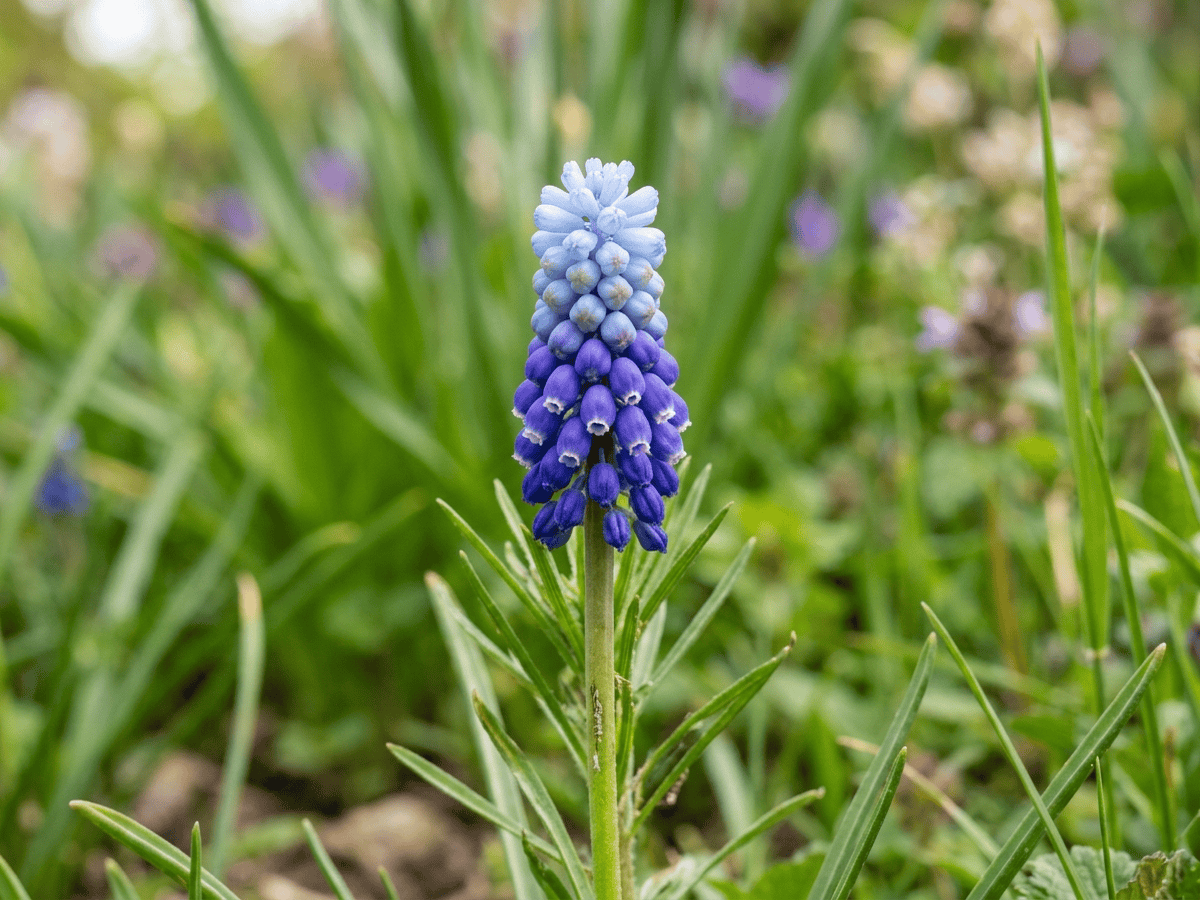
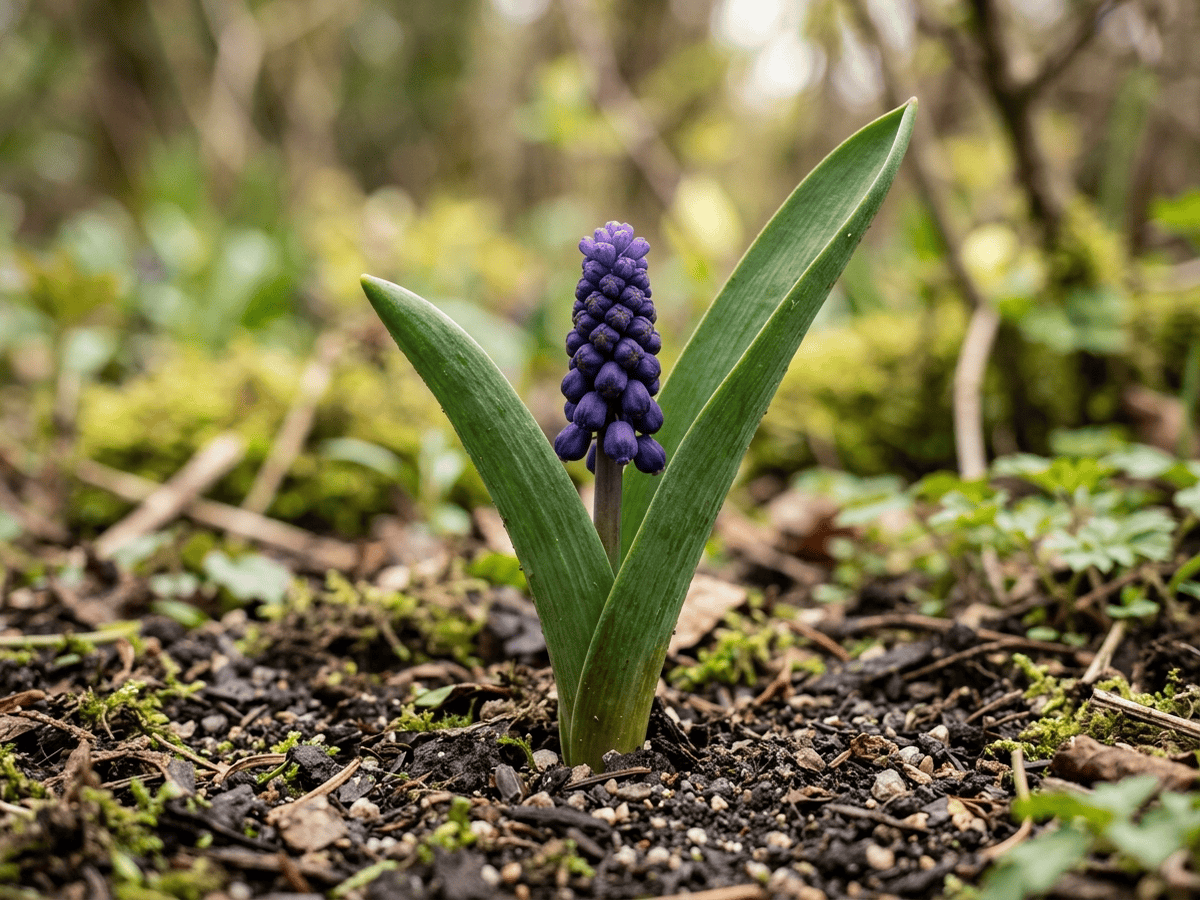
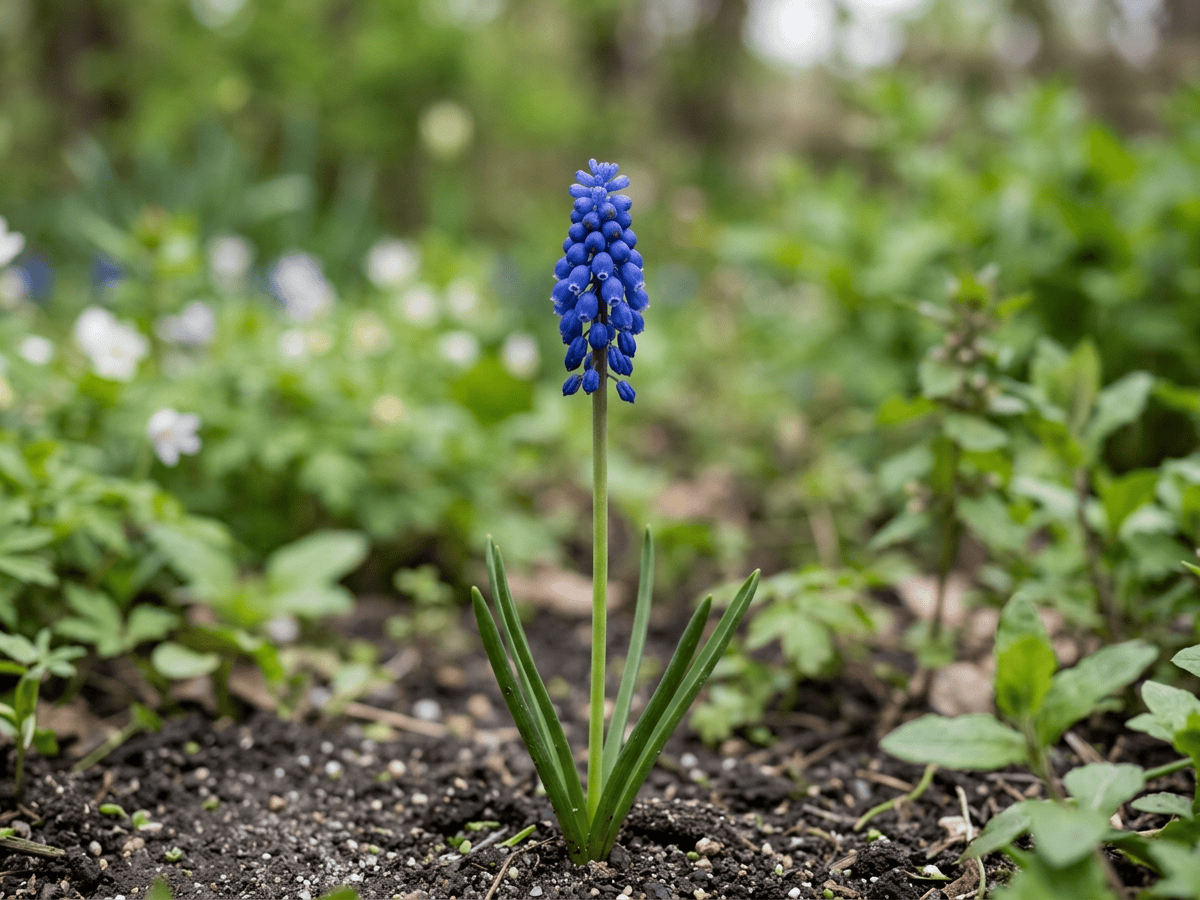
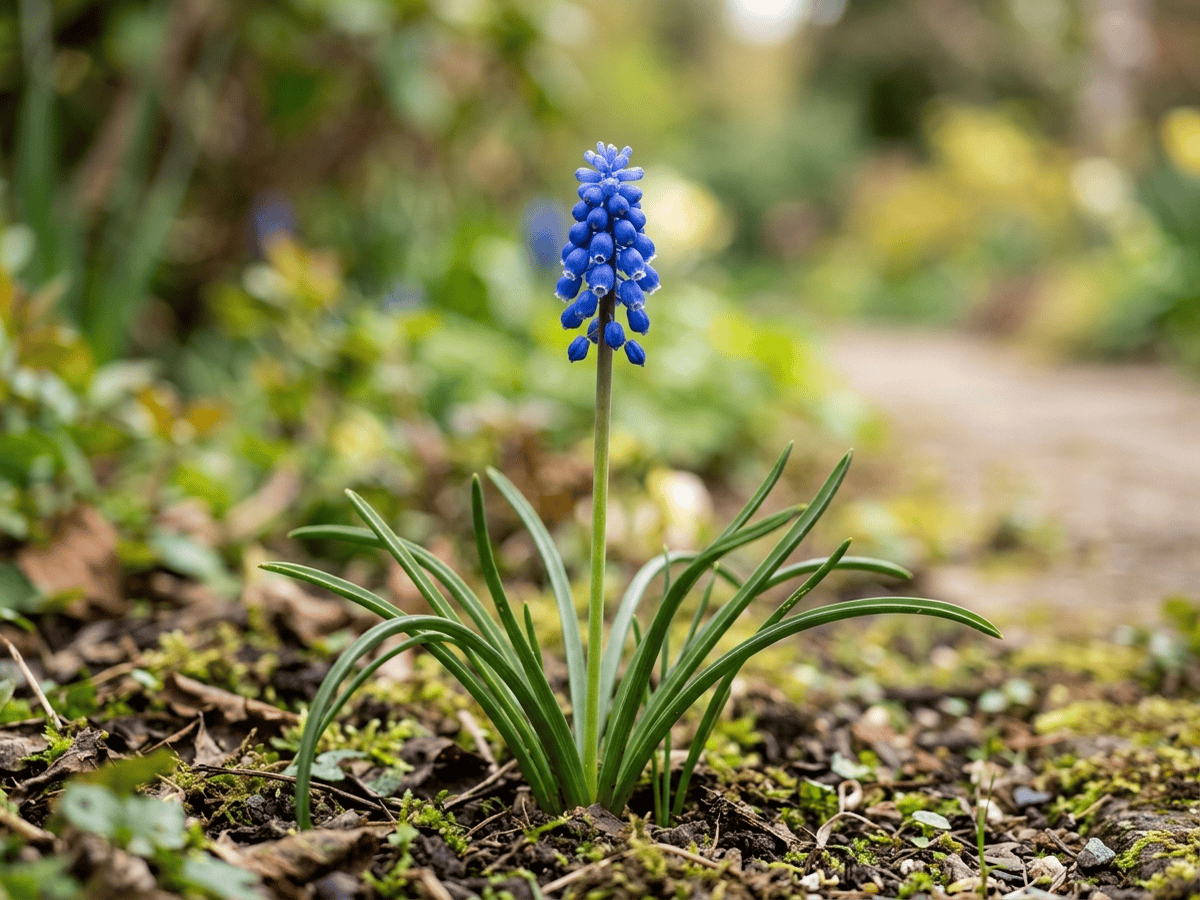
Broad-leaved Grape Hyacinth is a Turkish native spring bulb distinctive for its single broad leaf per bulb and bicolor flower spike with dark blue-purple fertile flowers topped by lighter sky-blue sterile flowers. Growing 8 to 10 inches tall, it is a choice selection for American specialty spring bulb plantings, offering unique two-tone interest that typical grape hyacinths lack.
- Deer-resistant
How to care for Broad-Leaved Grape-Hyacinth
Watering
- Springevery 7 days
- Summerpause watering
- Fallevery 10 days
- Winterevery 14 days
Soil · Well-draining
- Main mixLoam + coarse sand 3:175%
- DrainageGravel25%
Sharp drainage matters most — bulbs rot in wet soil while dormant.
FERTILIZER
- Fallevery 60 days
At a Glance
- NativeWestern Asia
- Height0.5–1 ft (0.2–0.3 m)
- Spread0.3–0.5 ft (0.1–0.2 m)
- Flower colorPurple, Blue
- Foliage colorGreen
- SoilWell-drained, Loamy
- LocationsYard
Bloom time
BLOOM CYCLE
Peak bloom
Mar–May
Bicolor dark blue with light blue top, mid-spring
Fragrance
LIGHT FRAGRANCE
The flowers have a lightly sweet-scented scent.
Toxicity
Humans Slight · Pets Slight
saponins
Slight
- Bulb
- Ingestion
EXPOSURE Eating bulbs.
EFFECT Vomiting and diarrhea.
NOTE Bulbs may cause mild GI upset.
Slight
- Bulb
- Ingestion
EXPOSURE Eating bulbs.
EFFECT Vomiting and diarrhea.
NOTE Bulbs may cause mild GI upset.
Slight
- Bulb
- Ingestion
EXPOSURE Eating bulbs.
EFFECT Vomiting and diarrhea.
NOTE Bulbs may cause mild GI upset.
Educational information, not medical or veterinary advice. If exposure is suspected, contact a doctor or veterinarian.
DISTRIBUTION


- Native
- Introduced
- Western Asia
History
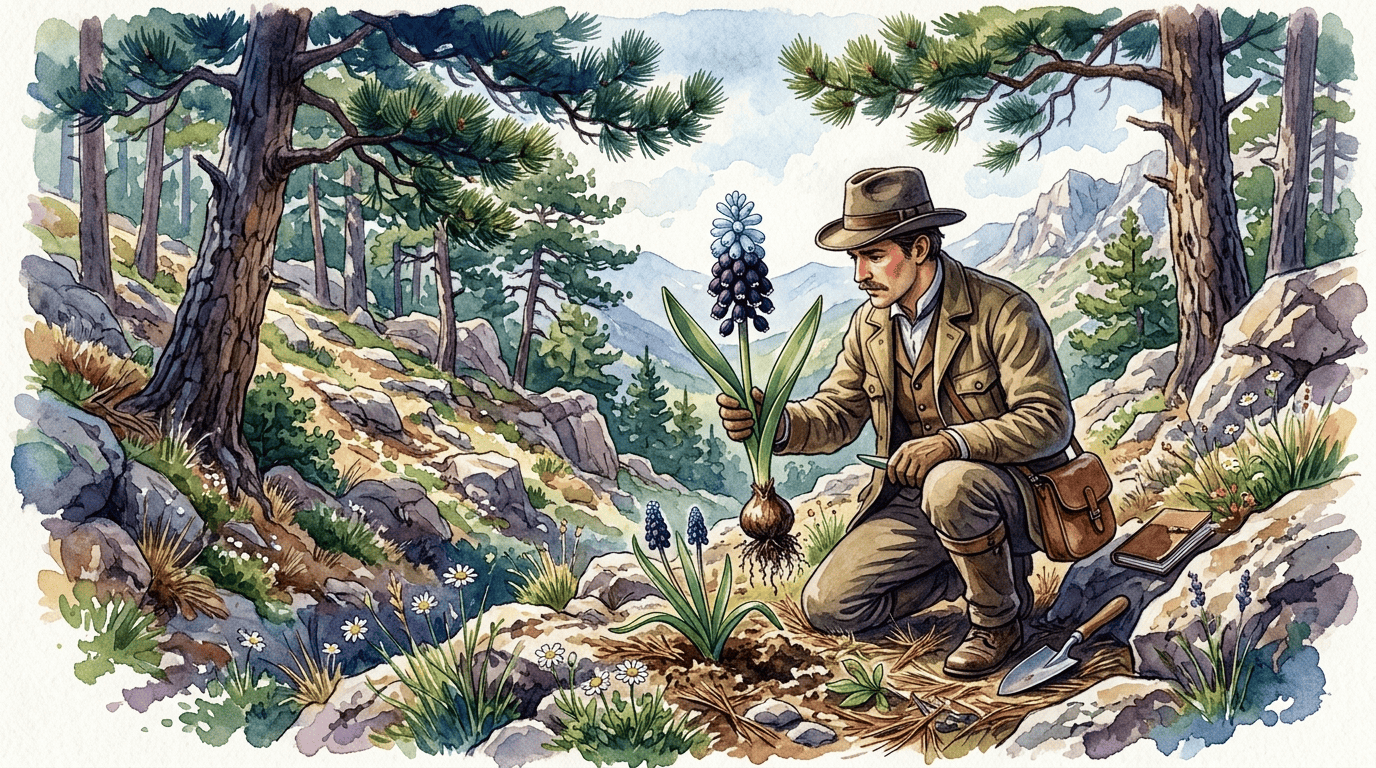
Muscari latifolium grows in open pine forests and rocky slopes of western and southern Turkey. The British botanist John Kirk described the species at Kew in 1874 from collections made during the 19th-century Anatolian botanizing expeditions. Its distinctive combination of a single broad, encompassing leaf per bulb and dramatic two-toned flower spikes — deep purple-black fertile flowers below and pale sterile blue ones above — set it apart from all other Muscari species.
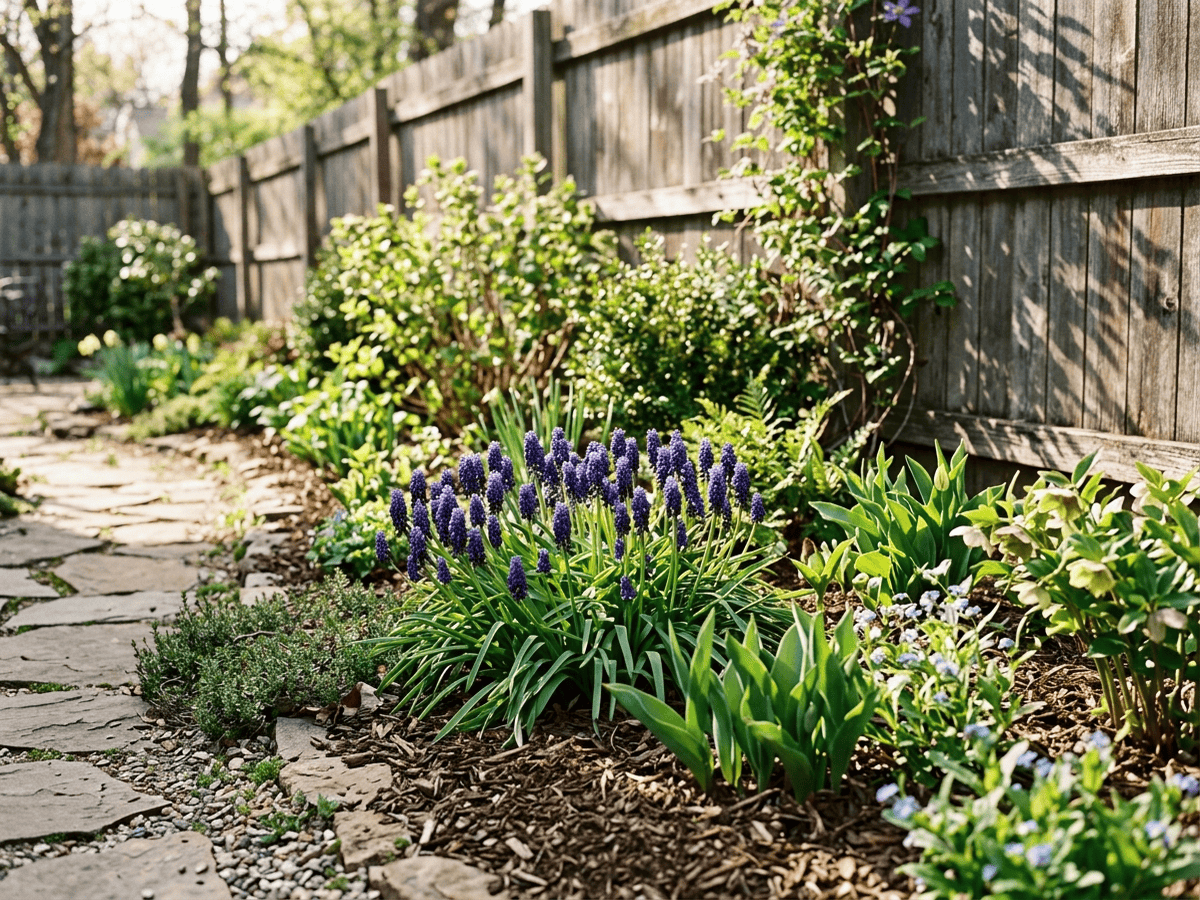
It remained rare in gardens until Dutch bulb exporters Jan Roozen and Van Tubergen promoted it in the 1970s. It received the RHS Award of Garden Merit in 1993. Unlike the spreading M. armeniacum, it stays in tidy clumps making it ideal for formal plantings, rock gardens, and pots.
Widely used by contemporary designers including Dan Pearson. Native to the pine forests of northwestern Turkey, introduced to Western gardens in the mid-1900s and gaining popularity in American specialty bulb markets in the 1990s. Now widely offered by premium bulb suppliers for its distinctive two-tone flower form and single broad leaf, standing apart from common grape hyacinths.
Symbolism & meaning
What It Symbolizes
Broad-Leaved Grape-Hyacinth carries distinguished charm in its two-tone flower spike — dark navy below crowned with paler blue florets, unlike any other muscari. Its heritage lies in the pine forests of northwest Turkey, where it pushes up through the needle litter each spring. Its meaning is the quiet aristocracy of a small bulb that wears its uniqueness without fuss, doubled in color and singular in form.
- Distinguished charm — unique two-tone flower spike
- Turkish pine — from northwest Turkish pine forests
Where the Name Comes From
'latifolium' from Latin means broad-leaved, for the distinctive single wide leaf per bulb.
Uses & Fun Facts
- Two-tone navy and sky-blue spikes for specialty spring bulb plantings
- Early flowers feed emerging bumblebees and mason bees
- Compact bulbs naturalize in pots and rock gardens
Related plants
More Muscari plants
Plants with similar care
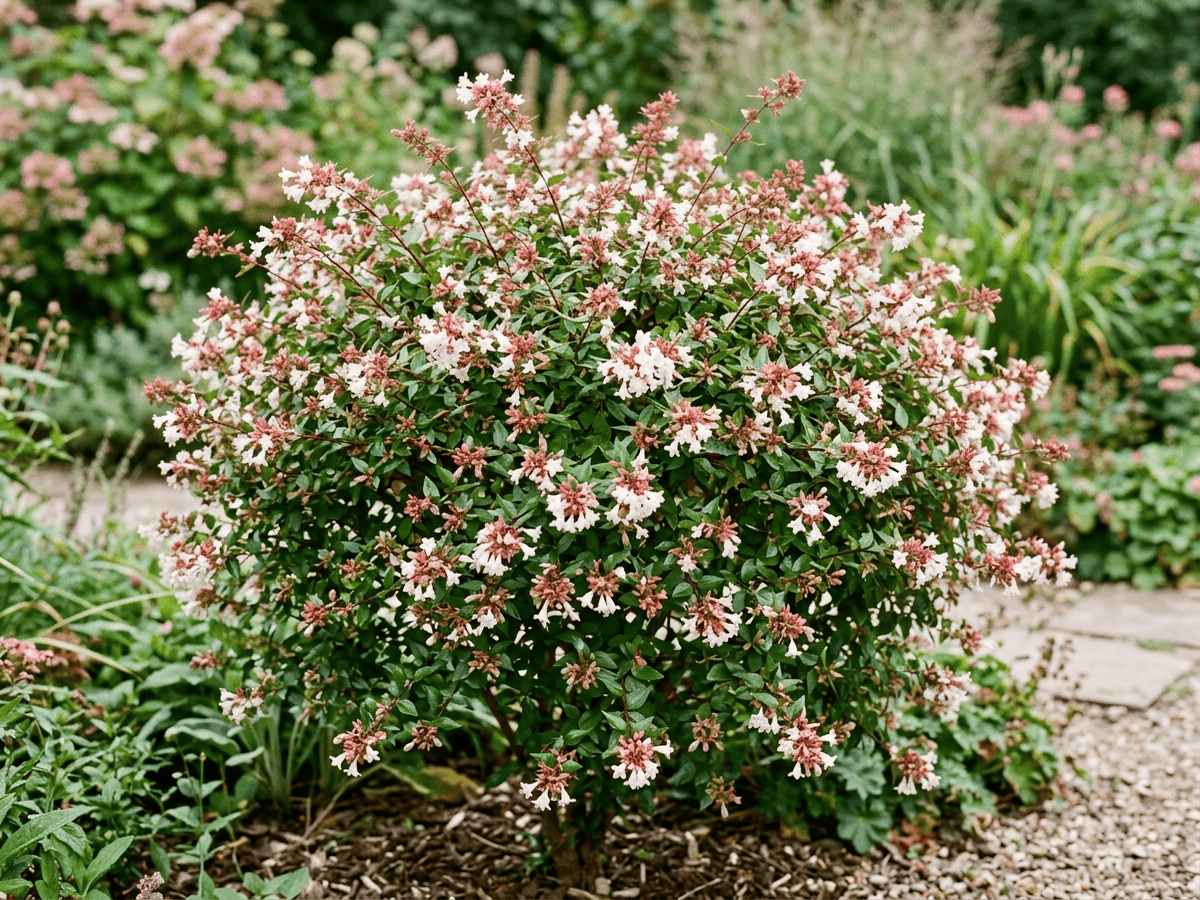 Chinese AbeliaAbelia chinensis
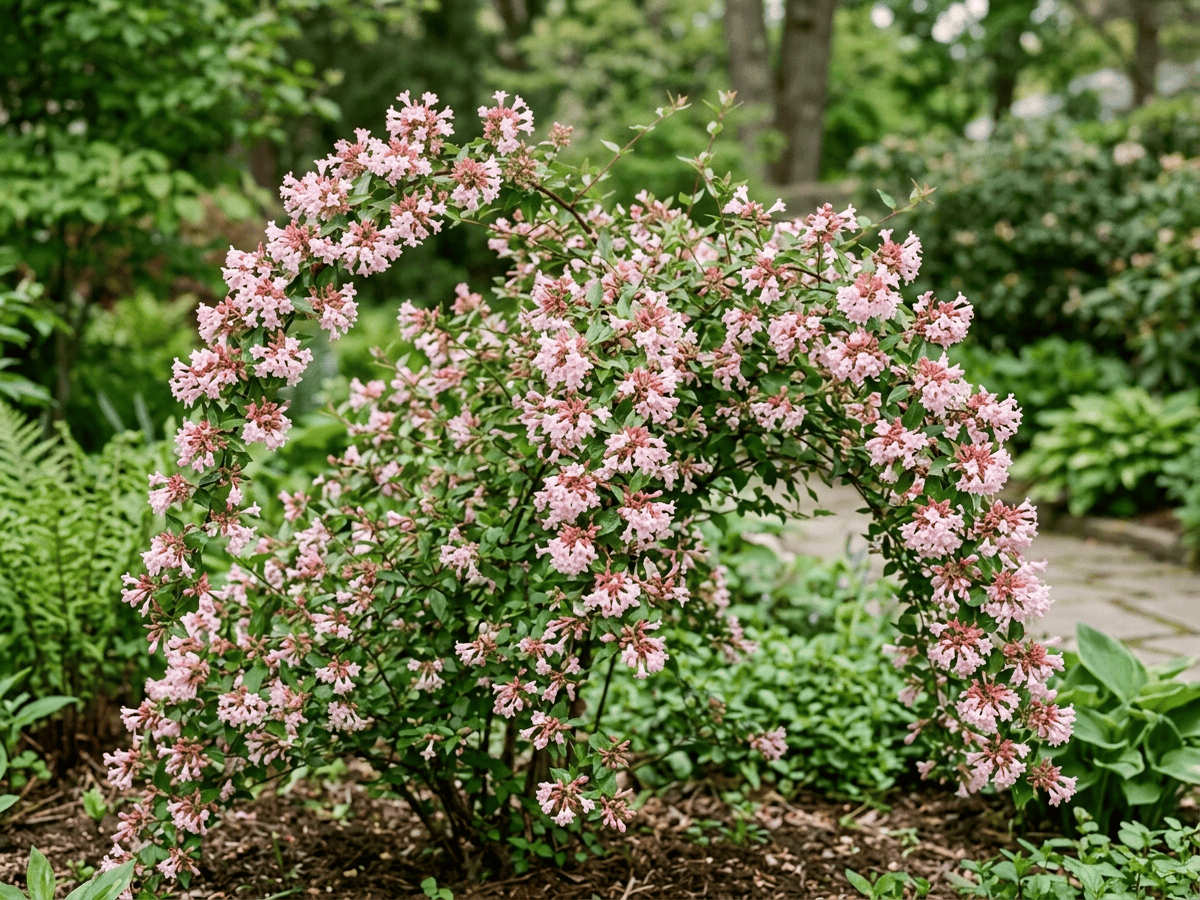 Fragrant AbeliaAbelia mosanensis
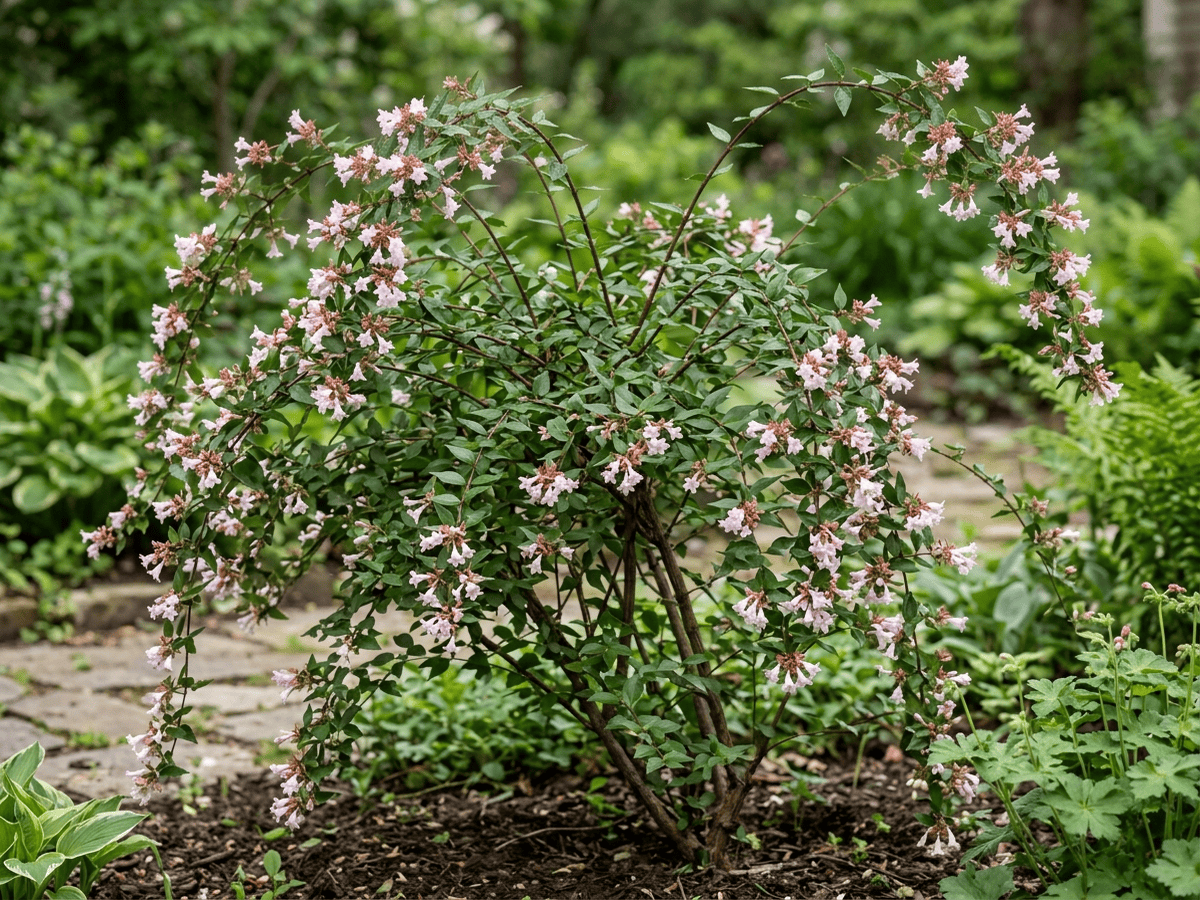 Large-Flowered AbeliaAbelia uniflora
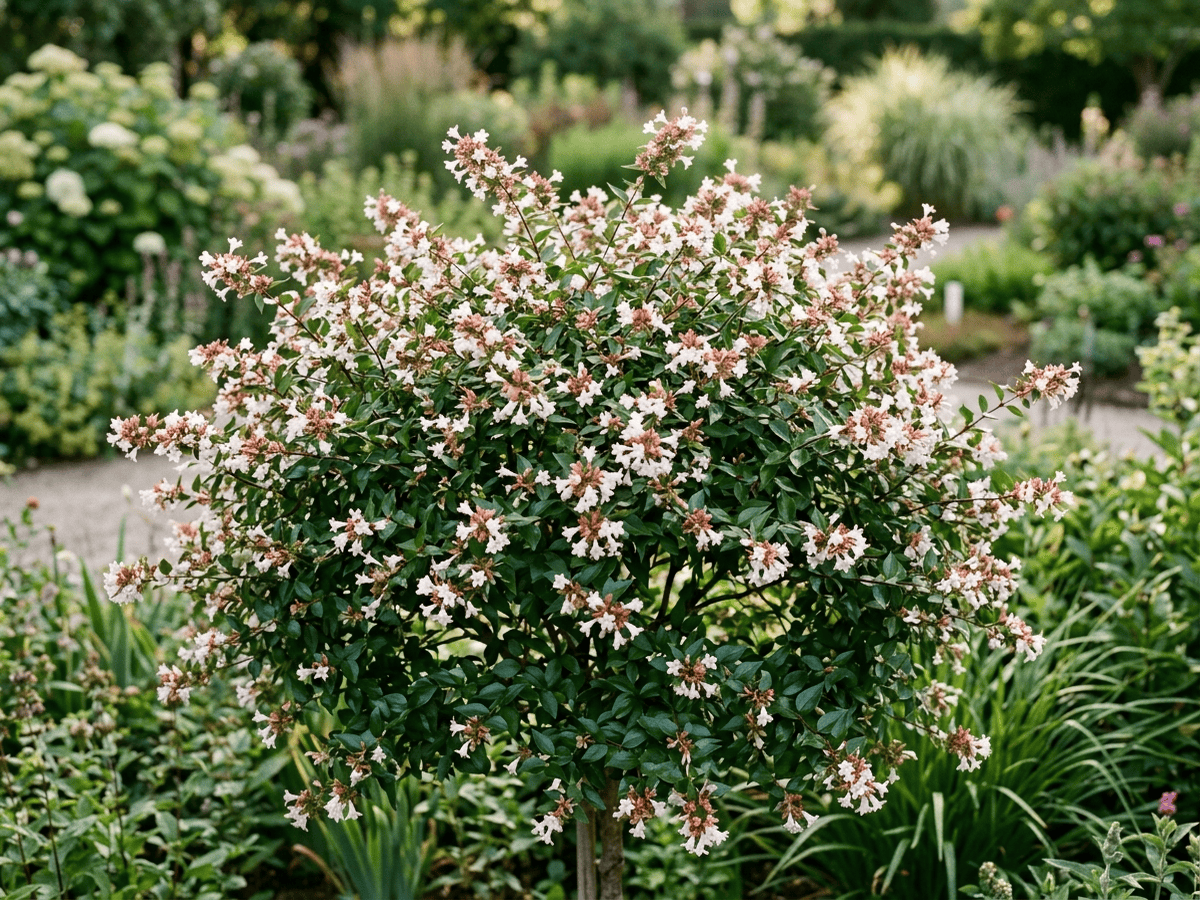 Glossy AbeliaAbelia x grandiflora
Frequently asked questions
How often should I water Broad-Leaved Grape-Hyacinth?
Water about every 7 days during the growing season, and always let excess water drain away.
How much light does Broad-Leaved Grape-Hyacinth need?
Full sun: 6+ hrs direct. Watch the leaves — scorching or stretching means the light needs adjusting.
Is Broad-Leaved Grape-Hyacinth toxic to cats or dogs?
Pets Slight (Dogs Slight · Cats Slight) Educational information, not medical or veterinary advice. If exposure is suspected, contact a doctor or veterinarian.
Is Broad-Leaved Grape-Hyacinth easy to grow?
Yes — it is considered an easy, beginner-friendly plant.
When does Broad-Leaved Grape-Hyacinth bloom?
It typically blooms Mar–May in the Northern Hemisphere.
YardMate
Identify any plant in seconds
Snap a photo — YardMate names the plant, diagnoses problems, and reminds you when to water.
Download on the App Store