 YardMate

Common Grape Hyacinth
Muscari botryoides
Easy · Beginner friendlyAbout Common Grape Hyacinth
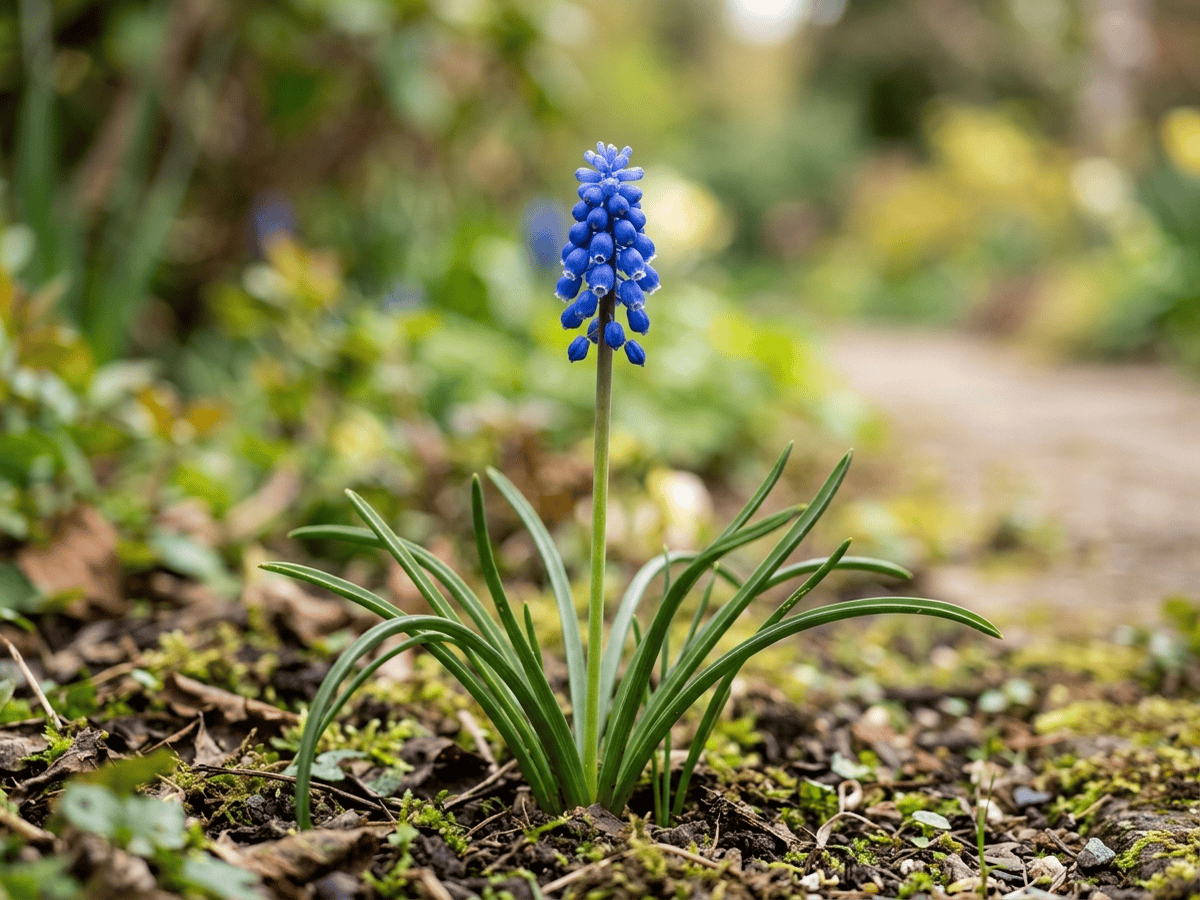
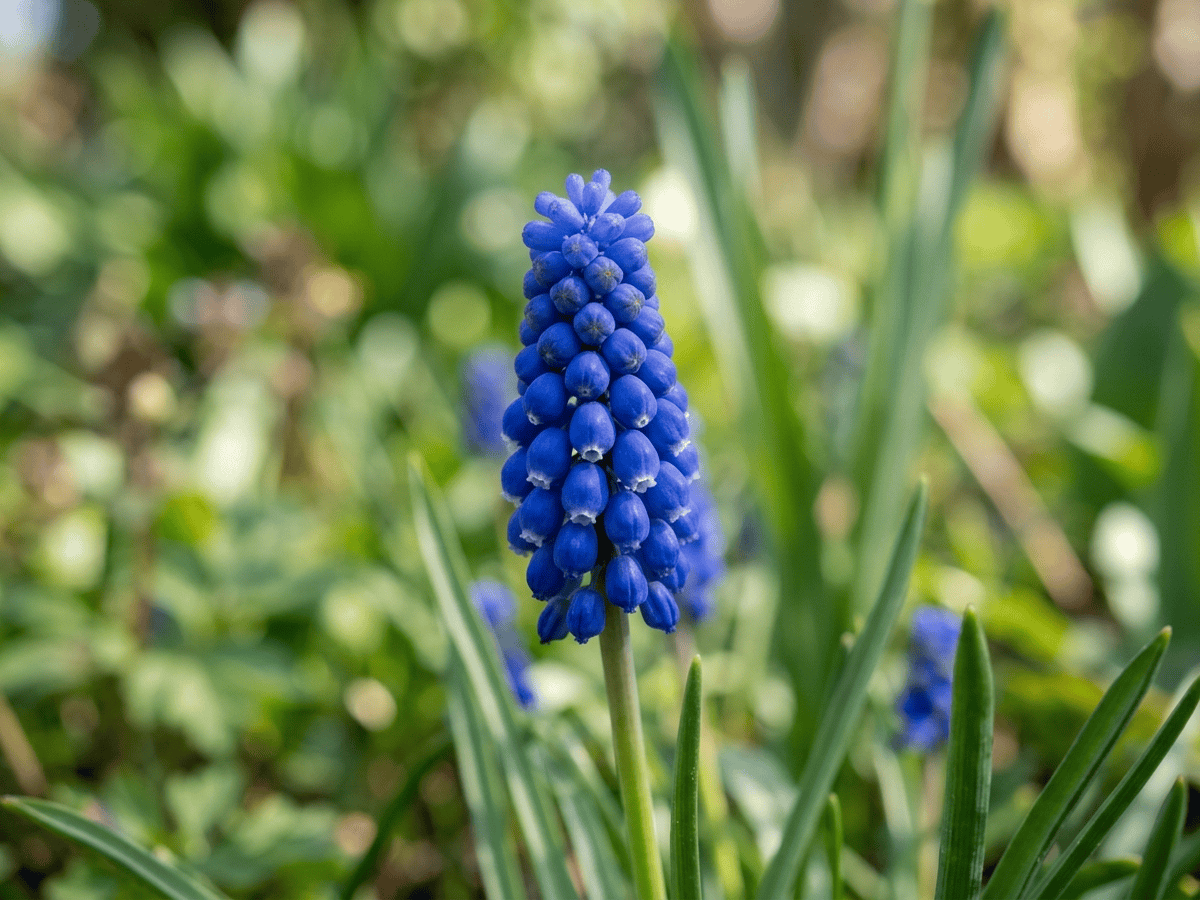
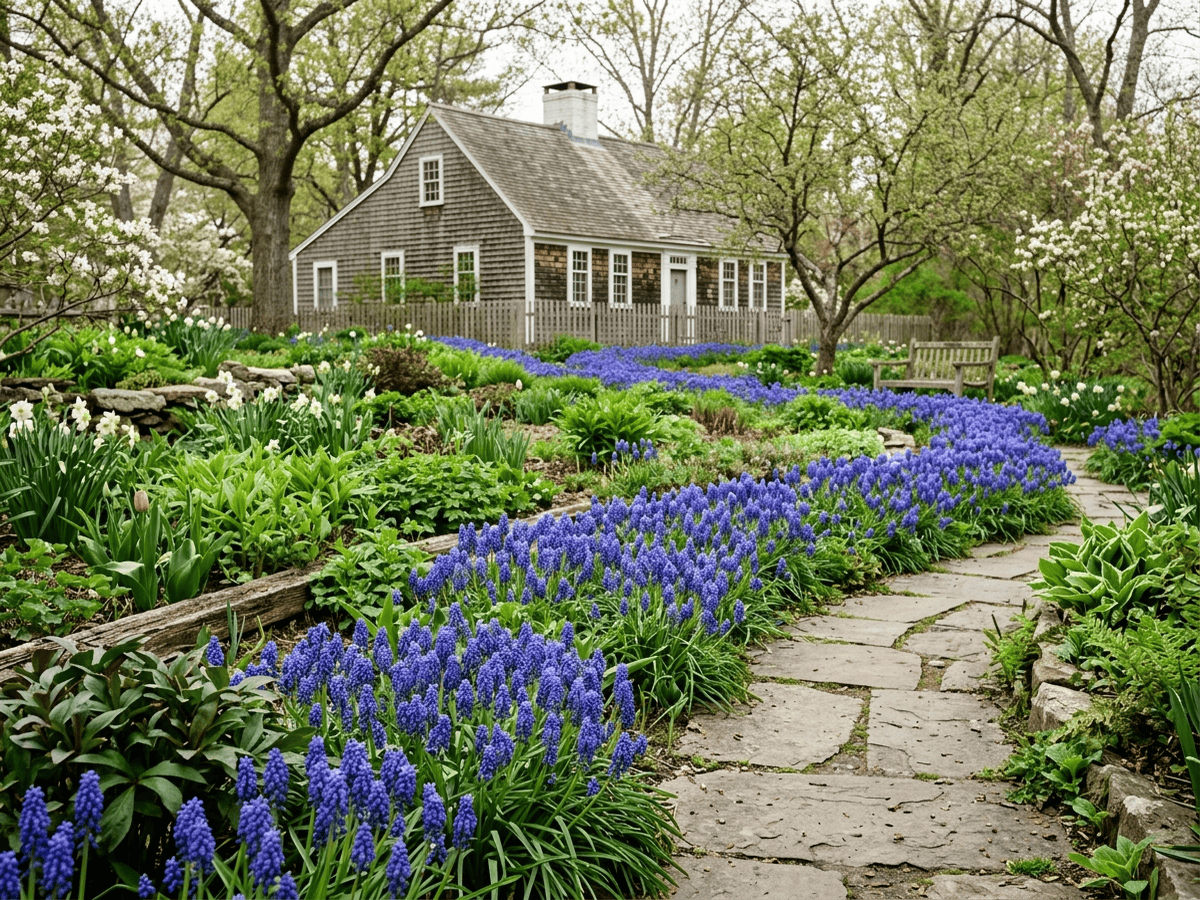
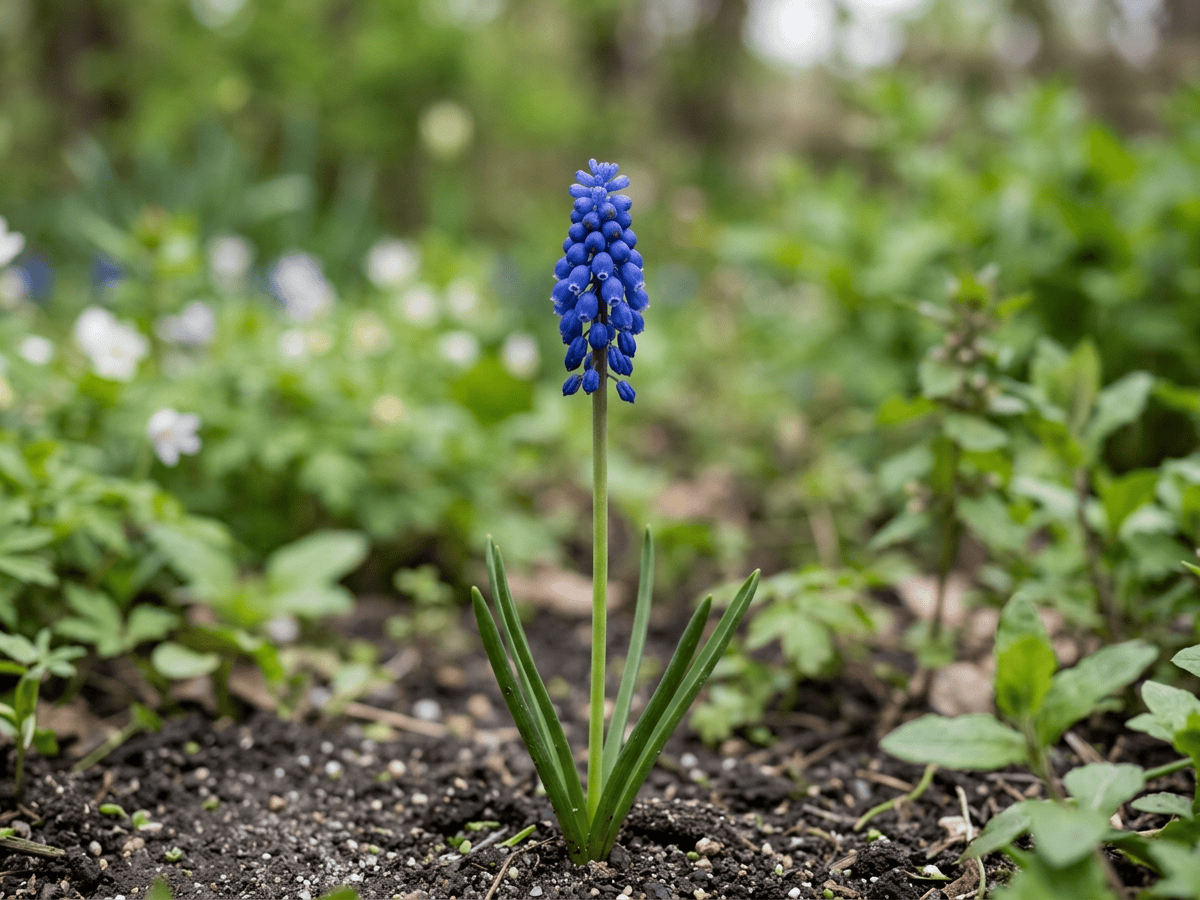
Common Grape Hyacinth or Italian Grape Hyacinth is a European native small spring bulb growing 6 to 8 inches tall, producing dense spikes of pale sky-blue to white urn-shaped flowers in mid-spring. The oldest cultivated grape hyacinth species, an heirloom bulb of American colonial and cottage gardens where it persists for decades and gently naturalizes.
- Deer-resistant
How to care for Common Grape Hyacinth
Watering
- Springevery 7 days
- Summerpause watering
- Fallevery 10 days
- Winterevery 14 days
Soil · Well-draining
- Main mixLoam + coarse sand 3:175%
- DrainageGravel25%
Sharp drainage matters most — bulbs rot in wet soil while dormant.
FERTILIZER
- Fallevery 60 days
At a Glance
- NativeEurope, Mediterranean
- Height0.5–0.7 ft (0.2–0.2 m)
- Spread0.2–0.3 ft (0.1–0.1 m)
- Flower colorBlue, White
- Foliage colorGreen
- SoilLoamy, Well-drained
- LocationsYard
Bloom time
BLOOM CYCLE
Peak bloom
Apr
Pale sky-blue urn-shaped flower clusters in mid-spring
Fragrance
LIGHT FRAGRANCE
The flowers have a lightly sweet-scented scent.
Toxicity
Humans Slight · Pets Slight
saponins
Slight
- Bulb
- Ingestion
EXPOSURE Eating bulbs.
EFFECT Vomiting and diarrhea.
NOTE Bulbs can cause mild GI upset if ingested.
Slight
- Bulb
- Ingestion
EXPOSURE Eating bulbs.
EFFECT Vomiting and diarrhea.
NOTE Bulbs can cause mild GI upset if ingested.
Slight
- Bulb
- Ingestion
EXPOSURE Eating bulbs.
EFFECT Vomiting and diarrhea.
NOTE Bulbs can cause mild GI upset if ingested.
Educational information, not medical or veterinary advice. If exposure is suspected, contact a doctor or veterinarian.
DISTRIBUTION


- Native
- Introduced
- Europe
- Mediterranean
History
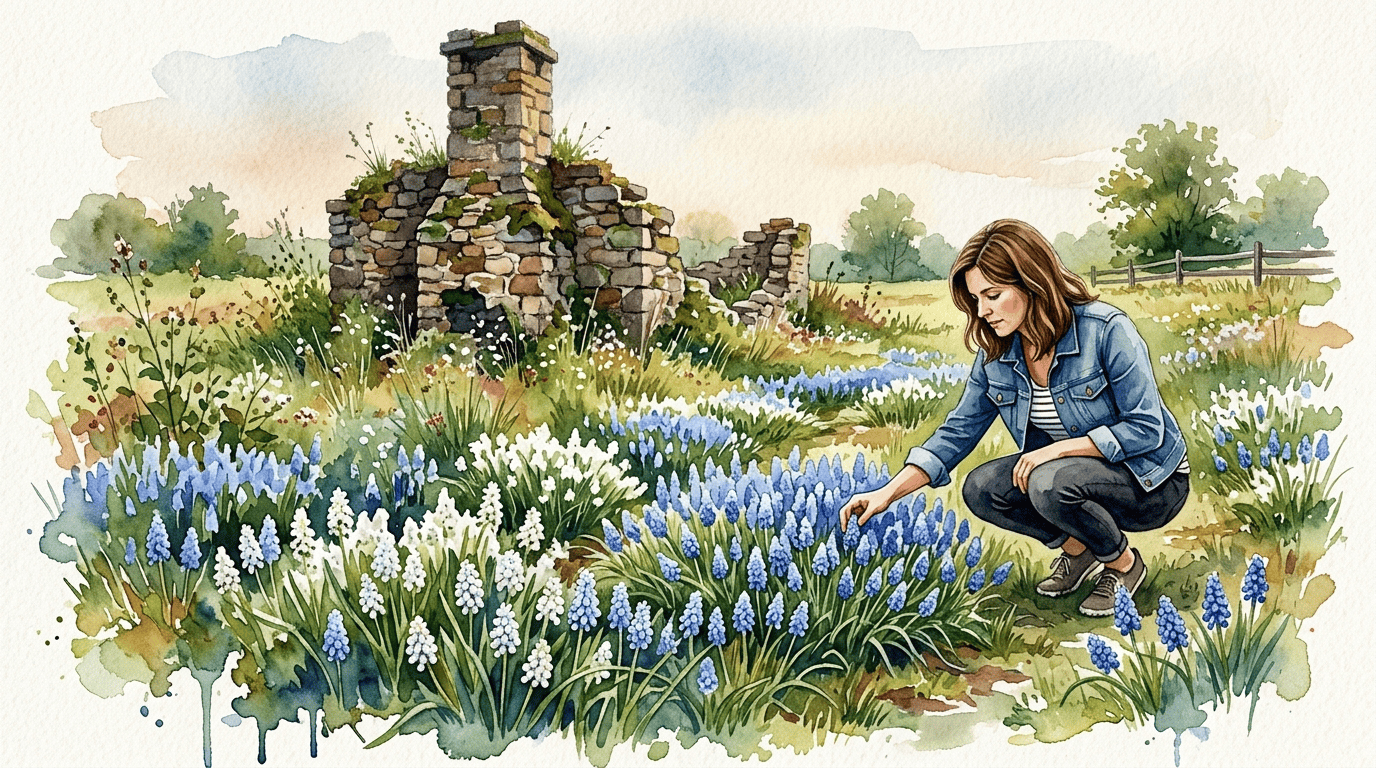
Muscari botryoides inhabits mountain meadows and open woods across central and southern Europe, from France through Switzerland to the Balkans. Linnaeus included it in Species Plantarum (1753), though it had been cultivated in Italian and Flemish gardens for at least two centuries earlier; Carolus Clusius mentioned it in 1583, and Mattioli's 1565 herbal illustrates a recognizable form. Its tight pale-blue flower spikes are shorter and less showy than the later-introduced M. armeniacum but proved extremely hardy and persistent.
The white-flowered 'Album' has been grown since 1596 and remains one of the oldest continuously cultivated bulb cultivars. Naturalized populations exist from New England to the Pacific Northwest where it escapes into meadows.
Modern gardeners often treat it as a heritage bulb for cottage-garden plantings. Native across southern and central Europe, cultivated in European gardens since the Renaissance and brought to American colonial gardens by early settlers. Often found persisting at 18th and 19th-century American homesites where it marks the locations of long-gone gardens, making it a signature heritage naturalizing bulb.
Symbolism & meaning
What It Symbolizes
Common Grape Hyacinth carries colonial heritage, naturalized at historic American homesteads where its small blue spikes still mark the foundations of long-vanished houses. It evokes enduring spring — bulbs persisting for generations in old gardens, multiplying quietly across abandoned doorsteps. A flower that often outlives the families that first planted it, by centuries.
- Colonial heritage — naturalized at historic American homesteads
- Enduring spring — persists for generations in old gardens
Where the Name Comes From
'botryoides' from Greek means like a bunch of grapes, for the flower spike shape.
Uses & Fun Facts
- Tight blue grape clusters naturalize in spring lawns and borders
- Bulbs spread into sweeping drifts in woodland edges
- Early blue spikes feed emerging bees and queen bumblebees
Related plants
More Muscari plants

Plants with similar care
 Chinese AbeliaAbelia chinensis
 Fragrant AbeliaAbelia mosanensis
 Large-Flowered AbeliaAbelia uniflora
 Glossy AbeliaAbelia x grandiflora
Frequently asked questions
How often should I water Common Grape Hyacinth?
Water about every 7 days during the growing season, and always let excess water drain away.
How much light does Common Grape Hyacinth need?
Full sun: 6+ hrs direct. Watch the leaves — scorching or stretching means the light needs adjusting.
Is Common Grape Hyacinth toxic to cats or dogs?
Pets Slight (Dogs Slight · Cats Slight) Educational information, not medical or veterinary advice. If exposure is suspected, contact a doctor or veterinarian.
Is Common Grape Hyacinth easy to grow?
Yes — it is considered an easy, beginner-friendly plant.
When does Common Grape Hyacinth bloom?
It typically blooms Apr in the Northern Hemisphere.
YardMate
Identify any plant in seconds
Snap a photo — YardMate names the plant, diagnoses problems, and reminds you when to water.
Download on the App Store