 YardMate

Tooth Lionface
Nemesia denticulata
Medium · Some experienceAbout Tooth Lionface
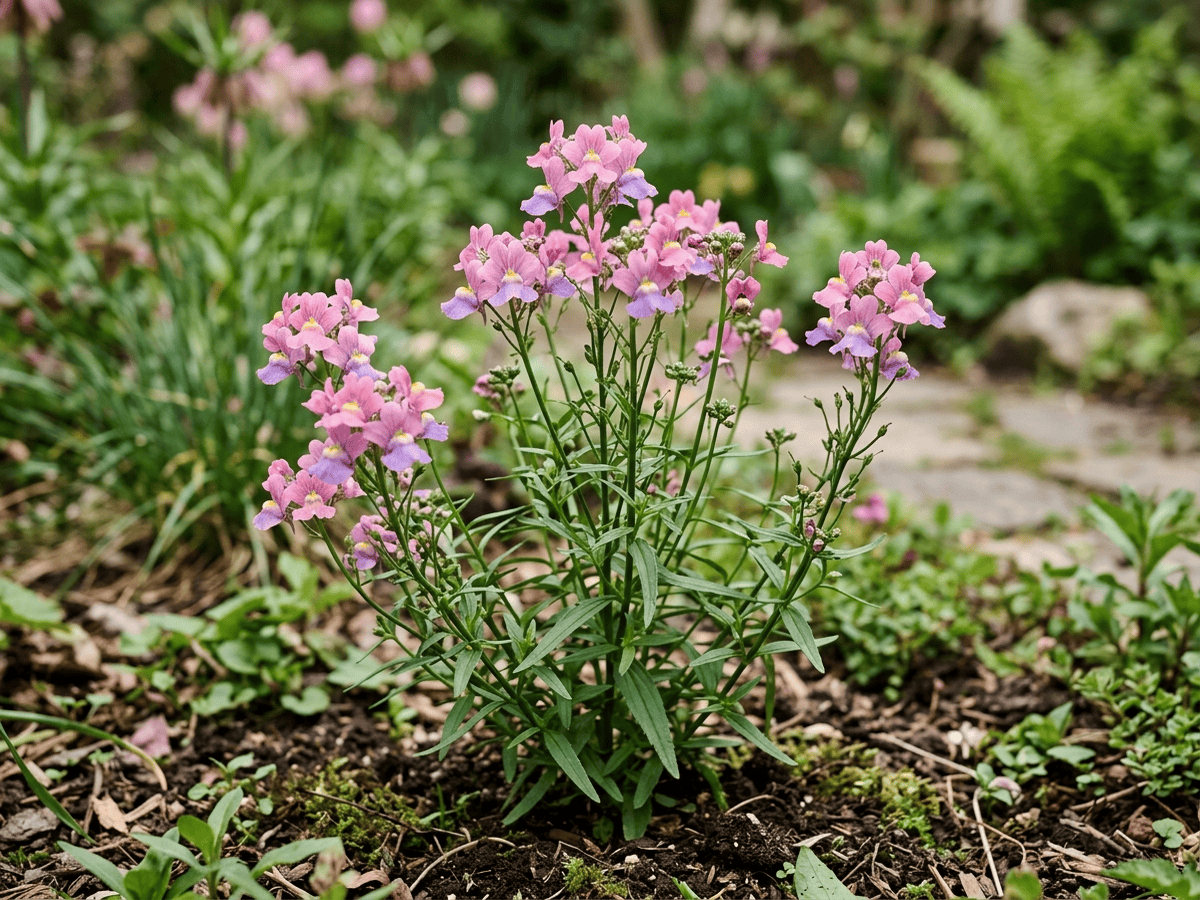
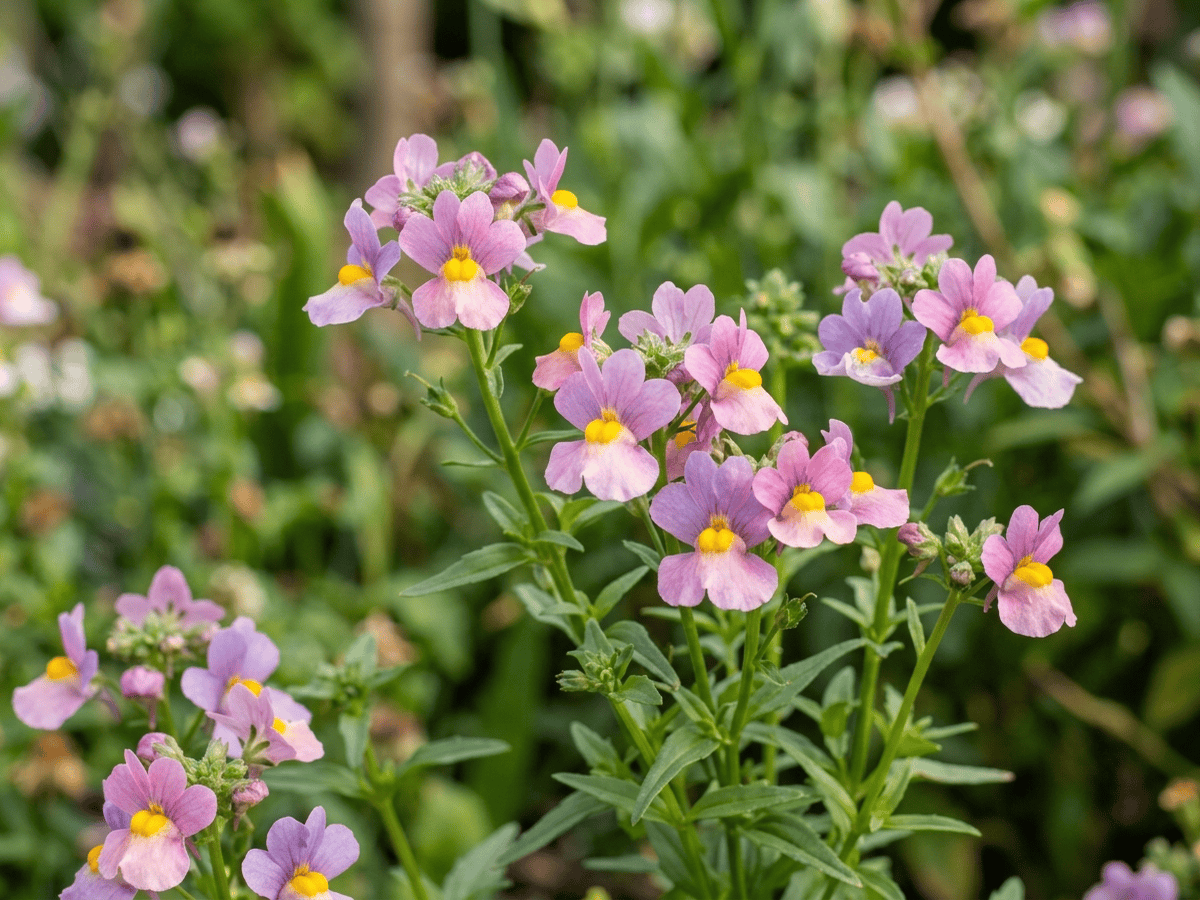
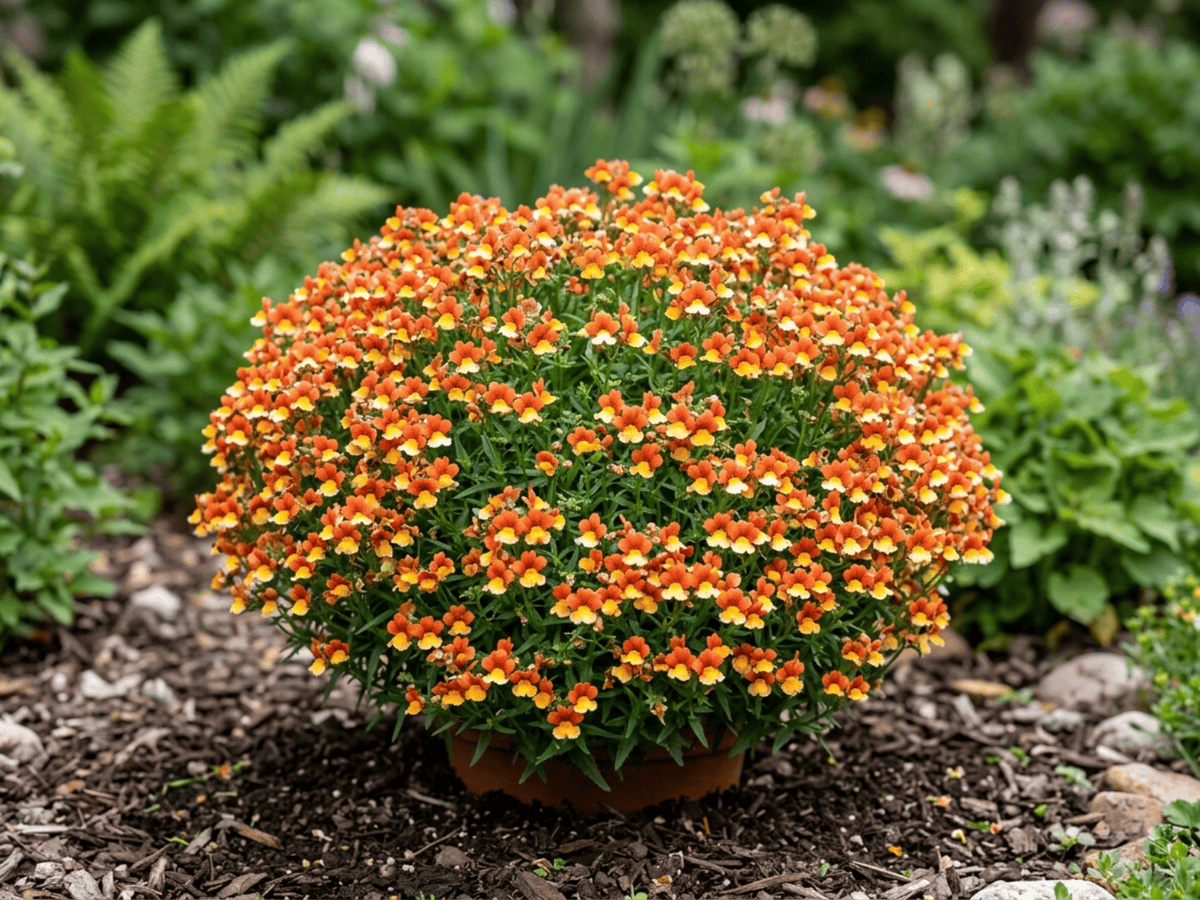
Confetti Nemesia is a South African tender perennial grown as a cool-season annual in American containers, producing airy clouds of tiny lavender-pink orchid-like flowers on slender stems. Growing 8 to 14 inches tall in mounded form, it is more heat-tolerant than Nemesia strumosa and blooms longer into summer. 'Confetti' and 'Innocence' are the iconic cultivars driving modern American cool-season container designs.
- Fragrant
- Container-friendly
- Long-blooming
- Pollinator-friendly
How to care for Tooth Lionface
Watering
- Springevery 3 days
- Summerevery 3 days
- Fallevery 5 days
- Winterevery 7 days
Soil · Well-draining
- Top dressingPine bark mulch10%
- Main mixPotting soil + perlite 2:170%
- DrainageLECA / gravel20%
Never skip the drainage layer — standing water is the top cause of root rot.
FERTILIZER
Balanced Feed 14-14-14
An even feed covers all three needs at once, keeping leaves, roots and blooms moving together with nothing pushed out of balance.
- Nitrogen · Leaves
- Phosphorus · Roots + Blooms
- Potassium · Strength
- Springevery 14 days
- Summerevery 21 days
- Fallevery 21 days
At a Glance
- NativeAfrica
- Height0.5–1.5 ft (0.2–0.5 m)
- Spread1–1.5 ft (0.3–0.5 m)
- Flower colorPink, Purple, White
- Foliage colorGreen
- SoilLoamy, Well-drained
- LocationsBalcony · Yard
Bloom time
BLOOM CYCLE
Peak bloom
Mar–Aug
Airy lavender-pink clusters spring to early summer
Fragrance
MODERATE FRAGRANCE
Sweet vanilla or almond scent.
Toxicity
Toxicity unknown
None reported
Unknown
EXPOSURE Unspecified plant material.
EFFECT Toxic effects are not specified.
NOTE Toxicity for humans is not well documented; use caution until verified.
Unknown
EXPOSURE Unspecified plant material.
EFFECT Toxic effects are not specified.
NOTE Toxicity for dogs is not well documented; use caution until verified.
Unknown
EXPOSURE Unspecified plant material.
EFFECT Toxic effects are not specified.
NOTE Toxicity for cats is not well documented; use caution until verified.
Educational information, not medical or veterinary advice. If exposure is suspected, contact a doctor or veterinarian.
DISTRIBUTION


- Native
- Introduced
- Africa
History

Nemesia denticulata, commonly called confetti nemesia, is a short-lived subshrub native to moist mountainous areas of South Africa's Eastern Cape. English botanist Adolf Engler described the species in 1868. Although long overlooked by the ornamental trade, the plant became a horticultural sensation in the 1990s when English plantsman Bob Brown of Cotswold Garden Flowers selected the hardier cultivar Confetti, released commercially in 1999.
The selection proved hardier and longer-blooming than the better-known annual Nemesia strumosa, igniting a wave of perennial Nemesia breeding at Proven Winners, Ball FloraPlant, and British nurseries that produced the Aromatica, Sunsatia, Karoo, and Juicy Fruits series. Flowers of most cultivars carry a sweet vanilla or almond fragrance, and the plants perform best in the cool shoulder seasons.
A South African mountain species, introduced to American horticulture in the 1990s. The Proven Winners 'Sunsatia' series expanded nemesia into mainstream American spring container plantings, and 'Confetti' became a cool-season grower favorite for its heat tolerance.
Symbolism & meaning
What It Symbolizes
Tooth lionface scatters fragrant confetti across the spring garden — small four-lobed blooms in pastel pinks and whites, each releasing a honey-vanilla fragrance unusual for so airy a plant. That spring sweetness drifts on the cool morning air, perfuming patios and entryways. Few annuals achieve this combination of lightness and scent, turning a small pot into a quietly perfumed corner of the garden.
- Fragrant confetti — airy scattered blooms perfume the air
- Spring sweetness — offers a soft honey-vanilla fragrance
Where the Name Comes From
'Nemesia' from Greek 'nemesion' an ancient name for a snapdragon-like plant; 'denticulata' means small-toothed, for finely serrated leaf edges.
Uses & Fun Facts
- Lavender-pink flowers release sweet vanilla scent on cool spring days
- Snapdragon-like blooms attract bees and small butterflies
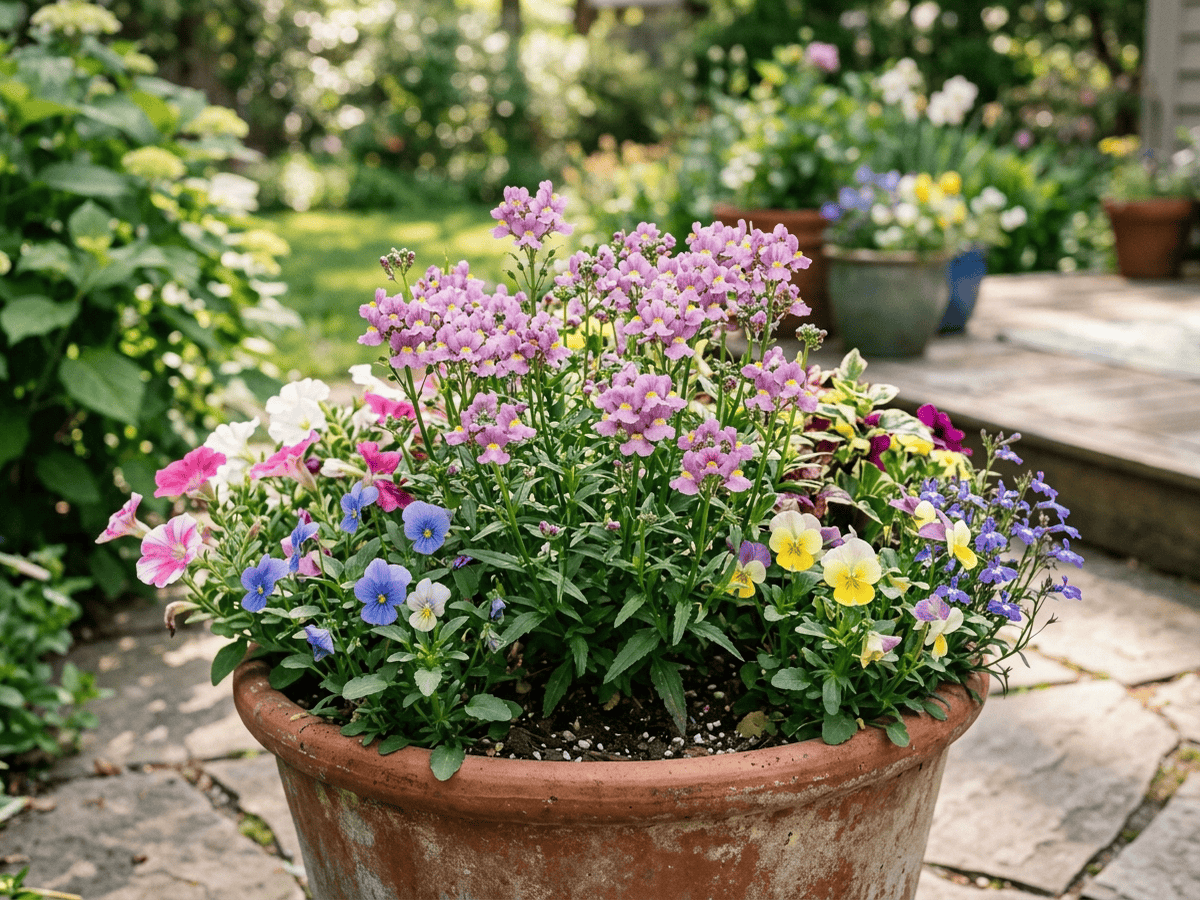
- Compact mounding habit thrives in cool-season patio containers
Related plants
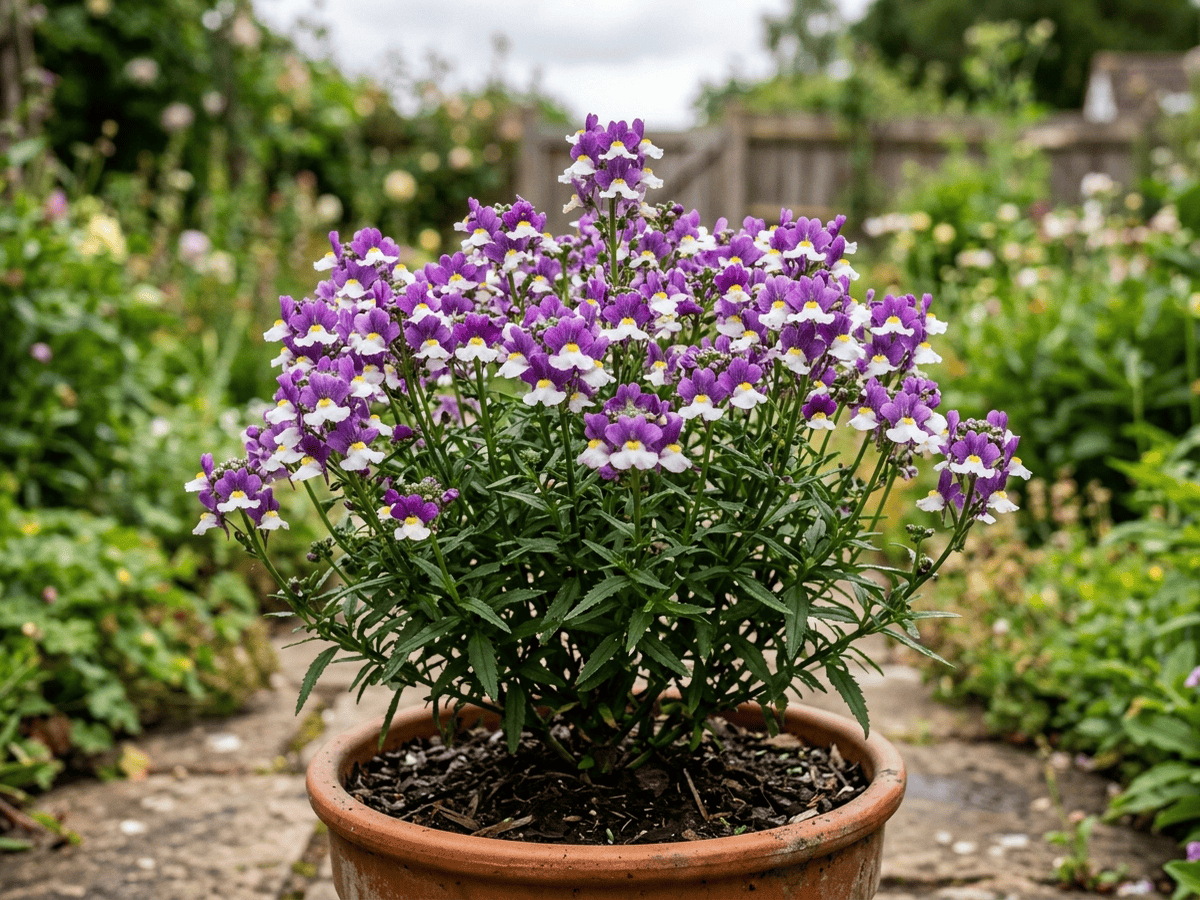
More Nemesia plants
Plants with similar care
 Mexican AbeliaAbelia floribunda
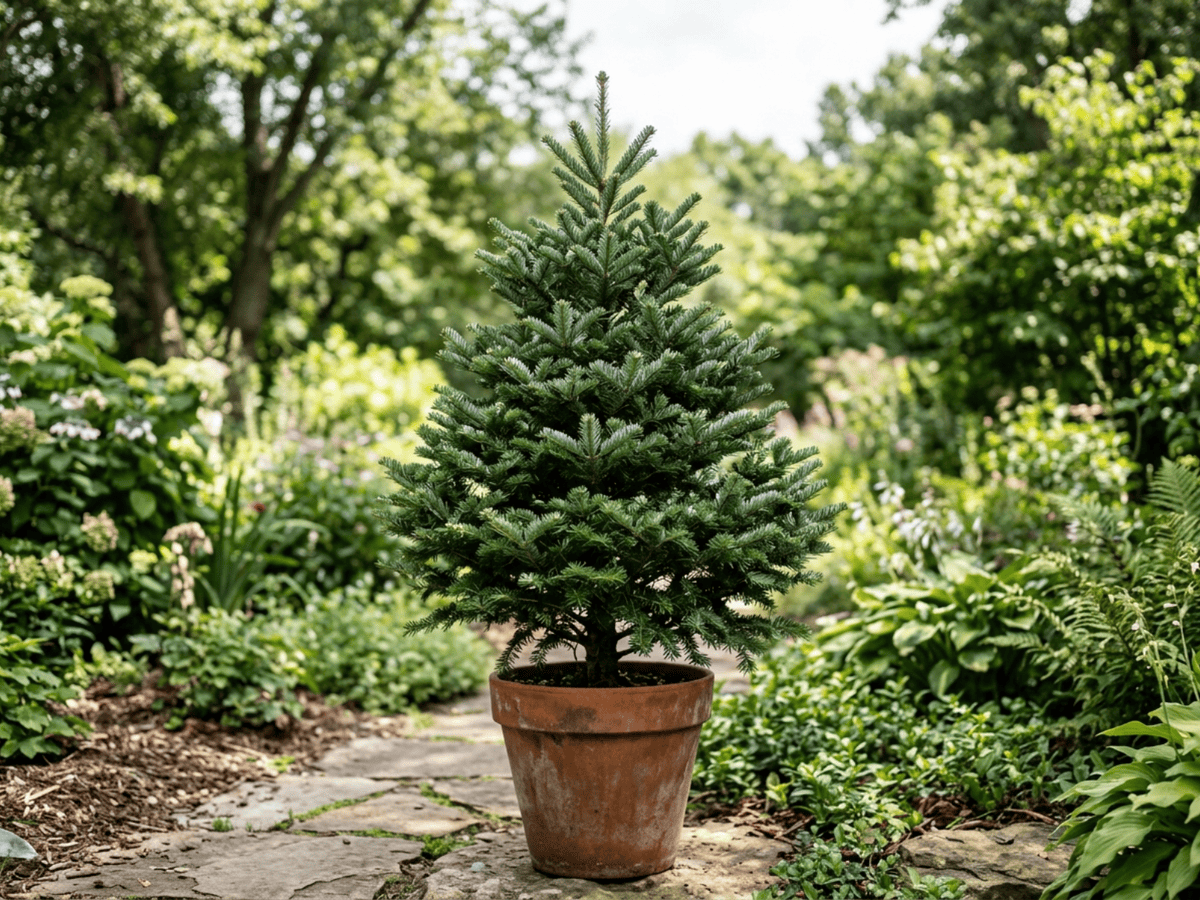 Fraser FirAbies fraseri
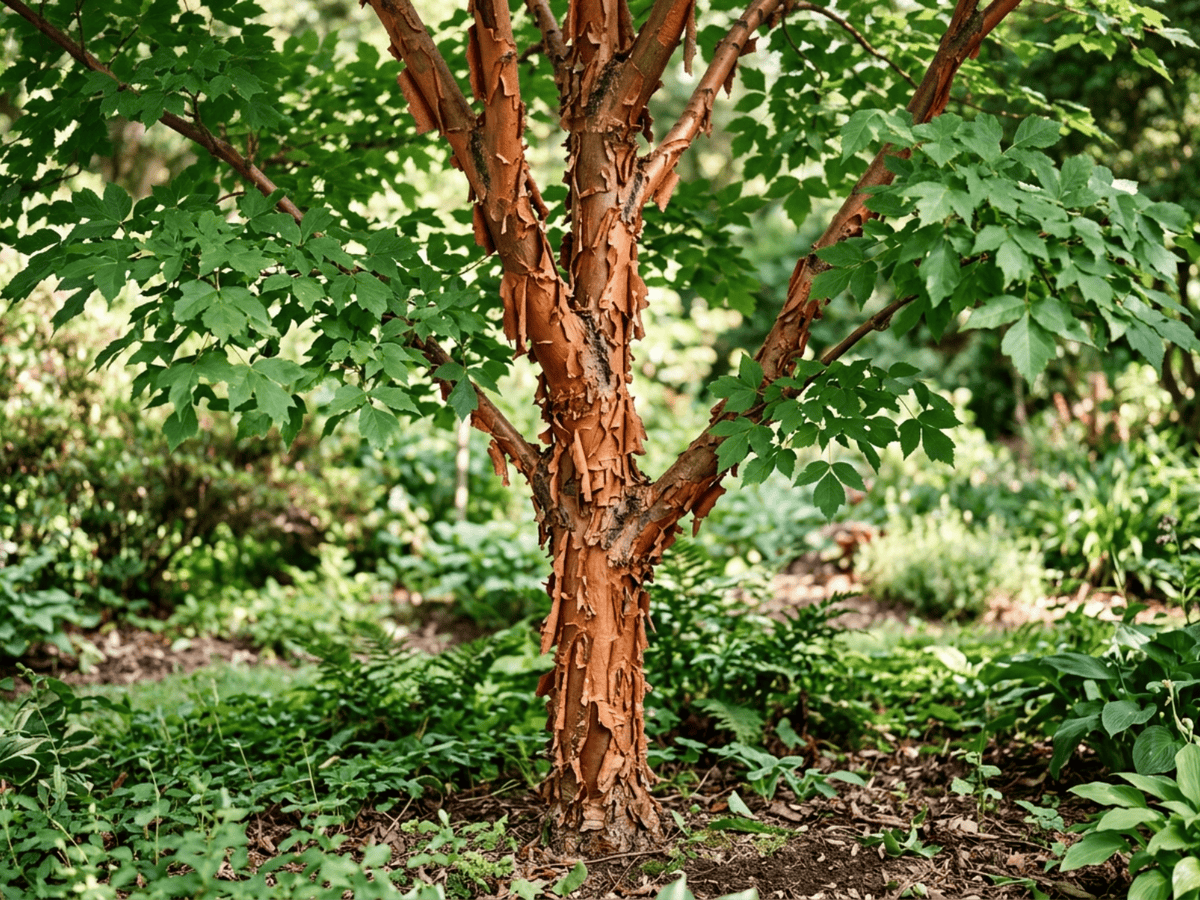 Paperbark MapleAcer griseum
 Sugar MapleAcer saccharum
Frequently asked questions
How often should I water Tooth Lionface?
In summer, water about every 3 days; in winter, about every 7 days. Adjust for heat, pot size and drainage.
How much light does Tooth Lionface need?
Full sun: 6+ hrs direct. Watch the leaves — scorching or stretching means the light needs adjusting.
Is Tooth Lionface toxic to cats or dogs?
Pets Unknown (Dogs Unknown · Cats Unknown) Educational information, not medical or veterinary advice. If exposure is suspected, contact a doctor or veterinarian.
Is Tooth Lionface easy to grow?
It is moderately demanding: a good choice once you have a little experience.
When does Tooth Lionface bloom?
It typically blooms Mar–Aug in the Northern Hemisphere.
YardMate
Identify any plant in seconds
Snap a photo — YardMate names the plant, diagnoses problems, and reminds you when to water.
Download on the App Store