 YardMate


Cape-Jewels
Nemesia strumosa
Medium · Some experienceAbout Cape-Jewels
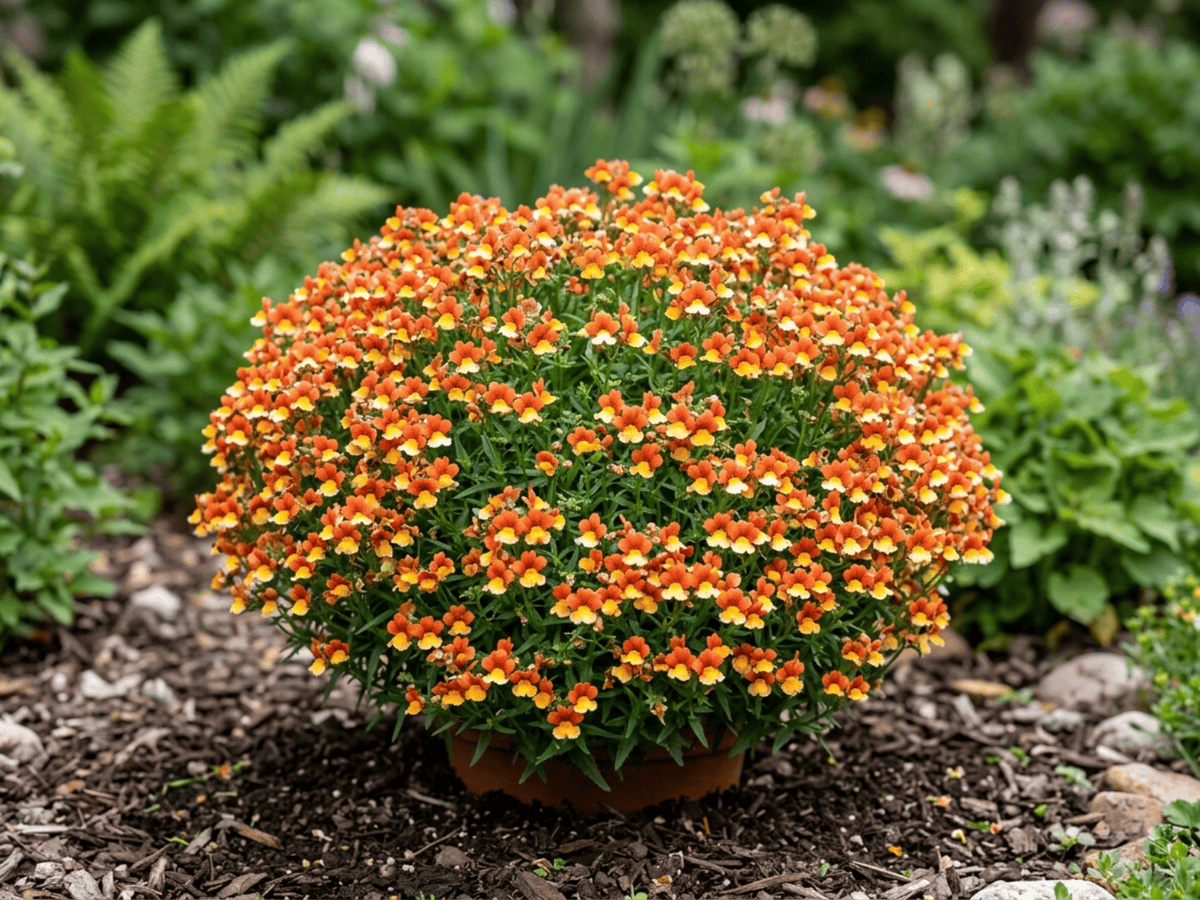
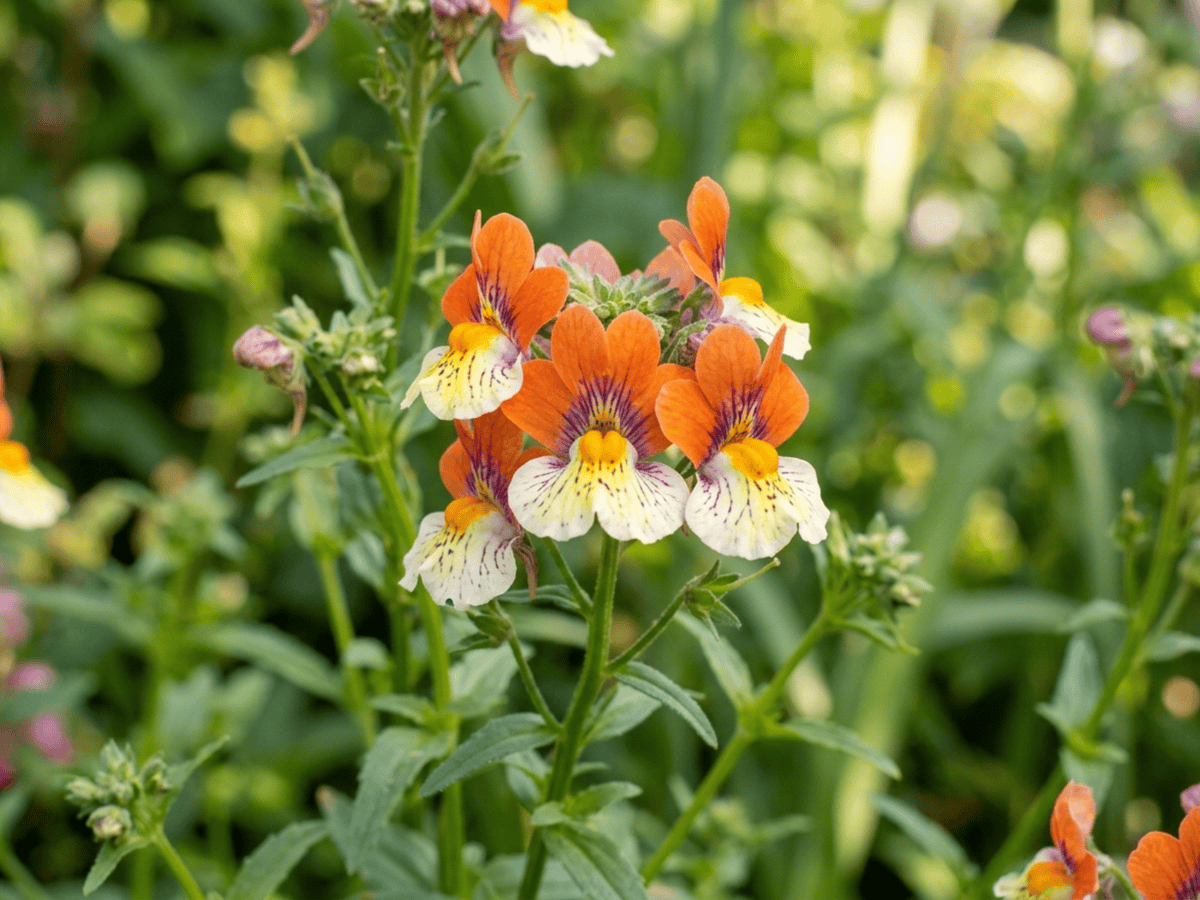
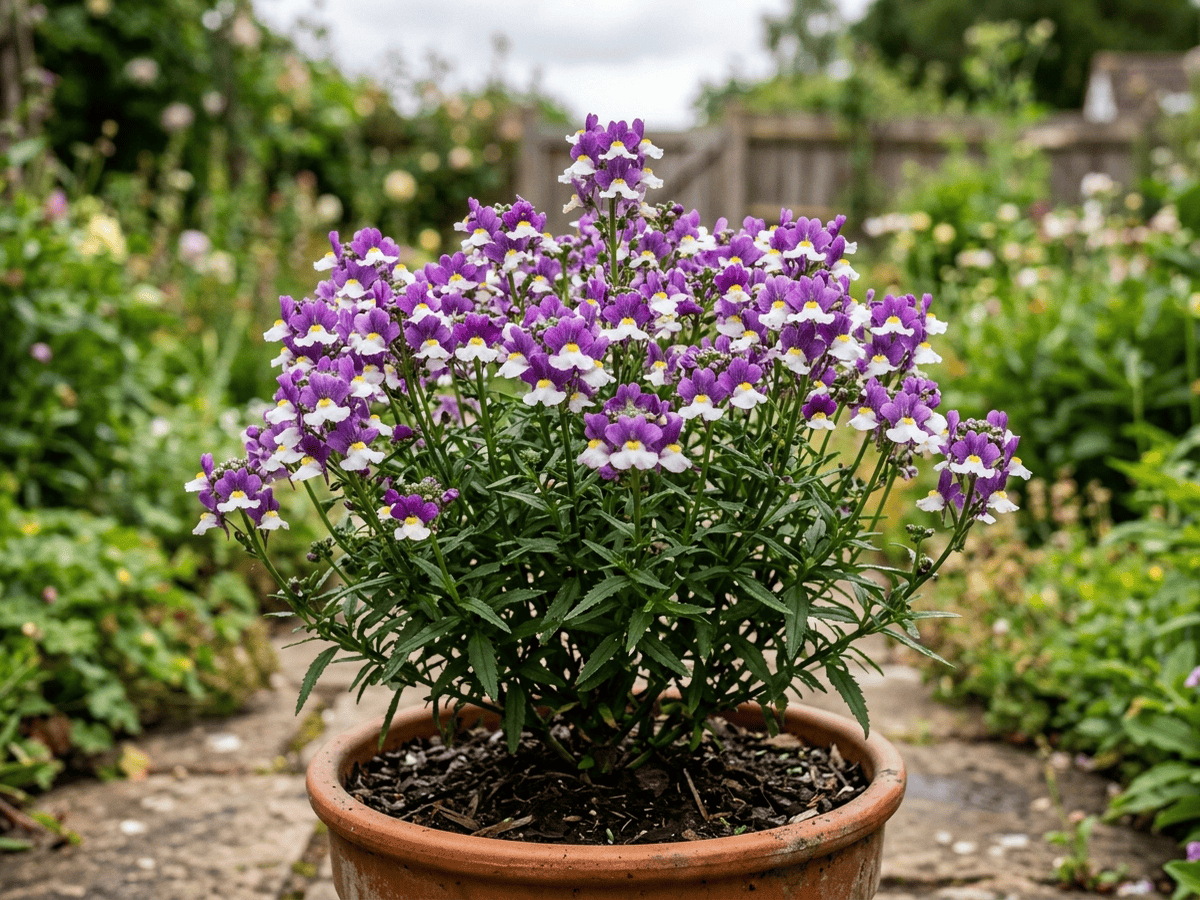
Cape Jewels is a cool-season annual from South Africa, forming tidy 8–12 inch mounds covered in pouched, two-lipped flowers in vivid blue, white, yellow, pink, and bicolors. Thrives in the mild springs and falls of Pacific coast, Pacific Northwest, and Southern US gardens; suffers in high summer heat. Modern interspecific hybrids (often sold as simply 'Nemesia') have dramatically extended bloom time, making them popular container and edging plants across American garden centers.
- Fragrant
- Container-friendly
- Pollinator-friendly
How to care for Cape-Jewels
Watering
- Springevery 3 days
- Summerevery 2 days
- Fallevery 3 days
- Winterevery 7 days
Soil · Well-draining
- Top dressingPine bark mulch10%
- Main mixPotting soil + perlite 2:170%
- DrainageLECA / gravel20%
Never skip the drainage layer — standing water is the top cause of root rot.
FERTILIZER
Balanced Feed 14-14-14
An even feed covers all three needs at once, keeping leaves, roots and blooms moving together with nothing pushed out of balance.
- Nitrogen · Leaves
- Phosphorus · Roots + Blooms
- Potassium · Strength
- Springevery 14 days
- Summerevery 14 days
- Fallevery 14 days
- Winterevery 30 days
At a Glance
- NativeAfrica
- Height0.5–1.5 ft (0.2–0.5 m)
- Spread0.5–1 ft (0.2–0.3 m)
- Flower colorYellow, Orange, Red, Pink
- Foliage colorGreen
- SoilLoamy, Well-drained
- LocationsYard · Balcony
Bloom time
BLOOM CYCLE
Peak bloom
Mar, Apr, May, Sep, Oct, Nov
Vivid bicolor flowers spring and fall
Fragrance
LIGHT FRAGRANCE
Light sweet fragrance in some cultivars.
Toxicity
No toxicity has been reported for this plant. Still, it is wise to keep pets from chewing on any houseplant.
Educational information, not medical or veterinary advice. If exposure is suspected, contact a doctor or veterinarian.
DISTRIBUTION


- Native
- Introduced
- Africa
History
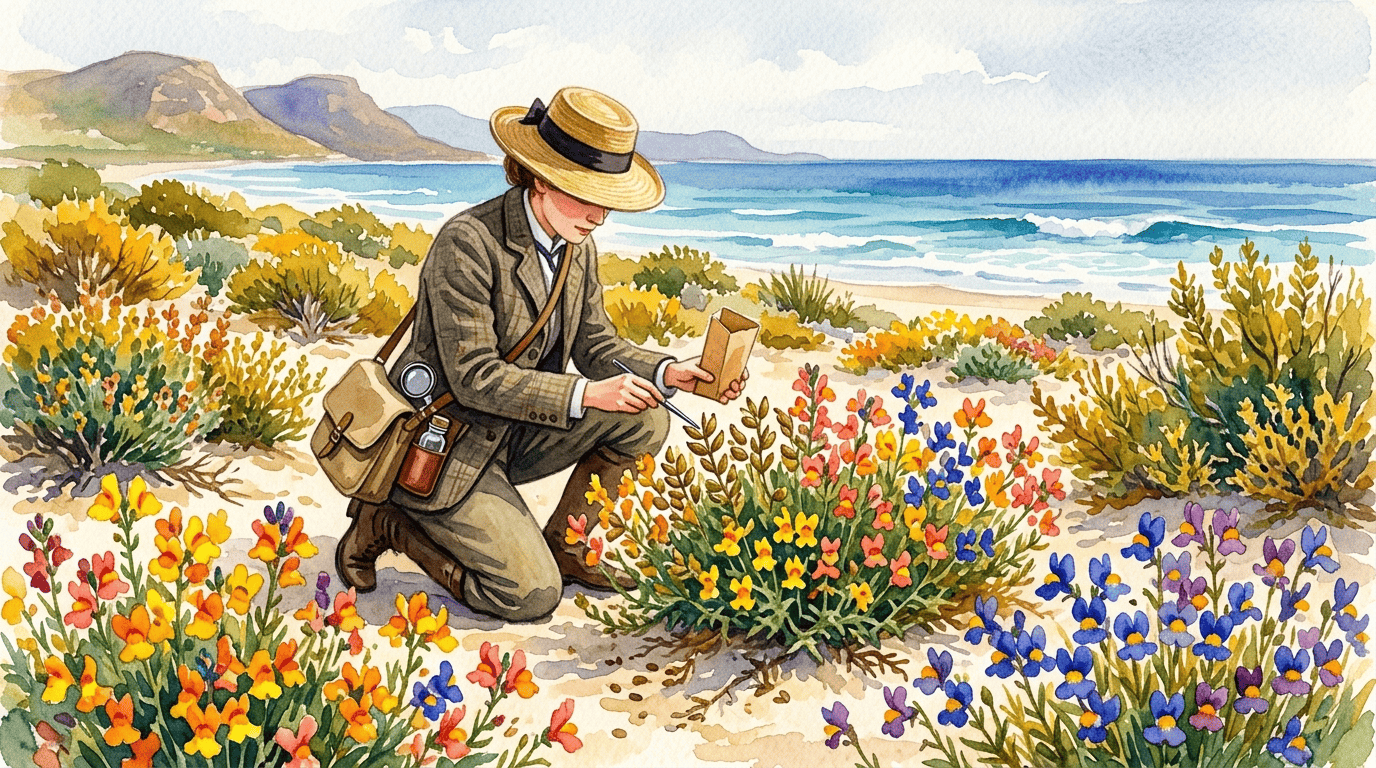
Nemesia strumosa is native to coastal South Africa, particularly the Western Cape and Eastern Cape Provinces, growing in sandy soils of fynbos and coastal grassland habitat from sea level to 500 meters elevation. It was introduced to European horticulture in the early 19th century and became a well-established cottage-garden annual by the Victorian era. The plant is a small compact bushy annual 20-40 cm tall with narrow pointed leaves and, through the cool season, produces masses of small snapdragon-like two-lipped flowers 1-2 cm across — the flower architecture resembles a miniature snapdragon (both Nemesia and Antirrhinum are in the family Plantaginaceae).
Modern bedding cultivars have produced the brilliant bicolored patterns that define the species' ornamental character: the "Carnival Mixed" and "Sundrops" series have flowers in combinations of yellow, orange, red, pink, white, purple, and blue, often with contrasting central "eyes" or throats. In Mediterranean-climate gardens (California, Mediterranean Europe, Australia, South Africa) the species is grown as a late-winter and spring cool-season annual, planted in autumn for mid-winter through spring bloom; in more continental climates it is grown as a spring-only annual.
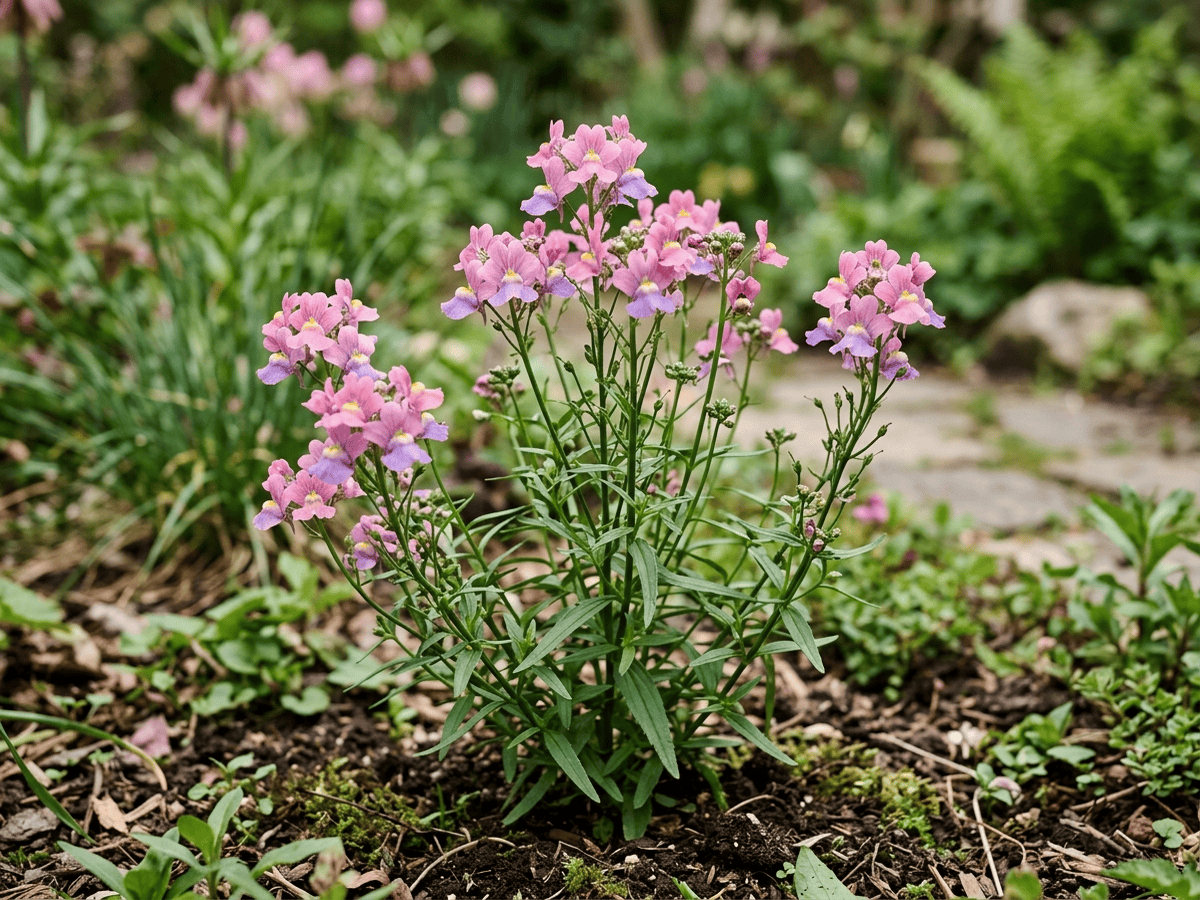
The related perennial Nemesia fruticans and modern perennial Nemesia hybrid series ("Sunsatia," "Aromatica," "Innocence") are increasingly displacing N. strumosa in large-scale commercial bedding production, but the wild species and its simple annual cultivars remain cottage-garden favorites.
Symbolism & meaning
What It Symbolizes
Cape-Jewels speak of vibrancy, their intense colors evoking the energetic joy of the South African Cape spring where they originate. Paired with delicacy, the small pouched flowers hold a gentle grace just beneath their bright surface. It is a flower for those who want exuberant color delivered in fine-boned, almost miniature form.
- Vibrancy — intense colors evoke joy and energy
- Delicacy — small pouched flowers evoke gentle grace
Where the Name Comes From
The name Cape-Jewels points to South Africa's Cape region. Genus name from Greek 'nemesion', ancient name for a similar plant; 'strumosa' refers to the swollen (strumose) flower throat.
Uses & Fun Facts
- Newer cultivars release sweet vanilla-honey scent in cool weather
- Two-lipped flowers feed bees in spring and autumn
- Bushy bedding plant ideal for cool-season patio pots
Related plants
More Nemesia plants
Plants with similar care
 Mexican AbeliaAbelia floribunda
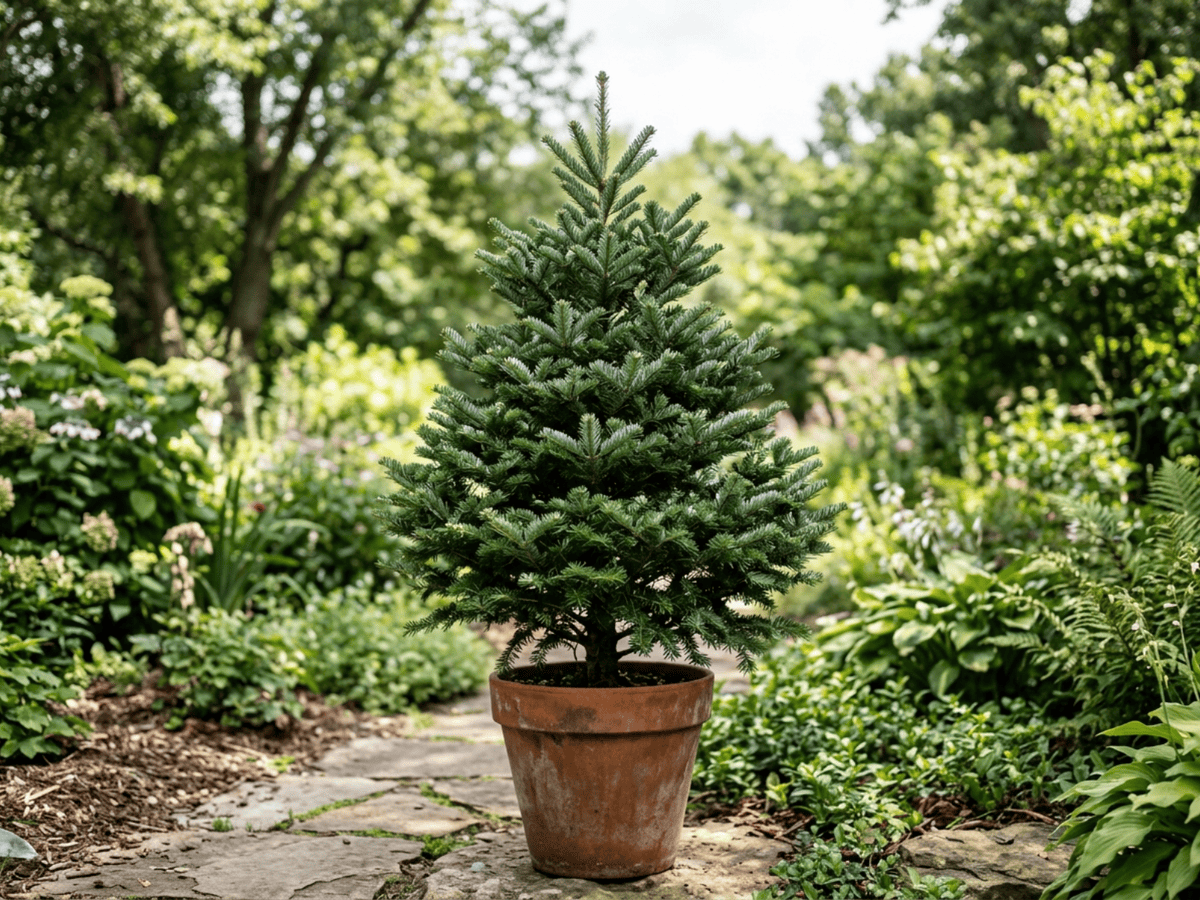 Fraser FirAbies fraseri
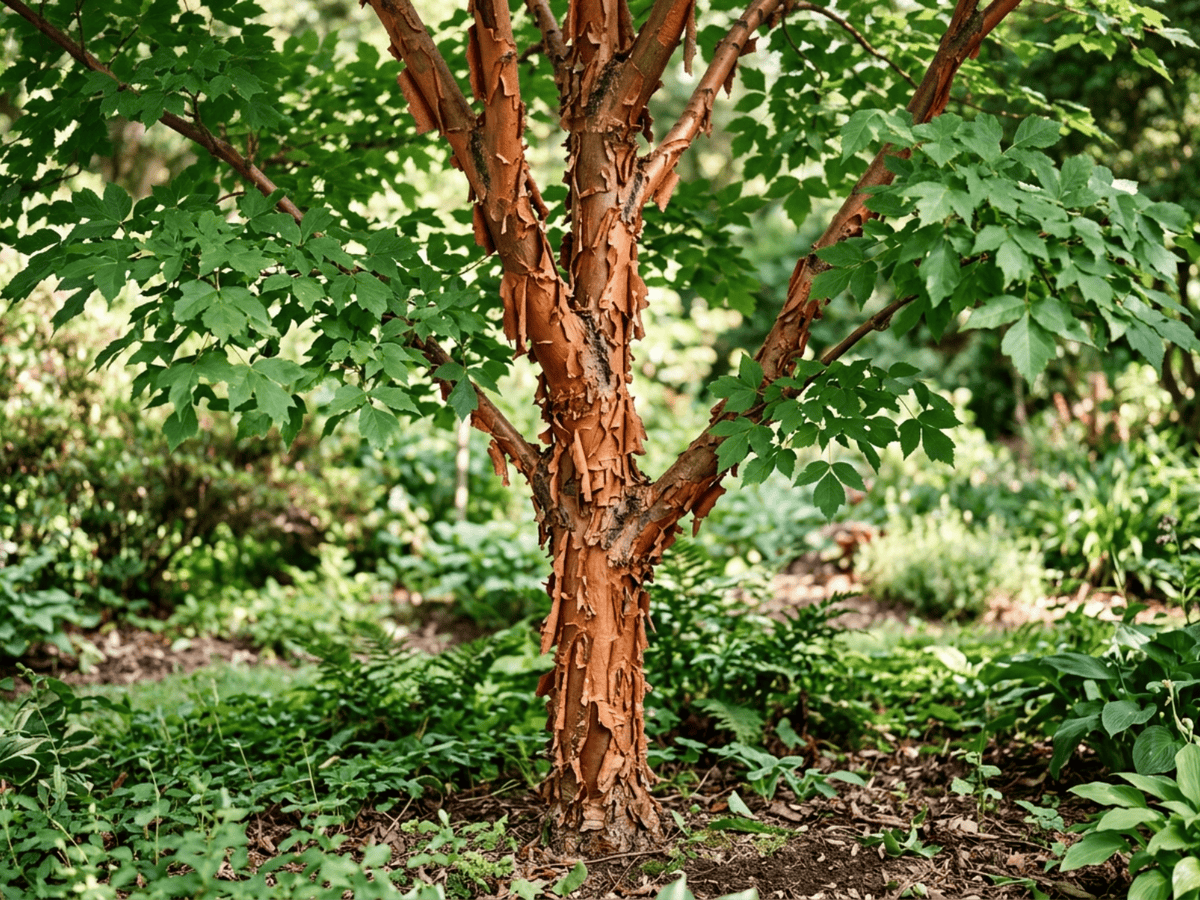 Paperbark MapleAcer griseum
 Sugar MapleAcer saccharum
Frequently asked questions
How often should I water Cape-Jewels?
In summer, water about every 2 days; in winter, about every 7 days. Adjust for heat, pot size and drainage.
How much light does Cape-Jewels need?
Full sun: 6+ hrs direct. Watch the leaves — scorching or stretching means the light needs adjusting.
Is Cape-Jewels toxic to cats or dogs?
No toxicity has been reported for this plant. Still, it is wise to keep pets from chewing on any houseplant. Educational information, not medical or veterinary advice. If exposure is suspected, contact a doctor or veterinarian.
Is Cape-Jewels easy to grow?
It is moderately demanding: a good choice once you have a little experience.
When does Cape-Jewels bloom?
It typically blooms Mar, Apr, May, Sep, Oct, Nov in the Northern Hemisphere.
YardMate
Identify any plant in seconds
Snap a photo — YardMate names the plant, diagnoses problems, and reminds you when to water.
Download on the App Store