 YardMate

Grassveld Lionface
Nemesia fruticans
Medium · Some experienceAbout Grassveld Lionface
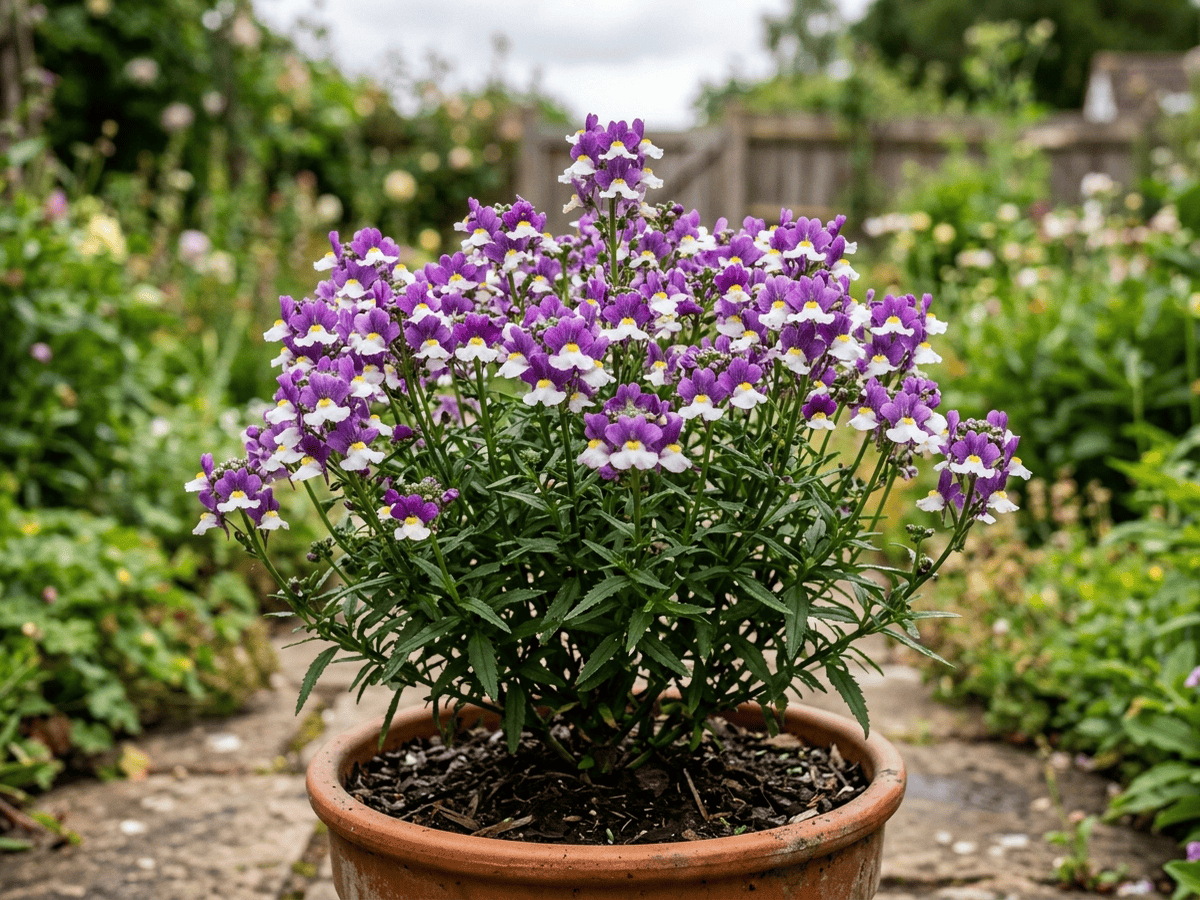
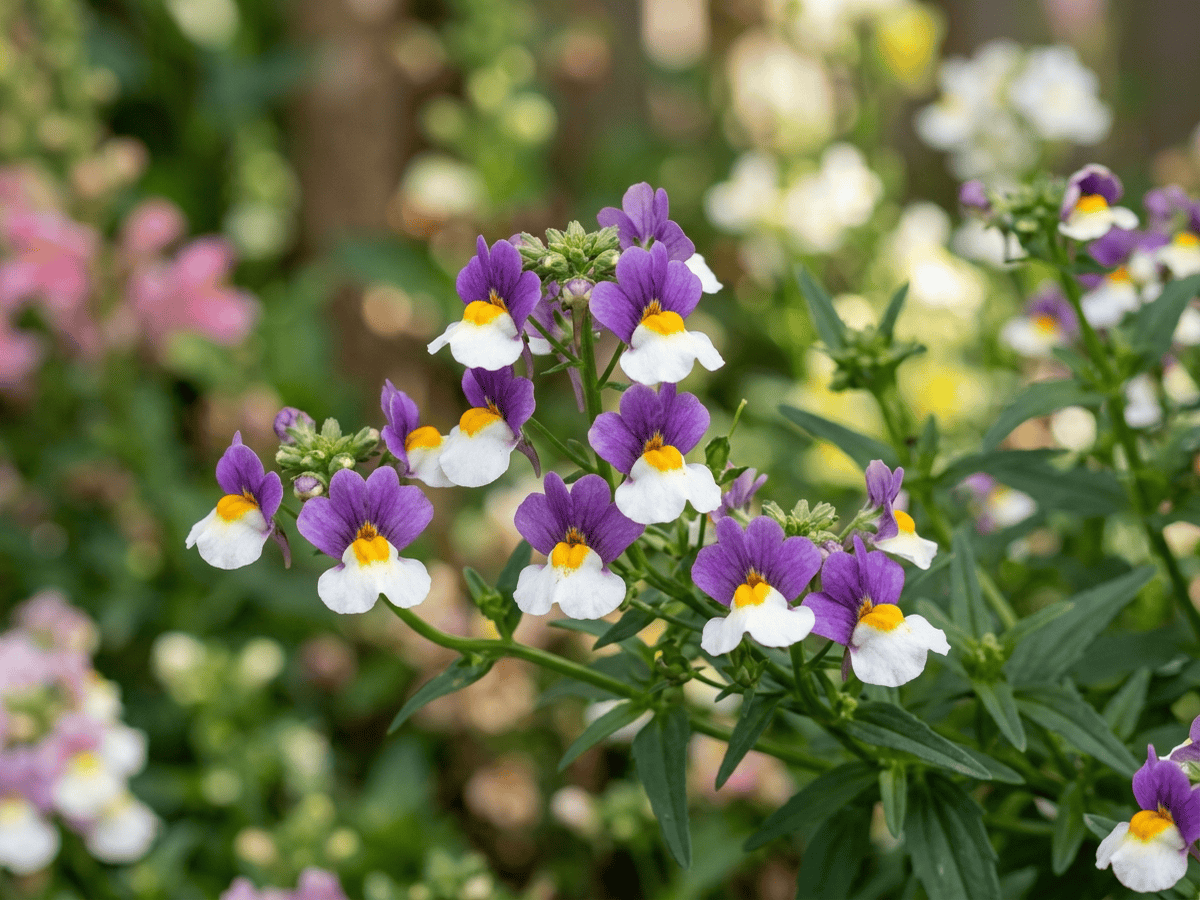
Shrubby Nemesia is a South African tender perennial producing spikes of blue-and-white two-lipped flowers on upright stems, more heat-tolerant than other nemesia species. Growing 8 to 16 inches tall in bushy form, it blooms from spring into summer with good fragrance and pollinator appeal. 'Blue Bird' and 'Compact Innocence' are leading cultivars for American cool-season container gardens.
- Fragrant
- Container-friendly
- Long-blooming
- Pollinator-friendly
How to care for Grassveld Lionface
Watering
- Springevery 3 days
- Summerevery 3 days
- Fallevery 5 days
- Winterevery 7 days
Soil · Well-draining
- Top dressingPine bark mulch10%
- Main mixPotting soil + perlite 2:170%
- DrainageLECA / gravel20%
Never skip the drainage layer — standing water is the top cause of root rot.
FERTILIZER
Balanced Feed 14-14-14
An even feed covers all three needs at once, keeping leaves, roots and blooms moving together with nothing pushed out of balance.
- Nitrogen · Leaves
- Phosphorus · Roots + Blooms
- Potassium · Strength
- Springevery 14 days
- Summerevery 21 days
- Fallevery 21 days
At a Glance
- NativeAfrica
- Height0.5–1.5 ft (0.2–0.5 m)
- Spread1–1.5 ft (0.3–0.5 m)
- Flower colorBlue, Purple, Pink, White
- Foliage colorGreen
- SoilLoamy, Well-drained, Rich
- LocationsBalcony · Yard
Bloom time
BLOOM CYCLE
Peak bloom
Mar–Aug
Blue-white two-lipped flowers spring to early summer
Fragrance
MODERATE FRAGRANCE
Sweet vanilla or fruity scent.
Toxicity
Toxicity unknown
None reported
Unknown
EXPOSURE Unspecified plant material.
EFFECT Toxic effects are not specified.
NOTE Toxicity for humans is not well documented; use caution until verified.
Unknown
EXPOSURE Unspecified plant material.
EFFECT Toxic effects are not specified.
NOTE Toxicity for dogs is not well documented; use caution until verified.
Unknown
EXPOSURE Unspecified plant material.
EFFECT Toxic effects are not specified.
NOTE Toxicity for cats is not well documented; use caution until verified.
Educational information, not medical or veterinary advice. If exposure is suspected, contact a doctor or veterinarian.
DISTRIBUTION


- Native
- Introduced
- Africa
History
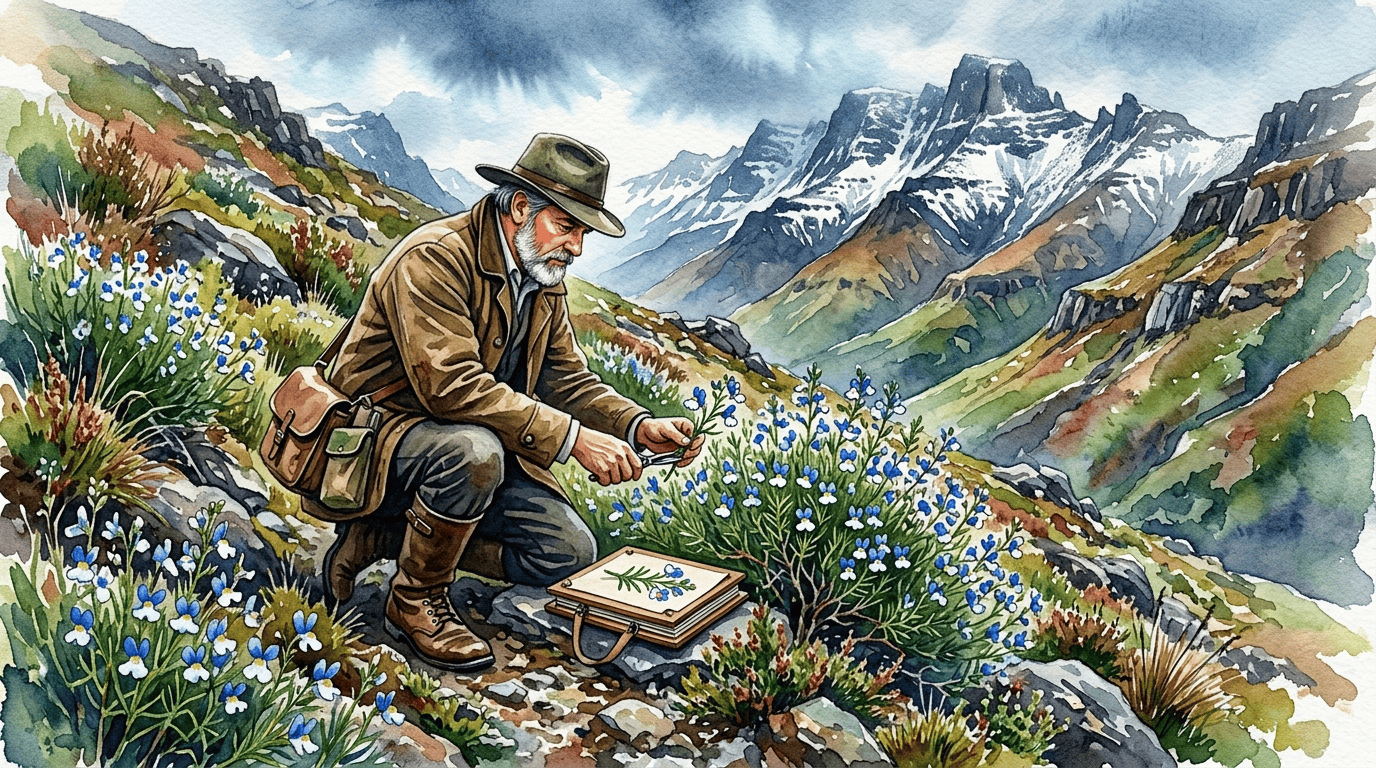
Nemesia fruticans, the shrubby nemesia, is a short-lived evergreen subshrub native to damp mountain habitats in South Africa's Eastern Cape and KwaZulu-Natal, often within reach of winter snowfall. Austrian botanist Eduard Fenzl described the species in 1839. Unlike the well-known annual Nemesia strumosa, N. fruticans tolerates milder winters and blooms over a much longer season, making it a key parent of modern perennial nemesia hybrids.
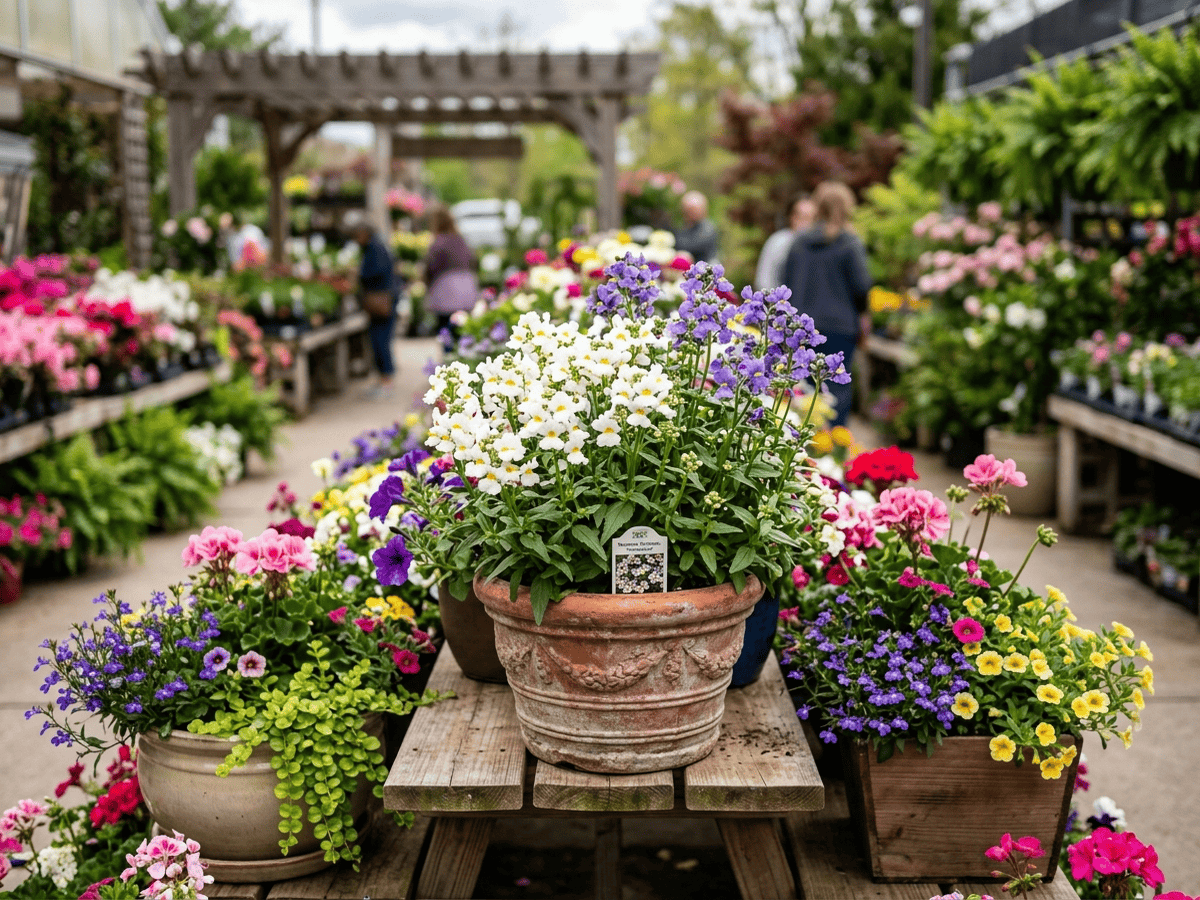
British and Dutch breeders selected compact free-flowering cultivars such as Blue Bird and Innocence in the 1990s, and Proven Winners, Danziger, and Ball FloraPlant subsequently introduced the Sunsatia, Aromatica, Escential, Nesia, and Juicy Fruits series. The flowers often bear a distinct fruity or vanilla scent, and the plants excel as cool-season container and border subjects across temperate climates.
Native to South African mountains, introduced to American ornamental horticulture in the late 1990s. Syngenta's Sunsatia series and Proven Winners' Aromatica series brought it into every American garden center as a modern cool-season bedding standard.
Symbolism & meaning
What It Symbolizes
Grassveld Lionface makes visible cool serenity, its classic blue blooms a defining color of South African spring containers. Delicate but resilient, it offers serene grace to early-season gardens while withstanding the chill of cool nights. This is a flower for the gardener who values quiet over flash — a plant whose blue spikes soften the harder edges of late winter and ease the season gently into spring.
- Cool blue — classic blue spring container color
- Serene grace — delicate but resilient spring bloomer
Where the Name Comes From
The name Grassveld Lionface describes its grasslike foliage. 'fruticans' from Latin means shrubby, for the bushier growth habit compared to annual nemesia species.
Uses & Fun Facts
- Sweet vanilla-fruity flowers scent warm containers and sunny borders
- Grassveld Lionface flowers nourish foraging bees and pollinators
- Compact flowering mounds bring soft color to balcony boxes and sunny pots
Related plants
More Nemesia plants
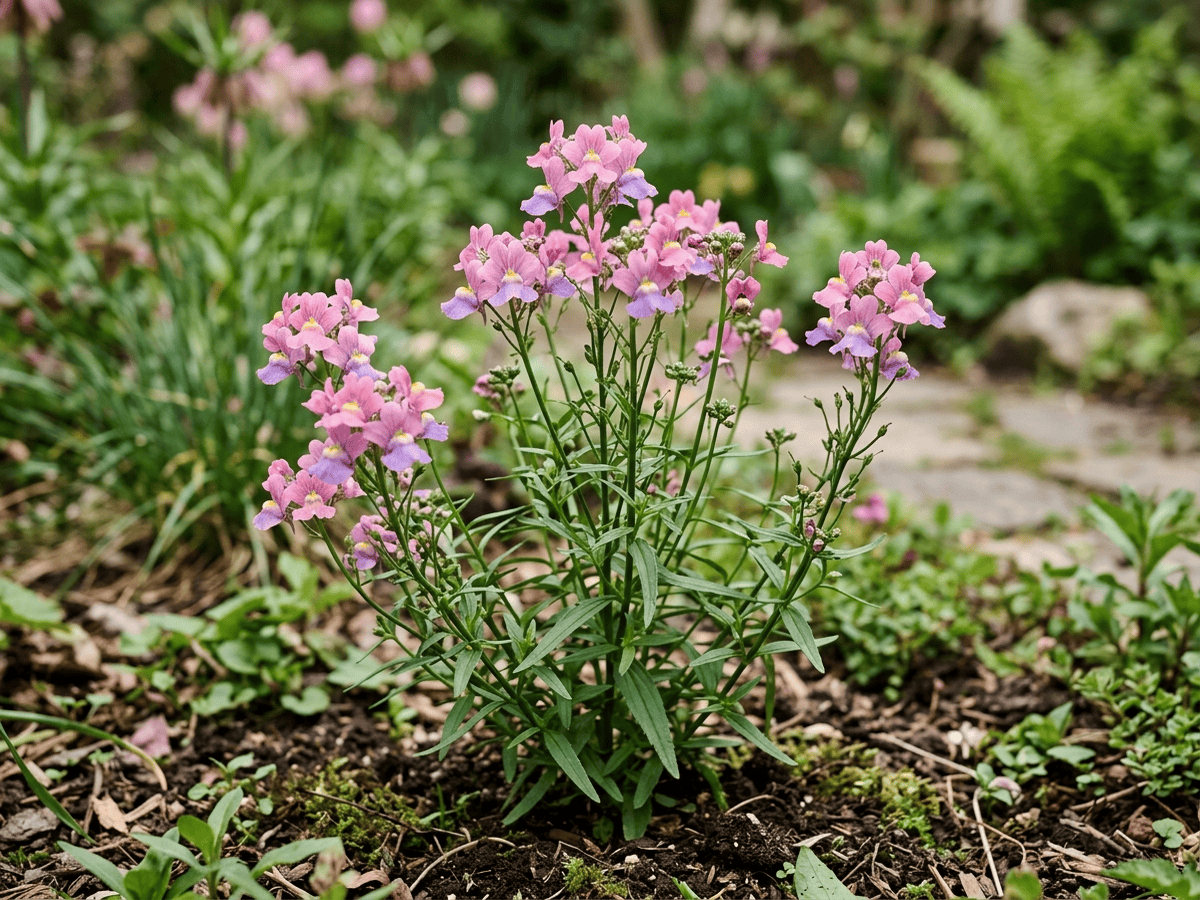
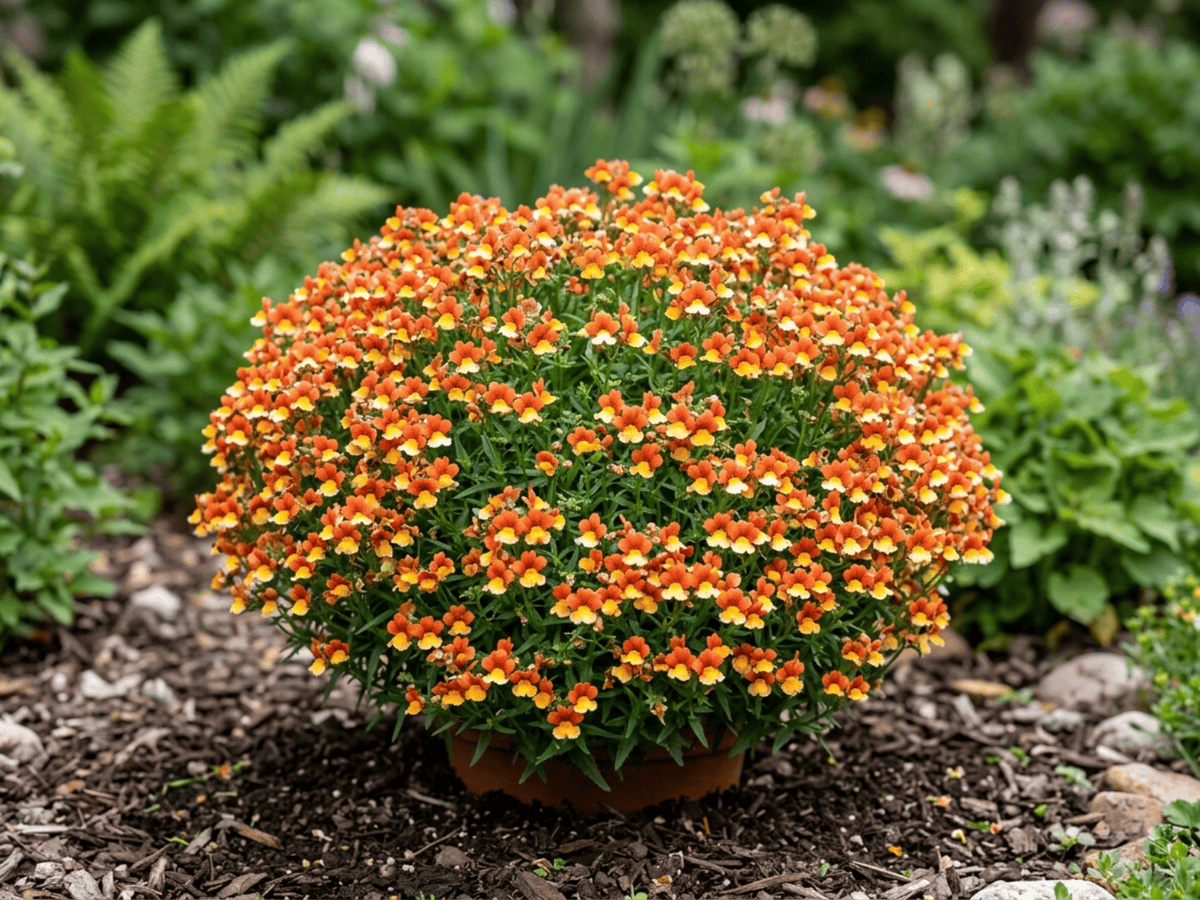
Plants with similar care
 Mexican AbeliaAbelia floribunda
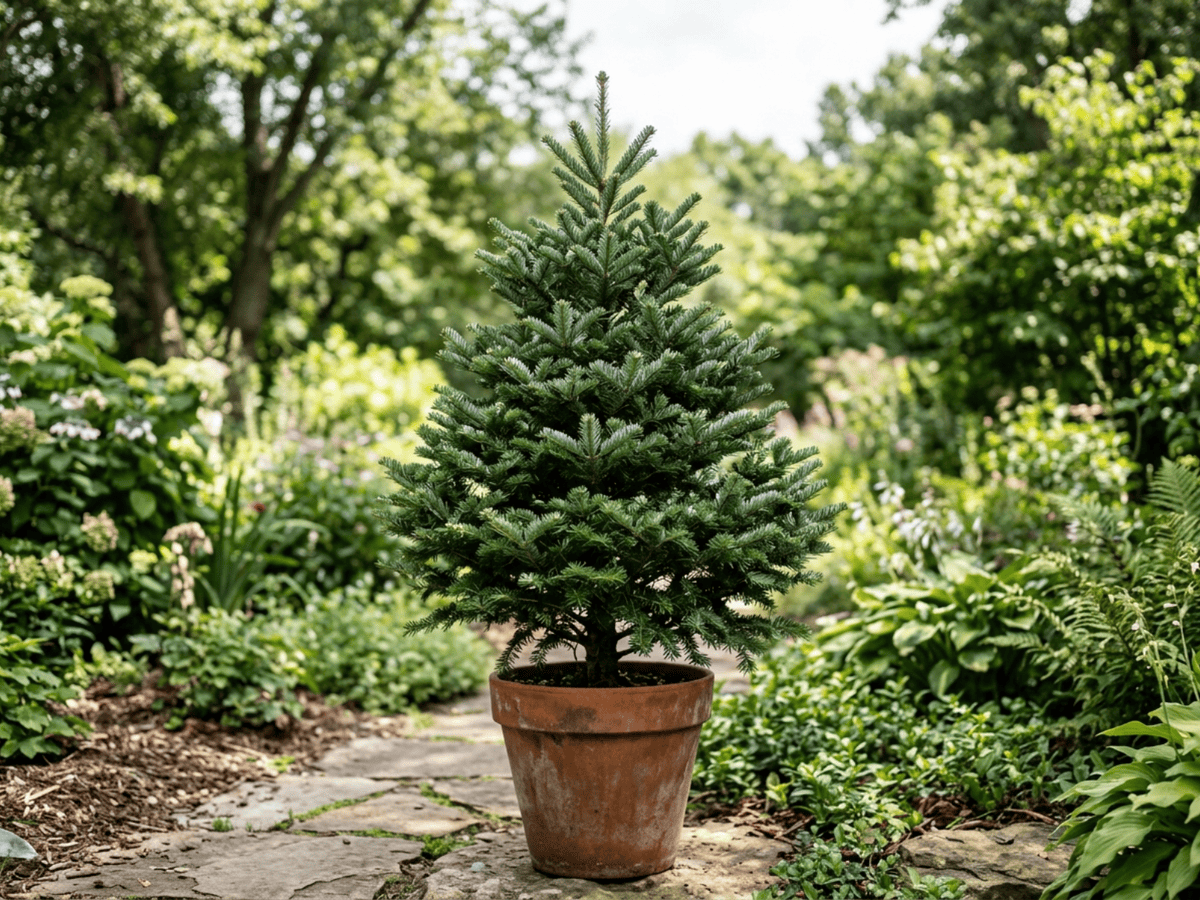 Fraser FirAbies fraseri
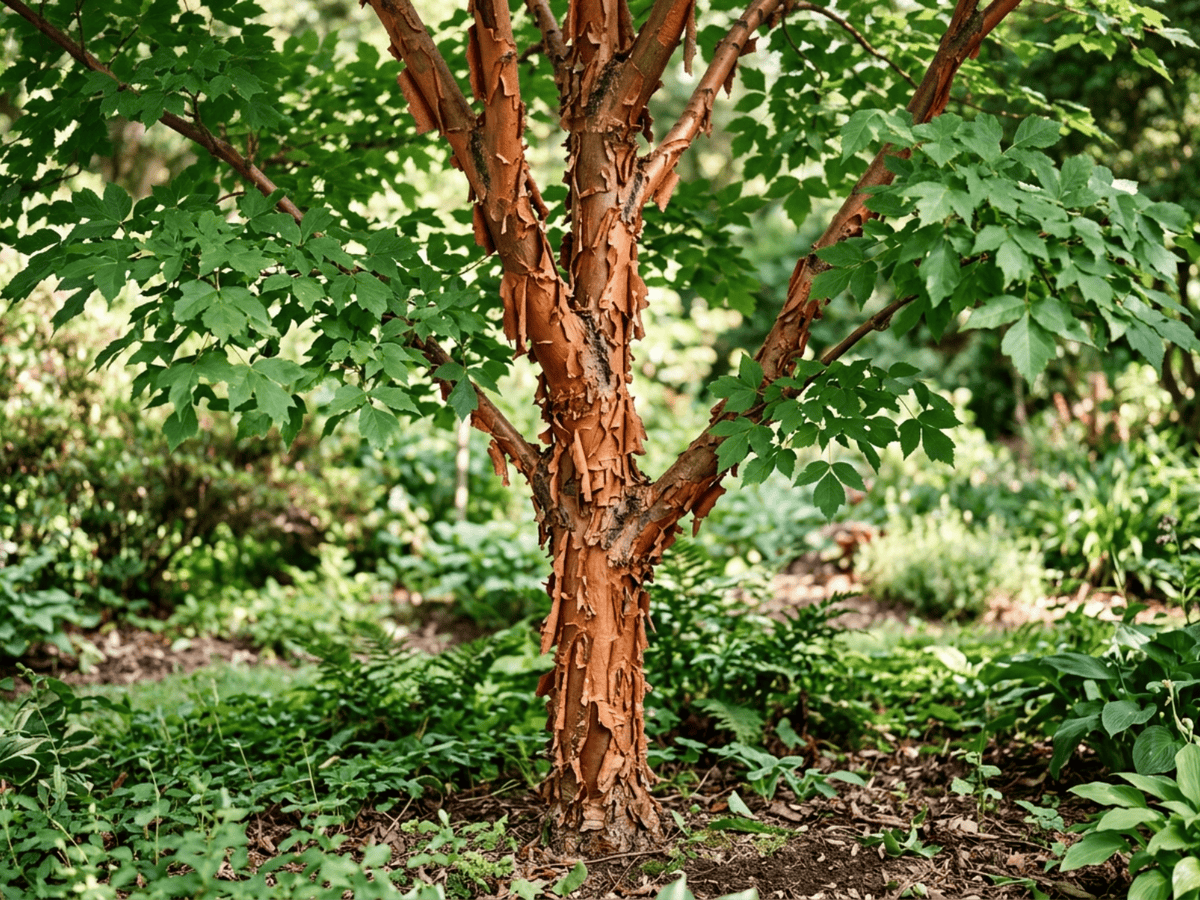 Paperbark MapleAcer griseum
 Sugar MapleAcer saccharum
Frequently asked questions
How often should I water Grassveld Lionface?
In summer, water about every 3 days; in winter, about every 7 days. Adjust for heat, pot size and drainage.
How much light does Grassveld Lionface need?
Full sun: 6+ hrs direct. Watch the leaves — scorching or stretching means the light needs adjusting.
Is Grassveld Lionface toxic to cats or dogs?
Pets Unknown (Dogs Unknown · Cats Unknown) Educational information, not medical or veterinary advice. If exposure is suspected, contact a doctor or veterinarian.
Is Grassveld Lionface easy to grow?
It is moderately demanding: a good choice once you have a little experience.
When does Grassveld Lionface bloom?
It typically blooms Mar–Aug in the Northern Hemisphere.
YardMate
Identify any plant in seconds
Snap a photo — YardMate names the plant, diagnoses problems, and reminds you when to water.
Download on the App Store