 YardMate


Nicotiana mutabilis
Nicotiana mutabilis
Easy · Beginner friendlyAbout Nicotiana mutabilis
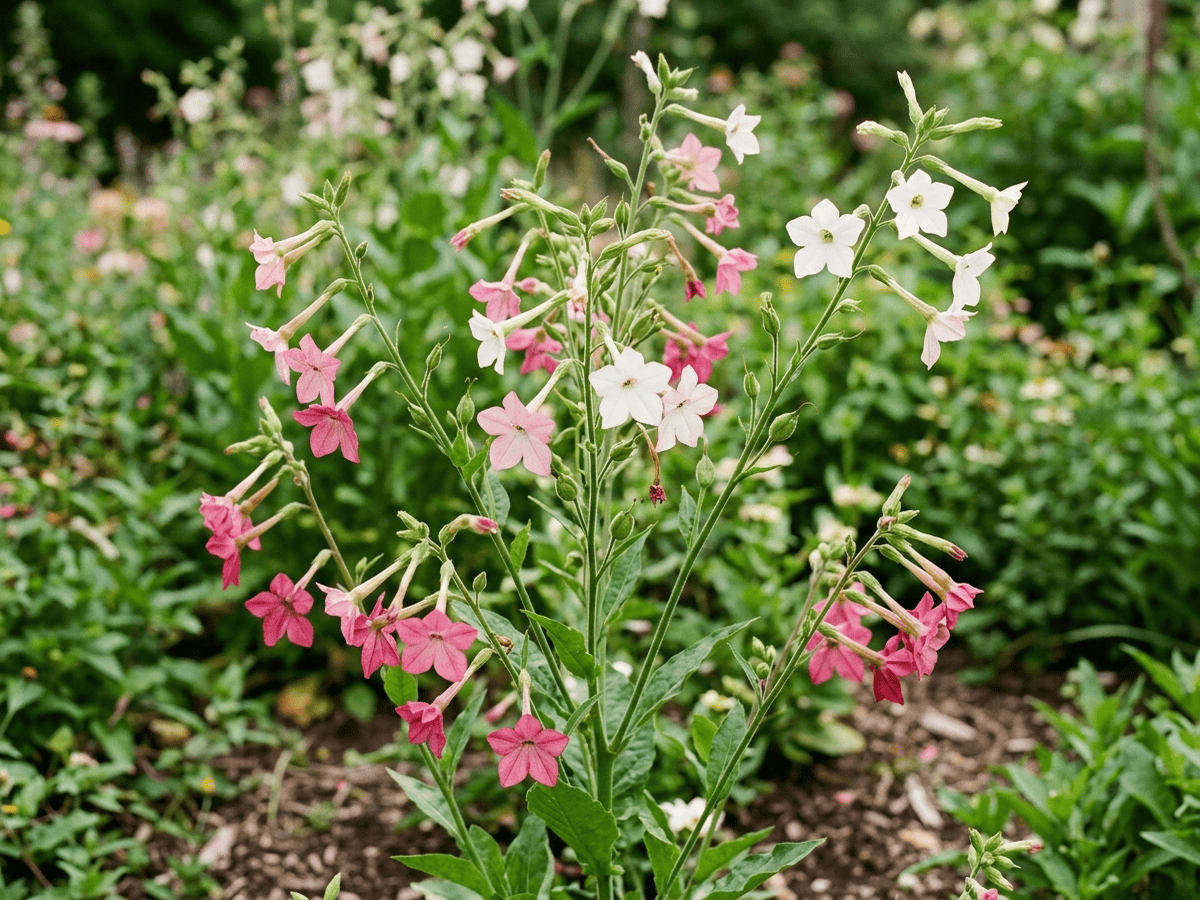
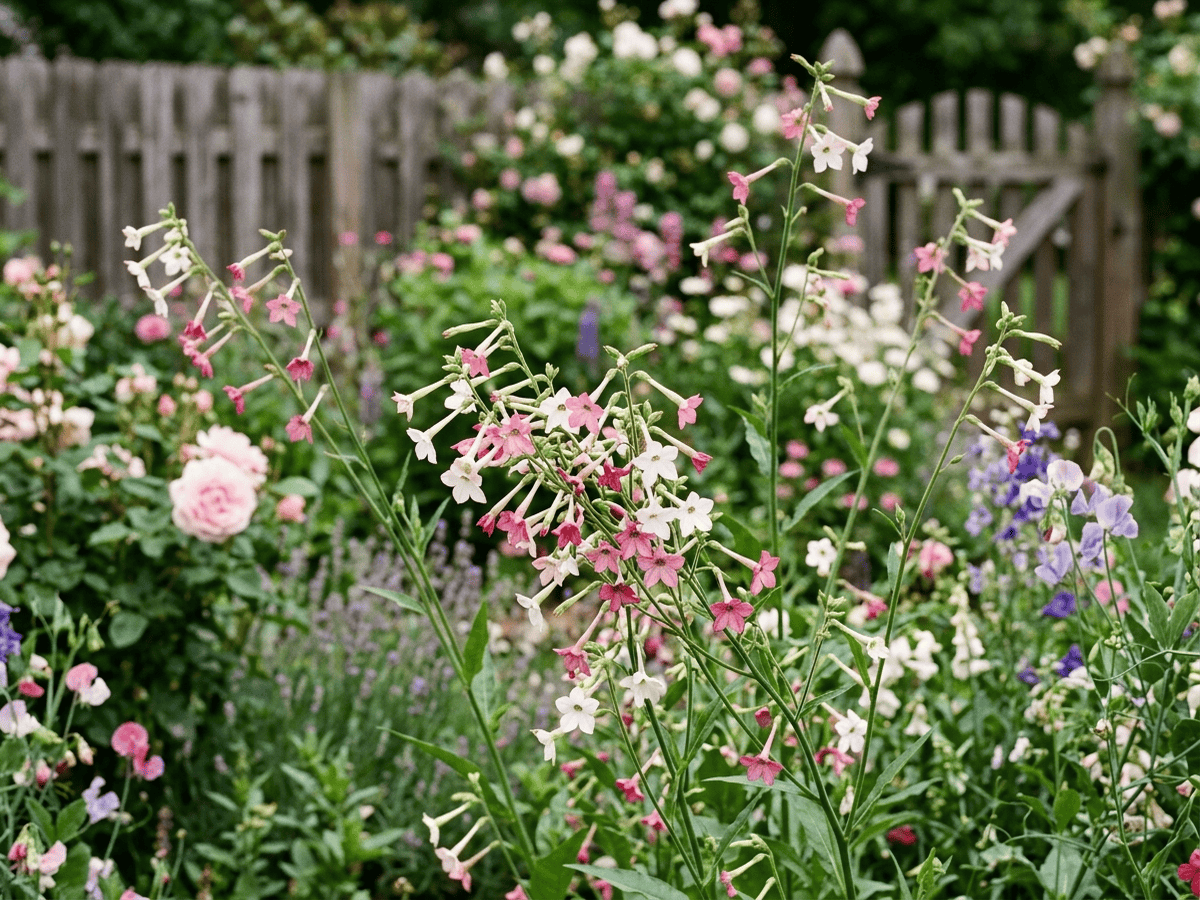
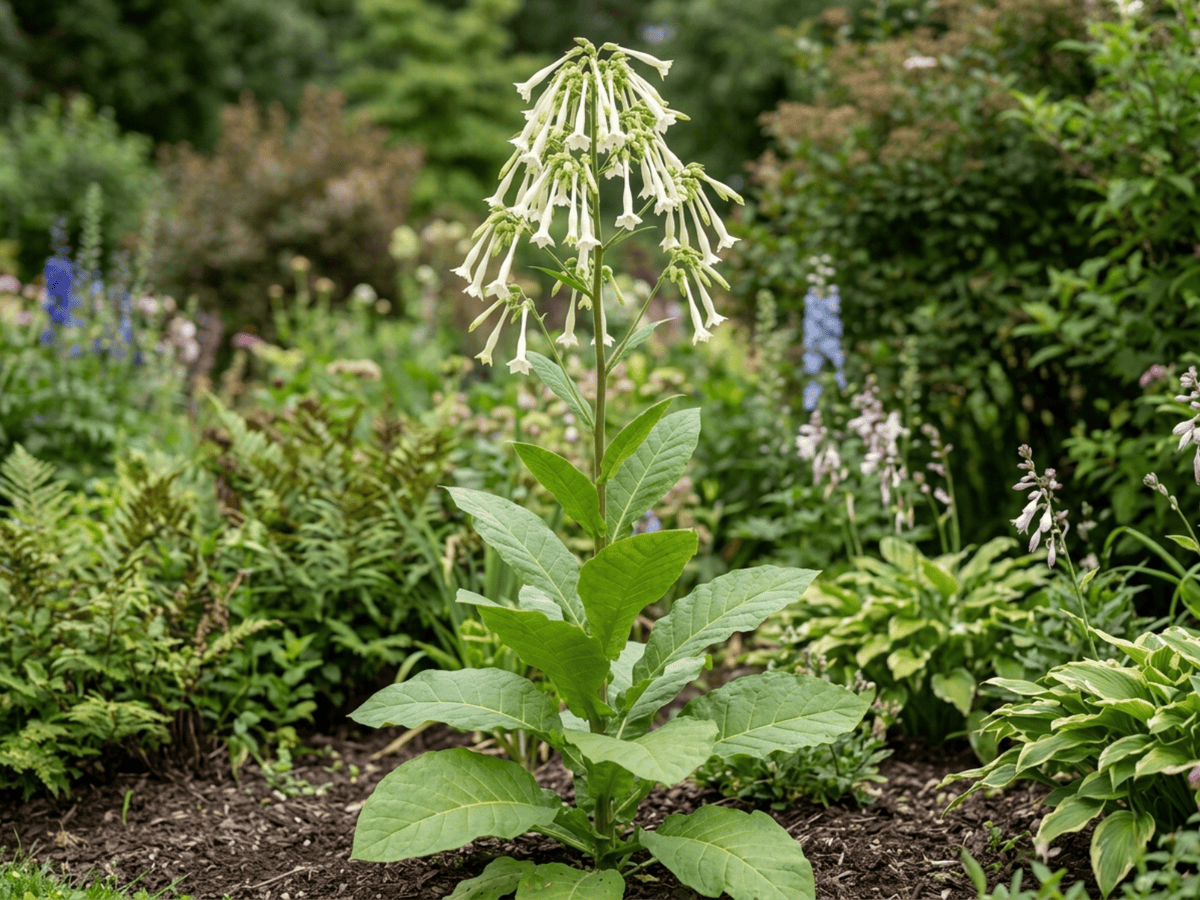
Multicolored Flowering Tobacco is a Brazilian self-sowing annual or short-lived perennial prized for its airy flowering spikes with tubular flowers that open white and mature to pink and deep rose, all three colors present at once. Growing 4 to 6 feet tall, it creates a stained-glass effect in cottage gardens and wildflower meadows, attracting hummingbirds and hawkmoths. A modern must-have for American cottage and naturalistic gardens.
- Fragrant
- Pollinator-friendly
How to care for Nicotiana mutabilis
Watering
- Springevery 5 days
- Summerevery 4 days
- Fallevery 7 days
- Winterevery 10 days
Soil · Well-draining
- Top dressingPine bark mulch10%
- Main mixPotting soil + perlite 2:170%
- DrainageLECA / gravel20%
Never skip the drainage layer — standing water is the top cause of root rot.
FERTILIZER
Balanced Feed 14-14-14
An even feed covers all three needs at once, keeping leaves, roots and blooms moving together with nothing pushed out of balance.
- Nitrogen · Leaves
- Phosphorus · Roots + Blooms
- Potassium · Strength
- Springevery 21 days
- Summerevery 21 days
At a Glance
- NativeSouth America
- Height4–6 ft (1.2–1.8 m)
- Spread2–3 ft (0.6–0.9 m)
- Flower colorWhite, Pink, Purple
- Foliage colorGreen
- SoilLoamy, Well-drained, Rich
- LocationsYard
Bloom time
BLOOM CYCLE
Peak bloom
Jul–Nov
White-pink-rose color-changing flowers July to frost
Fragrance
LIGHT FRAGRANCE
The flowers have a very light evening scent.
Toxicity
Humans Toxic · Pets Toxic
nicotine and nornicotine
Toxic
- Leaf
- Stem
- Flower
- Seed
- Ingestion
EXPOSURE Eating leaves, stems, flowers, and seeds.
EFFECT Nicotine-containing and severe GI and neurological toxicity if ingested.
NOTE Documented concern for humans: Nicotine-containing and severe GI and neurological toxicity if ingested.
Toxic
- Leaf
- Stem
- Flower
- Ingestion
EXPOSURE Eating leaves, stems, and flowers.
EFFECT ASPCA: nausea, vomiting, ataxia, tachycardia, seizures from nicotine and related alkaloids.
NOTE ASPCA lists Nicotiana as toxic to dogs and cats; all parts contain nicotine-type alkaloids.
Toxic
- Leaf
- Stem
- Flower
- Ingestion
EXPOSURE Eating leaves, stems, and flowers.
EFFECT ASPCA: nausea, vomiting, ataxia, tachycardia, seizures from nicotine and related alkaloids.
NOTE ASPCA lists Nicotiana as toxic to dogs and cats; all parts contain nicotine-type alkaloids.
Educational information, not medical or veterinary advice. If exposure is suspected, contact a doctor or veterinarian.
DISTRIBUTION


- Native
- Introduced
- South America
History

Nicotiana mutabilis, the Brazilian flowering tobacco, is a tall herbaceous annual to short-lived perennial discovered in 1981 by Brazilian botanist Arno Stehmann in southern Brazil and formally described in 1990. The epithet mutabilis refers to the remarkable way flowers transition color as they age, opening white then shifting through soft pink to deep magenta over several days, producing an airy tricolor cloud atop two-meter stems. English plantsman Derry Watkins of Special Plants Nursery introduced the species to British horticulture in the 1990s, and it became a cottage garden and cut-flower favorite worldwide by the 2000s.
Unlike sweet-scented N. alata, N. mutabilis flowers are largely unscented; they attract butterflies and hummingbirds across summer and autumn. A Brazilian endemic discovered in the 1990s and rapidly adopted by cutting-edge American gardeners after Annie's Annuals' and similar specialty nurseries popularized it in the 2000s.
Revolutionized flowering tobacco from a 19th-century formal-bed plant into a naturalistic cottage favorite.
Symbolism & meaning
What It Symbolizes
Nicotiana mutabilis embodies changing grace, opening pure white, deepening to soft pink, then maturing to deep rose, all three colors held on a single stem at once. Its panicles glow like stained glass in evening light, luminous color transitions caught mid-shift. It is often read as a flower of beautiful instability, a bloom whose meaning lives in transformation, teaching that some beauty depends on never quite settling on a single shade.
- Changing grace — three flower colors on one stem
- Stained-glass — luminous color transitions
Where the Name Comes From
'Nicotiana' honors Jean Nicot (1530-1600), French diplomat who introduced tobacco to France; 'mutabilis' from Latin means changing, for color-changing flowers.
Uses & Fun Facts
- Tubular flowers release sweet evening tobacco fragrance
- Color-changing spikes attract hummingbirds and hawk moths
- Stained-glass effect of three flower colors at once
Related plants
More Nicotiana plants
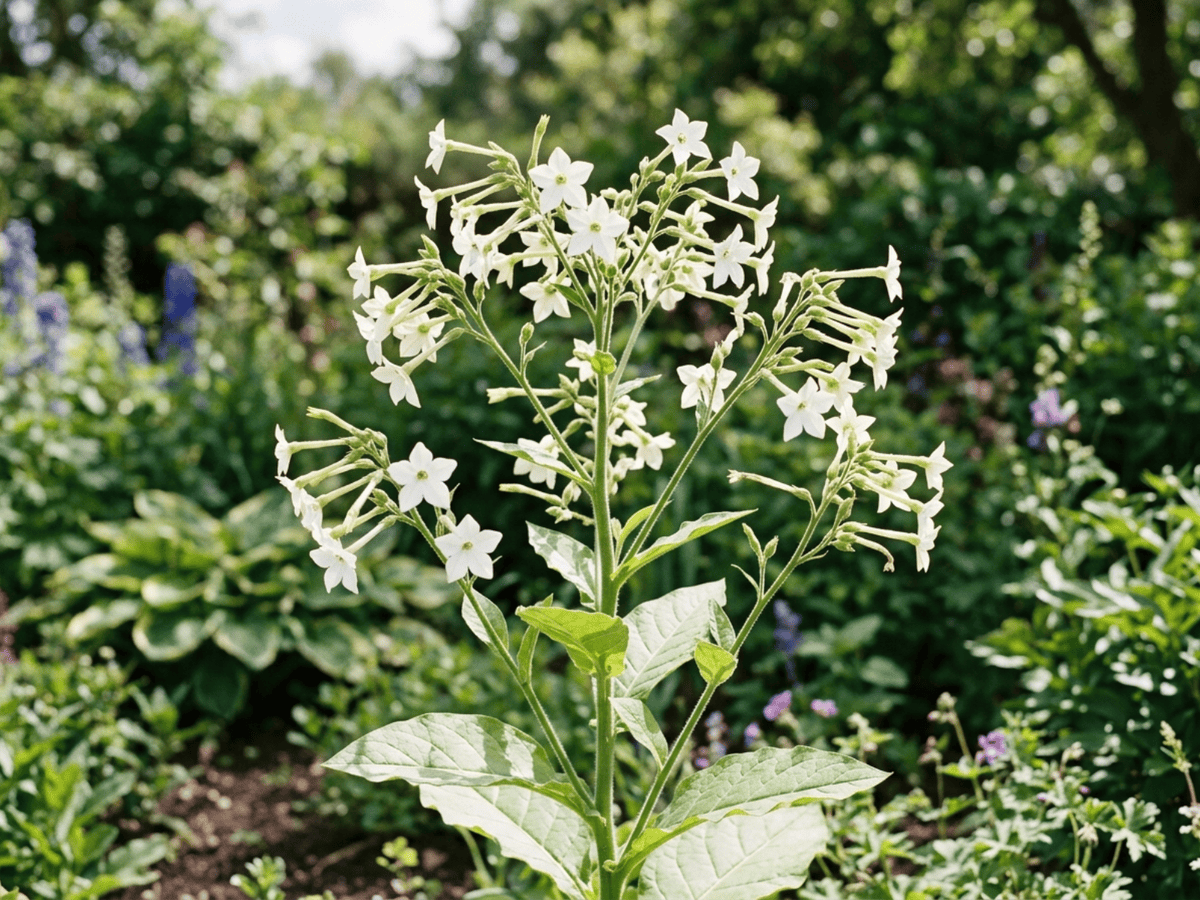 Jasmine TobaccoNicotiana alata
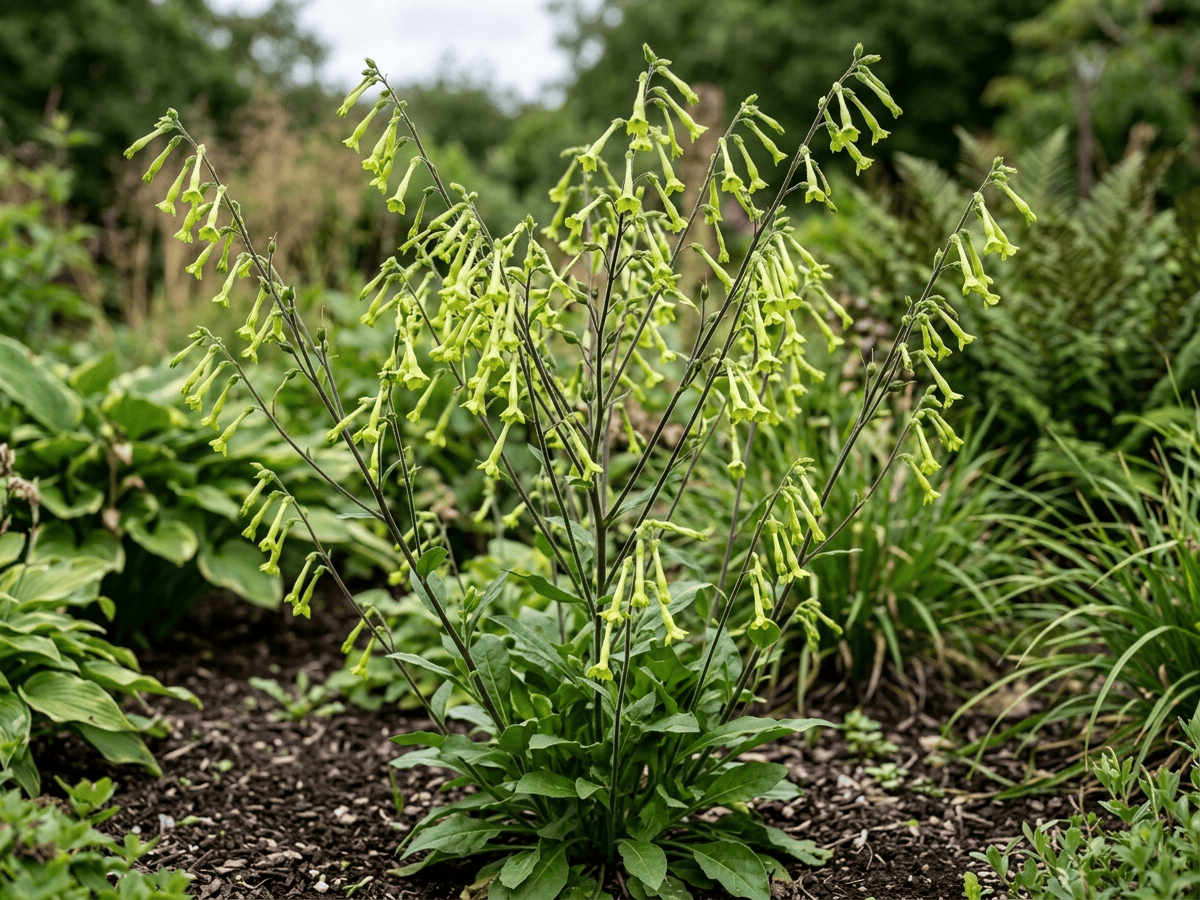 Langsdorff's TobaccoNicotiana langsdorffii
 Woodland TobaccoNicotiana sylvestris
Plants with similar care
 Chinese AbeliaAbelia chinensis
 Fragrant AbeliaAbelia mosanensis
 Large-Flowered AbeliaAbelia uniflora
 Glossy AbeliaAbelia x grandiflora
Frequently asked questions
How often should I water Nicotiana mutabilis?
In summer, water about every 4 days; in winter, about every 10 days. Adjust for heat, pot size and drainage.
How much light does Nicotiana mutabilis need?
Full sun: 6+ hrs direct. Watch the leaves — scorching or stretching means the light needs adjusting.
Is Nicotiana mutabilis toxic to cats or dogs?
Pets Toxic (Dogs Toxic · Cats Toxic) Educational information, not medical or veterinary advice. If exposure is suspected, contact a doctor or veterinarian.
Is Nicotiana mutabilis easy to grow?
Yes — it is considered an easy, beginner-friendly plant.
When does Nicotiana mutabilis bloom?
It typically blooms Jul–Nov in the Northern Hemisphere.
YardMate
Identify any plant in seconds
Snap a photo — YardMate names the plant, diagnoses problems, and reminds you when to water.
Download on the App Store