 YardMate

Beardlip Penstemon
Penstemon barbatus
Easy · Beginner friendlyAbout Beardlip Penstemon
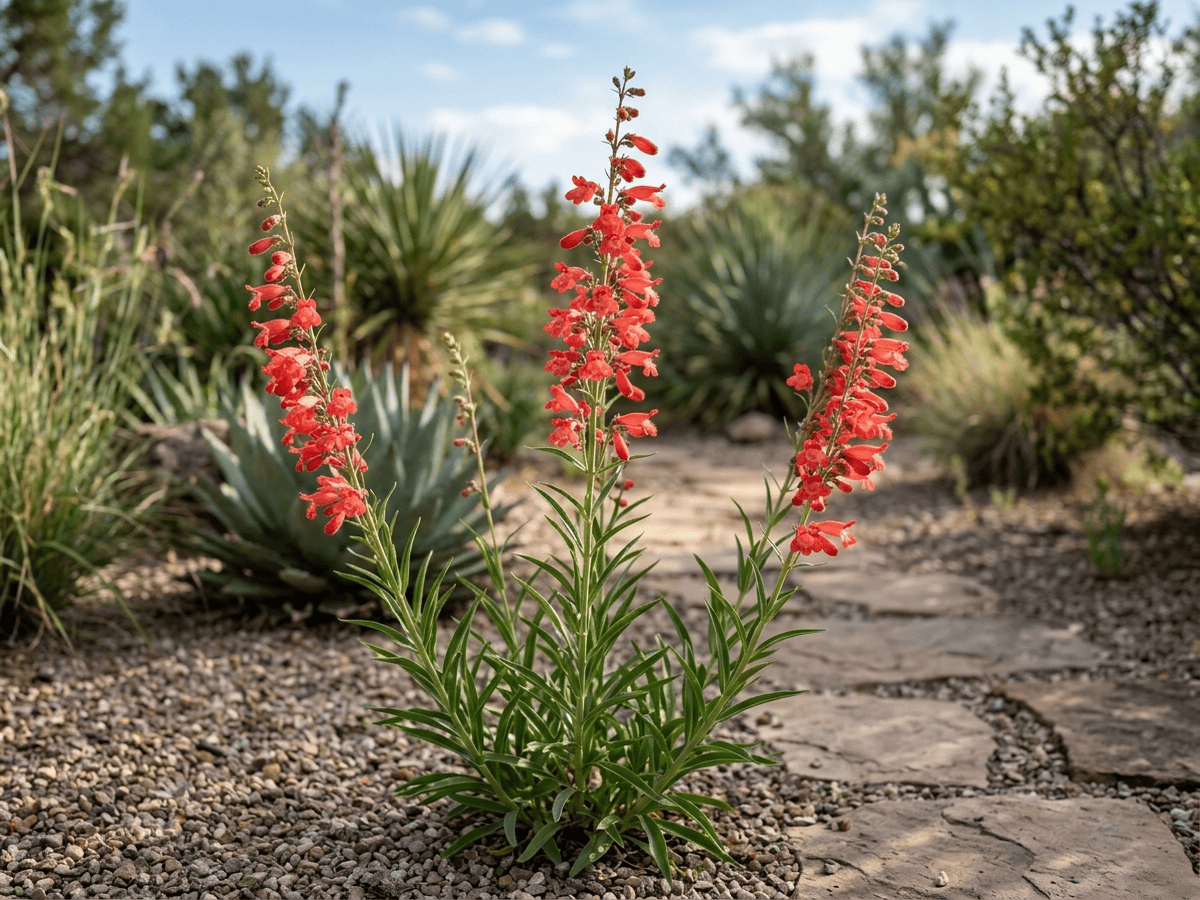
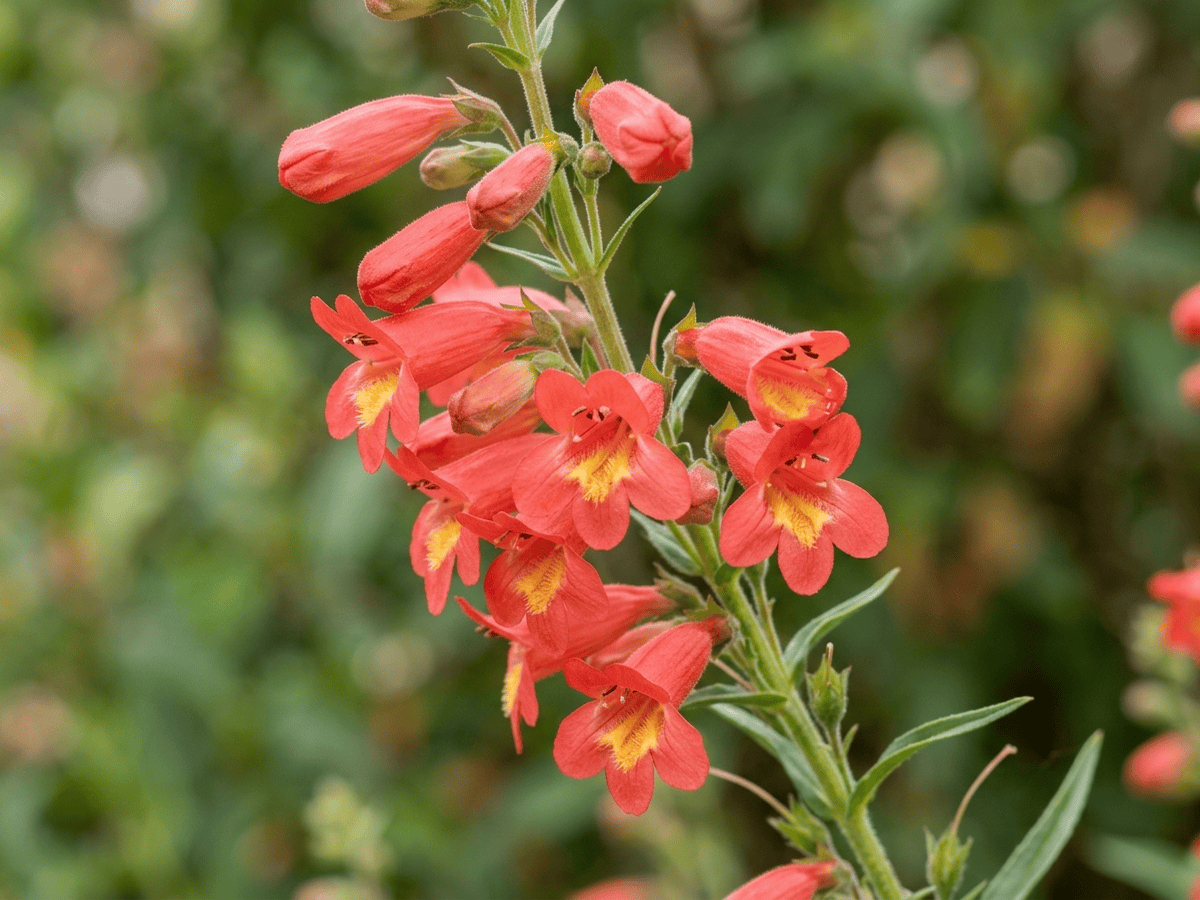
Penstemon barbatus, beardlip penstemon or scarlet bugler, is a clump-forming perennial native to the southern Rocky Mountains from Utah and Colorado south through New Mexico to Mexico. Tall 60-90 cm spires of scarlet tubular flowers appear in early summer and attract hummingbirds, bumblebees, and native solitary bees throughout the American Southwest.
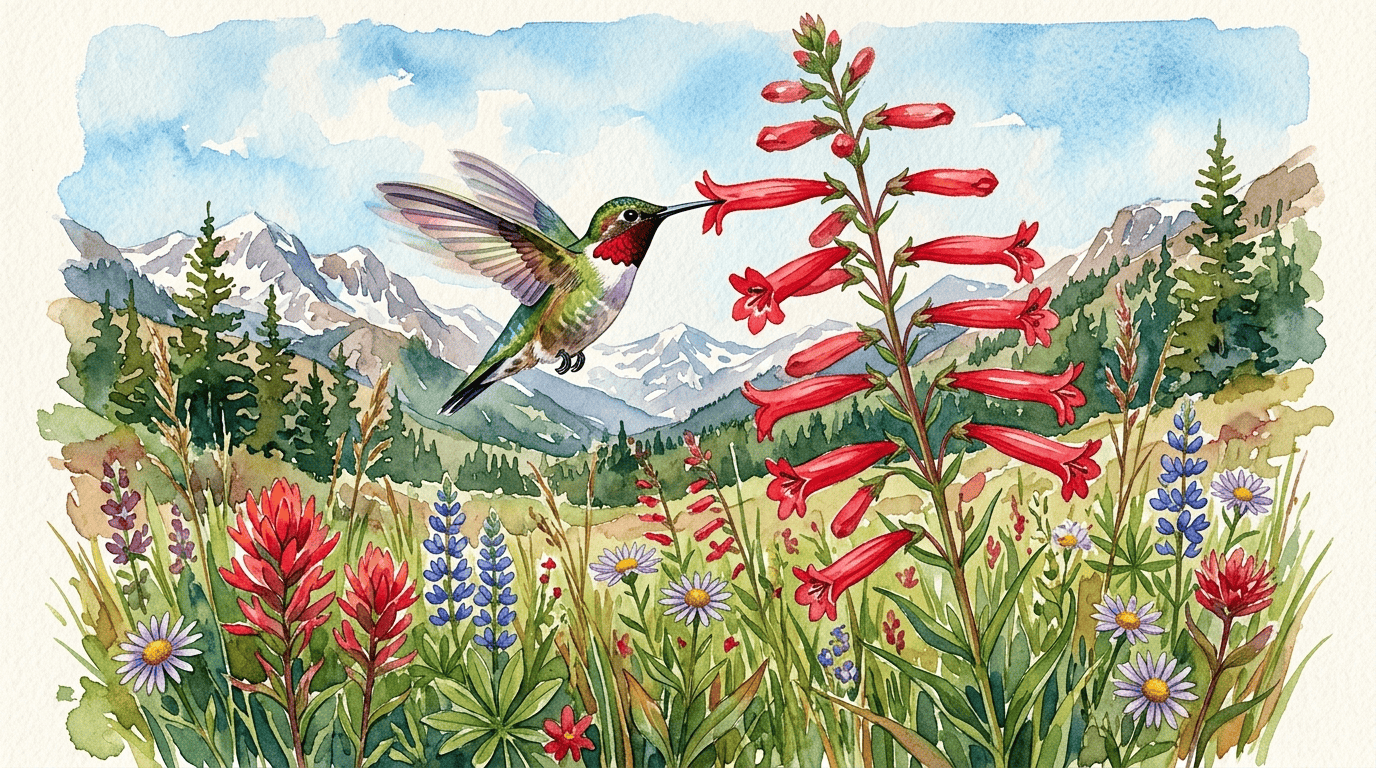
The bearded lower lip (the 'barbatus' of the species name) serves as a landing platform for bees. Hummingbirds, however, bypass the bees entirely by hovering and inserting their long bills directly into the tube.
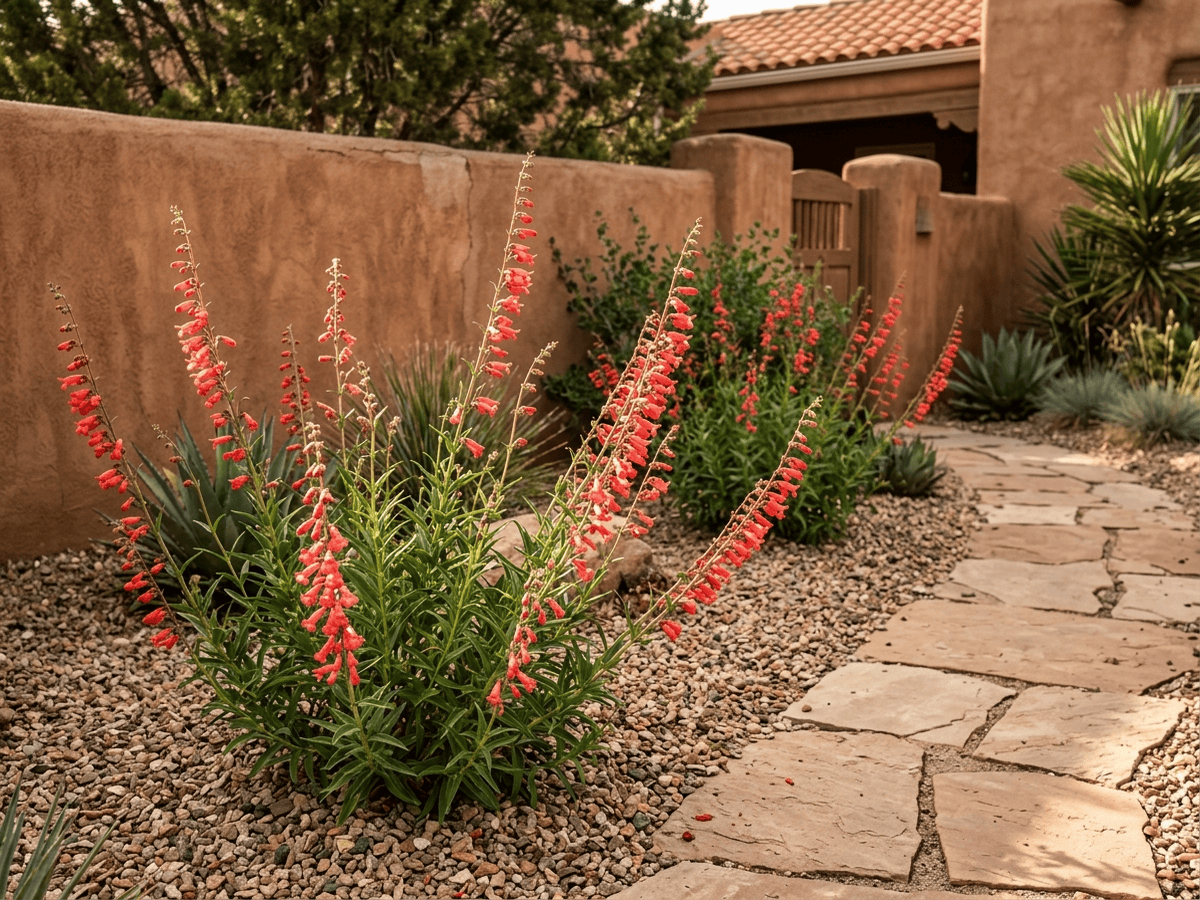
One of the best hummingbird plants for USDA zones 4-9 and a top-tier xeriscape perennial. Drought-tolerant once established; prefers lean well-drained soil and full sun. Self-seeds gently and returns reliably each year.
- Drought-tolerant
- Native
How to care for Beardlip Penstemon
Watering
- Springevery 10 days
- Summerevery 7 days
- Fallevery 14 days
- Winterpause watering
Soil · Well-draining
- Top dressingPine bark mulch10%
- Main mixPotting soil + perlite 2:170%
- DrainageLECA / gravel20%
Never skip the drainage layer — standing water is the top cause of root rot.
FERTILIZER
This plant needs little to no feeding.
At a Glance
- NativeNorth America
- Height2–4 ft (0.6–1.2 m)
- Spread1–2 ft (0.3–0.6 m)
- Flower colorRed
- Foliage colorGreen, Blue-green
- Fruit colorBrown
- SoilSandy, Well-drained
- LocationsYard
Bloom time
BLOOM CYCLE
Peak bloom
May–Jun
Scarlet tubular flowers in early summer on 60-90 cm spires; deadhead to prolong.
Fragrance
NO FRAGRANCE
Not notably fragrant.
Toxicity
No toxicity has been reported for this plant. Still, it is wise to keep pets from chewing on any houseplant.
Educational information, not medical or veterinary advice. If exposure is suspected, contact a doctor or veterinarian.
DISTRIBUTION


- Native
- Introduced
- North America
History
Penstemon barbatus is native to the southern Rocky Mountains and northern Mexico, occurring from Utah and Colorado south through New Mexico, Arizona, and into Chihuahua and Durango. Linnaeus described the species in 1767 under the name Chelone barbata from specimens collected by Spanish botanist Lorenzo Boldo in New Mexico; it was later transferred to Penstemon by Nuttall. It was among the first North American penstemons introduced to European horticulture and remains one of the most widely grown today.
The flower morphology is a textbook example of hummingbird pollination: long (25-35 mm) scarlet tubular flowers held horizontally with little nectar guide for bees, minimal landing platform, and high sucrose nectar optimized for hummingbird metabolism. Hummingbirds hover in front of the flowers and insert their bills directly.
The 'barbatus' bearded lower lip is vestigial — an evolutionary relic from the species' bee-pollinated ancestors. The cultivar 'Prairie Fire' remains the most popular garden form. Extensively used in native-plant landscaping in Colorado, New Mexico, Arizona, and Utah.
Symbolism & meaning
What It Symbolizes
Beardlip Penstemon can symbolize accomplishment, its tall spires of scarlet tubular flowers reading as triumphant against a dry hillside. Another layer is desert beauty, for it is an icon of southwestern hummingbird gardens, drawing rufous and broad-tailed visitors with relentless precision. In the language of high-elevation natives, penstemon barbatus is the small fanfare of summer, a plant whose vertical bloom feels like a quiet trumpet sounded across the meadow.
- Accomplishment — Tall spires of scarlet tubes read as triumphant
- Desert Beauty — Icon of Southwestern hummingbird gardens
Where the Name Comes From
Penstemon from Greek 'pente' (five) + 'stemon' (thread), referring to the five stamens; 'barbatus' means bearded, referring to the hairy lower lip.
Uses & Fun Facts
- Tall coral spires work in cottage flower bouquets
- Tubular coral-red flowers magnetize hummingbirds in summer
- Beardlip penstemon brightens dry rocky borders
Related plants
More Penstemon plants
 Rock PenstemonPenstemon baccharifolius
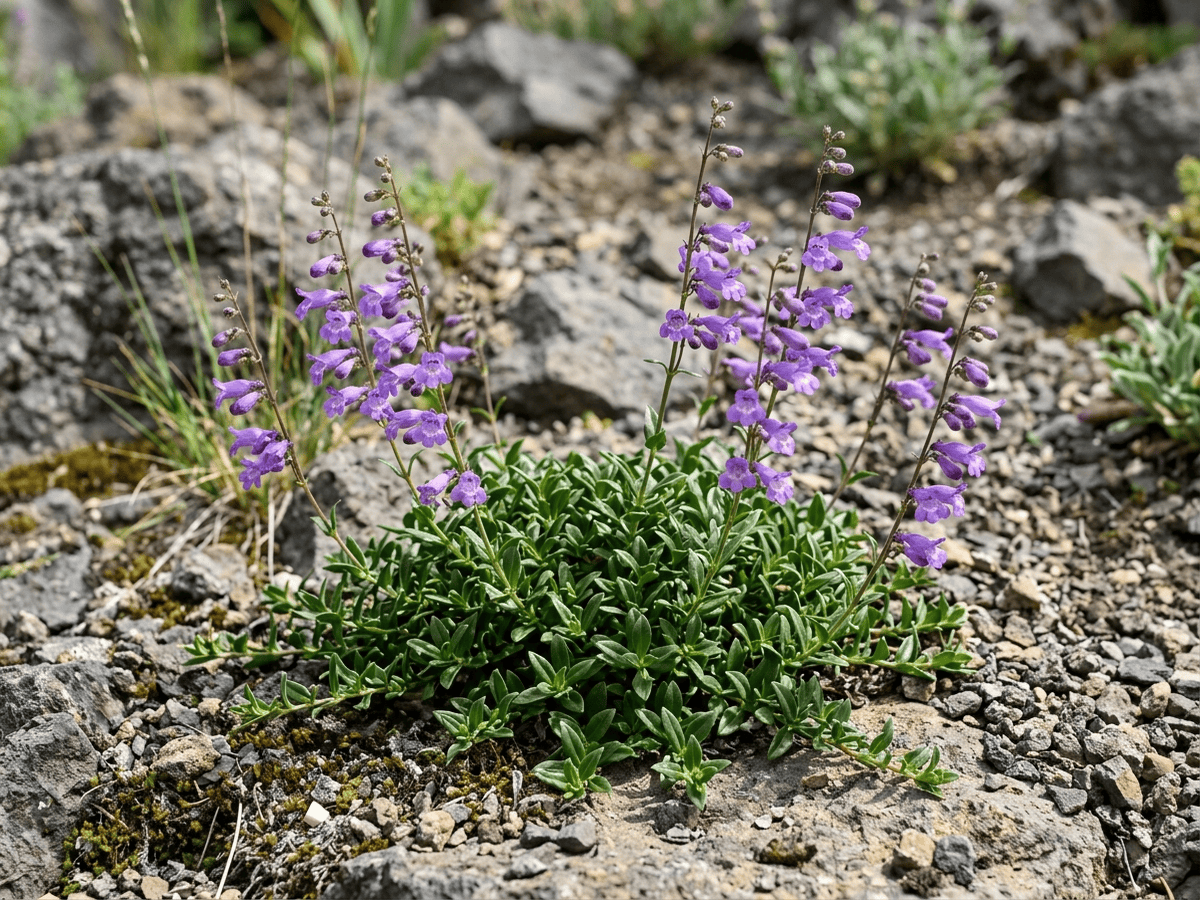 Cardwell's BeardtonguePenstemon cardwellii
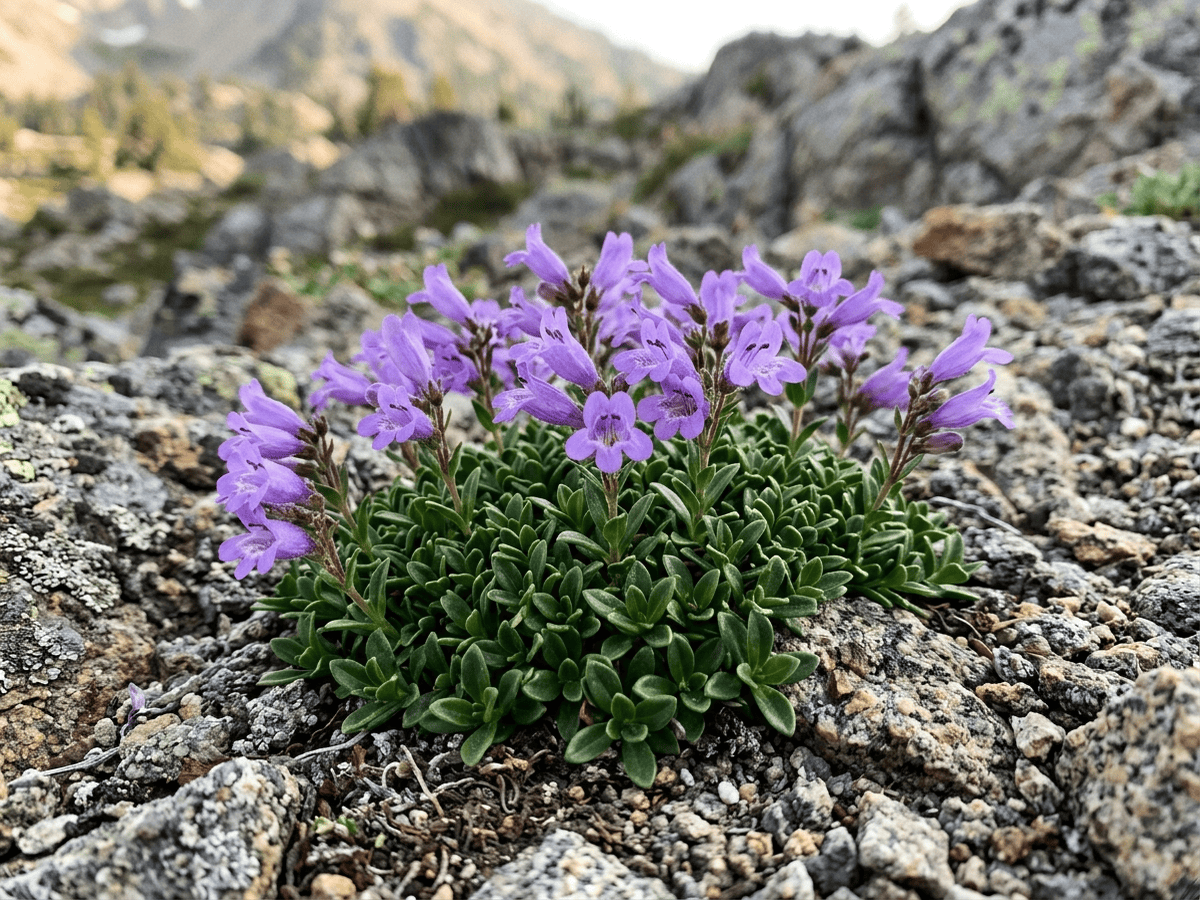 Davidson's PenstemonPenstemon davidsonii
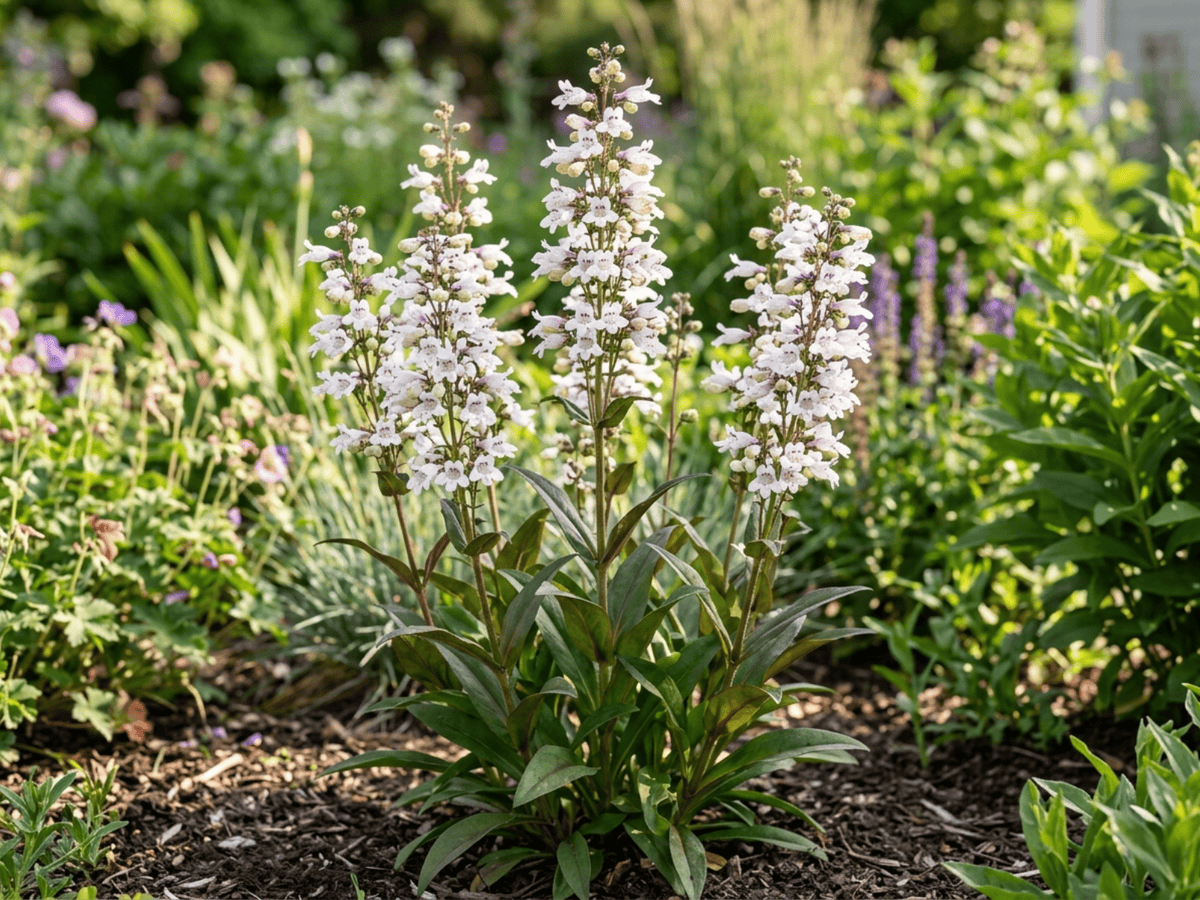 Foxglove BeardtonguePenstemon digitalis
Plants with similar care
 Chinese AbeliaAbelia chinensis
 Fragrant AbeliaAbelia mosanensis
 Large-Flowered AbeliaAbelia uniflora
 Glossy AbeliaAbelia x grandiflora
Frequently asked questions
How often should I water Beardlip Penstemon?
Water about every 10 days during the growing season, and always let excess water drain away.
How much light does Beardlip Penstemon need?
Full sun: 6+ hrs direct. Watch the leaves — scorching or stretching means the light needs adjusting.
Is Beardlip Penstemon toxic to cats or dogs?
No toxicity has been reported for this plant. Still, it is wise to keep pets from chewing on any houseplant. Educational information, not medical or veterinary advice. If exposure is suspected, contact a doctor or veterinarian.
Is Beardlip Penstemon easy to grow?
Yes — it is considered an easy, beginner-friendly plant.
When does Beardlip Penstemon bloom?
It typically blooms May–Jun in the Northern Hemisphere.
YardMate
Identify any plant in seconds
Snap a photo — YardMate names the plant, diagnoses problems, and reminds you when to water.
Download on the App Store