 YardMate


Cardwell's Beardtongue
Penstemon cardwellii
Easy · Beginner friendlyAbout Cardwell's Beardtongue
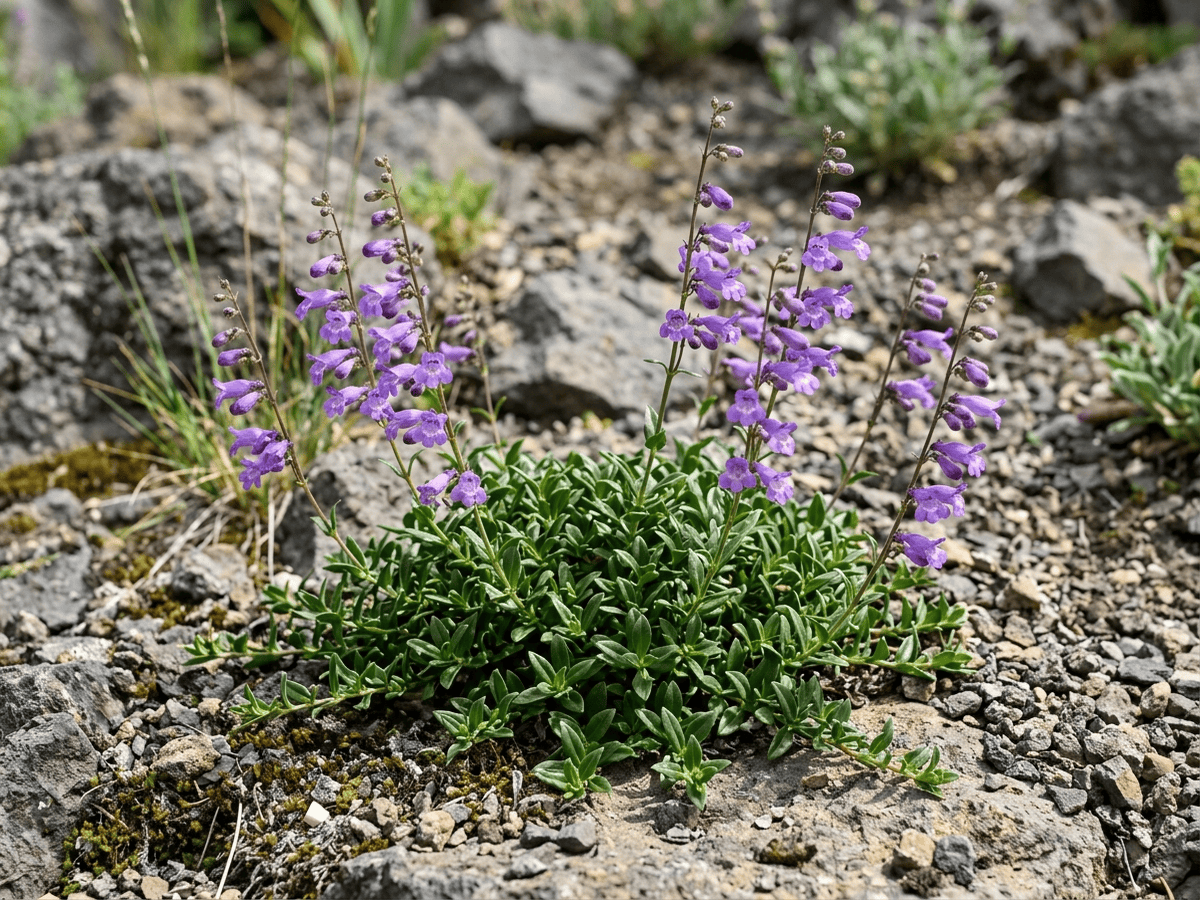
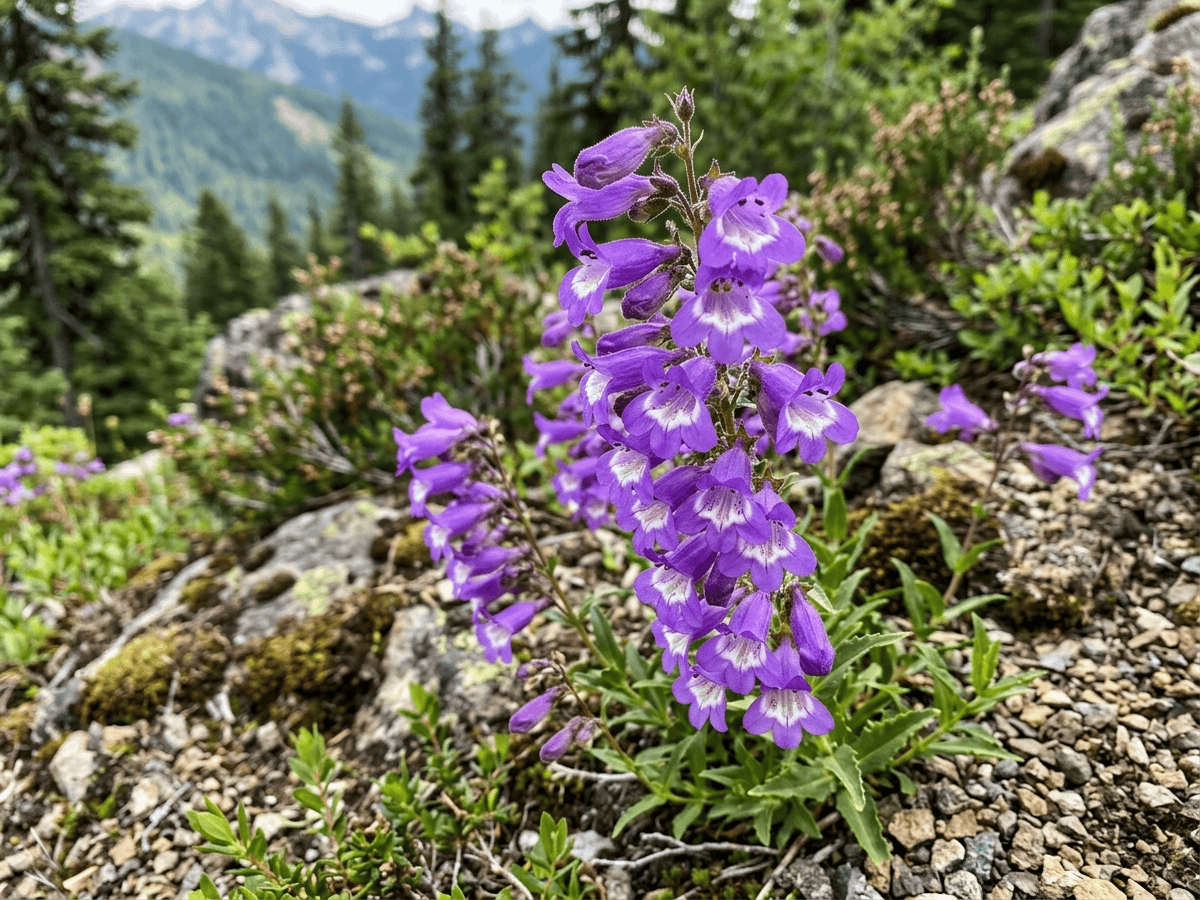
Cardwell's Penstemon is a low-growing evergreen subshrub native to the Cascade Mountains of Oregon and Washington. Forming dense mats 6 to 12 inches tall and 18 to 24 inches wide, it produces an abundance of vivid lavender-purple tubular flowers in late spring that attract hummingbirds and native bees. Excellent in rock gardens and as a flowering groundcover, it is one of the most reliable and showy of the Pacific Northwest native penstemons.
- Drought-tolerant
- Deer-resistant
- Evergreen
- Native
How to care for Cardwell's Beardtongue
Watering
- Springevery 7 days
- Summerevery 10 days
- Fallevery 14 days
- Winterevery 21 days
Soil · Well-draining
- Top dressingPine bark mulch10%
- Main mixPotting soil + perlite 2:170%
- DrainageLECA / gravel20%
Never skip the drainage layer — standing water is the top cause of root rot.
FERTILIZER
- Springevery 60 days
At a Glance
- NativeNorth America
- Height0.5–1.5 ft (0.2–0.5 m)
- Spread1–2 ft (0.3–0.6 m)
- Flower colorPurple, Pink
- Foliage colorGreen, Bronze
- SoilSandy, Well-drained
- LocationsYard · Balcony
Bloom time
BLOOM CYCLE
Peak bloom
May–Jul
Lavender-purple tubular flowers May to July
Toxicity
Toxicity unknown
None reported
Unknown
EXPOSURE Unspecified plant material.
EFFECT Toxic effects are not specified.
NOTE Toxicity for humans is not well documented; use caution until verified.
Unknown
EXPOSURE Unspecified plant material.
EFFECT Toxic effects are not specified.
NOTE Toxicity for dogs is not well documented; use caution until verified.
Unknown
EXPOSURE Unspecified plant material.
EFFECT Toxic effects are not specified.
NOTE Toxicity for cats is not well documented; use caution until verified.
Educational information, not medical or veterinary advice. If exposure is suspected, contact a doctor or veterinarian.
DISTRIBUTION


- Native
- North America
History
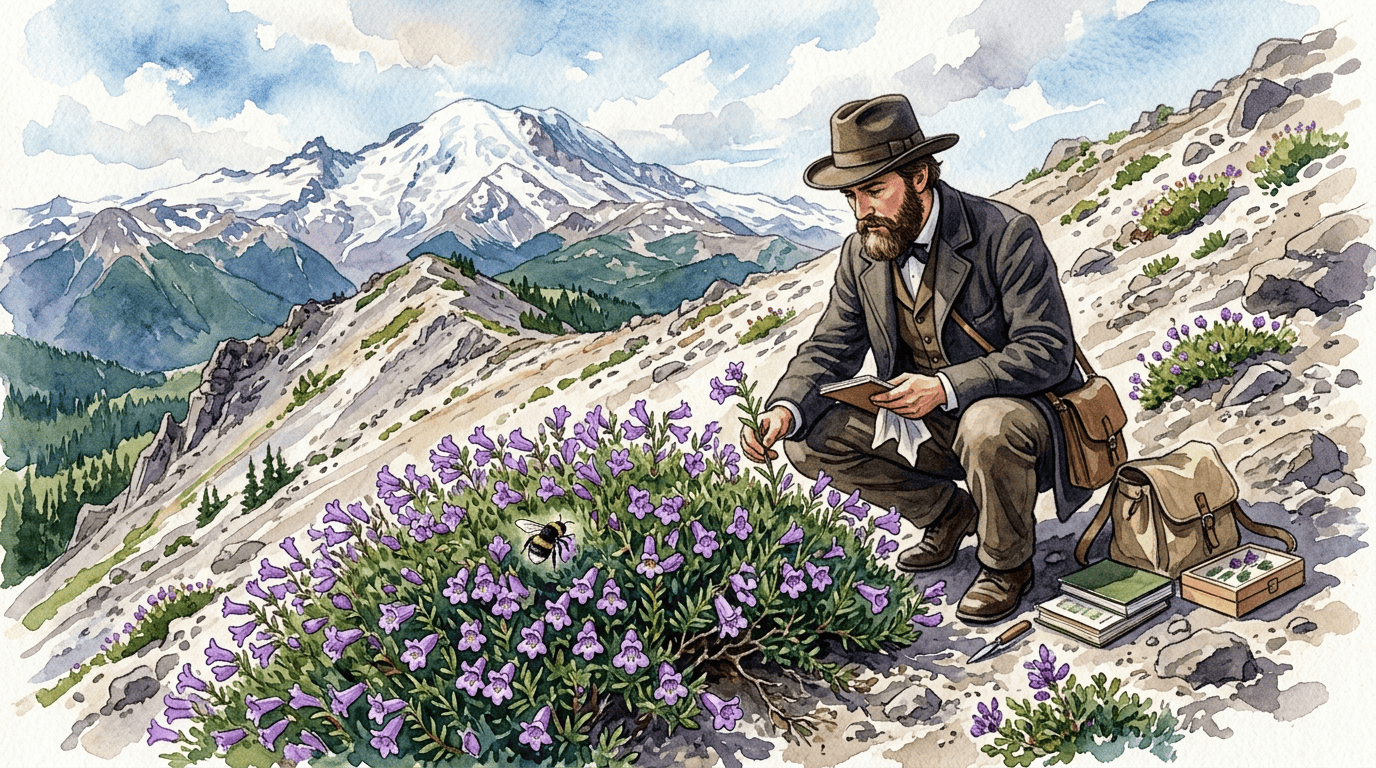
Penstemon cardwellii, Cardwell's penstemon, is a low-growing evergreen subshrub native to volcanic slopes, pumice flats, and alpine ridges of the Cascade Range from southern Washington through Oregon. American botanist Thomas Howell described the species in 1897, naming it for James Cardwell, a 19th-century Oregon physician and amateur botanist who collected the type specimen. The shrublet reaches about 25 centimeters tall, forming dense mats of small evergreen leaves that show bronze-purple winter color.
In early summer it bears abundant tubular purple to lavender flowers prized by bumblebees and hummingbirds. It has long been a cornerstone Pacific Northwest rock garden plant, valued for reliability in well-drained soils and tolerance of cold mountain winters.
Several cultivars including Roseus and John Bacher are grown commercially. Named for James Robert Cardwell, an early Oregon dentist and amateur botanist who collected the species in the late 19th century. Has become a popular native landscaping plant throughout the Pacific Northwest for its drought tolerance and showy long-lasting blooms.
Symbolism & meaning
What It Symbolizes
Cardwell's beardtongue carries mountain devotion in every purple bloom — a loyal native of Cascade slopes that returns each year to the same rocky openings, faithful to its high country. Its wild grace is on full display in June, when masses of trumpet flowers light up otherwise austere terrain. To find it in habitat is to encounter a wildflower that seems entirely at home in stone.
- Mountain devotion — loyal native of Cascade slopes
- Wild grace — abundant purple blooms enliven rocky terrain
Where the Name Comes From
'Penstemon' is Greek for 'five stamens'; 'cardwellii' honors James R. Cardwell (1830–1916).
Uses & Fun Facts
- Tubular purple flowers attract hummingbirds and native bumblebees
- Low evergreen Pacific Northwest native for sunny rock gardens
- Spreading mat fills sunny well-drained mountain garden slopes
Related plants
More Penstemon plants
 Rock PenstemonPenstemon baccharifolius
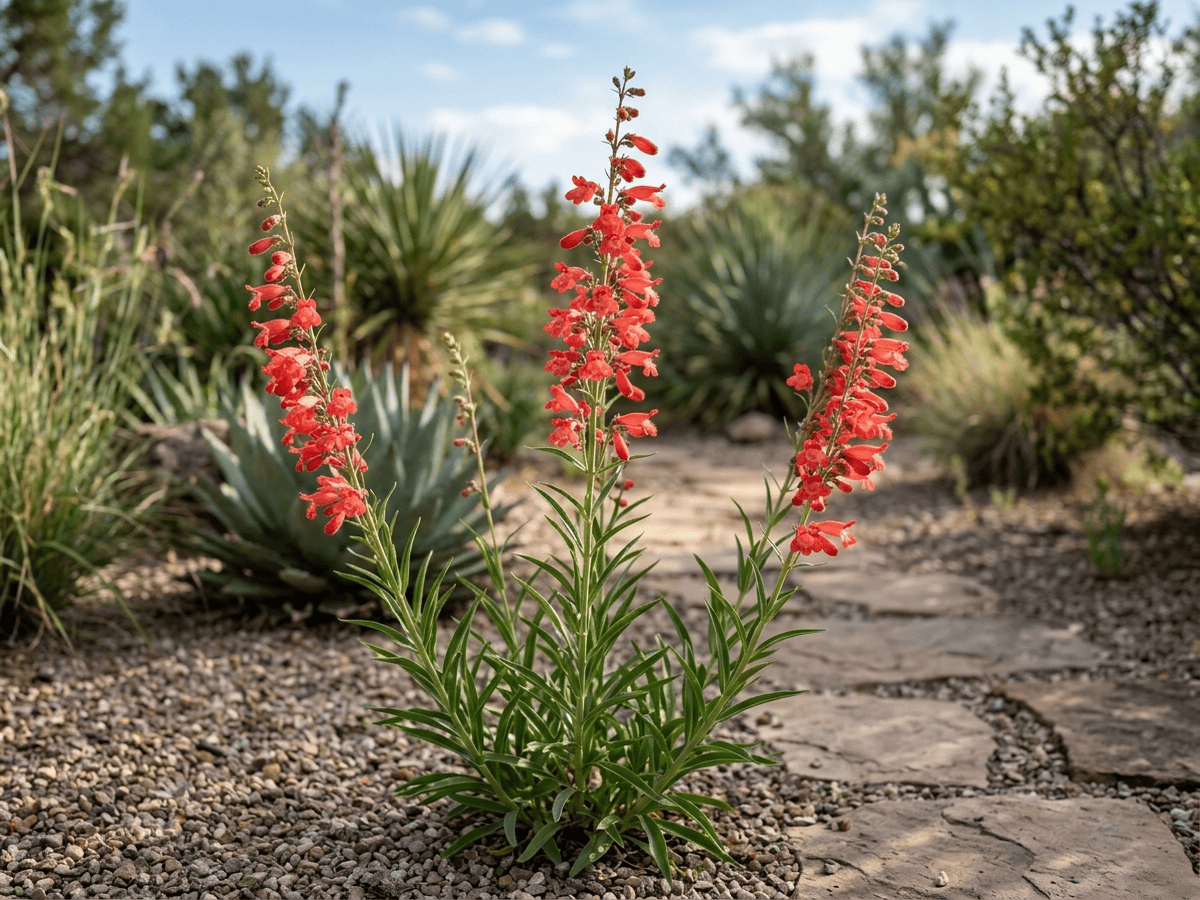 Beardlip PenstemonPenstemon barbatus
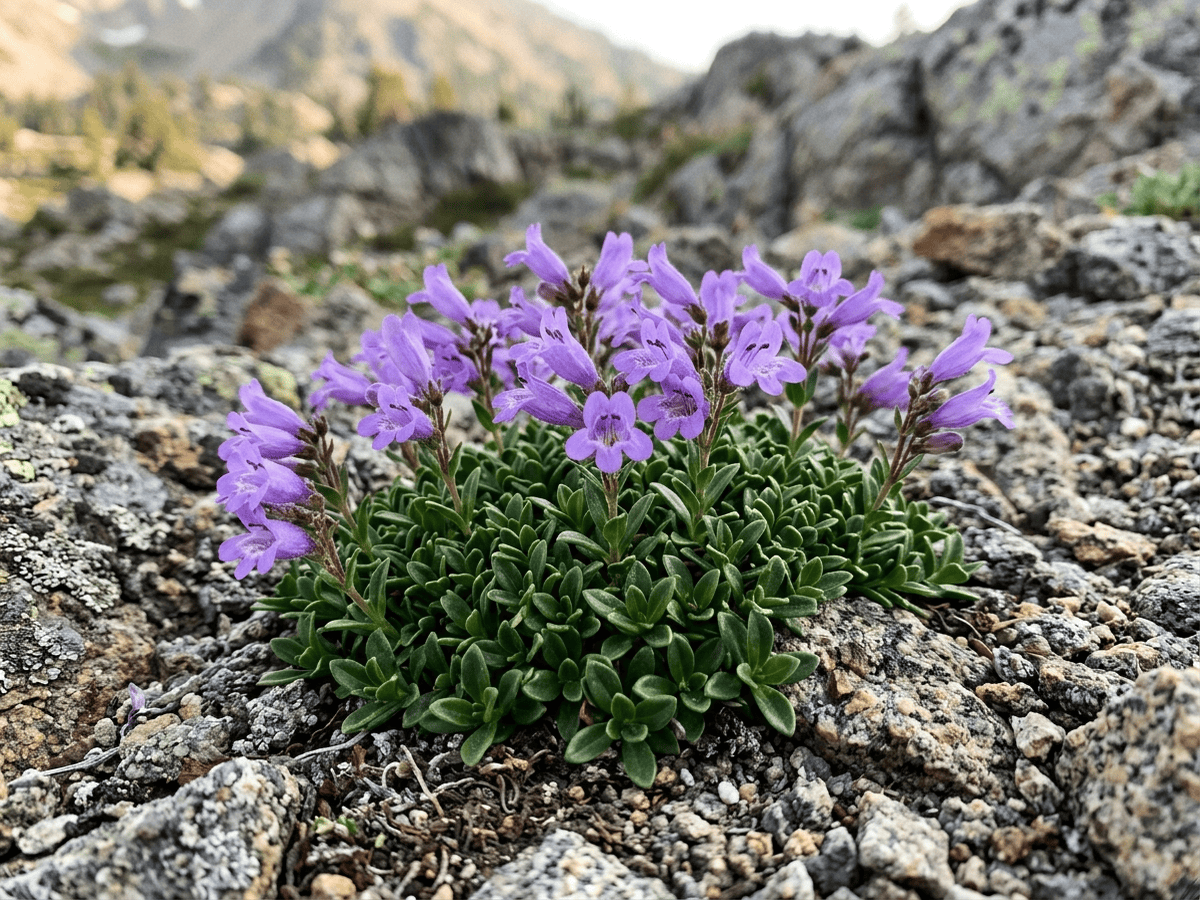 Davidson's PenstemonPenstemon davidsonii
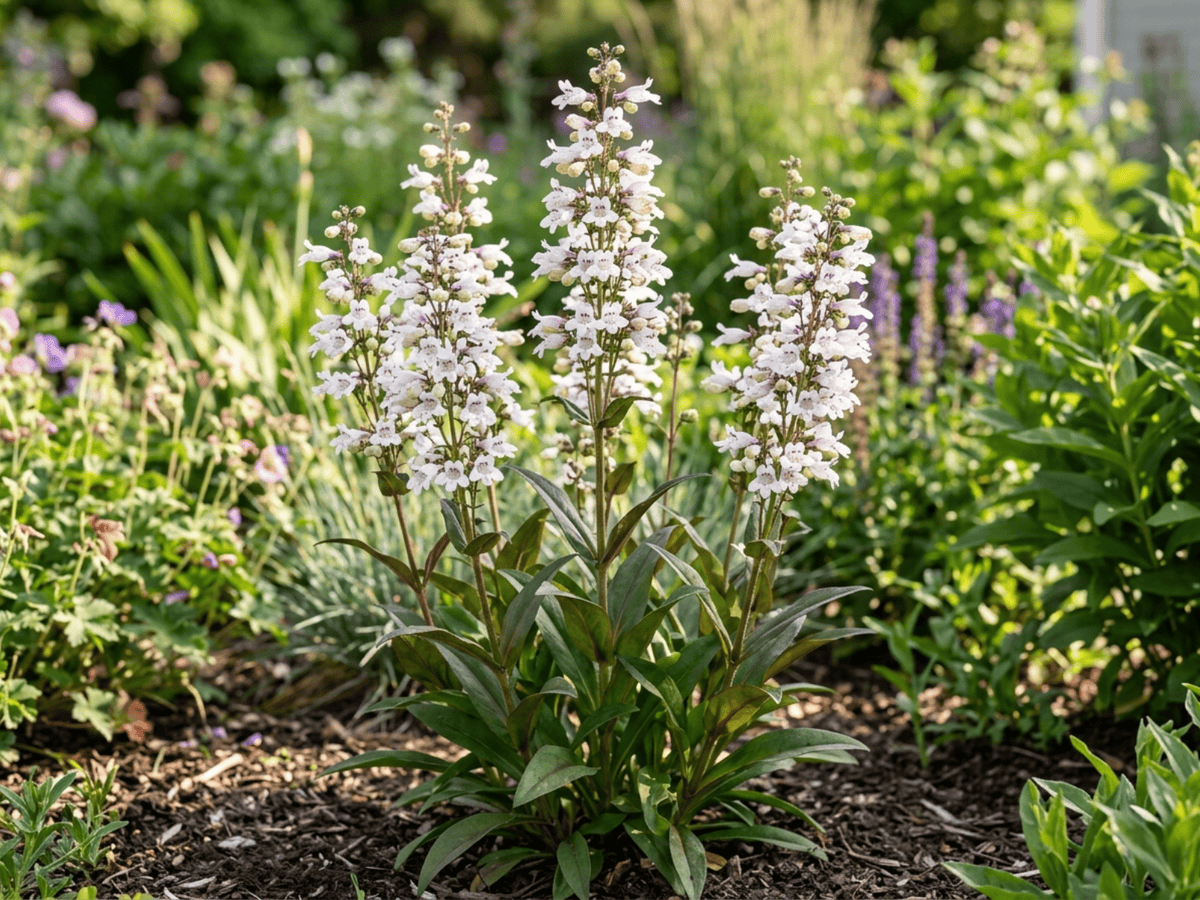 Foxglove BeardtonguePenstemon digitalis
Plants with similar care
 Chinese AbeliaAbelia chinensis
 Fragrant AbeliaAbelia mosanensis
 Large-Flowered AbeliaAbelia uniflora
 Glossy AbeliaAbelia x grandiflora
Frequently asked questions
How often should I water Cardwell's Beardtongue?
In summer, water about every 10 days; in winter, about every 21 days. Adjust for heat, pot size and drainage.
How much light does Cardwell's Beardtongue need?
Full sun: 6+ hrs direct. Watch the leaves — scorching or stretching means the light needs adjusting.
Is Cardwell's Beardtongue toxic to cats or dogs?
Pets Unknown (Dogs Unknown · Cats Unknown) Educational information, not medical or veterinary advice. If exposure is suspected, contact a doctor or veterinarian.
Is Cardwell's Beardtongue easy to grow?
Yes — it is considered an easy, beginner-friendly plant.
When does Cardwell's Beardtongue bloom?
It typically blooms May–Jul in the Northern Hemisphere.
YardMate
Identify any plant in seconds
Snap a photo — YardMate names the plant, diagnoses problems, and reminds you when to water.
Download on the App Store