 YardMate
Garden Petunia
Petunia spp.
Medium · Some experienceAbout Garden Petunia
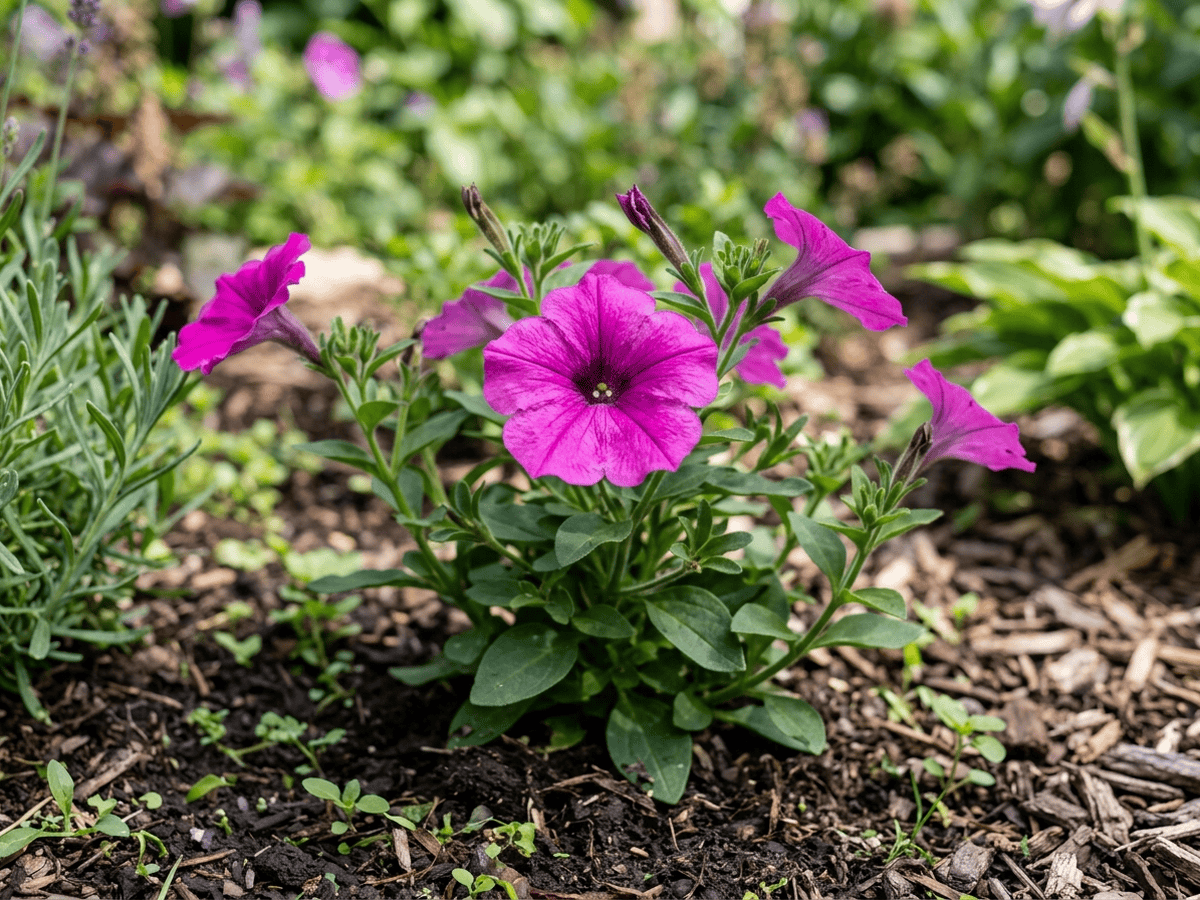
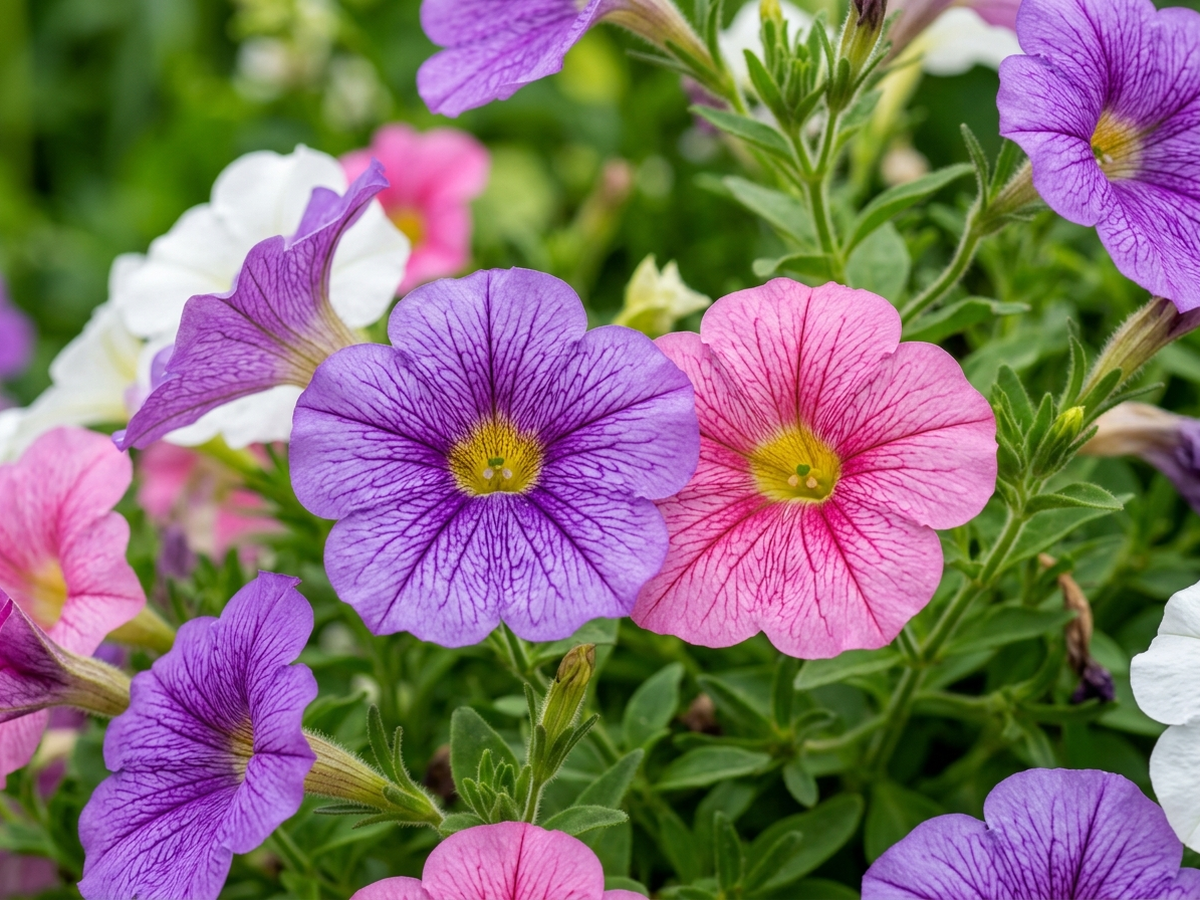
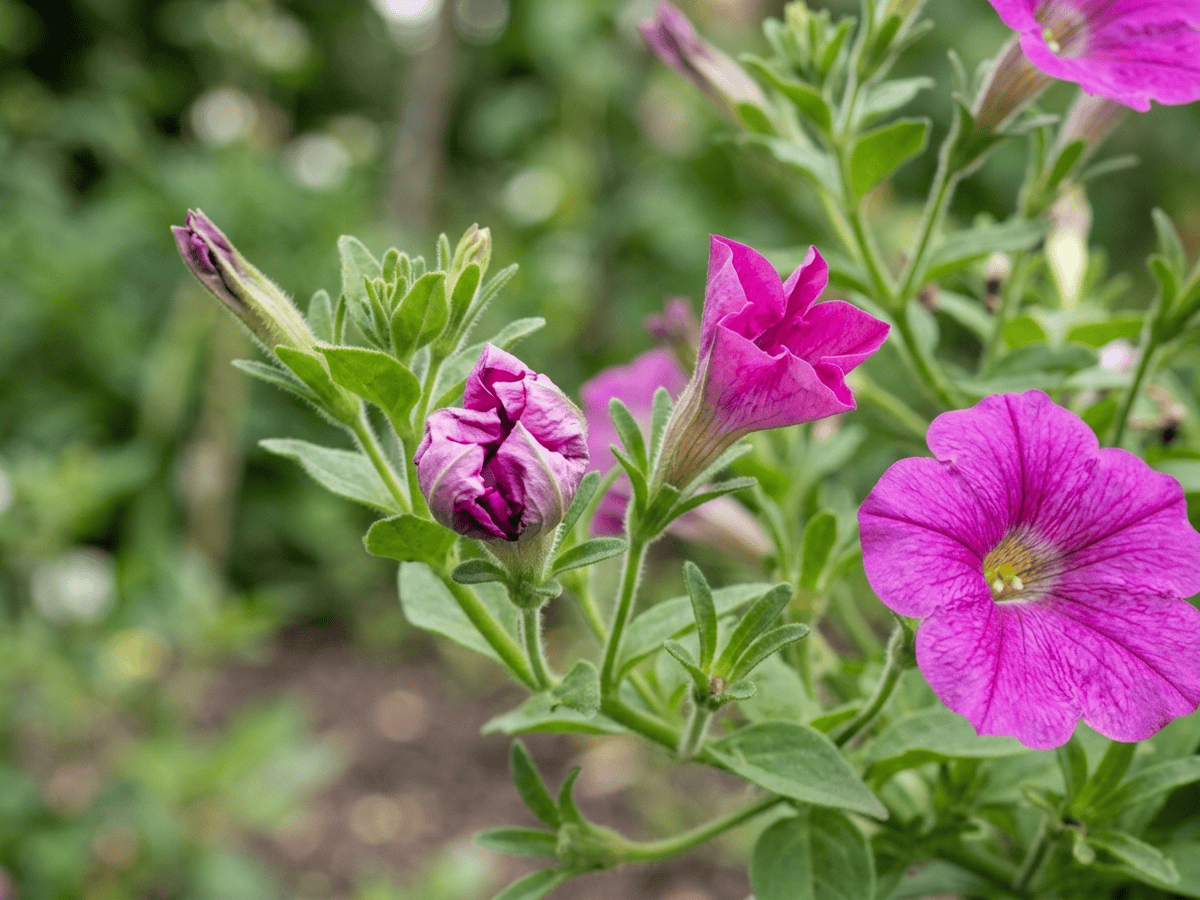
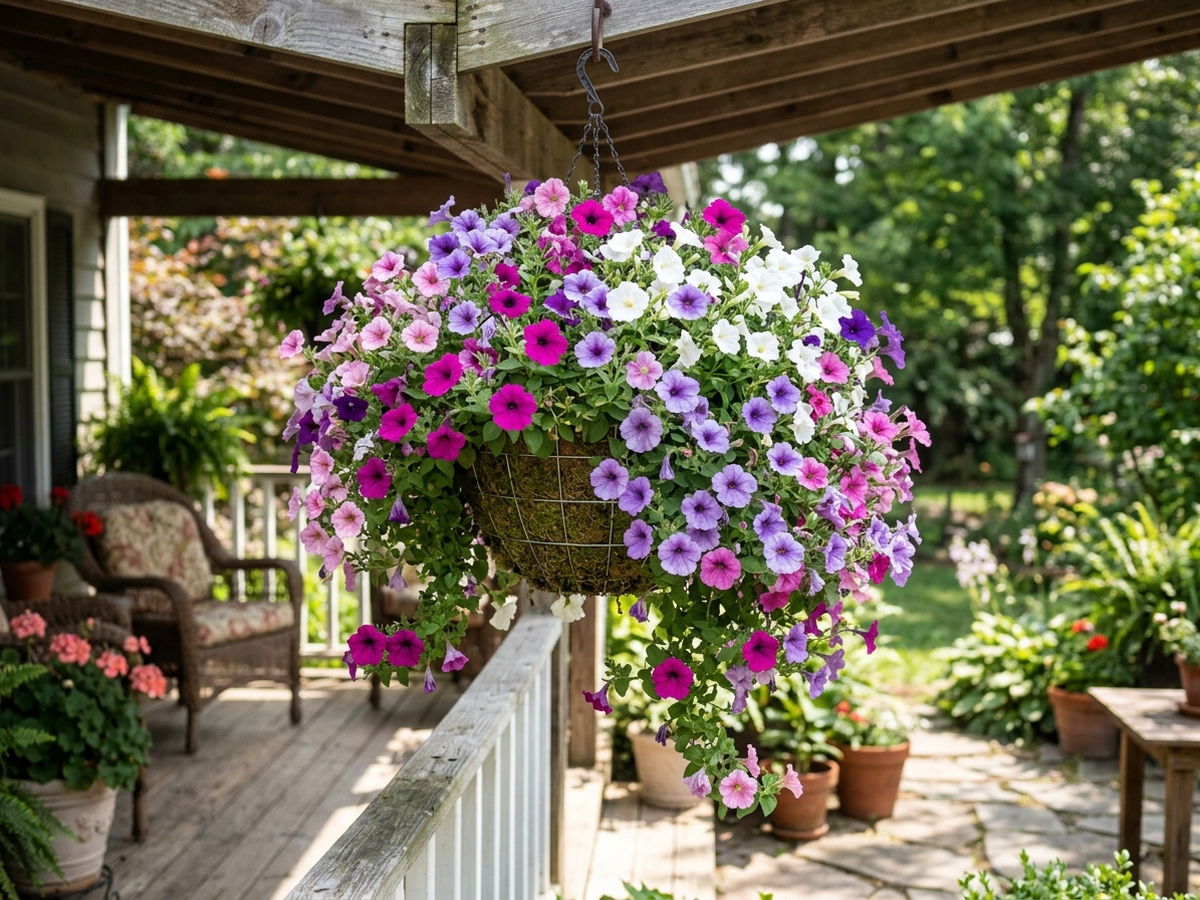
Petunias are South American annuals that became one of the world's most popular bedding plants, producing a continuous cascade of trumpet-shaped flowers from spring until frost. Sprawling or upright plants 1–3 feet tall and wide, they bloom in virtually every color—white, pink, red, purple, yellow, and bicolors—with some cultivars offering sweet evening fragrance. Petunias thrive in full sun and are exceptionally long-blooming, making them staples of containers, hanging baskets, and garden borders worldwide.
- Long-blooming
- Pollinator-friendly
- Fragrant
- Container-friendly
- Compact
How to care for Garden Petunia
Watering
- Springevery 7 days
- Summerevery 5 days
- Fallevery 14 days
- Winterpause watering
Soil · Well-draining
- Top dressingPine bark mulch10%
- Main mixPotting soil + perlite 2:170%
- DrainageLECA / gravel20%
Never skip the drainage layer — standing water is the top cause of root rot.
FERTILIZER
Bloom Booster 10-52-10
A phosphorus-forward feed fuels abundant blooms, with just enough nitrogen and potassium to keep foliage and roots steady.
- Nitrogen · Leaves
- Phosphorus · Roots + Blooms
- Potassium · Strength
- Springevery 14 days
- Summerevery 14 days
- Fallevery 30 days
At a Glance
- NativeSouth America
- Height1–3 ft (0.3–0.9 m)
- Spread1–3 ft (0.3–0.9 m)
- Flower colorWhite, Pink, Red, Purple, Yellow
- Foliage colorGreen
- SoilWell-drained, Loamy
- LocationsYard · Balcony
Bloom time
BLOOM CYCLE
Peak bloom
May–Nov
Petunias produce vibrant flowers from spring until frost in most regions.
Fragrance
MODERATE FRAGRANCE
Variable by cultivar—older and purple-flowered varieties often have sweet, honey-like evening fragrance; many modern hybrids are unscented. Fragrance typically intensifies at dusk.
Toxicity
Pets Safe
None reported
Not reported
EXPOSURE No exposure route is reported.
EFFECT No toxic effect is reported.
NOTE No toxicity is reported for humans in this catalog; this is not evidence that the plant is edible or harmless.
Safe
EXPOSURE No exposure route is reported.
EFFECT No toxic effect is reported.
NOTE Authoritative sources report this plant as non-toxic to dogs; this is not evidence that the plant is edible.
Safe
EXPOSURE No exposure route is reported.
EFFECT No toxic effect is reported.
NOTE Authoritative sources report this plant as non-toxic to cats; this is not evidence that the plant is edible.
Educational information, not medical or veterinary advice. If exposure is suspected, contact a doctor or veterinarian.
DISTRIBUTION


- Native
- South America
History
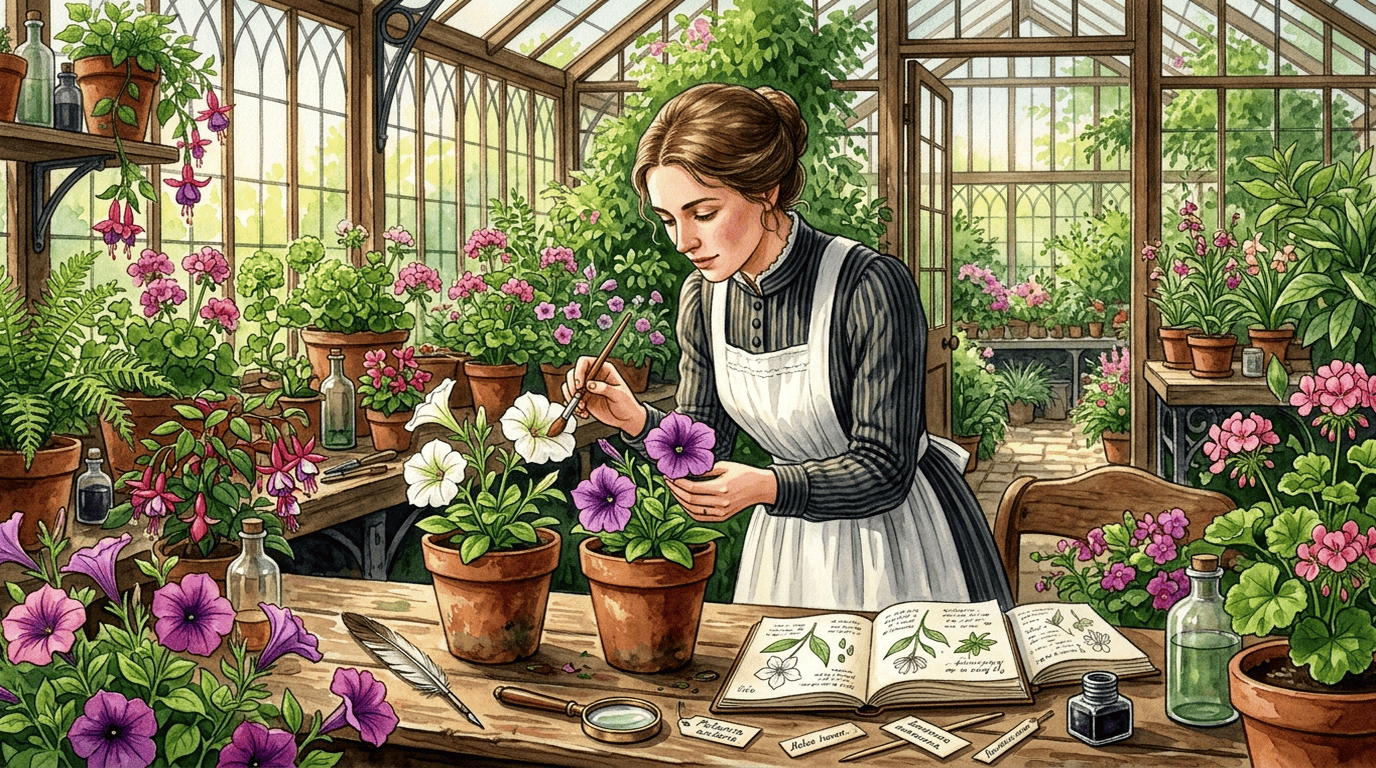
The garden petunia's story begins with two small, unremarkable wildflowers from South America. Petunia axillaris—white, night-fragrant, native to Uruguay and Argentina—was first described for European science by botanist Pierre Commerson around 1767. Petunia integrifolia, a small-flowered purple species from Brazil and Argentina, arrived in European glasshouses in the early 19th century. Individually, neither impressed gardeners much.
The transformation came from deliberate hybridization. In the 1830s and 1840s, British and continental European nurserymen crossed the two species, discovering that their offspring showed remarkable hybrid vigor—larger flowers, stronger growth, extraordinary color range. By the 1850s, hybrid petunias in white, pink, crimson, and purple were sweeping Victorian flower shows, and nurseries were breeding dozens of named varieties.
The genus name Petunia comes from the French petun, itself borrowed from the Tupi word petỹ, meaning tobacco—a reflection of the close botanical relationship between petunias and Nicotiana (both belong to Solanaceae, the nightshade family). Early European botanists recognized the resemblance immediately.
In the twentieth century, Japanese and American breeders systematically developed compact, weather-resistant F1 hybrid petunias. The Grandiflora and Multiflora series transformed petunias into the uniform, reliable bedding plants sold today. In 1995, the introduction of Wave® Petunias by Ball Seed Company—the first truly spreading, self-cleaning variety—created a new category of groundcover-like container plants and triggered a wave of trailing varieties that remain best-sellers decades later.
Symbolism & meaning
What It Symbolizes
Two small, unspectacular wildflowers from South American roadsides. One white, one purple. Someone crossed them in a European greenhouse in the 1830s, and the result was one of the most-planted flowers in history. Petunias aren't dramatic or rare. They're just reliably there, pouring color all summer long.
- harmonious coexistence — Two modest wildflowers—one white, one purple—that together created something neither could be alone: a hybrid lineage that conquered every garden on Earth.
- cheerful resilience — Blooms and blooms from May until hard frost, unfazed by heat, filling out after each rain, asking almost nothing but returning color every day.
Where the Name Comes From
Petunia derives from the French pétun, borrowed from the Tupi (South American indigenous) word petỹ meaning 'tobacco'—reflecting the plant's botanical kinship with Nicotiana in the nightshade family Solanaceae. The genus was formally described by Antoine Laurent de Jussieu in 1803.
Uses & Fun Facts
- One of the world's most popular bedding plants; available in virtually every color, used in containers, hanging baskets, window boxes, and garden borders for season-long summer color
- Long tubular flowers attract hummingbirds and long-tongued bees; fragrant evening-blooming cultivars provide nectar for moths and sphinx moths
- Select purple and heritage cultivars carry sweet honey-like evening fragrance; strongly night-scented types ideal for patios and seating areas
Related plants
More Petunia plants
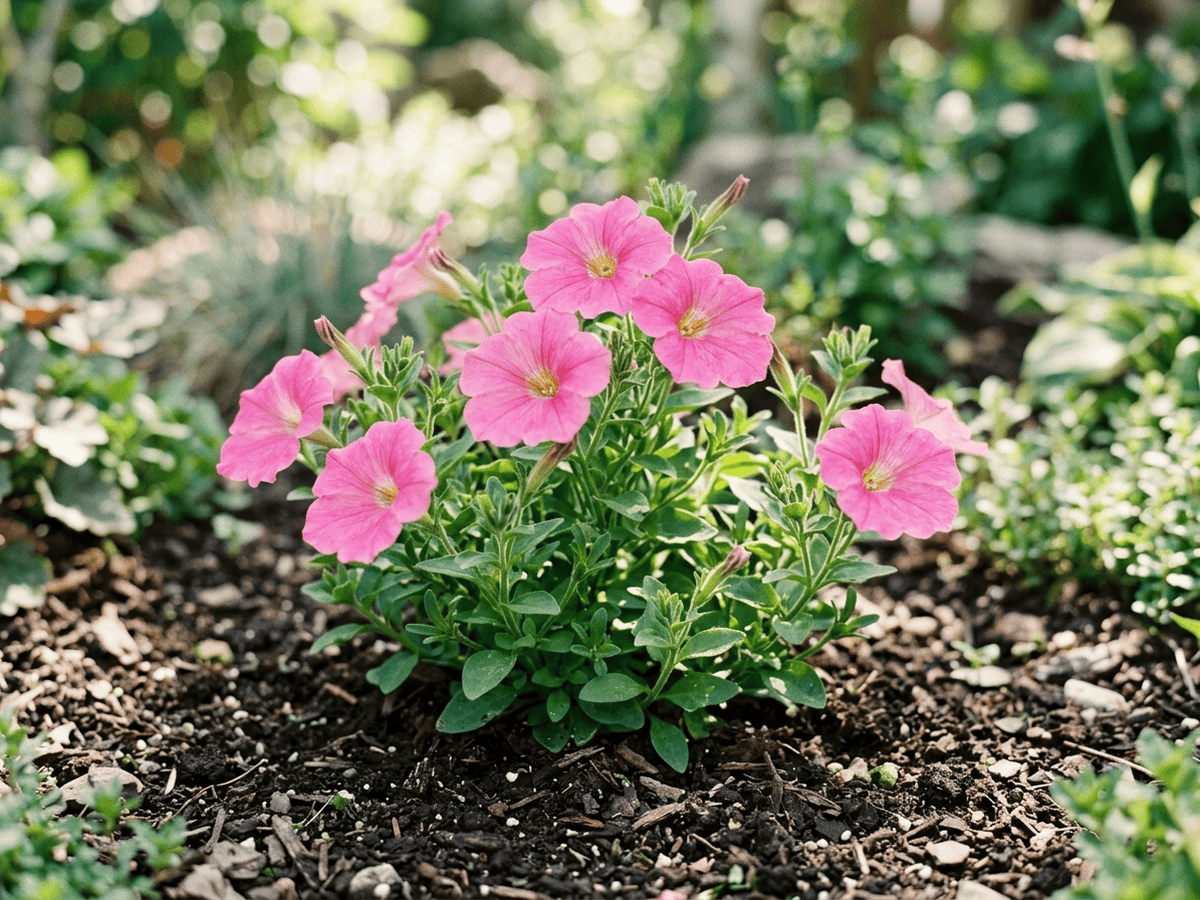

Plants with similar care
 Mexican AbeliaAbelia floribunda
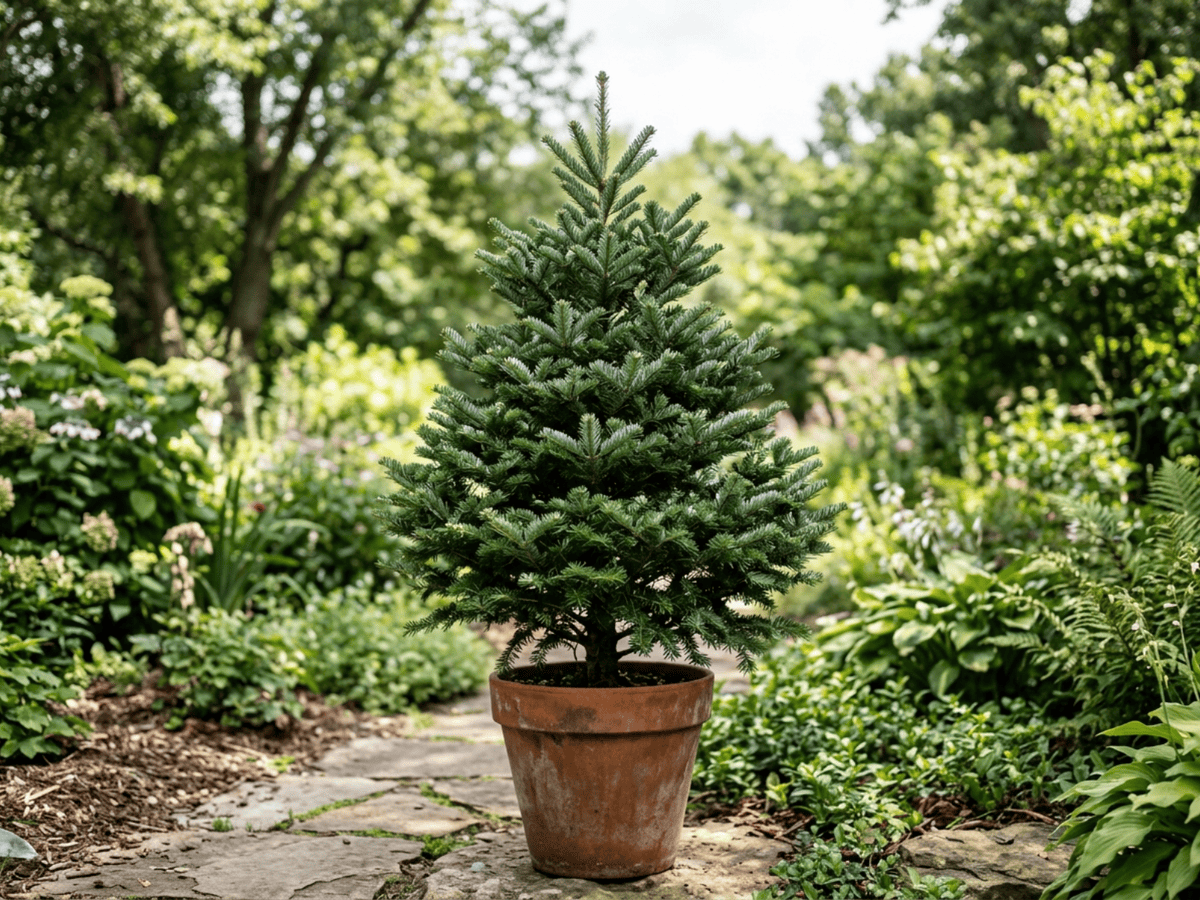 Fraser FirAbies fraseri
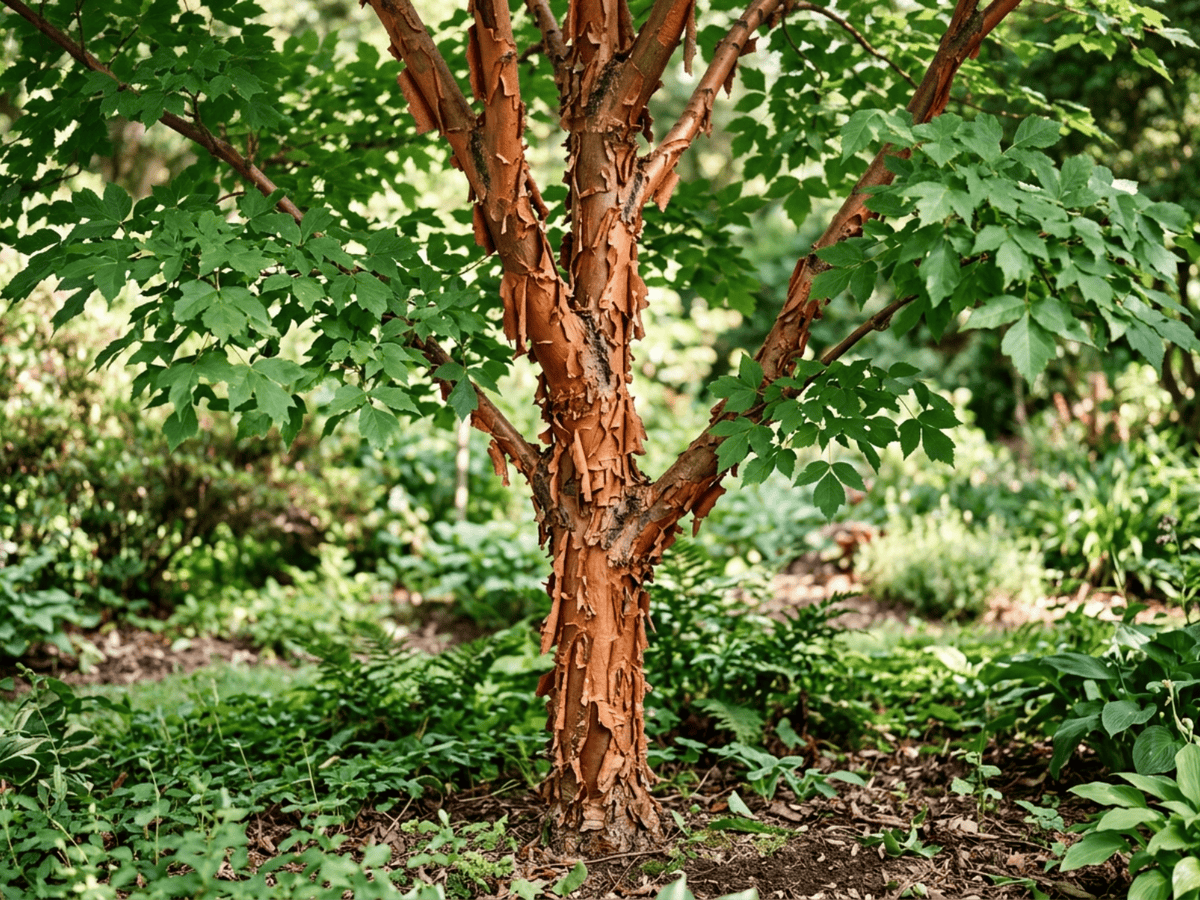 Paperbark MapleAcer griseum
 Sugar MapleAcer saccharum
Frequently asked questions
How often should I water Garden Petunia?
Water about every 7 days during the growing season, and always let excess water drain away.
How much light does Garden Petunia need?
Full sun: 6+ hrs direct. Watch the leaves — scorching or stretching means the light needs adjusting.
Is Garden Petunia toxic to cats or dogs?
Pets Safe (Dogs Safe · Cats Safe) Educational information, not medical or veterinary advice. If exposure is suspected, contact a doctor or veterinarian.
Is Garden Petunia easy to grow?
It is moderately demanding: a good choice once you have a little experience.
When does Garden Petunia bloom?
It typically blooms May–Nov in the Northern Hemisphere.
YardMate
Identify any plant in seconds
Snap a photo — YardMate names the plant, diagnoses problems, and reminds you when to water.
Download on the App Store