 YardMate


Cut-Leaf Philodendron
Philodendron xanadu
Easy · Beginner friendlyAbout Cut-Leaf Philodendron
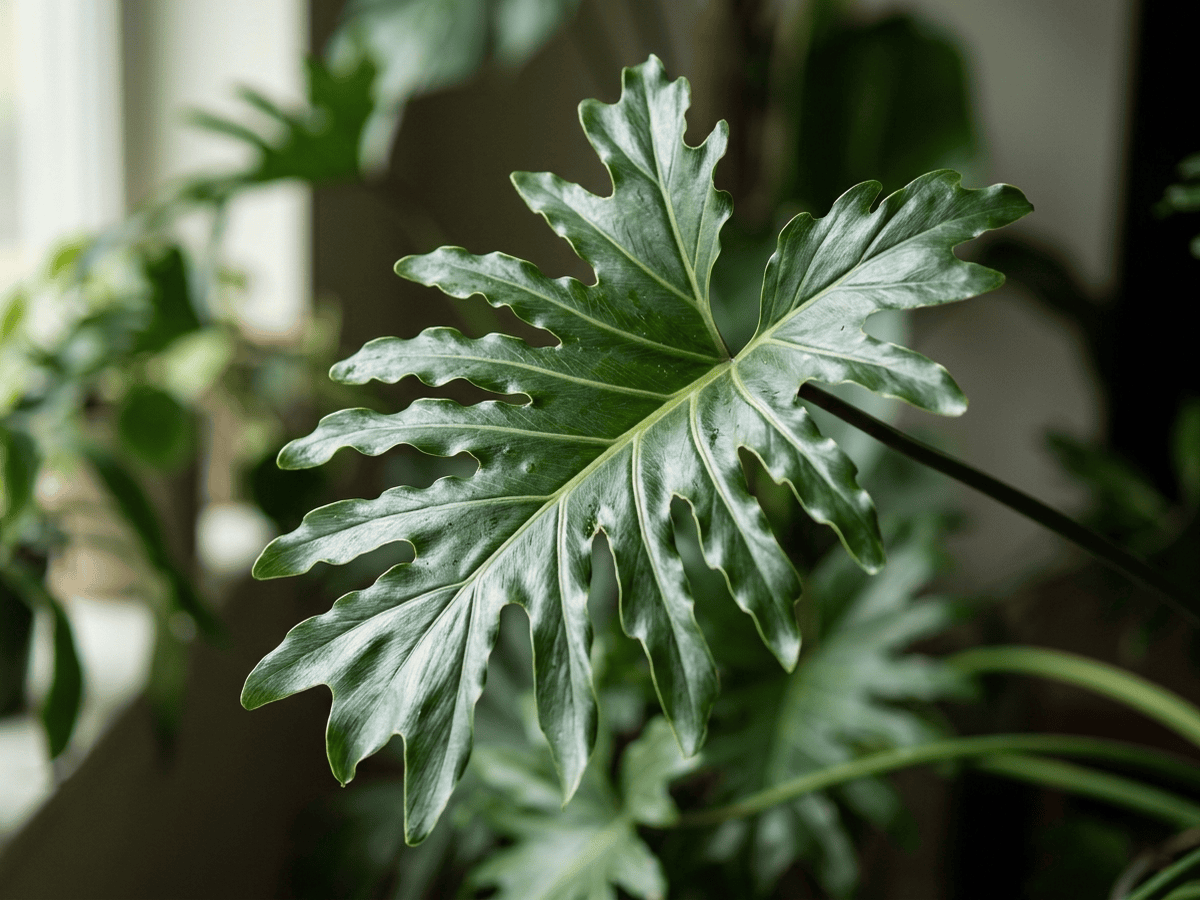
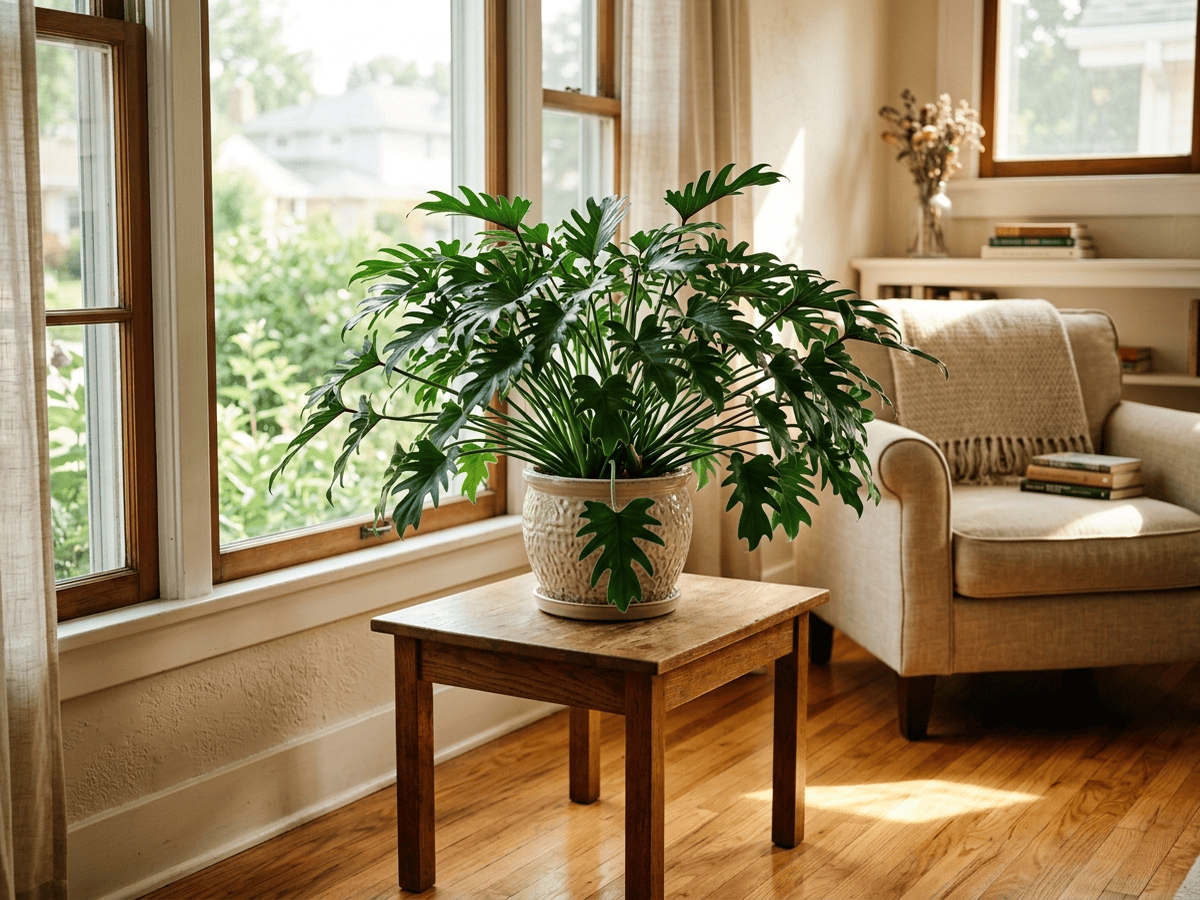
Xanadu is a self-heading non-climbing Brazilian philodendron forming a dense mounded shrub 2-3 feet tall and wide, with deeply lobed glossy dark-green leaves. Unlike most philodendrons it does not climb, instead growing in a tidy compact rosette ideal for floor pots, atrium plantings, and frost-free landscape borders in Florida, California, and the Gulf Coast. Easy to grow indoors and out, it is among the most landscape-versatile philodendrons.
- Compact
- Container-friendly
- Evergreen
How to care for Cut-Leaf Philodendron
Watering
- Springevery 7 days
- Summerevery 7 days
- Fallevery 10 days
- Winterevery 14 days
Soil · Chunky & airy
- Top dressingBark chips10%
- Main mixBark + potting soil + perlite 1:1:170%
- DrainageLECA20%
Chunky pieces hold air pockets open so thick roots don't suffocate.
FERTILIZER
Balanced Feed 14-14-14
An even feed covers all three needs at once, keeping leaves, roots and blooms moving together with nothing pushed out of balance.
- Nitrogen · Leaves
- Phosphorus · Roots + Blooms
- Potassium · Strength
- Springevery 30 days
- Summerevery 30 days
- Fallevery 60 days
At a Glance
- Height2–4 ft (0.6–1.2 m)
- Spread3–5 ft (0.9–1.5 m)
- Foliage colorGreen
- SoilLoamy, Well-drained, Rich
- LocationsIndoor · Yard · Balcony
Bloom time
BLOOM CYCLE
Peak bloom
Jun–Aug
Reddish spathe (rare indoors)
Toxicity
Humans Moderate · Pets Moderate
calcium oxalate raphides
Moderate
- Leaf
- Stem
- Ingestion
EXPOSURE Eating leaves and stems.
EFFECT Oral irritation and drooling.
NOTE Documented concern for humans: Oral irritation and drooling.
Moderate
- Leaf
- Stem
- Ingestion
EXPOSURE Eating leaves and stems.
EFFECT Oral irritation and vomiting.
NOTE ASPCA lists Philodendron as toxic.
Moderate
- Leaf
- Stem
- Ingestion
EXPOSURE Eating leaves and stems.
EFFECT Oral irritation and vomiting.
NOTE ASPCA lists Philodendron as toxic.
Educational information, not medical or veterinary advice. If exposure is suspected, contact a doctor or veterinarian.
DISTRIBUTION


- Native
History

Philodendron 'Xanadu' is a popular compact self-heading cultivar originally believed to be a species (described as Philodendron xanadu by Croat, Mayo & Boos in 2002 from Australian cultivated stock) but now recognized as a selection or possibly horticultural hybrid of the Brazilian Philodendron bipinnatifidum complex. Under recent phylogenetic reclassification by Cássia Sakuragui and colleagues (2018), the entire bipinnatifidum group was moved to the resurrected genus Thaumatophyllum, making the correct name Thaumatophyllum xanadu, though horticultural trade almost universally retains Philodendron. The cultivar was discovered in 1983 at House Plants of Australia nursery as an imported seedling from Brazil, patented in 1988, and has become one of the most widely planted tropical foliage plants in subtropical and indoor settings worldwide.
Plants form dense clumping mounds 60-90 cm tall and 1.2-1.5 meters wide of distinctive deeply pinnately-lobed dark glossy green leaves on short petioles. Unlike climbing philodendrons, 'Xanadu' stays naturally compact without support.
Discovered in Australia in the 1980s and patented as an Australian-bred cultivar, with origins traced back to Brazilian Philodendron bipinnatifidum hybrids. Has become a workhorse landscape plant in Florida, Hawaii, and Southern California, and a top-selling floor houseplant nationwide.
Symbolism & meaning
What It Symbolizes
Cut-Leaf Philodendron offers comfort, its lush mounded form softening indoor spaces with deeply lobed glossy leaves that gather light without demanding it. The cultivar is named for Xanadu — Coleridge's legendary pleasure garden — quietly hinting at paradise within a living-room pot. A plant that turns an ordinary corner into something a little dreamier than it was yesterday.
- Comfort — lush mounded form softens indoor spaces
- Paradise — named for the legendary garden of Xanadu
Where the Name Comes From
'Xanadu' references the legendary paradise garden in Coleridge's poem 'Kubla Khan'.
Uses & Fun Facts
- Compact lobed-leaf philodendron for indoor and patio pots
- Glossy deeply lobed foliage forms tidy tropical clumps
Related plants
More Philodendron plants
 Tree PhilodendronPhilodendron bipinnatifidum
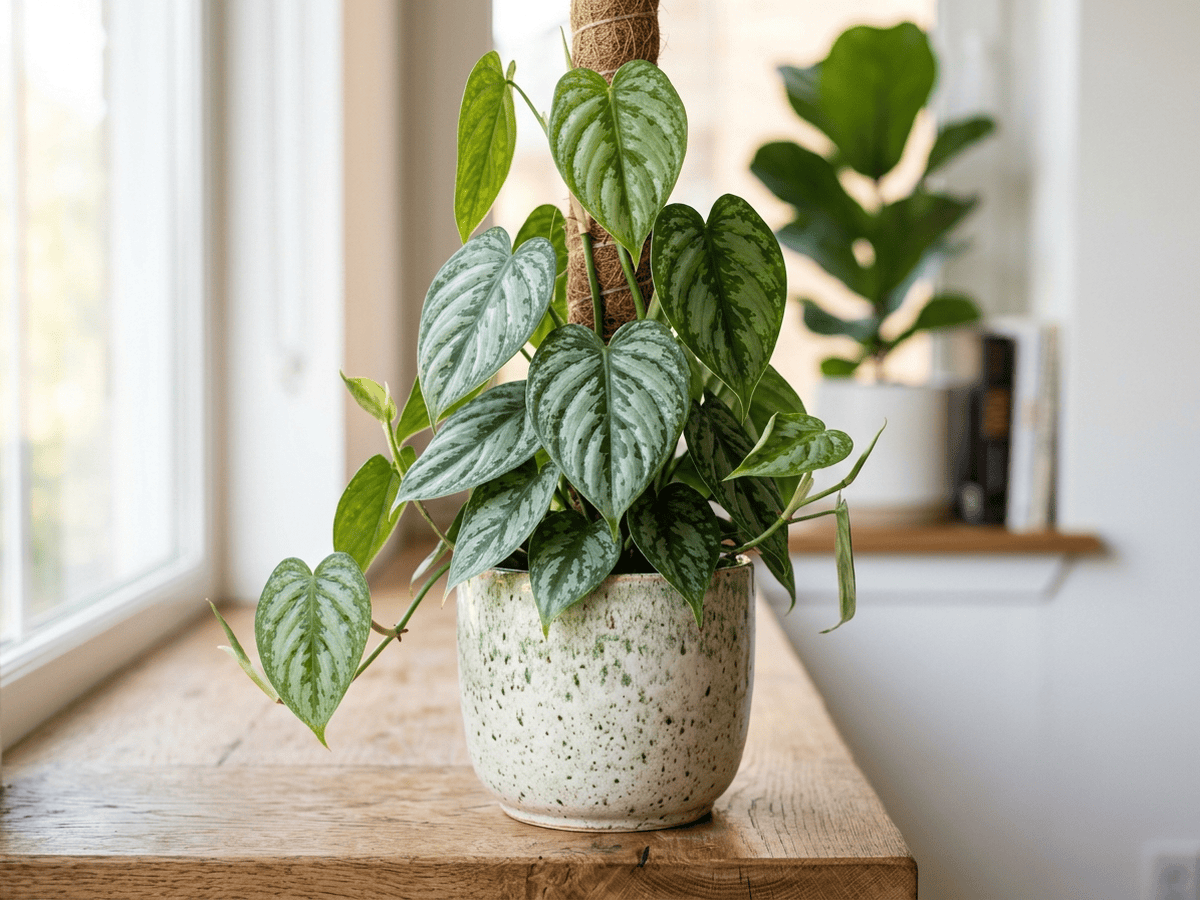 Silver Leaf PhilodendronPhilodendron brandtianum
 PhilodendronPhilodendron brasil
 Blushing PhilodendronPhilodendron erubescens
Plants with similar care
 Giant TaroAlocasia macrorrhizos
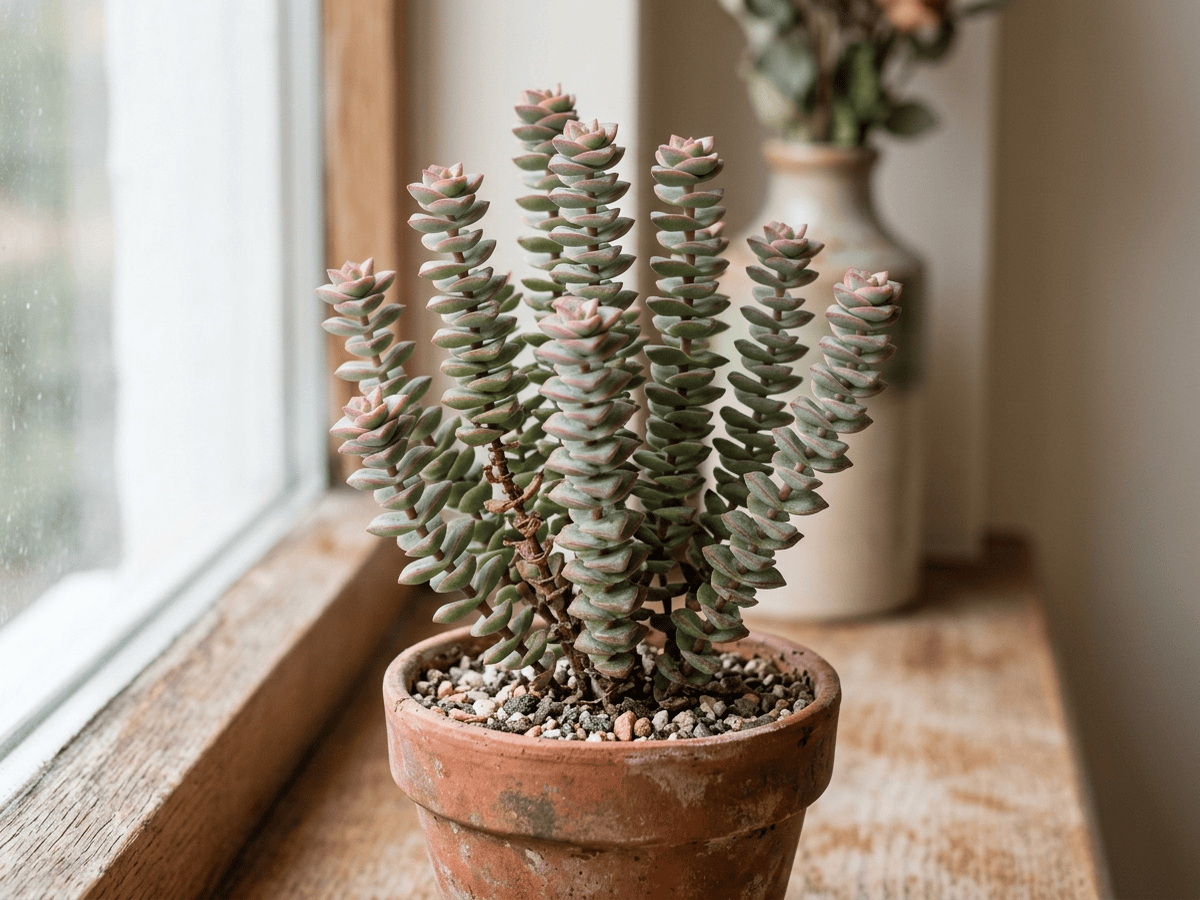 Concertina PlantCrassula perforata
 Song Of IndiaDracaena reflexa
 Snake PlantDracaena trifasciata
Frequently asked questions
How often should I water Cut-Leaf Philodendron?
In summer, water about every 7 days; in winter, about every 14 days. Adjust for heat, pot size and drainage.
How much light does Cut-Leaf Philodendron need?
Indirect: Filtered light. Watch the leaves — scorching or stretching means the light needs adjusting.
Is Cut-Leaf Philodendron toxic to cats or dogs?
Pets Moderate (Dogs Moderate · Cats Moderate) Educational information, not medical or veterinary advice. If exposure is suspected, contact a doctor or veterinarian.
Is Cut-Leaf Philodendron easy to grow?
Yes — it is considered an easy, beginner-friendly plant.
Can Cut-Leaf Philodendron be grown indoors?
Yes, it adapts well to indoor growing given the right light.
When does Cut-Leaf Philodendron bloom?
It typically blooms Jun–Aug in the Northern Hemisphere.
YardMate
Identify any plant in seconds
Snap a photo — YardMate names the plant, diagnoses problems, and reminds you when to water.
Download on the App Store