 YardMate
Sweet Pea Shrub
Polygala myrtifolia
Hard · Experienced growersAbout Sweet Pea Shrub
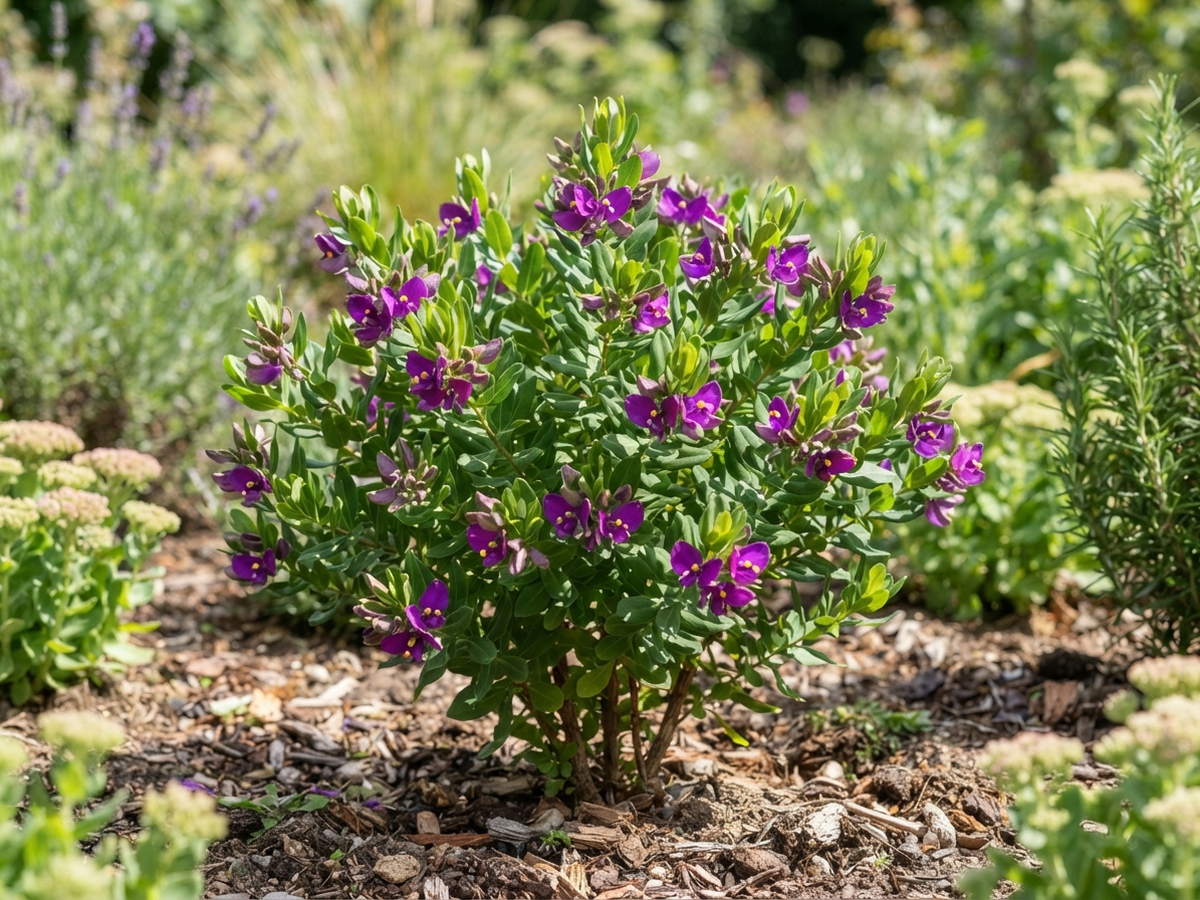
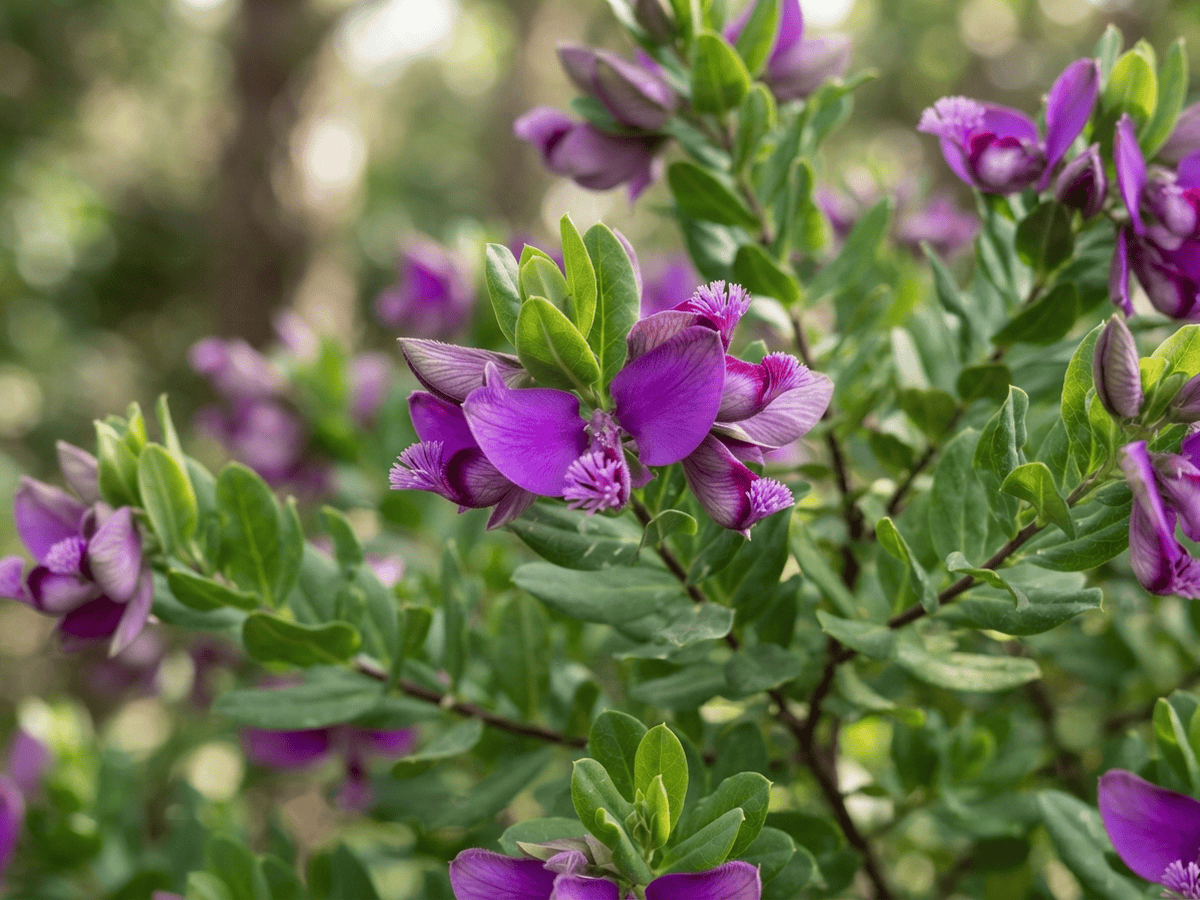
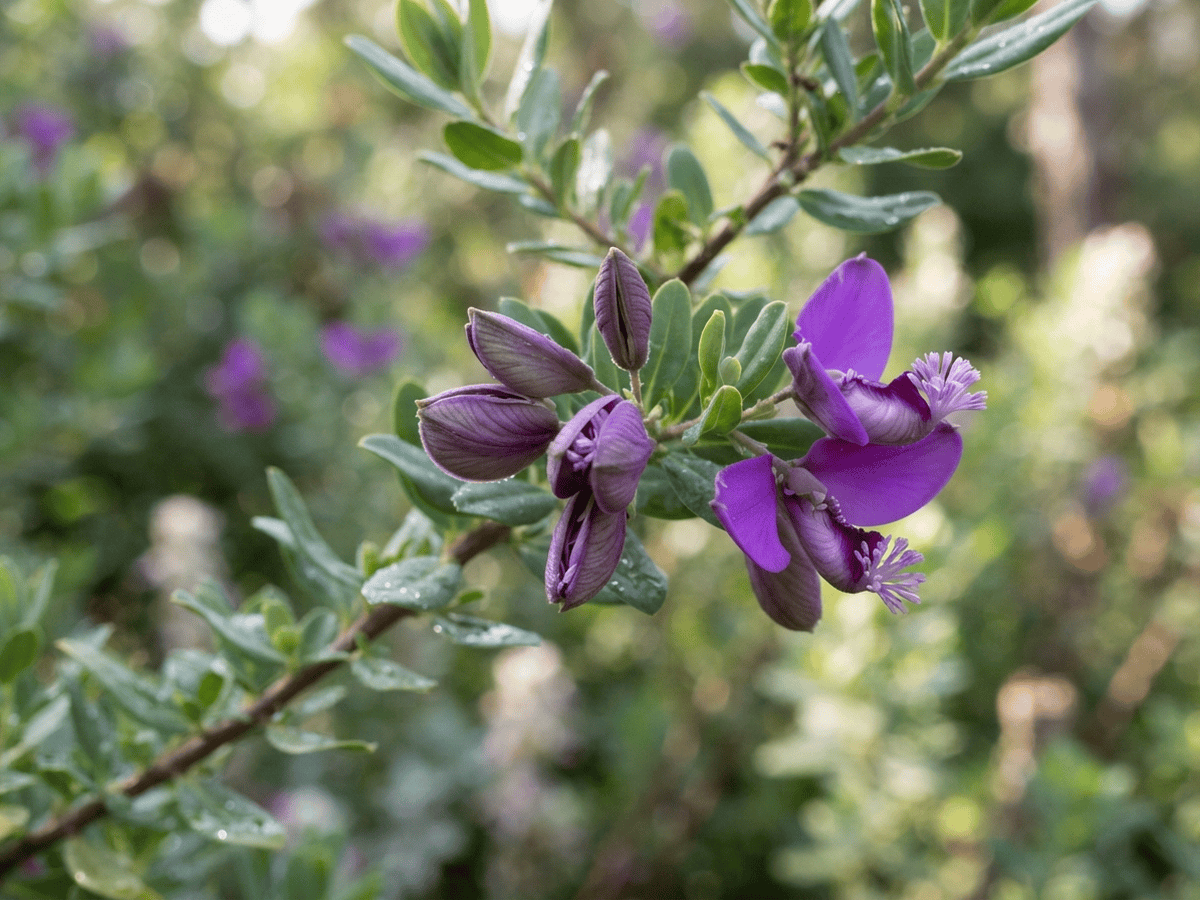
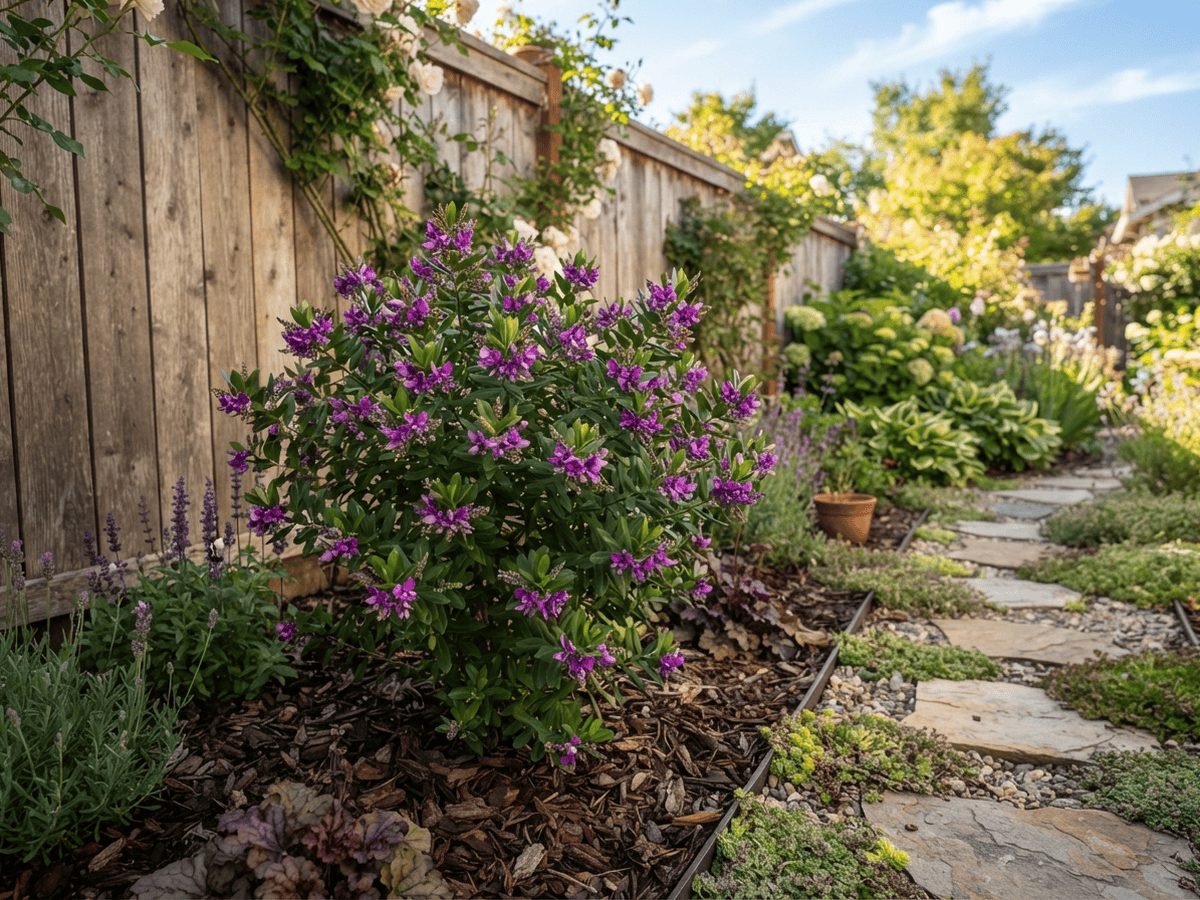
The Sweet Pea Shrub is a fast-growing evergreen native to South Africa's Cape region, valued for its slender, myrtle-like leaves and cheerful purple-pink, pea-shaped flowers. Loose clusters of blooms appear nearly year-round in mild climates, peaking through spring and summer, and each flower carries a small tufted keel that mimics a true sweet pea to attract bees. Compact and salt-tolerant, it takes readily to full sun, tolerates drought once established, and shears easily into a dense hedge or informal screen, making it a reliable choice for coastal and Mediterranean-style gardens.
- Evergreen
- Fast-growing
- Drought-tolerant
- Pollinator-friendly
- Compact
How to care for Sweet Pea Shrub
Watering
- Springevery 15 days
- Summerevery 10 days
- Fallevery 30 days
- Winterpause watering
Soil · Well-draining
- Top dressingPine bark mulch10%
- Main mixPotting soil + perlite 2:170%
- DrainageLECA / gravel20%
Never skip the drainage layer — standing water is the top cause of root rot.
FERTILIZER
Balanced Feed 14-14-14
An even feed covers all three needs at once, keeping leaves, roots and blooms moving together with nothing pushed out of balance.
- Nitrogen · Leaves
- Phosphorus · Roots + Blooms
- Potassium · Strength
- Springevery 30 days
- Summerevery 30 days
- Fallevery 30 days
At a Glance
- NativeSouth Africa
- Height3–6 ft (0.9–1.8 m)
- Spread3–5 ft (0.9–1.5 m)
- Flower colorPurple, Pink
- Foliage colorGreen
- Fruit colorBrown
- SoilWell-drained, Moist
- LocationsYard · Patio
Bloom time
BLOOM CYCLE
Peak bloom
May–Sep
The flowers of this plant are very attractive, blooming in the spring and summer months.
Fragrance
NO FRAGRANCE
Despite its common name, the flowers carry little to no detectable scent — the resemblance to true sweet peas is purely visual.
Toxicity
No toxicity has been reported for this plant. Still, it is wise to keep pets from chewing on any houseplant.
Educational information, not medical or veterinary advice. If exposure is suspected, contact a doctor or veterinarian.
DISTRIBUTION


- Native
- Introduced
- South Africa
History
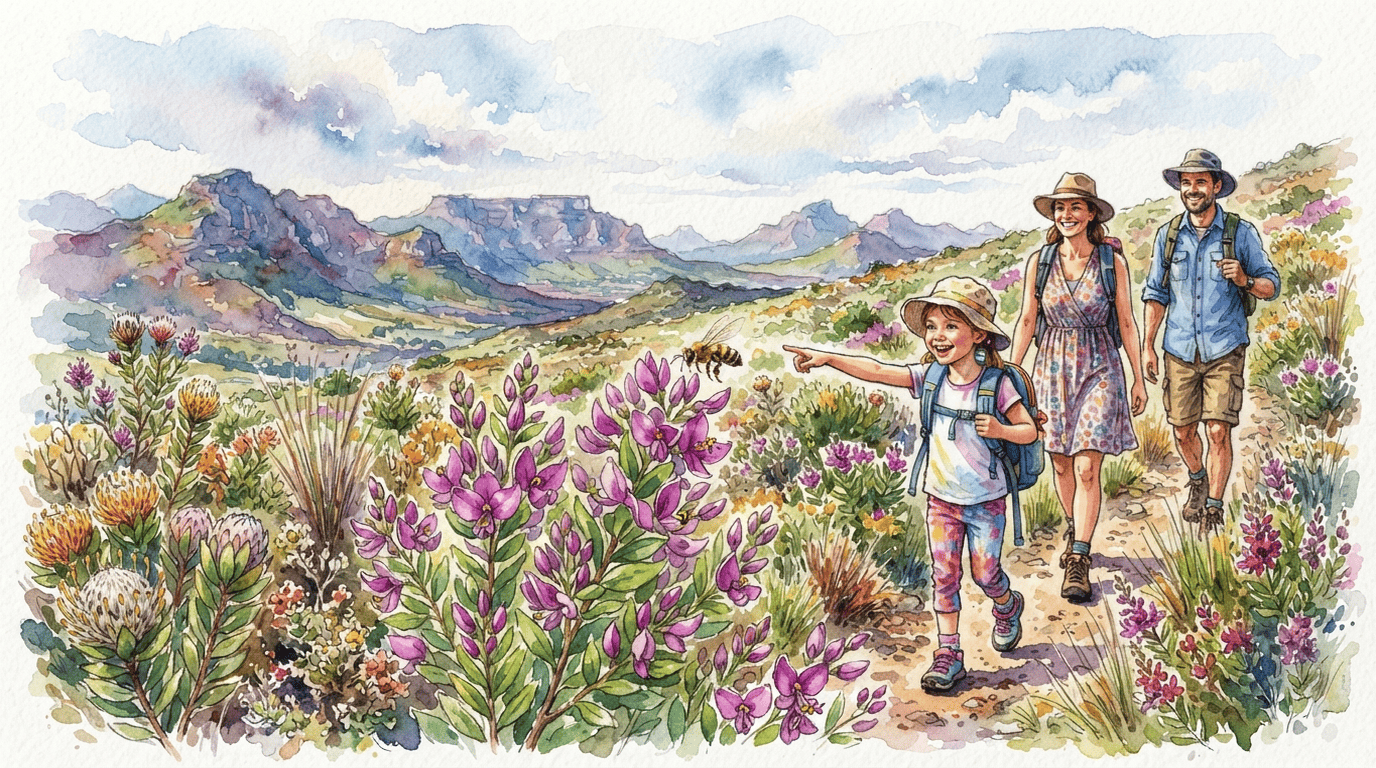
Long before European settlers named it Sweet Pea Shrub for its resemblance to garden peas, the plant had already perfected a small piece of floral engineering entirely its own. Each purple-pink flower carries a fringed, brush-like keel — a modified petal that looks decorative but works like a spring-loaded switch. When a bee lands on the keel searching for nectar, its weight triggers the flower's stamens and style to flick forward and dust the bee's underside with pollen, then snap back into place for the next visitor. It is the same trick used by true peas and their relatives, though Polygala myrtifolia belongs to an entirely different family — two unrelated plant lineages arriving at the same solution to the same problem: how to make a bee do useful work.
In its native Cape region of South Africa, the shrub is known simply as September bush, because it is often the first shrub to burst into color at the end of the dry season, its flush of purple-pink blooms treated as an informal signal that spring has arrived. The genus name Polygala reaches back even further, to an old European folk tradition around a very different, much smaller relative, common milkwort, which herbalists once fed to nursing mothers and dairy cattle in the belief it increased milk production — hence polys, 'much,' and gala, 'milk.' Ornamental gardeners abroad had no interest in milk yields; they wanted the plant's tidy, fast-growing habit and months of color, and by the nineteenth century the Sweet Pea Shrub had traveled out of the Cape's fynbos into gardens across Australia, California, and the Mediterranean, where its drought tolerance and easy shearing made it a dependable hedge plant far from home.
Symbolism & meaning
What It Symbolizes
In the Cape fynbos, the Sweet Pea Shrub's burst of purple-pink flowers at the end of the dry season has long been read as a small, reliable sign that the harder months are ending — a plant that turns anticipation into color before almost anything else does.
- Renewal — As one of the first shrubs to bloom at the close of South Africa's dry season, the Sweet Pea Shrub has come to represent the turning point between dormancy and new growth.
- Ingenuity — Its spring-loaded flower, built to fire pollen onto visiting bees, has made it a small emblem of nature's cleverness in getting exactly what it needs.
Where the Name Comes From
The genus name Polygala comes from the Greek polys ('much') and gala ('milk'), after an old European belief that grazing livestock on milkwort increased their milk yield. The species name myrtifolia is Latin for 'myrtle-leaved,' describing its small, glossy foliage.
Uses & Fun Facts
- Its fast growth, neat habit, and near-year-round color make it a popular flowering hedge and screening shrub.
- The pea-shaped flowers are a reliable nectar source for bees, which trigger the keel's pollen-release mechanism on each visit.
- Dense evergreen growth offers cover and nesting sites for small garden birds.
Related plants
Plants with similar care
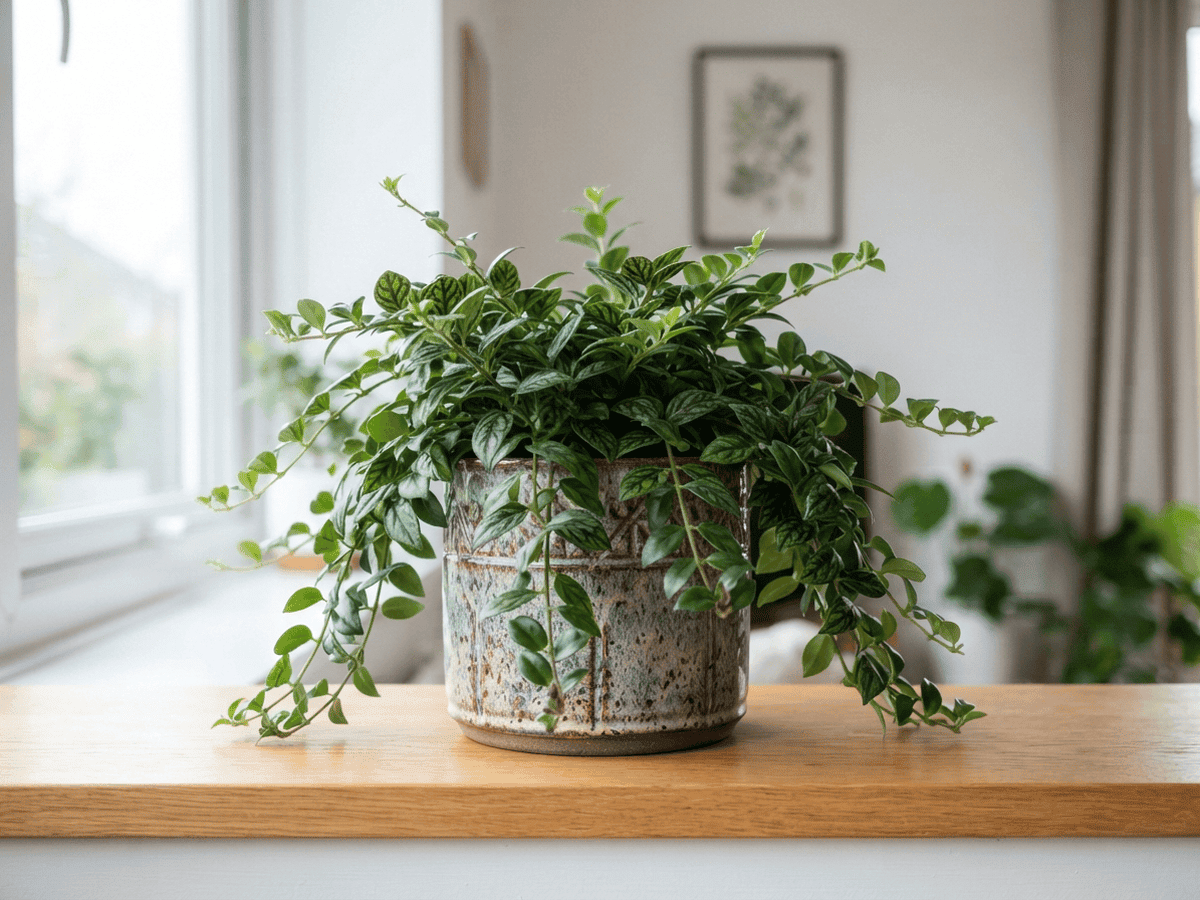 Lipstick PlantAeschynanthus longicaulis
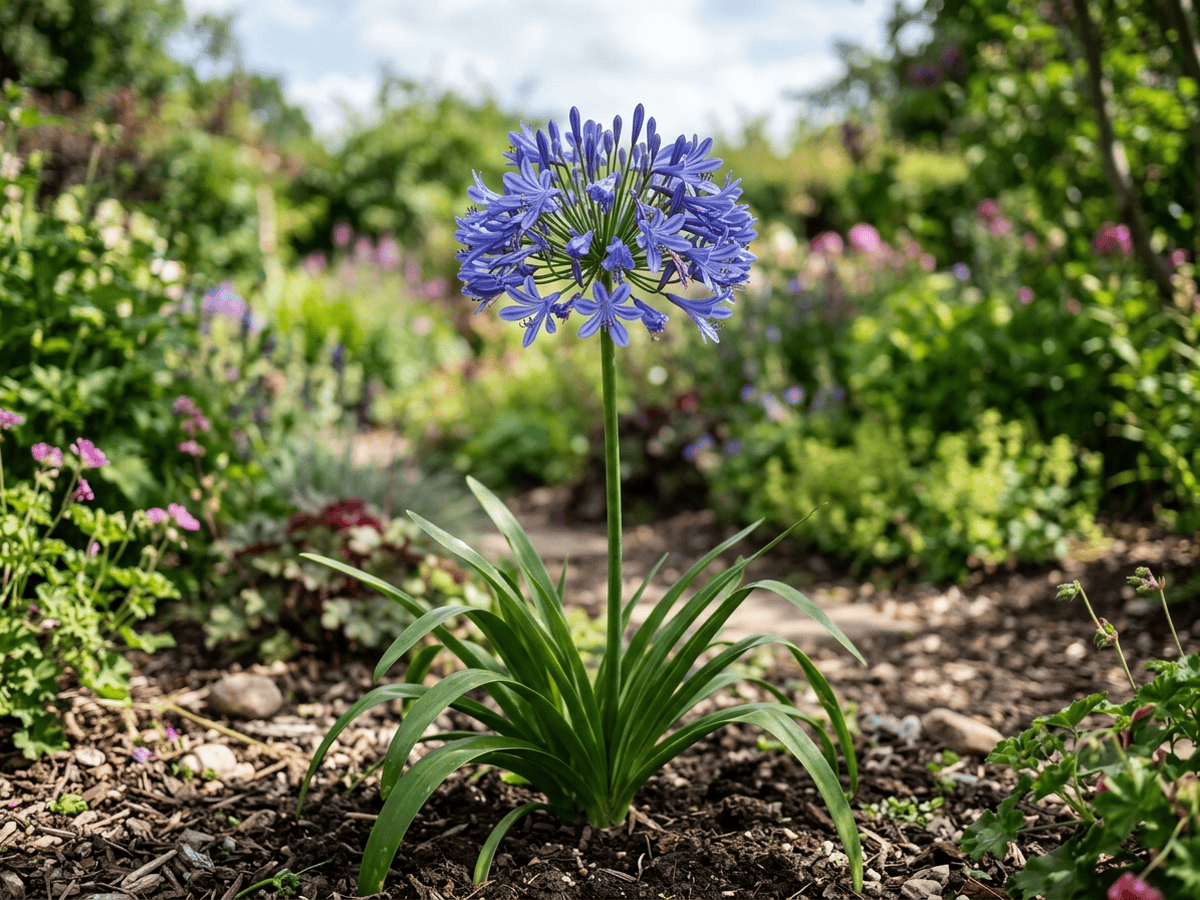 African LilyAgapanthus africanus
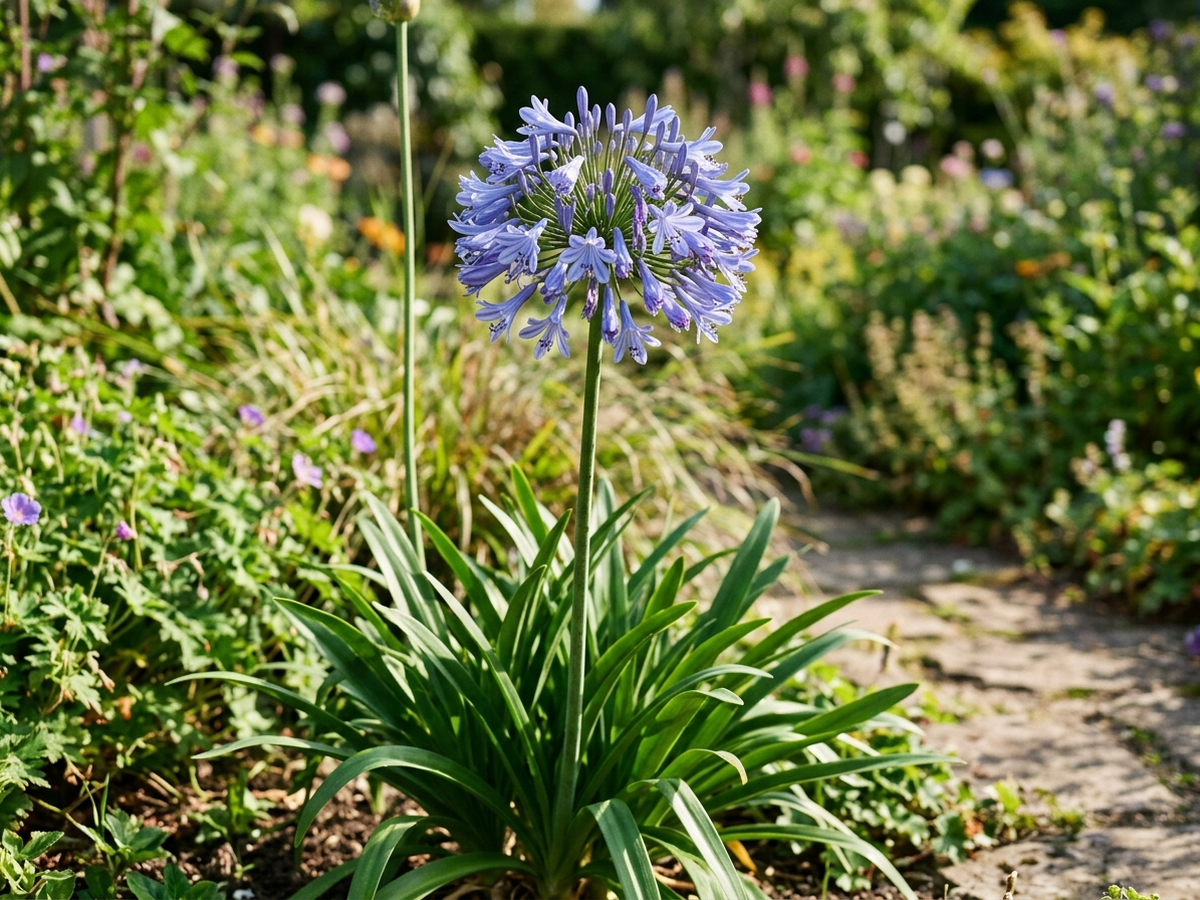 Bell AgapanthusAgapanthus campanulatus
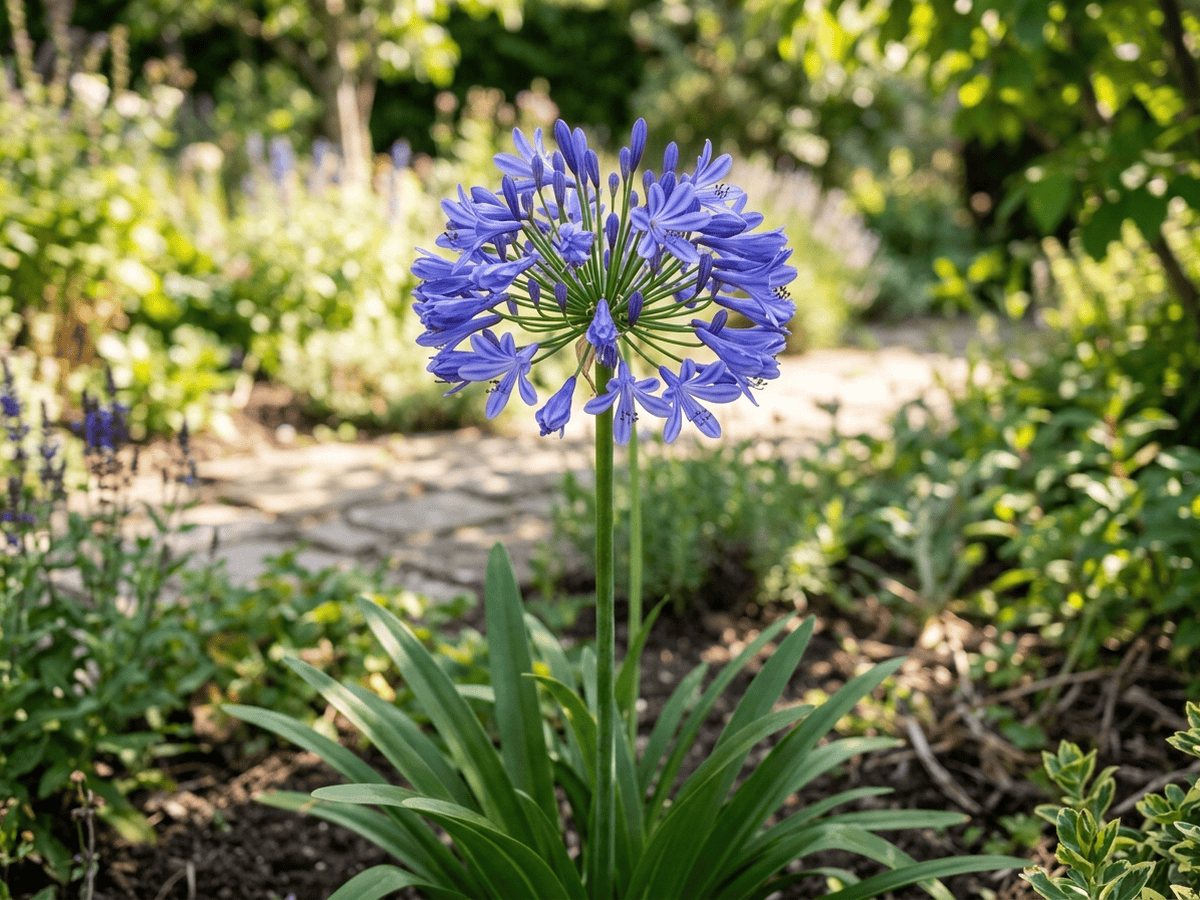 Common AgapanthusAgapanthus praecox
Frequently asked questions
How often should I water Sweet Pea Shrub?
Water about every 15 days during the growing season, and always let excess water drain away.
How much light does Sweet Pea Shrub need?
Part sun: 4–6 hrs direct. Watch the leaves — scorching or stretching means the light needs adjusting.
Is Sweet Pea Shrub toxic to cats or dogs?
No toxicity has been reported for this plant. Still, it is wise to keep pets from chewing on any houseplant. Educational information, not medical or veterinary advice. If exposure is suspected, contact a doctor or veterinarian.
Is Sweet Pea Shrub easy to grow?
It is considered challenging and rewards experienced growers.
When does Sweet Pea Shrub bloom?
It typically blooms May–Sep in the Northern Hemisphere.
YardMate
Identify any plant in seconds
Snap a photo — YardMate names the plant, diagnoses problems, and reminds you when to water.
Download on the App Store