 YardMate

White Poplar
Populus alba
Easy · Beginner friendlyAbout White Poplar
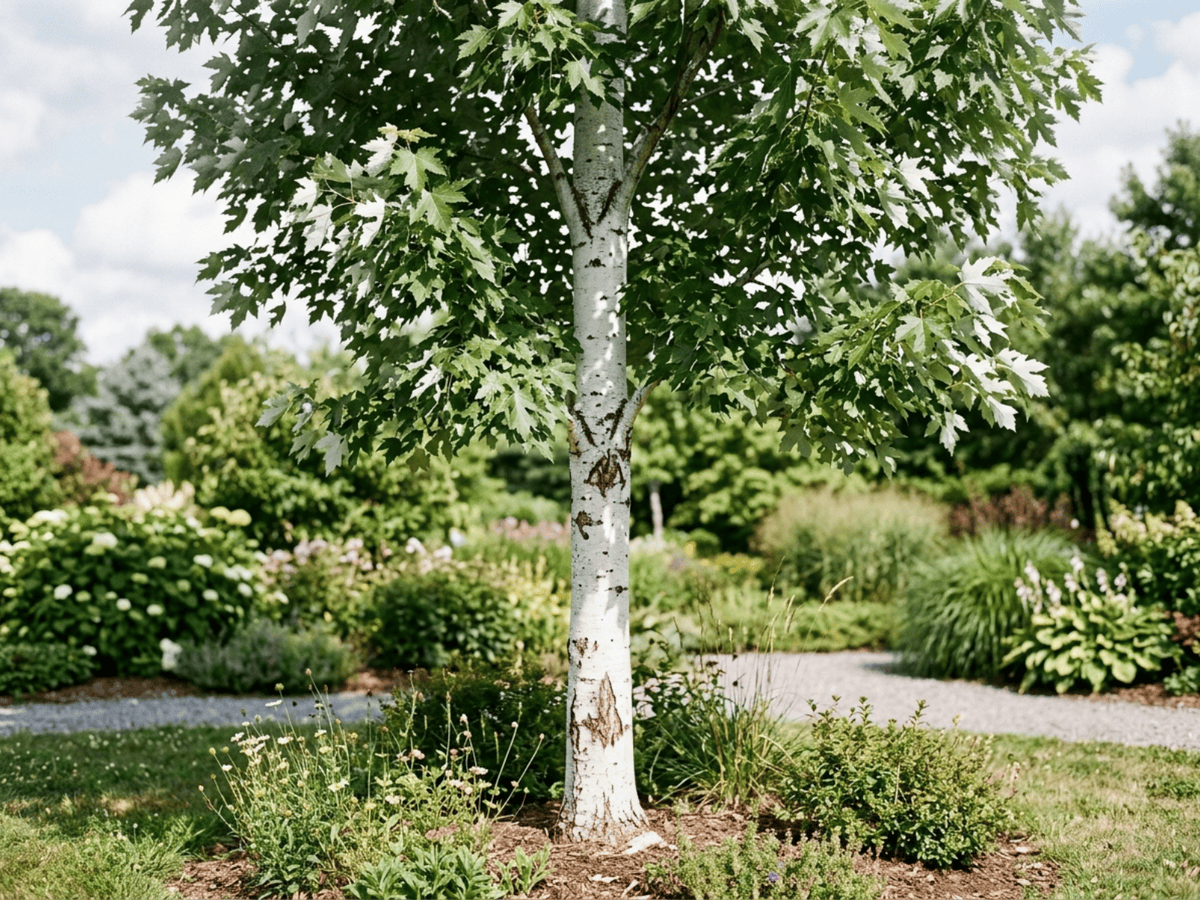
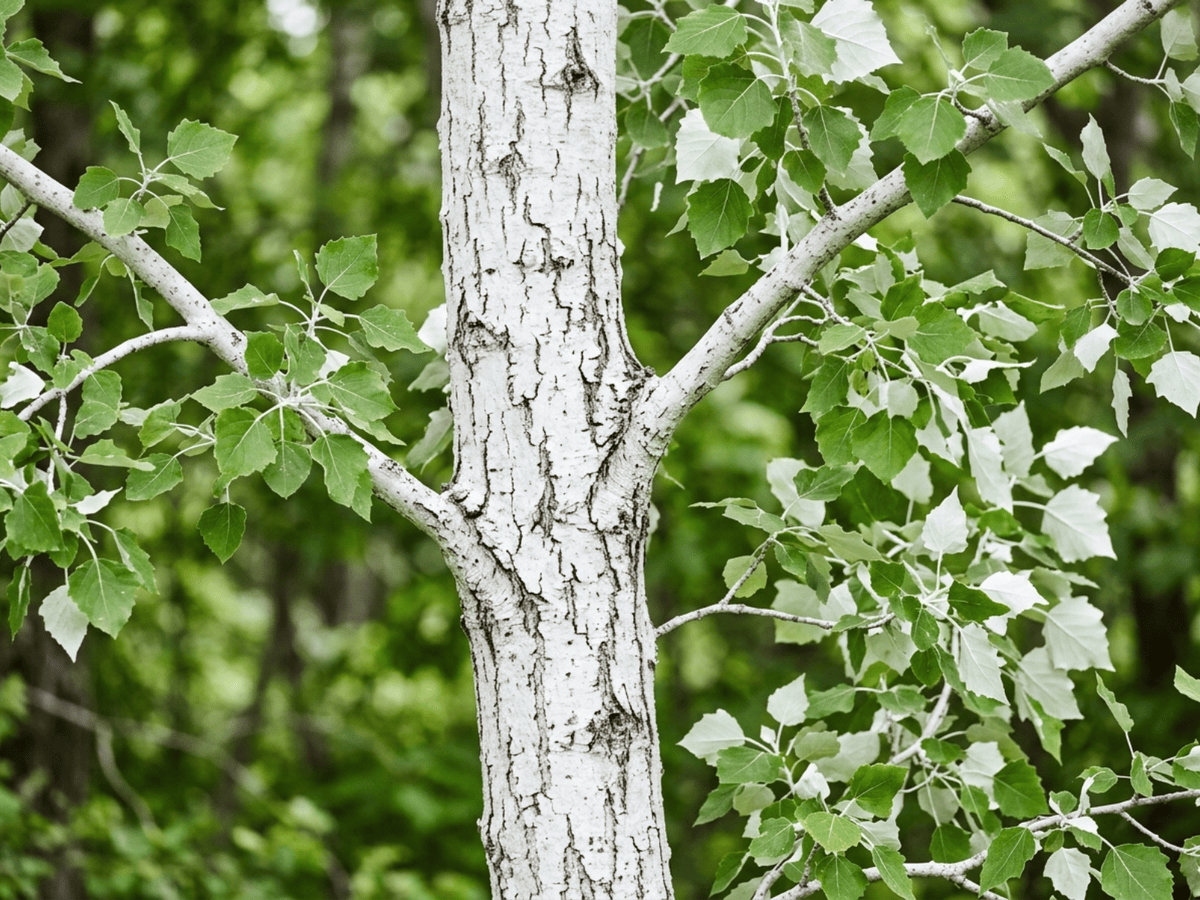
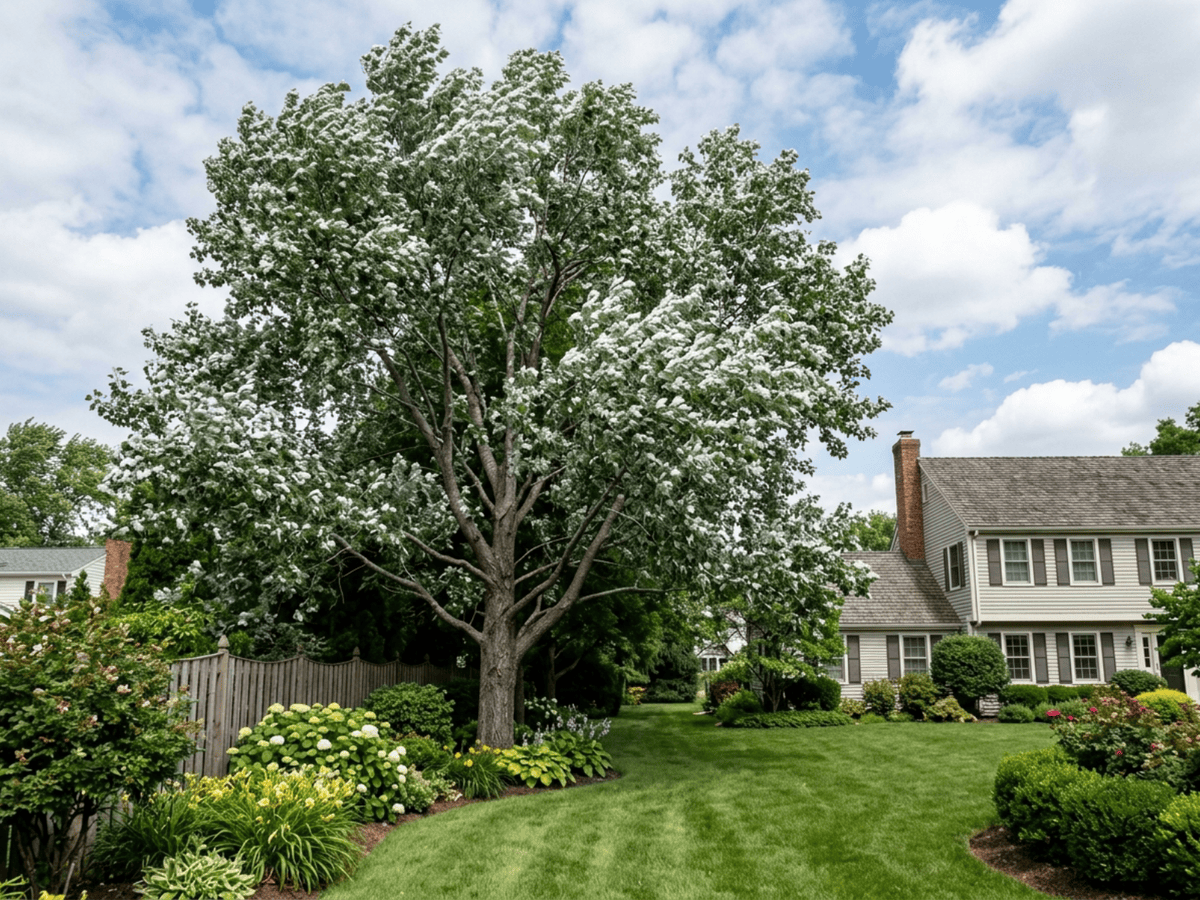
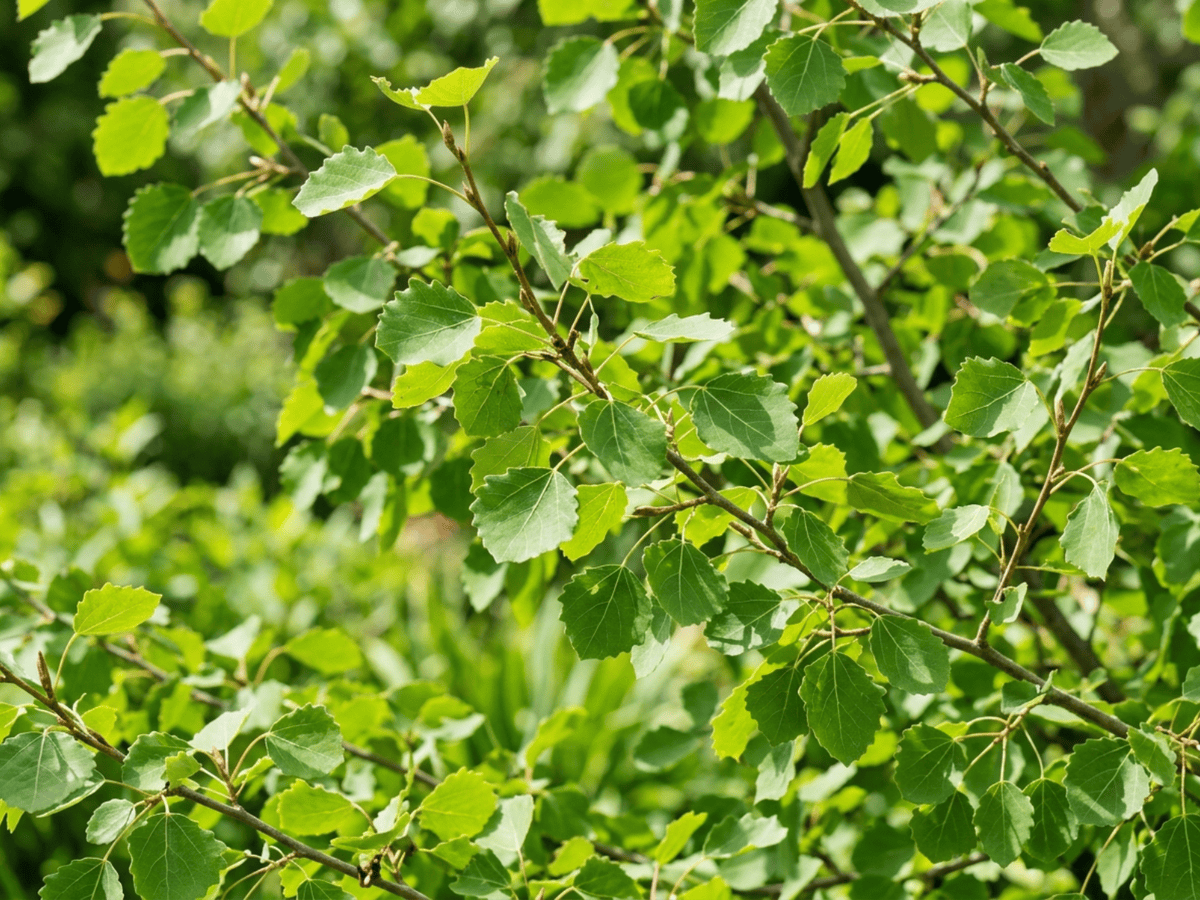
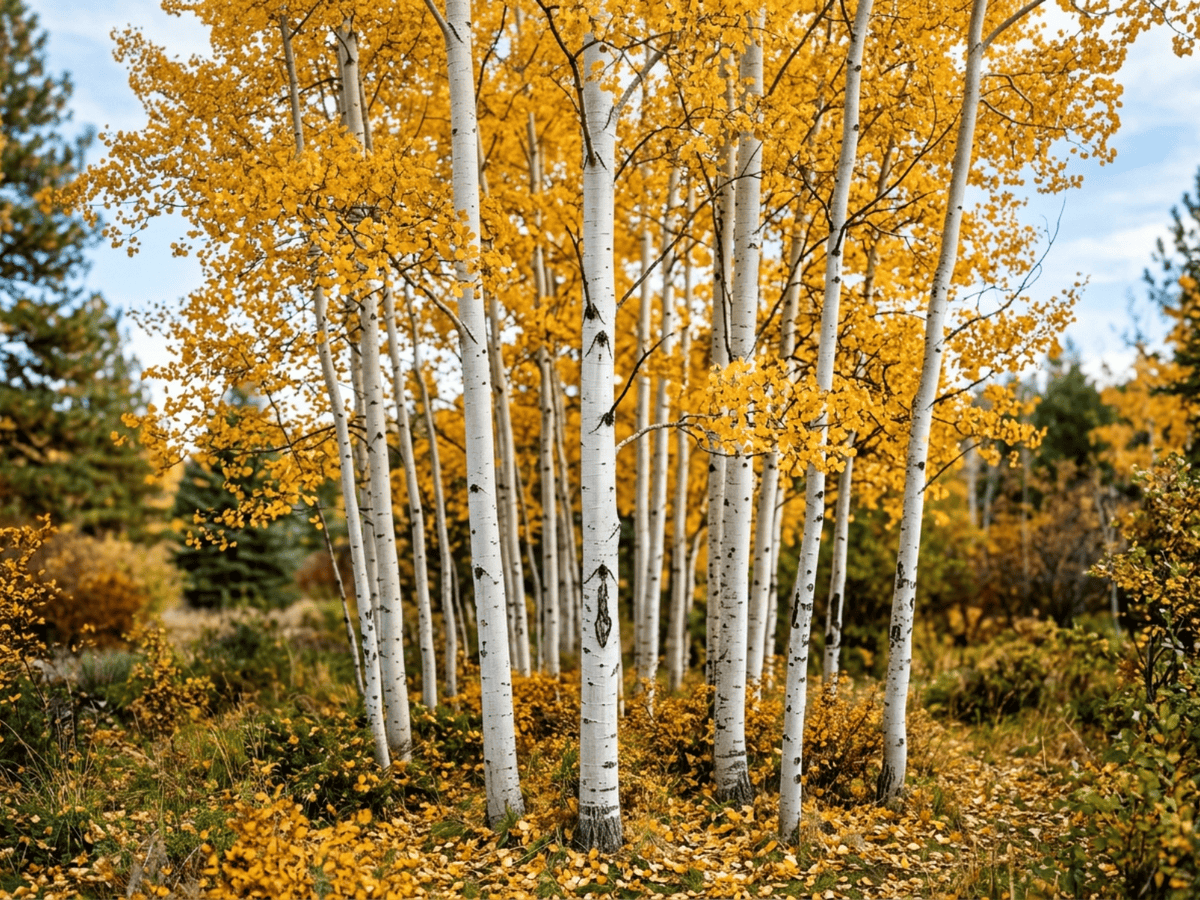
White Poplar is a fast-growing deciduous tree native to Europe, North Africa, and central Asia, reaching 50-80 feet. Instantly recognized by maple-like leaves with brilliant silver-white felted undersides that flash in the wind, and smooth pale greenish-gray bark on younger trunks. Naturalized across the US, it grows aggressively via suckers and is best planted only where its spread is welcomed.
- Drought-tolerant
- Fast-growing
How to care for White Poplar
Watering
- Springevery 10 days
- Summerevery 7 days
- Fallevery 14 days
- Winterevery 30 days
Soil · Well-draining
- Top dressingPine bark mulch10%
- Main mixPotting soil + perlite 2:170%
- DrainageLECA / gravel20%
Never skip the drainage layer — standing water is the top cause of root rot.
FERTILIZER
- Springevery 60 days
At a Glance
- NativeEurope, Western Asia, Africa
- Height50–80 ft (15.2–24.4 m)
- Spread30–60 ft (9.1–18.3 m)
- Flower colorGreen, Red
- Foliage colorGreen, Silver, Yellow
- Fruit colorWhite
- SoilWell-drained, Loamy
- LocationsYard
Bloom time
BLOOM CYCLE
Peak bloom
Mar–May
Catkins in early spring
Fragrance
LIGHT FRAGRANCE
Resinous balsam scent from spring leaf buds.
Toxicity
No toxicity has been reported for this plant. Still, it is wise to keep pets from chewing on any houseplant.
Educational information, not medical or veterinary advice. If exposure is suspected, contact a doctor or veterinarian.
DISTRIBUTION

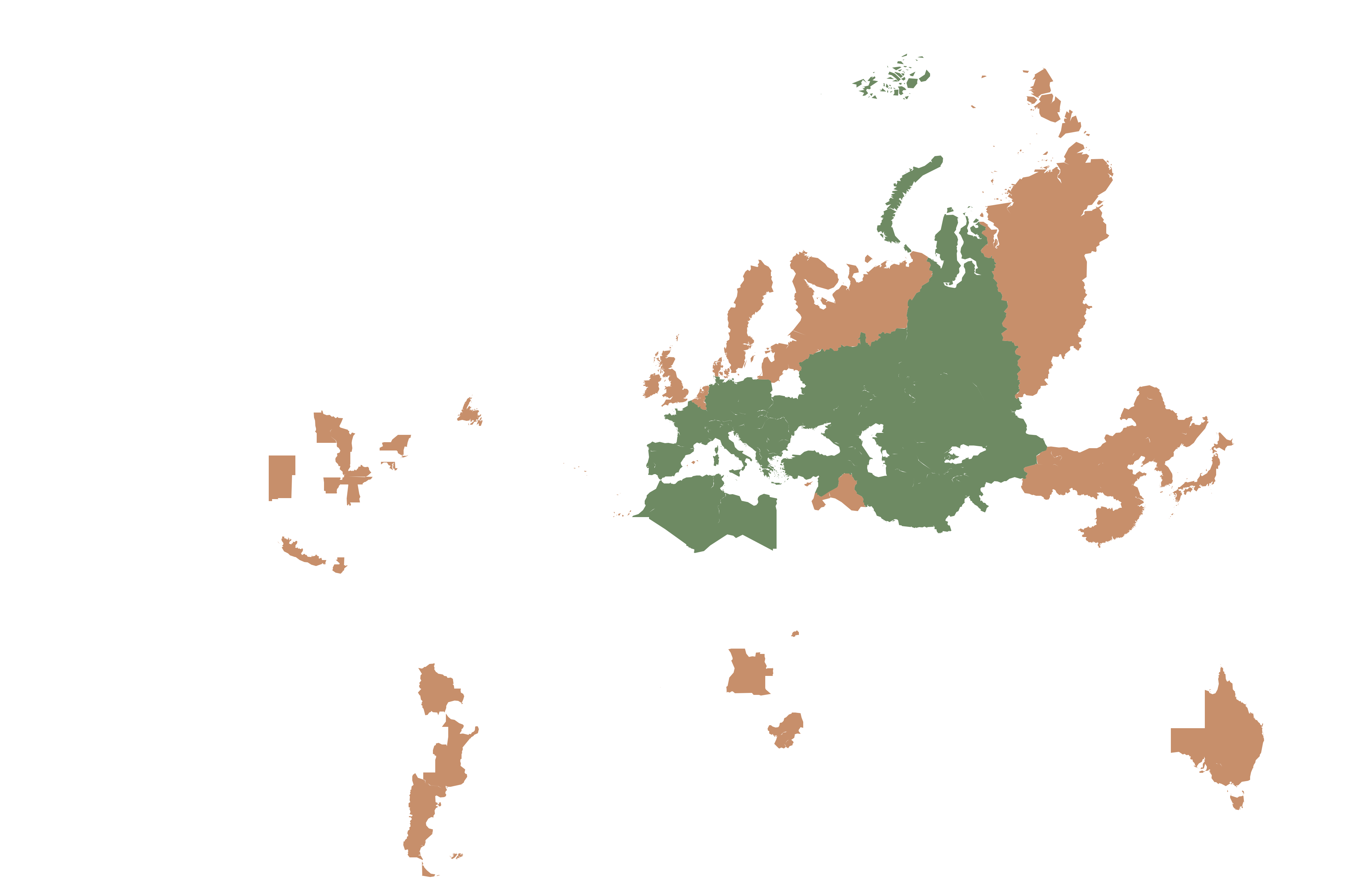
- Native
- Introduced
- Europe
- Western Asia
- Africa
History

Populus alba occurs naturally from Morocco and Iberia through central Europe to central Asia and western Siberia. Linnaeus described the species in Species Plantarum (1753), the name alba meaning white for the dense white woolly tomentum on leaf undersides and the smooth chalky-white to greenish-gray bark of young trunks. Greeks and Romans associated the white poplar with Herakles, who wore a crown of its leaves after his descent into Hades—the dark upper leaf surface was said to represent the underworld and the white underside the upper world.
The tree was widely planted across Europe for shelterbelts, riverbank stabilization, and ornament; it reached North America by the 1700s. Its aggressive root-suckering habit has made it a significant invasive in parts of the United States, where it displaces native vegetation.
Cultivar 'Nivea' has especially white leaf undersides, and the columnar 'Pyramidalis' (Bolleana poplar) is widely planted as a narrow screen. Introduced to colonial America from Europe as a fast shade and windbreak tree. The cultivar 'Bolleana' (also called 'Pyramidalis') is a narrow columnar form widely used in Plains shelterbelts since the Dust Bowl era.
Symbolism & meaning
What It Symbolizes
The White Poplar has been a classical symbol of time, its silver-backed leaves trembling in the slightest wind like the ceaseless turn of passing hours. Practical and protective, it has long served as a windbreak tree across European farmsteads, sheltering crops and homes from steady gales. Its meaning is the quiet companionship of time itself — a tree that whispers as the hours go by, while standing firmly between the household and the wind.
- Time — classical symbol of passing hours
- Protection — traditional windbreak tree
Where the Name Comes From
'Alba' means white, for the silvery leaves and pale bark.
Uses & Fun Facts
- Fast-growing canopy with white-undersided leaves provides shade
- Striking silver foliage and white bark for large landscapes
- Soft pale timber used for plywood pulp and matchsticks
Related plants
More Populus plants
Plants with similar care
 Chinese AbeliaAbelia chinensis
 Fragrant AbeliaAbelia mosanensis
 Large-Flowered AbeliaAbelia uniflora
 Glossy AbeliaAbelia x grandiflora
Frequently asked questions
How often should I water White Poplar?
In summer, water about every 7 days; in winter, about every 30 days. Adjust for heat, pot size and drainage.
How much light does White Poplar need?
Full sun: 6+ hrs direct. Watch the leaves — scorching or stretching means the light needs adjusting.
Is White Poplar toxic to cats or dogs?
No toxicity has been reported for this plant. Still, it is wise to keep pets from chewing on any houseplant. Educational information, not medical or veterinary advice. If exposure is suspected, contact a doctor or veterinarian.
Is White Poplar easy to grow?
Yes — it is considered an easy, beginner-friendly plant.
When does White Poplar bloom?
It typically blooms Mar–May in the Northern Hemisphere.
YardMate
Identify any plant in seconds
Snap a photo — YardMate names the plant, diagnoses problems, and reminds you when to water.
Download on the App Store