 YardMate

Quaking Aspen
Populus tremuloides
Medium · Some experienceAbout Quaking Aspen
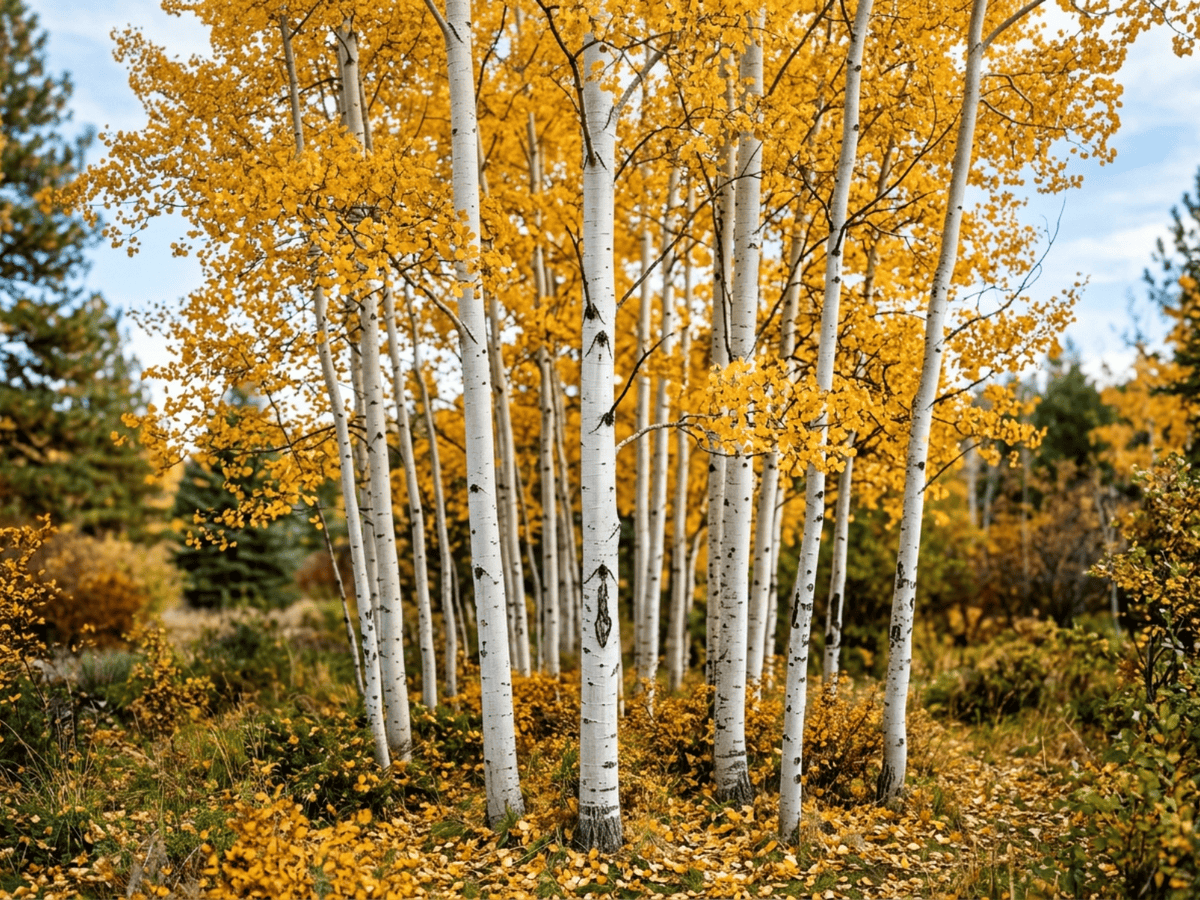
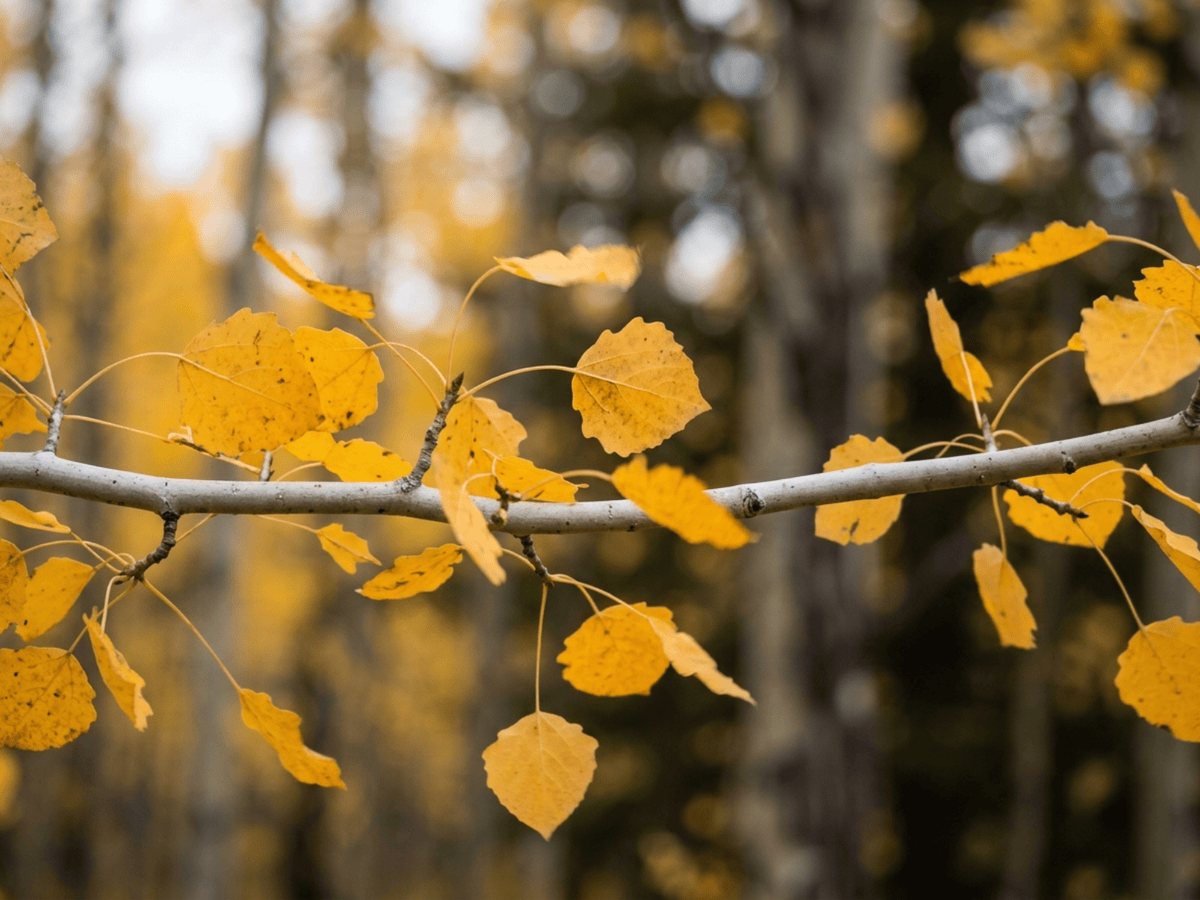
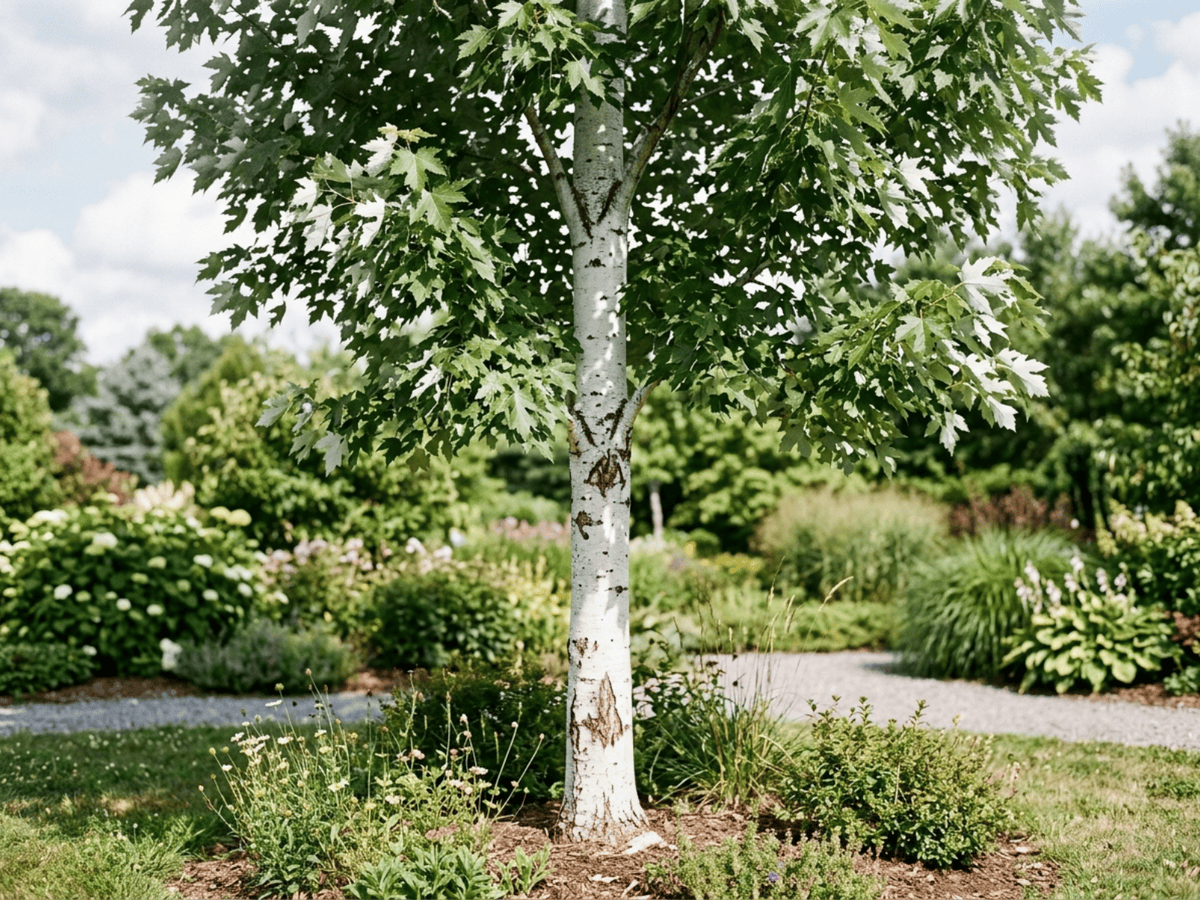
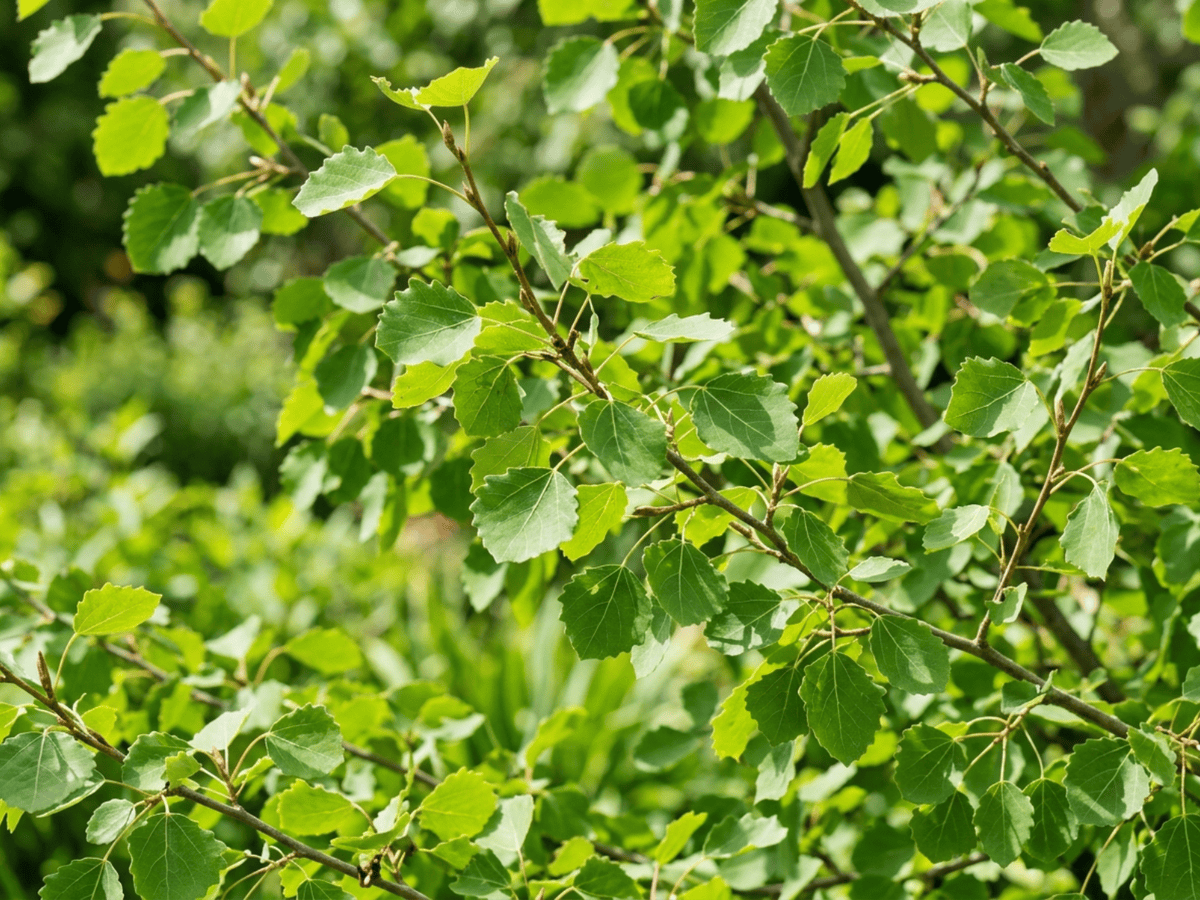
Quaking Aspen is an iconic deciduous tree of North America, reaching 20-50 feet, native from Alaska to Mexico and most widespread of any tree on the continent. Its flat-stemmed leaves tremble and shimmer in the slightest breeze—hence 'quaking'. Chalky white bark and dazzling golden fall foliage make it the signature tree of Rocky Mountain autumns. Spreads by clonal root suckers, forming vast connected groves.
- Fast-growing
- Fall-color
- Native
How to care for Quaking Aspen
Watering
- Springevery 10 days
- Summerevery 7 days
- Fallevery 14 days
- Winterevery 30 days
Soil · Well-draining
- Top dressingPine bark mulch10%
- Main mixPotting soil + perlite 2:170%
- DrainageLECA / gravel20%
Never skip the drainage layer — standing water is the top cause of root rot.
FERTILIZER
Balanced Feed 14-14-14
An even feed covers all three needs at once, keeping leaves, roots and blooms moving together with nothing pushed out of balance.
- Nitrogen · Leaves
- Phosphorus · Roots + Blooms
- Potassium · Strength
- Springevery 60 days
At a Glance
- NativeNorth America
- Height40–60 ft (12.2–18.3 m)
- Spread20–30 ft (6.1–9.1 m)
- Flower colorRed
- Foliage colorGreen, Yellow
- Fruit colorWhite
- SoilMoisture-retentive, Loamy, Well-drained
- LocationsYard
Bloom time
BLOOM CYCLE
Peak bloom
Mar–May
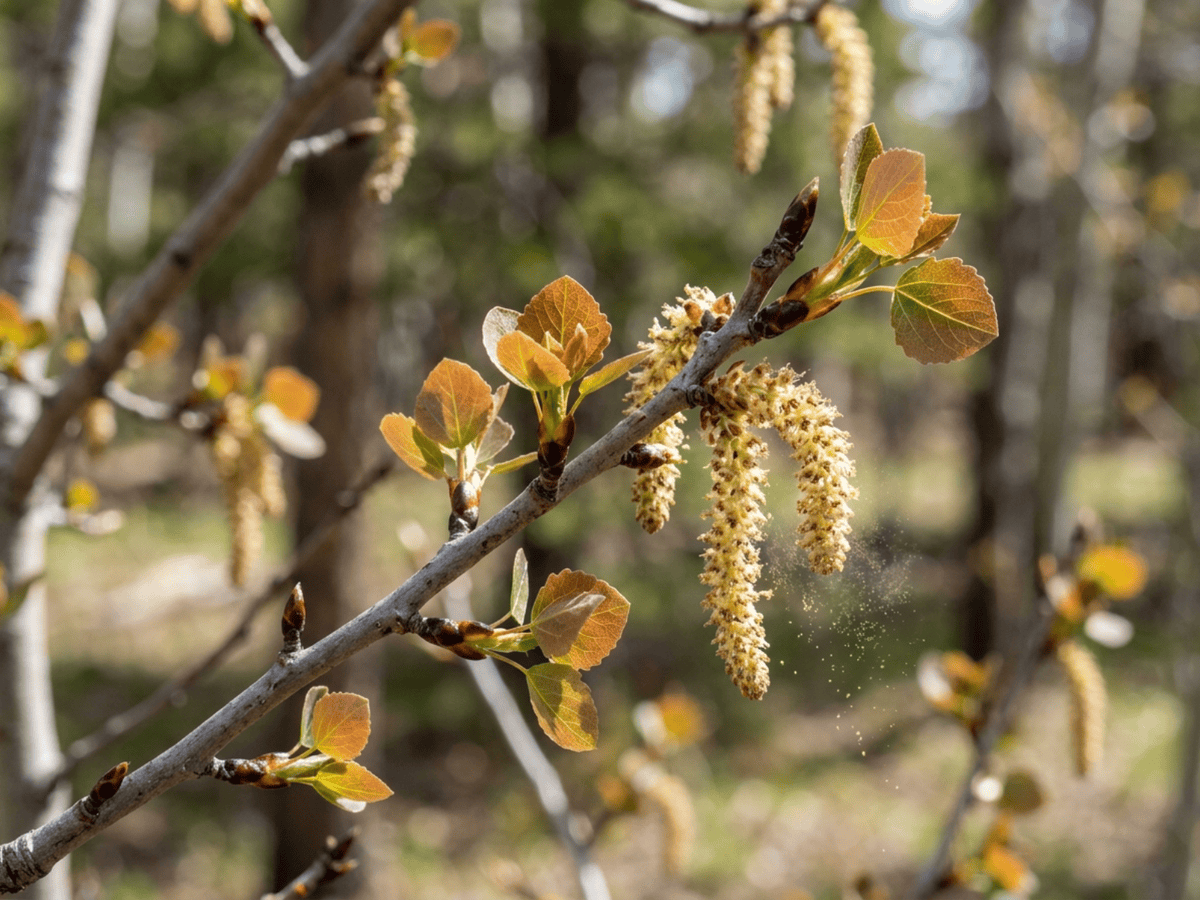
Drooping catkins in early spring
Fragrance
LIGHT FRAGRANCE
Resinous balsam scent from leaf buds in spring.
Toxicity
No toxicity has been reported for this plant. Still, it is wise to keep pets from chewing on any houseplant.
Educational information, not medical or veterinary advice. If exposure is suspected, contact a doctor or veterinarian.
DISTRIBUTION


- Native
- North America
History
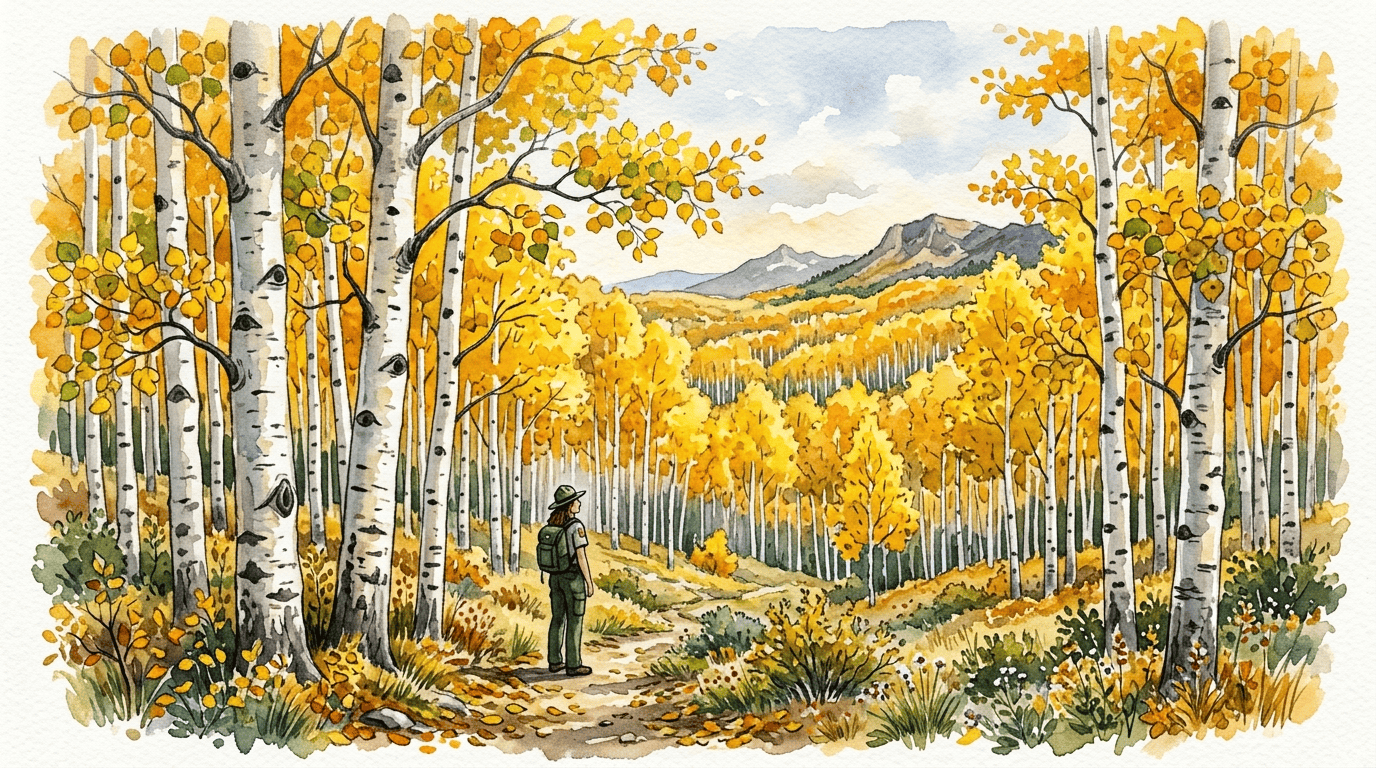
Populus tremuloides occupies the widest natural range of any North American tree, from Alaska and Labrador south through the Rocky Mountains to Mexico. French botanist André Michaux formally described it in his 1803 Flora Boreali-Americana. The flattened petioles cause leaves to tremble in the slightest breeze—hence tremuloides (resembling P. tremula, the European aspen).
Indigenous peoples throughout its range used the bitter inner bark for fevers and pain (it contains salicin, the precursor to aspirin) and the resinous leaf buds as respiratory medicine. Aspen reproduces clonally via root suckers, forming vast genetically identical groves. The Pando clone in Fishlake National Forest, Utah—a single male individual covering 43 hectares with an estimated 47,000 stems weighing 6,000 metric tons—is often cited as one of the largest and possibly oldest living organisms, with some estimates exceeding 14,000 years.
Aspen groves display brilliant golden fall color and are keystone habitat for wildlife across the western mountains. Pando, a single clonal aspen grove in Utah, spans 106 acres and is considered the largest and heaviest known organism on Earth—one tree connected by a shared root system estimated at 80,000 years old. Plains tribes used the bitter bark as a fever remedy (the compound salicin is chemically related to aspirin).
Symbolism & meaning
What It Symbolizes
The Quaking Aspen is the tree of Communication — round leaves on flattened stems that whisper at the slightest breath of wind. Its Interconnection runs deeper than any single trunk: an entire grove can be one clonal organism, linked underground by shared roots. A forest that is, secretly, a single being talking to itself in the wind.
- Communication — leaves whisper in any breeze
- Interconnection — clonal roots link entire groves
Where the Name Comes From
'Populus' is Latin for poplar; 'tremuloides' means 'resembling tremula'—the quaking European aspen.
Uses & Fun Facts
- Trembling leaves shimmer gold across mountain hillsides in fall
- Bark and twigs feed beavers, deer, and grouse
- Light wood used for matches, pulp, and chopsticks
- Fast-growing canopy provides shade for cool-climate properties
Related plants
More Populus plants
Plants with similar care
 Mexican AbeliaAbelia floribunda
 Fraser FirAbies fraseri
 Paperbark MapleAcer griseum
 Sugar MapleAcer saccharum
Frequently asked questions
How often should I water Quaking Aspen?
In summer, water about every 7 days; in winter, about every 30 days. Adjust for heat, pot size and drainage.
How much light does Quaking Aspen need?
Full sun: 6+ hrs direct. Watch the leaves — scorching or stretching means the light needs adjusting.
Is Quaking Aspen toxic to cats or dogs?
No toxicity has been reported for this plant. Still, it is wise to keep pets from chewing on any houseplant. Educational information, not medical or veterinary advice. If exposure is suspected, contact a doctor or veterinarian.
Is Quaking Aspen easy to grow?
It is moderately demanding: a good choice once you have a little experience.
When does Quaking Aspen bloom?
It typically blooms Mar–May in the Northern Hemisphere.
YardMate
Identify any plant in seconds
Snap a photo — YardMate names the plant, diagnoses problems, and reminds you when to water.
Download on the App Store