 YardMate


European Aspen
Populus tremula
Medium · Some experienceAbout European Aspen
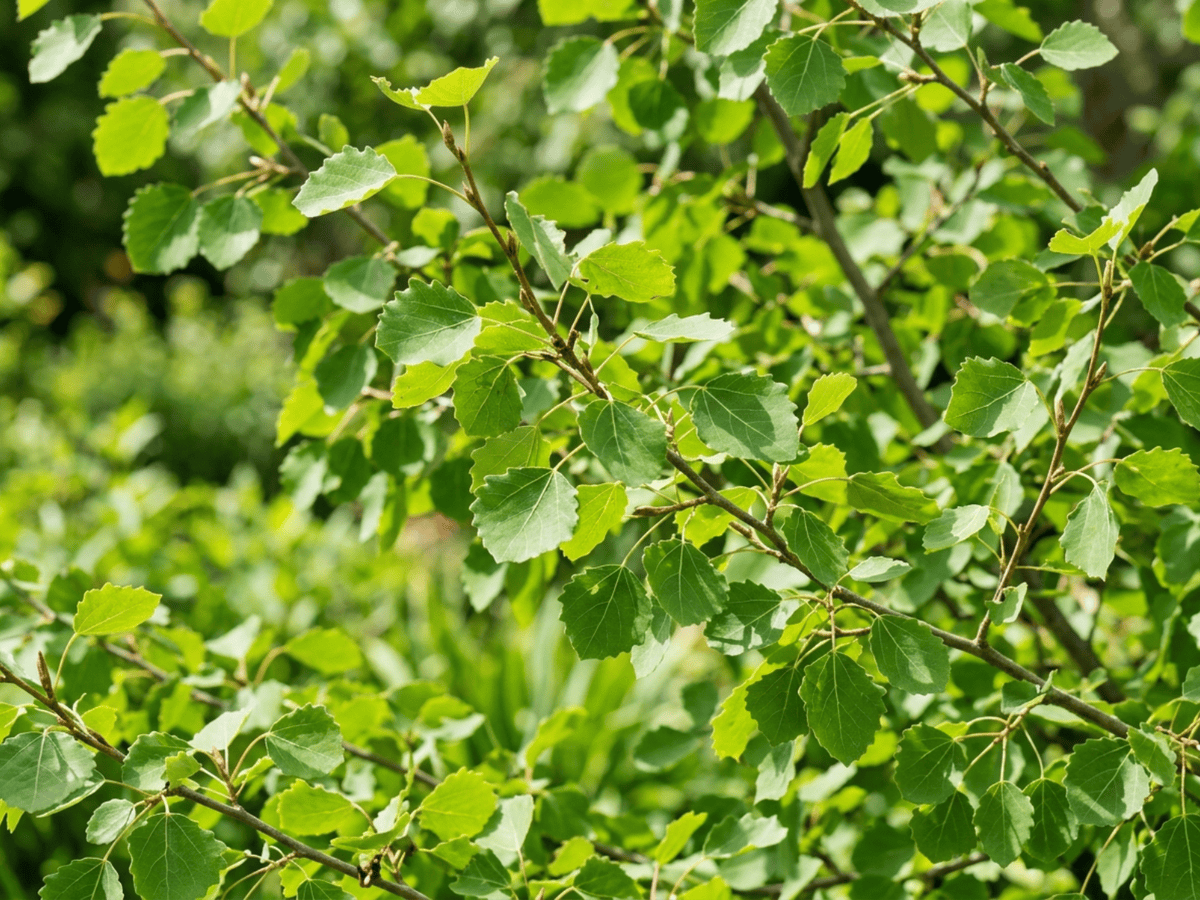
Populus tremula, the European aspen, is a slender deciduous tree famous for the ceaseless trembling of its leaves in the slightest breeze. This mesmerizing motion results from the flattened leaf stalks that allow the blade to pivot freely. Native across Europe and into Siberia, it is a pioneer species that colonizes open ground after fire or clearance, forming extensive groves through root suckers. A single clone can cover hectares and persist for thousands of years. The tree grows quickly to 20 meters, with smooth grey-green bark marked by diamond-shaped lenticels. In autumn the rounded leaves turn brilliant gold. Aspens are keystone species supporting over 100 insect species and providing food for grouse and deer. The soft white wood has been used for matchsticks, paper pulp, and saunas. Its whispering canopy has inspired poets and painters across centuries of European culture.
- Fast-growing
- Wildlife-friendly
How to care for European Aspen
Watering
- Springevery 7 days
- Summerevery 5 days
- Fallevery 10 days
- Winterevery 30 days
Soil · Well-draining
- Top dressingPine bark mulch10%
- Main mixPotting soil + perlite 2:170%
- DrainageLECA / gravel20%
Never skip the drainage layer — standing water is the top cause of root rot.
FERTILIZER
- Springevery 45 days
At a Glance
- NativeEurope, East Asia
- Height40–80 ft (12.2–24.4 m)
- Spread15–30 ft (4.6–9.1 m)
- Flower colorRed, Yellow
- Foliage colorGreen, Yellow
- SoilLoamy, Moisture-retentive
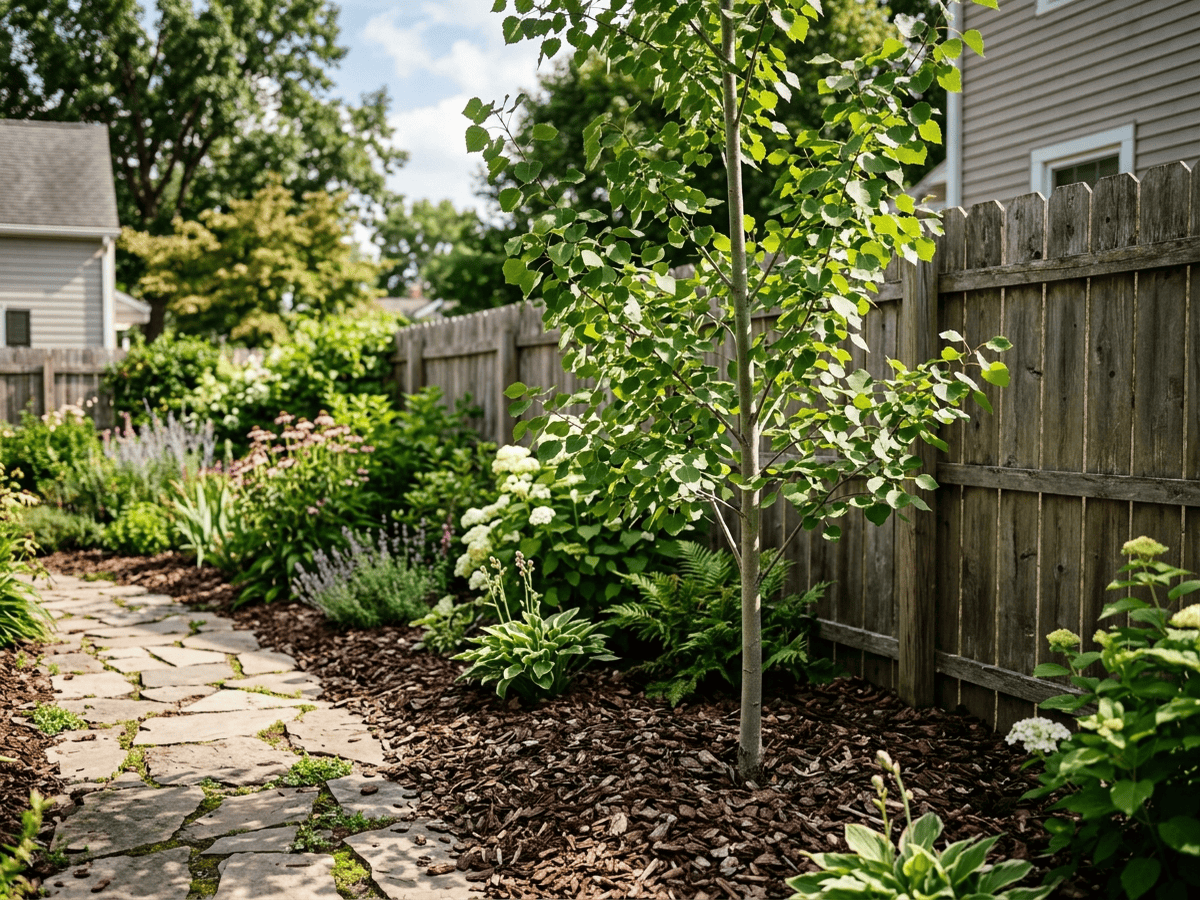
- LocationsYard
Bloom time
BLOOM CYCLE
Peak bloom
Mar–Apr
Catkins appear in early spring before leaves emerge
Fragrance
NO FRAGRANCE
No notable fragrance.
Toxicity
Humans Safe · Pets Safe
salicin
Safe
EXPOSURE No exposure route is reported.
EFFECT No significant toxicity and bark contains salicin (like willow), used in folk medicine.
NOTE Listed as non-toxic for humans; avoid eating ornamental plants unless confirmed edible.
Safe
EXPOSURE No exposure route is reported.
EFFECT Not listed as toxic.
NOTE Listed as non-toxic for dogs; avoid eating ornamental plants unless confirmed edible.
Safe
EXPOSURE No exposure route is reported.
EFFECT Not listed as toxic.
NOTE Listed as non-toxic for cats; avoid eating ornamental plants unless confirmed edible.
Educational information, not medical or veterinary advice. If exposure is suspected, contact a doctor or veterinarian.
DISTRIBUTION

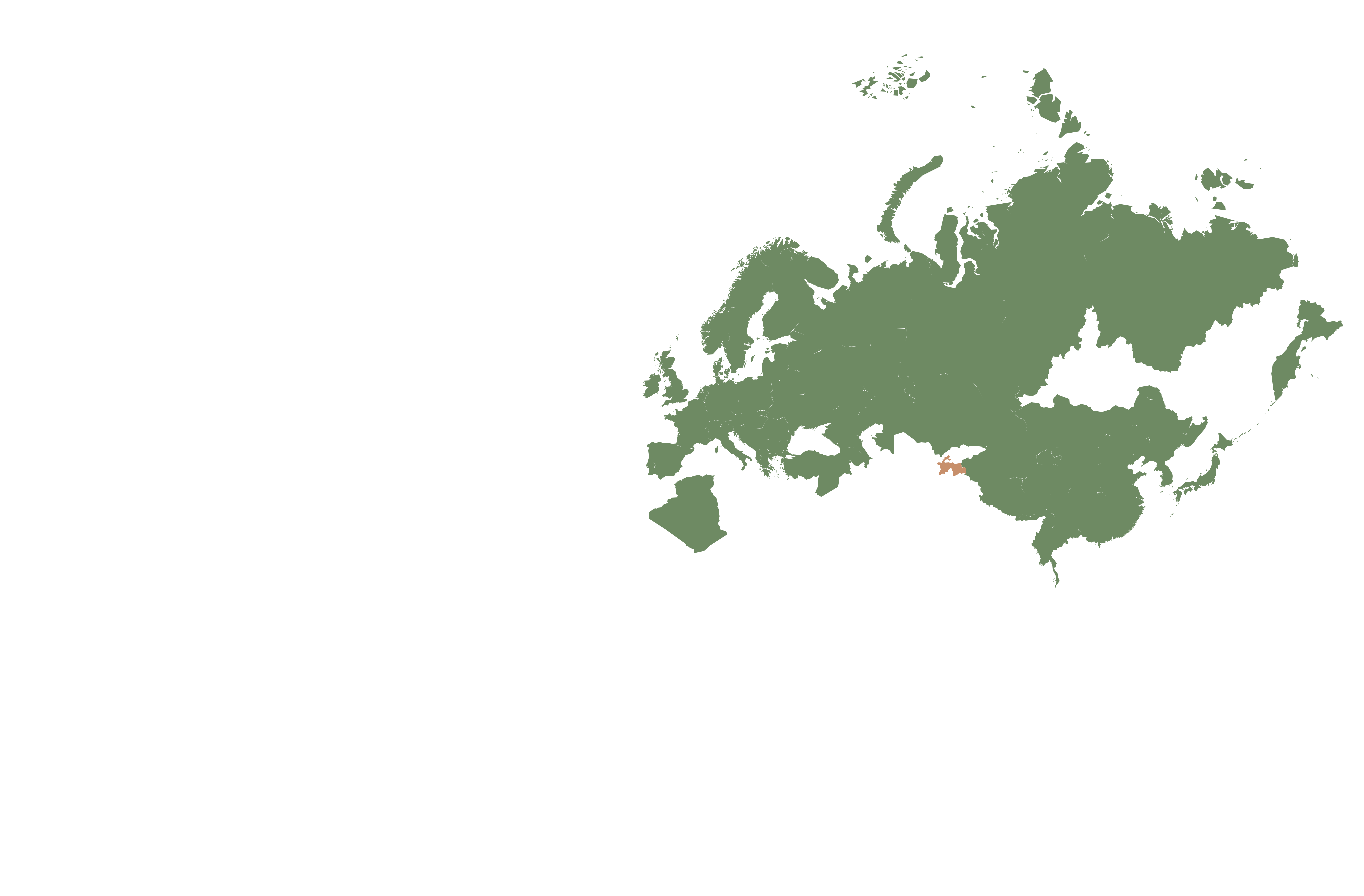
- Native
- Introduced
- Europe
- East Asia
History
Populus tremula is native to cool temperate regions of Europe and northern Asia. The species name and common name both describe the characteristic "trembling" of the leaves — the flattened leaf stalks are set perpendicular to the leaf blade, causing the leaves to flutter with the slightest breeze, producing a continuous rustling sound that is emblematic of European forests. Aspen is a primary larval host for many butterflies including the large tortoiseshell and white admiral, making aspen stands disproportionately important for forest insect diversity. Aspens reproduce clonally through root suckers, and individual clonal colonies can be enormous and ancient — the "Pando" clonal aspen grove in Utah (Populus tremuloides, the American quaking aspen, a closely related species) is estimated at over 80,000 years old and covers 43 hectares, potentially the largest single organism on Earth by biomass.
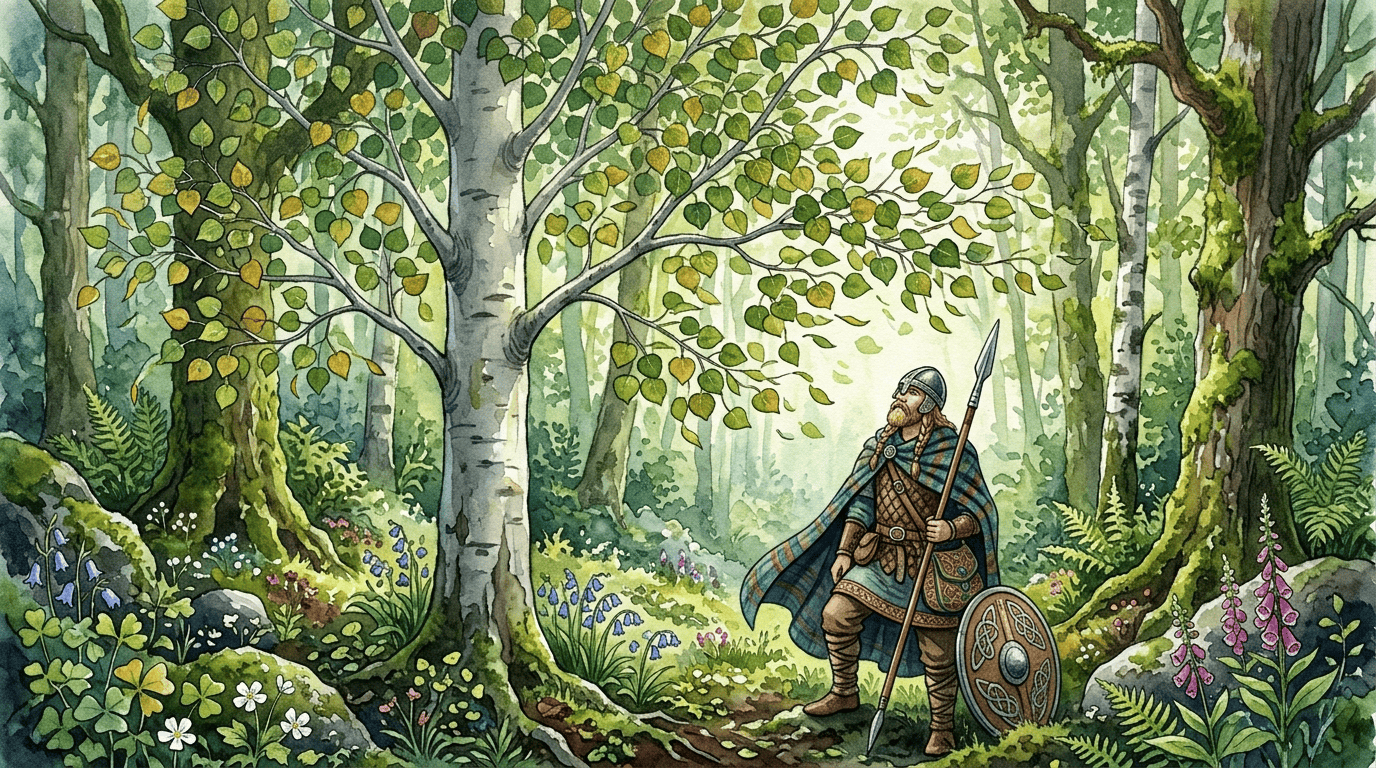
European P. tremula forms similar but smaller clonal colonies. Aspen wood is light, soft, and largely flavorless, making it preferred for matches, saunas (it doesn't splinter easily), and Scandinavian cuisine's traditional wooden butter paddles. In Celtic mythology the aspen was the tree of heroes, its trembling leaves said to echo the whispers of the spirit world.
Medieval Europeans believed the tree shook because its wood was used for the Cross. The bark's salicin content made it an early pain remedy — a precursor to modern aspirin. Vast aspen clones in Scandinavia have been genetically dated to over 10,000 years old, making them among the oldest living organisms on Earth.
Symbolism & meaning
What It Symbolizes
European Aspen carries courage in its trembling leaves — a pioneer tree that bravely colonizes burned, logged, or glaciated ground first, preparing soil for the slower forests that follow. Its flattened petioles make every leaf shiver in the slightest breath of wind, an old emblem of sensitivity, of emotional awareness. It is the tree that goes first into devastated places, and feels everything as it does.
- Courage — a pioneer tree that bravely colonizes barren ground after devastation
- Sensitivity — its trembling leaves symbolize emotional awareness and responsiveness
Where the Name Comes From
The name European Aspen points to Europe. Populus is Latin for 'people', as these trees were commonly planted in public spaces. Tremula means 'trembling', describing the characteristic leaf movement.
Uses & Fun Facts
- Soft light wood used for paper pulp and matchsticks
- Pioneer species providing food and cover for boreal wildlife
- Trembling leaves create constant shimmering motion in windbreaks
Related plants
More Populus plants
Plants with similar care
 Mexican AbeliaAbelia floribunda
 Fraser FirAbies fraseri
 Paperbark MapleAcer griseum
 Sugar MapleAcer saccharum
Frequently asked questions
How often should I water European Aspen?
In summer, water about every 5 days; in winter, about every 30 days. Adjust for heat, pot size and drainage.
How much light does European Aspen need?
Full sun: 6+ hrs direct. Watch the leaves — scorching or stretching means the light needs adjusting.
Is European Aspen toxic to cats or dogs?
Pets Safe (Dogs Safe · Cats Safe) Educational information, not medical or veterinary advice. If exposure is suspected, contact a doctor or veterinarian.
Is European Aspen easy to grow?
It is moderately demanding: a good choice once you have a little experience.
When does European Aspen bloom?
It typically blooms Mar–Apr in the Northern Hemisphere.
YardMate
Identify any plant in seconds
Snap a photo — YardMate names the plant, diagnoses problems, and reminds you when to water.
Download on the App Store